

Best Time to Visit Japan (Weather, Crowds & Costs)
Japan is an island nation in East Asia, nestled between the Pacific Ocean and the Sea of Japan. It stretches from north to south, offering a diverse range of climates that vary significantly depending on the region and time of year. 🤗The weather here is characterized by four distinct seasons: spring, summer, autumn, and winter. Each one brings its own unique charm and set of experiences, making Japan a year-round destination.
Weather & Seasons in Japan
🌸✨Spring (March to May)
Spring in Japan is one of the most magical times to visit, especially if you're lucky enough to catch the cherry blossoms (sakura) in full bloom. The weather is mild, with temperatures ranging from 5°C (41°F) in the early mornings to 18°C (64°F) during the day. 😗While the weather is generally pleasant, it can still be a bit chilly at times, especially in the evenings, so layering is key.
- What to wear: A light jacket or sweater for the daytime, and perhaps a heavier coat for cooler nights. Comfortable shoes are essential for exploring parks and temples.
- Best activities: Sakura viewing is a must-do! Head to parks like Ueno Park in Tokyo or Maruyama Park in Kyoto to experience this iconic tradition. It's also a great time to explore gardens, visit temples, and take scenic walks in cities like Kyoto, Osaka, or Tokyo. 😄
- Festivals/events: Hanami (flower viewing) festivals are widespread, with many local festivals, performances, and picnics happening under the cherry blossoms.
🌤️✨Summer (June to August)
Summer in Japan can be intense, with high humidity and temperatures often soaring above 30°C (86°F), especially in July and August. The peak heat occurs in July, where temperatures can easily reach 35°C (95°F) or higher. Southern regions like Tokyo and Osaka can feel especially hot, while northern areas like Hokkaido offer a more comfortable climate.😃
- What to wear: Light, breathable clothing, sunglasses, and sunscreen are a must. A hat or cap will help protect you from the sun, and a portable fan or cooling towel can be a lifesaver. ✨
- Best activities: If you're visiting in the summer, try exploring cooler areas like Hokkaido, which is known for its pleasant weather and flower fields. It's also a fantastic time for outdoor festivals like Kyoto’s Gion Matsuri and Tokyo's Sumida River fireworks display. 🌟
- Festivals/events: Japan’s summer is packed with lively festivals (matsuri), fireworks displays, and traditional dance events. Don’t miss the Gion Matsuri in Kyoto, the Awa Odori in Tokushima, or the massive fireworks festivals in Tokyo and Osaka.
🍁✨Autumn (September to November)
Autumn is another beautiful season in Japan, with comfortable temperatures ranging from 12°C (54°F) to 20°C (68°F). The weather is often crisp, with clear skies and dry air. The leaves change color in many regions, especially in the mountainous areas, creating stunning red, orange, and yellow landscapes. 😎
- What to wear: A light jacket or sweater is perfect for daytime activities. As evenings get cooler, a heavier coat or layer is ideal. Layering is essential, especially in higher altitudes.
- Best activities: Autumn is perfect for hiking, as the cooler temperatures and stunning foliage create a breathtaking backdrop. 😁Popular destinations for leaf-viewing include Kyoto's temples, Nara Park, and the Japanese Alps.
- Festivals/events: The Jidai Matsuri in Kyoto celebrates the city's history with a grand procession, and many regions host autumn harvest festivals. It's also a great time for enjoying seasonal foods like chestnuts, mushrooms, and sweet potatoes.
❄️✨Winter (December to February)
Winter in Japan can be cold, especially in northern regions and mountainous areas. While temperatures in cities like Tokyo and Osaka hover around 5°C (41°F) to 10°C (50°F), the northern island of Hokkaido can experience freezing temperatures with snow, making it ideal for winter sports enthusiasts.🙂 The weather is dry, and the air is crisp.
- What to wear: Layered clothing is essential. A warm coat, scarf, gloves, and boots are necessary if you're heading to colder regions. In cities like Tokyo, a lighter coat may be sufficient, but in snowy areas, you'll want something more insulated.
- Best activities: Winter is a great time for visiting hot springs (onsen), particularly in regions like Hakone and Beppu. Skiing and snowboarding are popular activities in places like Niseko and Nagano. You can also enjoy Japan’s unique winter traditions, such as ice festivals and temple visits.🥳
- Festivals/events: The Sapporo Snow Festival in Hokkaido is one of the most famous winter events, with stunning ice sculptures and winter activities. New Year’s celebrations are also a significant cultural event, with many temples holding special services.
Best Time to Visit Japan – Month-by-Month Guide
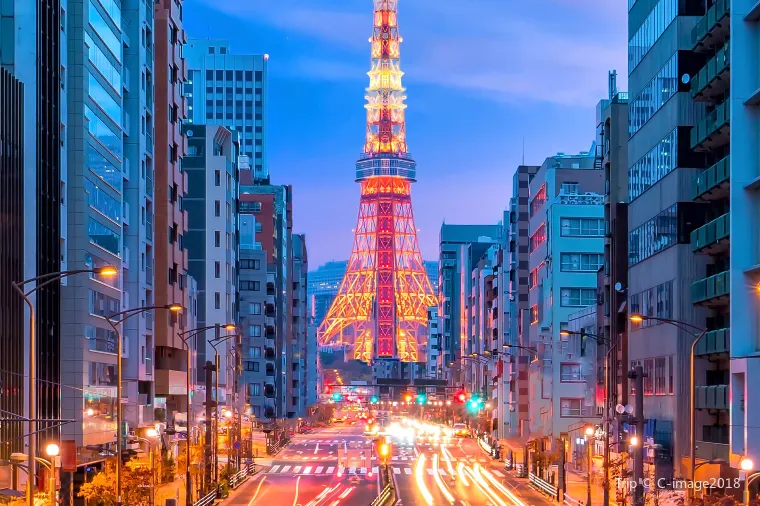
Japan’s weather varies greatly from north to south, offering something unique every month. From the cherry blossoms of spring to the snowy landscapes of winter, the best time to visit Japan truly depends on what kind of traveler you are. Whether you’re drawn to lively festivals, peaceful cherry blossom viewing, or winter sports, Japan’s weather by month ensures there’s always something for everyone. Let’s dive into the details of Japan’s month-by-month weather, along with helpful insights on what to expect during your trip.
Month | Temperature Range (°C/°F) | Rainfall Levels (mm/inches) | Traveler Insights |
January | 1°C to 9°C (34°F to 48°F) | 50 mm (2 inches) | Winter is chilly, especially in the north, but perfect for hot springs (onsen) and skiing in Hokkaido. Expect fewer crowds, but bring warm layers. |
February | -1°C to 7°C (30°F to 45°F) | 45 mm (1.8 inches) | A great month for winter sports in Nagano or Niseko. Fewer tourists around, so you can enjoy a more peaceful experience. |
March | 5°C to 13°C (41°F to 55°F) | 110 mm (4.3 inches) | Spring begins with milder temperatures. Expect crowds for cherry blossoms toward the end of the month—book early to secure spots for Hanami festivals. |
April | 9°C to 16°C (48°F to 61°F) | 110 mm (4.3 inches) | Peak cherry blossom season! It’s one of Japan's best travel months, so expect vibrant celebrations, though it can be crowded, especially in major cities. |
May | 14°C to 21°C (57°F to 70°F) | 70 mm (2.8 inches) | Perfect for sightseeing, with comfortable temperatures and lower rainfall. Ideal for outdoor activities and hiking. |
June | 18°C to 24°C (64°F to 75°F) | 180 mm (7 inches) | Japan’s rainy season begins. Expect humid weather and frequent showers, especially in Tokyo and Kyoto. Bring waterproof gear and a flexible itinerary. |
July | 22°C to 30°C (72°F to 86°F) | 125 mm (4.9 inches) | Hot and humid, with temperatures above 30°C (86°F) in major cities. The Obon festival later in the month brings heavy travel crowds, so book early. |
August | 23°C to 31°C (73°F to 88°F) | 110 mm (4.3 inches) | Summer heat peaks in August, making it a great time for beachgoers in Okinawa or summer festivals like the Gion Matsuri. Be ready for high temperatures. |
September | 18°C to 26°C (64°F to 79°F) | 200 mm (7.9 inches) | Typhoon season brings unpredictable weather, especially in coastal regions. It’s less crowded but watch out for strong winds and rains. |
October | 13°C to 19°C (55°F to 66°F) | 120 mm (4.7 inches) | Crisp autumn weather with fewer rain showers, making it perfect for leaf viewing. The fall foliage in Kyoto and Nikko is a must-see during this month. |
November | 7°C to 14°C (45°F to 57°F) | 70 mm (2.8 inches) | A beautiful time to visit for autumn colors. Temperatures are cool, and the crowds have thinned out since summer. Great for hiking or visiting temples. |
December | 2°C to 10°C (36°F to 50°F) | 50 mm (2 inches) | Winter begins to set in, with cold temperatures but generally dry weather. Excellent for visiting temples and enjoying the holiday lights in cities. |
Crowds, Costs & Festivals: Choosing the Right Time to Visit Japan
1️⃣Peak Season (Busiest & Most Popular Months)
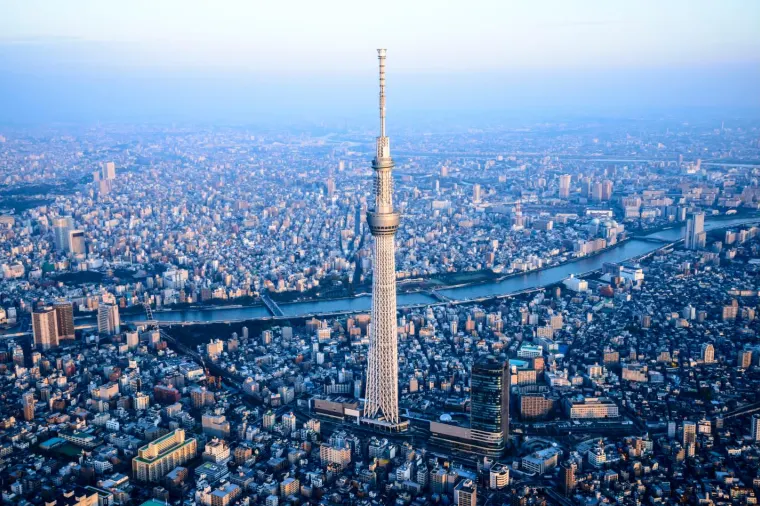
For Japan, the peak season spans from March to May and July to August. Here’s why:
- March to May: This period is the best time to visit Japan if you're looking to see the iconic cherry blossoms (sakura). The mild spring weather, coupled with the blooming flowers, attracts massive crowds, especially in cities like Tokyo, Kyoto, and Osaka. Plus, there’s a rush of domestic tourists during school holidays.
- July to August: Summer is a lively time in Japan, particularly because of the many festivals (like the Gion Matsuri in Kyoto and fireworks festivals in Tokyo). The weather is hot and humid, but it’s also when the country is alive with events and excitement.
✅Crowds & Costs: Expect higher prices for flights and accommodation during these months, with hotels often fully booked months in advance. Attractions are crowded, and you may face long waits.
✅Pros: Excellent weather (spring) and vibrant festivals (summer). If you love lively atmospheres and unique cultural experiences, these months are perfect.
✅Cons: Expect higher prices and larger crowds, especially around major holidays like Golden Week (late April to early May). Hotels and tours get booked up quickly.
✅Smart Travel Hacks: If you're planning to visit during peak season, book everything months in advance. Try visiting smaller cities or rural areas to avoid the crowds. If you're traveling in the summer, look into early morning or evening visits to popular attractions to dodge the worst of the heat and crowds.
2️⃣Shoulder Season (Balanced Months for Weather & Crowds)
The shoulder season falls between September to November and January to February, which are great for avoiding the peak season chaos while still enjoying pleasant weather.
- September to November: Fall is one of Japan’s most beautiful times to visit, with vibrant autumn foliage in places like Kyoto and the Japanese Alps. Temperatures are comfortable, and crowds are thinner compared to spring.
- January to February: While winter can be cold, it's an excellent time for winter sports in Hokkaido and the Japanese Alps. Plus, cities like Tokyo and Kyoto are quieter post-New Year.
✅Crowds & Costs: These months are less crowded, especially in the weeks following the New Year holidays or right before the autumn foliage peaks. Flight and hotel prices are moderate, though they can increase slightly during the autumn leaf-viewing season.
✅Pros: Pleasant weather, lower crowds, and still plenty of activities to enjoy. If you’re budget-conscious but want to experience Japan's natural beauty, the shoulder months are ideal.
✅Cons: Some tourist spots might not be at their peak (like cherry blossoms in spring), and the weather can be chilly, especially in winter.
✅Smart Travel Hacks: If you're traveling in autumn, aim for mid-November when the foliage is at its peak but crowds haven’t fully arrived. In winter, take advantage of fewer tourists to enjoy top sights like temples and shrines in peace.
3️⃣Off-Peak Season (Least Crowded & Most Budget-Friendly Time)
The off-peak season in Japan is typically June and December, when tourism slows down due to the weather or holiday periods.
- June: This is the rainy season in Japan, meaning lots of rain, high humidity, and occasional typhoons, especially in coastal areas like Okinawa. While the countryside looks lush and green, it’s not ideal for sightseeing.
- December: After the New Year rush, tourism drops significantly. While the weather can be cold, it’s a quieter time to visit cities like Tokyo or Osaka. The Christmas lights in major cities can be beautiful, but it’s not as lively as the spring or summer months.
✅Cost & Crowd Levels: These months are the cheapest for flights and hotels. With fewer tourists around, you'll find lower prices and less competition for bookings.
✅Advantages & Downsides: The main advantage is lower costs and fewer crowds. However, expect rain in June and cold weather in December. Some attractions may close for maintenance, and not all restaurants or hotels may be open.
✅Smart Travel Hacks: If you can tolerate the weather, traveling in June means avoiding the crowds and snagging great deals. In December, try to visit temples, museums, and shopping districts that are less affected by the cold.
4️⃣Major Festivals & Events That Impact Travel
Japan has a rich cultural calendar, and the festivals can significantly impact travel dynamics.
- Cherry Blossom Season (March to May): This is Japan’s biggest festival period, attracting tourists from around the world. Hotels, flights, and tourist spots get crowded, and prices rise. If you want to catch cherry blossoms without the crowds, visit lesser-known spots.
- Gion Matsuri (July): One of Japan’s largest festivals, held in Kyoto, where you can see massive parades, traditional floats, and street festivals. Expect crowded streets and higher accommodation prices in Kyoto during this time.
- Obon Festival (August): A Buddhist holiday that honors the spirits of ancestors, celebrated with traditional dances, processions, and family reunions. It’s busy, particularly in rural areas, and prices can spike.
- Autumn Foliage (October to November): A peak travel time for those seeking to witness the beautiful autumn leaves. Kyoto and the Japanese Alps are especially popular, so book early if you plan to visit.
- New Year (December to January): This is one of the most important holidays in Japan, and while some tourist spots close, there are special New Year’s events and shrine visits that are unique to this period. Crowds can be dense at temples and shrines during the first few days of January.
Recommended Hotels in Japan
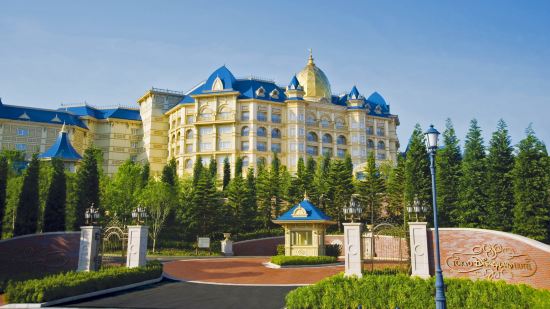
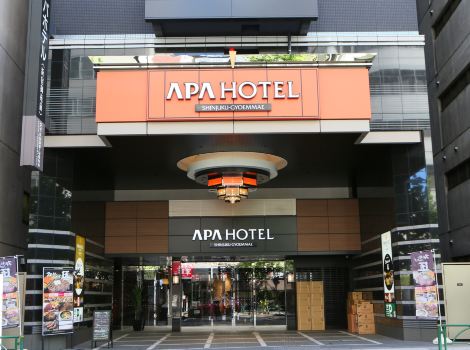
 NO.1
NO.1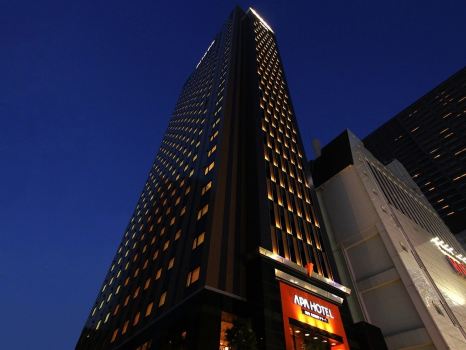



Best Time to Visit Japan Based on Your Travel Style
1️⃣ Budget Travelers
If you're looking to save on flights and accommodation, June and December are the cheapest months to visit Japan. The rainy season in June and the cold, post-New Year period in December mean fewer tourists, so prices for flights and hotels drop significantly.
💠Why these months are great for budget travelers:
- Flights and hotels are more affordable, and you'll have more flexibility in booking last-minute deals.
- With fewer tourists around, you won’t have to worry about price hikes during major festivals or holidays.
💰Money-saving tips:
- Book your flights at least 2-3 months in advance, especially for travel in the fall and spring, which are high-demand seasons.
- Consider staying in guesthouses, hostels, or capsule hotels for the most budget-friendly accommodations.
2️⃣ Luxury Travelers
If you're looking for the best time to indulge in high-end experiences, I recommend March to May and October to November. The weather is just right—mild and pleasant—perfect for enjoying luxury activities, and Japan’s upscale hotels and fine dining options are in their prime.
💠Why these months are ideal for luxury travelers:
- The cherry blossom season (March-April) and autumn foliage (October-November) offer breathtaking views, and Japan’s luxury offerings shine during these times.
- Exclusive events like the Kyoto Gion Matsuri in July or private tea ceremonies are available if you're willing to splurge.
💰Luxury tips:
- Book Michelin-starred restaurants or exclusive experiences well in advance. Hotels like the Ritz-Carlton in Kyoto or The Peninsula Tokyo offer special seasonal packages during these peak times.
- Consider booking private guided tours to avoid crowds while enjoying a VIP experience at Japan’s top temples and attractions.
3️⃣ Adventure Seekers
For adventure lovers, January to February (winter) and July to August (summer) are perfect for different kinds of outdoor activities. Whether you’re into skiing, hiking, or water sports, these months offer a wide range of opportunities.
💠Why these months are ideal for adventure seekers:
- Winter (January-February): Head to Hokkaido for some of the best skiing in Asia, or enjoy onsen (hot springs) after a day of snow sports.
- Summer (July-August): Perfect for hiking in the Japanese Alps or enjoying water sports in Okinawa, with the added thrill of summer festivals.
🏔️Adventure tips:
- If you're into skiing, book your stays in resorts like Niseko or Hakuba well in advance to secure the best accommodations and ski passes.
- For a less crowded experience, visit national parks and hiking spots in the shoulder seasons (April-May or September-November).
4️⃣ Cultural Enthusiasts
The best months for cultural enthusiasts are March to May and October to November, thanks to the rich array of festivals and the breathtaking natural beauty during these times. Whether it’s cherry blossom viewing or experiencing the full glory of Japan’s autumn foliage, these months offer an unparalleled cultural experience.
💠Why these months are perfect for cultural enthusiasts:
- Spring (March-May): Cherry blossoms, traditional tea ceremonies, and the start of temple festivals are in full swing.
- Autumn (October-November): The fall foliage in Kyoto and other historic towns offers a stunning backdrop to explore temples, shrines, and historical sites.
🏮Cultural tips:
- To avoid the busiest times around cherry blossom festivals, visit smaller towns like Kanazawa or Nikko for a more peaceful, authentic experience.
- Check local event calendars for seasonal festivals such as the Awa Odori dance in August or the Jidai Matsuri in October.
5️⃣ Family Travelers
For families, I recommend visiting Japan during the shoulder seasons in April-May and September-October. These months offer great weather and less crowded attractions, perfect for traveling with children.
💠Why these months are great for family travelers:
- Spring (April-May): Pleasant weather for outdoor activities, and the cherry blossoms are an exciting sight for kids. Theme parks like Tokyo Disneyland and Universal Studios Japan are less crowded.
- Fall (September-October): Comfortable weather for family hikes, outdoor festivals, and exploring nature without the summer heat.
🏡Family-friendly tips:
- Visit Japan during school holiday periods (especially mid-summer or during winter breaks), but keep in mind that these times can be more crowded and expensive.
- Look for family-friendly accommodations like ryokan (traditional inns) with kids’ amenities, or spacious hotels with rooms designed for families.
✈ Final Tips for Planning Your Trip to Japan
No matter when you visit, Japan’s blend of ancient traditions, modern marvels, and stunning landscapes makes it a dream destination year-round. However, if you’re looking for the ideal mix of pleasant weather, festivals, and fewer crowds, March to May and October to December are your best options.
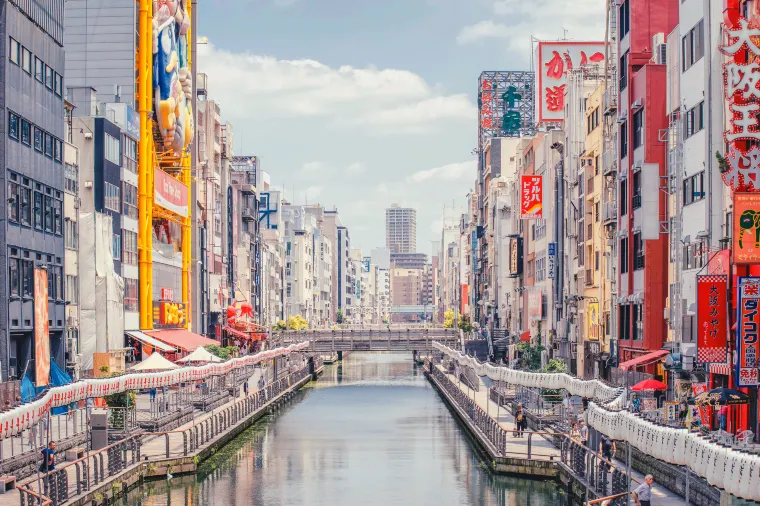
Now that you know the best time to visit, it’s time to plan your trip! Looking for the perfect place to stay? Check out our Where to Stay in Japan guide to find the best areas and hotels for your stay. Or, if you’re eager to explore, don’t miss our Top Things to Do in Japan for must-visit spots and hidden gems.
With the perfect timing in mind, all that’s left is to book your flights, pack your bags, and get ready for an unforgettable Japan adventure! 🇯🇵✨
FAQs: Common Questions About Visiting Japan😁
-
What’s the best way to get around Japan?
-
Is Japan safe for tourists?
-
What’s the best neighborhood to stay in?
-
What’s a common tourist mistake in Japan?
-
What’s the best time to visit Japan for good weather & fewer crowds?
-
Do I need cash, or can I use a credit card everywhere?
-
Is tipping expected in Japan?
-
What are the best free things to do in Japan?