

Best Time to Visit Korea (Weather, Crowds & Costs)
About Korea
Korea, located on the eastern edge of the Asian continent, experiences four distinct seasons due to its temperate climate. Its diverse landscape, from bustling cities to tranquil mountains and serene coastlines, makes Korea a captivating destination year-round. However, the weather varies greatly, so understanding the seasonal patterns will help you plan the best time for your trip. Here's what you can expect throughout the year:
🌸Spring (March to May)
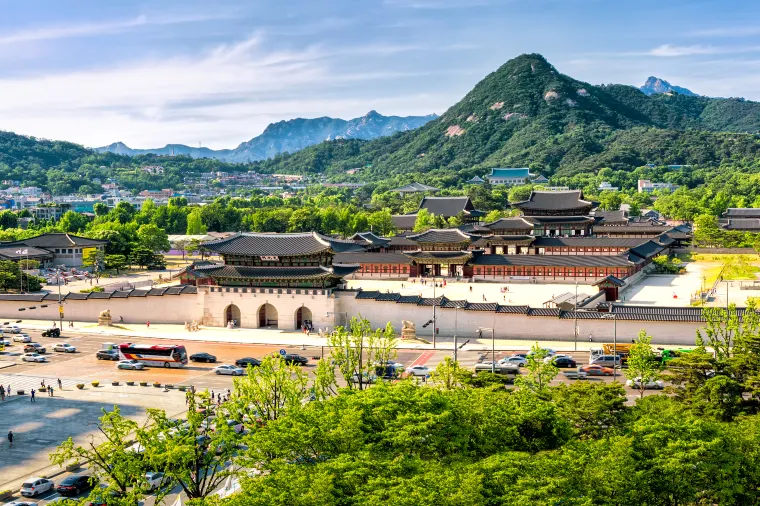
During spring, the weather in Korea is mild and refreshing. Temperatures range from 5°C (41°F) in March to 20°C (68°F) in May, and the humidity is low, making it one of the best times to visit Korea. The famous cherry blossoms bloom in April, turning parks and streets into beautiful shades of pink and white. It’s a magical time to explore outdoor attractions like Namsan Tower or the picturesque gardens of Gyeongbokgung Palace.
💠What to wear: Light jackets or sweaters are perfect for the daytime, while evenings can be cooler, so you might want a warmer layer. Comfortable shoes are essential for exploring the many outdoor sights.
💠Best seasonal activities: Visit during cherry blossom season (late March to early April) for breathtaking views. Hiking in places like Seoraksan National Park is ideal, as the weather is just right for enjoying the fresh air and scenic views.
💠Festivals: The cherry blossom festivals in Seoul, Jeju, and other cities draw crowds every year. It’s a fantastic time for photographers and nature lovers to visit.
☀️Summer (June to August)
Korea's summers can be scorching, with temperatures often reaching 30°C (86°F) or higher. June marks the beginning of the monsoon season, which lasts until mid-July, bringing heavy rain and humidity. Afterward, August brings intense heat with dry spells and high humidity. The summer can feel uncomfortable due to the sweltering heat and sticky air, especially in cities like Seoul.
💠What to wear: Light, breathable clothing is key to staying comfortable, along with sunscreen and sunglasses. A portable fan or cooling towels can be a lifesaver in the city heat. Don’t forget an umbrella for the rainy season!
💠Best seasonal activities: If you can handle the heat, summer in Korea is a great time to hit the beach. Visit places like Busan’s Haeundae Beach or Jeju Island for some sun and sea. If you're a fan of water sports or seafood, this is the season for you.
💠Festivals: The Boryeong Mud Festival, held every July on Daecheon Beach, is a popular event where people slather themselves in mud for fun activities. Summer is also a great time to experience Korean music festivals, like the Incheon Pentaport Rock Festival.
🍁Autumn (September to November)
Autumn is arguably the best time to visit Korea. The temperatures range from 10°C (50°F) in September to 15°C (59°F) in November. The humidity drops, and the air becomes crisp and fresh. What makes autumn in Korea truly special is the stunning fall foliage, which transforms mountains and parks into a dazzling display of reds, oranges, and yellows.
💠What to wear: A light jacket or sweater is usually enough during the day, but bring a heavier coat for cooler evenings. Layers are key, especially if you're venturing into the mountains.
💠Best seasonal activities: Hiking is top-notch in autumn. Explore the beautiful trails in places like Gyeongju or Jirisan, where the foliage creates a breathtaking backdrop. Autumn is also the perfect time to stroll through the many parks in Seoul, such as Hangang Park, to enjoy the vibrant colors.
💠Festivals: Korea’s autumn festivals, like the Andong Mask Dance Festival and the Seoul Lantern Festival, celebrate both cultural heritage and the beauty of the season. The harvest season also brings traditional foods like songpyeon (rice cakes), so make sure to try some!
❄️Winter (December to February)
Korea’s winters are cold and dry, with temperatures often dipping below freezing. Seoul and other inland cities experience snow, especially in January, while coastal areas like Busan are milder but still chilly. Winter in Korea brings both beauty and some challenges, but it’s a great time for those who enjoy the cold and winter sports.
💠What to wear: Bundle up! You’ll need a heavy coat, scarf, gloves, and warm boots to stay comfortable in the freezing temperatures. Be prepared for slippery sidewalks if you’re visiting during a snowy spell.
💠Best seasonal activities: Skiing and snowboarding are the top activities in Korea’s ski resorts like Yongpyong and Pyeongchang. Winter festivals also bring light displays and cultural performances. You can also enjoy indoor attractions like Korean spas (jjimjilbang), which are perfect for warming up after a day in the cold.
💠Festivals: The Seoul Kimchi Making & Sharing Festival is held every winter, and it’s a great way to dive into one of Korea’s most beloved foods. The winter lantern festivals in Seoul and other cities bring dazzling light displays that create a magical winter atmosphere.
Best Time to Visit Korea – Month-by-Month Guide
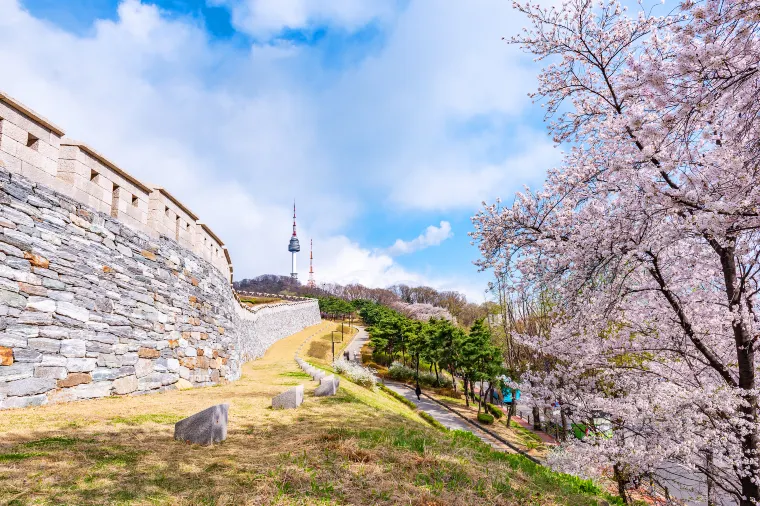
South Korea offers a dynamic range of experiences year-round, with each season bringing its unique charm. From the cherry blossoms in spring to the festive atmosphere in winter, the weather in South Korea varies significantly depending on the time of year. The best travel months to visit South Korea typically fall between spring (April to June) and fall (September to November), offering comfortable weather and vibrant landscapes. If you love festivals and cultural events, you'll find plenty to explore, but be mindful of high tourist traffic in summer and major holidays. Here’s a detailed month-by-month guide to help you plan your perfect trip to South Korea.
Month | Temperature Range (°C/°F) | Rainfall Levels (mm/inches) | Traveler Insights |
January | -7°C to 3°C (19°F to 37°F) | 22mm (0.87 inches) | Coldest month with snow in the north. Great for winter sports in ski resorts like Pyeongchang. Expect fewer tourists and lower prices. Pack warm clothing and layers. |
February | -6°C to 4°C (21°F to 39°F) | 19mm (0.75 inches) | Still chilly but a good time for winter activities. Light snowfall continues, but crowds are sparse. You’ll find low-cost travel and great deals. |
March | 1°C to 10°C (34°F to 50°F) | 36mm (1.42 inches) | Early spring with chilly mornings and evenings. Expect fewer crowds. Perfect for witnessing the start of cherry blossom season, especially towards the end of the month. |
April | 7°C to 15°C (45°F to 59°F) | 48mm (1.89 inches) | The best time to visit for cherry blossoms in full bloom, especially in Seoul and Jeju. Comfortable temperatures and relatively fewer tourists compared to summer. |
May | 12°C to 22°C (54°F to 72°F) | 67mm (2.64 inches) | Mild and pleasant weather, with daytime highs in the low 20s°C. Ideal for sightseeing and outdoor activities like hiking. Crowds start to pick up as the weather warms. |
June | 17°C to 26°C (63°F to 79°F) | 137mm (5.39 inches) | Early summer brings higher temperatures and the start of the rainy season. Expect more rain and humidity. The crowds increase with school holidays, especially in Seoul. |
July | 21°C to 30°C (70°F to 86°F) | 300mm (11.81 inches) | Hot and humid, with heavy monsoon rains in July. The rain can be unpredictable, so pack for wet weather. If you enjoy summer festivals and vibrant beach activities, visit! |
August | 21°C to 29°C (70°F to 84°F) | 284mm (11.18 inches) | Continued monsoon season. Expect high humidity and frequent rainfall. Beach resorts like Busan are popular, but prepare for crowds. Be sure to bring waterproof gear. |
September | 17°C to 25°C (63°F to 77°F) | 150mm (5.91 inches) | Rain eases off, and the weather cools down. A fantastic time to visit with fewer tourists than summer. Enjoy festivals like Chuseok (Korean harvest festival) and outdoor hikes. |
October | 9°C to 17°C (48°F to 63°F) | 60mm (2.36 inches) | Peak fall season! Cool, crisp air and vibrant autumn foliage. Perfect for exploring national parks and historical sites. Ideal for photography enthusiasts. |
November | 2°C to 11°C (36°F to 52°F) | 34mm (1.34 inches) | Fall is winding down, but it's still pleasant for sightseeing. Fewer crowds compared to summer. Great for scenic walks and food festivals, like Kimchi-making events. |
December | -4°C to 4°C (25°F to 39°F) | 28mm (1.10 inches) | Cold, with some snowfall in the north. The festive mood picks up around Christmas and New Year. Ideal for winter sports enthusiasts and those seeking a quiet escape. |
Crowds, Costs & Festivals: Choosing the Right Time to Visit Korea
1️⃣ Peak Season (Busiest & Most Popular Months)
Months: April to June and September to October. ✨
Why Visit:
- Spring (April to June): Cherry blossoms paint the country in shades of pink, especially in areas like Gyeongju. 🥰
- Autumn (September to October): The fall foliage offers vibrant colors, making it a picturesque time to explore national parks and countryside. 😘
Crowds & Costs:
- Crowds: These periods attract the highest number of tourists, leading to crowded attractions and popular spots.
- Costs: Expect higher prices for flights and accommodations due to increased demand.
Pros:
- Enjoy the most favorable weather conditions with mild temperatures and clear skies. 😁
- Experience Korea's natural beauty at its peak during cherry blossom and autumn foliage seasons.
- Attend numerous festivals and cultural events that occur during these months.
Cons:
- Dealing with large crowds can be challenging, especially at popular tourist sites. 🙂
- Securing accommodations may require early bookings, and prices can be steep.
Smart Travel Hacks:
- Advance Planning: Book flights and accommodations well ahead of time to secure better rates and availability.
- Timing Visits: Visit major attractions early in the day to avoid peak crowds.
- Alternative Spots: Explore less-known sites that offer similar beauty without the crowds.
2️⃣ Shoulder Season (Balanced Months for Weather & Crowds)
Months: March and November. ✨
Why Visit:
- March: The tail end of winter offers crisp air and fewer tourists.
- November: Late autumn provides mild weather and a chance to experience the tail end of fall foliage.
Crowds & Costs:
- Crowds: These months see moderate tourist numbers, offering a balance between activity and relaxation.
- Costs: Travel expenses are generally more reasonable compared to peak seasons. 😗
Pros:
- Enjoy comfortable weather without the intensity of peak season temperatures. 😎
- Benefit from more availability and potentially lower prices for accommodations and flights.
- Engage in various activities without the overwhelming presence of large crowds.
Cons:
- Some attractions may have reduced hours or limited services as they transition between peak seasons.
- Weather can be unpredictable, with occasional cold snaps or unexpected rain.
3️⃣ Off-Peak Season (Least Crowded & Most Budget-Friendly Time)
Months: December to February. ✨
Why Visit:
- Winter (December to February): Cold temperatures and snowfall create opportunities for winter sports and unique cultural experiences. 🤗
Crowds & Costs:
- Crowds: Tourist numbers are at their lowest, offering a peaceful experience at major sites.
- Costs: Flights and accommodations are typically at their most affordable during this period. 😊
Pros:
- Ideal for winter sports enthusiasts, with numerous ski resorts operating during this time.
- Enjoy cultural festivals unique to winter, such as ice fishing and snow sculpture events.
- Take advantage of lower travel expenses due to off-peak pricing.
Cons:
- Cold temperatures can be challenging for those unaccustomed to winter climates.
- Some attractions may close for maintenance or operate on limited schedules during the off-peak months.
4️⃣ Major Festivals & Events That Impact Travel
- Cherry Blossom Festivals (April): Celebrate the arrival of spring with festivals like the Jinhae Gunhangje Festival, attracting visitors worldwide.
- Boryeong Mud Festival (July): Experience one of Korea's most popular summer festivals, featuring mud-based activities and entertainment. 😉
- Chuseok (September): Korea's harvest festival brings families together, leading to some business closures but offering a deep dive into Korean culture. 😗
- Seoul Lantern Festival (November): Witness the city illuminated by thousands of lanterns, creating a mesmerizing nighttime spectacle.
Impact on Travel:
- Prices & Availability: Major festivals can lead to increased prices and limited availability, requiring early bookings. 😗
- Crowd Levels: Expect significant crowds during festivals, especially at event sites and surrounding areas.
Planning Tips:
- Festival Alignment: Align your visit with festivals for unique cultural experiences, keeping in mind the potential for crowds and higher costs.
- Advance Reservations: Secure accommodations and transportation well in advance during festival periods to ensure availability. 🥰
- Local Insights: Engage with locals or consult local event calendars to discover lesser-known festivals and events that might align with your travel plans. 😁
Recommended Hotels in Korea
 NO.1
NO.1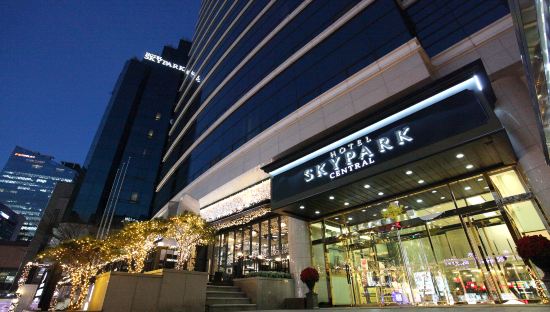

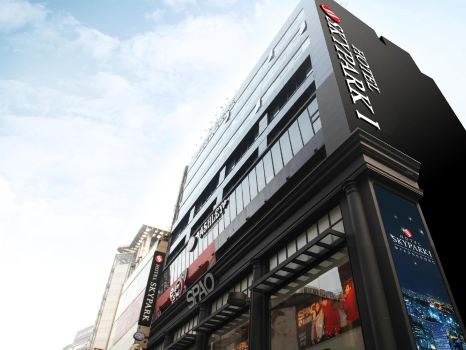
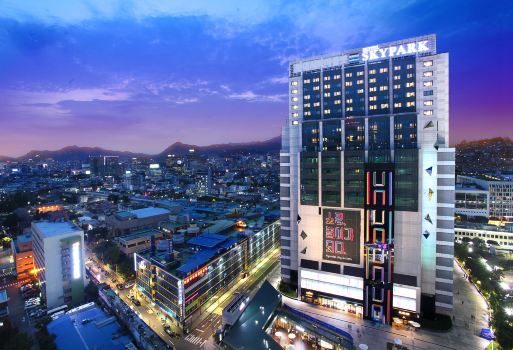
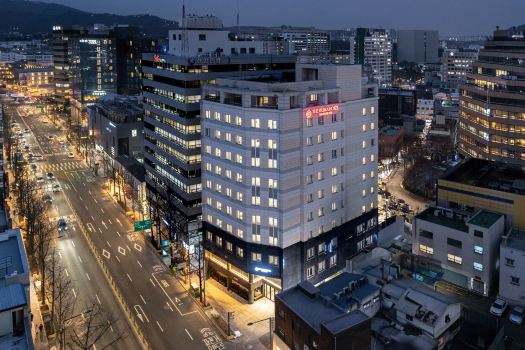
Best Time to Visit South Korea: Based on Your Travel Style
1️⃣ Budget Travelers 💰✈️
The best time to visit South Korea on a budget is during the shoulder seasons—April to early June and September to early November. These months are just outside of peak tourist periods, offering cheaper flights and hotel rates. Airlines often lower prices after the spring holiday rush and before the year-end holiday crowds.
💡 Money-saving tips:
- Book flights 2–3 months in advance for the best deals. Midweek flights (Tuesdays and Wednesdays) are often cheaper.
- Stay in budget-friendly areas like Insadong or Myeongdong, where you can find affordable guesthouses and hostels.
- Use the T-money card for public transport, which also offers discounts at certain convenience stores and restaurants. 😍
2️⃣ Luxury Travelers ✨🏨
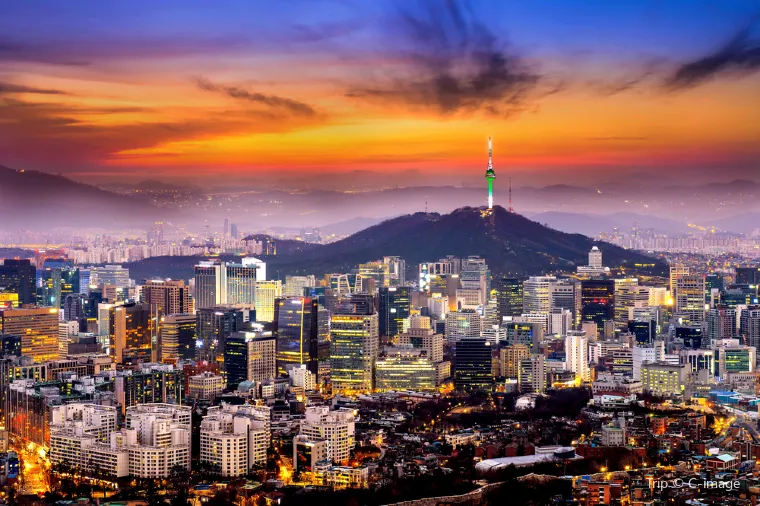
If you're looking for a high-end experience, visit South Korea from October to December. The weather is crisp, cool, and clear, perfect for enjoying rooftop dining and scenic tours of Seoul's skyline. This is also when luxury shopping peaks, with the latest collections available in high-end boutiques.
🍾 Luxury must-dos:
- Book a stay at The Shilla Seoul or Four Seasons Hotel Seoul for top-tier service and unbeatable views.
- Indulge in Michelin-star dining at Jungsik or La Yeon.
- Secure VIP access to the Seoul Kimchi Making & Sharing Festival in November for an exclusive culinary experience.
💡 Pro tip: Book exclusive spa treatments, private city tours, and fine dining experiences well in advance to secure the best spots.
3️⃣ Adventure Seekers ⛰️🚴♂️
For outdoor thrills, the best time to visit South Korea is from October to March, when the weather is cooler, and the humidity is low—perfect for hiking, biking, and winter sports.
🔥 Top adventure picks:
- Hike the Bukhansan Mountain in autumn to enjoy colorful foliage and panoramic views of Seoul.
- Try skiing or snowboarding in Pyeongchang during the winter months.
- Explore the trails of Jeju Island for scenic walks through volcanic landscapes and lush forests.
💡 Pro tip: Avoid visiting during summer (June–August) as it can be very humid, and typhoons may disrupt outdoor plans.
4️⃣ Cultural Enthusiasts 🎎🏮
To dive deep into South Korean culture, time your visit to coincide with major festivals. January to February is perfect for traditional celebrations, while April to May offers a vibrant arts and music scene.
🏮 Must-see cultural events:
- Seollal (Lunar New Year) - January/February: Witness colorful parades, traditional performances, and vibrant street festivals.
- Chuseok (Korean Harvest Festival) - September/October: Celebrate with local food, dances, and family gatherings.
- Seoul Lantern Festival - November: See beautiful lantern displays along the Cheonggyecheon Stream.
💡 Crowd-avoiding tip: Visit cultural landmarks like Gyeongbokgung Palace or Bukchon Hanok Village early in the morning to avoid the crowds.
5️⃣ Family Travelers 👨👩👧👦🎡
For family-friendly adventures, the best time to visit South Korea is during the spring (March–May) and autumn (September–November), when the weather is pleasant for outdoor activities, and theme parks are less crowded than during peak summer.
🎢 Top family-friendly attractions:
- Everland & Lotte World: Enjoy these popular amusement parks with fewer crowds and shorter wait times in the spring and autumn.
- Namsan Seoul Tower & Namsan Park: Kids will love the cable car ride up to the tower and the park’s beautiful nature trails.
- Seoul Children’s Museum & Trick Eye Museum: Fun indoor activities for rainy days.
💡 Family travel tips: - Avoid visiting during major holidays like Seollal and Chuseok—attractions will be overcrowded.
- Look for family-friendly accommodations with larger rooms in areas like Gangnam or Hongdae.
- Bring snacks and drinks for theme park visits, as food inside can be pricey.
✈ Final Tips for Planning Your Trip to Korea
No matter when you visit, Korea’s vibrant culture, breathtaking landscapes, and rich history make it a top destination year-round. However, for the ideal mix of pleasant weather, festivals, and fewer crowds, the best times to go are from March to May and October to December.
Now that you know when to visit, it’s time to plan your trip! Looking for the best places to stay? Check out our Where to Stay in Korea guide to find the perfect areas and hotels for your stay. And if you’re ready to dive into Korea’s rich culture, don’t miss our Top Things to Do in Korea for must-see sights and hidden gems.
With your timing sorted, all that’s left is to book your flights, pack your bags, and prepare for an unforgettable adventure in Korea! 🇰🇷✨
FAQs: Common Questions About Visiting Korea✨
-
What’s the best way to get around Korea?
-
How much should I budget per day?
-
Is Korea safe for tourists?
-
What’s the best neighborhood to stay in?
-
What’s the best local food to try?
-
What’s a common tourist mistake in Korea?
-
What’s the best time to visit Korea for good weather & fewer crowds?
-
Do I need cash, or can I use a credit card everywhere?
-
Is tipping expected in Korea?
-
What are the best free things to do in Korea?