
Oleh LEO
8 Januari 2026

Located across a vast range of climates, China reaches its coldest period of the year in January. Winter is fully established nationwide, bringing crisp air, dry conditions, and stark regional contrasts. While northern and western regions experience deep winters with snow and freezing temperatures, southern coastal cities remain cool and relatively comfortable. Malaysian travellers will notice a dramatic seasonal shift—from icy landscapes in the north to mild, jacket-friendly weather in the south.
What to Expect Across China in January
Northern China (Beijing, Harbin, Inner Mongolia):
January is the coldest month of the year in northern China. Expect severe cold, dry air, and frequent snow, especially in cities like Harbin, where temperatures often fall below -20°C. Beijing experiences freezing days with bright, clear skies and occasional snowfall. Winter activities and ice festivals dominate this region.
Central China (Wuhan, Xi’an, Chengdu):
Central China remains cold and damp, with temperatures hovering between 0°C and 8°C. Snowfall is rare but possible in Xi’an. Chengdu is cold and humid, often cloudy, and can feel chillier than the thermometer suggests due to high moisture levels and limited indoor heating.
Southern China (Guangzhou, Xiamen, Shenzhen):
Southern China offers a cool, dry, and pleasant winter escape. Daytime temperatures usually range from 10°C to 18°C, making January ideal for sightseeing and outdoor exploration. Rainfall is low, and the climate feels refreshing rather than harsh.
Western China (Tibet, Xinjiang, Qinghai):
January brings extreme winter conditions to western and high-altitude regions. Expect subzero temperatures, snow-covered landscapes, and strong winds. Travel here is best suited for experienced winter travellers with proper cold-weather preparation.
China Weather in January: Peak Winter Across the Nation
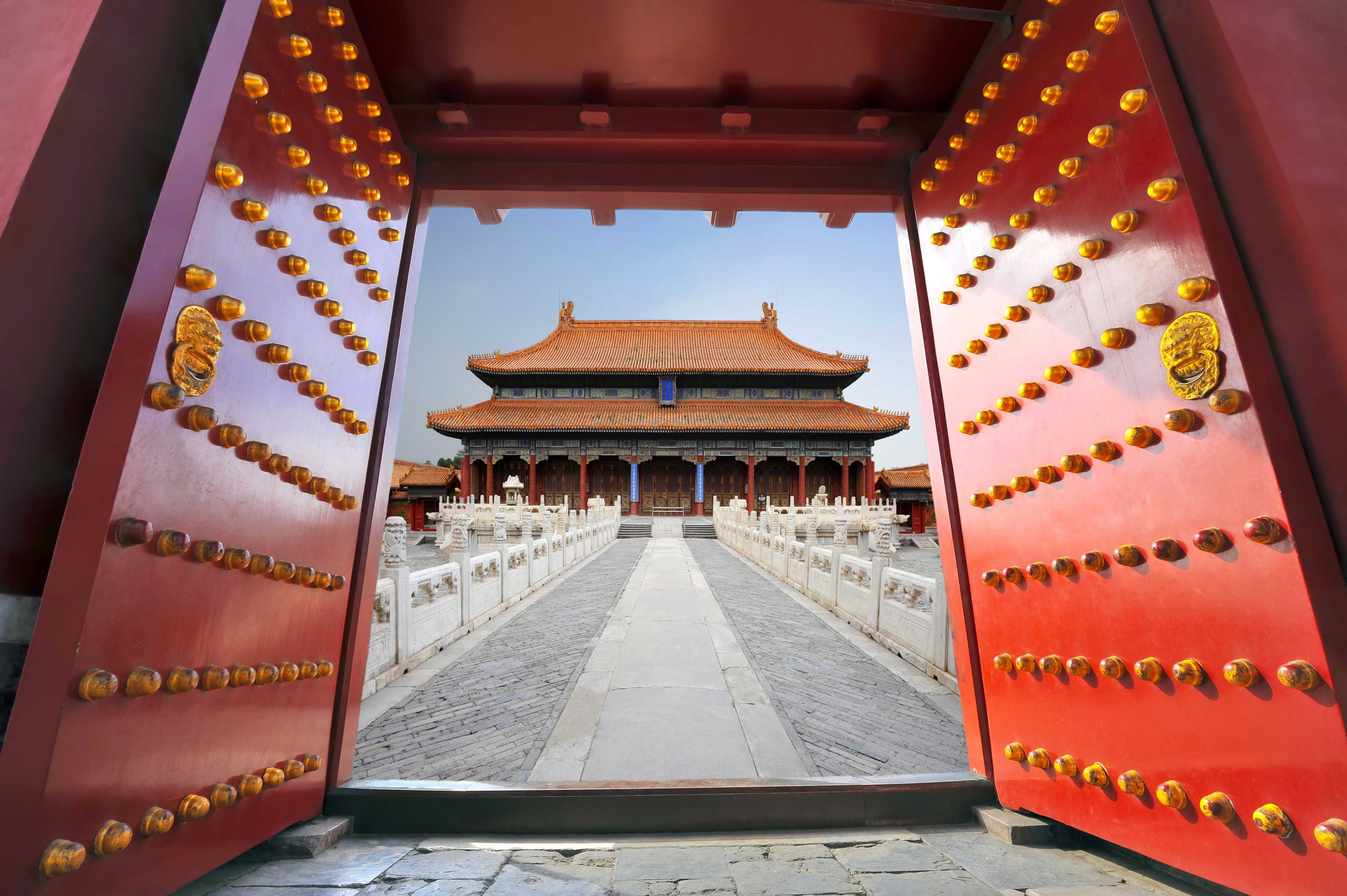
For Malaysian travellers, January delivers China’s most authentic winter experience. It is typically the coldest and one of the driest months of the year, offering clear skies, dramatic scenery, and seasonal festivals. While temperatures drop sharply—especially in the north—the low rainfall makes January excellent for photography, sightseeing, and winter-themed travel experiences.
January Climate Overview
Category | Details |
Season in January | Mid-winter nationwide |
Temperature Range | From -25°C in the far north to 18°C in the south |
Rainfall | Very low across most regions |
Humidity | Low in the north, moderate in the south |
Daylight Hours | Around 9–11 hours, shortest of the year |
Best Things to Do | Ice festivals, snow scenery, hot springs, winter food tours |
Festivals & Events | Harbin International Ice & Snow Festival, Chinese New Year preparations (dates vary, often late Jan or Feb) |
What to Pack for a Trip to China in January

Packing for January means preparing for serious winter cold, especially outside southern China. Smart layering is essential due to strong indoor heating and large temperature differences between regions.
Clothing Essentials
- Thermal Layers: Heat-retaining innerwear, long-sleeved tops, and insulating base layers
- Heavy Winter Coat: Essential for northern and central China; a padded jacket or coat is recommended
- Long Pants: Thermal trousers, jeans, or fleece-lined pants
- Warm Footwear: Insulated trainers or boots with good grip for icy pavements
Weather Gear
- Winter Accessories: Scarf, gloves, beanie—non-negotiable in northern China
- Sunscreen: UV rays remain strong in winter, especially with snow reflection
- Sunglasses: Helpful on bright winter days and snowy terrain
Travel Accessories
- Reusable Water Bottle: Dry winter air increases dehydration risk
- Power Bank: Cold temperatures drain phone batteries quickly
- Moisturiser & Lip Balm: January air is extremely dry compared to Malaysia
Pro Packing Tips
- Dress in removable layers to stay comfortable indoors
- Carry a compact backpack for storing jackets while sightseeing
- Umbrella optional—January is generally very dry
Planning Your January Trip to China

January is ideal for travellers seeking winter scenery, cultural experiences, and fewer crowds outside peak holiday dates. While it’s colder than December, it rewards visitors with clear skies, vibrant winter festivals, and striking seasonal landscapes.
Must-Know Tips
Weather Preparedness
- Monitor regional forecasts closely—temperatures vary widely
- Northern and western China require full winter gear
- Southern cities still feel cold in mornings and evenings
Cultural & Safety Considerations
- Dress modestly at temples and heritage sites
- China remains very safe, but stay alert in busy transport hubs and festival areas
Practical Planning Tips
- Hotel prices are generally reasonable before Chinese New Year travel peaks
- Public transport is efficient and well-heated in major cities
- Winter hotspots like Harbin and ski resorts require advance booking
A January trip to China is perfect for travellers who want dramatic winter landscapes, cultural depth, and a quieter, more atmospheric journey. With proper planning and warm clothing, it’s one of the most visually striking and rewarding months to explore the country.
FAQs: China Weather in January
-
Is January a good month to visit China?
-
Is it very cold in January?
-
Does it rain a lot in January?
-
Will it snow in China?
-
What should I wear?
-
What time of day is best for sightseeing?