Items Prohibited from being brought into the Australia

Australia enforces stringent customs and biosecurity controls because its unique environment, agricultural industries, and native biodiversity are highly vulnerable to harmful pests, diseases, and invasive species. Even small contaminants such as soil, seeds, food products, or plant materials can introduce threats that may cause serious ecological and economic damage. To prevent this, the Australian government maintains comprehensive inspection, declaration, and quarantine measures at all ports of entry.
Understanding the Incoming Passenger Card (IPC)
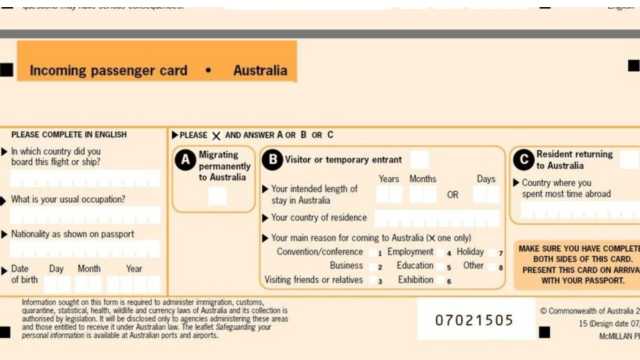
All travellers entering Australia must complete the Incoming Passenger Card (IPC) before landing. This card is a legal document that asks for honest information about the items you are carrying, such as food, plant or animal materials, medicines, cash, and other restricted or prohibited goods. Providing false or incomplete information can lead to penalties, delays, or visa complications, so it is important to answer accurately.
Item Category | Examples | Requirement | Details |
|---|---|---|---|
Food Items | Snacks, meat, fruits, dairy, dried goods | Must be declared | Some items are prohibited or require inspection |
Plant Material | Seeds, wood, flowers, soil | Must be declared | May pose biosecurity risks |
Animal Products | Feathers, leather, meat, dairy, animal-based products | Must be declared | Some may be confiscated if not permitted |
Medicines | Prescription drugs, herbal supplements, vitamins | Must be declared | Bring prescriptions or supporting documents |
Currency | AUD 10,000 or more (or equivalent in foreign currency) | Must be declared | Reporting is required but not illegal |
Restricted/Prohibited Goods | Weapons, protected wildlife, controlled drugs | Must be declared | May require permits or be seized |

Biosecurity and High-Risk Items
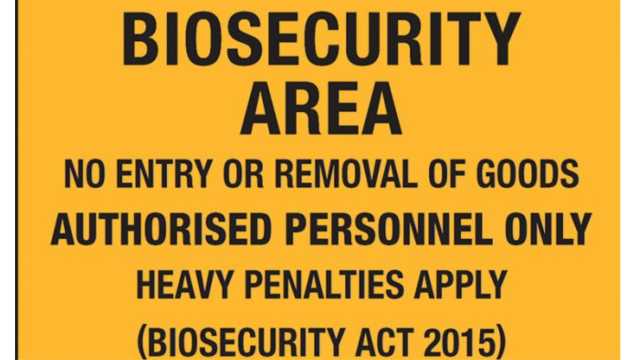
Australia enforces one of the strictest biosecurity systems in the world to prevent the entry of pests, diseases, and invasive species. Certain goods are considered high-risk and must be declared upon arrival. If they pose a significant threat, they may be prohibited, seized, or treated at the traveller’s expense. Travellers should pay close attention to food items, plant materials, animal-derived products, and outdoor equipment, as these are the most commonly inspected items.
Food Products
Fresh food and raw animal products can introduce harmful microorganisms that may threaten Australia’s environment and agricultural sector. These goods are generally prohibited and must always be declared.
Category | Examples | Status | Notes |
|---|---|---|---|
Fresh Produce | Fruits, vegetables | Prohibited | Cannot be brought into Australia |
Meat & Poultry | Beef, chicken, processed meat | Prohibited | Includes frozen, raw, or cooked |
Seafood | Fish, prawns, shellfish | Prohibited | Risk of contamination or disease |
Eggs & Dairy | Milk, cheese, butter, eggs | Prohibited | Dairy is tightly regulated |
Unprocessed Food | Nuts, raw grains, dried herbs | Restricted | Most items require inspection |
Plant Material and Wooden Items
Plant-based goods may carry seeds, soil, or plant diseases. Many wooden items also require inspection, especially if untreated.
Category | Examples | Status | Notes |
|---|---|---|---|
Live Plants | Seedlings, flowers, saplings | Prohibited | High risk of pests and diseases |
Seeds & Bulbs | Gardening seeds, flower bulbs | Restricted/Prohibited | Requires permits or inspection |
Nuts in Shells | Raw nuts | Restricted | Requires biosecurity checks |
Straw & Bark | Packaging straw, bark products | Prohibited | Common carriers of pests |
Wooden Items | Carvings, souvenirs, untreated wood | Restricted | Must be declared and inspected |
Sporting and Outdoor Equipment
Items used outdoors can carry soil, seeds, or pathogens that may damage Australia’s natural ecosystems. These must be clean, dry, and declared for inspection.
Category | Examples | Requirement | Notes |
|---|---|---|---|
Footwear | Hiking boots, trail shoes | Must be declared | Check soles for mud or soil |
Bikes & Gear | Bicycles, tents, trekking poles | Must be declared | Must be clean and dry |
Camping Equipment | Tents, chairs, stoves | Must be declared | Inspect for dirt or grass |
Water Sports Gear | Kayaks, paddles, wetsuits | Must be declared | Risk of algae or biological contaminants |
🔥Up to 20% OFF on New Hotels

Prohibited or Controlled Non-Biosecurity Items
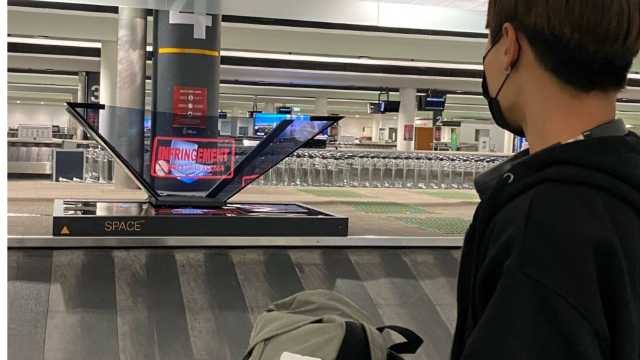
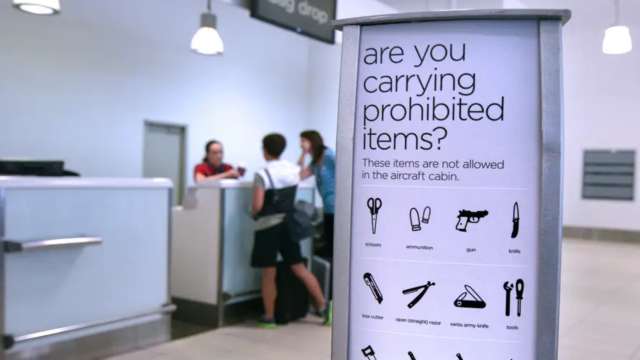
In addition to biosecurity regulations, Australia also restricts certain items for legal and safety reasons. Travellers must declare these goods upon arrival, as they may require special permits, be seized by authorities, or lead to legal penalties. These items include weapons, illegal drugs, protected wildlife products, cultural artefacts, and large amounts of currency. Declaring these items does not automatically mean they will be confiscated, but failure to declare them can result in serious consequences such as fines, delays, or refusal of entry.
Common Prohibited or Controlled Items
Category | Examples | Status | Details |
|---|---|---|---|
Weapons & Firearms | Guns, knives, ammunition, tasers | Prohibited/Restricted | Requires special permits and approval |
Illegal Substances | Opiates, certain performance enhancers | Prohibited | Possession may lead to criminal charges |
Protected Wildlife Items | Ivory, coral, animal skins, rare plants | Prohibited/Restricted | May violate CITES and environmental laws |
Cultural & Heritage Artefacts | Ancient artefacts, historical objects | Restricted | Permits may be required for import |
Explicit or Illegal Material | Pornography, offensive media | Prohibited/Restricted | Subject to inspection and seizure |
Tobacco & Alcohol (above duty limits) | Cigarettes, cigars, spirits, wine | Restricted | Tax and duty may apply if limits are exceeded |
Duty-Free Limits for Tobacco and Alcohol
Item Category | Duty-Free Allowance | Details |
|---|---|---|
Tobacco | 0 grams (no duty-free tobacco) | Travellers must declare all tobacco products |
Alcohol | Up to 2.25 litres per adult | Amount beyond the limit will incur duty and tax |
- Sehala
- Pergi Balik
 KUL18:2523j 55m1 stopsMEL20:20Kuala Lumpur - Melbourne|Isn, 7 Sep|ScootRM841RM93510% offCari10% offRM935RM841
- KUL11:3530j 45m1 stopsMEL20:20Kuala Lumpur - Melbourne|Jum, 11 Sep|ScootRM841RM93510% offCari10% offRM935RM841
- KUL07:1011j 10m1 stopsMEL20:20Kuala Lumpur - Melbourne|Sel, 8 Sep|ScootRM841RM93510% offCari10% offRM935RM841
 KUL13:0011j 10mTanpa hentiMEL14:00Kuala Lumpur - Melbourne|Mon, Sep 6|Normal AirlineCari Penerbangan LainCari Penerbangan Lain
Penalties for Non-Compliance
Australia takes customs and biosecurity compliance very seriously. Travellers who fail to declare restricted or prohibited goods may face significant penalties, including immediate fines, visa cancellation, or even criminal prosecution depending on the severity of the offence. These rules apply to all travellers, and enforcement is strict. Even small items such as flowers, seeds, or plant trimmings can trigger penalties if not declared. To avoid legal issues and delays, it is essential for travellers to declare all relevant items honestly and accurately upon arrival.
Types of Penalties for Non-Compliance
Penalty Type | Description | Potential Consequences |
|---|---|---|
Infringement Fines | Issued for failing to declare or for false declarations | May amount to thousands of AUD depending on the offence |
Visa Action | Immigration response to non-compliance | Visa cancellation, refusal of entry, detention, or removal |
Criminal Prosecution | Applied in serious or intentional cases | Court action, criminal record, heavier fines, or imprisonment |
When you are unsure whether an item needs to be declared, it is always safer to declare it. Declaring an item does not mean it will automatically be confiscated or cause problems. However, failing to declare an item that should have been declared can lead to serious penalties, so honesty and transparency at the border are strongly encouraged.
🔥Popular Attractions Around the World Deal
Discover the world's popular attractions, theme parks, and activities! Enjoy extra savings up to RM70 OFF for selected products!

Final Tips for Travellers
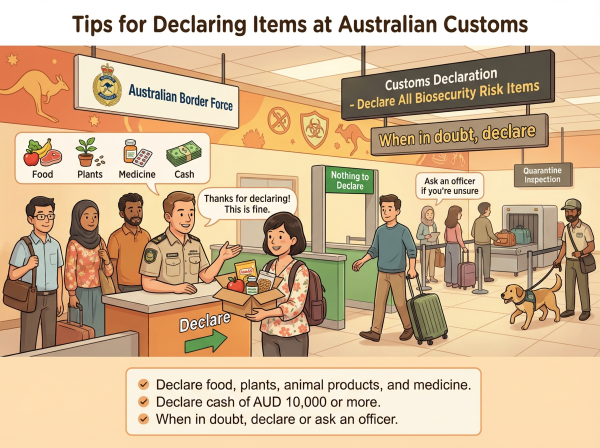
Travellers can make their arrival process in Australia much smoother by preparing carefully before departure. It is best to avoid packing fresh foods or plant-based items, as these often trigger biosecurity inspections. Medicines should be kept in their original packaging and supported with documentation such as prescriptions. Outdoor gear and footwear should be cleaned thoroughly to remove soil or seeds. Most importantly, if there is any uncertainty about an item, it should be declared, as declaring protects travellers from fines and helps ensure faster border clearance.
Tip | Explanation |
|---|---|
Avoid fresh foods and plant items | These are high-risk and often prohibited |
Keep medicines documented | Use original packaging and bring prescriptions |
Clean outdoor equipment | Remove soil, seeds, and dirt from shoes and gear |
Declare if unsure | Declaring prevents fines and speeds up clearance |
FAQ: Australia Customs Restrictions
-
Do I need to declare food when entering Australia?
-
Can I bring medicines into Australia?
-
Can I bring traditional Malaysian foods such as sambal, belacan, or kuih?
-
What happens if I fail to declare something?
-
Can I bring alcohol or cigarettes duty-free?