Middle East Airspace Closure 2026: Flight Disruptions, Airline Reroutes & Traveller Tips

Oleh LEO
6 Julai 2026
Latest Update on Middle East Airspace Closure as of 6th July 2026
Summary
- Fully Open: Qatar, Jordan, and Saudi Arabia are clear, with Saudi routes operating at peak bypass capacity.
- Tactical Control: UAE, Oman, Bahrain, and Syria use managed corridors and face persistent regional GPS jamming.
- Strictly Restricted: Iran has a full temporary closure today, and Kuwait bans all overflights until August 4, 2026.
- Bypass Reliance: Iraq and Lebanon remain high-risk, forcing international flights to use northern and southern corridors.
1. Airspaces with Free and Restored Movement
These flight information regions (FIRs) have largely returned to normal operations, allowing for standard routing without major structural bottlenecks.
- Qatar (Doha FIR): The airspace has fully reopened to overflights. Previous restrictions on specific waypoints and arrival or departure route segments have been completely withdrawn. Hamad International Airport is operating normally, restoring seamless access for major carriers.
- Jordan (Amman FIR): The airspace is completely open and operating entirely normally without capacity restrictions. However, because neighboring routes remain heavily bottlenecked, it is not currently functioning as a primary transit corridor for heavy Europe-Asia traffic.
- Saudi Arabia (Jeddah FIR): Fully open and currently serving as the critical southern bypass link for international flights. Due to the sheer volume of rerouted traffic avoiding the central Middle East, the airspace is operating at peak capacity.
2. Airspaces Open Under Strict Controls and Tactical Routing
These regions are legally open for overflights but require operators to navigate via heavily managed corridors, tactical routing, or deal with ongoing navigational interference.
- United Arab Emirates (UAE): Open to overflights, but airspace movement is intensely managed. Traffic is routed through a mixture of standard Air Traffic Services (ATS) routes and temporary RNAV corridors. Operators are consistently reporting severe GPS jamming and spoofing across the region, requiring aircraft to rely heavily on radar vectors and runway heading departures from local Air Traffic Control.
- Oman (Muscat FIR): Open and vital to the southern bypass route, but operating strictly under a managed corridor system. Air traffic control is actively implementing flow measures to handle severe airspace congestion, and GNSS (Global Navigation Satellite System) interference remains a persistent, documented issue.
- Bahrain: The airspace is open to overflights and local operations are mostly back to baseline. However, because neighboring Kuwait remains closed, arriving and departing aircraft must utilize specific entry and exit points and follow strict tactical routing to avoid restricted zones just outside the FIR border.
- Syria (Damascus FIR): While technically reopened to overflights, it is operating under high-risk conditions with limited ATC capability. Only regional carriers are currently using it as a temporary tactical workaround. Operators must apply through local handling agents for permits, and major European and US carriers continue to avoid the airspace entirely.
3. Airspaces with Severe Restrictions or Total Closures
These areas represent the most significant roadblocks for the traditional central Middle East Europe-Asia flight corridor, forcing the current reliance on northern and southern bypass routes.
- Iran (Tehran FIR): As of today, July 6, 2026, Tehran’s airspace is completely closed to accommodate the funeral procession for the late Supreme Leader, with flights suspended at Mehrabad and Imam Khomeini International Airports. Beyond today’s specific closure, the western part of Iranian airspace remains heavily restricted. While the eastern portion has reopened for flights above FL285 via specific temporary routes, EASA maintains a strict "do not operate" recommendation at all altitudes.
- Kuwait (Kuwait FIR): Overflights remain strictly prohibited until at least August 4, 2026. The only permitted movements are flights directly arriving at or departing from Kuwait International Airport (OKKK), and these require prior government approval. This ongoing closure creates a massive gap in the central Gulf, forcing the continued use of the Saudi-Oman southern bypass.
- Iraq and Lebanon: Both FIRs technically permit some flights, but EASA maintains a "do not operate" recommendation for both countries at all flight levels. Most international operators consider the risk too high and continue to route north via the Caucasus and Afghanistan or south via Egypt and Saudi Arabia.
What Was Happening With Middle East Airspace in 2026?
If you’re planning long-haul travel this year, you may have seen headlines about Middle East airspace closure affecting international flights.
Airspace restrictions occur when certain regions become temporarily unsafe for commercial aviation due to geopolitical tensions, military activity, or safety advisories issued by aviation authorities. Airlines then reroute flights to avoid affected zones.
For travellers flying between Southeast Asia and Europe, the Middle East is one of the world’s most important aviation corridors. When parts of that airspace are restricted, airlines must adjust routes — sometimes adding hours to flight times.
Major airlines such as Emirates, Qatar Airways, Singapore Airlines, and Malaysia Airlines constantly monitor these developments to keep passengers safe.
For Malaysian travellers heading to Europe, the impact may appear as longer journeys, adjusted routes, or occasional flight delays.
Which Countries’ Airspace Is Affected?

Airspace restrictions in the Middle East typically involve sensitive areas surrounding several countries.
These regions can include parts of:
- Iran
- Iraq
- Israel
- Syria
Airlines rely on aviation safety advisories called NOTAMs (Notice to Air Missions) to determine whether routes should be adjusted.
The situation changes frequently, which is why airlines update flight plans daily.
How Middle East Airspace Closure Affects Malaysian Travellers
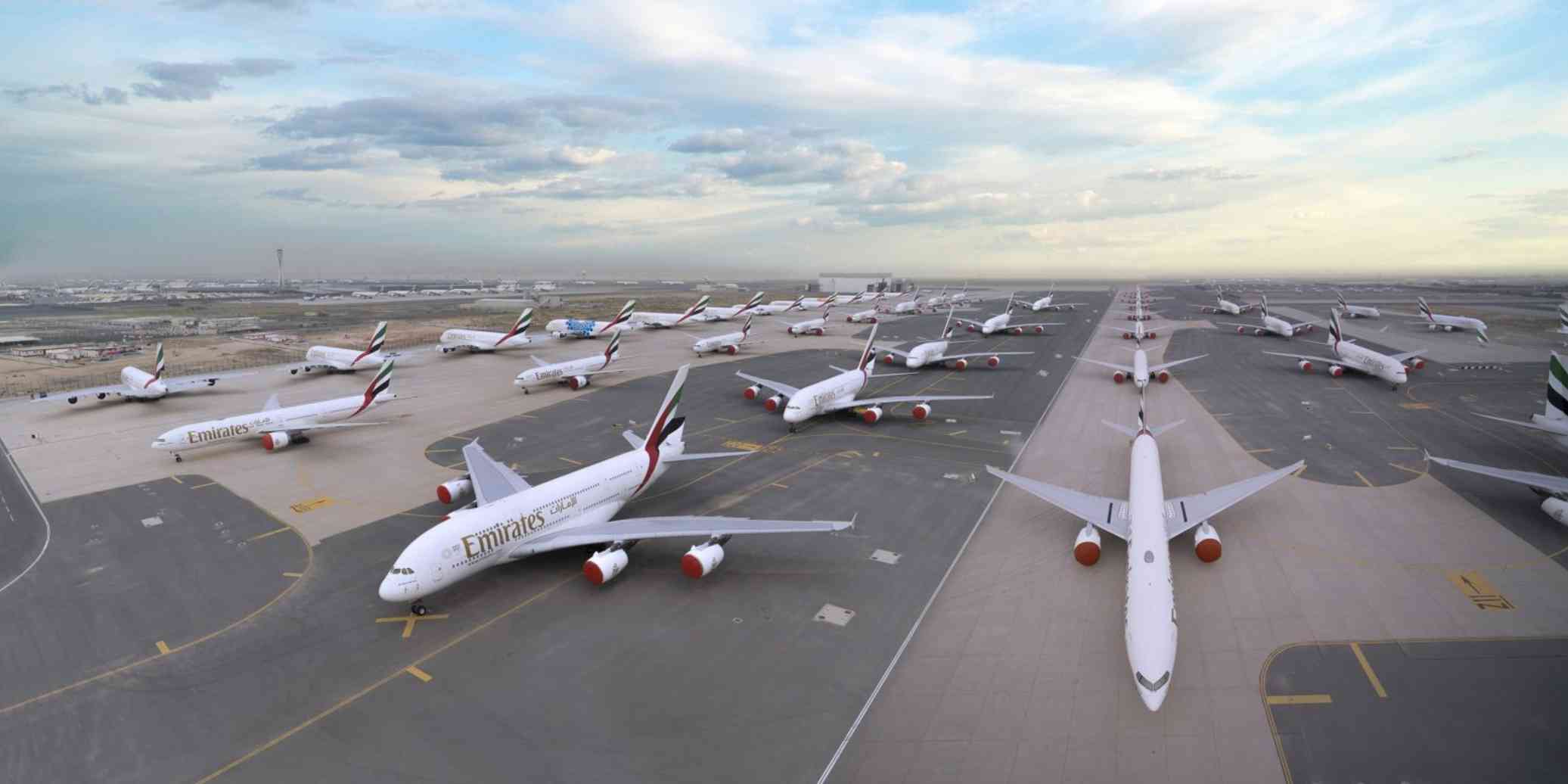
For travellers departing from Kuala Lumpur, Penang, or Johor Bahru, the biggest impact is usually seen on long-haul routes to Europe.
Common affected routes include:
- Kuala Lumpur → London
- Kuala Lumpur → Paris
- Kuala Lumpur → Frankfurt
- Kuala Lumpur → Istanbul
These flights normally pass over the Middle East due to its central geographic location between Asia and Europe.
When certain airspace corridors close, aircraft may detour through Central Asia or southern routes over the Arabian Sea.
Typical Flight Reroutes Airlines Use
Airlines often shift to alternative corridors that remain safe and open.
Route Type | Normal Path | Alternative Reroute |
Asia → Europe | Middle East corridor | Central Asia |
Southeast Asia → UK | Gulf airspace | Arabian Sea route |
Asia → Mediterranean | Iraq / Iran corridor | Turkey / Caucasus |
For example, flights from Kuala Lumpur International Airport to Heathrow Airport may add 30–90 minutes to the journey depending on the detour.
Airlines Most Affected by Middle East Flight Disruptions

Several global carriers operate heavily through Middle Eastern hubs.
Major Middle East Airlines
- Emirates – hub in Dubai
- Qatar Airways – hub in Doha
- Etihad Airways – hub in Abu Dhabi
Asian & European Airlines
- Singapore Airlines
- Lufthansa
- Turkish Airlines
These airlines often adjust routes dynamically based on real-time aviation safety advisories.
Will Flights From Malaysia Be Delayed?
In most cases, flights continue operating normally with only minor schedule adjustments.
However, travellers may experience:
- Slightly longer flight times
- Different flight paths
- Occasional rescheduling
- Limited seat availability during peak periods
During busy travel seasons such as Malaysian school holidays or year-end travel, reroutes may also contribute to higher ticket prices.
Practical Traveller Tips if Airspace Closures Continue
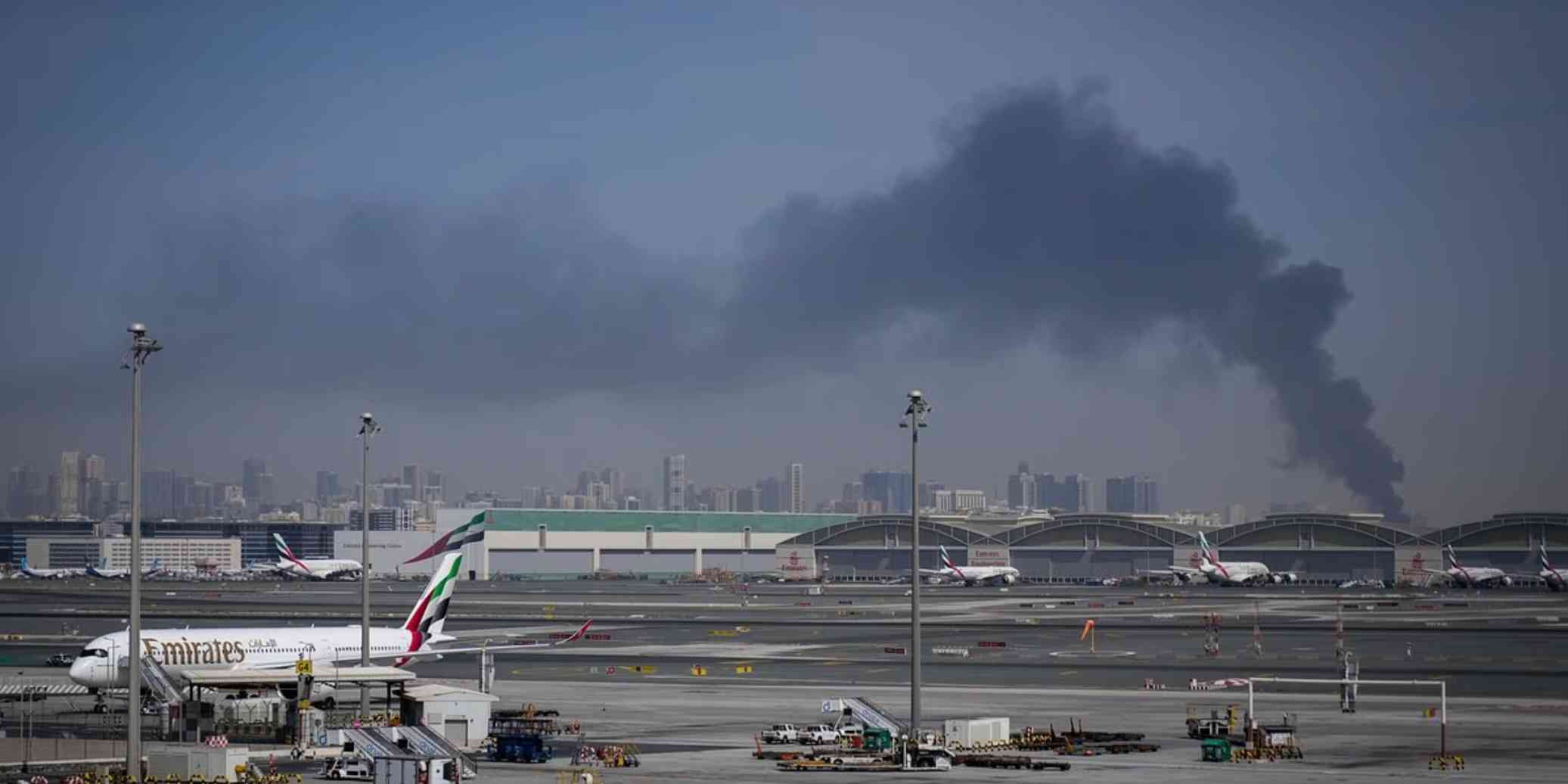
If you’re planning an international trip in 2026, here are practical ways to reduce disruption.
1. Book Flexible Flight Tickets
Choose fares that allow free date changes. This is particularly useful if routes are adjusted closer to departure.
2. Avoid Tight Layovers
If your itinerary includes a Middle Eastern hub like Doha or Dubai, allow at least 2–3 hours transit time.
3. Monitor Flight Updates
Check airline notifications or travel platforms for updates on route adjustments and schedule changes.
4. Travel During Shoulder Seasons
Airfares are usually lower and schedules more stable during:
- March – May
- September – November
Peak travel months such as June, July and December tend to see higher demand.
5. Book Early When Planning Europe Trips
If you're planning travel from Malaysia to Europe in 2026, booking 2–4 months ahead can help secure better fares before demand increases.
Typical return flight prices from Kuala Lumpur:
Destination | Average Return Fare |
London | RM3,200 – RM4,800 |
Paris | RM3,000 – RM4,500 |
Frankfurt | RM2,900 – RM4,200 |
Prices may fluctuate depending on airline reroutes and seasonal demand.
Why the Middle East Is So Important for Global Aviation

The Middle East sits directly between Asia, Europe, and Africa, making it one of the busiest aviation corridors in the world.
Hub airports such as:
- Dubai International Airport
- Hamad International Airport
- Abu Dhabi International Airport
connect hundreds of long-haul routes daily.
Even small changes to airspace availability can ripple across global flight networks.
Should Malaysian Travellers Be Concerned?
In short — not really.
Commercial aviation has multiple safety systems and global coordination between airlines and aviation authorities. When airspace becomes restricted, airlines simply choose alternative routes.
While journeys may take slightly longer, safety remains the top priority.
For most travellers, the biggest impact is simply planning ahead and staying updated before departure.
Travel Smart: Booking Tips for Long-Haul Flights
If you're planning to visit Europe, the Middle East, or beyond in 2026, consider these travel strategies:
- Book flights 8–12 weeks in advance
- Choose airlines with multiple daily routes
- Compare transit hubs
- Use platforms that show schedule changes quickly
Many travellers also compare routes across multiple airlines to find the most stable itineraries.
Booking flights early also increases the chances of securing promotional fares, especially for long-haul routes.
Frequently Asked Questions
-
What does Middle East airspace closure mean?
-
Will flights from Malaysia to Europe be cancelled?
-
Do airspace closures increase flight time?
-
Which airlines are most affected?
-
Should I avoid flying through the Middle East?
-
How can I check if my flight route changed?