Prohibited Items into New Zealand

New Zealand is known for having some of the strictest border and biosecurity rules in the world. These measures exist to protect the country’s unique environment, agriculture, and overall public safety. As a result, travellers must follow specific guidelines when entering the country.
For travellers, it is important to understand which items are prohibited or restricted before flying. This helps prevent issues during entry and ensures a smooth arrival experience. Travellers who ignore the rules may face fines, confiscation of goods, or even legal consequences.
Why New Zealand Has Strict Entry Rules
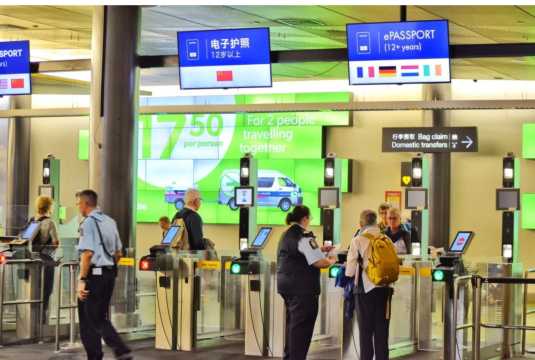
New Zealand is geographically isolated, which makes its natural environment extremely sensitive to imported pests, diseases, and invasive species. Because of this, even small traces of soil, plant material, or food can introduce harmful organisms into the country. These risks can negatively affect New Zealand’s agriculture, native wildlife, and overall biosecurity. To prevent this, Customs and Biosecurity officers enforce strict rules on what travellers can bring into the country. Their job is to ensure that no harmful items enter and that New Zealand’s environment remains protected.
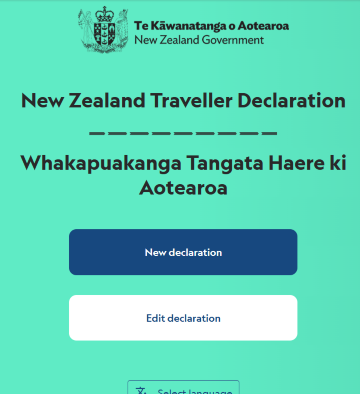
All travellers entering New Zealand are required to complete the New Zealand Traveller Declaration (NZTD) before arrival. This form asks specific questions about items that may pose a biosecurity risk, such as food, plants, animal products, outdoor equipment, medicines, and other restricted goods. Travellers can complete the New Zealand Traveller Declaration online through a web page or a mobile application.
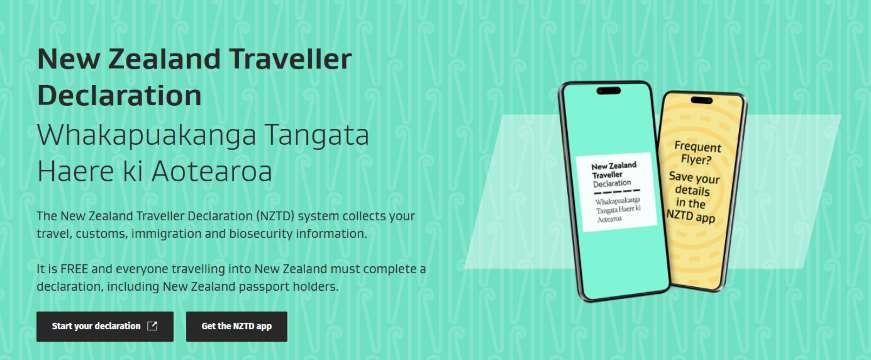
The system usually opens for submissions within 24 hours before your flight departure, so it’s best to fill it out as close to your travel time as possible. Although flight attendants may still provide paper declaration cards on the plane, these are mainly a backup option—for example, for elderly travellers who do not use smartphones or in case of technical issues. For a smoother and faster clearance at the border, it is recommended to use the electronic version and present the generated QR code when going through customs.
If travellers are unsure whether an item is allowed, they must still declare it. Declaring an item does not automatically mean it will be confiscated, but failing to declare it can lead to penalties, fines, or delays during immigration and customs checks.


Prohibited Items (What You Cannot Bring)
Food & Agricultural Items
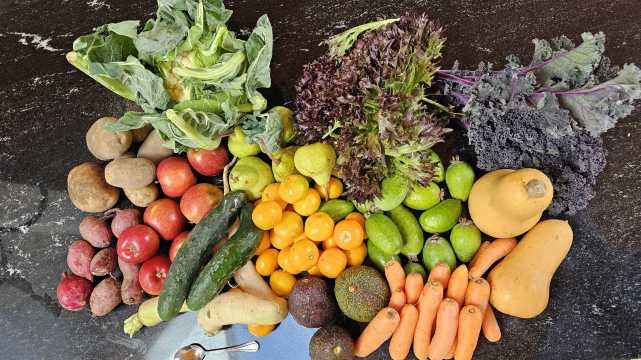
Prohibited food and agricultural items are strictly controlled when entering New Zealand. These restrictions help protect the country’s environment and prevent pests or diseases from entering. Travellers must be very careful when packing any food or natural products.
All food items must be declared upon arrival, including snacks, dried goods, or items packed as gifts. Even commercially packed food of animal origin may be confiscated after inspection. Failure to declare food items can result in on-the-spot fines or further penalties.
Common Prohibited Food & Agricultural Items
Category | Examples |
|---|---|
Meat Products | Fresh, dried, or preserved meat and meat products |
Fresh Produce | Fresh fruits and vegetables |
Dairy Items | Cheese, butter, and other dairy products |
Honey Products | Honey and bee-related items |
Plant Materials | Seeds, bulbs, plant cuttings, soil |
Animal-Origin Foods | Any food containing animal ingredients, even if commercially packed |
Travellers should check their luggage carefully before flying and declare everything they are unsure about to avoid unnecessary issues at the border.
🔥Up to 20% OFF on New Hotels

Restricted Items (Declare and Seek Approval)
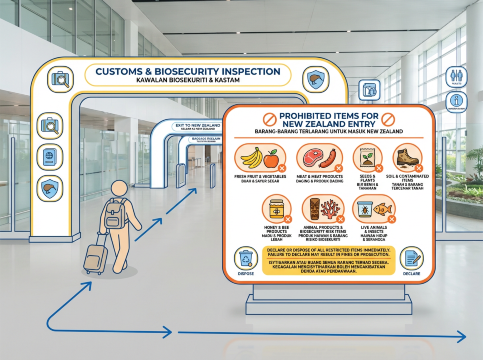
Restricted items include certain animal and plant products, medicines, controlled substances, weapons, and hazardous goods. Many of these items require inspection or permits before they can enter the country.
All travellers, including Malaysians, should carry documentation for restricted items, such as prescriptions for medicines or permits for certain animal products. Declaring these items ensures compliance with New Zealand’s strict biosecurity and safety rules.
Common Restricted Items
Category | Examples / Notes | Requirements |
|---|---|---|
Animal & Plant Products | Feathers, bones, tusks, skins, hunting trophies, unprocessed animal products | May require inspection or permits |
Endangered Species Products | Ivory, coral, products from protected animals | CITES certificate may be needed |
Medicines & Controlled Substances | Prescription drugs | Must be in original packaging with doctor’s letter or prescription; some drugs are prohibited |
Weapons & Hazardous Items | Firearms, ammunition, switchblades, batons, pepper spray | Strictly regulated; may require permits |
Explosives & Fireworks | Fireworks, explosives, other hazardous items | Strictly prohibited without approval |
Travellers should always declare any restricted items and carry the necessary documents to avoid legal issues and ensure a smooth entry into New Zealand.
- Sehala
- Pergi Balik
 KUL13:5028j 10m2 stopsAKL23:00Kuala Lumpur - Auckland|Isn, 26 Okt|Xiamen AirlinesPKR 119,434PKR 137,05813% offCari13% offPKR 137,058PKR 119,434
 KUL19:5034j 45m1 stopsAKL11:35Kuala Lumpur - Auckland|Ahd, 25 Okt|Batik Air MalaysiaPKR 121,706PKR 137,05811% offCari11% offPKR 137,058PKR 121,706
- KUL08:0035j 10m2 stopsAKL00:10Kuala Lumpur - Auckland|Sel, 20 Okt|Xiamen AirlinesPKR 124,722PKR 137,0589% offCari9% offPKR 137,058PKR 124,722
 KUL13:0035j 10mTanpa hentiAKL14:00Kuala Lumpur - Auckland|Mon, Sep 6|Normal AirlineCari Penerbangan LainCari Penerbangan Lain
Alcohol and Tobacco Limits
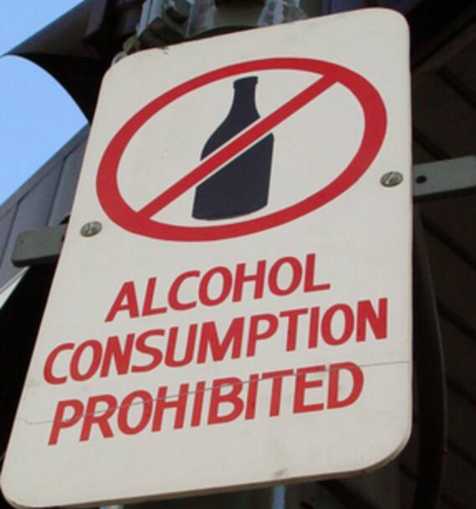
New Zealand allows travellers to bring limited amounts of alcohol and tobacco into the country without paying duty or tax. These duty-free allowances help travellers bring personal quantities while protecting local regulations.
Any amounts exceeding the duty-free limits must be declared on arrival and may be subject to duty and Goods and Services Tax (GST). Failing to declare excess alcohol or tobacco can result in fines or confiscation.
Duty-Free Alcohol and Tobacco Allowances
Item | Duty-Free Limit |
|---|---|
Alcohol (wine or beer) | Up to 4.5 litres |
Spirits | Up to 3 bottles (1.125 litres each) |
Tobacco | Up to 50 cigarettes or 50 g of tobacco |
Travellers should check their luggage carefully and declare any alcohol or tobacco exceeding these limits to ensure smooth customs clearance.
🔥Hwacheom Ice Fishing Festival
Save RM30 for Fun!

Penalties for Non-Compliance
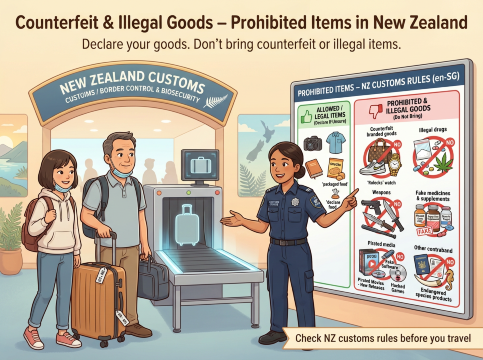
Failing to declare prohibited or restricted items when entering New Zealand can lead to serious consequences. Customs and Biosecurity officers take non-compliance seriously to protect the country’s environment, agriculture, and public safety.
Penalties for non-compliance may include fines, confiscation of goods, or even legal action. Declaring items honestly, even if you are unsure, helps avoid these issues and ensures a smoother entry process.
Penalties for Failing to Declare Items
Penalty Type | Description |
|---|---|
Instant Fines | Monetary fines starting from NZD 400 or more |
Confiscation | Prohibited or undeclared items may be seized |
Legal Action | Possible prosecution or other legal consequences |
Travellers should always declare any items that may be restricted or prohibited to avoid fines, confiscation, or legal trouble.
🔥Popular Attractions Around the World Deal
Discover the world's popular attractions, theme parks, and activities! Enjoy extra savings up to RM70 OFF for selected products!

Final Tips for Travellers
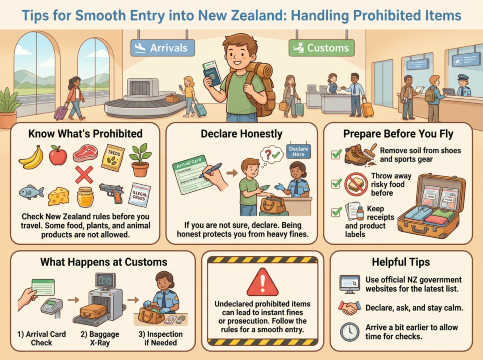
Travellers are advised to declare any items they are unsure about. It is always safer to declare first and explain later, as this reduces the risk of fines or delays during border checks. Outdoor equipment such as hiking shoes or camping gear should be cleaned thoroughly before departure. Removing soil, plant material, or dirt helps prevent biosecurity issues at the border. Travellers bringing expensive or restricted goods should prepare receipts, permits, or relevant documentation. This makes it easier for Customs officers to assess the items and speeds up the clearance process.
🔥Student Flight Offers
Everyone loves to travel, but it can be difficult to find the budget for it when you're studying. That's why Trip.com is offering special student fares that help you see more of the world for less.

FAQ: Prohibited Items into New Zealand
-
Do I need to declare food when entering New Zealand?
-
What happens if I do not declare an item?
-
Are medicines allowed?
-
Why does New Zealand have strict biosecurity rules?
-
Can travellers bring durians or tropical fruits?