

Weather in Tokyo: What You Should Know Before You Go
Tokyo is a captivating city where centuries-old traditions exist alongside cutting-edge modernity. From peaceful shrines and historic districts to towering skyscrapers and bustling shopping streets, Japan’s capital offers a wide range of experiences. Whether you’re wandering through the calm gardens of the Imperial Palace, exploring quirky neighborhoods like Harajuku, or savoring fresh sushi at a local market, Tokyo appeals to all kinds of travelers with its rich culture and everyday charm.
If you’re planning a trip to Tokyo, it’s wise to check the weather forecast in advance. The city experiences distinct seasons, each with its own appeal and challenges. Understanding the typical weather conditions will help you plan your days more effectively and pack the right clothing. In this article, we’ll take a closer look at Tokyo’s seasonal climate and share helpful tips to make the most of your visit.
Seasons in Tokyo
Tokyo experiences a temperate climate with four distinct seasons—spring, summer, autumn, and winter—each offering its own unique charm and atmosphere. Temperatures and weather conditions can vary greatly throughout the year, so understanding these seasonal changes will help you plan the best time to visit.
| Season | Period | Characteristics |
|---|---|---|
Spring | March – May | A popular season for tourists, spring is known for its mild weather and cherry blossoms. Temperatures range from 10°C to 20°C, making it ideal for sightseeing and outdoor activities. Hanami (flower viewing) is a seasonal highlight. |
Summer | June – August | Summer in Tokyo is hot and humid, with temperatures often exceeding 30°C. June typically marks the start of the rainy season, with increased humidity and occasional downpours. July and August bring festival season and fireworks, but travelers should prepare for the heat. |
Autumn | September – November | Autumn is one of the best times to visit Tokyo. The weather is cool and comfortable, with temperatures ranging from 12°C to 22°C. The city is especially scenic in November when autumn foliage reaches its peak. |
Winter | December – February | Winters are generally cold but dry, with temperatures ranging from 1°C to 10°C. Snowfall is rare in central Tokyo, but the skies are often clear. This season is perfect for shopping, enjoying winter illuminations, and day trips to nearby snow-covered areas. |
Temperature and Humidity in Tokyo
Tokyo experiences a temperate climate with noticeable seasonal changes in both temperature and humidity. Unlike tropical destinations, Tokyo's weather varies widely throughout the year, offering everything from hot summers to chilly winters.
Average Temperature
Tokyo's annual average temperature ranges between 5℃ and 31℃, depending on the season. The city experiences four distinct seasons, with temperatures fluctuating significantly from winter to summer.
- The hottest period usually occurs between late July and early August, when average daily highs often exceed 31℃. August is typically the warmest month, with daytime temperatures reaching up to 33℃ and nighttime lows around 25℃.
- The coldest period falls between late December and February, with January being the coldest month. During this time, average daily highs hover around 10℃, and nighttime lows can drop to 1℃ or 2℃.
Humidity
Tokyo’s humidity levels also vary with the seasons and can significantly impact how the temperature feels.
- In summer (June to August), especially during the rainy season in June and the peak of summer in July and August, humidity levels can rise above 80%, making the heat feel more intense.
- In winter (December to February), humidity drops significantly, often falling below 50%, resulting in dry air and clear skies.
- Spring and autumn offer moderate humidity levels, typically ranging from 50% to 70%, contributing to the overall comfort of these seasons.
Check the Weather Forecast
Source: Cloud Data Center Events
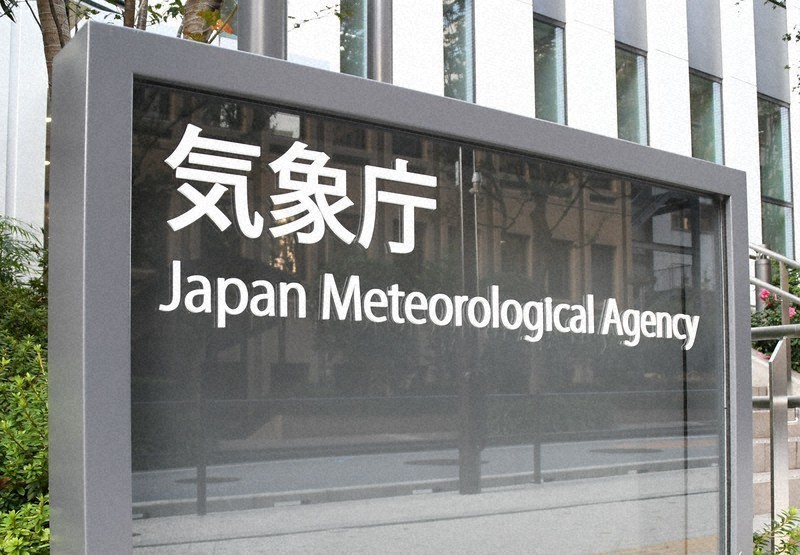
For accurate and up-to-date weather information in Japan, including Tokyo, you can visit the official Japan Meteorological Agency (JMA) website: https://www.jma.go.jp.
This government-run site provides reliable weather updates to help you plan your trip effectively. Key features include:
- Live weather reports for Tokyo and other regions across Japan
- Hourly, daily, and weekly forecasts
- Rain radar and satellite imagery
- Typhoon updates and severe weather warnings
- Earthquake and tsunami information
- Seasonal advisories such as pollen counts and heatstroke risk levels
As the official weather authority in Japan, the JMA is a trusted resource for both travelers and residents. Checking it regularly during your stay in Tokyo will help you make informed decisions and adjust your plans based on current weather conditions.
Popular Hotel in Tokyo
5 star
Business travel
Breakfast
Best Time to Visit Tokyo
The best time to visit Tokyo is during the spring (March to May) and autumn (September to November) seasons, when the weather is mild, the skies are generally clear, and the city is at its most scenic. During these periods, daytime temperatures typically range from 12°C to 22°C, with cooler evenings offering a comfortable atmosphere for exploring.
Spring is especially popular for cherry blossom viewing, while autumn is known for its vibrant fall foliage. These seasons are perfect for sightseeing, outdoor activities, and visiting top attractions such as the Meiji Shrine, Asakusa Temple, Shinjuku Gyoen National Garden, and Tokyo Skytree.
Outdoor Activities During Sunny and Warm Weather in Tokyo
On a bright and pleasant day in Tokyo, there are plenty of outdoor activities to enjoy, from cultural landmarks to nature-filled escapes. Here are some top recommendations:
Explore Shinjuku Gyoen National Garden
One of Tokyo’s most beautiful parks, Shinjuku Gyoen blends traditional Japanese, English, and French garden landscapes. It's an ideal spot for a relaxing walk, a picnic, or cherry blossom viewing in spring.
- Recommended visit duration: 1–2 hours
- Admission fee: Approximately RM15 per person
Visit Asakusa and Sensō-ji Temple
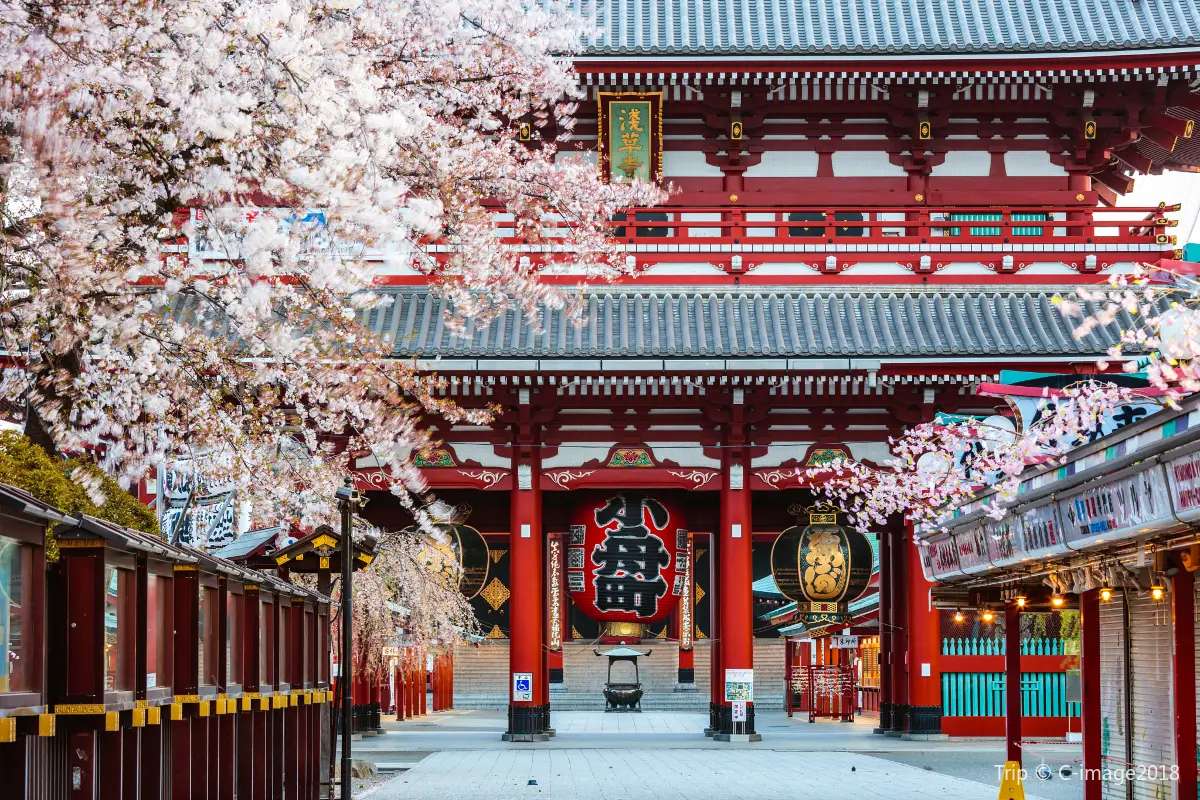
Explore the historic Asakusa district, home to Tokyo’s oldest temple, Sensō-ji. The area features Nakamise Street, a lively shopping lane lined with traditional snacks, souvenirs, and local crafts. The temple grounds are perfect for leisurely strolls and photography.
- Recommended visit duration: 2–3 hours
- Estimated cost: Free (excluding shopping and food)
Take a Sumida River Cruise
Enjoy a scenic boat ride along the Sumida River, offering views of Tokyo landmarks such as the Tokyo Skytree and Rainbow Bridge. It’s a relaxing way to see the city from a different perspective.
- Recommended visit duration: 1–2 hours
- Estimated cost: Around RM30–RM60 per person (depending on the route)
Stroll Through Ueno Park and Zoo
Ueno Park is one of Tokyo’s largest public parks and a favorite for cherry blossoms in spring. The park is also home to Ueno Zoo, Japan’s oldest zoo, as well as several major museums.
- Recommended visit duration: Half day
- Admission fee: Park entry is free; zoo entry is around RM18 for adults, free for small children
Spend the Day at Odaiba Seaside Park
Located on Tokyo Bay, Odaiba offers a blend of leisure and entertainment with beach access, shopping malls, and landmarks like the life-sized Gundam statue. Enjoy a walk along the waterfront, rent a bicycle, or relax on the artificial beach.
- Recommended visit duration: Half day to a full day
- Estimated cost: Free to explore; costs vary for attractions and shopping
Relax in Yoyogi Park
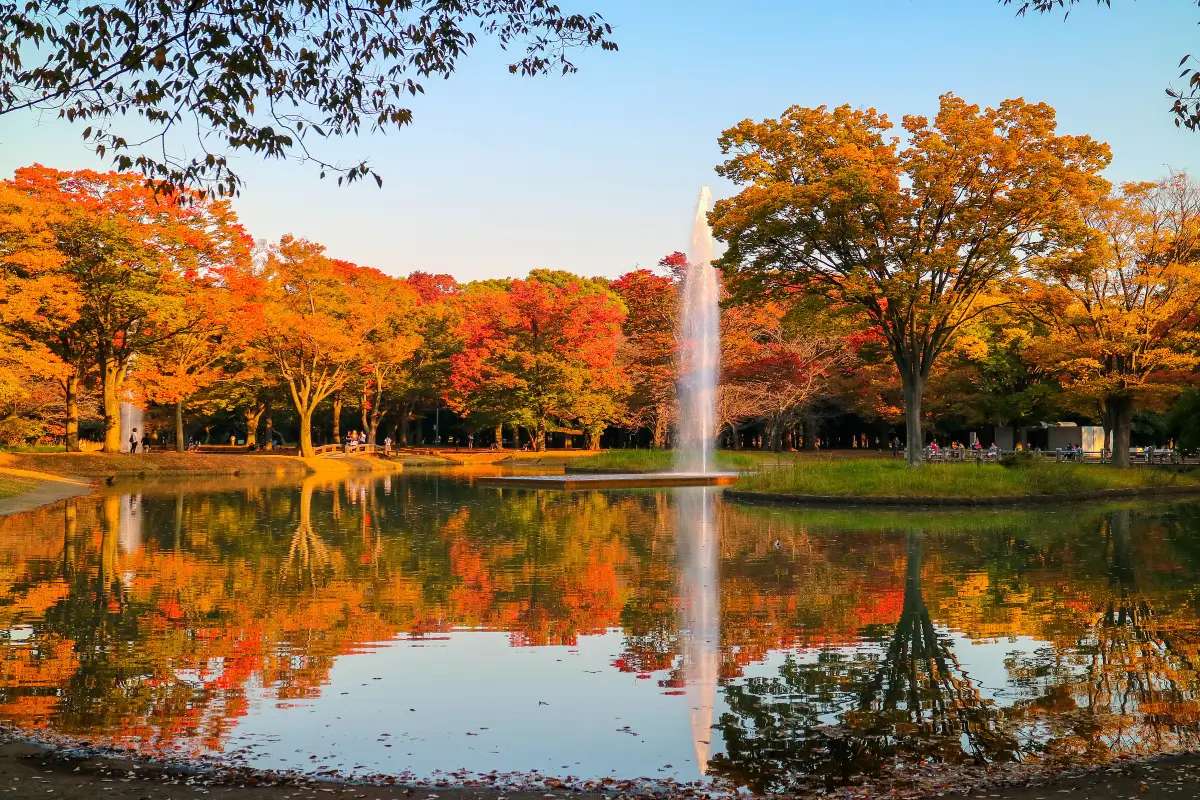
Adjacent to the iconic Meiji Shrine, Yoyogi Park is a spacious green area popular for picnics, casual sports, and people-watching. On weekends, the park often features street performers and local events.
- Recommended visit duration: 1–2 hours
- Estimated cost: Free
Enjoy a Visit to Tokyo Skytree Town
On a clear day, head to Tokyo Skytree for panoramic city views from its observation decks. The surrounding complex also includes a shopping mall, aquarium, and restaurants, making it perfect for a half-day outing.
- Recommended visit duration: 2–3 hours
- Admission fee: Observation deck tickets range from RM54–RM90 depending on the level
Indoor Activities During Rainy Days in Tokyo
Even when it rains in Tokyo, there are plenty of enjoyable indoor activities to keep you entertained. Here are some great options:
Cultural Experiences
Visit a Museum
Tokyo is home to numerous fascinating museums where you can dive into Japanese history, art, and culture. Popular choices include the Tokyo National Museum, the Edo-Tokyo Museum, and the Mori Art Museum. These visits offer a great way to explore local heritage while staying dry.
- Recommended visit duration: 2–3 hours
- Admission fee: Approximately RM18–RM45
Visit TeamLab Planets or TeamLab Borderless
These immersive digital art museums create stunning, interactive light and sound exhibitions that are perfect for all ages. They offer a unique blend of technology and creativity for a memorable indoor experience.
- Recommended visit duration: 2–3 hours
- Admission fee: Around RM96
Religious and Cultural Sites
Visit a Shrine or Temple
Tokyo has many beautiful shrines and temples, such as Meiji Shrine and Senso-ji Temple. While the outdoor grounds are lovely, many have indoor areas and museums where you can learn about Japanese spirituality and architecture. Remember to be respectful and follow local customs.
- Recommended visit duration: 1–2 hours
- Admission fee: Usually free; some special exhibitions may charge around RM9
Shopping and Entertainment
Visit a Shopping Mall
Tokyo offers fantastic shopping malls like Tokyo Midtown, Shibuya Hikarie, and Ginza Six, perfect for rainy days. From fashion and electronics to souvenirs and gourmet food, you’ll find plenty to browse and buy.
- Recommended visit duration: 2–3 hours
- Estimated cost: Free entry; shopping expenses vary
Experience Indoor Workshops
Many cultural centres and studios offer indoor activities such as sushi-making classes, traditional crafts like origami or pottery, and calligraphy workshops. These hands-on experiences are a fun way to learn new skills and take home a unique souvenir.
- Recommended visit duration: 2–4 hours
- Estimated cost: Typically RM90–RM180
Leisure and Relaxation
Enjoy Japanese Cuisine
Rainy days are perfect for indulging in Tokyo’s diverse culinary scene. Visit a cozy ramen shop, sushi bar, or izakaya to savour delicious local dishes like tonkotsu ramen, tempura, or fresh sushi. Warm up with a bowl of miso soup or a cup of green tea.
- Recommended visit duration: 1–2 hours
- Estimated cost: RM20–RM80 depending on the restaurant
Get a Spa or Massage
Tokyo has many wellness centres offering traditional Japanese massages, shiatsu, and relaxing spa treatments. A massage or spa session is ideal for unwinding and rejuvenating after a day of travel, even when the weather is gloomy outside.
- Recommended visit duration: 1–2 hours
- Estimated cost: RM150–RM360
Tokyo Weather Summary
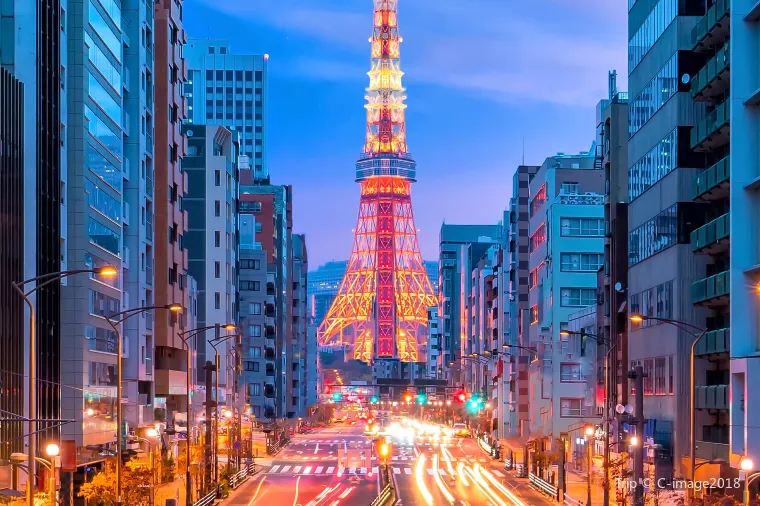
Tokyo experiences a temperate climate with four distinct seasons, each offering unique attractions and experiences. The city is enjoyable to visit year-round, whether you’re drawn to the cherry blossoms in spring, the vibrant festivals of summer, the colorful foliage in autumn, or the crisp winter atmosphere. However, if you want to avoid the rainy season and enjoy the most comfortable weather for outdoor activities, the best times to visit are during spring (March to May) and autumn (September to November).
Latest Trip.com Promo Code, Coupons, Flight Deals & Hotel Discounts for Malaysia
Latest Trip.com Flight Deals & Promotions for Malaysia
Latest Trip.com Credit Card Promo Codes, Deals, Coupons for Malaysia
FAQs: Weather in Tokyo
-
When is the best time to visit Tokyo?
-
Is UV radiation strong in Tokyo?
-
Where can I check Tokyo’s weather?