
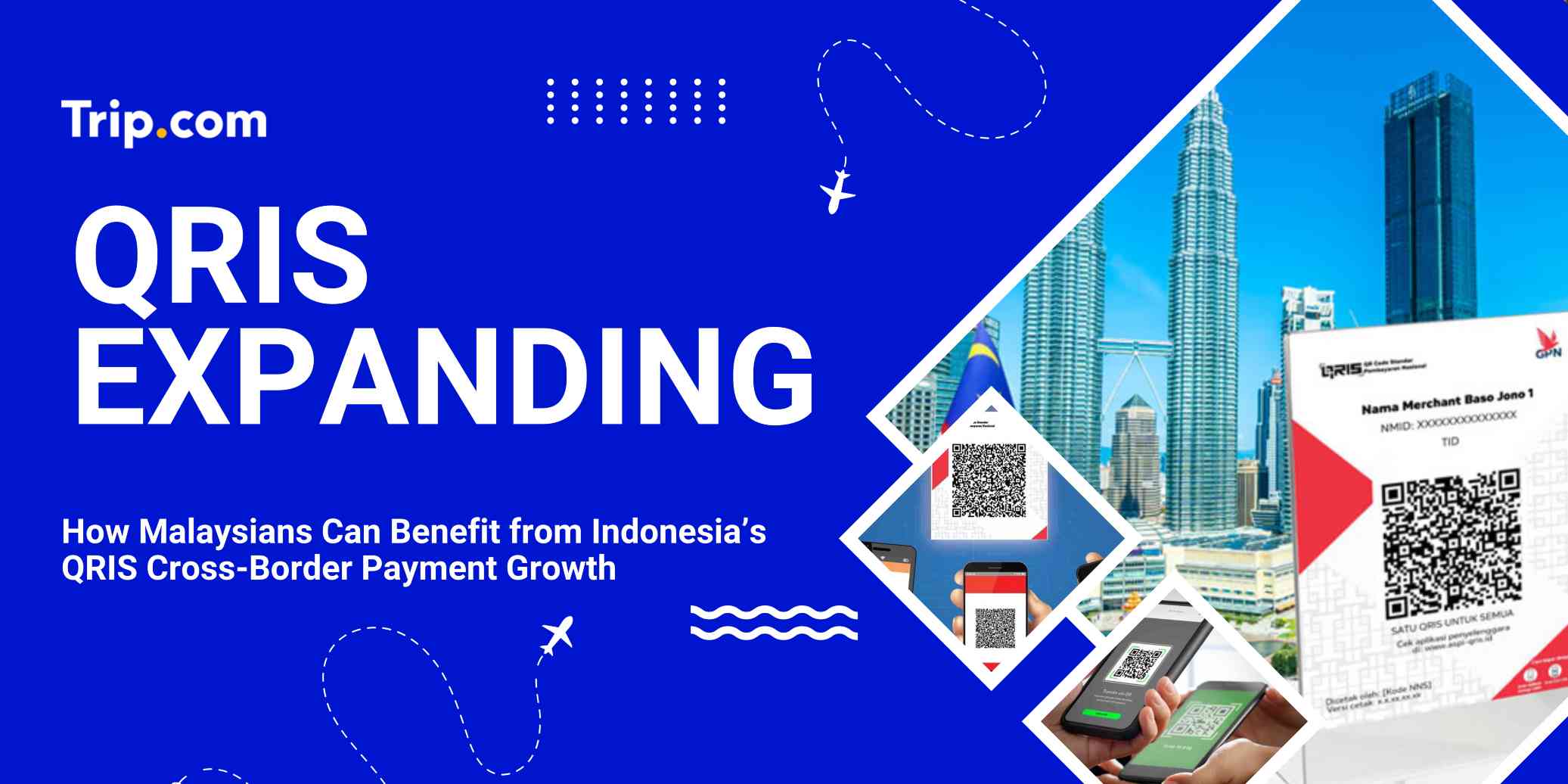
Bank Indonesia is expanding its QRIS cross-border payment system to seven countries, including Malaysia, Singapore, Thailand, Japan, China, South Korea, and India. This initiative allows travellers to make cashless payments simply by scanning QR codes through supported banking applications or e-wallet platforms. It reflects a growing effort to improve digital payment connectivity across Asia and make international transactions more convenient.
For Malaysian travellers visiting Indonesia, this expansion brings several practical advantages. Payments for shopping, dining, transport, and tourist activities can be completed more easily through mobile banking or e-wallet services, reducing the need to carry large amounts of cash. It also lowers dependence on currency exchange counters, saving time and offering greater convenience during travel.
In addition, QRIS can speed up everyday transactions at shops, restaurants, hotels, and attractions. Instead of handling cash or cards, travellers can complete payments quickly with a simple scan. This creates a smoother and more efficient travel experience for Malaysians exploring Indonesia.
🔥 Hotel Coupons: Exclusive Hotels Deal for New Users
Discover the world with trip.com! Book the perfect hotel anywhere in the world and get an unbeatable 10% discount if you're a first-time user! If this is your second time using it, you will receive a 5% discount! Download our app now and start planning your next trip with ease.
Just click this link and download the Trip.com App, after successfully registering as a member, use it when you place an order!
🔥Save More with Up to 5% Off
Use our promo code to enjoy up to 5% OFF on your attraction tickets, tours and eSIMs!
How QRIS Strengthens Malaysia–Indonesia Travel Convenience
Source: Interactive QRIS
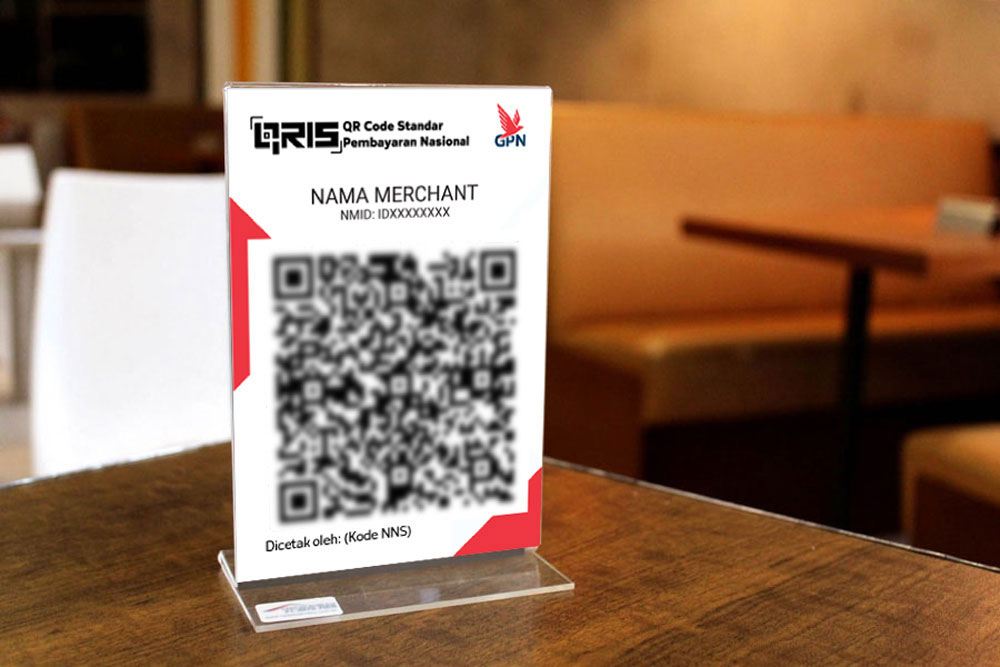
Malaysia is one of the earliest countries to be connected to QRIS, reflecting strong financial cooperation between Malaysia and Indonesia. As travel between the two countries continues to be high, the use of seamless QR payments makes the overall tourism experience more convenient and efficient for Malaysian travellers.
For Malaysians, this development improves holiday experiences in popular destinations such as Jakarta, Bali, Bandung, and Medan. It also makes everyday spending easier, especially for transport services, food, and dining transactions. In addition, travellers can rely less on international credit cards, which helps reduce transaction fees and simplifies payments abroad.
A wider expansion of QRIS interoperability is also underway. A trial linking QRIS with China’s QR payment network is currently in progress and is expected to be fully operational by the end of the year. Indonesia has also started pilot testing with South Korea, with full implementation targeted for 2026. These initiatives are part of Indonesia’s broader strategy to encourage the use of local currencies in regional trade and reduce dependence on the US dollar. Once fully implemented, QRIS is expected to connect seven major markets: Thailand, Malaysia, Singapore, Japan, China, South Korea, and India, strengthening digital payment integration across Asia.
🔥lon Majestic Hotels - Up to 70% 0FF
Highland Escape Deals with Ion Majestic Hotel - Up to 70% OFF
Discover exclusive Ion Majestic Super Brand Day deals for a refreshing highland escape in Genting and Bentong.

Cashless Travel in ASEAN Is Becoming a Reality
Source: rnggt
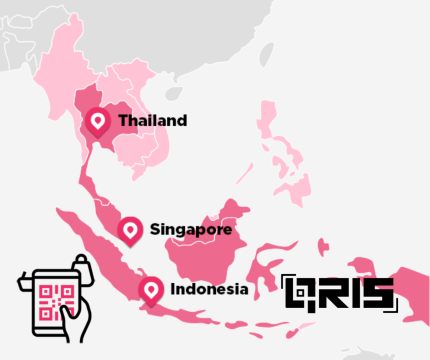
The expansion of QR-based payment systems across ASEAN highlights the region’s rapid progress toward a more integrated digital payment ecosystem. One of the key developments is the linkage between Malaysia’s DuitNow and Indonesia’s QRIS, which enables users from both countries to make cross-border payments using familiar QR code systems. This removes the need for physical cash exchange and simplifies transactions for travellers moving between the two countries.
For Malaysian travellers, this development offers several important benefits. It provides a familiar and seamless payment experience when travelling abroad, as users can continue using their existing mobile banking or e-wallet applications. It also enhances transparency in exchange rates, allowing travellers to better understand the value of their spending. In addition, it reduces friction during transactions, making payments at retail outlets, restaurants, and transport services faster, more convenient, and more efficient throughout their journey in ASEAN countries.
🔥Go Thailand
Thailand 30% OFF Promo Codes Catch the promo codes every Wednesday!

Malaysian SMEs Should Watch QRIS Expansion
Source: Interactive QRIS
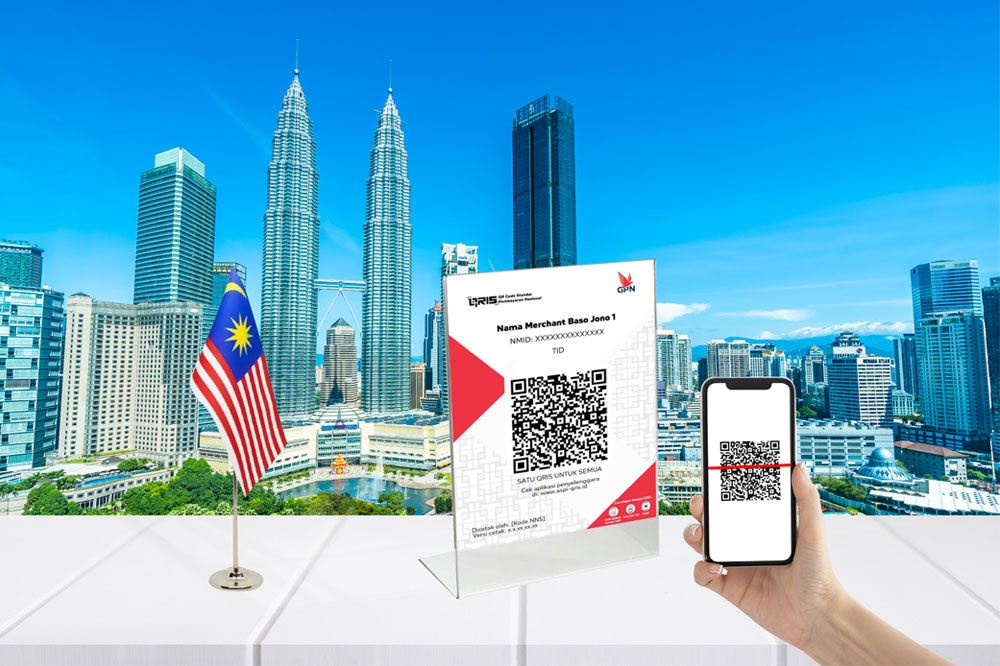
The expansion of QRIS is not limited to tourism alone. It also carries significant implications for Malaysian small and medium-sized enterprises (SMEs), particularly those involved in tourism services, retail, and cross-border trade. As digital payment systems between countries become more integrated, business transactions across ASEAN are expected to become faster, more seamless, and more accessible.
For Malaysian SMEs, one of the key advantages is the ability to accept payments more easily from Indonesian visitors. With cross-border QR payment systems in place, businesses can reduce reliance on cash handling and traditional payment terminals, making transactions more efficient. This also opens up stronger opportunities in regional e-commerce, as businesses can more easily engage with customers across borders through compatible digital payment systems. In the longer term, this development supports greater SME participation in ASEAN trade by lowering barriers to entry and improving financial connectivity within the region.
🔥Fly with AirAsia
Fly with AirAsia! Flights promo code up to RM80 OFF!

QR Payments Could Reduce Dependence on the US Dollar
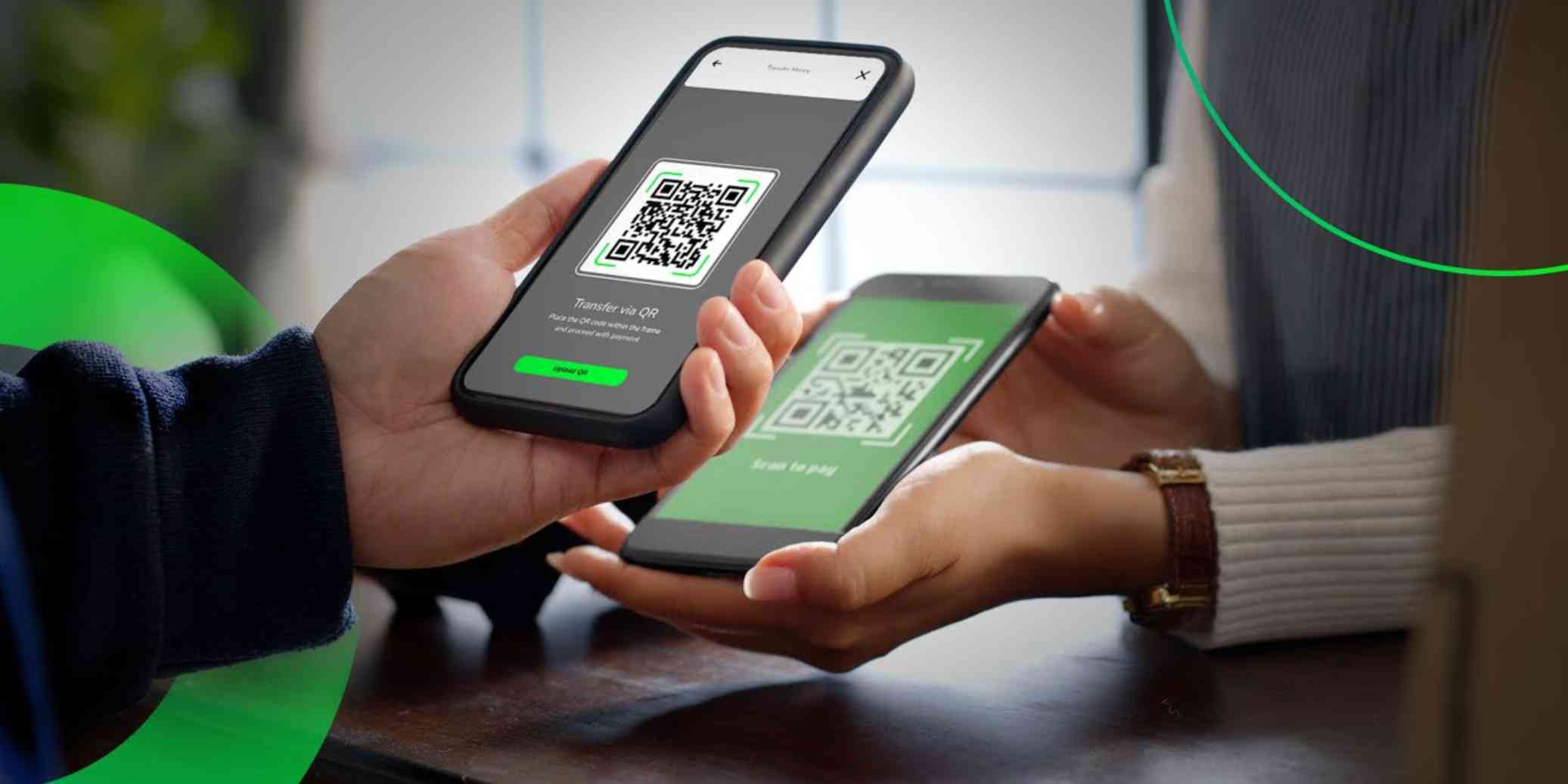
One of the key objectives behind the expansion of QR payment systems is to encourage the use of local currencies in cross-border transactions, rather than relying heavily on the US dollar. By enabling direct digital payments between countries, the system can reduce the need for multiple currency conversions, which may help lower overall transaction costs and improve payment efficiency.
For Malaysians, this development may bring several advantages. It could potentially reduce foreign exchange fees when making payments abroad, especially in countries linked to the QR system. In the future, it may also support direct Malaysian Ringgit (MYR) to Indonesian Rupiah (IDR) transactions, making spending more straightforward for travellers and businesses. Overall, this shift contributes to stronger regional currency cooperation within ASEAN, supporting a more integrated and efficient financial ecosystem across member countries.
🔥Last Minute Hotel & Travel Deals in Malaysia
Last minute travel deals up to 30% OFF!

Expanding QR Payment Connectivity Between ASEAN and East Asia
Source: Sijori
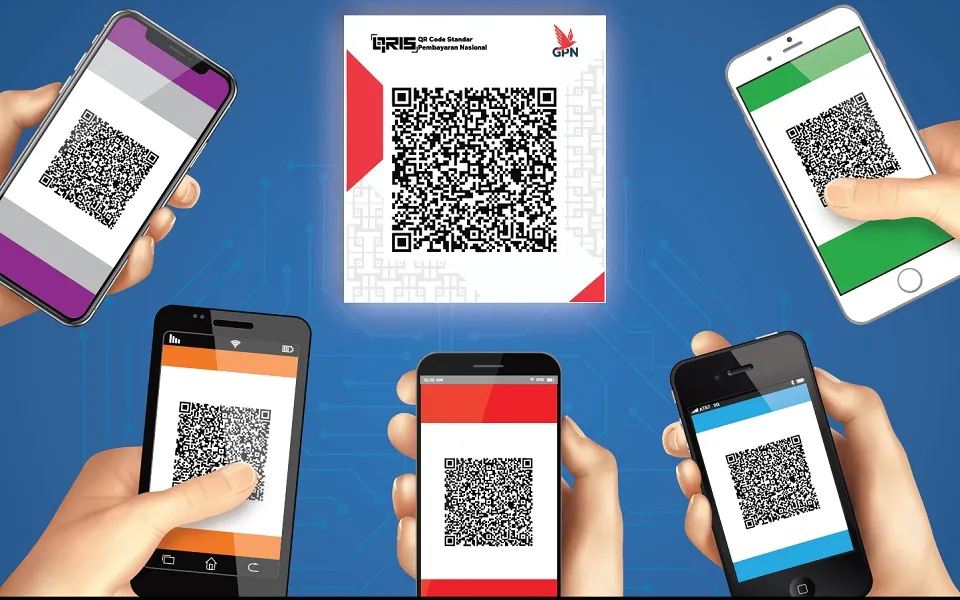
The expansion of QRIS beyond ASEAN reflects a broader movement toward greater digital payment connectivity across Asia. With ongoing developments linking QRIS to markets such as Japan and China, regional payment systems are becoming more interoperable, reducing fragmentation in cross-border financial transactions. This progress signals a shift toward a more unified digital payment landscape that connects Southeast Asia with major East Asian economies.
For Malaysian travellers, this development could bring long-term advantages. It may enable more seamless QR-based payments in a wider range of destinations, reducing dependence on cash or multiple payment platforms when travelling across Asia. It also supports stronger regional fintech integration, allowing payment systems to operate more efficiently across borders. In the long run, this could contribute to a smoother, more convenient travel experience for Malaysians visiting multiple countries within Asia.
🔥Go China
Travel to China! Get RM 120 OFF on Flight & Hotel!

Future of Cross-Border Payments
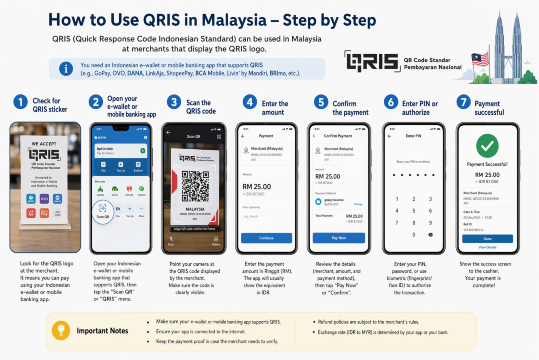
Indonesia’s QRIS expansion represents a significant step toward more seamless regional travel and more efficient cross-border payment systems in Asia. It reflects ASEAN’s broader push toward financial digitalisation, where travellers and businesses can make payments across countries using a unified QR-based system.
The system is gradually expanding through phased implementation across different markets. A key milestone includes the ongoing integration with China’s QR payment network, which is currently in a trial phase and is expected to be fully operational by the end of 2026. Once completed, this will further strengthen QRIS interoperability across major Asian economies and enhance regional payment connectivity.
For Malaysians, QRIS already offers greater convenience when travelling to Indonesia, allowing easier cashless payments and smoother transactions in daily activities such as shopping, dining, and transportation. Looking ahead, this expansion also creates new opportunities for businesses and digital payment users across Asia. As ASEAN continues to deepen financial integration, Malaysian travellers and enterprises are expected to benefit from more efficient, secure, and widely accepted cross-border payment systems.
FAQs on QRIS Expansion
-
What is QRIS?
-
How does QRIS benefit Malaysian travellers?
-
Which countries are included in the QRIS expansion?
-
Will QRIS be available in Japan and South Korea?
-
Does QRIS reduce the need for foreign currency exchange?