
Tokyo Train Map | JR Lines, Subway & Metro Guide
The Tokyo Train Map showcases one of the most comprehensive and efficient rail systems in the world, covering Tokyo and its surrounding metropolitan areas. Known for its complexity yet remarkable reliability, the network connects bustling city districts, suburban towns, business hubs, and popular tourist destinations. Whether you are a daily commuter or a first-time visitor, the Tokyo train system makes navigating the city convenient, fast, and accessible.
Overview of the Tokyo Train Map
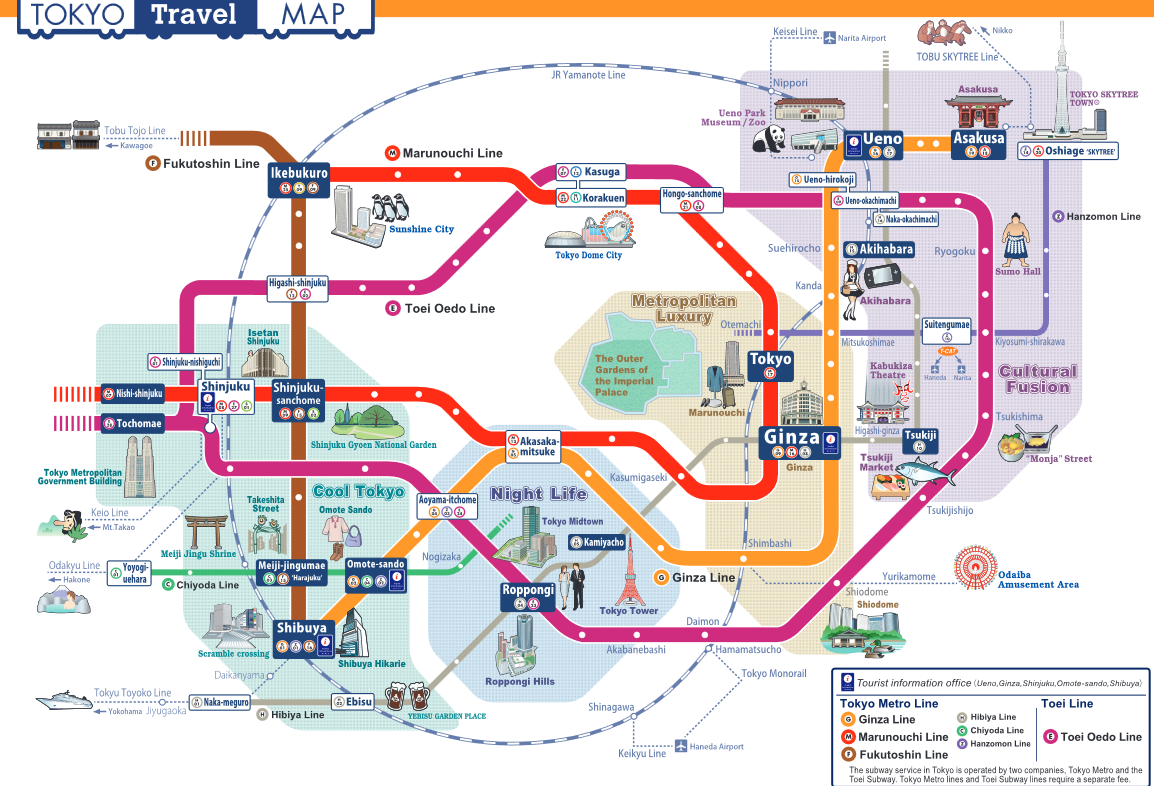
Tokyo is home to one of the most complex yet efficient railway networks in the world. The system connects every corner of the city—from bustling shopping districts and business centers to popular cultural and tourist attractions—making it the easiest way to get around.
Main Train Lines in Tokyo
Line | Operator | Key Areas Covered | Best For |
|---|---|---|---|
JR Yamanote Line | JR East | Shinjuku, Shibuya, Tokyo, Ueno, Akihabara, Ikebukuro | First-time visitors, general sightseeing |
Ginza Line | Tokyo Metro | Shibuya, Omotesando, Ginza, Nihombashi, Asakusa | Shopping, city exploration |
Marunouchi Line | Tokyo Metro | Tokyo Station, Shinjuku, Ikebukuro | Business travelers, central hotels |
Hibiya Line | Tokyo Metro | Roppongi, Tsukiji, Ueno, Akihabara | Food tours, nightlife |
Toei Oedo Line | Toei Subway | Shinjuku, Roppongi, Ryogoku, Ueno-Okachimachi | Mix of modern and traditional Tokyo |
JR Chuo Line (Rapid) | JR East | Tokyo, Kanda, Shinjuku, Nakano, Mitaka (Ghibli Museum) | Fast city travel |
Keisei Skyliner | Keisei Railway | Narita Airport, Nippori, Ueno | Travelers to/from Narita Airport |
Tokyo Monorail | JR Group | Haneda Airport – Hamamatsucho (connects to Yamanote Line) | Travelers to/from Haneda Airport |
Top Things to do in Tokyo
 42668 ditempah

🟢 JR Yamanote Line
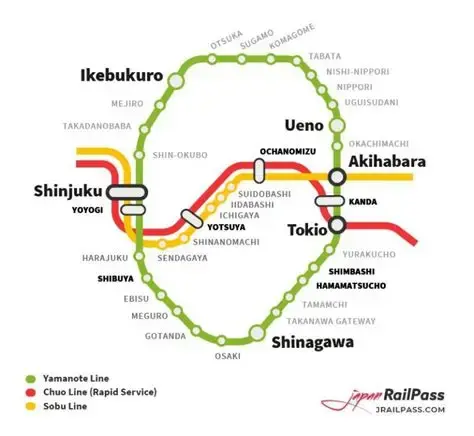
Source: jrailpass.com
Station | Nearby Highlights |
|---|---|
Tokyo Station | Marunouchi district, Shinkansen connections |
Shibuya | Shibuya Crossing, Hachiko Statue, shopping and fashion |
Shinjuku | Busiest station in the world, shopping, nightlife, Shinjuku Gyoen Park |
Harajuku | Takeshita Street, youth fashion, kawaii culture |
Ikebukuro | Sunshine City, anime and gaming spots |
Ueno | Ueno Zoo, museums, cherry blossom park |
Akihabara | Electronics, anime and manga hub |
Shinagawa | Business hotels, access to Haneda Airport |
Yurakucho | Close to Ginza, dining and shopping |
Overview
- Operator: JR East
- Type: Commuter rail
- Line Shape: Circular loop around central Tokyo
- Full Loop Duration: ~60 minutes
- Frequency: Every 2–4 minutes
- Total Stations: 30
- Operating Hours: ~04:30 – 01:00
Travel Tips
- The line runs in two directions: clockwise (Outer Loop) and counterclockwise (Inner Loop).
- Use navigation apps like Google Maps or Japan Travel by Navitime to choose the best direction.
- Avoid peak rush hours (07:30–09:30 & 17:00–19:00).
- IC Cards (Suica/Pasmo) are the easiest way to ride.
Best For
- First-time visitors: Easy access to Tokyo’s major attractions
- Shoppers: Shibuya, Harajuku, Shinjuku, Ginza
- Photographers: Famous cityscapes and landmarks
- Culture lovers: Quick access to museums, shrines, and parks
- Families: Large stations with full facilities
🟡 Tokyo Metro Ginza Line
Source: genkimobile.com
Station | Nearby Highlights |
|---|---|
Shibuya (G01) | Shibuya Crossing, Hachiko, shopping and cafés |
Omotesando (G02) | High-end fashion, luxury boutiques |
Ginza (G09) | Upscale shopping, department stores |
Nihombashi (G15) | Historic business district, near Tokyo Station |
Tawaramachi (G18) | Kappabashi Street (kitchenware, food replicas) |
Asakusa (G19) | Sensoji Temple, Nakamise shopping street |
Overview
- Operator: Tokyo Metro
- Type: Subway
- Line Color: Yellow
- Line Code: G
- Stations: 19
- Length: ~14.3 km
- Full Ride Duration: ~30 minutes
- Route: Shibuya (G01) – Asakusa (G19)
- Operating Hours: ~05:00 – 00:30
Tickets & Access
- Use Suica or Pasmo IC Cards for convenience
- Tokyo Subway Ticket (1–3 days) allows unlimited rides on Tokyo Metro & Toei Subway
- Check routes and fares with Tokyo Subway Navigation, Google Maps, or Navitime
Best For
- Shoppers: Ginza, Omotesando, Shibuya
- Photography & fashion fans: Iconic urban spots and architecture
- Culture seekers: Direct access to Asakusa and Sensoji Temple
- Solo travelers or beginners: Easy, straightforward route
- Families: Convenient for city parks and family attractions
🔴 Tokyo Metro Marunouchi Line
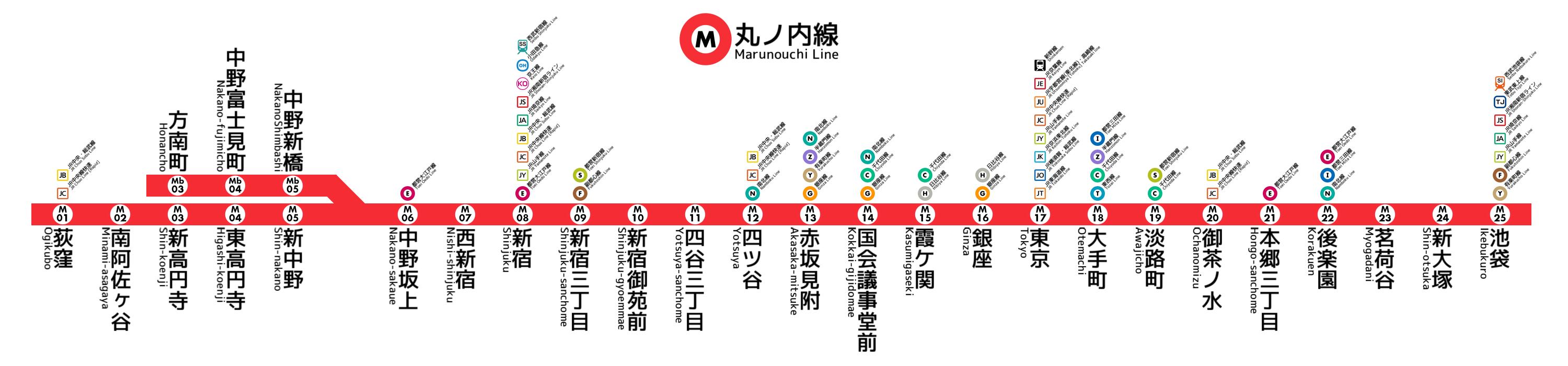
Source: maps-tokyo.com
Station | Nearby Highlights |
|---|---|
Tokyo Station (M17) | Shinkansen hub, Marunouchi, Imperial Palace |
Shinjuku (M08) | Shopping, nightlife, Shinjuku Gyoen |
Ikebukuro (M25) | Sunshine City, anime and gaming |
Akasaka-Mitsuke (M13) | Transfer hub, dining and nightlife |
Otemachi (M15) | Major transfer point, business district |
Yotsuya (M21) | Offices, universities, classic Tokyo atmosphere |
Overview
- Operator: Tokyo Metro
- Type: Subway
- Line Color: Red
- Line Code: M
- Stations: 28
- Length: ~27.4 km
- Full Ride Duration: ~50 minutes
- Main Route: Ogikubo (M01) – Ikebukuro (M25)
- Branch Line: Nakano-Sakaue – Honancho
- Operating Hours: ~05:00 – 00:30
Tickets & Access
- Use IC Cards (Suica/Pasmo)
- Tokyo Subway Ticket valid (1/2/3 days)
- Route and fare info available on Subway Navigation, Google Maps, Navitime
Best For
- Business travelers: Direct to office and hotel areas
- Beginners: Simple route through key hubs
- Hotel guests: Many hotels near Marunouchi Line stations
- Students & researchers: Access to universities and museums
- Families: Parks, shopping centers, and kid-friendly stops
🟠 Tokyo Metro Hibiya Line
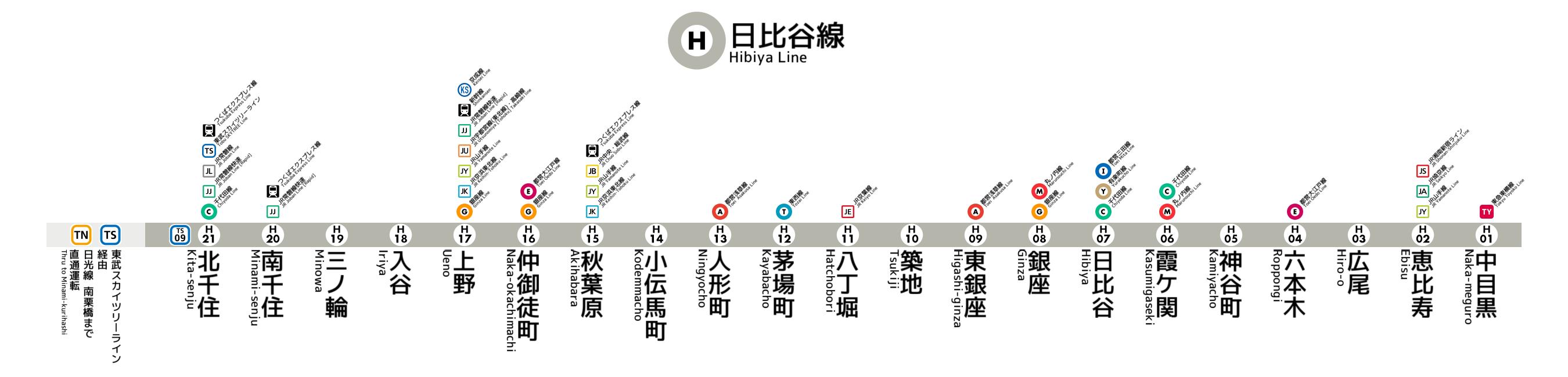
Source: maps-tokyo.com
Station | Nearby Highlights |
|---|---|
Naka-Meguro (H01) | Riverside cafés, cherry blossoms |
Roppongi (H04) | Roppongi Hills, art museums, nightlife |
Higashi-Ginza (H08) | Ginza, Tsukiji Outer Market |
Hibiya (H09) | Midtown Hibiya, parks, cinemas |
Ueno (H16) | Ueno Zoo, museums, cultural park |
Iriya (H17) | Local neighborhood near Asakusa |
Kita-Senju (H22) | Emerging suburban hub |
Overview
- Operator: Tokyo Metro
- Type: Subway
- Line Color: Silver
- Line Code: H
- Stations: 22
- Length: ~20.3 km
- Route: Naka-Meguro (H01) – Kita-Senju (H22)
- Operating Hours: ~05:00 – 00:30
- Connections: Tokyu Toyoko Line, Tobu Skytree Line
Tickets & Access
- IC Cards (Suica/Pasmo) accepted
- Valid with Tokyo Subway Ticket (1/2/3 days)
- Route info available via Subway Navigation, Google Maps, Navitime
Best For
- Food lovers: Tsukiji Market and hidden dining spots
- Art & culture enthusiasts: Roppongi’s museums and galleries
- Nightlife explorers: Bars and clubs in Roppongi
- Local culture fans: Traditional neighborhoods like Iriya and Minowa
- Travelers covering more ground: Multiple transfer connections
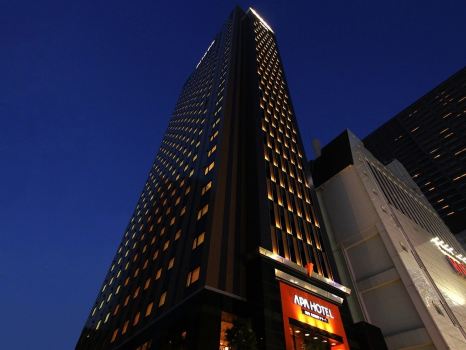
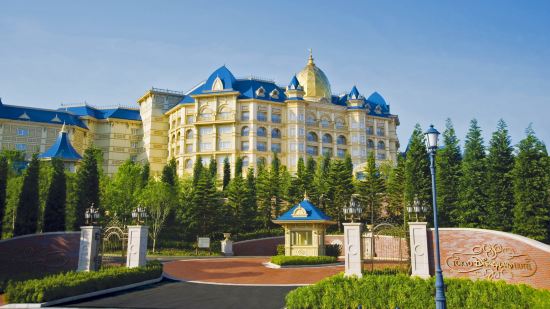
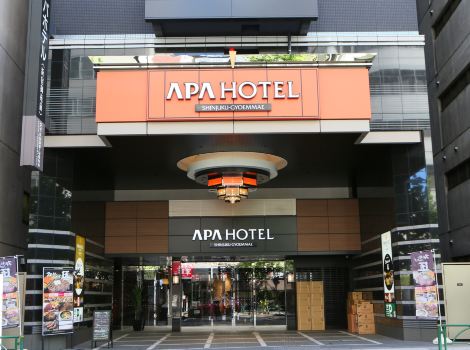
Recommended Hotels in Tokyo

🟣 Toei Oedo Line
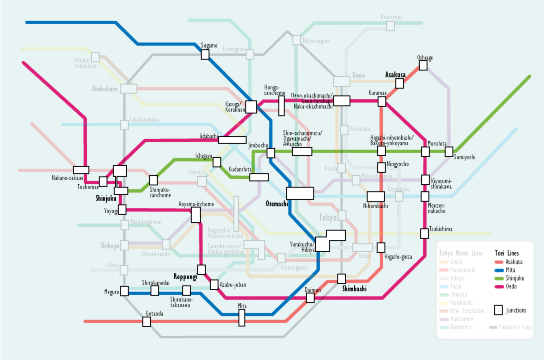
Source: wikimedia
Station | Nearby Highlights |
|---|---|
Shinjuku (E27) | Shopping, city park, busiest station in the world |
Roppongi (E20) | Roppongi Hills, Tokyo Midtown, art museums |
Tochomae (E28) | Tokyo Metropolitan Government Building (free observation deck) |
Ueno-Okachimachi (E02) | Ueno Park, museums, zoo, Ameyoko shopping street |
Ryogoku (E24) | Sumo Museum, sumo arena, Edo-Tokyo Museum |
Tsukishima (E32) | Monjayaki Street, famous local food district |
Iidabashi (E09) | Koishikawa Garden, major transfer hub |
Overview
- Operator: Toei Subway (Tokyo Metropolitan Government)
- Line Color: Purple
- Line Code: E
- Total Stations: 38
- Length: ~40.7 km (longest line in Tokyo’s subway system)
- Route Shape: Semi-loop with branches (resembles a “6”)
- Operating Hours: ~05:00 – 00:30
- Unique Feature: Deepest subway line in Tokyo, reaching 48 meters underground
Tickets & Access
- IC Cards (Suica, Pasmo) accepted
- Covered by Tokyo Subway Ticket (Toei + Tokyo Metro)
- Route maps and schedules available on Tokyo Subway Navigation, Google Maps, Navitime
Best For
- Culture lovers: Easy access to Ryogoku (sumo), Ueno, and museums
- Photographers: City views from Tochomae and Roppongi
- Families: Parks, museums, and family-friendly attractions
- Local explorers: Hidden gems in Kiyosumi-Shirakawa and surrounding areas
- Business travelers: Offices and hotels in Shinjuku and Roppongi
🟧 JR Chuo Line (Rapid)
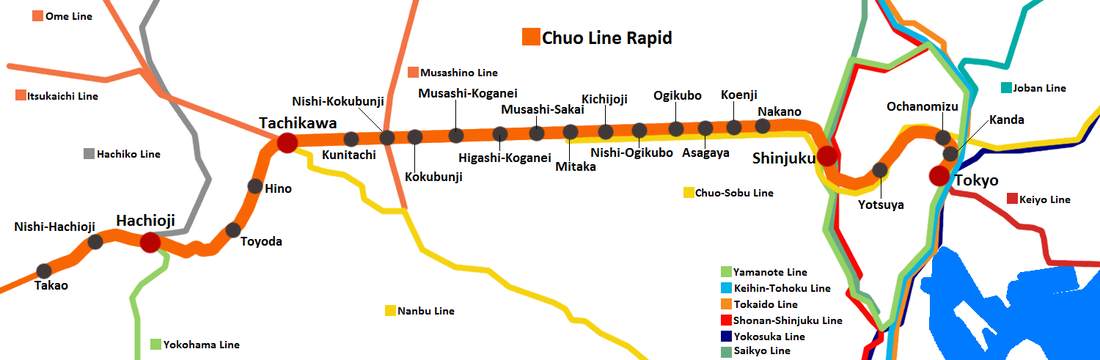
Source: allaboutjapantrains.com
Station | Nearby Highlights |
|---|---|
Tokyo | Imperial Palace, Marunouchi, Nihombashi |
Kanda | Easy transfer to Akihabara |
Ochanomizu | Musical instrument shops, universities |
Shinjuku | Shopping, entertainment, major transport hub |
Nakano | Nakano Broadway, anime and collectibles |
Koenji | Vintage fashion, indie cafés, live music |
Mitaka | Ghibli Museum, Inokashira Park |
Tachikawa | Shopping centers, Showa Kinen Park |
Takao | Mount Takao hiking and nature trails |
Overview
- Operator: JR East
- Line Color: Orange
- Type: Rapid line (skips certain local stations)
- Route: Tokyo Station ⇄ Takao Station (via Shinjuku)
- Total Stations: ~28 (rapid service)
- Operating Hours: ~05:00 – 00:30
- System:
- Chuo Line (Rapid): Express route (orange)
- Chuo-Sobu Line (Local): Slower local service (yellow)
Tickets & Access
- IC Cards (Suica, Pasmo) accepted
- Valid with JR Pass and Tokyo Wide Pass
- Not included in Tokyo Subway Ticket (JR line, not Metro)
Best For
- Fast travelers: Quick connection from Tokyo to Shinjuku and beyond
- Local culture seekers: Unique neighborhoods like Koenji and Nakano
- Nature lovers: Direct access to Mount Takao
- Anime fans: Easy route to Ghibli Museum and Nakano Broadway
- Vintage shoppers: Great second-hand fashion and record shops
🔵 Keisei Skyliner
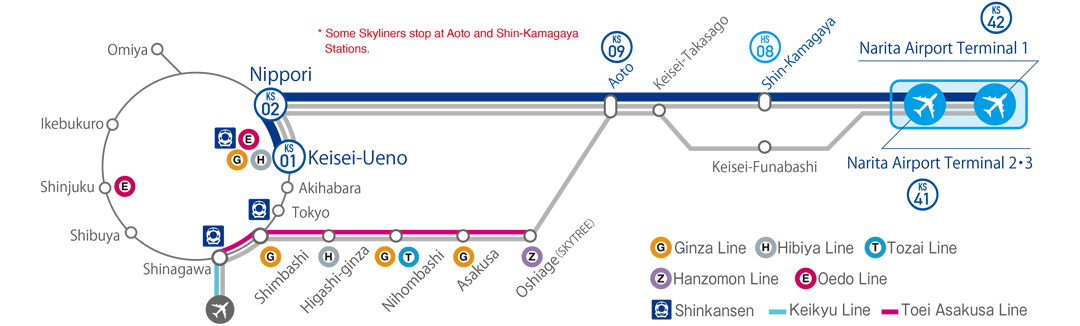
Source: keisei.co.jp
Station | Description |
|---|---|
Narita Airport T1/T2 | Directly connected to airport terminals |
Nippori | Transfer to JR Yamanote Line, ideal for Shinjuku/Shibuya |
Ueno | Access to Ueno Park, museums, Ameyoko Market |
Overview
- Operator: Keisei Electric Railway
- Type: Limited Express (reserved seating)
- Line Color: Blue
- Route: Narita Airport ⇄ Ueno Station
- Travel Time: ~41 minutes (Narita – Ueno)
- Top Speed: 160 km/h (one of Japan’s fastest trains)
Tickets & Fares (as of July 2025)
Route | Adult | Child |
|---|---|---|
Narita – Nippori | RM77 | RM39 |
Narita – Ueno | RM77 | RM39 |
- Tickets available online, vending machines, or Keisei counters
- Can be reserved from overseas and collected on arrival
- IC cards (Suica/Pasmo) not valid — separate Skyliner ticket required
Best For
- Airport arrivals: Fastest, most comfortable transfer from Narita to Tokyo
- Travelers with luggage: Spacious baggage storage, less crowded than alternatives
- Time-sensitive visitors: Saves 20–30 minutes compared to regular trains
- JR Line connections: Convenient transfers at Nippori and Ueno
🔴 Tokyo Monorail

Source: tokyo-monorail.co.jp
Station | Description |
|---|---|
Haneda Airport T3/T2/T1 | Direct access from all terminals |
Tennozu Isle | Transfer to Rinkai Line (for Odaiba, Disney Resort) |
Hamamatsucho | Transfer to JR Yamanote Line & Toei Asakusa Line |
Overview
- Operator: Tokyo Monorail Co. (subsidiary of JR East)
- Type: Airport monorail (elevated railway)
- Line Color: Red
- Route: Haneda Airport ⇄ Hamamatsucho (JR Yamanote Line)
- Travel Time: ~13–18 minutes
- Frequency: Every 3–5 minutes
- Service Types: Local, Rapid, Haneda Express (same fare)
Tickets & Fares (as of July 2025)
Route | Adult | Child |
|---|---|---|
Haneda – Hamamatsucho | RM15 | RM8 |
- IC Cards (Suica, Pasmo) accepted
- Physical tickets available at vending machines
- Free for children under 6 (with adult companion)
Best For
- Haneda arrivals: Quickest and cheapest route into central Tokyo
- Travelers heading to JR Lines: Direct connection to Yamanote Line (Shibuya, Tokyo, Ueno, etc.)
- Families: Frequent departures make travel stress-free
- Scenic travelers: Elevated route offers views of Tokyo Bay and city skyline
🚅 Choose the Right Tokyo Train Line for You
JR Yamanote Line – Tokyo’s Iconic Loop
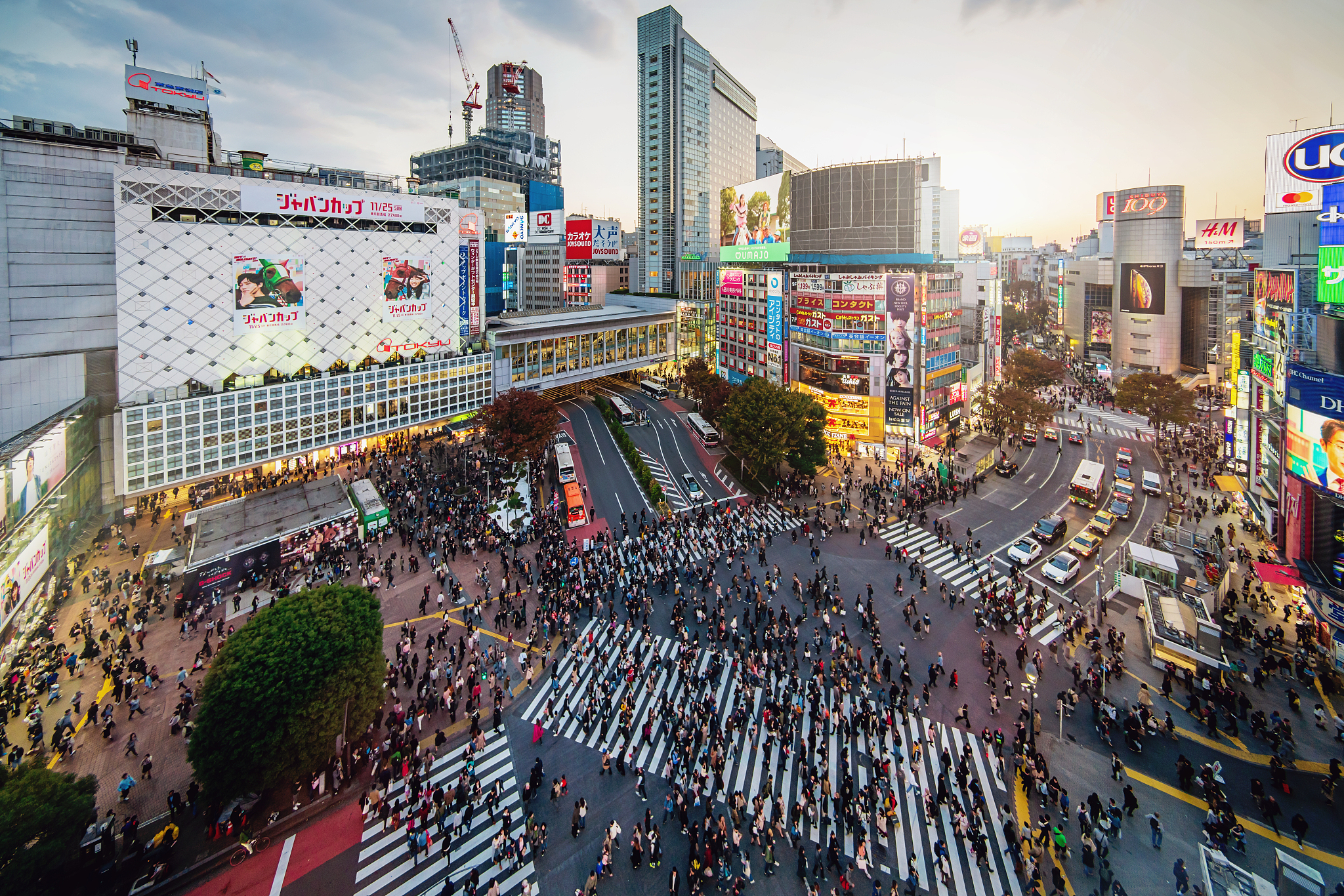
- Route: Shibuya – Shinjuku – Ikebukuro – Ueno – Tokyo Station
- Popular Attractions:
- Shibuya Crossing and Hachiko Statue
- Harajuku and Takeshita Street
- Shinjuku Gyoen Park
- Ueno Zoo and museums
- Akihabara electronics and anime district
Ginza Line – Tokyo’s Classic Subway
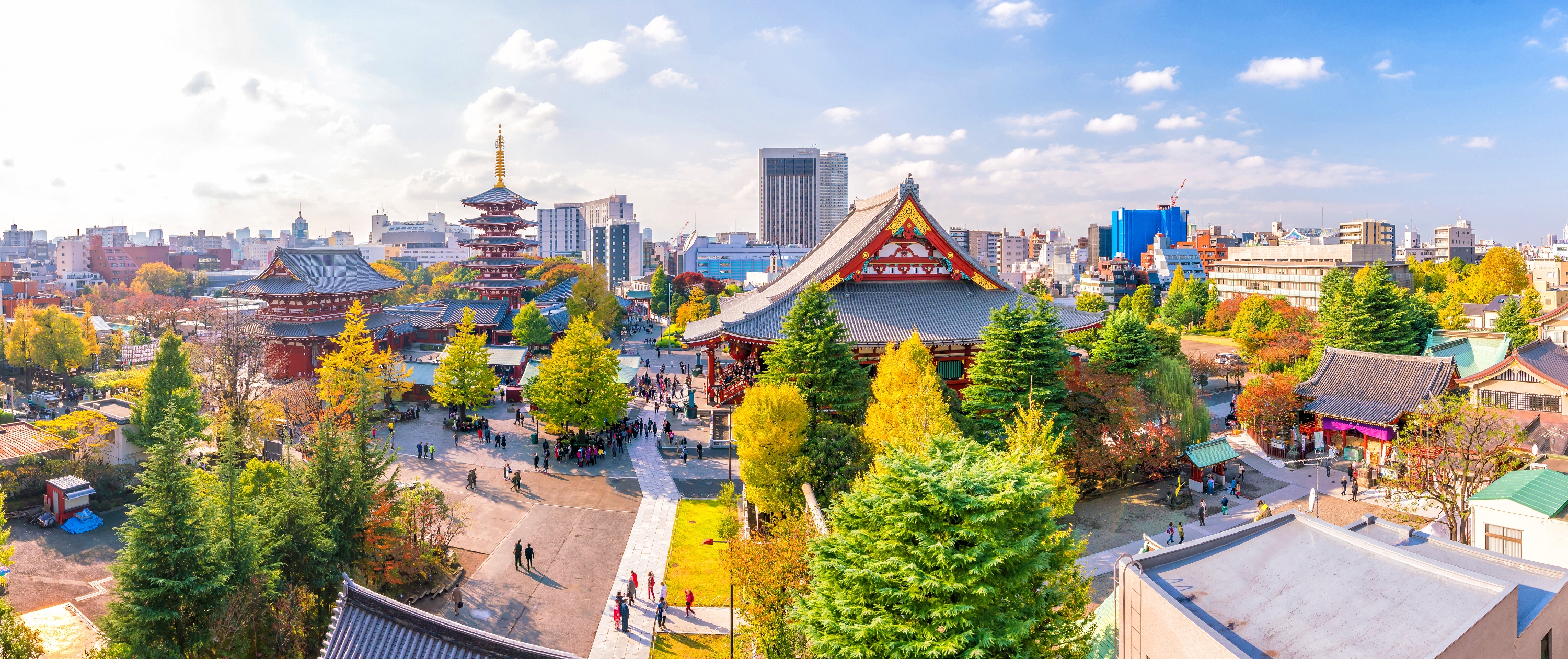
- Route: Asakusa – Ueno – Nihombashi – Ginza – Shibuya
- Popular Attractions:
- Senso-ji Temple, Asakusa
- Ueno Park and museums
- Luxury shopping in Ginza
- Shibuya Scramble Crossing
Marunouchi Line – Business and Modern Tokyo
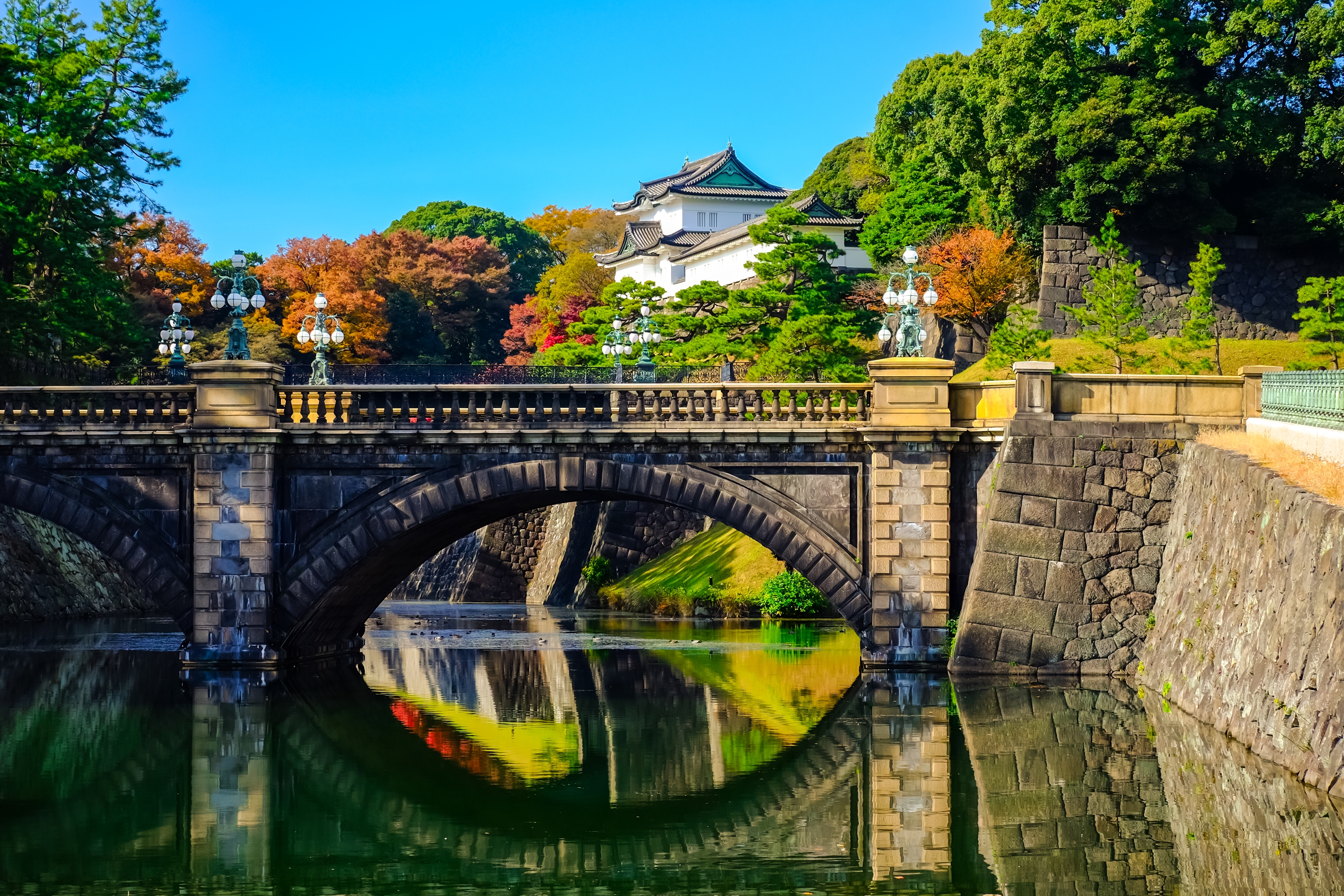
- Route: Tokyo Station – Akasaka – Shinjuku
- Popular Attractions:
- Tokyo Station architecture and shopping
- Imperial Palace Gardens
- Shinjuku skyscrapers and business district
Hibiya Line – Culture, Food, and Entertainment
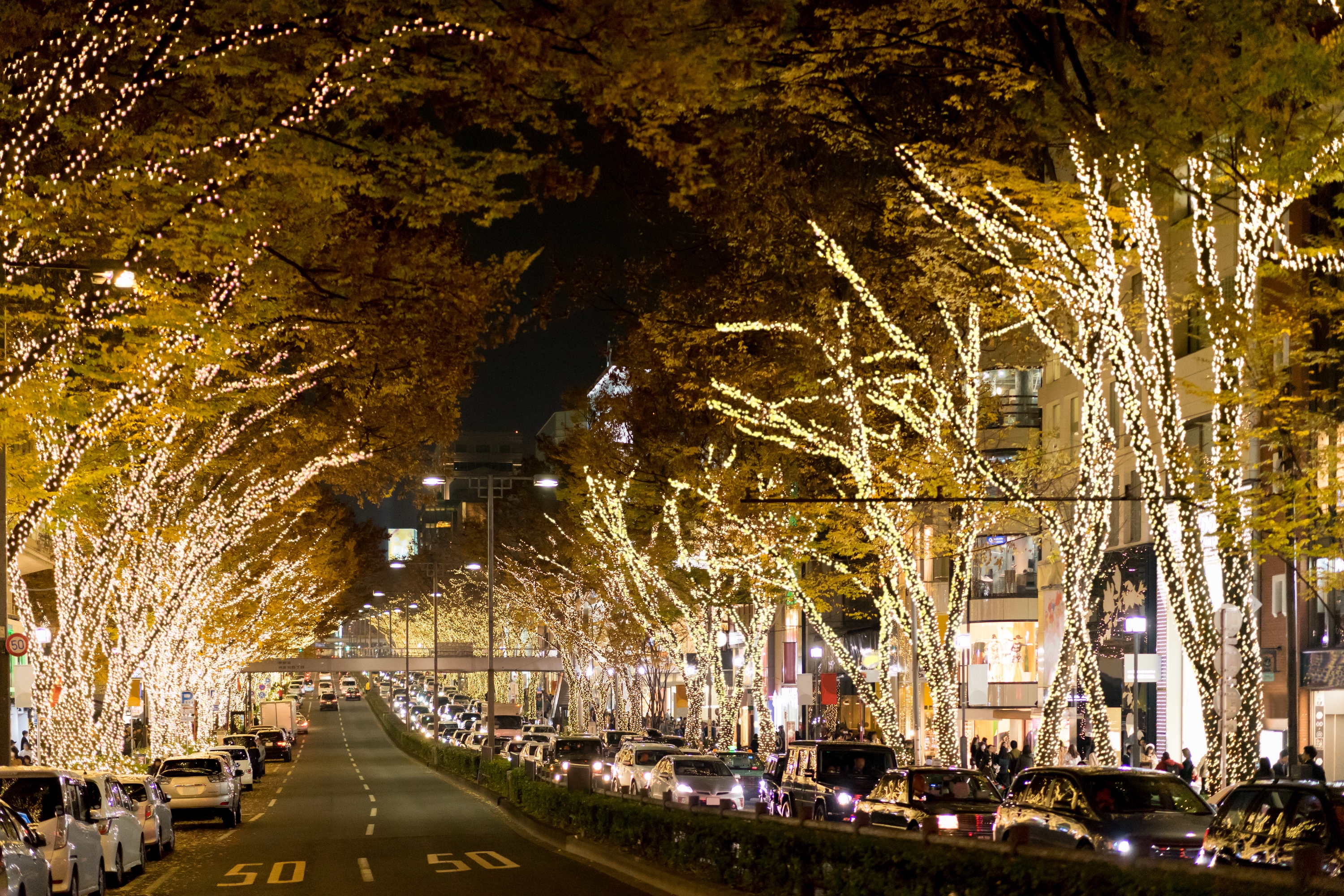
- Route: Naka-Meguro – Roppongi – Tsukiji – Akihabara
- Popular Attractions:
- Roppongi Hills and nightlife
- Tsukiji Market for fresh sushi
- Akihabara electronics district
- Naka-Meguro cherry blossoms and cafés
Toei Oedo Line – Modern Tokyo Loop
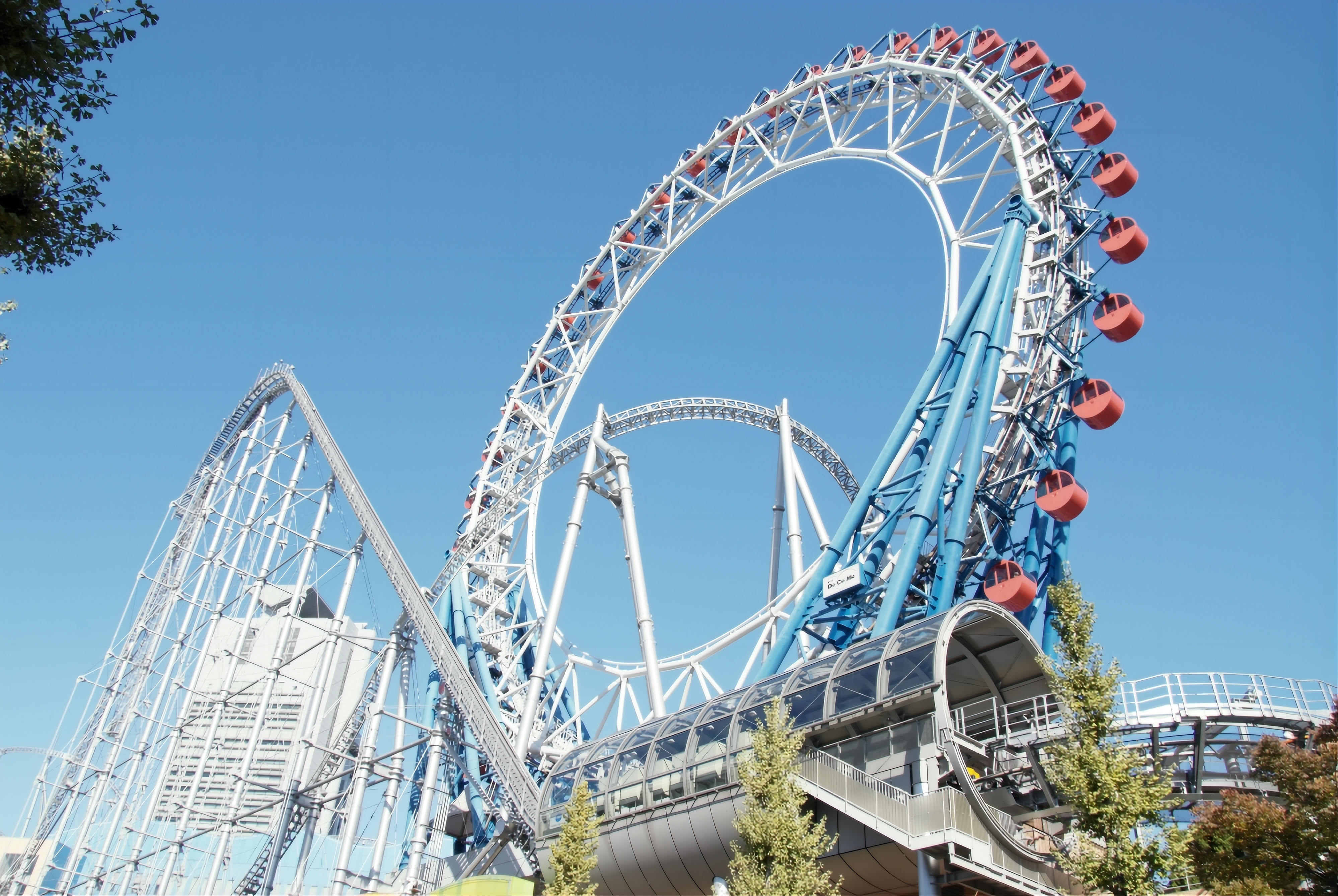
- Route: Shinjuku – Roppongi – Tsukiji – Ueno – Iidabashi
- Popular Attractions:
- Tokyo Dome City
- Roppongi nightlife
- Ueno Zoo and museums
- Kabukicho entertainment district, Shinjuku
JR Chuo Line (Rapid) – Fast Access to Western Tokyo
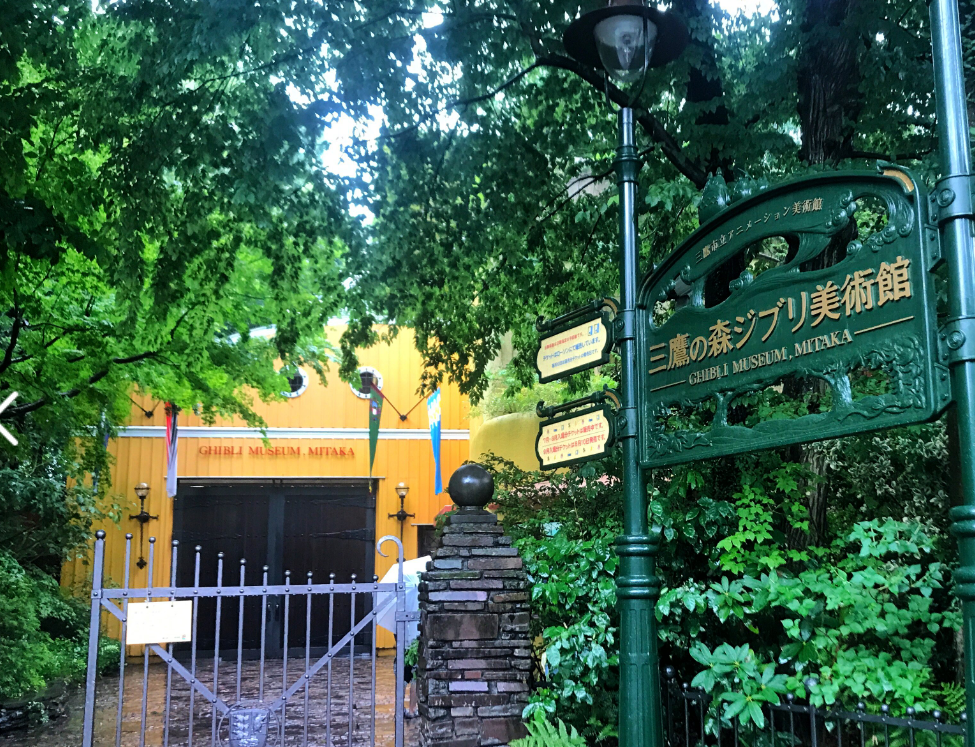
- Route: Tokyo Station – Shinjuku – Kichijoji – Mitaka
- Popular Attractions:
- Ghibli Museum, Mitaka
- Inokashira Park
- Kichijoji shopping and street food
Keisei Skyliner – Narita Airport to the City
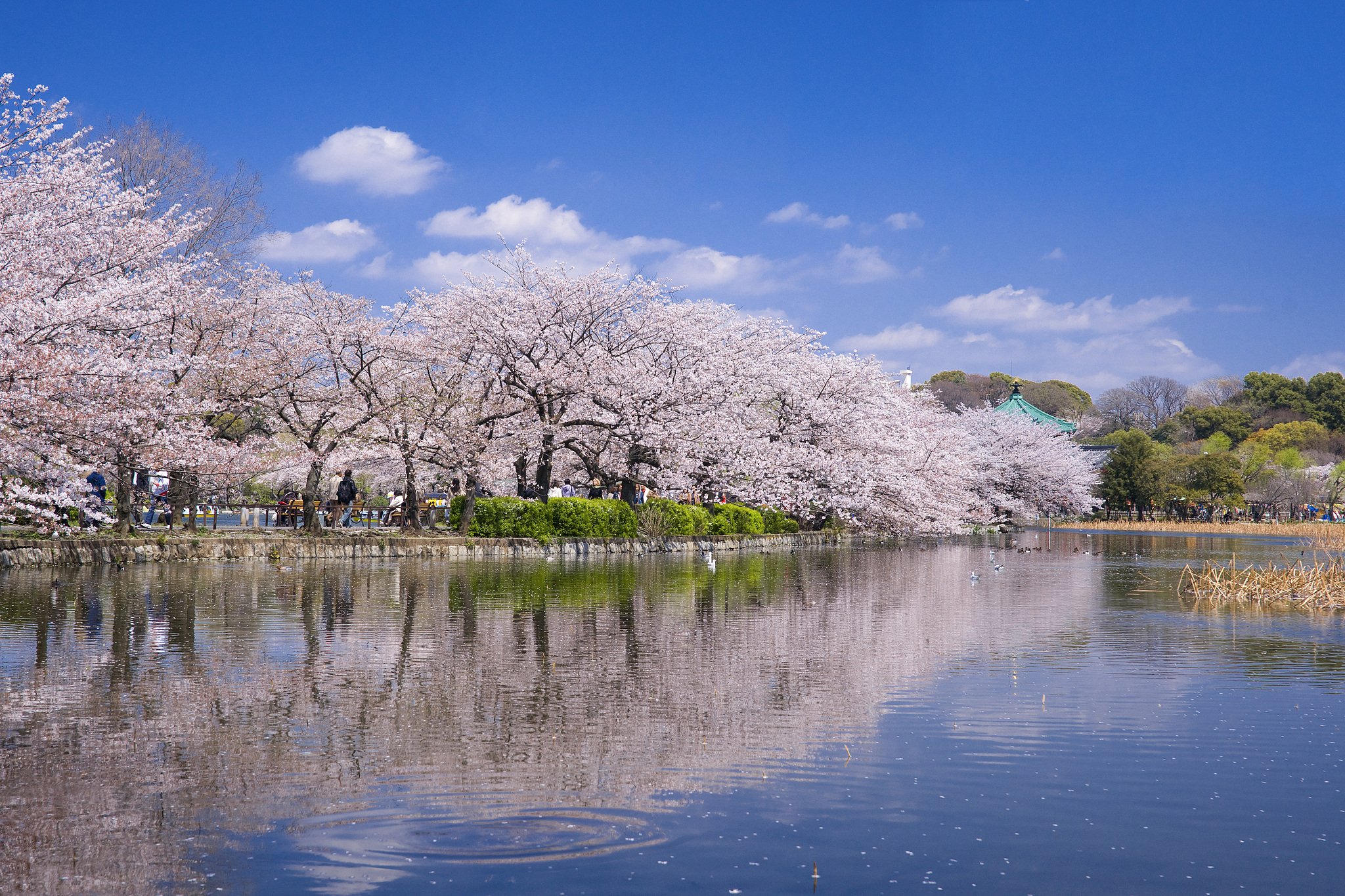
- Route: Narita Airport – Nippori – Ueno
- Highlights:
- Quick transfer from Narita to central Tokyo
- Ueno Park and Ameya-Yokocho shopping street
Tokyo Monorail – Haneda Airport to the City
- Route: Haneda Airport – Hamamatsucho
- Highlights:
- Views of Tokyo Bay
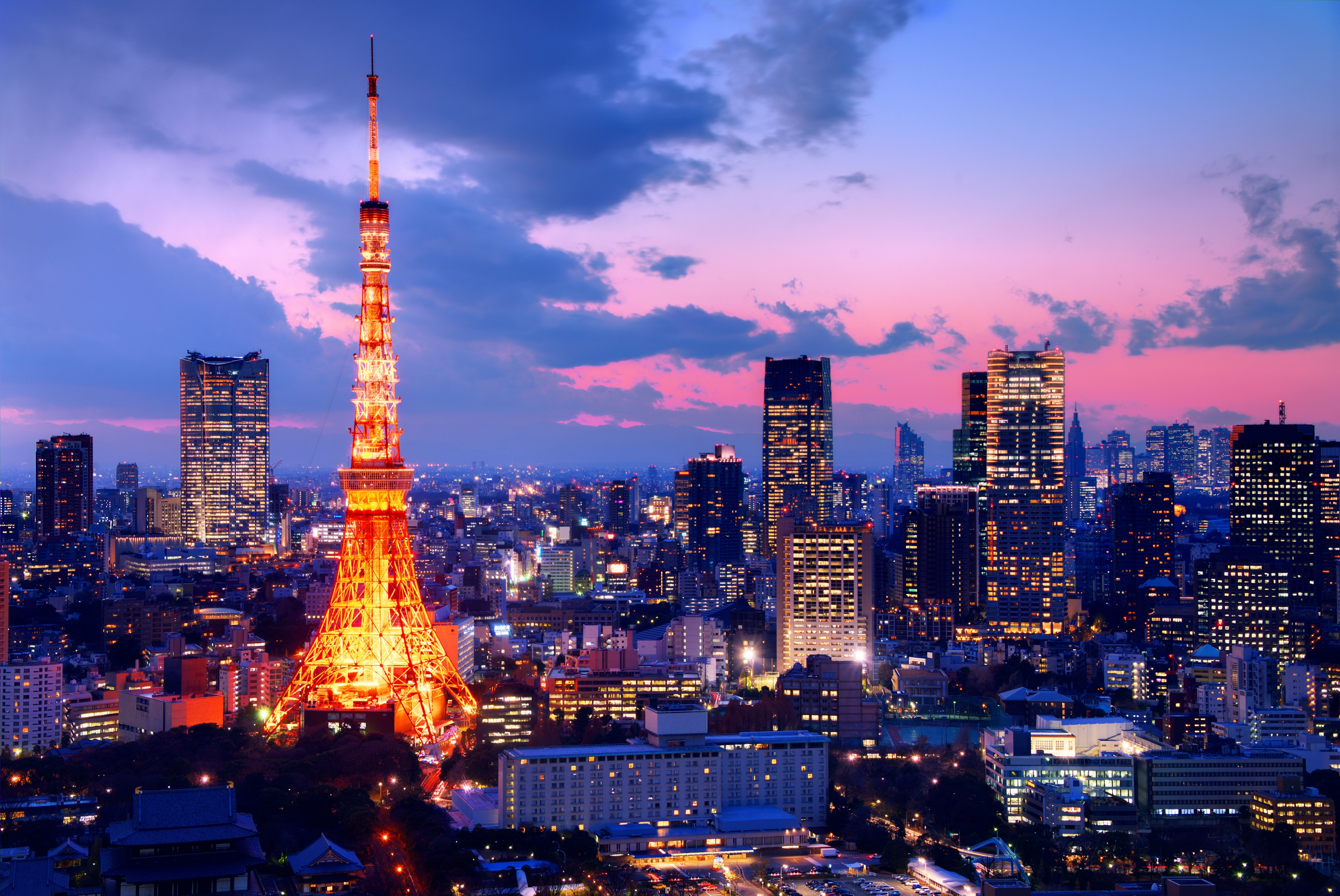
- Access to Tokyo Tower and Zojoji Temple
Flights from Kuala Lumpur to Tokyo
- Pergi Balik
- Sehala
- direct cheapest
 KUL11:457j 5mTanpa hentiNRT19:50Kuala Lumpur - Tokyo|Sab, 31 Okt|Batik Air Malaysia
 NRT16:507j 50mTanpa hentiKUL23:40Tokyo - Kuala Lumpur|Rab, 4 Nov|Zipair TokyoKWD 103KWD 14628% offCari28% offKWD 146KWD 103
 - KUL00:107j 15mTanpa hentiNRT08:25Kuala Lumpur - Tokyo|Jum, 30 Okt|Batik Air MalaysiaNRT16:507j 50mTanpa hentiKUL23:40Tokyo - Kuala Lumpur|Sel, 3 Nov|Zipair TokyoKWD 106KWD 14627% offCari27% offKWD 146KWD 106
- KUL00:107j 15mTanpa hentiNRT08:25Kuala Lumpur - Tokyo|Rab, 28 Okt|Batik Air MalaysiaNRT16:507j 50mTanpa hentiKUL23:40Tokyo - Kuala Lumpur|Rab, 4 Nov|Zipair TokyoKWD 106KWD 14627% offCari27% offKWD 146KWD 106
 KUL13:007j 15mTanpa hentiTYO14:00Kuala Lumpur - Tokyo|Mon, Sep 6|Normal Airline
 TYO13:007j 15mTanpa hentiKUL14:00Tokyo - Kuala Lumpur|Mon, Sep 6|Normal AirlineCari Penerbangan LainCari Penerbangan Lain
✨ Conclusion: Tokyo’s Super Convenient and Exciting Train Lines
Tokyo offers a vast, fast, and seamlessly connected train network—perfect for exploring the city without any hassle. From iconic loop lines like the JR Yamanote Line to underground subways such as the Ginza and Marunouchi Lines, every route is designed to make travel easy for both tourists and locals.
Here’s a quick guide to choose the right line based on your interests:
- Classic sightseeing and popular spots: Take the JR Yamanote Line for easy access from Shibuya to Ueno and everywhere in between.
- Food, temples, and local culture: Use the Ginza Line or Hibiya Line to explore Asakusa, Tsukiji, and Roppongi.
- Fast airport transfers: The Keisei Skyliner (Narita) and Tokyo Monorail (Haneda) are your quickest options.
- Nightlife and modern city vibes: Ride the Toei Oedo Line or Hibiya Line to Shinjuku, Roppongi, and Ebisu.
- Quiet, artsy areas: The JR Chuo Line (Rapid) provides access to Kichijoji and Mitaka, including the Ghibli Museum.
Tokyo’s train system makes discovering the city simple, efficient, and enjoyable for every type of traveler.
FAQs
-
What is the Tokyo train map?
-
Can I use a single ticket for all lines?
-
Where can I view a complete Tokyo train map?
-
Are all train lines available in English?
-
What are the best tips for using trains in Tokyo?