
Tokyo to Nagoya: The Complete 2026 Commuter Guide to Save Time and Money

Gambar Profil Penulis

Oleh LEO

16 Jun 2026

Are you preparing to leave the neon-drenched streets of the capital behind to explore central Japan's industrial and cultural powerhouse? Navigating the transit corridors between Tokyo to Nagoya is a rite of passage for any traveler exploring the historic Tokaido highway route. While the geographical distance across the map stretches roughly 350 kilometers, the modern transit grid makes moving between these two major metropolitan areas remarkably quick and intuitive.

Figuring out exactly how to get from Tokyo to Nagoya boils down to balancing three essential variables: your fixed travel budget, your open schedule, and your preferred level of comfort. Whether you want to fly down the tracks at incredible high speeds or save your yen for world-class local delicacies like hitsumabushi (unagi eel rice), choosing the right mode of transportation sets the tone for your whole itinerary.

This comprehensive guide breaks down every single transit path available in 2026. We provide precise financial costs, exact station names, and practical local advice to ensure your trip is smooth and stress-free.

🔥 Hotel Coupons: Exclusive Hotels Deal for New Users

Discover the world with trip.com! Book the perfect hotel anywhere in the world and get an unbeatable 10% discount if you're a first-time user! If this is your second time using it, you will receive a 5% discount! Download our app now and start planning your next trip with ease.

Just click this link and download the Trip.com App, after successfully registering as a member, use it when you place an order!

🔥Save More with Up to 10% Off

Use our promo code to enjoy up to 10% OFF on your attraction tickets, tours and eSIMs! There is also a 5% OFF for new users!
🔥New User Coupon: Save More with an Extra 5% Off

Use our promo code to enjoy an extra 5% off on your attraction tickets, eSIMs, and tours! ⏳Redeem within 3 days of claiming

Key Takeaways for Your Journey

  • Prioritize Speed: The Nozomi bullet train remains the undisputed champion for speed, connecting the city centers in just 95 minutes.
  • Watch the Budget: Highway buses are highly sophisticated, reliable, and slash your transit costs by more than half.
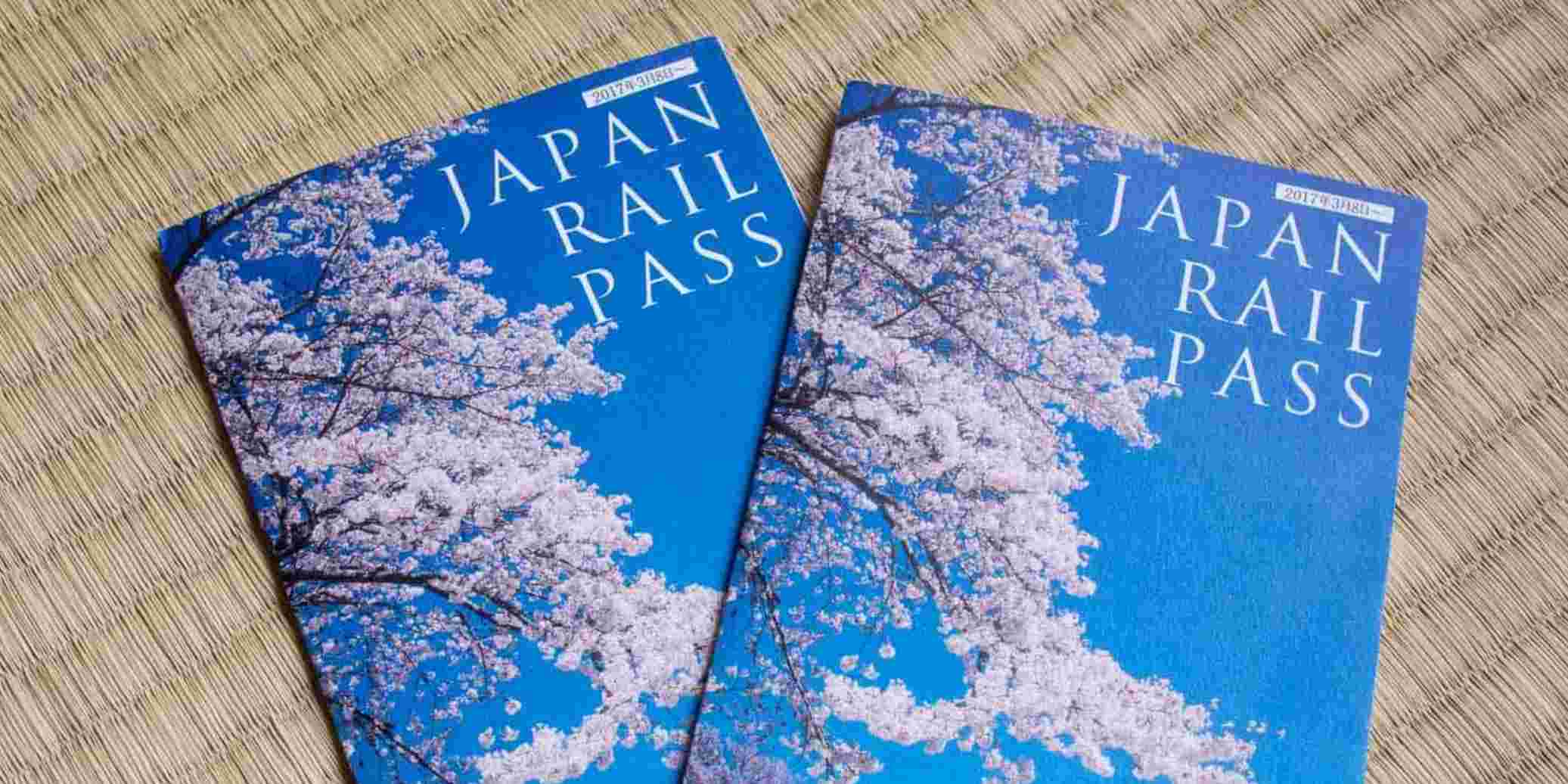
  • Skip the Nationwide Pass: Unless you are traveling across the entire country, skip the expensive 7-day JR Pass and buy individual point-to-point tickets instead.
  • Plan Around Holidays: Always book your seats well in advance if your travel dates fall during major holiday periods like Golden Week or New Year's.

What is the fastest option for traveling from Tokyo to Nagoya?

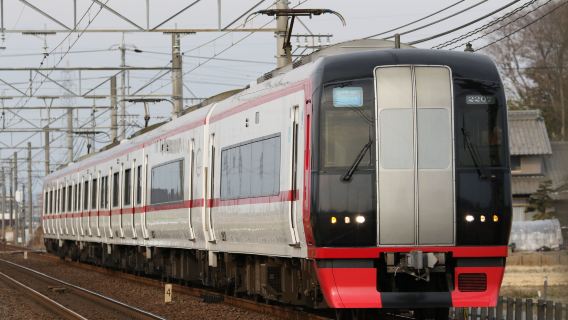
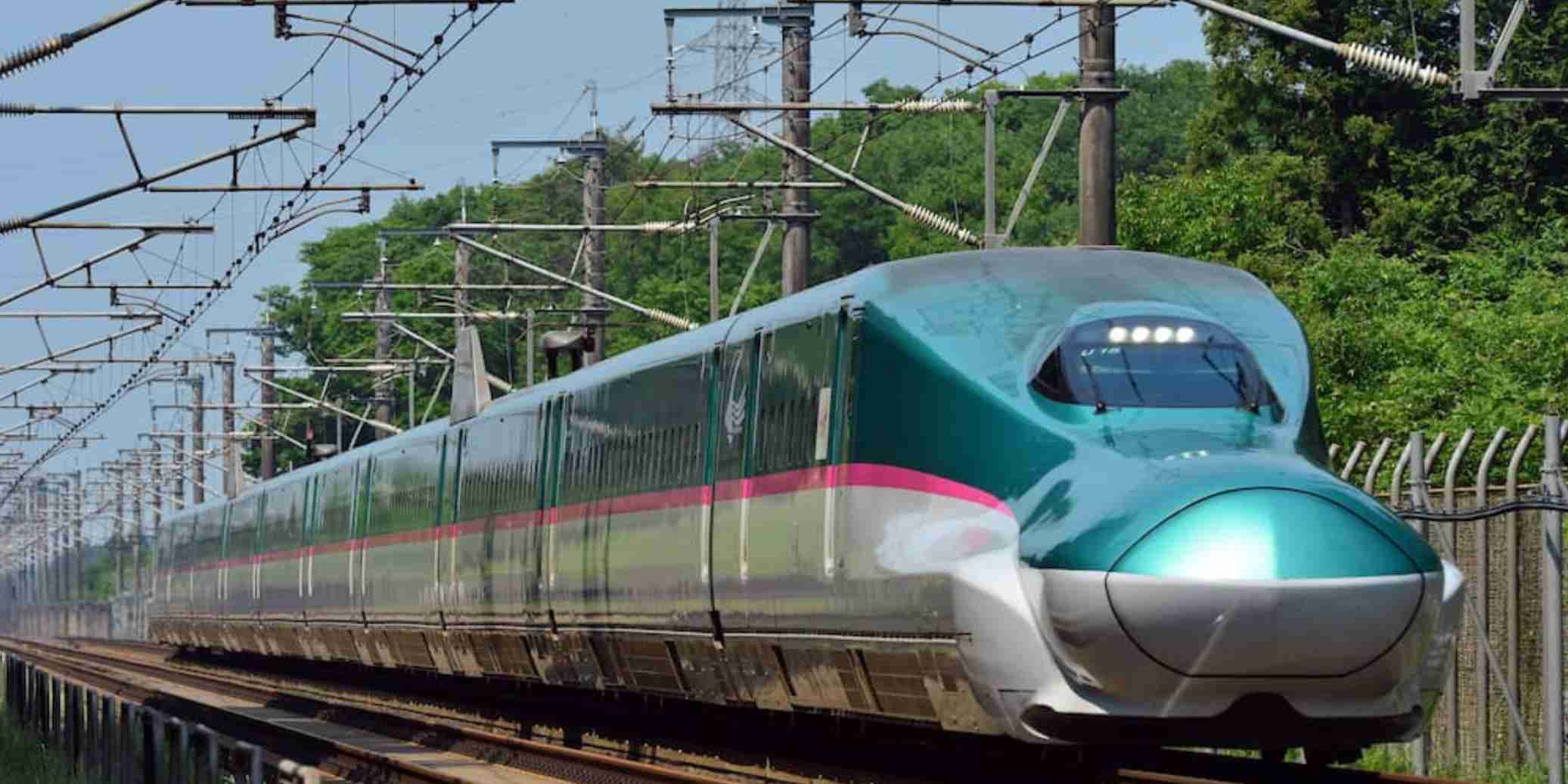
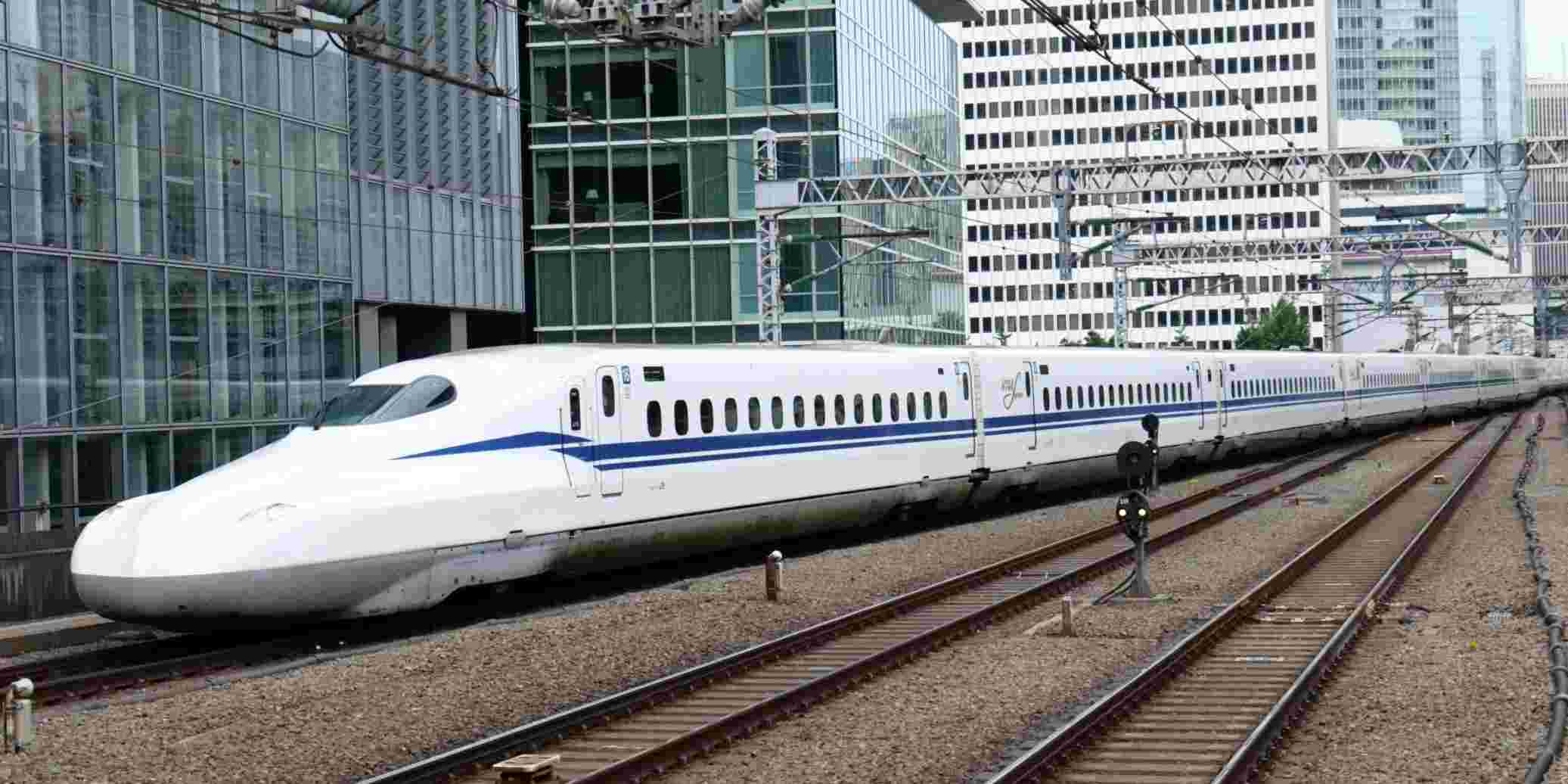
The fastest option for traveling from Tokyo to Nagoya is the high-speed Tokaido Shinkansen Nozomi bullet train. This premium direct service takes just 1 hour and 35 minutes, departing from Tokyo Station or Shinagawa Station and arriving at Nagoya Station for approximately 11,300 JPY.

When you need to maximize your vacation time, the ultra-reliable Tokyo to Nagoya Shinkansen network easily outperforms every other transit alternative. Operated by Central Japan Railway Company (JR Central), bullet trains run multiple times every hour throughout the day.

You can select from three different train variants depending on your schedule:

  • Nozomi Express: This is the flagship high-speed train. It bypasses minor regional stops, making only mandatory halts at Tokyo, Shinagawa, Yokohama, and Nagoya before continuing onward toward Kyoto and Osaka. An unreserved seat costs 10,560 JPY, while a reserved car ticket costs 11,300 JPY.
  • Hikari Semi-Express: This train takes roughly 1 hour and 50 minutes. It stops at several additional midway stations along the Tokaido corridor but costs the exact same price as the Nozomi.
  • Kodama Local: The slowest bullet train option, taking about 2 hours and 40 minutes because it stops at every single station along the route.

Crucial Baggage Rules on the Tokaido Line

If you are carrying large suitcases, you must pay close attention to JR Central's strict luggage reservation rules. Baggage with total combined dimensions (length + width + height) measuring between 161 cm and 250 cm requires a specific seat reservation that includes an oversized baggage area access pass. These specialized seats are located at the very back rows of the passenger cars and can be booked easily at no extra fee, but they do sell out rapidly during peak periods.

How to get from Tokyo to Nagoya on a tight budget?

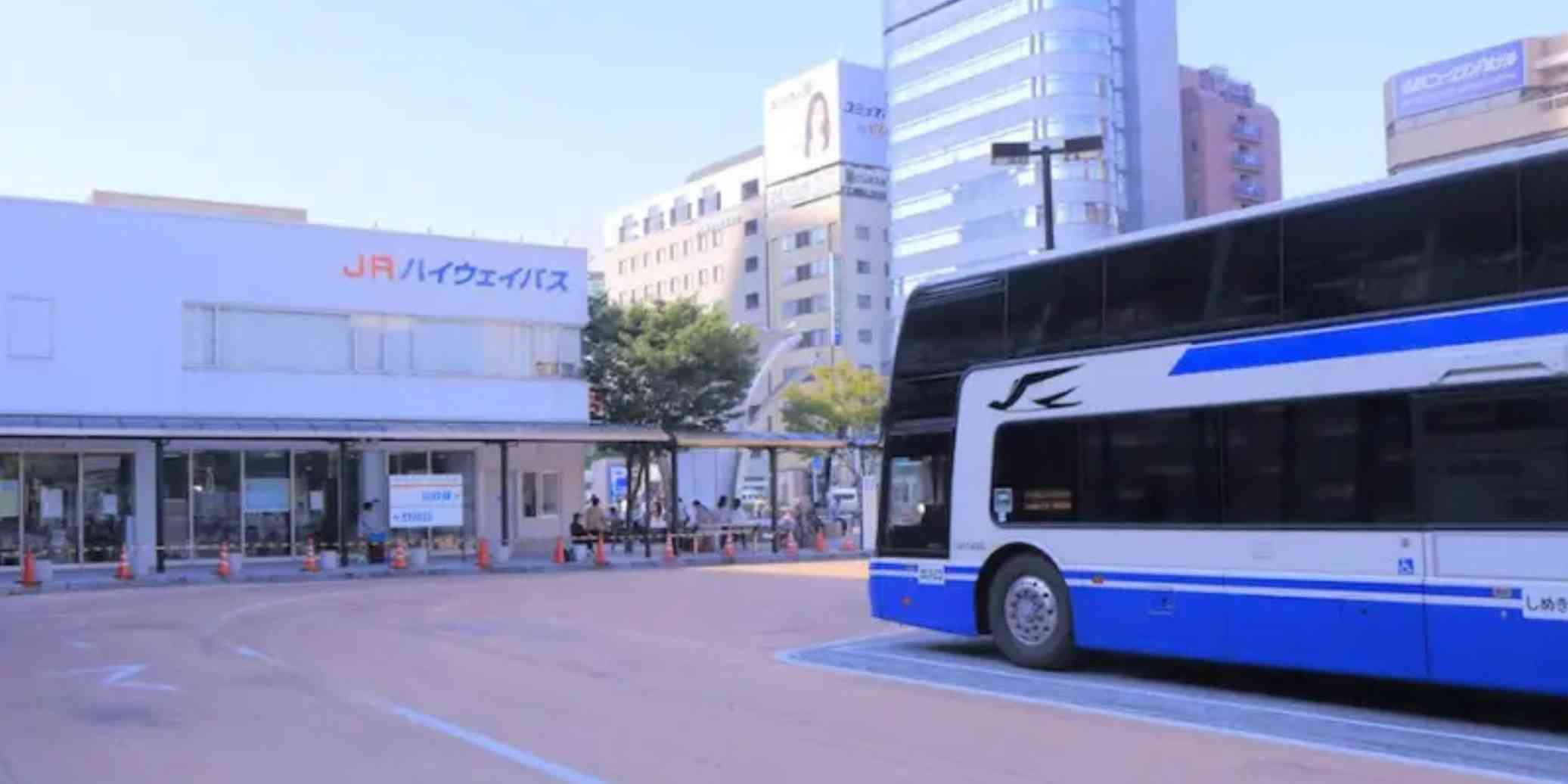
The cheapest way to travel from Tokyo to Nagoya is via a highway express bus. Direct routes operated by major carriers take roughly 5 to 6 hours, departing from Busta Shinjuku and costing anywhere from 2,500 JPY to 6,000 JPY one-way.

For solo budget travelers, backpackers, and anyone prioritizing cash savings over sheer transit speed, the network of long-distance intercity buses offers incredible economic value. Dozens of modern coaches zip along the trans-national expressways every single day.

Selecting Your Bus Schedule: Day vs. Night

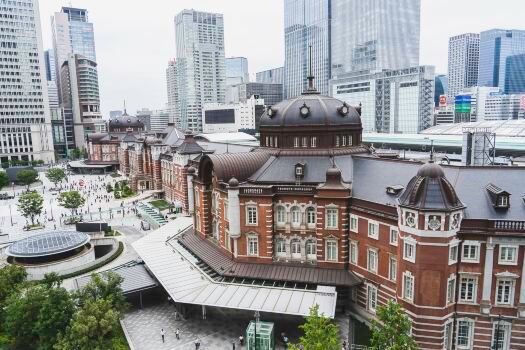
  • Daytime Highway Coaches: Perfect if you prefer to unwind, browse the web, or watch the changing Japanese scenery pass by outside. Most daytime buses pull out of the massive Shinjuku Expressway Bus Terminal (Busta Shinjuku) or the newer Bus Terminal Tokyo Yaesu located directly beneath Tokyo Station.
  • Overnight Night Buses: The ultimate choice for deep financial optimization. By boarding a night bus around 11:30 PM, you can sleep through the entire journey and pull up to the Nagoya Station Taiko-dori Exit by 6:00 AM. This clever tactic entirely eliminates the cost of a hotel night.

Onboard Comfort Standards

Standard budget coaches feature a traditional 4-row seating layout (two seats on each side of the central aisle). However, premium liner upgrades costing around 4,500 JPY to 7,000 JPY offer a spacious 3-row configuration. These upgraded models include deep-reclining capsule shells, heavy privacy curtains, personal charging outlets, and clean onboard restrooms.

Explore Best Hotels in Tokyo & Nagoya
Hotels in Tokyo
Hotels in Nagoya
Lihat Semua Hotel
NO.1
APA Hotel Shinjuku-Kabukicho Tower
9.2/10139 reviews
APA Hotel Shinjuku-Kabukicho Tower
Hotel di Tokyo
NO.2
Tokyo Disneyland Hotel
9.6/1053 reviews
Tokyo Disneyland Hotel
Hotel di Urayasu
NO.3
APA Hotel Shinjuku Gyoemmae
8.5/10123 reviews
APA Hotel Shinjuku Gyoemmae
Hotel di Tokyo
NO.4
Hotel Metropolitan Tokyo Haneda
9.4/101044 reviews
Hotel Metropolitan Tokyo Haneda
Hotel di Tokyo
NO.5
Mercure Tokyo Haneda Airport
9.5/101147 reviews
Mercure Tokyo Haneda Airport
Hotel di Tokyo
NO.6
Hotel Indigo TOKYO SHIBUYA by IHG
9.1/10304 reviews
Hotel Indigo TOKYO SHIBUYA by IHG
Hotel di Tokyo
NO.7
The Tokyo Station Hotel
9.7/10218 reviews
The Tokyo Station Hotel
Hotel di Tokyo
NO.8
Shinagawa Prince Hotel
8.7/104411 reviews
Shinagawa Prince Hotel
Hotel di Tokyo
NO.1
Sotetsu Fresa Inn Nagoya Sakuradoriguchi
9.1/101060 reviews
Sotetsu Fresa Inn Nagoya Sakuradoriguchi
Hotel di Nagoya
NO.2
Mitsui Garden Hotel Nagoya Premier
9.3/102120 reviews
Mitsui Garden Hotel Nagoya Premier
Hotel di Nagoya
NO.3
Nagoya JR Gate Tower Hotel (JR-Central Hotels)
9.4/103167 reviews
Nagoya JR Gate Tower Hotel (JR-Central Hotels)
Hotel di Nagoya
NO.4
Henn na Hotel Premier Nagoya Fushimiekimae
9.3/10673 reviews
Henn na Hotel Premier Nagoya Fushimiekimae
Hotel di Nagoya
NO.6
Nikko Style Nagoya
9.2/101496 reviews
Nikko Style Nagoya
Hotel di Nagoya
NO.7
Best Western Plus Nagoya Sakae
9/10984 reviews
Best Western Plus Nagoya Sakae
Hotel di Nagoya

Is the Japan Rail Pass worth it for a Tokyo to Nagoya round-trip?

No, a nationwide Japan Rail Pass is not worth it if you are only traveling from Tokyo to Nagoya. Following recent price increases, purchasing individual point-to-point tickets or utilizing specialized regional discount packages offers far superior financial savings for your itinerary.

Many international visitors mistakenly assume that buying a nationwide Japan Rail Pass is an essential requirement for navigating the country. However, the financial math for regional journeys changed significantly after JR Group implemented sweeping price corrections across their voucher lineup.

A standard consecutive 7-day Japan Rail Pass costs a flat 50,000 JPY. In stark contrast, a regular round-trip ticket between Tokyo and Nagoya using the express Nozomi train costs just about 22,600 JPY. Unless you plan to take multiple long-distance trips to distant hubs like Kyoto, Hiroshima, or Kanazawa within that exact same 7-day travel window, paying for the full pass will cause you to lose a substantial amount of money.

Clever Ticket Discounts to Look For

If you want the unparalleled speed of the high-speed rails without paying full retail fare, use these alternative booking methods instead:

  1. The Platt Kodama Economy Plan: This popular travel package drops the price of a local Kodama bullet train ticket down to a fixed 9,000 JPY. It even includes a coupon for a free chilled beverage at station kiosks.
  2. SmartEX App Early-Bird Specials: If you register on the official digital booking platform and reserve your seats 3 to 21 days before departure, you can unlock "Hayatoku" promotional fares that shave up to 1,500 JPY off your ticket.
Explore Best Attraction in Tokyo & Nagoya
Attraction in Tokyo
Attraction in Nagoya
Lihat Semua Tarikan

Alternative Commuter Routes: Driving vs. Local Train Hopping

If you are a seasoned adventurer looking to step well off the standard tourist tracks, two other travel methods offer distinct rewards: renting a car or stitching together a chain of local regional trains.

The Self-Drive Road Trip via the Tomei Expressway

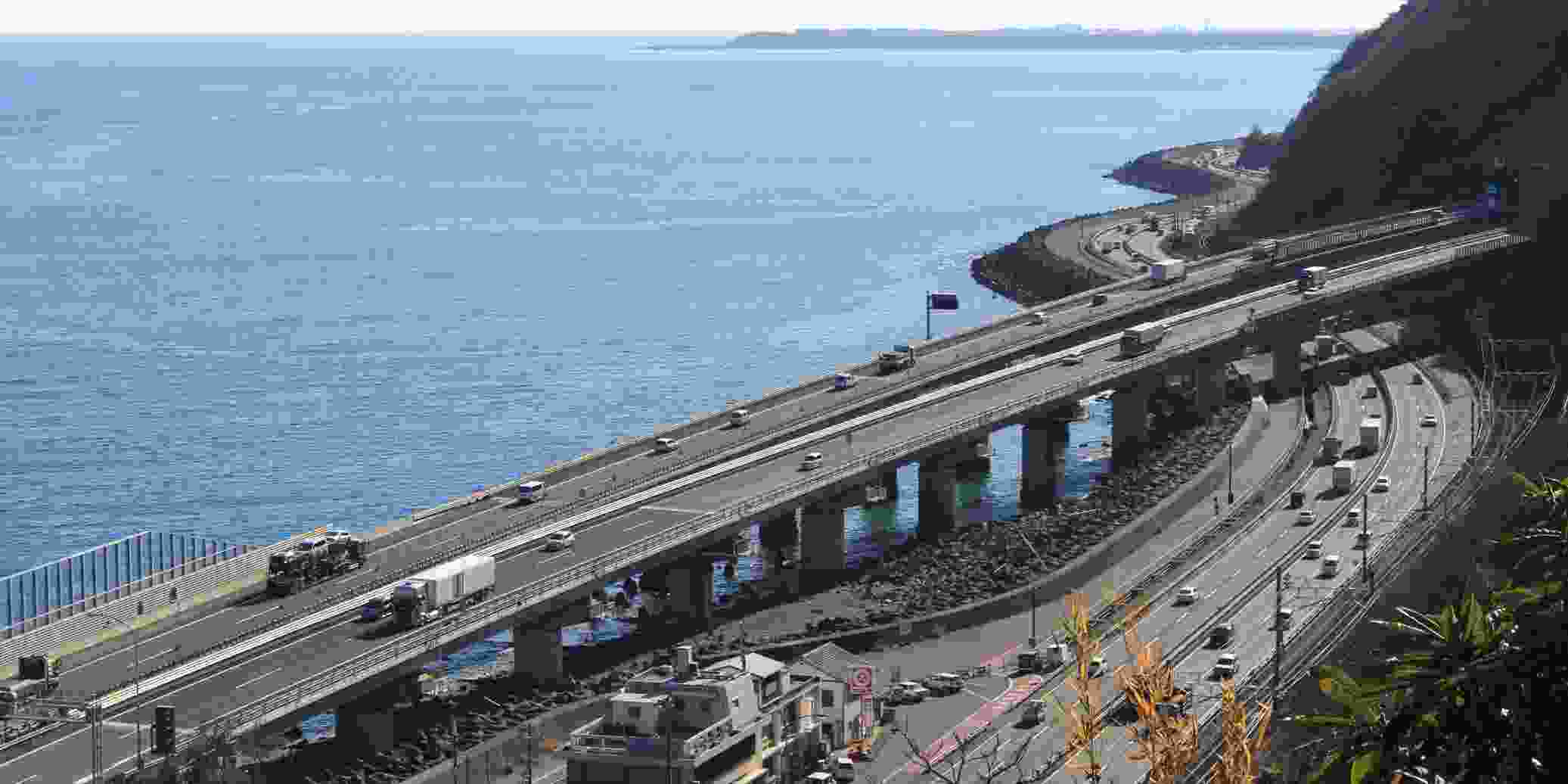
Renting a passenger car gives you total freedom to plan your own stops. You can easily detour to visit the historic shrines of Shizuoka, pull over at scenic coastal viewpoints along Suruga Bay, or grab lunch near the base of Mount Fuji. The direct drive typically requires 4 to 5 hours of driving time along the well-maintained Tomei Expressway.

A Warning on Hidden Road Fees: Driving across Japan involves significant extra expenses. Expressway tolls between the two hubs add roughly 7,500 JPY one-way to your trip. When you add gas prices and high one-way drop-off fees for returning a rental vehicle to a different province, driving is only cost-effective for families or small groups traveling together.

Local Train Hopping (The Ultimate Slow Travel Adventure)

For travelers who have a completely open calendar and enjoy slow-paced journeys, you can skip the high-speed tracks entirely. By taking the standard JR Tokaido Main Line, you can commute using ordinary regional commuter trains. You will change lines at major transit junctions like Atami Station, Numazu Station, and Shizuoka Station.

  • Total Journey Time: Approximately 6 to 6.5 hours.
  • Standard Ticket Cost: A flat 6,380 JPY for regular base fares.
  • The Seasonal Travel Hack: If you are traveling during university vacation periods, you can buy a Seishun 18 Kippu pass. This unique ticket bundle gives you 5 days of unlimited local train travel nationwide for 12,050 JPY, which lowers your daily transit cost to a mere 2,410 JPY.

Commuter Transport Options Comparison

To make your upcoming trip planning as simple as possible, this table compares every transport choice head-to-head using up-to-date regional traveler data:

Transport Mode

Total Travel Time

Average One-Way Cost

Best Suited For

Shinkansen (Nozomi)

1 hour 35 minutes

~11,300 JPY

Business travelers, families, and anyone maximizing limited sightseeing time.

Shinkansen (Platt Kodama)

2 hours 40 minutes

~9,000 JPY

Smart travelers who want bullet train comfort at a modest discount.

Highway Express Bus

5 to 6 hours

2,500 JPY – 6,000 JPY

Budget backpackers, solo travelers, and overnight savers.

Local Commuter Trains

6 to 6.5 hours

2,410 JPY – 6,380 JPY

Slow-travel enthusiasts and seasonal Seishun 18 Pass holders.

Rental Car (Expressway)

4 to 5 hours

Variable (High toll costs)

Small groups wanting to explore regional scenic detours at their own pace.

Local Insider Pro-Tips for a Flawless Commute

  • Book Your Seats on the Mount Fuji Side: When purchasing your Tokyo to Nagoya Shinkansen ticket, always ask the ticketing agent for a window seat on Side E in standard cars (or Side D in premium Green Cars). This ensures your seat faces directly toward Mount Fuji as the train speeds through Shizuoka, roughly 45 minutes after departure.
  • Buy an Ekiben Before Boarding: Food carts are no longer available on many train routes. Instead, head into Tokyo Station’s massive Gransta Tokyo food hall before your trip. Picking up a beautiful regional ekiben (station bento box) to enjoy while watching the countryside fly past is a classic Japanese travel experience.
  • Avoid the Daily Peak Commuter Rush: If you choose to buy an unreserved seat ticket to save extra cash, avoid boarding trains between 7:30 AM – 9:00 AM and 5:30 PM – 7:30 PM on weekdays. These windows align with heavy business commuter traffic along the busy central Tokaido rail corridor.

No matter which transport option matches your personal style, traveling from Tokyo to Nagoya is an incredibly smooth experience when you prepare your logistics ahead of time. Pack your bags, double-check your departure terminal, and get ready to experience the incredible sights waiting for you in central Japan!

Frequently Asked Questions (FAQs)

Disclaimer: This article has been provided by an individual contributor or third party platform. If there is any discrepancy regarding the copyright, please contact us directly and we will delete the content immediately.
> >
Tokyo to Nagoya, Tokyo to Nagoya Shinkansen, how to get from Tokyo to Nagoya