

Tokyo vs Kyoto: A Complete Comparison Guide for Travelers

Oleh LEO
3 Julai 2026
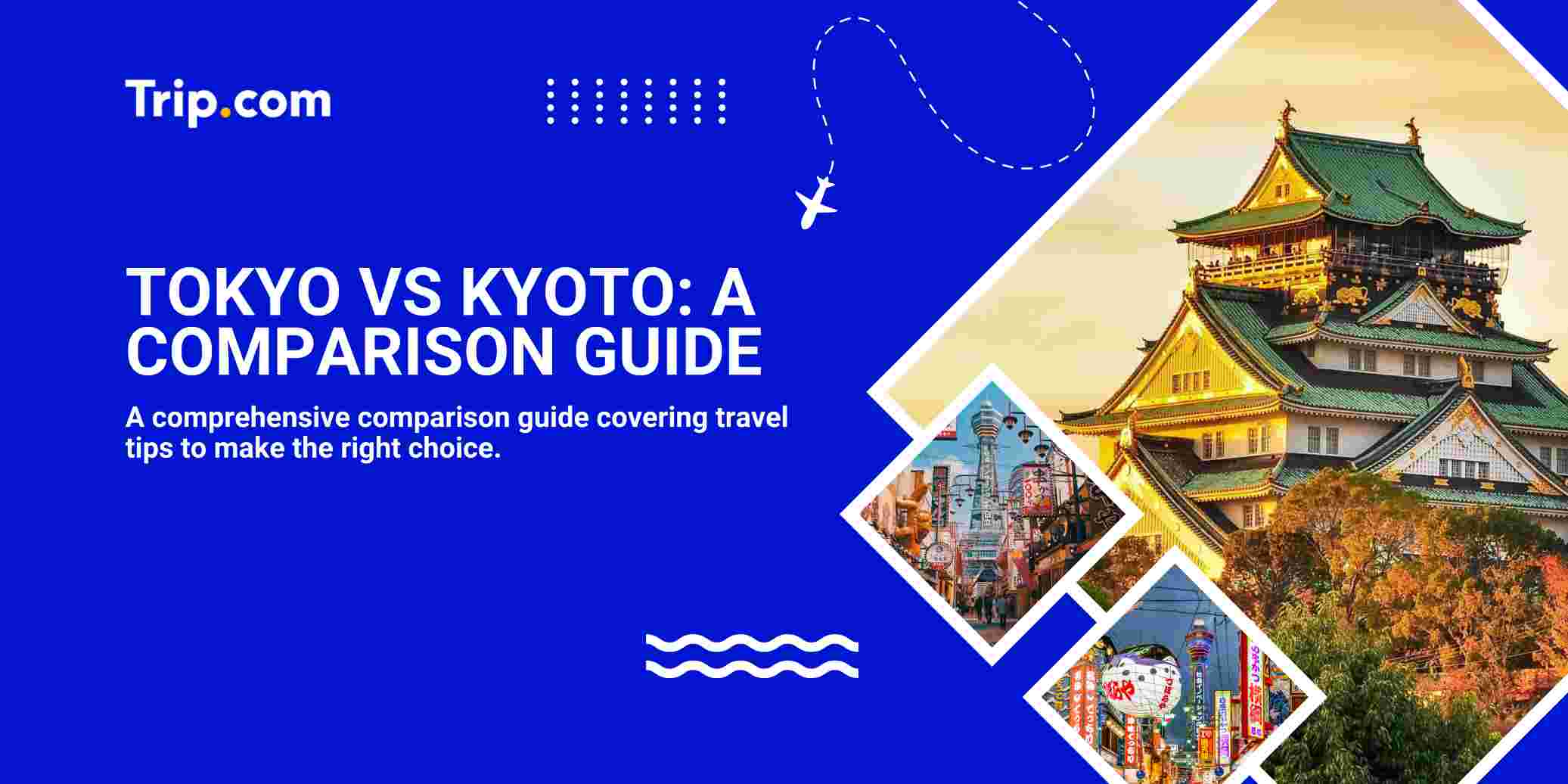
Japan is a mesmerizing destination of dazzling contrasts, where ancient traditions seamlessly blend with cutting-edge modernity. When mapping out a dream vacation to Japan, travelers are often faced with an impossible dilemma: Tokyo or Kyoto? If your travel schedule does not allow for a visit to both, you must carefully weigh the gleaming, hyper-modern metropolis of the east against the ancient, culturally rich capital of the west.
While Tokyo hurls you into the future of technology, avant-garde fashion, and global pop culture, Kyoto anchors you firmly in Japan’s illustrious past, complete with preserved geisha districts, serene bamboo groves, and centuries-old wooden architecture. Whether you are a first-time visitor trying to prioritize your days or a seasoned traveler looking to dive deeper into a specific regional aesthetic, this ultimate comparison guide will help you decide. Let us explore the great Tokyo vs Kyoto debate and find out which destination perfectly aligns with your personal travel style.


Key Takeaways
- Vibe and Atmosphere: Tokyo is a fast-paced, sprawling, futuristic megalopolis driven by trend and innovation. Kyoto is a deeply traditional, tranquil, and historically preserved city focused on heritage and spirituality.
- Top Attractions: Tokyo offers towering observation decks, immersive digital art museums, and massive theme parks. Kyoto is home to thousands of classical Buddhist temples, Shinto shrines, and UNESCO World Heritage sites.
- Culinary Landscape: Tokyo is a global fine-dining capital boasting the most Michelin stars in the world alongside vibrant street food. Kyoto specializes in refined kaiseki (traditional multi-course dinners), premium matcha, and delicate vegetarian Buddhist cuisine.
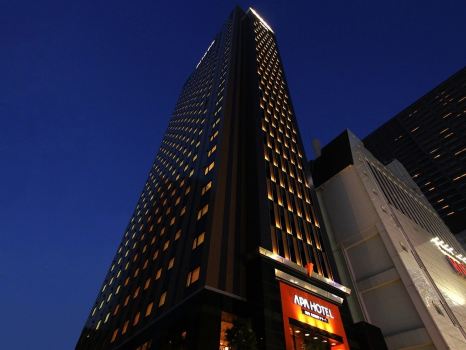
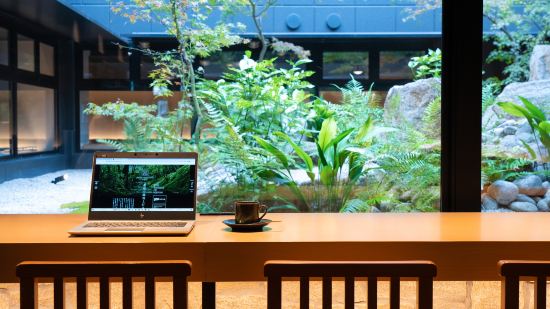
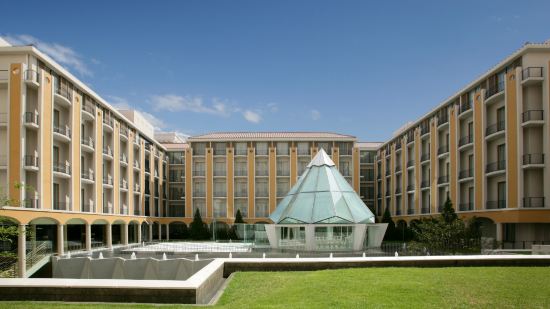
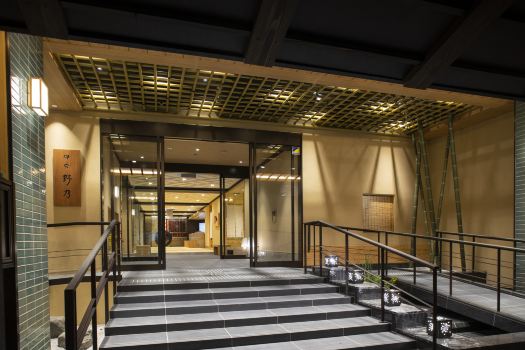
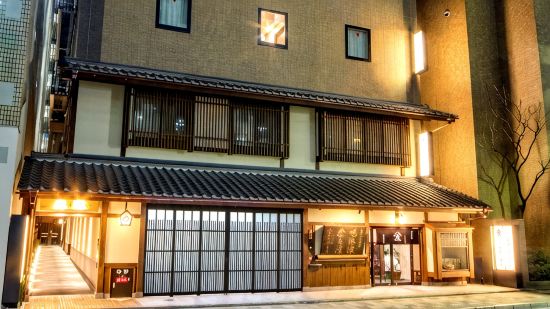
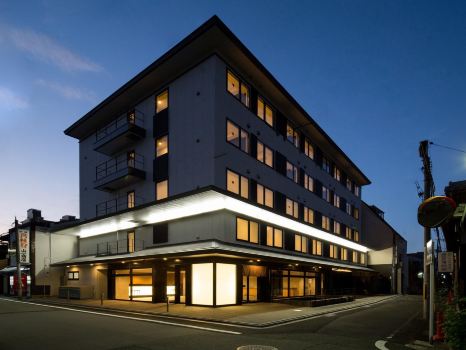
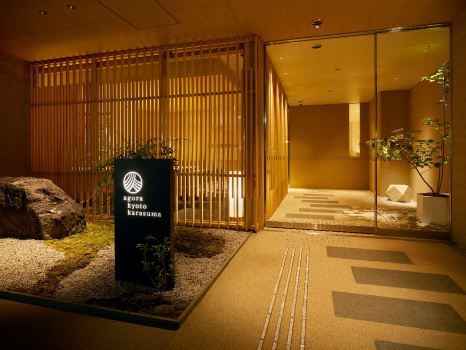
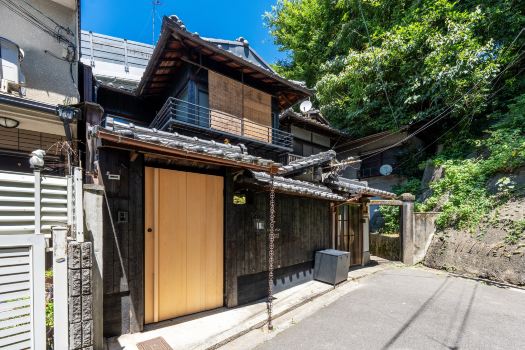
- Accommodation Styles: Tokyo excels in luxury high-rise hotels and quirky, space-saving capsule hotels. Kyoto is the premier destination for experiencing a ryokan (traditional Japanese inn) or a restored machiya (traditional wooden townhouse).
Vibe and Atmosphere: The Megalopolis vs. The Ancient Capital
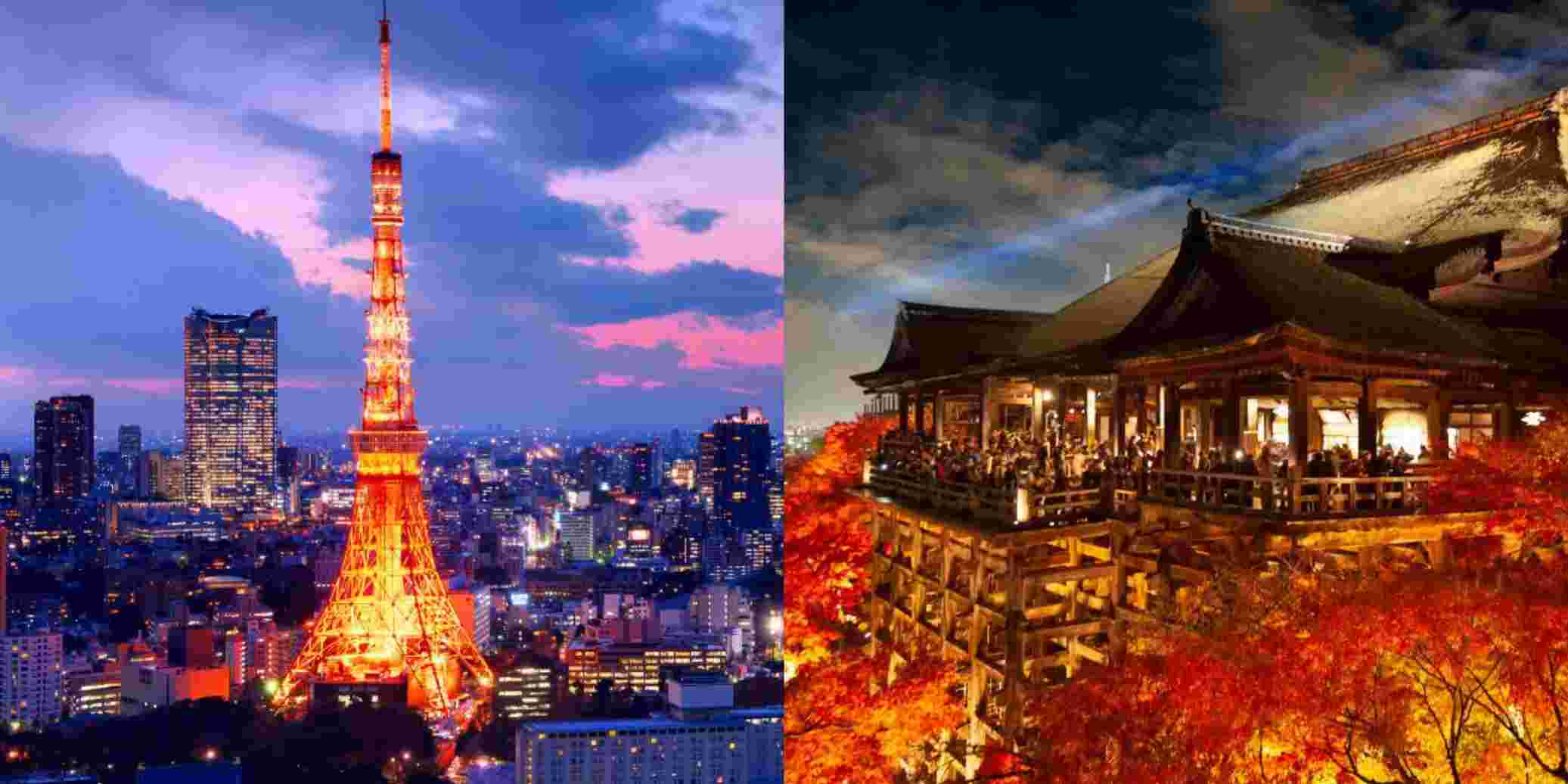
Tokyo is the very definition of a sprawling, relentless metropolis. It is a city that pulses with a highly organized, electric energy. When you step into Tokyo, you are immediately greeted by towering skyscrapers, immense pedestrian crosswalks like the world-famous Shibuya Crossing, and an intoxicating, neon-lit chaos that is uniquely Japanese. Yet, despite its massive size, Tokyo is incredibly clean, safe, and hyper-efficient. It functions as a collection of distinct micro-cities. You can transition from the anime and electronics haven of Akihabara to the eccentric, youth-driven fashion streets of Harajuku, and then to the sophisticated, high-end luxury boutiques of Ginza, all within a single afternoon.
Kyoto, on the other hand, represents the spiritual and historical heart of Japan. For over a millennium, it served as the imperial capital, and that regal, timeless atmosphere remains deeply ingrained in its streets. Kyoto feels far less like a conventional modern city and much more like a vast, interconnected network of pristine Zen gardens, ancient temples, and beautifully preserved historic neighborhoods. The pace of life here is noticeably slower and more deliberate. Walking through the narrow, stone-paved streets of the Higashiyama district, flanked by traditional wooden storefronts selling local pottery and sweets, you will feel as though you have stepped back in time.
Sightseeing and Top Attractions
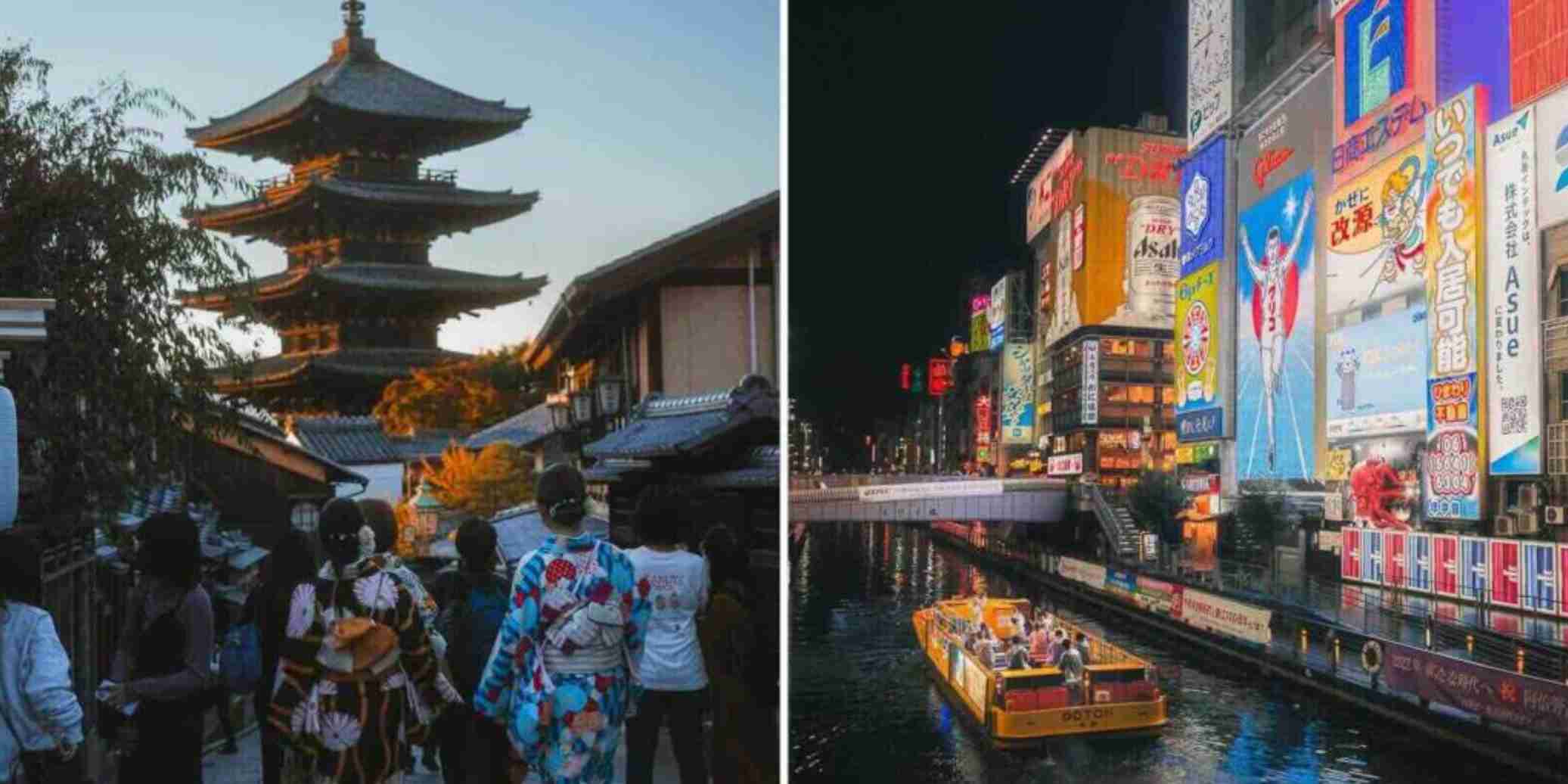
When evaluating what to see and do, your choice between these two cities will depend heavily on whether you prefer looking toward the future or gazing into the past.
Tokyo Highlights:
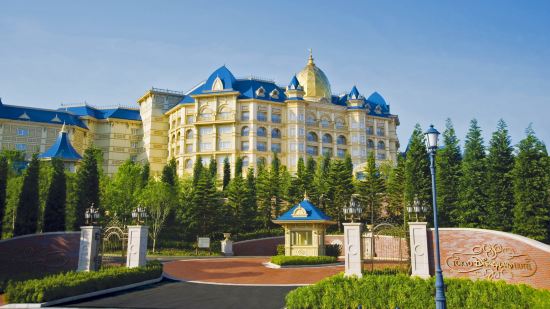
Tokyo is a playground for lovers of modern marvels and pop culture. You can scale the incredible heights of the Tokyo Skytree or Shibuya Sky for breathtaking, panoramic views of the concrete jungle stretching all the way to Mount Fuji. Art lovers must lose themselves in the sensory overload of the newly updated immersive digital art installations at teamLab Borderless or Planets. For families and theme park enthusiasts, a full day dedicated to exploring the magic of Tokyo Disneyland or Tokyo DisneySea is an absolute must. Furthermore, Tokyo’s shopping scene is unparalleled, offering massive multi-story department stores and niche hobbyist districts that cater to every imaginable interest.
Kyoto Highlights:
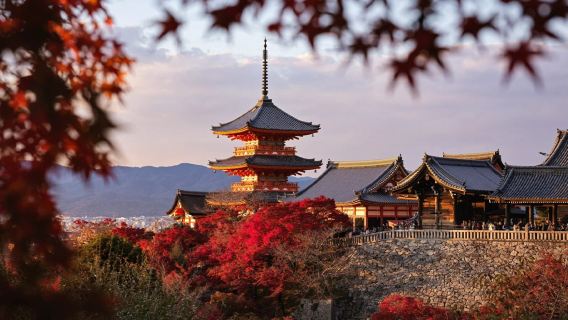
Kyoto is an absolute treasure trove for history buffs and culture seekers, boasting an astonishing 17 UNESCO World Heritage Sites. You will find yourself walking through the mesmerizing, seemingly endless tunnels of vibrant vermilion torii gates at the iconic Fushimi Inari Taisha. You can marvel at the shimmering brilliance of Kinkaku-ji (The Golden Pavilion) as it reflects perfectly across its surrounding pond. Nature lovers will be captivated by the towering, ethereal stalks of the Arashiyama Bamboo Grove. Beyond the grand monuments, Kyoto rewards those who take the time to participate in an authentic tea ceremony, try on a traditional kimono, or simply meditate in the dry landscape gardens of Ryoan-ji.
 42081 ditempah
![[Tawaran Terhad] Berlepas dari Tokyo | Lawatan Sehari Klasik Gunung Fuji - Tasik Kawaguchi + Oshino Hakkai (Bahasa Melayu interpretasi serentak AI tersedia)](https://ak-d.tripcdn.com/images/0354k12000s3m48ye0B0C_C_568_320.jpg)
![Tiket kereta api Keisei Skyliner (Ekspres Lapangan Terbang Tokyo: Lapangan Terbang Antarabangsa Narita ke Ueno/Nippori) [pilihan + pakej promosi metro Tokyo]](https://ak-d.tripcdn.com/images//0580f12000qjpzexo5F36_C_568_320.jpg)
![[Berlepas dari Tokyo] Musim luruh di Nikko: Jalan Irohazaka + Air Terjun Kegon + Tasik Chuzenji dan banyak lagi tarikan](https://ak-d.tripcdn.com/images/0353412000mwk5d79DABF_C_568_320.jpg)
![[Boleh Berlepas dari Kyoto/Osaka] Lawatan Sehari ke Bandar Laut Kyoto Amanohashidate, Kuil Chion & Rumah Perahu Ine](https://ak-d.tripcdn.com/images/0350s12000sbchqup02A9_C_568_320.jpg)
![[Lawatan Sehari Kyoto] Kuil Kinkaku-ji + Istana Nijo + Kuil Fushimi Inari + Togetsukyo + Hutan Kimono](https://ak-d.tripcdn.com/images/0357212000nepexv55030_C_568_320.jpg)
![Tiket menaiki kereta api ekspres JR HARUKA Lapangan Terbang Kansai (e-tiket/tiket fizikal [perlu ditukar] pilihan)](https://ak-d.tripcdn.com/images//0586m12000n2jybze55B0_C_568_320.jpg)
![[Jaminan Kumpulan] Lawatan Sehari Kyoto Kuil Fushimi Inari + Arashiyama + Kuil Kinkaku-ji + Taman Nara](https://ak-d.tripcdn.com/images/0353t12000trzoqyaBE96_C_568_320.png)
Food and Dining: Michelin Stars vs. Traditional Kaiseki
Both destinations are absolute paradises for food lovers, but they offer completely different, yet equally spectacular, culinary landscapes.
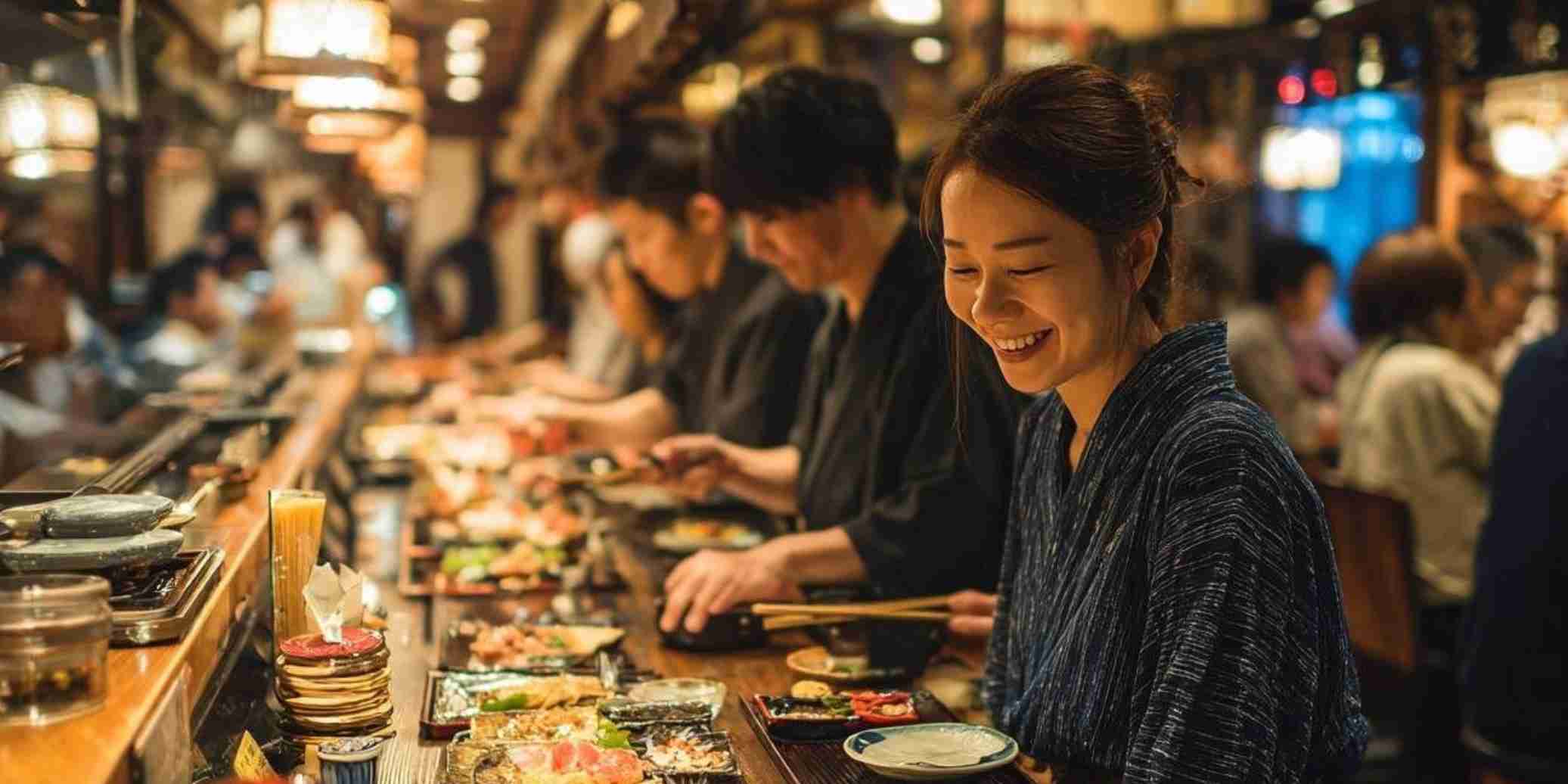
Tokyo is a global heavyweight in the culinary world. It holds the record for the most Michelin-starred restaurants of any city on earth, making it the ultimate destination for high-end gastronomic perfection. Here, you will find master sushi chefs who have dedicated decades to perfecting Edo-mae sushi, alongside high-end tempura and teppanyaki establishments. But Tokyo is not just about fine dining; it is equally famous for its casual, hearty comfort food. You can slurp incredibly rich, savory bowls of tonkotsu ramen in tiny, late-night shops in Shinjuku, or grill your own monjayaki (a savory, runny batter pancake) on the lively streets of Tsukishima.
Kyoto offers a much more refined, delicate, and deeply traditional approach to dining. It is the historic birthplace of kaiseki ryori, a traditional multi-course Japanese dinner that balances taste, texture, appearance, and colors, utilizing only the freshest seasonal, local ingredients. Because of its strong Buddhist heritage, Kyoto is also famous for shojin ryori (vegetarian devotion food) and incredibly exquisite tofu dishes (yudofu). Furthermore, the nearby region of Uji makes Kyoto the premier destination for anything related to premium green tea. You will find an endless array of delectable matcha-flavored treats, from traditional wagashi sweets to towering, modern matcha parfaits.




Nightlife and Entertainment
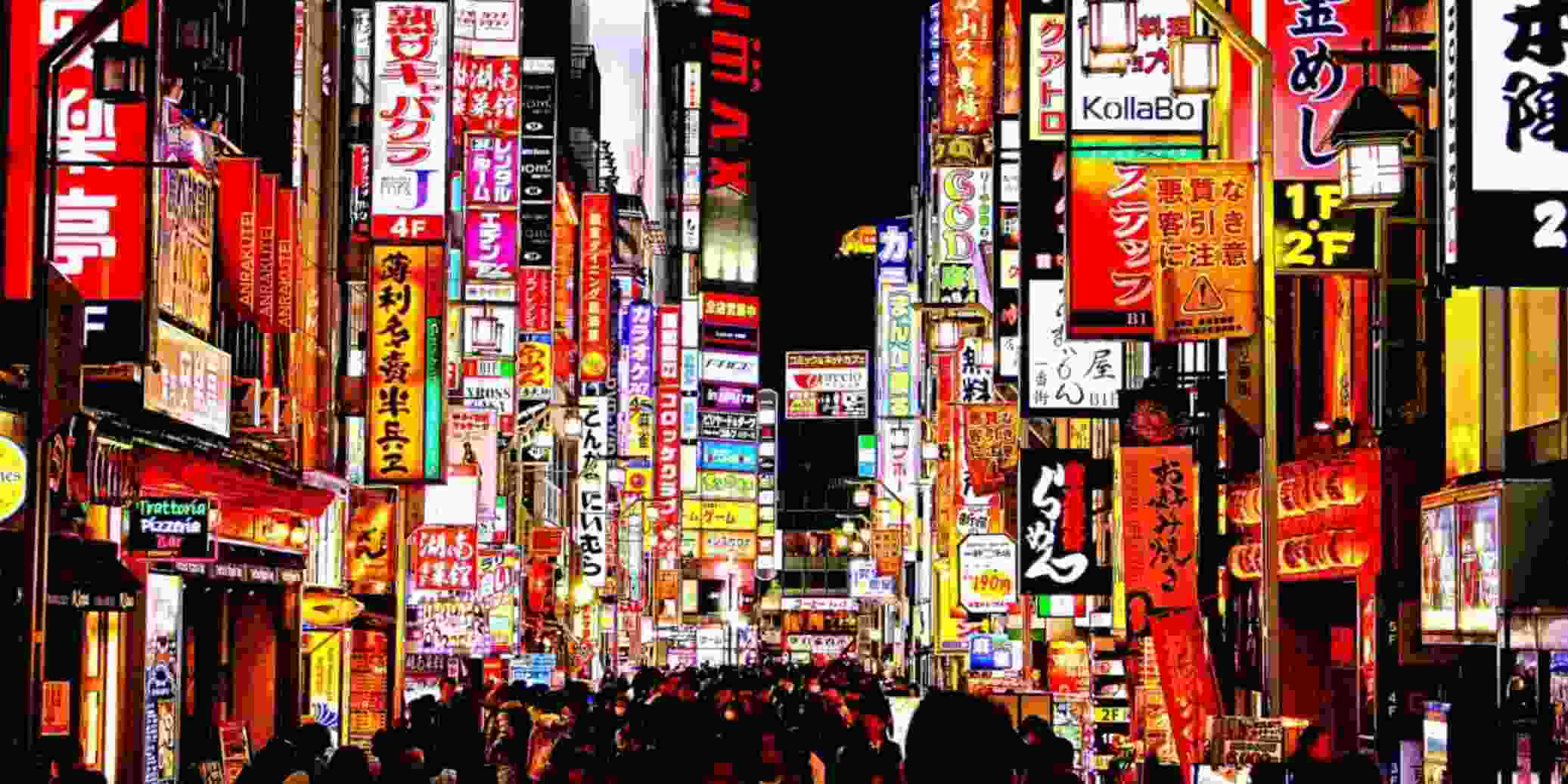
Tokyo is the undisputed champion if you are looking to party until sunrise. Neighborhoods like Roppongi, Shinjuku (specifically the Kabukicho entertainment district), and Shibuya offer a limitless array of entertainment. You can find everything from massive, multi-level electronic dance nightclubs hosting international DJs to tiny, incredibly atmospheric standing bars packed into the narrow, lantern-lit alleys of Golden Gai and Omoide Yokocho.
Kyoto nightlife is decidedly much more subdued and intimate. While there are modern clubs and bars, evenings in Kyoto are best spent enjoying a quiet, sophisticated cocktail in a dimly lit, hidden bar in the atmospheric Pontocho alley, which runs parallel to the Kamo River. Alternatively, you can take a peaceful, romantic night stroll through the beautifully preserved, lantern-lit streets of the Gion entertainment district, where you might be lucky enough to catch a fleeting, magical glimpse of a geiko (geisha) or maiko (apprentice geisha) elegantly hurrying to their evening appointments.
Getting Between Tokyo and Kyoto
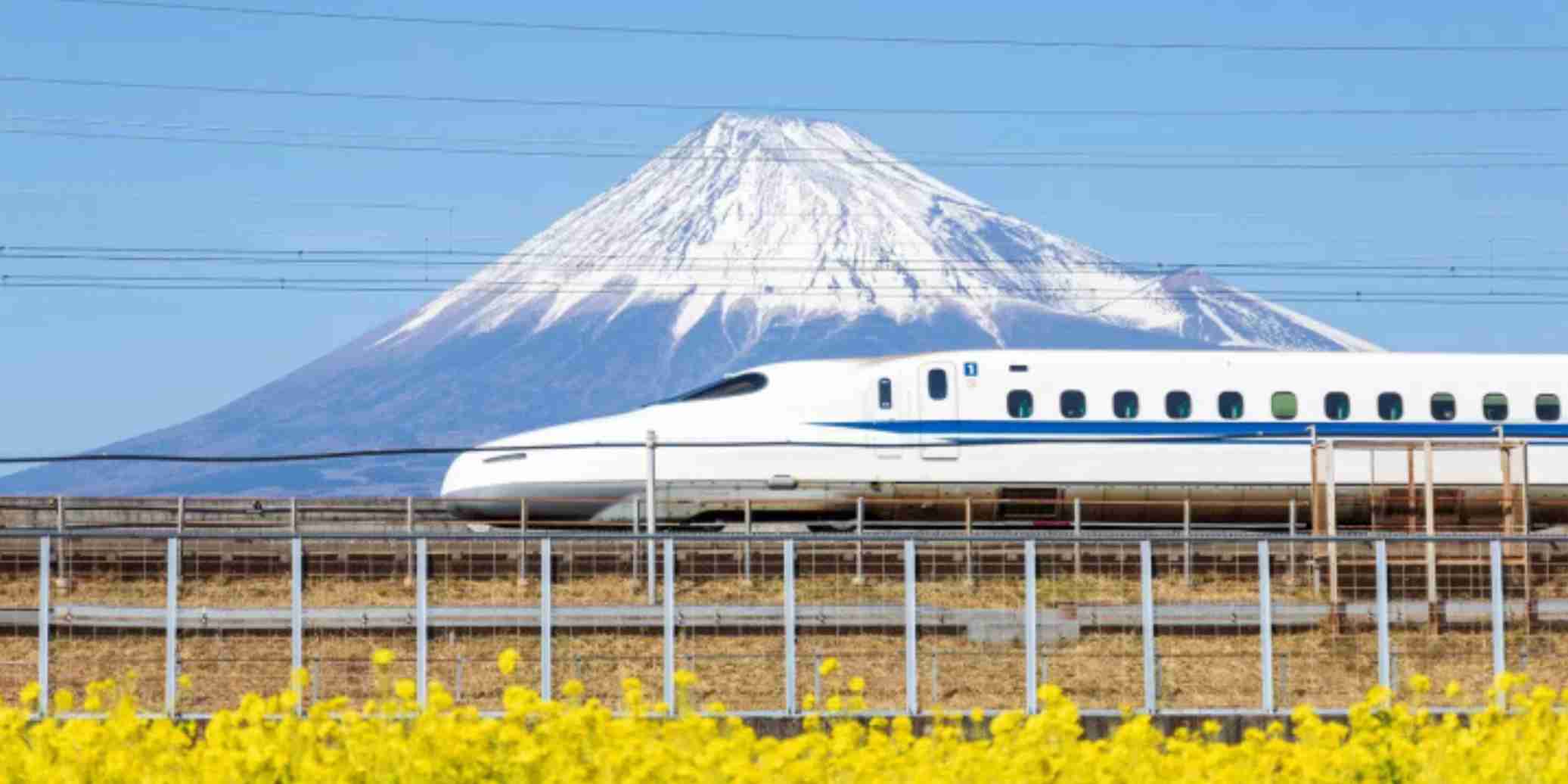
If reading this guide has made you realize that you simply cannot choose and absolutely must experience the magic of both cities, you are in luck. Traveling from Tokyo to Kyoto is incredibly efficient, comfortable, and forms a quintessential part of the Japanese travel experience.
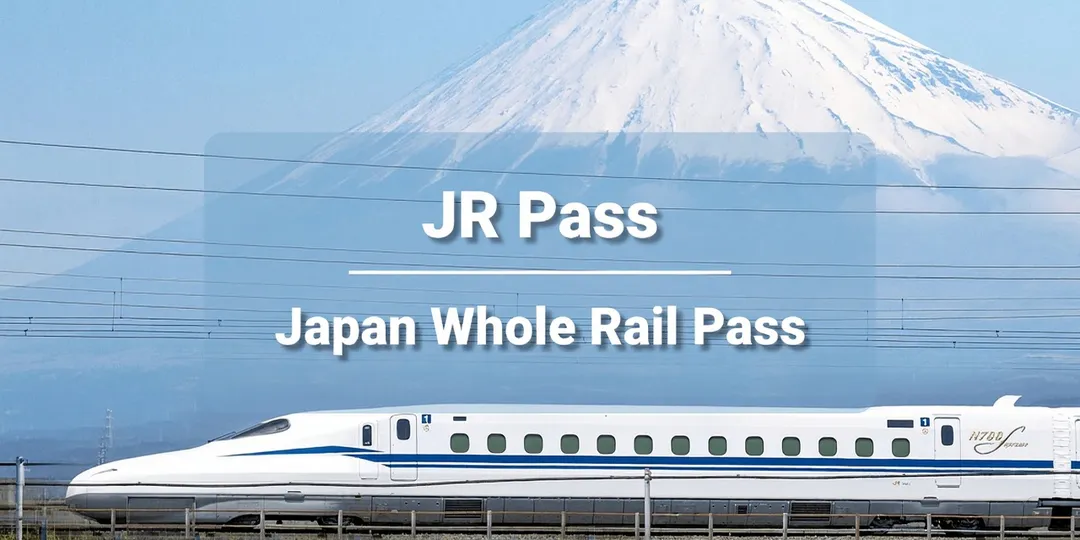
The world-famous Tokaido Shinkansen (bullet train) seamlessly connects the two major cities. The fastest service, the Nozomi, covers a vast distance of roughly 500 kilometers in just about two hours and fifteen minutes. It is a remarkably smooth journey that, on a clear day, offers stunning, unobstructed views of Mount Fuji from the right side of the train (when traveling from Tokyo to Kyoto). To ensure a stress-free journey, it is highly recommended to secure your travel arrangements in advance. You can easily and securely book your Shinkansen tickets via Trip.com to guarantee your preferred departure times and seating options.
Book Your Train Now!
The Final Verdict: Which Should You Choose?
Deciding between these two incredible destinations ultimately boils down to what you want to get out of your Japanese vacation.
Choose Tokyo if: You thrive on high-energy environments, modern aesthetics, and endless urban exploration. It is the perfect city for tech enthusiasts, pop-culture and anime fans, devoted shoppers, and travelers who want to experience the absolute cutting edge of global dining and entertainment.
Choose Kyoto if: You are seeking a slower, more deliberate pace, deep historical immersion, and traditional Japanese aesthetics. It is the ideal destination for couples seeking a romantic getaway, avid history buffs, nature lovers, and anyone looking for a profoundly peaceful, culturally enriching escape into Japan's spiritual heritage.

Frequently Asked Questions (FAQs)
-
Is it better to fly into Tokyo or Kyoto?
-
How many days do I need for Tokyo vs Kyoto?
-
Which city is more expensive, Tokyo or Kyoto?
-
Can I do a day trip from Tokyo to Kyoto?
-
Which city is better for cherry blossom season?