Europe Trip 2026: The Ultimate Guide to the New EU Entry/Exit System (EES) for Malaysian Travelers

Oleh LEO
22 April 2026
Ah, Europe. From sipping espresso in a quiet Roman piazza to chasing the majestic Northern Lights in Iceland, an epic Europe trip is on every Malaysian kaki travel’s bucket list. But if you are planning to fly out of KLIA anytime soon for your much-anticipated cuti-cuti, there is a massive update you absolutely need to know about.
Forget the satisfying thump of an immigration officer "chopping" (stamping) your passport. As of 2026, the European Union has officially rolled out its brand-new border technology across the continent. It’s called the European Union’s Entry/Exit System (EES).
If your immediate reaction is, "Alamak, another leceh form to fill up online?"—take a deep breath. We’ve got you covered. In this comprehensive travel guide, we will break down exactly what this means for Malaysians and regional travelers, how it differs from the old physical stamp system, and how you can breeze through European immigration queues like a VIP.
Ready to lock in your holiday plans? Secure your flights early to grab the best seasonal deals before prices spike!


What is the European Union’s Entry/Exit System (EES)?
The European Union’s Entry/Exit System (EES) is an automated IT system that electronically registers the biometric data and travel details of non-EU visitors, officially replacing the traditional physical passport stamp.
Think of the EU Entry/Exit System as a major high-tech upgrade to European border control. Deployed across 29 Schengen Area countries, this system requires travelers from outside the EU—yes, this includes Malaysian passport holders—to register their entry and exit digitally.
In the past, immigration officers relied on ink stamps and manual counting to ensure you didn’t overstay your welcome. Now, everything is stored in a highly secure, centralized digital database. Whenever you cross an external Schengen border (for example, landing at Paris-Charles de Gaulle, Amsterdam Airport Schiphol, or Frankfurt Airport), the EES automatically logs your name, travel document type, biometric data (fingerprints and facial images), and the exact date and place of your arrival and departure.
Old vs. New System: What Actually Changed for Your Europe Trip?
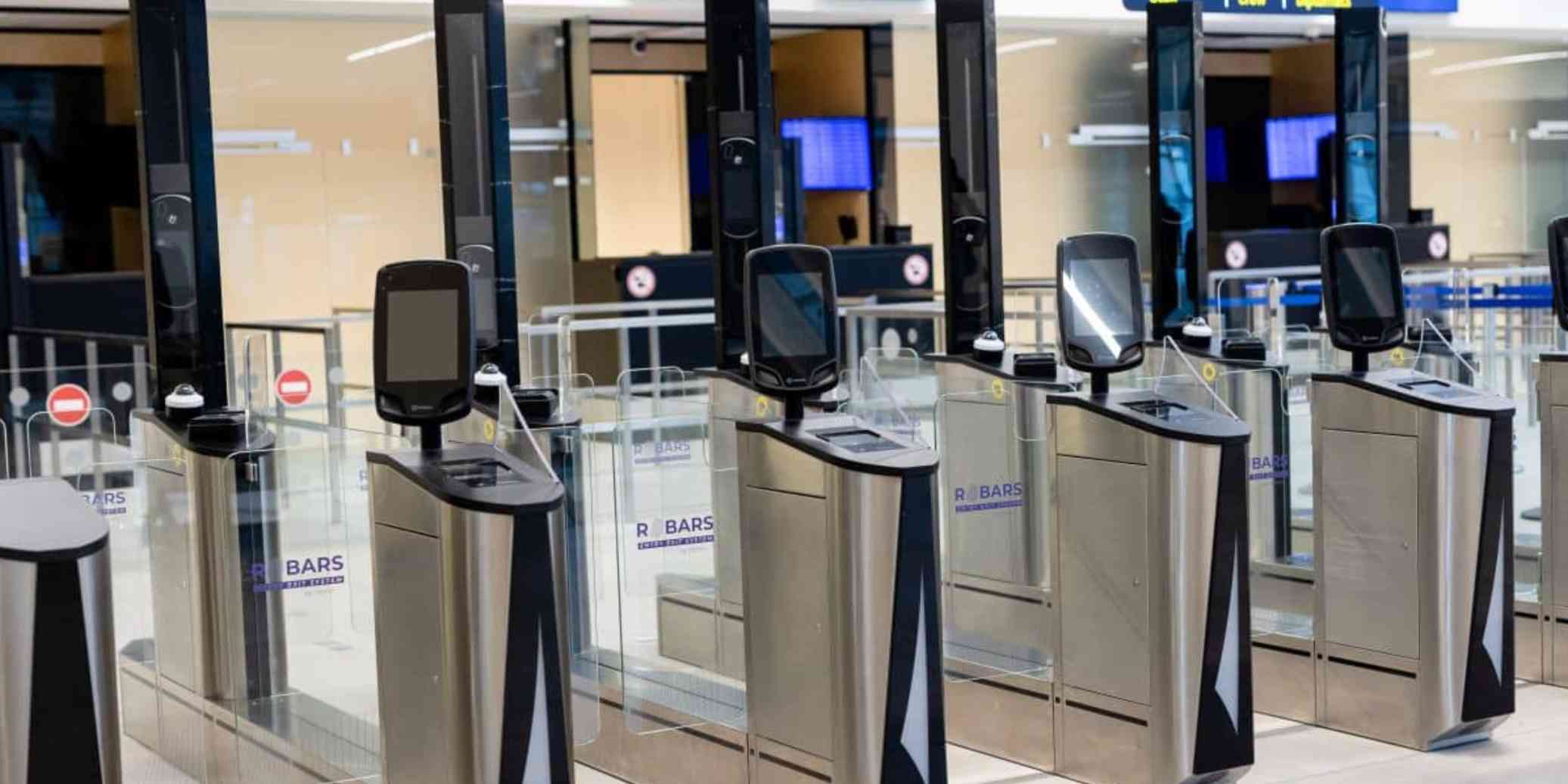
The new EU Entry/Exit System replaces the manual physical stamping of passports with a fully automated biometric tracking system that instantly monitors a traveler's 90-day stay limit.
For decades, we’ve cherished the collection of colorful Schengen passport chops as proud souvenirs of our global adventures. But let’s be honest—the old system had its flaws. It was slow, prone to human error, and meant waiting in painfully long queues after a tiring 13-hour long-haul flight.
Here is a clear breakdown of how the old legacy system compares to the new 2026 EES landscape:
1. Border Check Method
- The Old System: Manual passport inspection and physical ink stamping by a human border guard.
- The New EES: Self-service automated kiosks for facial and fingerprint scanning, speeding up the data collection process.
2. Duration Tracking
- The Old System: Guards had to flip through your passport and manually count the days on your stamps to enforce the 90/180-day short-stay rule.
- The New EES: The system automatically calculates your exact stay down to the minute and instantly alerts guards if you are close to overstaying.
3. Passport Pages
- The Old System: European stamps took up valuable physical pages in your Malaysian passport.
The New EES: 100% digital! This saves your precious passport pages, meaning you won't need to head to the immigration office to renew your passport quite as often.
 1987 ditempah


![Foto perjalanan di Paris, Perancis[1 hingga 2 jam sesi fotografi | Fotografer untuk gambar perkahwinan di Menara Eiffel Paris dan Muzium Louvre, sesi fotografi perjalanan dan penggambaran]](https://ak-d.tripcdn.com/images/0352i12000ndtiranFB8B_C_568_320.jpg)

Step-by-Step: Navigating the EES Kiosks on Your Europe Arrival
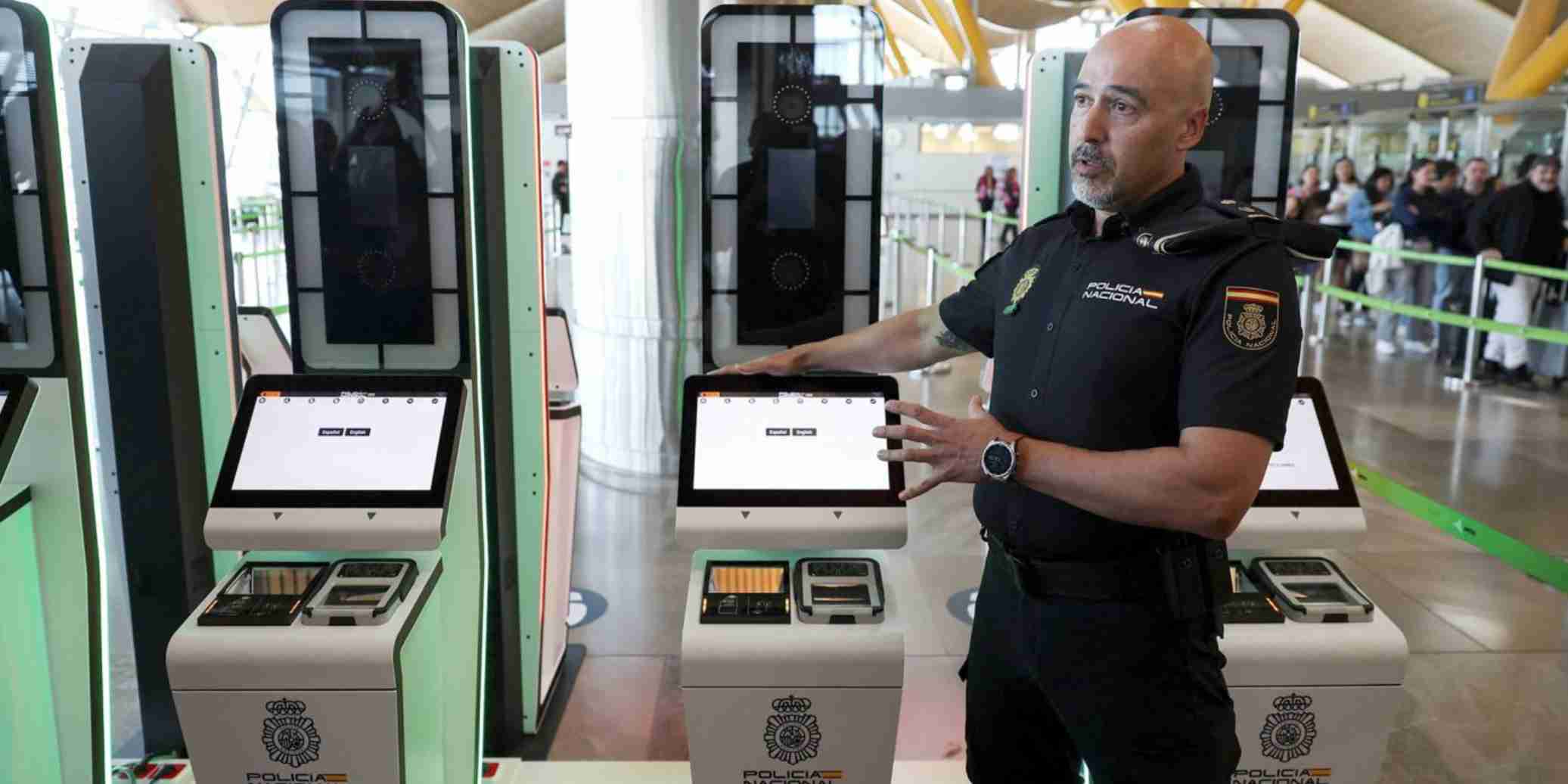
Upon your arrival in Europe, you will scan your passport at a self-service EES kiosk, provide your fingerprints and a facial scan, and answer standard border control questions before proceeding.
If you’ve ever breezed through the autogates at KLIA, you already have a pretty good idea of how this hardware works. However, because this is a strict international border, the EU takes its security checks one step further. Here is exactly what you can expect when you step off the plane:
- Head to the EES Kiosks: Before reaching the human border control booths, you will be ushered toward rows of automated EES kiosks.
- Scan Your Travel Document: Place the biometric page of your Malaysian passport firmly on the scanner.
- Biometric Capture: Look directly into the camera for a quick facial scan, and place your fingers on the scanner to register four fingerprints. (Note: Children under 12 are exempt from fingerprinting but still need a facial scan).
- Immigration Clearance: Once the machine registers your data, you will proceed to a border officer who may ask standard questions about your trip (e.g., "What is the purpose of your visit?" or "Where are you staying?").
- You're In! Once cleared, you can grab your luggage and start exploring.
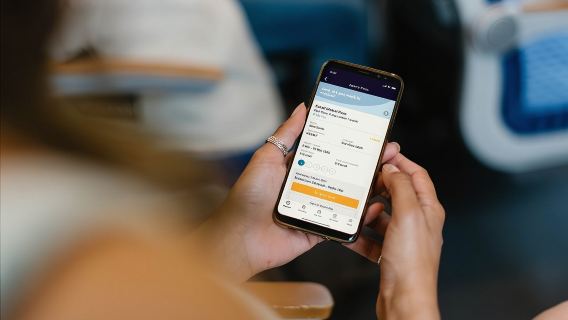
Don't let immigration officers catch you off guard without proof of accommodation. Save yourself the headache and ensure your hotel bookings are confirmed and easily accessible on your phone!




Does the EES Mean You Need a Europe ETA (ETIAS) Now?
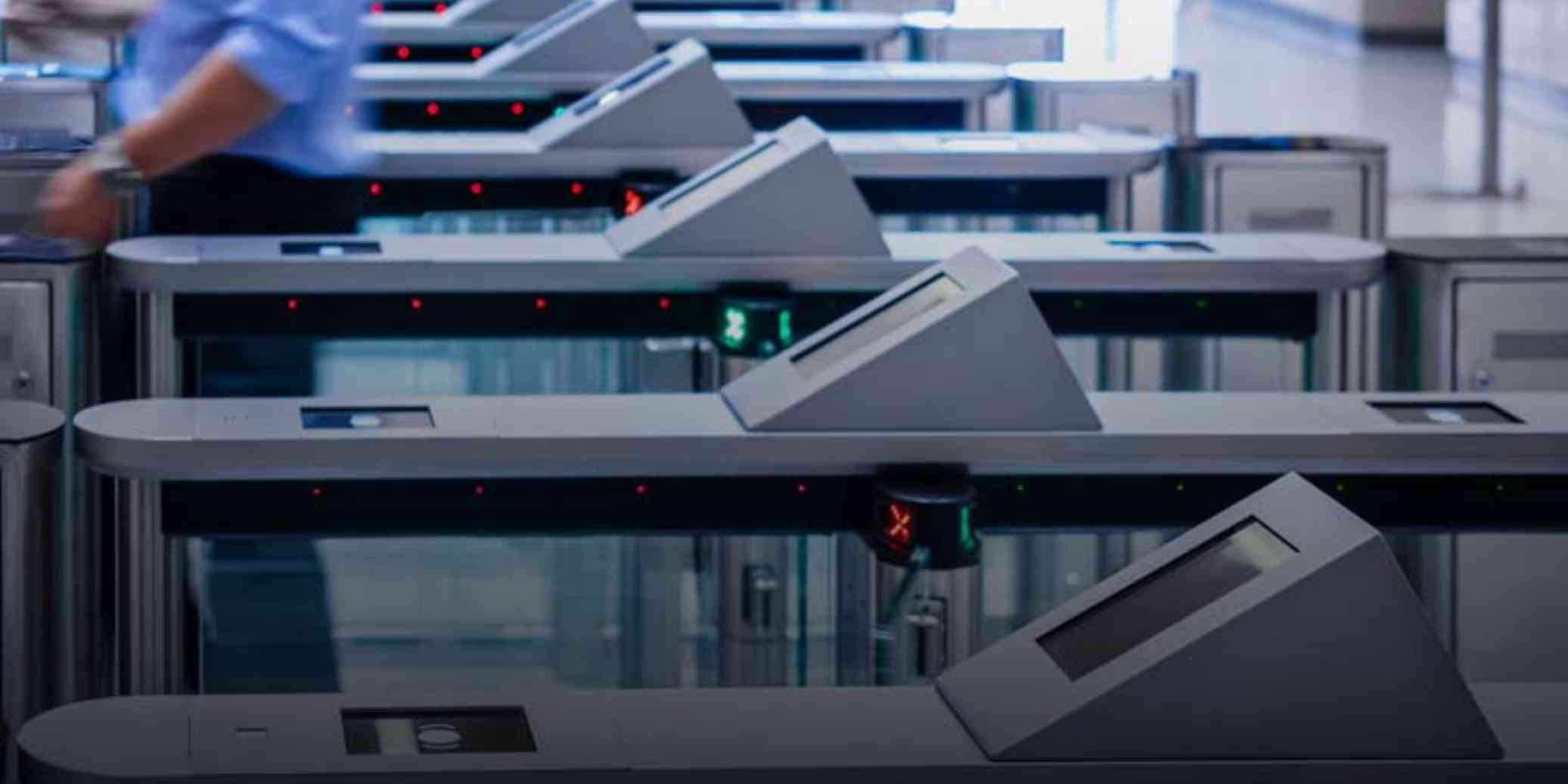
While the EES is an automated border check system active now, the Europe ETA (ETIAS) is a separate pre-travel authorization that will become mandatory for visa-exempt travelers in late 2026.
This is the number one area where travelers get confused! Let’s clear the air. EES and ETIAS are two different systems, though they work hand-in-hand to modernize European borders.
- The EES (Entry/Exit System) is the physical kiosk and tracking system you interact with at the airport upon arrival. It is entirely free and simply replaces the passport stamp.
- The ETIAS (European Travel Information and Authorisation System) is a digital waiver—often referred to by travelers as a europe ETA—that you must apply for before you even board your flight. Click here to apply Europe ETA.
As a Malaysian, your passport is incredibly powerful, allowing you visa-free entry to the Schengen Zone for short stays (up to 90 days within any 180-day period). While the current EES doesn't change your visa-free privileges, the upcoming ETIAS will require you to fill out a quick online form and pay a small processing fee (around €7) prior to your departure. The ETIAS is slated for its official rollout in the last quarter of 2026. Until that system goes live, you only need to worry about clearing the EES kiosks upon landing!
Girona to Barcelona Train Tickets from RM 44.24
Pro Tips for Malaysian Travelers to Beat the Border Queues
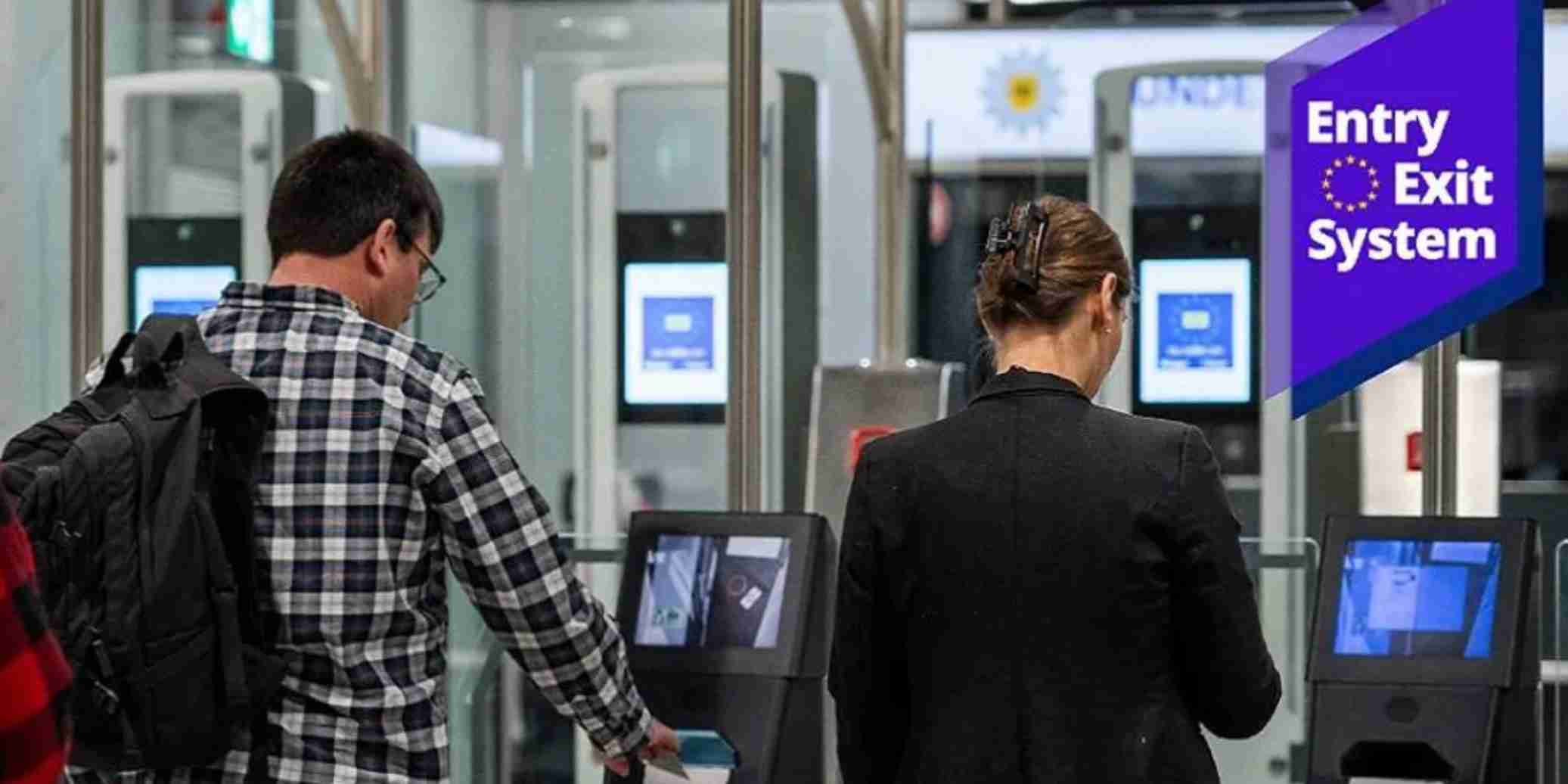
To minimize wait times at European borders under the new EES, travelers should ensure their passports are biometric, pre-register via the EU travel app if available, and allow extra connection time for layovers.
Being a smart, hassle-free traveler means anticipating the bumps along the road. While the EES is designed to speed things up eventually, the initial biometric registration for first-time users can cause slight bottlenecks at immigration. Here is how you can stay chill and skip the stress:
- Buffer Your Layover Times: If you are flying from Kuala Lumpur to Rome with a short transit in Amsterdam, remember that your EES check happens at your first point of entry into the Schengen Area (which, in this case, is Amsterdam). Give yourself at least 2.5 to 3 hours of transit time to ensure you don't miss your connecting flight while scanning your fingerprints.
- Keep Your Documents Handy: Just because the border is digital doesn't mean border guards won't spot-check your itinerary. Have your Trip.com flight tickets, hotel confirmations, and travel insurance documents saved offline on your mobile device.
Nail Down Your Ground Transport: Don't let your travel stress snowball. If you're heading down to KLIA from Penang, secure your local train tickets early. More importantly, once you clear the EES in Europe, you'll want to immediately jump onto their fantastic rail network without fumbling at the ticket machines. Secure your cross-country train tickets in advance!
Trains from Edinburgh to London from RM 210.84
Frequently Asked Questions (FAQ)
-
Do Malaysians still need to fill out a Europe arrival card?
-
Does the EES change how long I can stay in Europe?
-
What if I refuse to give my biometric data at the kiosk?
-
Is the United Kingdom part of the new EES?
-
Are there any European countries that do not use the EES?