Choosing the Right Flight Seat

Many people often wonder, “Which flight seat is the best?” Whether you’re travelling abroad for a holiday or heading home during busy seasons, choosing the right seat can make a significant difference—especially on long flights. There are various seat options available, such as window seats, aisle seats, emergency exit seats, each with its own advantages and disadvantages depending on your preferences and needs.
In this article, we will explain in detail how to select the best seat for long-haul flights, providing useful tips to help you stay comfortable throughout your journey. Discover how to find the perfect seat and enjoy a more pleasant and relaxing flight experience.
Choosing Your Flight Seat
Source: Frequent Miler
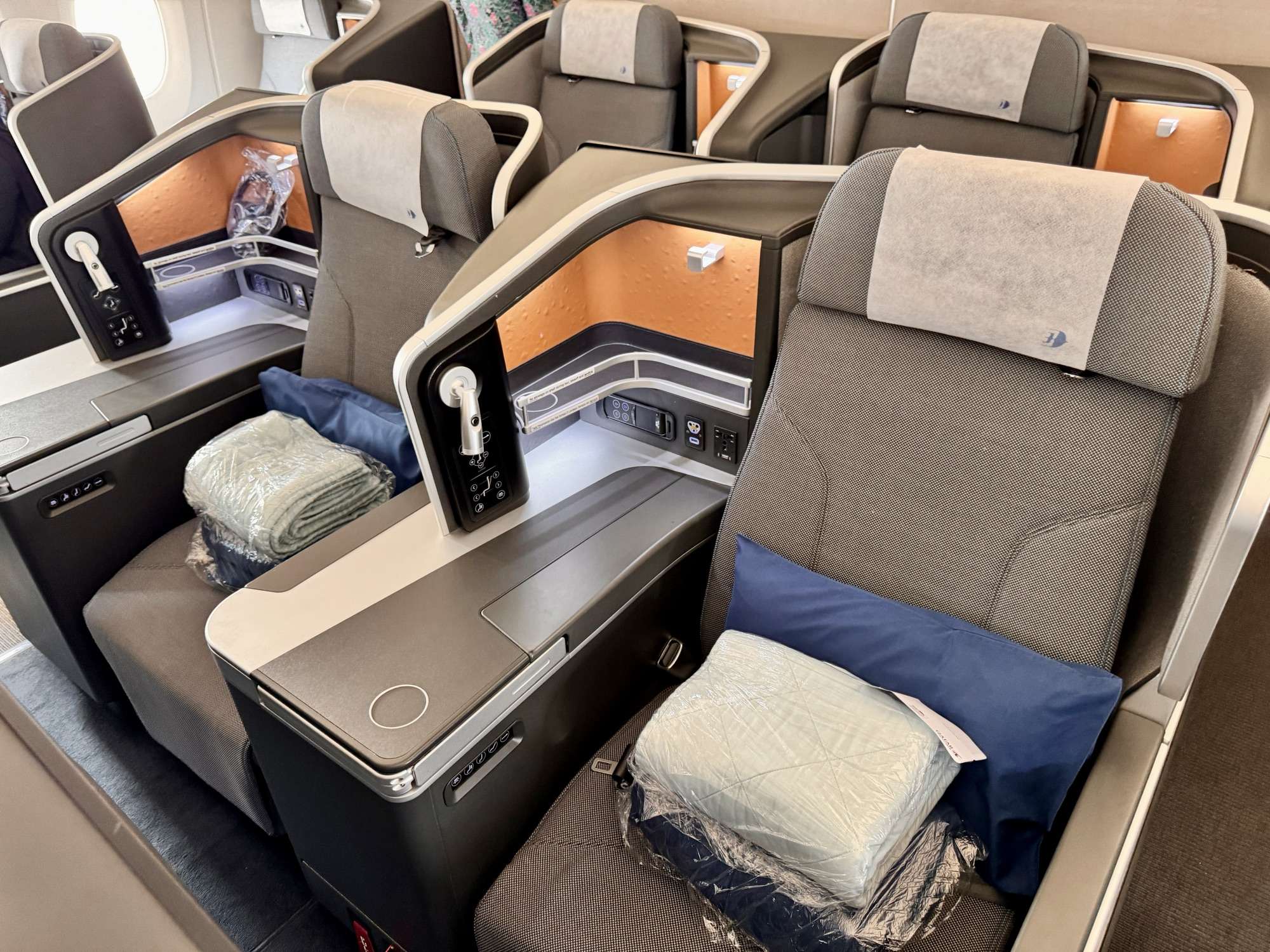
When it comes to flying, picking the right seat can make a big difference—especially if you're going on a long-haul trip. As Malaysians, many of us love to travel (especially during public holidays or balik kampung season!), so here are some seat choices to consider depending on your travel style:
1. Window Seat
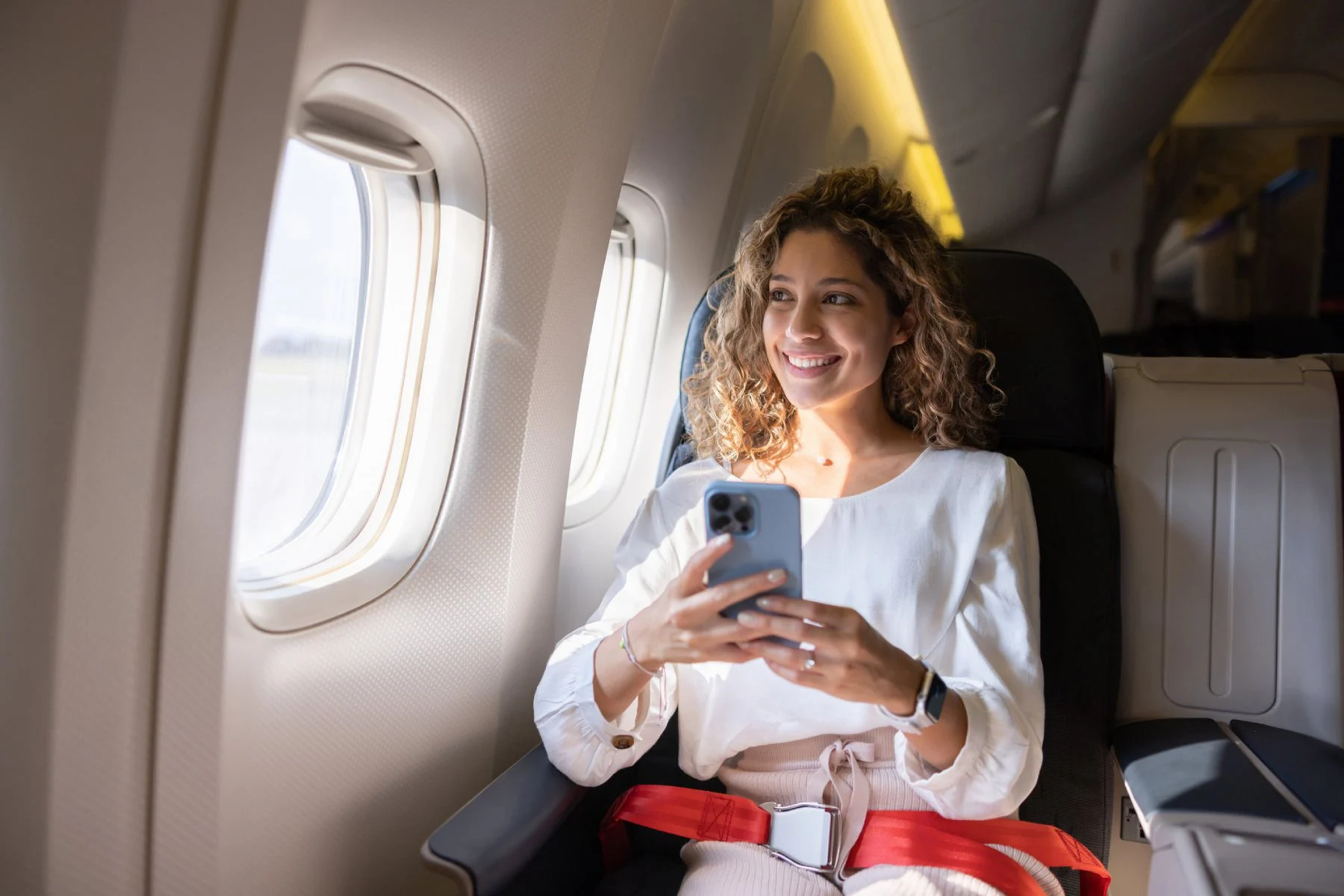
If you enjoy looking out at the clouds or snapping pictures of the sunrise and sunset from above, the window seat is for you. It's a favourite among leisure travellers and Instagram lovers alike. You also get the wall to lean against, which helps if you want to sleep more comfortably.
Local Tip: If you're flying over places like Mount Kinabalu or the islands of Terengganu, the view from the window is chef’s kiss—absolutely worth it!
Downside: You’ll need to ask your seatmates to move if you want to go to the toilet, which can be awkward if you don’t know them. Not ideal for those who need to get up often or feel claustrophobic.
2. Aisle Seat
Perfect if you value convenience and quick access. Whether you're the type who visits the toilet frequently or wants to stretch your legs during long flights (especially on KL–London routes!), the aisle seat gives you that freedom. It’s also easier to reach for your bag in the overhead compartment.
Bonus: You’ll usually get served drinks and meals earlier since the crew moves from the aisle inward.
Downside: You might get bumped by passengers or carts passing by. Plus, if you're sitting next to strangers, you may need to get up often to let them out.
3. Middle Seat
Admittedly, this is the least popular option. But if you’re travelling with family or friends, the middle seat can be quite alright. You’re close to your travel companions, and some people even enjoy chatting with strangers—it’s a very Malaysian thing to strike up a conversation with a friendly seatmate.
Downside: You don’t get a window view or the freedom to move easily. It can feel a bit cramped, especially on full flights.
4. Emergency Exit Seat
This is the VIP spot for legroom—great for tall travellers or those who want to stretch out. It’s ideal for longer flights, such as from KL to Tokyo or Melbourne.
Important Note: These seats come with responsibilities. You must be 18 or older, physically fit, and able to assist during emergencies. Also, you can’t keep bags under the seat in front of you, and some of these seats have fixed backs that don’t recline.
Tips for Choosing the Best Flight Seat
Source: Adobe Stock
Choosing the right seat on a flight can make a big difference to your overall experience—especially if you're flying with kids, solo, or heading on a long-haul trip. Here’s a local Malaysian take on how to pick the best seat depending on your travel situation:
1. Travelling with Children
If you’re flying with young kids, the best combination is usually the window seat and the seat next to it. Kids can stay entertained by looking out at the clouds or watching takeoff and landing. Meanwhile, if the parent sits on the aisle, it’s much easier to get up for diaper changes, toilet trips, or just to stretch.
Extra Tip: If your child is old enough to sit calmly on their own, you can even consider sitting in the row in front or behind them for a bit of space while still keeping an eye on them.
2. Solo Travellers
Going on a solo trip? Aisle seat is usually the way to go. You can get up whenever you like without disturbing others—perfect for toilet breaks, grabbing items from the overhead compartment, or just stretching your legs. It also makes disembarking faster, which is a plus if you're rushing for a connecting flight or simply want to beat the queue at immigration (especially at KLIA or Penang Airport where it can get crowded).
3. Couples or Friends Travelling Together
If you’re travelling with a partner or close friend, go for the window and middle seat combo. That way, you can chat, share snacks, take selfies with the view, or even lean on each other for a nap. This setup gives you a cosy little corner without having to worry too much about disturbing a stranger on the aisle seat. It’s a great choice for a relaxed and memorable trip.
4. Long-Haul Flights
For long international flights—like those from KL to London, Australia, or the Middle East—comfort is key. If available, emergency exit seats are ideal because of the extra legroom. Otherwise, an aisle seat is a good second choice. You’ll be able to stand up and stretch frequently (very important to avoid stiffness or deep vein thrombosis), and it’s easier to access your bag or head to the washroom without disturbing anyone.
Local Tip: Don’t wait until the last minute—book your seat early to get a better selection, especially during peak seasons like Hari Raya, Chinese New Year, or school holidays.
Flight Seat Selection: Pro-Level Terms Every Traveller Should Know
Source: International Citizens Group
If you’ve ever browsed seat maps while booking a flight and felt confused by terms like “bulkhead” or “galley,” you’re not alone. Frequent flyers—including many seasoned Malaysian travellers—often use specific terms to help them choose the most comfortable and convenient seats. Here's a breakdown of the key terms to know, with tips tailored for Malaysians:
1. Galley (Aircraft Kitchen)
The galley is where cabin crew prepare meals, snacks, and drinks during the flight. You’ll usually find galleys at the front, middle, or back of the aircraft.
Pros:
- Seats near the galley often get served faster during meal or drink service.
- Toilets are usually close by, making it convenient for those who need frequent bathroom access.
Cons:
- There’s usually more foot traffic around these areas, and you might hear noise from crew activities or smell food being heated.
- If you're a light sleeper—especially on overnight flights—these seats might not be ideal.
Local Tip: If you're flying on an early morning or midnight flight from KLIA or Penang, and you plan to sleep most of the journey, it's better to avoid galley-adjacent seats.
2. Bulkhead
The bulkhead refers to the partition wall dividing sections of the cabin, such as between business class and economy or near emergency exits. Bulkhead seats are located directly in front of this wall.
Pros:
- These seats often offer extra legroom, making them a favourite for taller travellers or families with infants (bassinet holders are often placed here).
Cons:
- You won’t be able to store bags or personal items under the seat in front—everything must go into the overhead compartment during takeoff and landing.
- Armrests are usually fixed, and the tray tables are stored in them, which can make the space feel tighter.
Local Tip: If you're flying long-haul (e.g., KL to Sydney or Jeddah) and want a bit more space, consider requesting a bulkhead seat early—some airlines let you choose it online in advance or during check-in.
3. Jump Seat
The jump seat is the fold-down seat where flight attendants sit during takeoff and landing. These are located near the galley or at the aircraft exits and are not for passengers—but it’s worth knowing if your seat is near one.
Pros:
- Since the crew is stationed nearby, service might reach you more quickly.
- You’ll likely be among the first to receive meals or drinks.
Cons:
- Some travellers may find it distracting to sit right in front of or beside the crew, especially if you prefer a quiet, private space.
- Crew members will be moving around this area frequently.
In the Seat Map: Jump seats are often marked with “JS”.
Local Tip: If you enjoy people-watching or chatting with friendly cabin crew, this might be your kind of seat! But if you prefer peace and quiet (especially on a red eye from KL to Tokyo), choose a seat further away.
Things to Watch Out for When Choosing Flight Seat
Source: Point Hacks
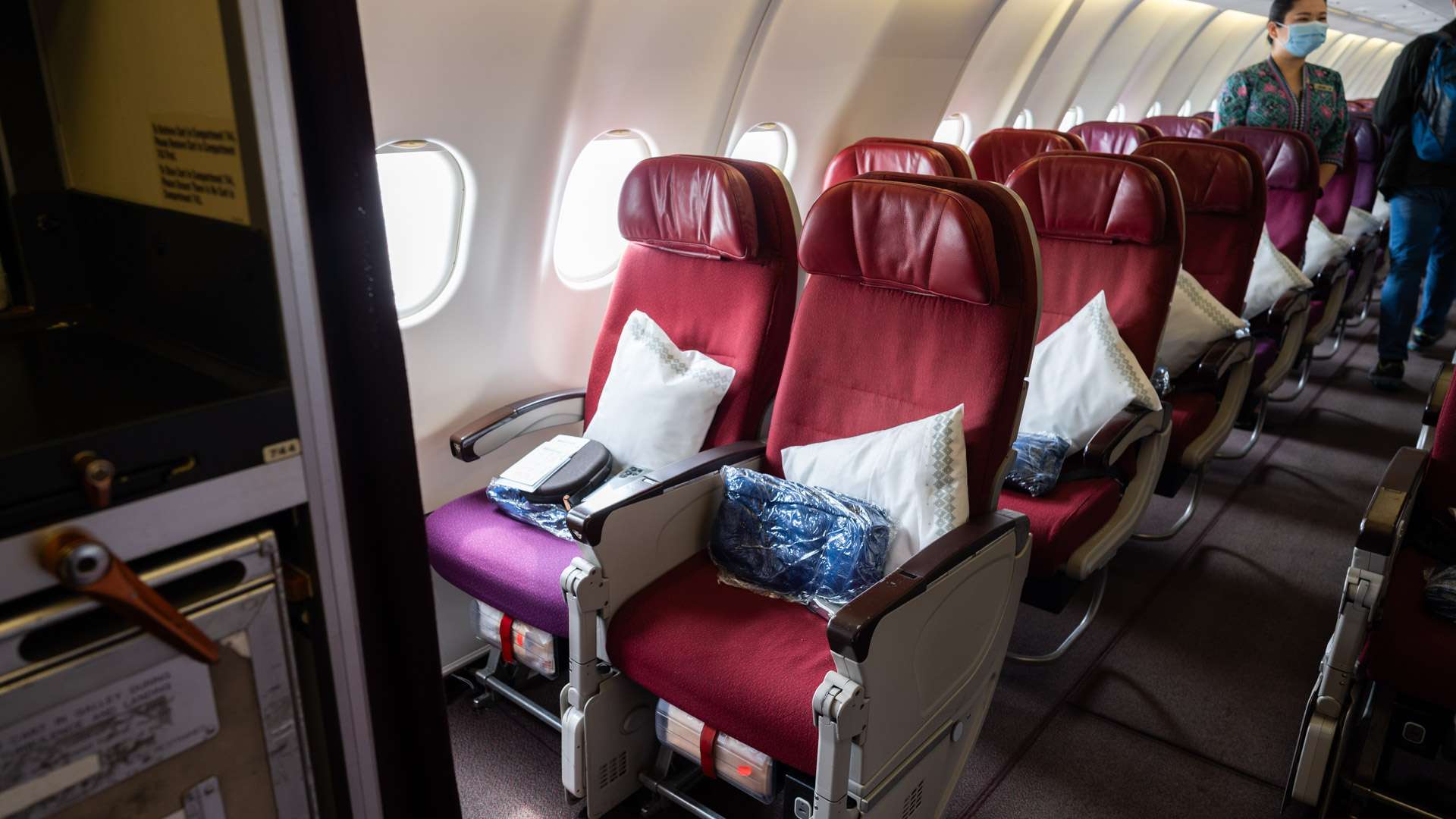
Selecting the right flight seat can make your flight more comfortable, but there are a few important things to take note of—especially if you're flying with budget airlines or travelling with a group. Here’s what every Malaysian traveller should know when it comes to seat selection:
1. Seat Selection Rules
Not all tickets include free seat selection. Depending on the airline and ticket type, especially with budget carriers like AirAsia, Firefly, or Scoot, you might need to pay extra to choose your seat in advance. Some promo fares or basic economy tickets don’t allow seat selection at all, or limit it to check-in only.
Tip: If you want to sit with family or friends, it’s best to select your seats as soon as you book your flight. Don’t wait until check-in, especially during peak travel seasons like Hari Raya, CNY, or school holidays. If the seat map doesn’t show your preferred seats online, try calling or emailing the airline’s customer service—sometimes they can assist you manually.
2. Changing Your Seat
Most airlines allow you to change your seat through their website or mobile app before departure, as long as there are still seats available. However, switching to certain premium seats (like extra legroom or emergency exit rows) may come with an extra charge or have specific conditions.
For Group Bookings: If you’re flying in a group and want to change your seating arrangement, make sure to update everyone's seat at the same time. Changing just one person’s seat could separate you from the rest of the group.
Important: Aircraft changes do happen occasionally, especially for connecting or long-haul flights. This might cause your seat to be reassigned. It’s a good habit to recheck your seat allocation 24–48 hours before departure.
Aircraft Seat Layouts Vary by Aircraft Type
Source: Malaysia Airlines
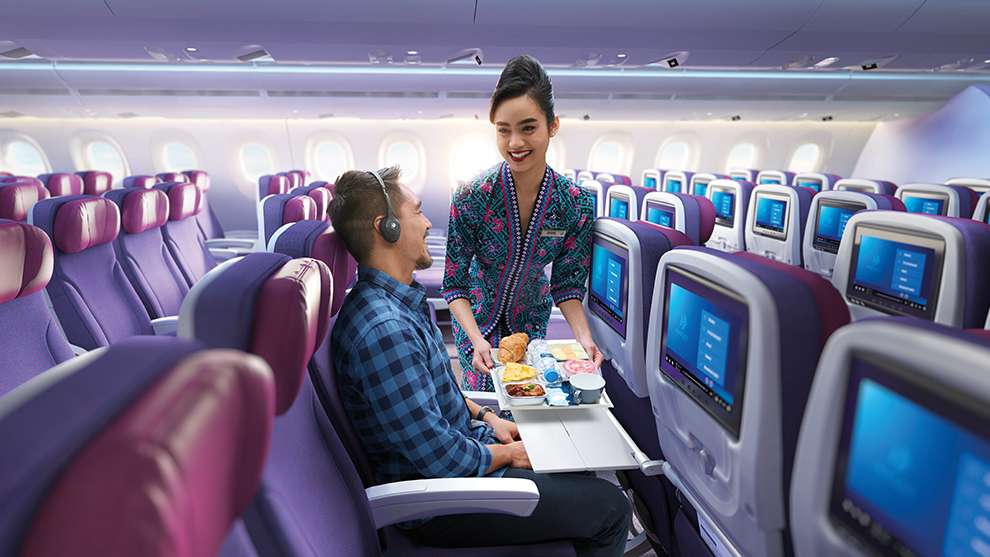
When flying, the type of aircraft you're on can really affect your overall experience—especially when it comes to seating. Here's a quick breakdown of the two most common types of aircraft you'll likely come across when flying from or within Malaysia.
Wide-Body Aircraft
These are the large aircraft typically used for long-haul international flights, such as when flying to Europe, Australia, or the Middle East. You’ll usually find seat arrangements like 3-3-3 or 3-4-3 across the cabin. Because the aircraft is wider, it comes with two aisles, making it easier to access the toilet or move around, no matter where you're seated.
Another plus: the high ceilings and spacious overhead compartments give the cabin a more open and comfortable feel—especially helpful for longer flights. Popular wide-body aircraft include the Boeing 777 and the Airbus A330, both commonly used by airlines like Malaysia Airlines and Qatar Airways.
Narrow-Body Aircraft
These are smaller aircraft, most often used for domestic flights (like KL to Penang or Kota Kinabalu) or short international routes (such as to Singapore, Jakarta, or Bangkok). The typical seat layout is 3-3, with just one aisle running through the cabin. Because the fuselage is narrower, window seats often feel cozier, and not too cramped.
However, since there’s only one aisle, passengers in window seats will need to pass two people if they want to get to the toilet—something to consider if you prefer moving around during the flight. Common narrow-body aircraft include the Boeing 737 and Airbus A320, often flown by airlines like AirAsia, Batik Air, and Firefly. These planes also allow for quicker boarding and disembarkation.
✈️ Choose Smart and Fly Comfortably
Source: Urbanist Wanderer
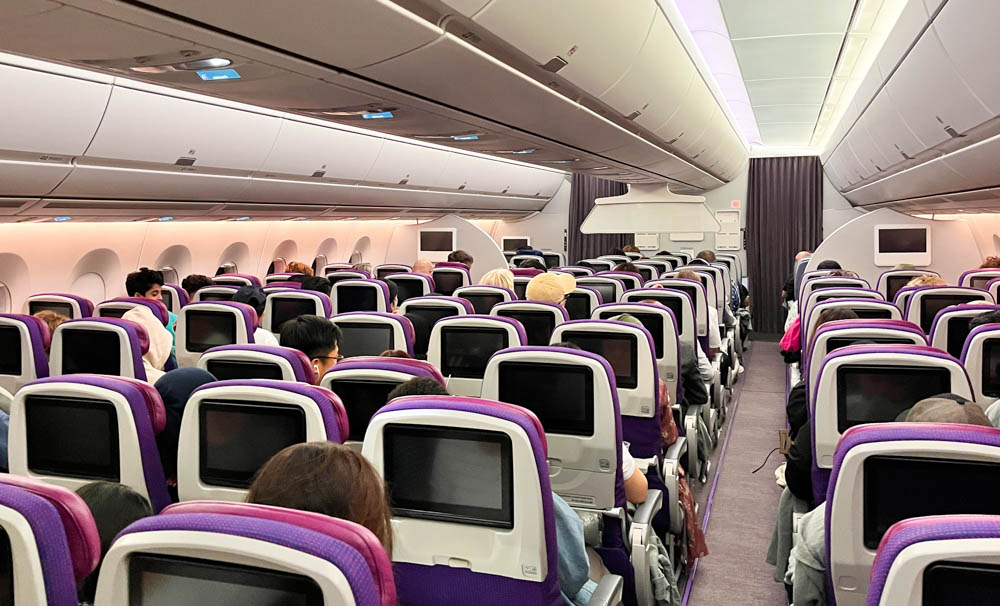
Whether you’re flying for a quick weekend trip or a long-haul holiday, picking the right seat can make a big difference to your comfort and convenience. From extra legroom at the emergency exit to peaceful window views or quick access from an aisle seat, there’s a perfect spot for every kind of traveler. Just remember: book early (especially during festive seasons!), know your aircraft type, and consider your travel style—solo, with kids, or with friends. A little planning goes a long way in making your journey smoother and more enjoyable.
FAQs: Choosing Your Flight Seat
-
Which seats have the most legroom?
-
Which seats are the most stable during turbulence?
-
Which seats are the easiest for boarding and getting off the plane?
-
What’s the best seat for passengers travelling with a baby?