Guide to Minimum Connection Time for Flights


As a Malaysian traveller, I know how stressful connecting flights can be—rushing through terminals, juggling immigration and security checks, and worrying about missing your next plane. Understanding transit, layover, stopover, and especially Minimum Connection Time (MCT) can make all the difference. With the right planning, you can move through airports smoothly, enjoy short breaks, and even explore a city during longer stopovers. Here’s everything you need to know to master your transit journey.
🛬 What Is a Transit Flight?
Source: Freepik
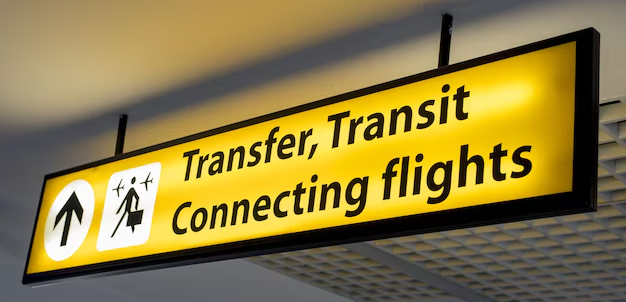
As a Malaysian traveller, I’ve often found myself on transit flights, and here’s how it works. A transit flight is a journey where you stop at one or more airports between your departure city and your final destination, usually to change planes or continue on another flight.
Here’s what you need to know about transit flights:
- You won’t reach your destination directly; you’ll have to stop at another airport along the way.
- You may stay with the same airline or switch to a different one.
- Layover times can be short, around 30–90 minutes, or quite long, sometimes several hours.
- For international transit, you may need to pass through immigration, customs, and security checks before boarding your next flight.
📌 Examples:
- Jakarta → Doha → Paris: Doha is the transit airport.
- Kuala Lumpur → Singapore → Tokyo: Singapore is the transit airport.
Top Things to do in Malaysia
 2846 ditempah




![Lawatan Sehari Pergi-Balik Kuala Lumpur + Masjid Putra + Melaka [Dengan Pemandu Pelancong Berbahasa Cina]](https://ak-d.tripcdn.com/images//0583412000nnawljz19EB_C_568_320.jpg)

![Kuala Lumpur + Masjid Putra Putrajaya + Melaka lawatan sehari [pakej berkumpulan/lawatan sehari peribadi]](https://ak-d.tripcdn.com/images//0580u12000nn58bju972C_C_568_320.jpg)
✈️ The Difference Between Transit, Layover, and Stopover
As a Malaysian traveller, I’ve learned that not all airport stops are the same, so here’s a simple way to understand the difference:
Transit 🛫
- Definition: This is the general term for any stop at an airport before continuing to your final destination. It can be very short, just to change planes, or longer, sometimes even a few days. On your ticket, all these stops are considered part of your journey, not your destination.
- Characteristics: Passengers aren’t starting a new journey—they’re continuing the same route. The stop could be in the same terminal or a different one, and you may be with the same airline or switch to another (codeshare, interline, or separate ticket).
Layover (Short Transit)
- IATA Definition: For international flights, a layover is less than 24 hours; for domestic flights, less than 4 hours.
- Example: Jakarta → Singapore (3-hour wait) → Tokyo.
- Passengers usually stay inside the airport, just moving between gates or flights. Airlines often call this a “connecting flight.”
- Risks ⚠️: If the layover is too tight, you could miss your next flight. Sometimes you may need to change terminals or pass through immigration, depending on the airport.
Stopover 🧳 (Long Transit)
- IATA Definition: For international flights, a stopover is 24 hours or more; for domestic flights, 4 hours or more.
- Example: Kuala Lumpur → Doha (2-day stop) → Paris.
- Stopovers can be a great way to explore a city between flights. Some airlines offer stopover programmes with discounted packages, such as Qatar Airways in Doha and Turkish Airlines in Istanbul. However, these packages may not always be free and depend on the airline’s current offers and eligibility.
📊 Quick Comparison Table: Transit, Layover, and Stopover
Term | Wait Time (International) | Wait Time (Domestic) | Leaving the Airport? | Main Purpose |
|---|---|---|---|---|
Transit 🛫 | Flexible (short or long) | Flexible | Optional | Continuing journey to final destination |
Layover ⏳ | Less than 24 hours | Less than 4 hours | Rarely | Quick plane change |
Stopover 🏙️ | 24 hours or more | 4 hours or more | Often | Explore the transit city |
Recommended Hotels in Malaysia









⏳ What Is MCT (Minimum Connection Time)?
Source: Relo.AI
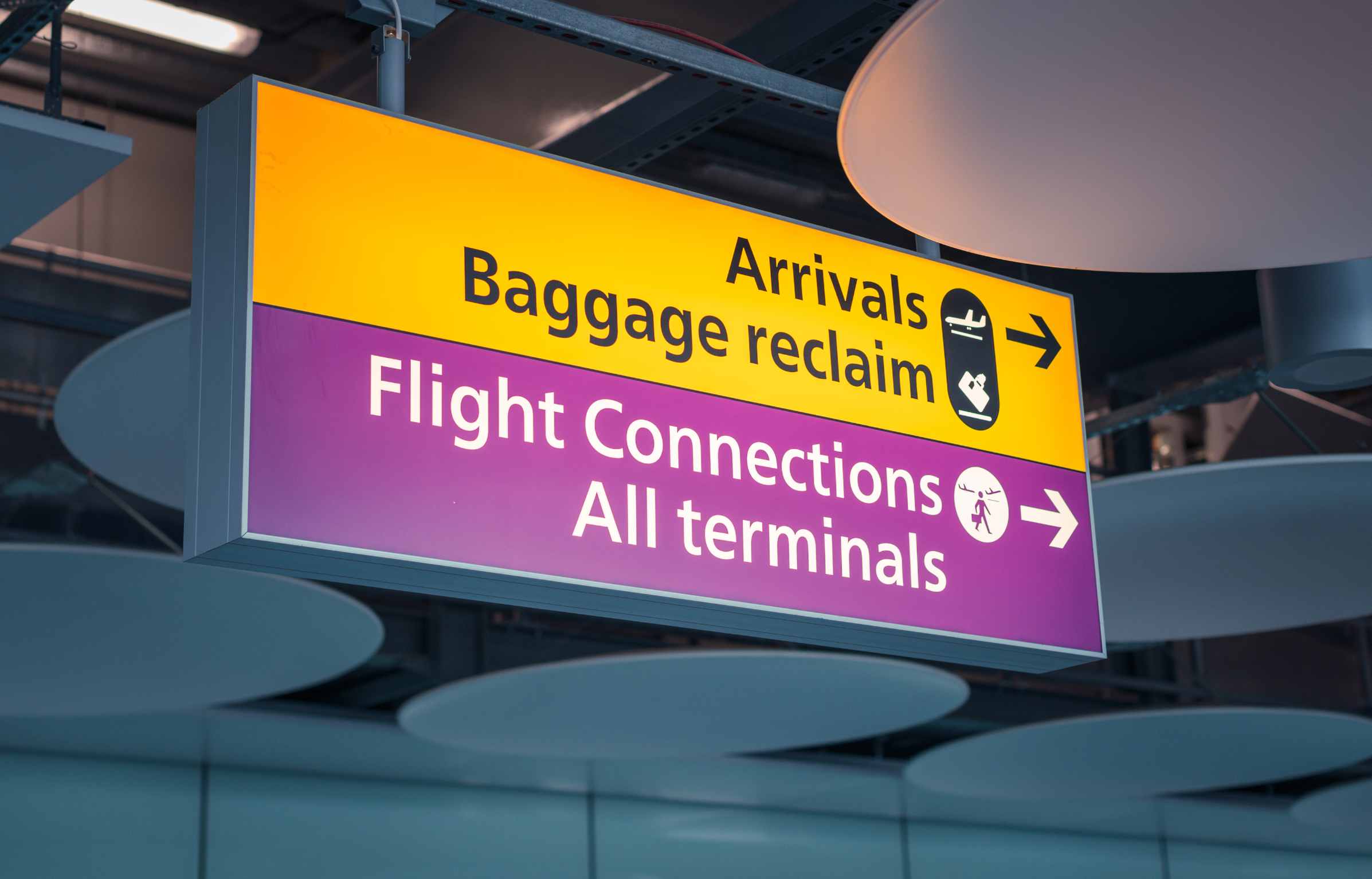
As a Malaysian traveller, I’ve learned that MCT is super important when planning connecting flights. MCT, or Minimum Connection Time, is the official minimum time recommended by airports and airlines to transfer from one flight to the next at the same airport.
This time takes into account the distance between gates or terminals, security checks, immigration, customs, and minor delays. Keep in mind that each airport and airline sets its own MCT.
📍 Factors That Affect MCT
- Type of Flight:
- Domestic → Domestic: usually short, around 30–60 minutes.
- Domestic → International: need extra time for immigration, around 60–90 minutes.
- International → Domestic: takes the longest because of immigration + customs, around 90–120 minutes.
- International → International: typically, 45–90 minutes, depending on the airport.
- Terminal:
- Same terminal: faster.
- Different terminals: add 30–60 minutes to transfer time.
- Single Ticket or Separate Tickets:
- Single ticket: the airline sets the MCT and takes responsibility if you miss your connection.
- Separate tickets: it’s safer to allow extra time, even 4–6 hours.
- Airport Size & Layout:
- Small, efficient airports (like Changi or Doha) have shorter MCTs.
- Large or complex airports (like JFK or LAX) require more time.
⏱️ Typical MCT Estimates
Route | Minimum Time | Notes |
|---|---|---|
Domestic → Domestic 🏠 → 🏠 | 30–60 mins | No immigration needed |
Domestic → International 🏠 → 🌍 | 60–90 mins | Immigration required |
International → Domestic 🌍 → 🏠 | 90–120 mins | Immigration + customs |
International → International 🌍 → 🌍 | 45–90 mins | Varies by airport and airline; some efficient hubs may allow shorter connections |
💥 Practical Checklist Before Choosing Your Transit Time (MCT)
Source: Shutterstock
As a Malaysian traveller, here’s my go-to checklist to make sure your transit goes smoothly:
✅ Check Official MCT from Airport & Airline
Always check the airport website or contact your airline directly. Remember, each airport and airline has its own rules.
✅ Know Your Flight Type
- Domestic → Domestic 🏠 → 🏠: 30–60 minutes.
- Domestic → International 🏠 → 🌍: 60–90 minutes.
- International → Domestic 🌍 → 🏠: 90–120 minutes.
- International → International 🌍 → 🌍: 45–90 minutes.
✅ Check Your Terminal
- Same terminal → saves time.
- Different terminals → add 30–60 minutes to transfer.
✅ Confirm Your Ticket Type
- Single ticket → safer, airline takes responsibility if you miss your connection.
- Separate tickets → allow extra time, ideally 4–6 hours.
✅ Consider Season & Travel Time
Avoid tight transits during peak holidays, busy hours, or bad weather like heavy rain or snow.
✅ Think About Personal Needs
Need time for meals, rest, or prayer? Add extra minutes to your schedule.
✅ Prepare a Backup Plan
Check alternative flights in case you miss your connection and consider travel insurance for peace of mind.
Flights from Kuala Lumpur to Penang
- Pergi Balik
- Sehala
- direct cheapest
 KUL19:151jTanpa hentiPEN20:15Kuala Lumpur - Penang|Rab, 21 Okt|AirAsiaPEN06:151j 5mTanpa hentiKUL07:20Penang - Kuala Lumpur|Rab, 28 Okt|AirAsiaPLN 186PLN 24825% offCari25% offPLN 248PLN 186
 - KUL13:051j 10mTanpa hentiPEN14:15Kuala Lumpur - Penang|Isn, 26 Okt|AirAsiaPEN12:551j 5mTanpa hentiKUL14:00Penang - Kuala Lumpur|Isn, 2 Nov|AirAsiaPLN 186PLN 24825% offCari25% offPLN 248PLN 186
- KUL13:251jTanpa hentiPEN14:25Kuala Lumpur - Penang|Isn, 19 Okt|AirAsiaPEN06:151j 5mTanpa hentiKUL07:20Penang - Kuala Lumpur|Isn, 26 Okt|AirAsiaPLN 186PLN 24825% offCari25% offPLN 248PLN 186
 KUL13:001jTanpa hentiPEN14:00Kuala Lumpur - Penang|Mon, Sep 6|Normal AirlinePEN13:001jTanpa hentiKUL14:00Penang - Kuala Lumpur|Mon, Sep 6|Normal AirlineCari Penerbangan LainCari Penerbangan Lain
⌛ Summary: Minimum Connection Time (MCT)
Source: Smarter Travel
As a Malaysian traveller, here’s what I’ve learned about MCT. MCT is the official minimum time set by airports and airlines to transfer from one flight to the next. The duration varies depending on your flight type (domestic or international), airport layout, terminals, and ticket type.
✈ Key Points:
- MCT differs at every airport and airline.
- Changing terminals usually requires extra time.
- Separate tickets need a longer buffer, typically 4–6 hours.
- Busy seasons and bad weather can slow down the process.
💡 Bottom Line:
Always use the official MCT as a guide when booking your flights, and give yourself extra time to avoid the stress of potentially missing your connection.
FAQs
-
What is Minimum Connection Time (MCT)?
-
Is MCT the same at all airports?
-
Does MCT include immigration and security checks?
-
What if I am transiting with separate tickets?
-
What happens if my connection is shorter than the MCT?
-
How can I check the MCT for my flights?