Top Questions About Traveling Abroad
These 50 frequently asked questions about travelling overseas are here to guide you. If you ever run into any difficulties while you're abroad, this resource will help you find the answers you need.
Frequently Asked Questions About Overseas Travel Preparation and What to Bring

1. Do I need a visa to travel abroad from Malaysia?
Visa requirements depend on your destination country. Malaysian passport holders are granted visa-free or visa-on-arrival access to many countries. However, it is important to check the specific entry requirements of your destination before you travel, as some countries may require a visa for long stays or for specific purposes such as employment, education, or long-term residence.
2. What documents should I prepare before travelling?
Before departing Malaysia, you should ensure that you have a valid passport with at least six months of validity. You should also prepare any required visas, your flight tickets, accommodation confirmations, and travel insurance details. Depending on your destination, you may need additional documents such as proof of vaccination or sufficient financial means. It is wise to keep both physical and digital copies of all important travel documents in case of loss or emergency.
3. Is there a re-entry requirement for Malaysia?
Malaysian citizens do not currently need to submit any formal documentation for re-entry into Malaysia. However, you should always stay informed through official updates from the Immigration Department of Malaysia or the Ministry of Health, especially during times of health alerts or travel restrictions.
4. What should I pack for an overseas trip?
When packing for an overseas trip, consider the weather and culture of your destination. You should bring suitable clothing, comfortable shoes, travel-sized toiletries, personal medications, and basic health items such as sunscreen and insect repellent. A universal travel adapter and charging devices are also essential. It is also helpful to organise your items using packing cubes and to bring along copies of your important travel documents for added security.
5. Do I need travel insurance?
Although travel insurance is not a legal requirement, it is highly recommended. Travel insurance offers protection against unexpected incidents such as medical emergencies, trip cancellations, flight delays, and lost luggage. Choosing a comprehensive plan that covers the full duration of your trip can give you peace of mind while travelling abroad.
6. How can I stay connected while travelling?
To stay connected during your travels, you can purchase a local SIM card at your destination, activate an international roaming plan from your Malaysian mobile provider, or use an eSIM if your device supports it. Many travellers also rely on Wi-Fi in hotels, airports, and cafes, though the best option depends on your location and data needs.
7. What vaccinations should I consider before travelling?
Vaccination requirements vary depending on your destination. You should consult a doctor or a travel clinic to ensure you are protected against common travel-related diseases such as hepatitis A, typhoid, or yellow fever. Some countries may also require a vaccination certificate for entry, so it is important to prepare well in advance.
8. How should I manage my money while overseas?
While travelling, you can manage your finances by using international credit or debit cards, withdrawing cash from ATMs, or exchanging Malaysian ringgit into local currency. It is advisable to inform your bank about your travel dates to avoid having your card blocked for suspicious activity. For added convenience, some travellers also use multi-currency travel cards or e-wallets where available.
9. What should I do if I lose my passport overseas?
If you lose your passport while travelling, you must report the loss to the local police and then visit the nearest Malaysian embassy or consulate. The consular staff will assist you in obtaining an emergency travel document so that you can return to Malaysia. You will likely need to present a police report, passport photos, and other identification to process the replacement.
10. How can I prepare for re-entry into Malaysia?
Before returning to Malaysia, make sure your passport is still valid and that you are aware of any current health or customs regulations. Have your travel documents ready for inspection at immigration and customs. You should also declare any items that are restricted or dutiable. Being well-prepared will help ensure a smooth and hassle-free return home.
Frequently Asked Questions About Airline Tickets

Source: AirAsia Newsroom
1. How far in advance should I book my airline tickets?
For the best fares, it is advisable for Malaysian travellers to book domestic flights at least three to four weeks in advance. For international flights, booking six to eight weeks ahead usually offers better prices. However, ticket prices may still vary depending on the airline, destination, season, and ongoing promotions.
2. What is the best time to book for the cheapest airline tickets?
To find cheaper airline tickets, consider booking on Sundays, which recent studies suggest can offer better savings. Travelling on weekdays, especially Tuesdays and Wednesdays, is often cheaper than flying on weekends. You can also save money by avoiding peak travel periods such as school holidays, public holidays, and other busy travel seasons in Malaysia.
3. How do I find the cheapest airline tickets?
You can find the cheapest airline tickets by using fare comparison websites such as Skyscanner, Google Flights, or Kayak. These platforms allow you to compare prices from different airlines. You can also set up price alerts to get notifications when prices drop for your preferred routes.
4. What should I do if my flight is cancelled or delayed?
If your flight is cancelled or delayed, you should contact the airline immediately for assistance. Most airlines will offer to rebook you on the next available flight, and depending on the length of the delay, you may be entitled to meal vouchers, hotel accommodations, or compensation. Be sure to check your rights based on the airline’s policy and the relevant aviation regulations.
5. Can I change or cancel my flight after booking?
Whether you can change or cancel your flight depends on the fare type and the airline’s policies. Some budget fares, such as those offered by low-cost airlines, are non-refundable and non-changeable. Other tickets may allow changes for a fee. It is important to review the terms and conditions at the time of booking.
6. How can I get a refund for my airline ticket?
Refund eligibility depends on the reason for the cancellation and the type of ticket you purchased. If your flight is cancelled by the airline, you are usually entitled to a full refund. If you cancel the ticket yourself, your refund will depend on the fare rules. Some airlines may offer travel credits instead of cash refunds, especially budget carriers. Always check with the airline regarding their refund process.
7. What is the difference between a direct flight and a non-stop flight?
A direct flight may include one or more stops along the way but does not require you to change planes. A non-stop flight travels directly from the departure point to the destination without any stops or layovers. For convenience and time savings, non-stop flights are usually preferred.
8. What are airline baggage policies?
Each airline has its own baggage policy, including limits on cabin and checked baggage. Most airlines allow at least one cabin bag with specific size and weight restrictions, while checked baggage allowances depend on the fare class and route. Budget airlines may charge separately for luggage, so it is important to check baggage policies before you travel.
9. How can I upgrade my seat or class of service?
You can upgrade your seat during the booking process, at check-in, or at the airport counter, depending on availability. If you are part of a frequent flyer programme, you may also be able to use your loyalty points to upgrade. Some airlines occasionally offer discounted upgrades closer to departure, so it is worth asking or checking your booking online.
10. What is travel insurance, and should I buy it with my airline ticket?
Travel insurance provides coverage for unexpected situations such as medical emergencies, flight delays, baggage loss, and trip cancellations. While not mandatory, it is highly recommended, especially for international travel. You can purchase travel insurance when booking your flight through the airline or separately from a trusted insurance provider in Malaysia.
Frequently asked questions about overseas hotels

1. How can I find the best deals on overseas hotels with Trip.com?
To get the best deals on hotels abroad, use Trip.com’s search tool to compare prices, check availability, and read reviews from other travellers. Trip.com frequently offers exclusive promotions and discounts, helping Malaysians like you secure great rates for stays worldwide.
2. Should I book my hotel in advance or wait until I arrive?
It’s best to book your hotel in advance on Trip.com, especially if you’re travelling during school holidays, festive seasons, or to popular tourist spots. Early bookings usually offer better prices and guarantee your preferred accommodation. However, if your plans are flexible, Trip.com also provides attractive last-minute deals.
3. Which types of hotels are suitable for long stays?
For longer trips, look for serviced apartments or extended-stay hotels on Trip.com. Many of these offer kitchenettes or cooking facilities, which help save on dining costs. These accommodations also provide more space and comfort, perfect for Malaysians staying abroad for weeks or months.
4. What should I consider when choosing a hotel overseas on Trip.com?
Think about the hotel’s location, nearby attractions, and transport options. Check customer reviews on Trip.com for honest feedback on cleanliness, service, and facilities. Trip.com’s detailed descriptions and photos help you pick a hotel that matches your needs.
5. How can I be sure a hotel is safe when booking through Trip.com?
Trip.com lets you filter hotels by safety features like 24-hour security, reception, and safe neighbourhoods. Reading recent guest reviews will also give you a good sense of how secure a property is, so you can travel with peace of mind.
6. What are typical check-in and check-out times for hotels booked on Trip.com?
Most hotels abroad have check-in from 2 or 3 PM, and check-out by noon. Once you book through Trip.com, you can confirm the exact times with the hotel. Some hotels also offer early check-in or late check-out if requested in advance.
7. Can Malaysians book hotels on Trip.com without a credit card?
Many hotels require credit cards to secure bookings, but Trip.com offers options where you can pay upon arrival or use other payment methods like debit cards. Always review payment details during booking to see what options are available.
8. What are hotel taxes and fees when booking overseas on Trip.com?
Besides the room rate, hotels may add local taxes or service charges. Trip.com will show all these additional costs upfront, so Malaysians know the full price before confirming their booking.
9. What should I do if I have issues during my hotel stay booked on Trip.com?
If you experience any problems during your stay, contact Trip.com’s customer support. They can assist with resolving issues, arranging refunds, or helping you find alternative accommodation to make your trip hassle-free.
10. Do I need travel insurance when booking hotels through Trip.com?
Travel insurance isn’t compulsory, but Trip.com offers insurance options during booking for Malaysians. It’s a smart choice to protect yourself from cancellations, delays, or emergencies, especially for international trips.
Frequently Asked Questions: Troubles While Traveling Overseas
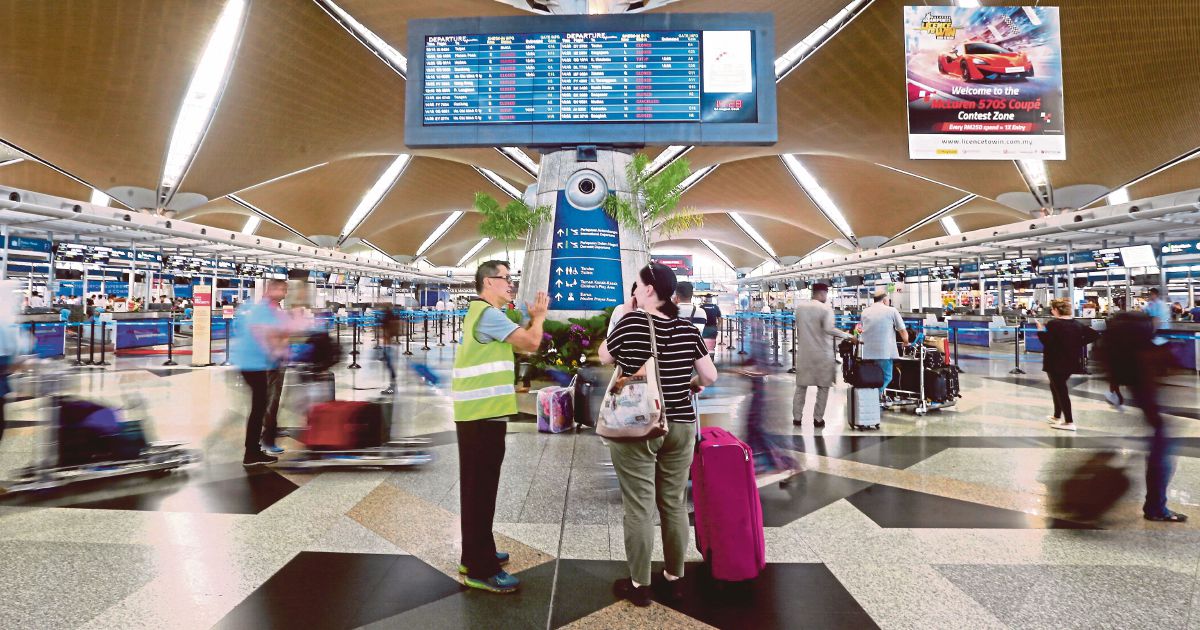
Source: Focus Malaysia
1. What should I do if my flight is delayed or canceled?
If your flight is delayed or canceled, contact your airline right away through Trip.com’s customer service platform. They can assist with rebooking, compensation, or changes. It’s important to check if you qualify for compensation based on local travel laws and airline policies.
2. What if my hotel reservation is lost or I can’t find my booking?
If you can’t find your hotel booking, check your Trip.com account or confirmation email for details. If it’s still unclear, contact Trip.com’s customer support for help locating your reservation or rebooking your stay.
3. What should I do if my luggage is lost or delayed?
Report lost or delayed luggage immediately at the airline’s baggage claim desk. Airlines usually provide a claim form and may offer compensation for essential items. You can also contact Trip.com customer service for advice and updates regarding your luggage.
4. What if I need to cancel my hotel or flight booking?
To cancel a booking, review the cancellation policy in your Trip.com account. Depending on the fare rules, you may get a refund or have to pay a cancellation fee. Trip.com’s cancellation process is simple, and customer service can guide you through if you face any difficulties.
5. What should I do if I can’t check into my hotel?
Make sure you have the correct booking and check-in time. If there’s a problem, contact the hotel directly or reach out to Trip.com’s support team. They can help solve the issue or arrange an alternative hotel if necessary.
6. How do I handle language barriers while traveling?
Trip.com offers customer service in multiple languages to help with bookings or travel issues. Many hotels and transport providers have English-speaking staff, and translation apps can also help you communicate smoothly.
7. What should I do if I’m unhappy with the quality of my hotel?
If the hotel doesn’t meet your expectations, first talk to the hotel management. If the problem isn’t fixed, contact Trip.com’s customer support. They can assist with complaints, arrange room changes, or find alternatives.
8. What if I miss my connecting flight or need to reschedule?
If you miss a connection, contact your airline immediately to reschedule. You can also ask Trip.com customer service for help with rebooking or finding other flight options. Acting quickly reduces travel disruptions.
9. What should I do if I get sick or injured during my trip?
Seek medical help promptly if you feel unwell or injured. Depending on your location, visit a local clinic or hospital. Travel insurance, which Trip.com offers during booking, can cover medical costs. Trip.com can also assist with medical referrals or adjusting your travel plans if needed.
10. What if my payment for a flight or hotel doesn’t go through?
If your payment fails, double-check your payment details. Try another payment method if necessary. Contact Trip.com support for help to resolve payment issues and secure your booking.
Other Frequently Asked Questions About Overseas Travel

1. What should I do if I have travel delays or miss a connection?
If your flight is delayed or you miss a connection, contact your airline or Trip.com’s customer service immediately. They can help rebook you on the next available flight or arrange alternative travel. Keep your booking details handy and check if you’re eligible for compensation or hotel accommodations for long delays.
2. What is the best way to exchange currency for overseas travel?
You can exchange currency at local banks, licensed money changers, or withdraw cash from ATMs at your destination. Many travellers also use travel cards or credit cards for convenience and competitive exchange rates..
3. How can I stay connected to the internet while traveling overseas?
Stay connected by buying a local SIM card at your destination, using international roaming plans from Malaysian mobile providers like Celcom or Maxis, or renting portable Wi-Fi devices. Compare prices and options before you travel to pick the best fit for your trip.
4. Do I need vaccinations for traveling overseas?
Vaccination requirements vary by country. Some destinations, especially tropical ones, may require vaccines such as yellow fever or typhoid. It’s best to consult your doctor or visit a travel health clinic in Malaysia before you travel to make sure you have all recommended vaccinations.
5. How can I get around in a foreign country?
Public transport like buses, trains, and metros are usually affordable and convenient. In many cities, taxis and ride-hailing apps such as Grab (popular in Malaysia and some neighbouring countries) are available. Renting a car is also an option for more freedom. Trip.com provides information on transport and car rentals for many destinations.
6. What should I do if I lose my passport or travel documents while abroad?
If you lose your passport, report it immediately to the local police and contact the nearest Malaysian embassy or consulate. They will help you get an emergency travel document or replacement passport. Always keep photocopies or digital copies of your passport and important documents separately as a backup.
7. Can I bring food or souvenirs back to Malaysia from abroad?
Certain food items, plants, and animal products may be restricted or prohibited when entering Malaysia. Check the Malaysian Customs website for the latest list of banned or restricted items. Souvenirs are generally allowed but declare anything that may require it to avoid fines.
8. What is the best time of year to travel overseas?
The best travel time depends on your destination and preferences. For example, avoid the rainy season in tropical countries, or travel during off-peak times for cheaper rates and fewer crowds. Trip.com offers seasonal travel tips to help Malaysians plan the best time to visit various countries.
9. How can I avoid jet lag while traveling overseas?
To reduce jet lag, gradually adjust your sleep schedule before your trip, stay hydrated, and avoid caffeine or alcohol during the flight. Spend time outdoors in daylight after arrival to help reset your body clock. Trip.com also shares helpful advice on managing long flights and jet lag.
10. Is travel insurance necessary for overseas trips?
Travel insurance isn’t compulsory but is highly recommended for Malaysians traveling abroad. It covers emergencies like trip cancellations, medical expenses, lost luggage, or flight delays. Trip.com offers convenient travel insurance packages during booking for added peace of mind.