
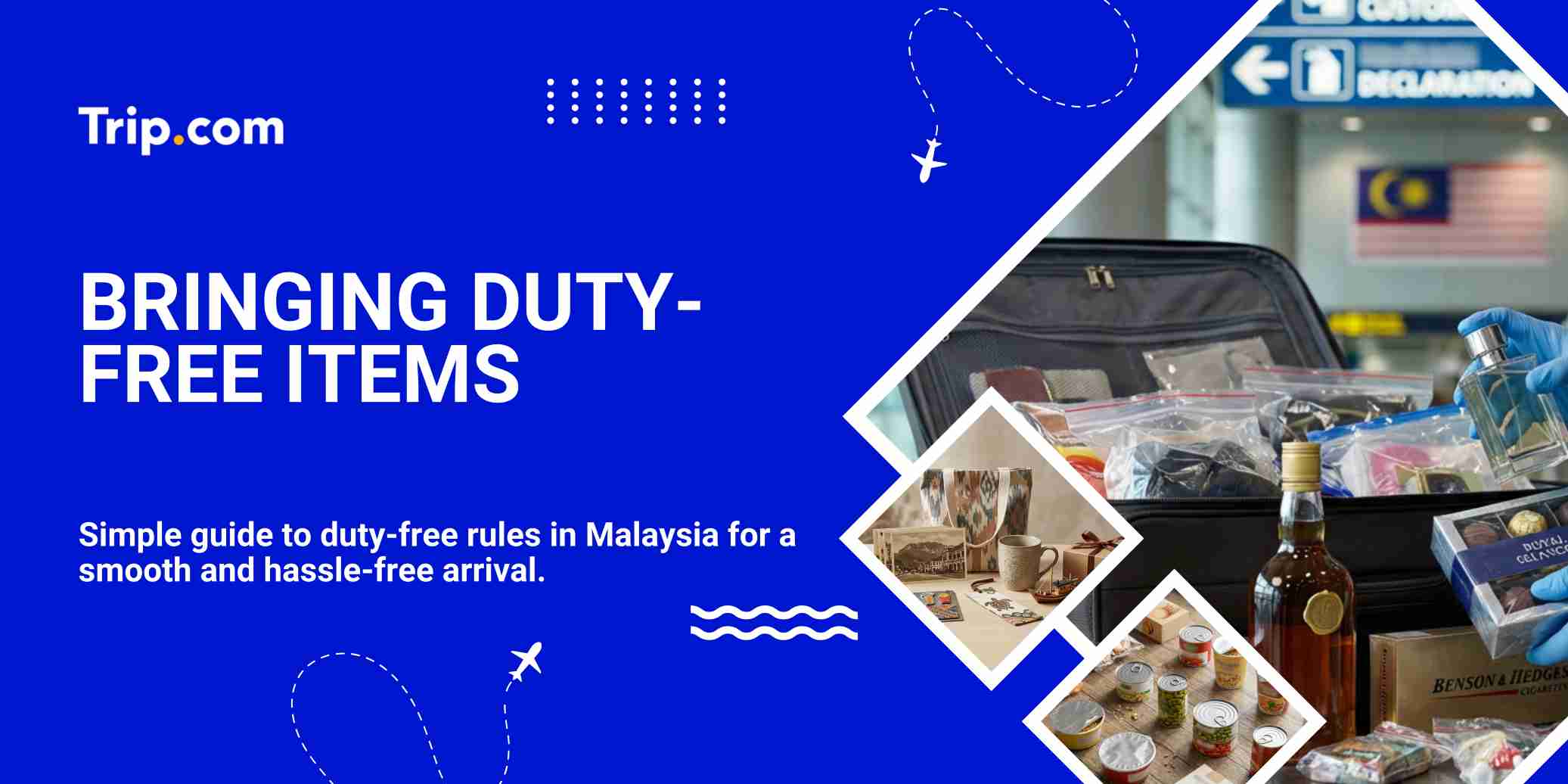
Duty-free items are goods that are sold without local taxes or import duties. They are commonly purchased at international airports, land border shops, seaports, or licensed duty-free outlets. Because taxes are excluded, these items are often sold at lower prices compared to regular retail stores.
These products are meant strictly for personal use by travellers. They are not intended for resale or commercial purposes. Buying duty-free items beyond personal needs may lead to customs issues, including additional taxes, penalties, or confiscation upon arrival.
🔥 Hotel Coupons: Exclusive Hotels Deal for New Users
Discover the world with trip.com! Book the perfect hotel anywhere in the world and get an unbeatable 10% discount if you're a first-time user! If this is your second time using it, you will receive a 5% discount! Download our app now and start planning your next trip with ease.
Just click this link and download the Trip.com App, after successfully registering as a member, use it when you place an order!
🔥Save More with Up to 5% Off
Use our promo code to enjoy up to 5% OFF on your attraction tickets, tours and eSIMs!
Duty-Free Allowances for Malaysian Travellers
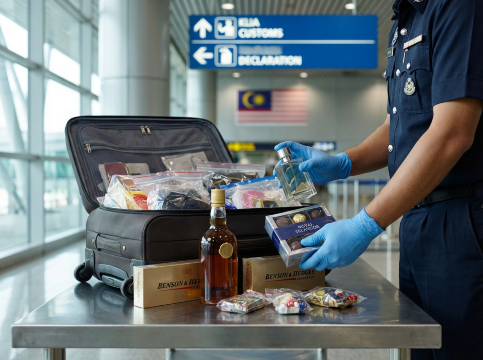
Malaysia Customs Check.
Malaysia allows returning travellers to bring in selected duty-free items, provided they are for personal use and fall within the permitted limits. These allowances generally apply only to travellers who have been abroad for a minimum period of 72 hours. Items exceeding the limits must be declared and may be subject to duties and taxes.
Alcoholic Beverages
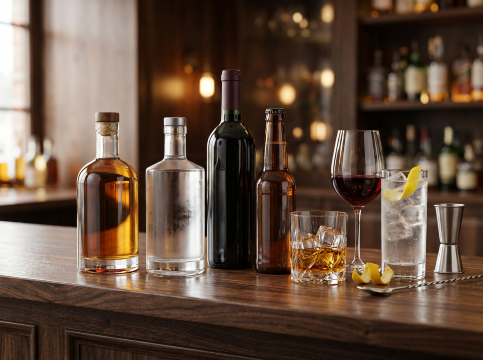
Whisky, gin, wine, beer.
Travellers may bring in up to 1 litre of alcoholic beverages. This allowance can include wine, spirits, or malt liquor, in any combination, as long as the total volume does not exceed the limit. Alcohol allowances are strictly regulated and apply only to eligible travellers.
Tobacco Products
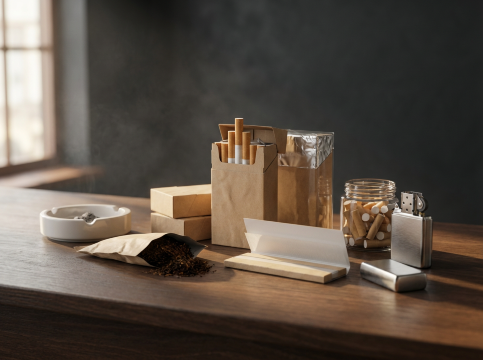
Tobacco products are allowed within a maximum limit of 225 grams, which is equivalent to 200 sticks of cigarettes. Travellers should note that bringing in quantities beyond this limit will result in additional taxes and possible penalties.
New Apparel and Footwear
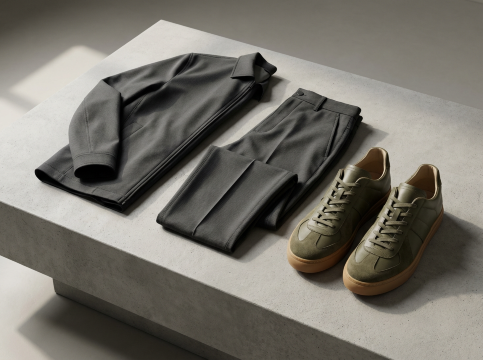
New apparel
Returning travellers are permitted to bring up to three pieces of new clothing and one pair of new footwear as part of their duty-free allowance. These items must be for personal use and not intended for resale.
Personal Care and Electrical Items
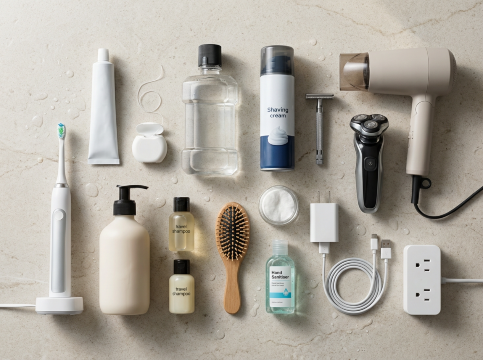
Personal Care Items
Travellers may bring one unit of a portable electrical or battery-operated personal care appliance, such as a hairdryer or electric shaver. The item should be reasonable for personal use.
Food Preparations
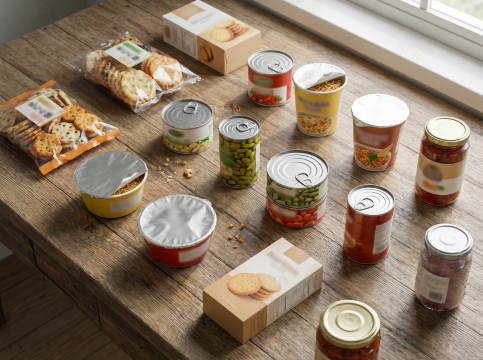
Processed Food Items
Processed or packaged food items are allowed, provided their total value does not exceed RM150. Travellers should ensure that the food items comply with Malaysian import regulations and are not restricted or prohibited.
Other Goods, Gifts, and Souvenirs
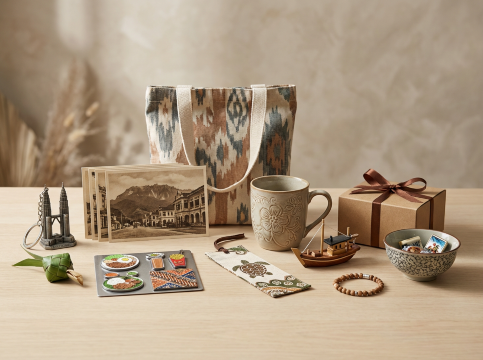
For general goods such as gifts and souvenirs, the total allowable value is:
- Up to RM1,000 for air travellers
- Up to RM500 for land or sea travellers
Items exceeding these values must be declared at customs and may be taxed accordingly.
Category | Allowance Limit |
|---|---|
Alcoholic Beverages | Maximum 1 litre (wine, spirits, or malt liquor) |
Tobacco Products | Maximum 225 grams (200 cigarette sticks) |
New Apparel | Up to 3 pieces of clothing |
Footwear | 1 pair |
Personal Care Appliances | 1 unit (portable electrical or battery-operated) |
Food Preparations | Total value not exceeding RM150 |
Other Goods (Air Travel) | Total value not exceeding RM1,000 |
Other Goods (Land/Sea Travel) | Total value not exceeding RM500 |
Understanding these limits helps Malaysian travellers enjoy duty-free shopping while avoiding delays, penalties, or unnecessary charges at customs.
🔥GO JAPAN
Travel to Japan, get promo code now!

Alcohol and Tobacco Restrictions

Alcohol and tobacco products are strictly regulated under Malaysian customs laws. Travellers should be aware that these items are closely monitored upon arrival, and compliance with the rules is essential to avoid penalties or confiscation.
Only travellers aged 18 and above are permitted to bring alcohol and tobacco products into Malaysia, even within the duty-free allowance. Travellers below this age are not allowed to carry these items under any circumstances.
Any alcohol or tobacco brought in beyond the approved duty-free limits will be subject to import tax, excise duty, and sales tax. These excess items must be declared at customs, and failure to do so may result in fines or other enforcement action.
Certain travellers, particularly Muslims, should also be aware of additional considerations under Malaysian regulations. While customs allowances may apply, religious guidelines and local enforcement practices should be taken into account. Travellers are advised to understand these considerations and exercise discretion when carrying alcohol or tobacco products.
🔥Explore Taiwan

Value Limits and Tax Implications
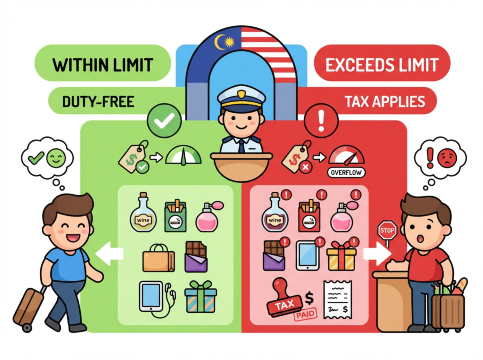
Duty-Free Limits
Malaysia sets a maximum total value for duty-free goods brought in by returning travellers. These value limits apply to general items such as gifts, souvenirs, and personal purchases. Travellers carrying goods within the allowed value can proceed through customs smoothly, while items that exceed the limit are subject to further inspection.
If the total value of duty-free goods exceeds the permitted limit, travellers are required to declare the excess amount at Malaysian Customs. Taxes and duties will be charged only on the portion that exceeds the allowance, not on the entire value. Failing to declare excess items may result in fines, delays, or confiscation of goods.
Travellers are strongly advised to keep all purchase receipts for duty-free items. Receipts help customs officers verify the value of goods quickly and accurately, which can significantly speed up the clearance process and reduce misunderstandings.
Aspect | Details |
|---|---|
Maximum Allowed Value | Duty-free goods must not exceed the permitted value limit |
Items Above the Limit | Must be declared at customs |
Tax and Duty Charges | Applied only to the excess amount |
Importance of Receipts | Helps verify value and ensures a smoother customs process |
Understanding these value limits and tax implications helps Malaysian travellers avoid unnecessary charges and ensures a smooth entry process at the airport or border checkpoint.
🔥Hello Vietnam
Discover a land of vibrant culture, breathtaking landscapes, and unforgettable flavors - your perfect summer journey starts here, now with exclusive deals upto 50% for flight, hotel, attraction, tickets and more, only on Trip.com. Explore now! ✨
Items That Are Prohibited or Restricted
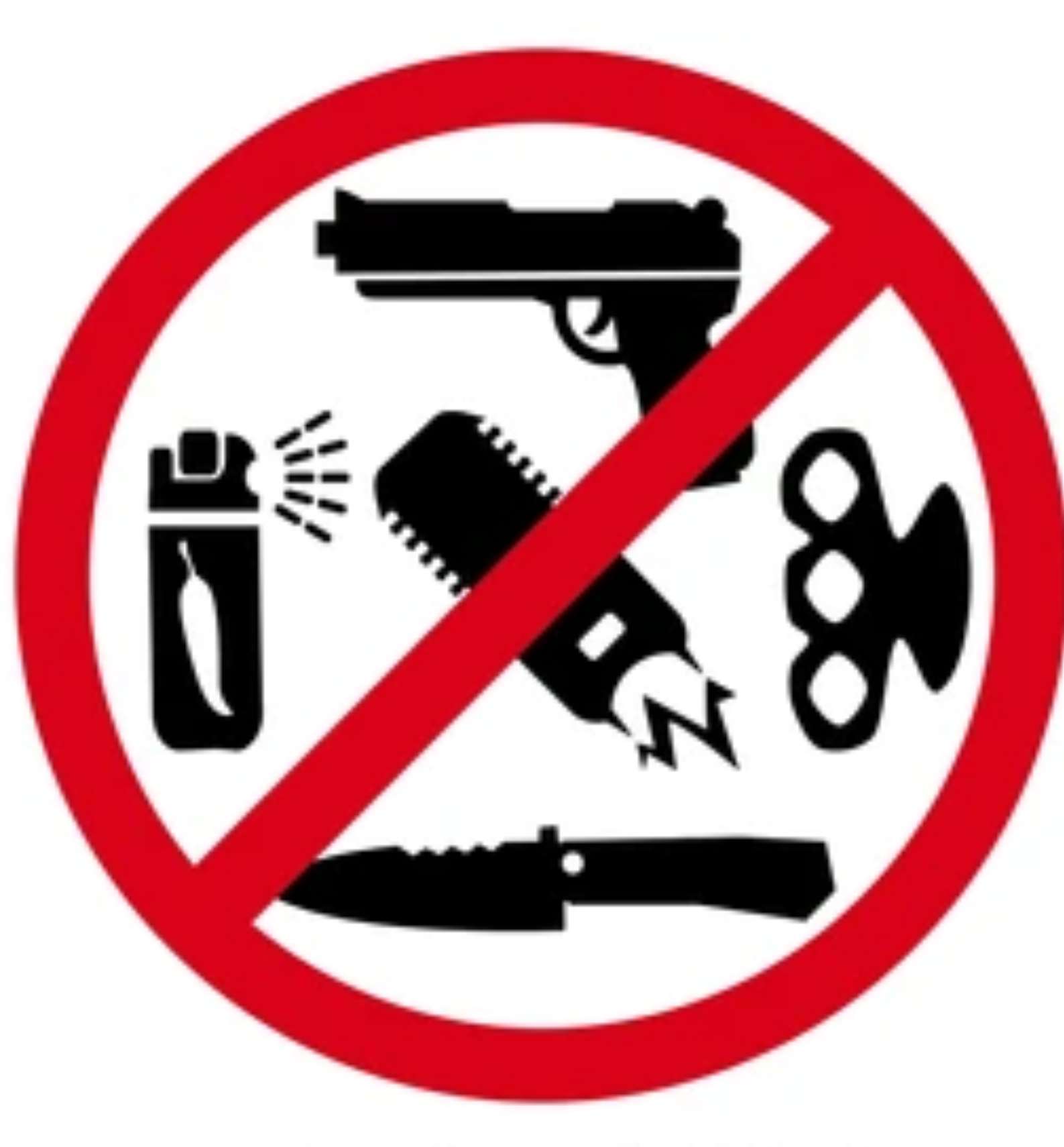
Not all items are allowed to be brought into Malaysia, even if they are purchased from duty-free shops. Malaysian customs strictly prohibit or restrict certain goods to protect public safety, health, and national security. Travellers should be aware of these rules to avoid serious legal consequences.
Items such as controlled drugs or prohibited substances are strictly forbidden. This includes illegal drugs, unapproved medicines, and substances listed under Malaysian drug control laws. Possession of these items can result in severe penalties, including arrest and prosecution.
Weapons and dangerous items are also not allowed. These include firearms, ammunition, explosives, knives, and items that can be used as weapons. Even replicas or decorative versions may be restricted and subject to confiscation.
Travellers are prohibited from bringing in counterfeit or pirated goods, including fake branded products, pirated media, or imitation luxury items. These goods violate intellectual property laws and may be seized at customs.
Certain food products, plants, and animal-based items are either restricted or require special permits. This includes fresh food, meat products, plants, seeds, and items made from protected animals. These controls are in place to prevent the spread of diseases and protect local agriculture and wildlife.
Because regulations can change, travellers are strongly advised to check official Malaysian Customs and relevant authority guidelines before purchasing or carrying any restricted items. Doing so helps ensure a smooth and trouble-free arrival.
🔥Go China
Travel to China, explore the snowy wonderland in Harbin!

Declaring Items at Malaysian Customs
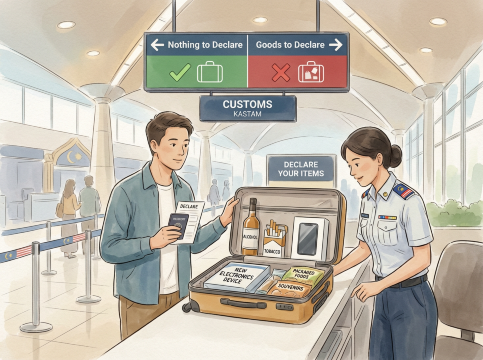
Customs Declaration.
Declaring items honestly at Malaysian Customs is very important for all travellers. If you are carrying taxable, restricted, or excess items, you must use the red channel, which is the customs lane for travellers who need to declare goods. This allows customs officers to inspect your items and apply any required duties or checks.
Failure to declare items can lead to serious consequences, including fines, confiscation of goods, or legal action. Malaysian customs inspections are routine and strictly enforced, even for travellers carrying small or personal items. Being honest and choosing the correct channel helps avoid delays and unnecessary problems at the airport or border.
Situation | What Travellers Should Do |
|---|---|
Carrying taxable or restricted items | Use the red channel |
Items exceed duty-free allowance | Declare to customs officers |
Failure to declare items | May result in fines or confiscation |
Customs inspections | Routine and strictly enforced |
Declaring items correctly ensures a smoother entry process and helps travellers avoid penalties when entering Malaysia
🔥Fly with Malaysia Airlines
Plan & Book Your Next Holiday on Trip.com, your travel one-stop-shop.
Enjoy Discounted Fares Across All Malaysia Airlines Destinations
Common Mistakes Travellers Make
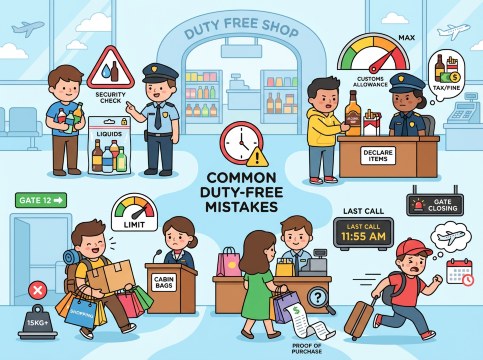
Duty-Free Mistakes
Many travellers misunderstand duty-free rules, which can lead to problems at Malaysian Customs. One common mistake is assuming that duty-free means unlimited quantity. In reality, strict limits apply to alcohol, tobacco, and the total value of goods, and exceeding these limits may result in taxes or penalties.
Another frequent error is buying duty-free items for friends or resale. Duty-free allowances are strictly for personal use. Carrying goods in large quantities or in original packaging may raise suspicion and lead to further inspection or confiscation.
Travellers also often overlook transit country regulations. Items purchased duty-free in one country may not be allowed or may be restricted when passing through another country. Failing to understand transit rules can result in items being confiscated before reaching Malaysia.
Lastly, some travellers forget that duty-free allowances are per person, not per family. Each traveller has their own allowance, and items cannot be combined or shared to increase the total limit.
Common Mistake | Why It Causes Problems |
|---|---|
Assuming unlimited duty-free quantity | Strict limits apply to all items |
Buying items for friends or resale | Duty-free is for personal use only |
Ignoring transit country rules | Items may be restricted or confiscated |
Combining family allowances | Allowances apply per individual traveller |
Avoiding these common mistakes helps ensure a smooth and stress-free experience when passing through Malaysian customs.
Tips For a Smooth Duty-Free Experience
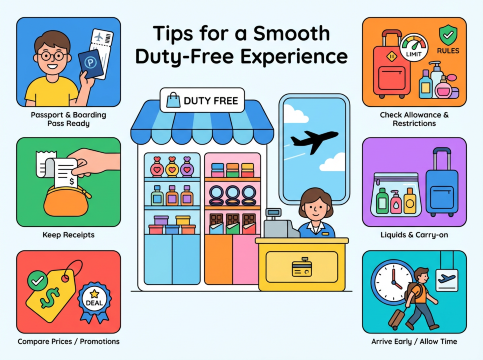
Duty-Free Tips
A smooth duty-free experience starts with knowing your allowance before you shop. Understanding the limits for alcohol, tobacco, and the total value of goods helps you avoid buying items that may later be taxed or confiscated at customs.
Travellers should always keep all purchase receipts for duty-free items. Receipts make it easier for customs officers to verify the value of your purchases and help speed up the inspection process if you are asked to declare items.
It is important to buy duty-free items only for personal use. Purchasing goods for resale or in large quantities may raise suspicion and lead to further checks or penalties.
When you are unsure whether an item needs to be declared, it is safer to declare the item at customs. Using the red channel shows honesty and helps prevent fines or legal issues.
Lastly, travellers should check airline rules and destination country regulations, including transit countries. Some items allowed in duty-free shops may not be permitted on board or in other countries, so checking in advance helps avoid problems during your journey.
Tip | Why It Matters |
|---|---|
Know your allowance | Prevents exceeding duty-free limits |
Keep all receipts | Helps with value verification |
Buy for personal use only | Avoids suspicion or penalties |
Declare when in doubt | Reduces risk of fines or confiscation |
Check airline and country rules | Avoids issues during transit or arrival |
Following these tips helps Malaysian travellers enjoy duty-free shopping while ensuring a smooth and stress-free customs experience.
🔥Fly with AirAsia
Fly with AirAsia! Flights promo code up to RM80 OFF!

Reminder for Malaysian Travellers
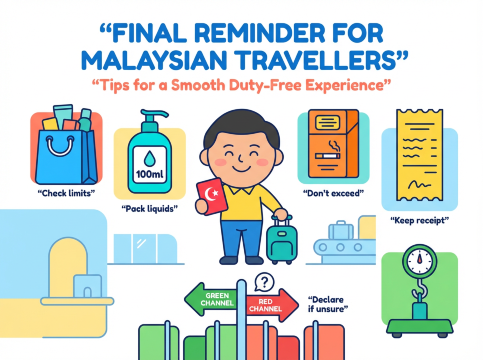
Final Reminder.
Duty-free shopping can be convenient and help travellers save money when it is done correctly. By understanding Malaysia’s customs rules and duty-free limits, travellers can avoid unnecessary delays, penalties, or stress at the airport. Being informed and honest ensures a smoother and more enjoyable travel experience.
🔥Up to 20% OFF on New Hotels

Frequently Asked Questions (FAQs)
-
What does duty-free mean?
-
Is there a limit to how much duty-free I can bring into Malaysia?
-
Can I bring alcohol and tobacco into Malaysia?
-
What is the red channel at Malaysian Customs?
-
Do transit country rules affect my duty-free purchases?