

From the moment I touched down in Tokyo, I knew I was about to embark on a culinary adventure—one that would awaken every sense. The city’s energy buzzed through the streets, and with it came the tantalising scent of freshly grilled yakitori, simmering ramen broth, and sweet mochi dusted with kinako. Tokyo isn’t just a world-class metropolis—it’s a food lover’s paradise where tradition meets innovation on every plate.
From the umami-packed richness of tonkotsu ramen to the delicate perfection of sushi crafted by seasoned masters, Tokyo’s food scene is as diverse as it is unforgettable. You’ll find comfort in a humble bowl of gyudon at a local diner, just as you’ll marvel at the artistry of a multi-course kaiseki meal.
In this guide, I’ll share my top 10 must-try dishes in Tokyo, where to find them, and how to experience them like a true local. Planning a foodie trip? Here’s how to savour the authentic flavours of Tokyo, one bite at a time.
🍣 My First Taste of Sushi in Tokyo’s Tsukiji Outer Market
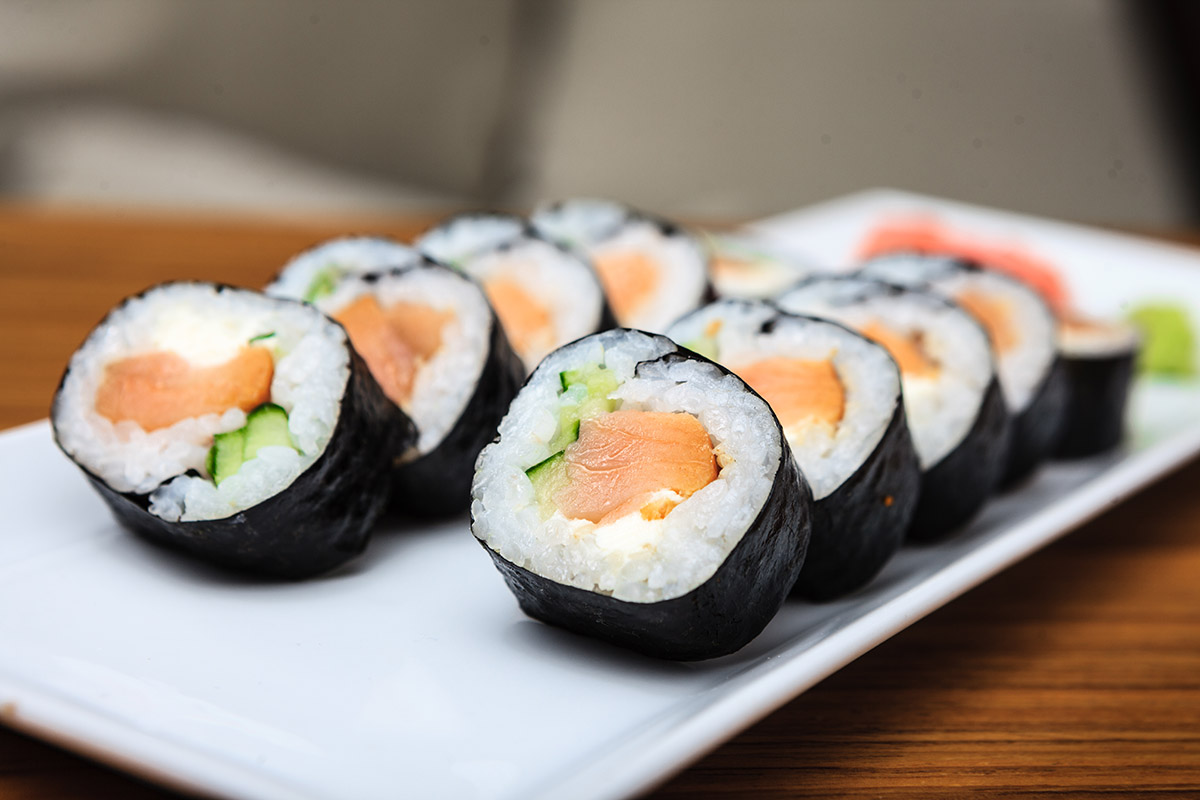
Source: Seafood by Sykes
I stumbled into a tiny sushi bar tucked along the edge of Tsukiji’s Outer Market, its wooden sign barely visible behind a crowd of locals. As soon as I stepped inside, the scent of fresh seaweed and vinegared rice greeted me. I sat at the counter, just inches from the chef’s nimble hands. My first piece—otoro (fatty tuna)—was placed gently before me, glistening like a jewel on a bed of warm rice. The moment I tasted it, the buttery richness melted instantly, followed by a subtle sweetness and the faint tang of shoyu. I couldn’t help but close my eyes. Everything else faded—the chatter, the clatter—and for that moment, it was just me and that bite. It wasn’t just sushi. It was a quiet celebration of precision and respect for the sea.
📖 About Sushi
Sushi is one of Japan’s most iconic culinary traditions, rooted in centuries of preserving fish with rice. In Tokyo, especially near the historic Tsukiji Market, sushi has evolved into an art form—balancing taste, texture, temperature, and timing. Whether at a humble standing bar or a revered omakase spot, sushi captures the soul of Tokyo’s food culture.
🍴 Best Places to Try It
Sushi Dai
A legendary spot known for its incredibly fresh and skillfully prepared sushi. The omakase experience here is worth every minute of the wait.
📍 Location: Tsukiji Outer Market
💰 Cost: Around RM160–RM250
Uobei Shibuya
A fun, high-tech sushi train restaurant perfect for quick, budget-friendly bites without sacrificing taste.
📍 Location: Shibuya Station area
💰 Cost: Around RM40–RM60
💡 Pro Tips
- Come early—lines at famous sushi bars can start forming as early as 5:00 AM.
- Don’t drown your sushi in soy sauce; let the chef’s seasoning shine.
- Pair your meal with a cup of hot green tea or miso soup to cleanse the palate.
- If available, ask for uni (sea urchin) or anago (saltwater eel)—local favourites often overlooked by tourists.
Top Things to do in Tokyo
 28753 ditempah




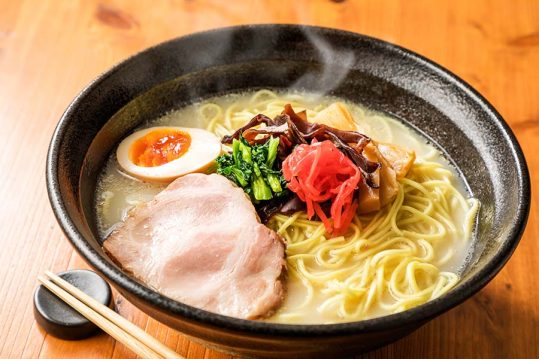
🍜 The Soul-Warming Comfort of Tokyo’s Tonkotsu Ramen
Source: Recipe Guru
I found myself wandering into a modest ramen shop tucked away in a quiet alley near Shinjuku. The moment the steaming bowl of tonkotsu ramen arrived, the rich aroma of slow-cooked pork broth filled the air, promising warmth and depth. The broth was creamy and velvety, with layers of umami that clung to my palate. Tender slices of chashu pork melted effortlessly with each bite, while the springy noodles offered a perfect, chewy contrast. Sprinkled with fresh scallions and a soft-boiled egg with a slightly runny yolk, every mouthful was comforting yet exciting. Eating there, surrounded by locals quietly slurping their bowls, made the experience feel truly authentic and memorable.
📖 About Tonkotsu Ramen
Tonkotsu ramen, originating from Kyushu but wildly popular in Tokyo, features a rich, milky pork bone broth simmered for hours to develop its signature flavor and texture. It’s a beloved dish that embodies Japan’s mastery of balancing hearty satisfaction with delicate taste.
🍴 Best Places to Try It
Ichiran Ramen
Famous for its customizable bowls and focused dining booths, Ichiran offers a consistently delicious tonkotsu ramen experience.
📍 Location: Shibuya, multiple outlets
💰 Cost: Around RM30–RM40 (JPY 1,000–1,300)
Ippudo Ramen
Known for its silky broth and perfectly cooked noodles, Ippudo is a must-visit for ramen lovers seeking authentic Tokyo flavours.
📍 Location: Roppongi and other districts
💰 Cost: Around RM35–RM45 (JPY 1,200–1,500)
💡 Pro Tips
- Visit during off-peak hours to avoid long waits.
- Customize your bowl by adjusting noodle firmness or spice level.
- Pair your ramen with a side of gyoza or a cold bottle of Ramune soda for a full local experience.
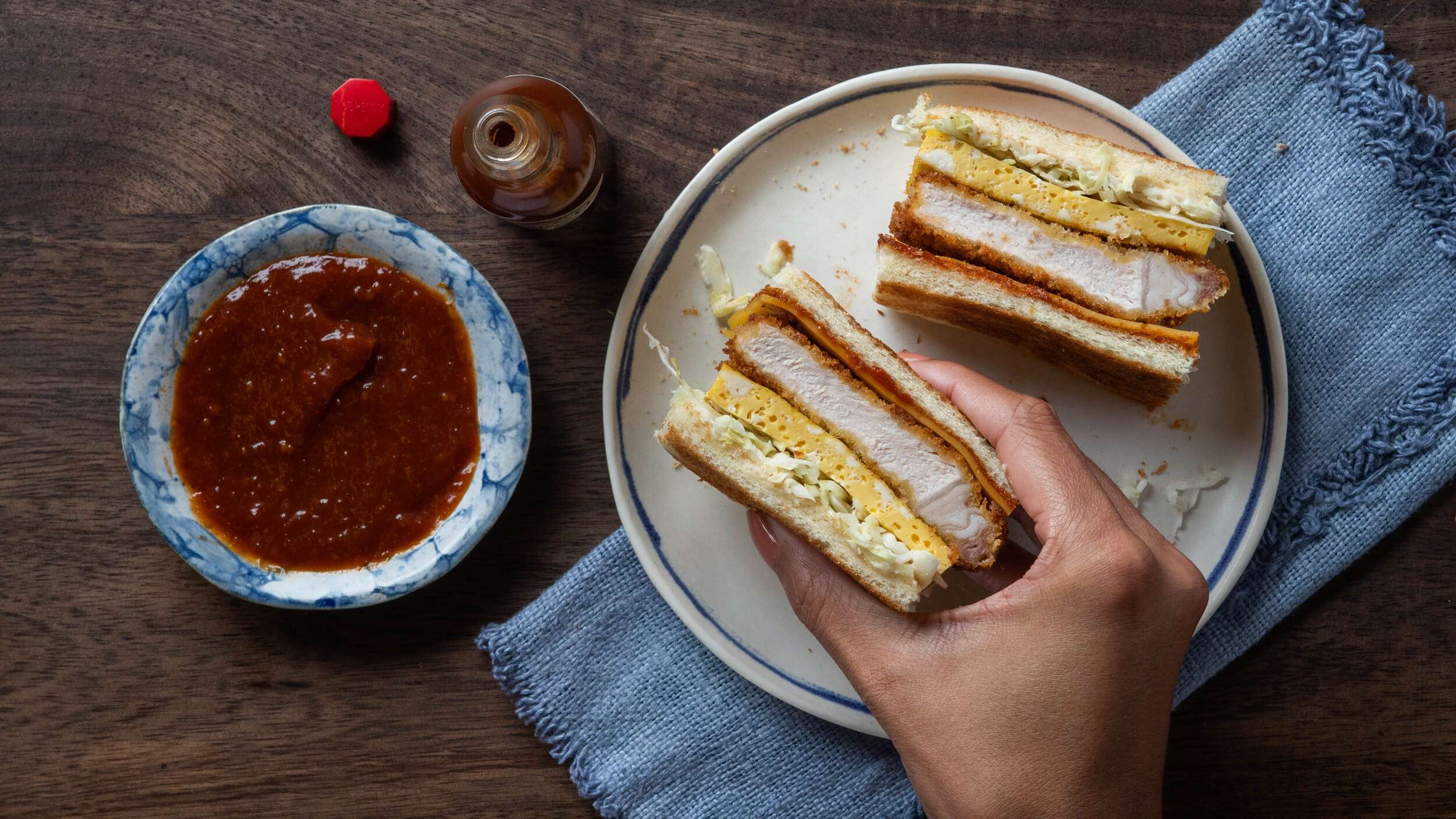
🥪 A Crunchy Revelation: My First Katsu Sando in Tokyo
Source: Tabasco
While wandering through Tokyo Station in search of a quick bite, I found a sleek little sandwich shop with neatly stacked, crustless sandwiches behind glass. One caught my eye—golden, thick, and neatly pressed. It was a katsu sando. I unwrapped it and took a bite right there at the counter. The bread was soft and fluffy, but the star was the pork cutlet: thick, juicy, and perfectly fried with a crunchy panko crust. The tangy-sweet tonkatsu sauce soaked slightly into the bread, binding everything together in rich, savoury harmony. It was fast food, yes—but elevated, elegant, and unforgettable. Simple in appearance, but bold in flavour and texture.
📖 About Katsu Sando
Katsu sando is a Japanese sandwich made with a breaded and fried pork (or chicken) cutlet, tonkatsu sauce, and soft shokupan bread. It’s a favourite grab-and-go lunch or konbini snack, combining Western sandwich convenience with Japanese attention to detail.
🍴 Best Places to Try It
Tonkatsu Maisen Aoyama Honten
Famous for its melt-in-your-mouth pork katsu and luxurious katsu sandwiches wrapped like gifts.
📍 Location: Omotesando
💰 Cost: Around RM25–RM40 (JPY 800–1,300)
7-Eleven Japan
Surprisingly good quality for convenience food—soft bread, crisp katsu, and perfect for eating on the train.
📍 Location:Any major station
💰 Cost: Around RM8–RM15 (JPY 250–500)
💡 Pro Tips
- Try both pork and chicken versions—they offer different textures and flavours.
- Pair with bottled iced tea or milk tea for a classic Tokyo convenience store combo.
- Some premium shops offer wagyu katsu sando—well worth the splurge if you’re feeling indulgent.
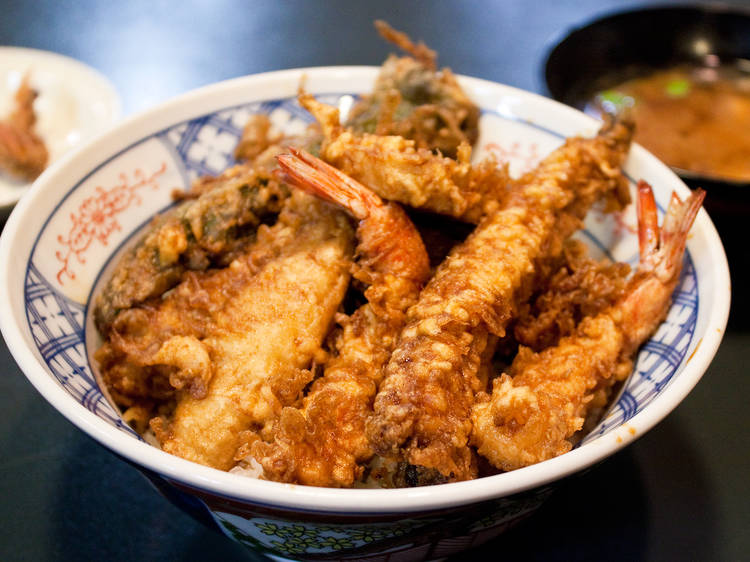
🍤 A Crispy Delight: My First Taste of Tokyo Tempura
Source: Time Out
I discovered a quaint tempura restaurant nestled in Asakusa, away from the busy crowds. When my tempura set arrived, the golden batter glistened invitingly, still steaming lightly. The aroma was delicate but mouthwatering—a perfect balance of lightness and savory promise. My first bite into the shrimp tempura revealed a crisp, airy crust that shattered gently, giving way to sweet, tender shrimp inside. The accompanying dipping sauce was subtly salty with a hint of citrus, lifting the flavours beautifully. The texture contrast between the crunchy batter and juicy seafood made each mouthful unforgettable. Enjoying this dish in the warm wooden interior, surrounded by locals, made the experience feel deeply authentic.
📖 About Tempura
Tempura is a beloved Japanese dish where seafood and vegetables are lightly battered and fried to a crisp perfection. Tokyo’s tempura stands out for its light, non-greasy batter and fresh ingredients, making it a culinary staple that perfectly balances flavour and texture.
🍴 Best Places to Try It
Tempura Tendon Tenya
A popular chain famous for affordable and crispy tempura served over steamed rice bowls.
📍 Location: Various outlets across Tokyo
💰 Cost: Around RM20–RM35 (JPY 700–1,200)
Tempura Kondo
A Michelin-starred restaurant offering an exquisite tempura experience with seasonal ingredients and meticulous technique.
📍 Location: Ginza
💰 Cost: Around RM200+ (JPY 6,500+)
💡 Pro Tips
- Visit lunchtime sets for better prices at upscale tempura restaurants.
- Order a variety of tempura vegetables to balance the seafood richness.
- Pair with a light sake or green tea to refresh the palate between bites.
Flight from Kuala Lumpur to Tokyo
- Pergi Balik
- Sehala
- direct cheapest
 KUL11:457j 5mTanpa hentiNRT19:50Kuala Lumpur - Tokyo|Sel, 13 Jan|Batik Air MalaysiaNRT21:508j 5mTanpa hentiKUL04:55Tokyo - Kuala Lumpur|Kha, 15 Jan|Batik Air MalaysiaUS$ 336US$ 3668% OFF8% OFFUS$ 366US$ 336
 - KUL11:457j 5mTanpa hentiNRT19:50Kuala Lumpur - Tokyo|Kha, 22 Jan|Batik Air MalaysiaNRT10:257j 30mTanpa hentiKUL16:55Tokyo - Kuala Lumpur|Rab, 28 Jan|Batik Air MalaysiaUS$ 336US$ 3668% OFF8% OFFUS$ 366US$ 336
 KUL11:4511j 35m1 hentianHND00:20Kuala Lumpur - Tokyo|Isn, 2 Mac|Philippine AirlinesNRT14:0021j 45m1 hentianKUL10:45Tokyo - Kuala Lumpur|Isn, 9 Mac|Philippine AirlinesUS$ 253US$ 36631% OFF31% OFFUS$ 366US$ 253
 KUL1:00 PM3j 5mTanpa hentiTYO2:00 PMKuala Lumpur - Tokyo|Fri, Dec 12|Batik Air Malaysia
 TYO1:00 PM3j 5mTanpa hentiKUL2:00 PMTokyo - Kuala Lumpur|Fri, Dec 12|Batik Air MalaysiaCari Penerbangan LainCari Penerbangan Lain
Harga potongan adalah dikira berdasarkan harga purata laluan sepadan pada Trip.com.
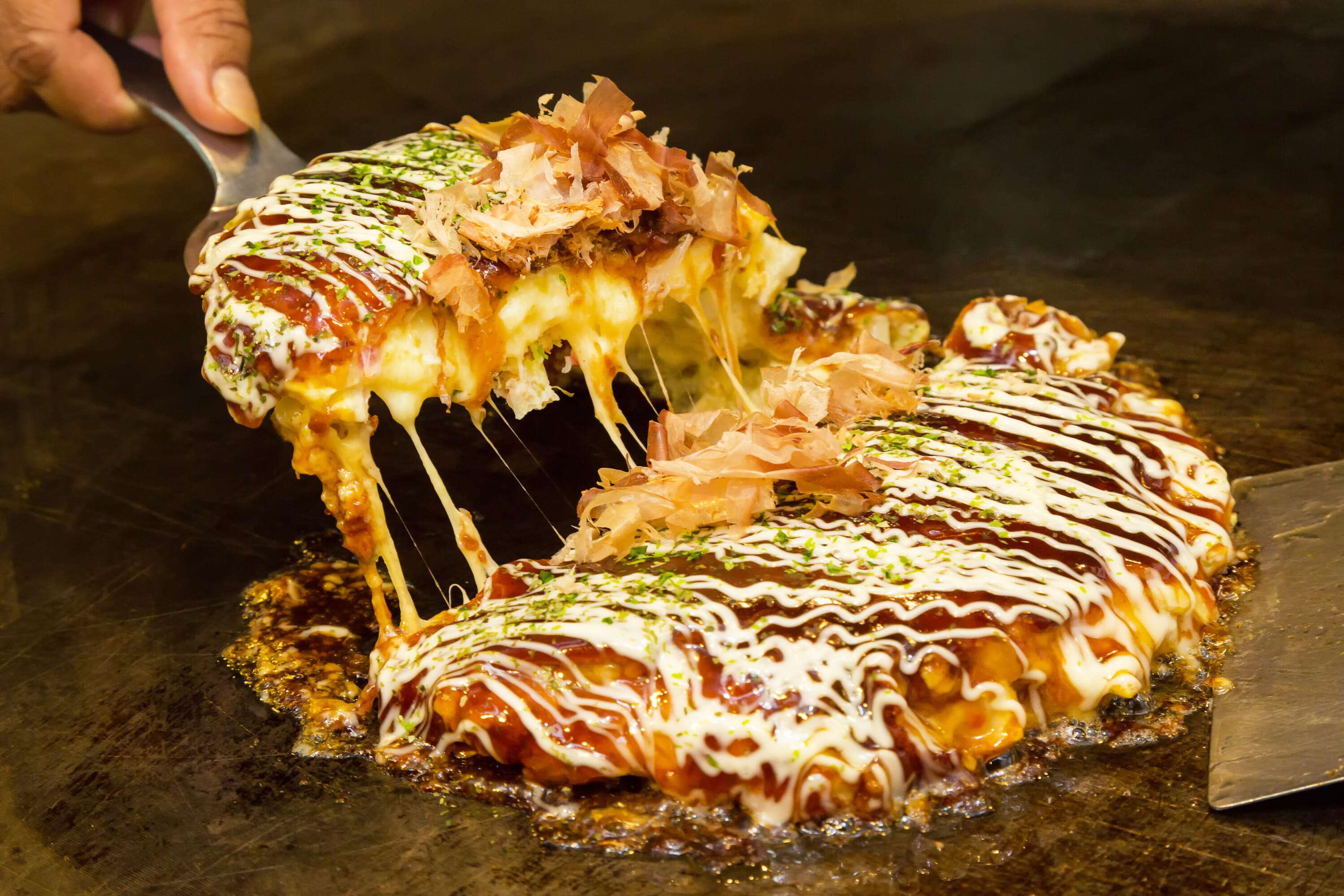
🥢 The Irresistible Charm of Tokyo’s Okonomiyaki
Source: Tokyo Weekender
While exploring the lively streets of Tsukishima, I stepped into a cozy okonomiyaki restaurant filled with the sizzling sound of batter hitting the griddle. When my okonomiyaki arrived, it was a golden, savory pancake topped with a generous drizzle of sweet okonomiyaki sauce, creamy mayo, and a shower of bonito flakes that danced with the steam. The first bite was a delightful mix of textures—the crisp edges gave way to a soft, fluffy center packed with cabbage, tender pork, and bits of seafood. The smoky, slightly sweet sauce blended perfectly with the umami-rich ingredients. Sharing the experience with locals gathered around the griddle made it feel like a warm celebration of Tokyo’s Street food culture.
📖 About Okonomiyaki
Okonomiyaki is a popular Japanese savory pancake, especially beloved in Tokyo and Osaka. Its name means “grilled as you like it,” reflecting its customizable ingredients, making it a fun, hearty dish that captures the spirit of communal dining.
🍴 Best Places to Try It
Monja Street (Tsukishima)
Known as the heart of monjayaki and okonomiyaki culture, this street offers many stalls and restaurants perfect for first-timers.
📍 Location: Tsukishima Station
💰 Cost: Around RM25–RM40 (JPY 800–1,300)
Sometaro
A charming, old-school restaurant famous for authentic, thick okonomiyaki cooked right at your table.
📍 Location: Asakusa
💰 Cost: Around RM35–RM50 (JPY 1,100–1,700)
💡 Pro Tips
- Try the mixed seafood okonomiyaki for a burst of ocean flavours.
- If dining at Monja Street, watch how locals expertly cook and flip their okonomiyaki before trying yourself.
- Pair with a cold Japanese beer or iced oolong tea for the perfect match.
🍡 A Sweet Moment with Tokyo’s Mitarashi Dango
Source: Bokksu
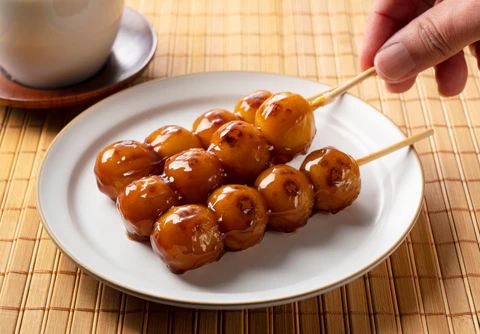
While strolling through the historic streets of Asakusa, I followed the scent of something slightly smoky and sweet. It led me to a tiny food stall beside a temple, where an elderly vendor was carefully grilling skewered rice dumplings over charcoal. I ordered a stick of mitarashi dango and watched as he brushed it generously with a glossy, amber-coloured sauce. The first bite was warm and chewy, the soy-based glaze balancing sweetness with a hint of salt and smokiness from the grill. The contrast between the soft dumplings and the sticky caramelised coating was addictive. Standing there, dango in hand with the temple bell chiming faintly in the background, I felt like I had just tasted a piece of old Tokyo.
📖 About Mitarashi Dango
Mitarashi dango is a traditional Japanese sweet made from chewy rice flour dumplings grilled on skewers and coated with a sweet-savory soy glaze. Originating from Kyoto but beloved in Tokyo, it’s a nostalgic treat often enjoyed during festivals or temple visits.
🍴 Best Places to Try It
Kagetsudo Asakusa
Famous for its handmade traditional sweets and street snacks. Their dango is grilled fresh daily.
📍 Location: Near Senso-ji Temple, Asakusa
💰 Cost: Around RM6–RM10 (JPY 200–350)
Gansozongoya
A small but iconic snack shop known for authentic, old-school mitarashi dango served the classic way.
📍 Location: Yanaka Ginza
💰 Cost: Around RM5–RM8 (JPY 180–280)
💡 Pro Tips
- Eat it fresh off the grill for the best flavour and texture.
- Pair it with hot matcha for a lovely balance of sweet and bitter.
- Avoid lunchtime crowds—mid-morning is perfect for a peaceful snack stop.
🥚 A Comforting Morning with Tokyo’s Tamago Sando

Source: RyuKoch
One quiet morning in Shibuya, I stepped into a tiny café tucked between bookstores and boutiques. It smelled like toasted bread and fresh eggs—comforting and nostalgic. I ordered a tamago sando, Japan’s famous egg sandwich, and it arrived looking deceptively simple: soft white bread hugging a thick, golden layer of fluffy egg. But the first bite told a different story. The egg was silky, slightly sweet, and perfectly seasoned, with just a hint of dashi. The bread was pillowy, almost melting into the egg like clouds. There was no need for fancy sauces or sides—it was pure, understated perfection. Sitting by the window watching the city wake up, I understood why locals love this humble sandwich.
📖 About Tamago Sando
Tamago sando is a classic Japanese egg sandwich, made with soft shokupan bread and a thick omelette or egg salad filling. Popular in konbini (convenience stores), cafés, and bento shops, it’s a staple of Tokyo’s grab-and-go food scene—simple, satisfying, and surprisingly refined.
🍴 Best Places to Try It
365 Days
A stylish bakery offering one of the fluffiest, most flavourful tamago sandos made with premium Japanese eggs.
📍 Location: Yoyogi-Uehara
💰 Cost: Around RM18–RM28 (JPY 600–900)
Konbi
A sleek, minimalist café serving tamago sando with thick, silky omelette slices and handmade bread.
📍 Location: Daikanyama
💰 Cost: Around RM20–RM35 (JPY 700–1,200)
💡 Pro Tips
- Try it fresh in the morning when the eggs are just made.
- Pair it with iced matcha latte or black coffee for a balanced breakfast.
- Want a richer taste? Look for versions with Japanese mayo or a dash of karashi mustard.
Recommended Hotels in Tokyo





🥟 A Bite of Gyoza That Took Me by Surprise in Tokyo
Source: Cardamom Magazine
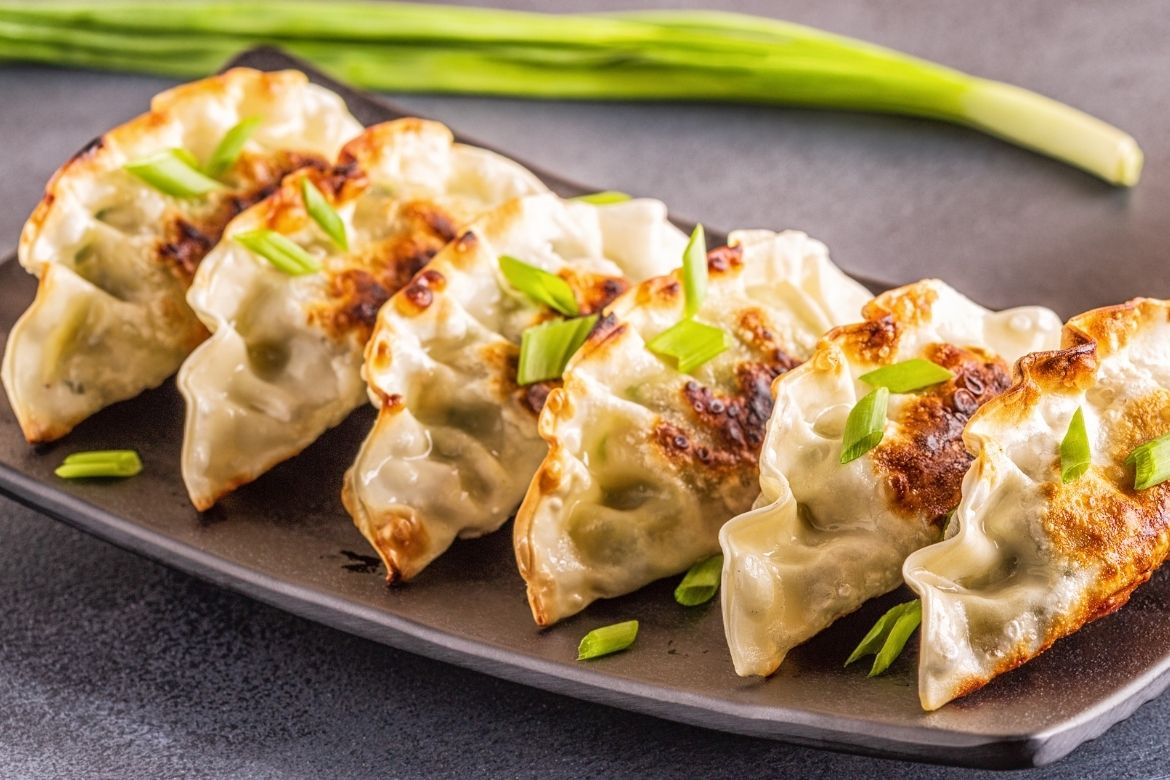
I stumbled upon a tiny gyoza shop tucked in an alley behind Harajuku Station, the kind of place you’d miss if not for the irresistible scent of garlic and sesame oil wafting through the air. Inside, it was all about the sizzling grill and the rhythmic clatter of plates. My plate of gyoza arrived golden brown, neatly lined and steaming hot. I dipped the first one into soy sauce with a touch of vinegar and chilli oil. The crispy bottom gave way to a juicy, garlicky pork filling wrapped in a delicate skin—rich, savoury, and perfectly balanced. It was comforting and addictive. The kind of dish that makes you nod with your eyes closed. Sharing that humble table with locals during lunch hour made the experience even more special.
📖 About Gyoza
Originally inspired by Chinese dumplings, gyoza has become a beloved Japanese street food. Tokyo-style gyoza is typically pan-fried until crisp on one side and juicy inside, served with dipping sauce. It’s a favourite side dish and casual snack in izakayas and ramen shops.
🍴 Best Places to Try It
Harajuku Gyoza Lou
A beloved spot with freshly made gyoza, crisp and juicy, perfect for a quick yet satisfying meal.
📍 Location: Harajuku
💰 Cost: Around RM15–RM25 (JPY 500–800)
Gyoza no Ohsho
A reliable chain with flavourful gyoza and speedy service—great for solo travellers.
📍 Location: Multiple outlets across Tokyo
💰 Cost: Around RM12–RM20 (JPY 400–700)
💡 Pro Tips
- Ask for both yaki (pan-fried) and sui (boiled) gyoza to compare textures.
- Add a few drops of chilli oil and black vinegar to your soy sauce for extra punch.
- Go during off-hours for shorter wait times; some shops get packed during lunch.
🍢 A Streetside Surprise: My First Oden in Tokyo
Source: Flavor of Japan
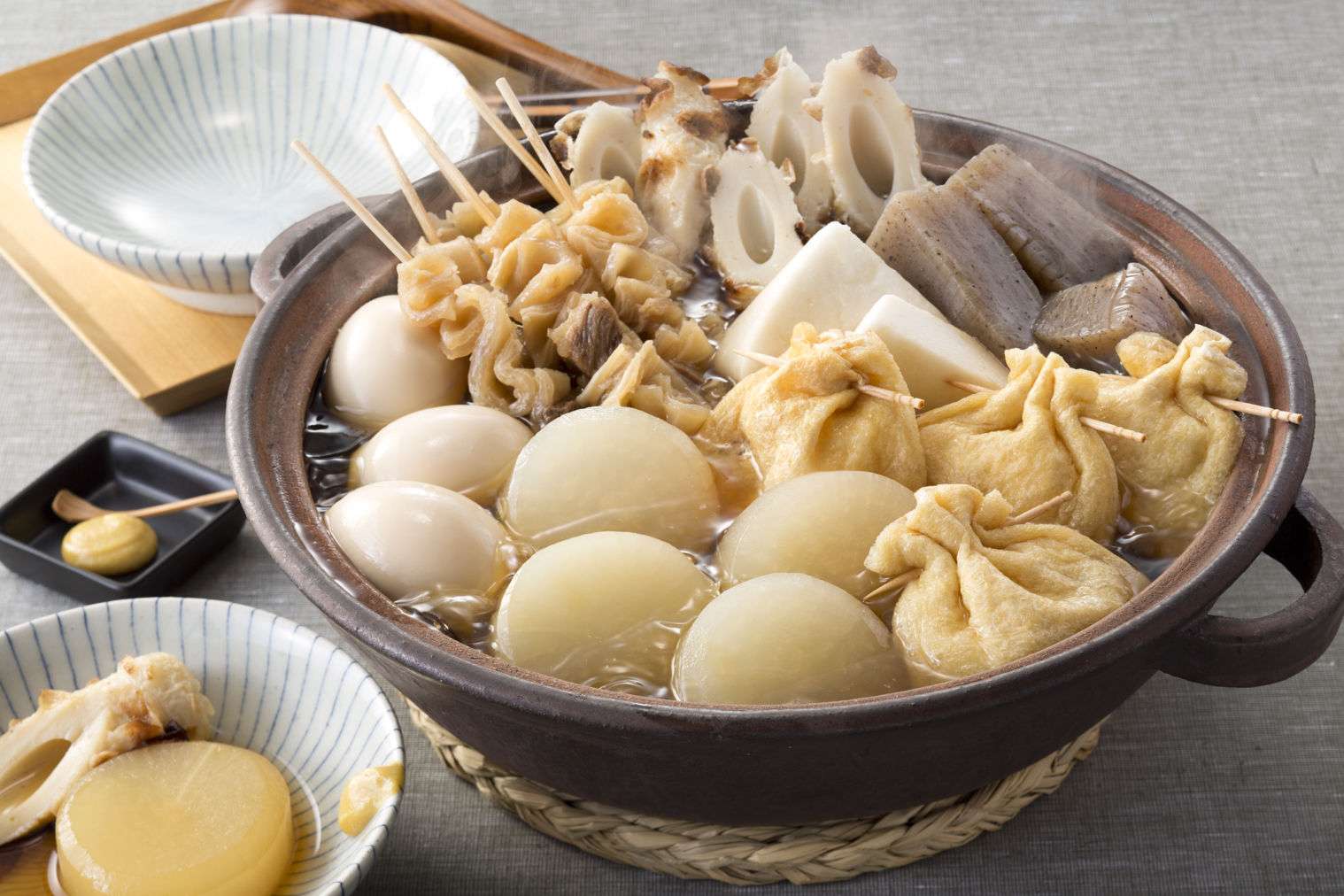
It was a chilly evening in Ueno when I spotted a humble food cart surrounded by salarymen sipping sake and chatting quietly. Intrigued, I stepped closer and was greeted by the warm, savoury aroma of simmering broth. I ordered a small bowl of oden, and the vendor carefully placed daikon, boiled egg, tofu, and fish cake into a light soy-based dashi. The steam rising from the bowl was comforting. My first bite into the daikon—soft, juicy, and infused with broth—was an instant hug in food form. Each item soaked up the delicate flavour, earthy and slightly sweet. I stood there, bowl in hand, savouring the warmth as the cold Tokyo air swirled around me. It wasn’t fancy, but it was unforgettable.
📖 About Oden
Oden is a traditional Japanese winter dish made of assorted ingredients simmered in a light dashi broth. Popular at street stalls, izakayas, and convenience stores, it’s a comfort food that Tokyoites return to year after year when the weather turns cold.
🍴 Best Places to Try It
Otafuku
A historic oden shop serving over 30 ingredients simmered in a rich, decades-old broth.
📍 Location: Asakusa
💰 Cost: Around RM20–RM40 (JPY 700–1,300)
Konbini Oden (7-Eleven)
Surprisingly good and ultra-convenient, konbini oden offers a quick taste of Tokyo’s favourite winter street food.
📍 Location: Multiple 7-Eleven stores across Tokyo
💰 Cost: Around RM8–RM15 (JPY 250–500)
💡 Pro Tips
- Point to what you want if you're unsure of the Japanese names—many vendors are used to tourists.
- Must-tries: daikon, hanpen (fish cake), and ganmodoki (tofu fritter).
- Pair with warm green tea or hot sake for the full winter experience.
Recommended Hotels in Tokyo
🍙 A Simple Joy: My First Taste of Onigiri in Tokyo
Source: Fused by Fiona Uyema
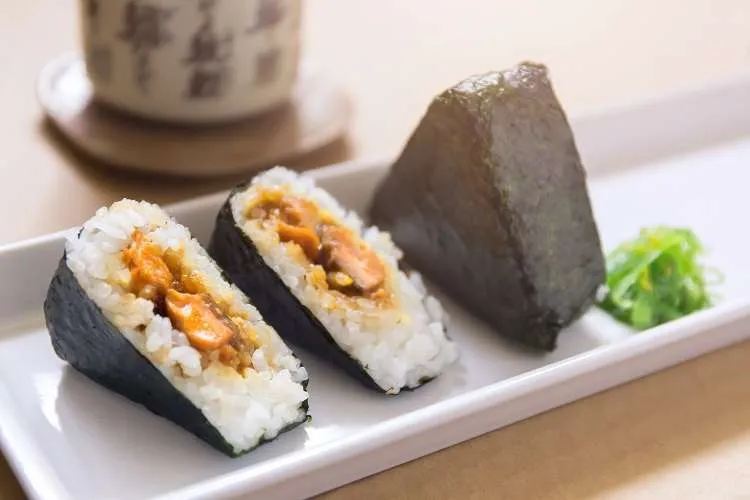
One quiet morning, I popped into a small shop in Ebisu that specialized in freshly made onigiri. The place smelled of warm rice and toasted seaweed, instantly comforting. I chose a classic kombu (kelp) onigiri, shaped by hand and wrapped in crisp nori. It felt warm in my palm. My first bite revealed soft, slightly sticky rice with a gentle saltiness, giving way to the savoury-sweet kelp hidden in the centre. The contrast between the warm rice and the crisp seaweed was incredibly satisfying—simple, but deeply flavourful. I sat on a bench outside, watching Tokyo rush by, while savouring each bite of this humble snack. It was a small moment, but one that felt uniquely Tokyo.
📖 About Onigiri
Onigiri, or Japanese rice balls, are a beloved staple of Tokyo life. Made with seasoned rice and filled with ingredients like salmon, tuna mayo, or pickled plum, they’re easy to eat on the go and often found in bento lunches, konbini, and specialty shops.
🍴 Best Places to Try It
Onigiri Bongo
A legendary shop known for thick, generously filled onigiri, made fresh to order with over 50 flavour options.
📍 Location: Otsuka Station
💰 Cost: Around RM8–RM15 (JPY 250–500)
Omusubi Gonbei
A popular chain offering delicious, freshly made onigiri with premium rice and seasonal fillings.
📍 Location: Tokyo Station and other areas
💰 Cost: Around RM6–RM12 (JPY 200–400)
💡 Pro Tips
- Eat while still warm for the best texture and flavour.
- Try the tuna mayo or umeboshi (pickled plum) for classic local tastes.
- Grab a bottle of cold green tea—perfect to balance the rice’s richness.
Discover Tokyo’s Unforgettable Food Journey
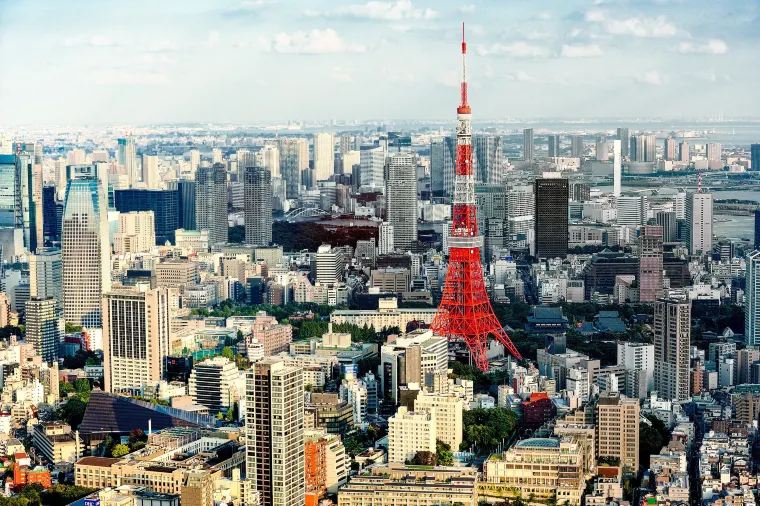
After eating my way through Tokyo’s bustling street alleys, hidden izakayas, and legendary food halls, I can say without a doubt—this city is a dream come true for food lovers. From delicate sushi prepared by masters to sizzling yakitori skewers grilled right in front of you, every bite in Tokyo tells a story of precision, culture, and passion.
Whether you're drawn to the comforting warmth of a ramen bowl or intrigued by the quirky charm of convenience store snacks, Tokyo offers a culinary experience that’s as diverse as it is delicious. Looking to dive into the city’s food scene? Book your flights and find the perfect stay near local food hubs like Shibuya, Asakusa, or Tsukiji. Trip.com has everything you need—from curated guides to insider dining tips.
Ready to explore the bold, the refined, and everything in between? Whether it’s your first time in Japan or your tenth, Tokyo’s ever-evolving food landscape always has something new to discover. So bring your curiosity—and your appetite—and get ready to taste Tokyo, one unforgettable dish at a time.
👉 Get Trip.com Exclusive Offers
👉Download the Trip.com App Now!
FAQs: Everything You Need to Know Before Visiting Tokyo
What are the must-try dishes in Tokyo?
Don’t miss out on iconic dishes like sushi, ramen, tempura, tonkatsu, okonomiyaki, and yakitori. These represent the depth and diversity of Tokyo’s rich food culture.Where can I find good seafood?
Head to Tsukiji Outer Market or Toyosu Market for ultra-fresh seafood. Sushi restaurants in areas like Ginza, Shibuya, and Asakusa also serve premium cuts straight from the market.Is halal food easy to find in Tokyo?
Yes, halal food is increasingly available in Tokyo. Look for halal-certified restaurants in districts like Shinjuku, Asakusa, and Ueno, and use apps or signs indicating halal options.What street food should I try?
Be sure to try takoyaki (octopus balls), taiyaki (fish-shaped pastries), yakitori (grilled chicken skewers), and crepes from Harajuku. You’ll find many of these at festivals, street stalls, or around shopping districts.When is the best time to visit food markets or stalls?
Visit morning markets like Tsukiji early (around 8–10 AM) for the freshest picks. For street food, explore areas like Ameya-Yokocho or Nakamise Street between 11 AM and 7 PM for peak variety.