

Bangkok Travel Tips 2025: Must Know Before You Go

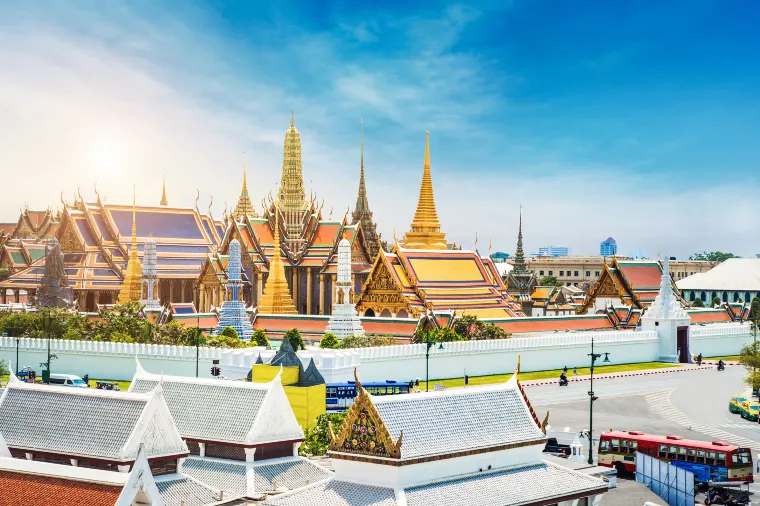
Hey there, fellow solo traveler! If you're planning a getaway to Bangkok, you're in for an exciting ride—think vibrant night markets 🛍️, rich cultural spots like Wat Arun and the Grand Palace 🛕, and street food that’ll make you want to move there permanently (hello, mango sticky rice and tom yum! 🍲). Whether you're café-hopping in Ari or hunting bargains at Chatuchak, Bangkok always has something unexpected to offer 🇹🇭
As a fellow Malaysian, I know we’re used to traveling around Asia—but Thailand has its own quirks, okay? Like when (or if) you should tip 💵, which local apps to download 📱, how to behave respectfully in temples, and even how to ask for less spicy food without offending anyone! 😅 This guide will help you make the most of your trip—no surprises, just smooth travel vibes—whether you're booking your flights to Bangkok or still looking at the top hotels in Bangkok. 🏨
🗣️ Language & Communication Tips in Bangkok
Alright, let’s talk language—because we Malaysians know how confusing things can get when you're in a new country and your go-to Bahasa, Manglish, or even basic English doesn't quite land 😅. The good news? Bangkok is surprisingly tourist-friendly, but there are still a few things to know that'll make your trip smoother and less "charades-style" when asking for directions! 🧭📱
🔉 What Language is Spoken in Bangkok?
In Bangkok, Thai is the main language spoken (of course), and you'll hear it everywhere—from street vendors to MRT announcements. English is somewhat understood in touristy spots like malls, hotels, airports, and popular cafes, but once you venture into local markets, street stalls, or hop into a taxi 🚕, it can get tricky. Compared to Malaysia, where many speak multiple languages or at least some English, Thais are generally less fluent, especially outside the city. So don’t assume English will get you everywhere—it helps to learn a few Thai phrases or use a translation app.
✅ Apps That’ll Save You
Here are the apps I personally use when I go Bangkok:
App | Why It's Useful | Offline? |
Google Translate | Camera mode is a lifesaver for reading menus or signs | Yes, if you download Thai language |
Thai Dict | Great for more accurate Thai-English translations | No |
LINE | Widely used in Thailand for messaging and sometimes even bookings | Yes, once installed |
💡 Tip: Use Google Translate’s “Conversation” mode when talking to someone—it translates both ways in real time!
✅ Cultural Communication Norms
Thais are generally soft-spoken, friendly, and polite. They really appreciate it if you wai (a small bow with hands together 🙏) when saying hello or thank you—it shows respect. Loud voices or aggressive gestures can come off as rude, so tone it down even if you’re excited or frustrated. Also, don’t point your feet at people, and avoid touching someone’s head—these are big cultural no-nos. Keep it chill, smile often (seriously, it works wonders 😊), and always be respectful when asking for help.
📋 Handy Thai Phrases for Travelers
English Phrase | Local Language | Romanization | When to Use |
Hello | 你好 | Sawasdee | Greeting someone politely 👋 |
Thank you | Terima Kasih | Khop khun | After receiving help/service 🙏 |
How much is this? | Bearapa harga ini? | An-nee tao-rai? | While shopping 🛍️ |
Where is the toilet? | Di mana tandas? | Hong nam yoo tee nai? | Emergency situations 🚽 |
I don’t understand | Saya tidak faham | Fang mai kao | When someone speaks too fast 😅 |
✅ Final Tips from One Malaysian to Another:
- Screenshot your hotel address in Thai and English—super helpful for taxis and tuk-tuks. 🏨📸
- If you're unsure how to say something, type it in Google Translate and show your screen—works better than trying to pronounce it wrong 🙈.
- Some tourist hotspots (like massage places or markets) have bilingual name cards or signs—take one and keep it with you.
Traveling in Bangkok without speaking fluent Thai isn’t a deal-breaker, but a few key phrases and the right app can make a huge difference. Happy exploring—and don’t worry, you’ll pick up bits of Thai along the way lah! 🇹🇭✨
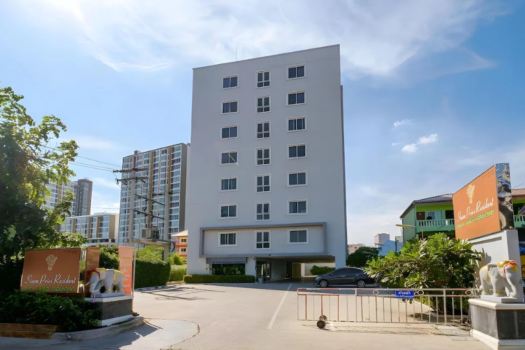
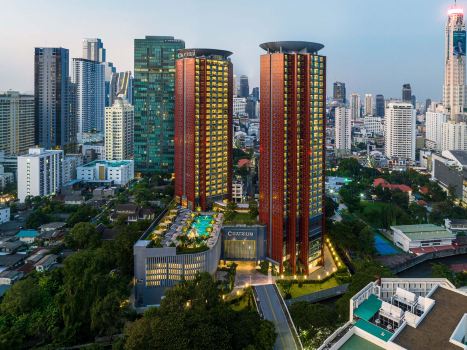
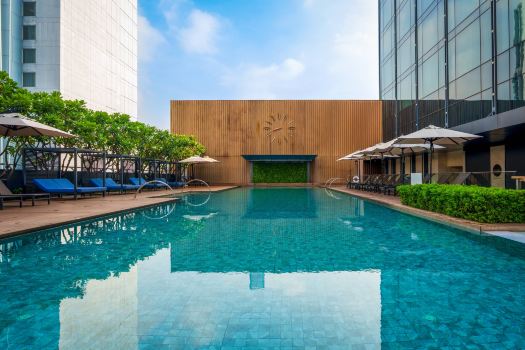
Recommended Hotels in Bangkok
 NO.1
NO.1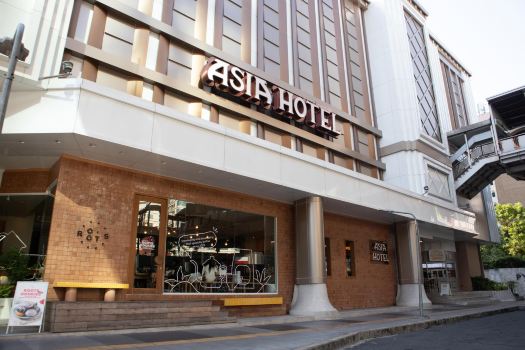

💳 Payment Methods & Popular Apps in Bangkok

Planning your Bangkok adventure soon? 🇹🇭 As a fellow Malaysian, let me help you prep for one part of the trip that’s often overlooked—how to pay for stuff! Trust me, the payment scene in Thailand is a bit different from back home, especially if you’re used to just tapping your Maybank QR or whipping out your Touch ’n Go eWallet. Here’s how it really works on the ground in Bangkok! 📱💵
✅ Cash, Card, or Contactless?
In short: Cash is still king in Bangkok. Even though Thailand is becoming more digital, many street food stalls, tuk-tuk drivers, and small market vendors still prefer good old Thai baht in hand. So yes, keep small notes handy—RM5s and RM10s are your best friends!
That said, credit/debit cards 💳 are accepted at:
✅ Malls (MBK, Terminal 21, Central World)
✅ Hotels & chain restaurants
✅ Airport counters and larger supermarkets
💡 Pro Tip: Some shops have a minimum spend for cards (usually RM40–RM70), and smaller places might charge a fee for using cards.
✅ Mobile Wallets in Thailand
Thailand has its own digital payment ecosystem, and locals mostly use:
- TrueMoney Wallet 🟠 – Common at 7-Eleven and some food courts
- PromptPay (Thai QR) – Linked to local bank accounts; super popular among locals
⚠️ BUT: Most Thai e-wallets require a Thai phone number and local ID, so foreigners (like us!) can’t fully register. Stick with cash or cards.
✅ ATMs & Currency Exchange
No worries—ATMs are everywhere in Bangkok, even in 7-Eleven stores. Just be aware:
- 💸 International card withdrawal fee: Around RM28 per transaction
- 🏧 Use official bank ATMs (like Bangkok Bank, Krungthai) for reliability
- 📍 Avoid exchanging money at the airport—SuperRich or Value+ in the city gives way better rates
💡 Pro Tip: Withdraw larger amounts in one go to reduce the fee impact, and use ATMs during the day for safety.
✅ Must-Have Everyday Apps in Bangkok
Here are some handy apps I always keep on my phone whenever I visit:
App Type | App Name | Notes / Use Case |
E-Wallet | TrueMoney Wallet | Great for 7-Eleven & some market stalls 🛍️ |
Ride-Hailing | Grab | The go-to for rides and even food deliveries 🚗 |
Delivery | Foodpanda / GrabFood | Quick meals in the city 🍱 |
Messaging | LINE | Used by locals, small businesses & salons 💬 |
Navigation | Google Maps | Works well, especially for BTS/MRT routes 🗺️ |
✅ Pro Tips from a Malaysian Traveler
- 📲 Download all apps before flying—some Thai SIM cards require verification before downloading from the app store.
- 💵 Always carry small notes (RM5/RM10/RM20)—most street stalls won’t have change for larger bills or accept QR pay.
- 🛜 Some tourist SIMs (like AIS or DTAC) come bundled with Grab or Foodpanda discounts—look out for those at the airport!
Staying cash-ready but app-smart is the best combo in Bangkok. With the right mix of ringgit, cards, and a few apps, you'll be navigating the city like a local in no time. 🛺Safe travels, and don’t forget to grab a fresh mango sticky rice after your market spree!
💵 Tipping & Service Etiquette in Bangkok

Malaysians aren’t used to tipping much, unless it’s in fancy restaurants or hotels. So when you land in Bangkok, it can feel a bit confusing. Do you tip the Grab driver? What about the massage therapist? Don’t worry—tipping in Thailand is generally appreciated but not compulsory, and most locals don’t go overboard either.
✅ Tipping Culture in Thailand
Tipping isn’t “required” in Thailand, but it’s definitely appreciated—especially by those in service roles. In fact, you’ll notice that many locals themselves will round up the bill or leave a small note as a thank you. Most restaurants already include a 10% service charge, so you don’t need to tip extra—unless the service was excellent.
🧍♂️ Pro tip: If you’re unsure, remember this simple rule: small gestures > big tips. Even RM2–RM5 (20–40 baht) makes someone’s day.
✅ Where & How Much to Tip
Here’s a quick cheat sheet, based on real Malaysian travel experience:
Service | Tipping Amount (in RM) | Notes |
🏨 Hotel Bellboy | RM2–RM5 | Per bag is fine. Give it directly when they help. |
🧹 Hotel Housekeeping | RM5 per day | Leave on the pillow or desk before checkout. |
🍽️ Restaurants | Optional RM3–RM5 | If no service charge, round up the bill. |
☕ Cafés / Street Food | Not expected | Locals don’t usually tip here. |
🚕 Taxi / Grab | Round up to nearest RM | Just say “keep the change” if you like the service. |
💆 Massage / Spa | RM5–RM10 | More if it’s a higher-end place or amazing service. |
💇♂️ Hair Salon | RM5–RM10 | Especially if they spent a long time on your hair. |
✅ How to Tip in Bangkok
- 💵 Cash is best. Just hand it over with a smile or leave it on the table. No envelopes or awkward formality needed.
- 📱 Some digital tipping options exist through Grab or Foodpanda, but they’re not common outside the app ecosystem.
- 💡 No need to convert huge amounts—RM2 or RM5 is already a kind gesture in most situations.
✅ Cultural Nuances to Note
- 💰 Avoid tipping in small coins (like 1 baht). It’s seen as cheap or impersonal.
- 😅 If someone politely refuses a tip, don’t feel offended. It’s just part of Thai humility—sometimes they genuinely don’t expect it.
✅ Final Word from One Malaysian to Another
Don’t stress lah—tipping isn’t going to make or break your trip. If you’re happy with the service, rounding up a little or leaving small change is always appreciated. No one expects big tips—it’s the gesture that counts🙏 Now that you're clear on the tipping culture, go ahead and pamper yourself with that massage or delicious boat noodles. You’ve earned it! 😌
🛡️ Safety & Emergency Info in Bangkok
As a fellow Malaysian, I know we tend to worry a bit when going abroad—“Is it safe to jalan-jalan at night?” or “Can I drink the water?” So let me just say this upfront: Bangkok is generally a safe city for travelers. It's vibrant, welcoming, and most areas feel secure—even after dark 🌃, kinda like walking around KL's Bukit Bintang, just with more 7-Elevens.
✅ Overall Safety Snapshot
Thailand is very tourist-friendly, and Bangkok especially sees millions of travelers each year. Violent crime is rare, but petty theft, pickpocketing, and tourist scams can happen—especially in busy markets like Chatuchak 👜 or around tourist hotspots like the Grand Palace. But don’t worry—just like in Malaysia, use your common sense and stay alert, and you'll be fine.
✅ Top Local Safety Tips
Here are my go-to rules every time I visit:
- Be alert in crowded areas like night markets or BTS trains—use crossbody bags and keep zips closed.
- Use Grab instead of random tuk-tuks or taxis—it’s safer and avoids “tourist price” haggling.
- Avoid wandering alone in dark alleys or quiet sois (lanes) at night.
- Don’t flash cash, phones, or branded items—snatch thefts are rare but possible.
- If unsure, ask for help at a 7-Eleven or hotel counter—staff often speak basic English and are used to tourists.
📞 Emergency Contacts in Bangkok
Emergency Type | Local Number | Notes |
👮 Police | 191 | For reporting theft, scams, or suspicious activity |
🚑 Ambulance | 1669 | Public ambulance—may take time or require payment |
🚒 Fire Department | 199 | Rarely needed, but good to know |
🏥 Medical Help & Pharmacies
- Clinics and hospitals are easy to find, especially in central areas like Sukhumvit or Silom.
- Major hospitals like Bumrungrad and Samitivej have English-speaking staff and cater to international patients 🏥.
- Pharmacies like Boots or Watsons are everywhere, but staff may only speak limited English.
- 💊 Pack your own meds like Panadol, motion sickness pills, or flu medicine—labels in Thai can be confusing.
🧭 Cultural Notes from a Malaysian's POV
- Locals are generally polite and helpful—they may not speak English fluently, but they’ll try to assist.
- Public drama or shouting is rare. Thais value calmness and harmony, so speak softly and smile 😊.
- If you do run into trouble, try not to panic or raise your voice—staying calm gets better help.
✅ Final Reassurance
Bangkok is one of the most traveler-friendly cities in Southeast Asia 🇹🇭. As long as you use basic street smarts and keep emergency info handy, your trip will be safe, fun, and full of great memories. Just like we say back home: jaga diri, jangan cuai, and enjoy your makan-makan and jalan-jalan! 😄✨
Recommended Hotels in Bangkok
🌸 Cultural Etiquette & Local Customs in Bangkok
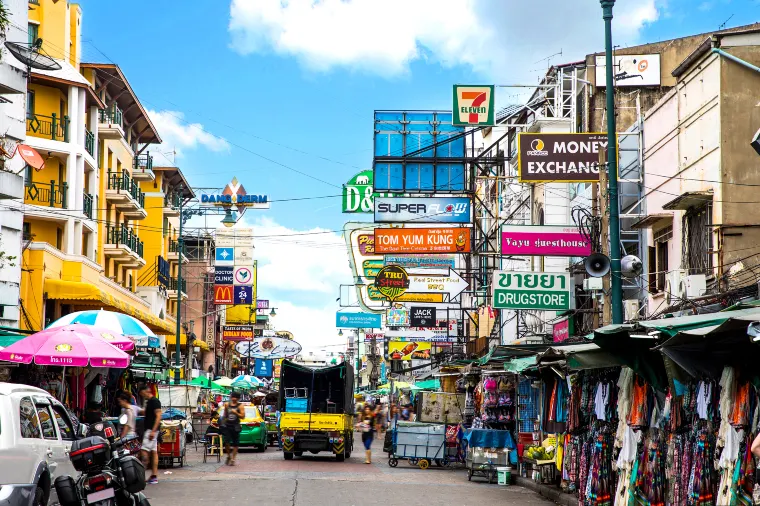
If you’re heading to Bangkok soon, let me share a few “before you go” tips from one Malaysian to another 🇲🇾✈️🇹🇭. Thai culture is warm, gentle, and deeply respectful—so understanding a bit about local customs can really enrich your trip and help you blend in nicely. Trust me, even small gestures can earn you big smiles in Thailand 😊
✅ General Cultural Vibe
Thai people are generally calm, friendly, and respectful. You’ll notice they speak softly, avoid confrontation, and almost always smile 😊—which is why Thailand is famously called “The Land of Smiles.” Public behavior leans toward polite and composed, so shouting, arguing, or being overly expressive in public isn’t common.
✅ Etiquette Do’s & Don’ts (A Quick Guide)
Here are some essential dos and don’ts to help you avoid awkward moments:
- Take off your shoes before entering someone’s home or even certain shops or cafes.
- Do the “wai” (palms together with a slight bow) when greeting someone older or in formal settings—it’s a beautiful Thai custom.
- Never point with your feet—feet are considered the lowest part of the body and it’s disrespectful.
- Use both hands when giving or receiving something, especially from elders.
- Avoid touching anyone’s head, even children—it’s seen as sacred.
- Public displays of affection are frowned upon, so save the hugs and kisses for private moments.
- Ask before taking photos of monks or locals, especially in temples or rural areas.
🍽️ Dining Etiquette in Thailand
Eating in Bangkok is such a joy, and mealtimes are often casual but with a few unspoken rules:
- Dishes are shared, like in Malaysian Chinese families—order a few and everyone gets a taste.
- Spoon and fork are standard, not chopsticks (unless it’s noodles).
- Wait for the host or elder to start eating first if you’re dining with locals.
- Don’t stick your fork into rice or use it to eat directly—use the fork to push food onto your spoon.
- A quiet “khop khun ka/krap” (thank you) after the meal goes a long way!
👗 Dress Code & Body Language
In general, Bangkok is quite relaxed with fashion, but modesty still matters in certain situations:
- 🛕 Cover your shoulders and knees when visiting temples—carry a sarong or shawl in your bag just in case.
- 🚫 Avoid pointing fingers or beckoning with your palm facing up—it can be seen as rude.
- 🤝 A slight nod or “wai” is more polite than an aggressive handshake in most situations.
🙋 Interaction Norms
- Thai people greet each other with a gentle “wai” and a soft “Sawasdee ka” (for women) or “Sawasdee krub” (for men).
- They tend to be subtle and indirect, especially in giving opinions—so be tactful in how you ask or respond.
- 🗣️ Small talk is common, especially in shops or Grab rides. Don’t be shy to smile and chat a little.
🧡 Cultural Curiosity Tip
Locals truly appreciate it when visitors try to follow Thai customs. Even if you mispronounce a word or fumble a “wai,” your effort shows respect—and that’s what matters most
So go with an open heart, soak up the culture, and remember: in Thailand, kindness and humility speak louder than words ✨
🧳 Final Travel Advice & Helpful Links for Bangkok

Alright lah, if you’ve made it this far—you’re more than ready for your Bangkok adventure! 🇹🇭✨ As a fellow Malaysian who’s explored Bangkok more than once, I can tell you: having the right info about simple things—like how to get around, local etiquette, tipping culture, and which apps to use—makes a huge difference to your overall experience.
You don’t need to be super fluent in Thai or know every street in Sukhumvit. Just being a little aware of how things work in Bangkok already puts you ahead of the typical tourist crowd 👍
🌟 There's So Much More to Discover
Whether you're planning to chill at a stylish café in Ari, go temple-hopping in Old Town, or makan-makan through night markets in Lat Phrao, each area of Bangkok has its own vibe. Don’t just stick to the malls—explore small alleyways, ride the boat along Chao Phraya, try local food stalls you wouldn’t find on TikTok. Part of the fun is discovering the charm in the everyday things ✨
📲 A Few Last Planning Tips
To make your trip even smoother, you might want to check out:
- Flights to Bangkok – So you can get the best travel times (and maybe avoid peak crowd hours).
- Hotels in Bangkok – From budget hostels to boutique stays near BTS stations.
- Things to Do in Bangkok – Including local favorites that many tourists miss.
🙌 Last Word Before You Go
Bangkok has a way of surprising you in the best way possible. It’s loud, colorful, sometimes chaotic—but always full of heart. With these tips in your pocket and a bit of Malaysian chill in your step, you’re all set for an awesome trip 🌏
Have a great trip, and enjoy every moment of your adventure in Bangkok! 🌟Selamat jalan & have fun, kawan! 💛
FAQs: Bangkok Travel Tips
-
1. Do I need a visa to enter Bangkok?
-
2. Is it safe to eat street food in Bangkok?
-
3. Should I use cash or card in Bangkok?
-
4. What’s the best way to get around Bangkok?