
For many Malaysians, travelling abroad is not just about sightseeing but it’s also about enjoying sports and outdoor adventures. Whether you are planning a golf trip in Thailand, skiing in Japan, cycling in Europe, or diving in the Maldives, bringing your own sports equipment can make the experience more enjoyable and comfortable. However, carrying large or special items on a plane can be tricky. Different airlines have their own rules, size limits, and extra charges for sports gear. As a Malaysian traveller, it’s important to understand these policies before you fly to avoid unexpected costs and ensure your equipment arrives safely at your destination.
Are Sports Equipment Allowed in Flights?
Source: Karkoa
Yes, sports equipment is generally allowed on flights, but the rules depend on the airline, the route, and the type of gear you plan to bring. For Malaysian travellers, this means you can usually carry your favourite sports equipment when flying overseas, but you must follow the airline’s specific requirements.In most cases, sports gear is treated as checked baggage rather than hand luggage. Large or bulky items such as bicycles, golf bags, surfboards, skis, or diving equipment are not suitable for the cabin due to their size and safety concerns. Instead, they must be checked in at the counter and properly packed to avoid damage.
Some equipment is widely accepted across international airlines, such as:
- Golf Bags – Malaysia Airlines, AirAsia, and many other carriers allow golf bags, sometimes with special baggage handling.
- Bicycles – Accepted if packed in a bike box or protective case.
- Surfboards, Skis, and Snowboards – Commonly allowed but subject to size limits.
- Diving Gear – Regulators, masks, and wetsuits are allowed, but scuba tanks must be completely empty.
However, certain items come with restrictions. For example, lithium batteries used in e-bikes or electric scooters may not be allowed in checked baggage, while sharp items like fishing hooks, arrows, or ice skates must be checked in and cannot be carried in the cabin. Pressurised items, such as scuba tanks, must be completely depressurised for safety reasons. For Malaysian travellers, it’s important to remember that each airline has its own rules. Budget airlines may have stricter policies and higher fees, while full-service airlines may include some sports equipment under your standard baggage allowance. To avoid last-minute issues at the airport, always check your airline’s website or contact customer service before your flight.
👉 In short, sports equipment is usually allowed, but preparation is key. By confirming the rules in advance and packing properly, Malaysian travellers can enjoy their sporting holidays without hassle.
🛫 Check Airline Policies
Source: KLSE Screener
When it comes to bringing sports equipment on a plane, airline policies are not the same across the board. Each airline sets its own rules on what is allowed, how items should be packed, and whether extra charges apply. For Malaysian travellers, this means you cannot assume that all airlines will treat your golf bag, surfboard, or bicycle in the same way.
Full-Service Airlines vs. Budget Airlines
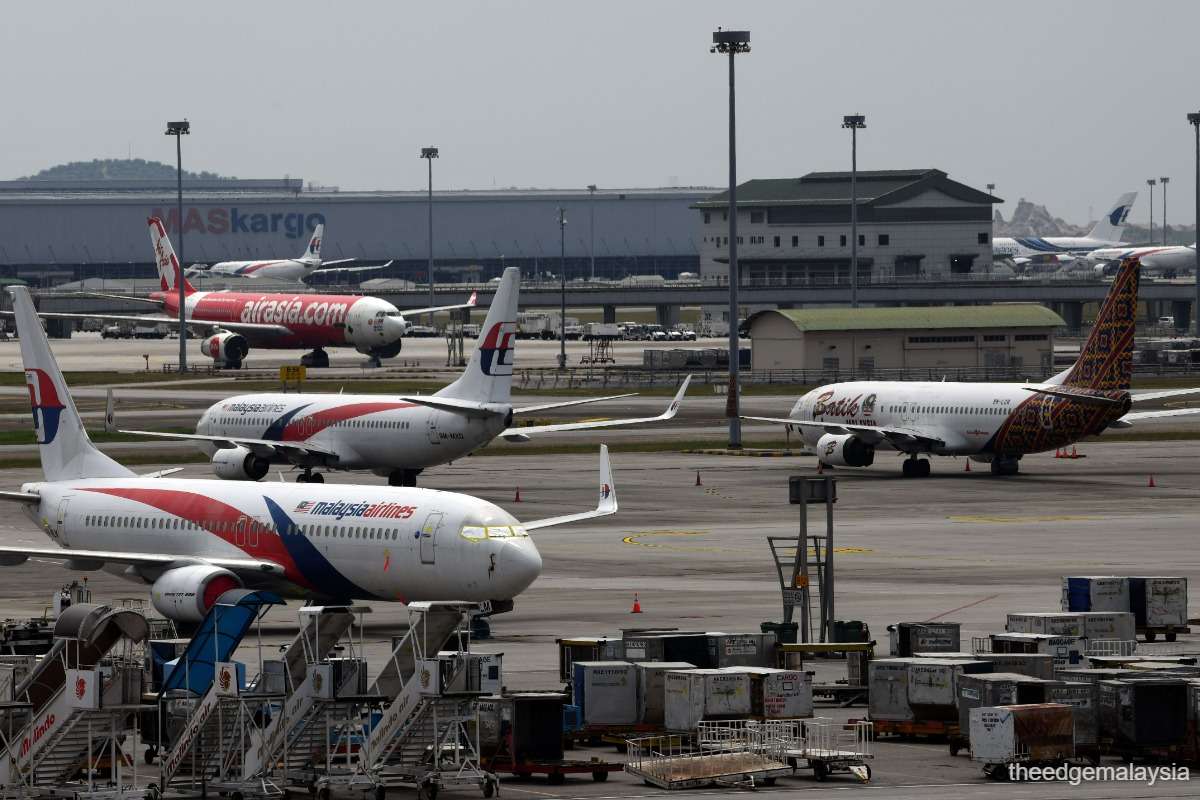
Full-service airlines such as Malaysia Airlines, Singapore Airlines, or Emirates are often more flexible. In many cases, sports equipment may be included as part of your normal checked baggage allowance, provided it does not exceed the weight and size limits. On the other hand, low-cost carriers like AirAsia or Scoot usually treat sports equipment as special baggage, which means you will need to pay additional fees.
Special Handling Items
Some airlines classify certain equipment, such as surfboards, skis, or bicycles, as “special items” due to their size or fragility. These items may require protective packaging, such as a hard case or padded bag, and may be tagged separately for handling.
Regional vs. International Flights
Rules can also differ depending on whether you are flying on a short regional route or a long-haul international flight. For example, a bicycle may be accepted on a Malaysia–Thailand route but could face stricter size restrictions on connecting flights in Europe.
Advance Booking
Airlines often require you to declare sports equipment in advance, especially for oversized items like surfboards or bicycles. This ensures the airline has enough space in the cargo hold. Failure to pre-book could result in higher fees or, in some cases, the airline refusing to carry the item.
Why It Matters for Malaysian Travellers
Malaysians travelling for golf holidays in Thailand, skiing in Japan, or diving in Indonesia may find that baggage allowances and handling fees vary widely. By checking the airline’s policy before booking, you can avoid unpleasant surprises at check-in and save on unnecessary costs.
👉 Tip: Always review your airline’s official website or contact customer service before buying your ticket. This small step can help ensure your sports equipment is accepted and that you are fully prepared for any extra charges.
🏌️ Commonly Accepted Sports Equipment
Source: The Points Guy
Most airlines allow travellers to bring a variety of sports equipment on board, but there are specific rules for each type of item. For Malaysians planning golfing holidays, diving trips, or cycling tours abroad, it’s important to know how airlines generally handle these items.
1. Golf Bags
Golf is very popular among Malaysian travellers, especially for trips to destinations like Thailand, Indonesia, and Vietnam. Most international and regional airlines accept golf bags, but they may require special tags for identification. Airlines usually allow one standard golf bag containing clubs, balls, and shoes, provided it does not exceed weight limits. Some full-service airlines even include golf bags in the normal baggage allowance, while budget carriers often charge extra.
2. Bicycles
Cycling enthusiasts can bring bicycles on planes, but airlines typically require them to be packed in a bike box or a protective hard case. Before check-in, travellers should remove pedals, deflate tires, and turn the handlebars sideways or detach them. For Malaysians flying to Europe or Australia for cycling tours, advance booking is strongly recommended, as some airlines only allow a limited number of bicycles per flight.
3. Surfboards, Snowboards, and Skis
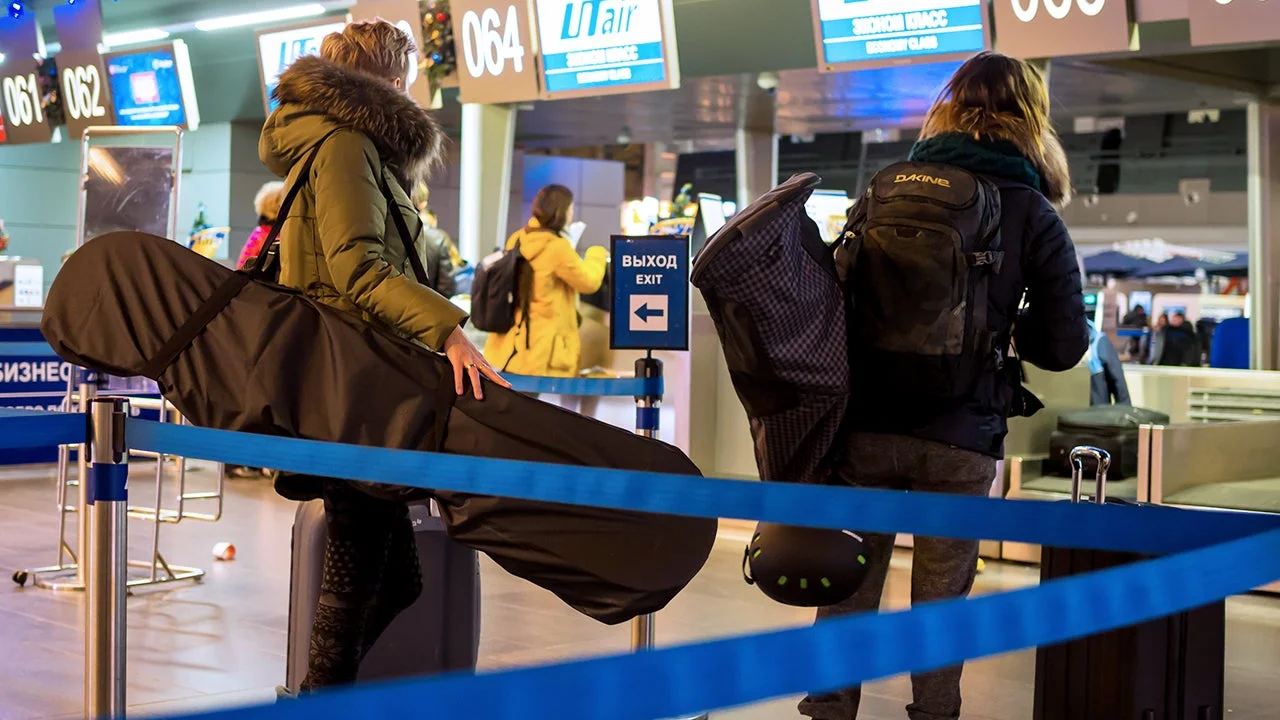
Malaysians heading to Bali for surfing or to Japan and South Korea for skiing and snowboarding can bring their boards, but airlines enforce strict size and weight restrictions. Surfboards, snowboards, and skis are generally accepted as checked baggage if they are properly packed in padded board bags or ski bags. However, oversized boards may attract additional charges, so it is best to check the maximum length allowed by the airline before booking.
4. Diving Equipment
Malaysia is known for its diving spots, and many travellers bring their own gear when visiting international dive sites. Regulators, masks, wetsuits, and fins are usually accepted as checked baggage. However, scuba tanks and cylinders must be completely emptied of compressed air for safety reasons. Airlines may require the valve to be removed to prove the tank is depressurised. Diving lamps with lithium batteries may need to be carried in hand luggage, depending on the airline’s rules.
5. Other Equipment
- Fishing Gear – Allowed but must be packed securely in hard cases, with sharp hooks checked in.
- Tennis or Badminton Rackets – Usually allowed as cabin baggage, but size limits vary by airline.
- Skates (Ice or Roller) – Accepted as checked baggage; ice skates are not permitted in cabin bags due to sharp blades.
🔥Explore Singapore
✈ Fly to SingaporeEnjoy Singapore Travel Deals for Hotel & Flights! Trip.com Exclusive Promo Codes up to 12% OFF for Flights & RM80 OFF for hotel available every Wednesday!

📦 Packing Requirements
Source: Malaysia Airlines
Packing your sports equipment correctly is just as important as checking the airline’s rules. Airlines often require that items are safely secured to prevent damage during handling and transport. For Malaysian travellers flying with golf clubs, bicycles, diving gear, or boards, proper packing ensures not only the safety of your equipment but also compliance with airline policies.
1. Use Proper Protective Cases or Bags
- Airlines strongly recommend hard-shell cases or padded sports bags for fragile or oversized equipment.
- For golf bags, consider using a golf travel cover with extra padding around the club heads.
- Bicycles should be packed in a bike box or hard case, which can usually be purchased from bicycle shops or the airline itself.
- Surfboards, skis, and snowboards should be stored in padded board bags to reduce the risk of cracks or dents.
2. Remove Detachable Parts
- To save space and protect the item, remove small or delicate parts.
- Bicycles: Take off pedals, deflate tires, turn handlebars sideways, and detach accessories like bottle holders.
- Surfboards / Snowboards: Remove fins and any removable straps.
- Diving Equipment: Disconnect hoses and pack them separately.
3. Wrap Fragile Items
- Use bubble wrap, foam padding, or even clothes to cushion delicate areas.
- Golf clubs and fishing rods should be individually wrapped to prevent scratching or bending.
- Place smaller items like masks, regulators, or fins inside sturdy bags to avoid them being crushed.
4. Follow Size and Weight Guidelines
- Packing does not just mean protection—it also ensures your items meet the airline’s weight and dimension limits.
- Overpacking or using overly bulky cases could push your equipment into the oversized baggage category, leading to extra fees.
5. Label Your Equipment Clearly
- Attach name tags and contact details on your sports equipment bag in case it gets misplaced.
- Some Malaysian travellers also place a copy of their itinerary inside the bag for easy identification.
6. Insurance and Extra Precautions
- Even with good packing, sports equipment can be damaged during transit. Consider buying travel insurance that covers sports gear.
- If possible, take photos of your packed equipment before check-in. This helps in case you need to file a claim.
🔥VISA SKY PRIVILEGE
Experience Malaysia Airlines Business Class with return fares from RM399 to Langkawi, Tawau, Kuching, Kota Kinabalu, Ho Chi Minh City and Da Nang.
Exclusively for VISA Infinite cardholders.

Valid from 20 September – 31 October 2025. T&Cs apply.
⚖️ Size and Weight Limits
Source: cph.dk
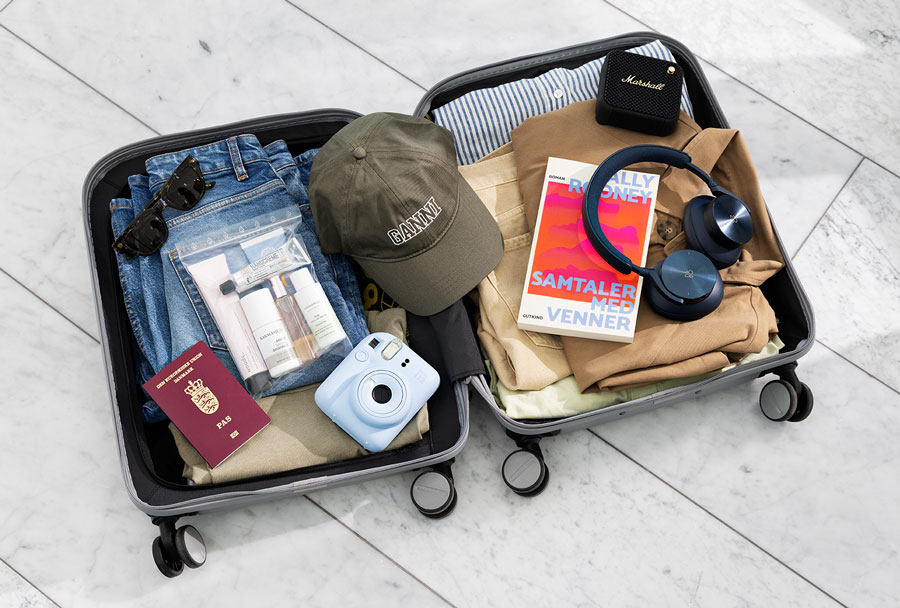
When bringing sports equipment on a plane, size and weight are two of the most important factors that determine whether your gear can be checked in smoothly—or whether you’ll face additional charges. For Malaysian travellers, understanding these limits can help you plan better and avoid unnecessary expenses.
1. Standard Baggage Allowances
- Most full-service airlines, such as Malaysia Airlines, Singapore Airlines, Qatar Airways, or Emirates, provide a standard checked baggage allowance of 23kg or 30kg per bag, depending on your ticket class and destination.
- If your sports equipment falls within this weight allowance and size limit, it may be accepted as part of your normal baggage without extra charges.
2. Oversized Equipment
- Sports gear is often bulky, and many items (such as surfboards, bicycles, or skis) may exceed normal size limits.
- The maximum linear dimension (length + width + height) allowed for checked baggage is usually 158 cm. However, some airlines make exceptions for sports equipment and allow up to 300 cm, but with special handling fees.
- Budget airlines such as AirAsia or Scoot usually apply stricter size restrictions and charge additional fees for oversized items.
3. Weight Considerations
- Even if your equipment is within the allowed size, exceeding the weight limit will result in extra charges. For example:
- A golf bag heavier than 23kg may incur overweight baggage fees.
- Diving equipment, especially if packed with accessories, can quickly become heavier than expected.
- To avoid surprises, it’s a good idea to weigh your equipment at home before heading to the airport.
4. Special Allowances for Sports Equipment
- Some airlines provide special allowances where sports equipment is charged at a fixed rate, regardless of weight. For example, golf bags are sometimes considered “one piece” of luggage, even if they are slightly oversized.
- Certain promotions or travel packages (like golfing or diving holidays) may also include additional baggage allowances for sports gear.
5. Why It Matters for Malaysian Travellers
- Malaysians often fly to regional destinations like Thailand, Indonesia, and Vietnam for golf, diving, and surfing, where budget airlines dominate. On these flights, strict size and weight rules usually apply, and fees can add up quickly if you are not prepared.
- For long-haul trips such as skiing in Japan or Europe, full-service airlines are usually more generous, but oversized sports gear may still need to be pre-booked to guarantee space in the cargo hold.
🔥Fly to the Philippines
Enjoy SEA Travel with weekly promo codes on WednesdaysSave 12% on flights and RM50 on hotels!

💰 Extra Charges

The cost of bringing sports equipment on a plane varies greatly depending on the airline. While some carriers treat certain sports gear as part of the standard baggage allowance, others apply extra charges for oversized or heavy items. For Malaysian travellers, this is an important factor to consider when planning a trip.
1. Included in Baggage Allowance
- Full-service airlines such as Malaysia Airlines, Singapore Airlines, Qatar Airways, or Emirates often allow common sports equipment (like golf bags or skis) to be counted as part of your normal checked baggage allowance, provided they meet the weight and size limits.
- This means you might not have to pay extra if your equipment is within your baggage entitlement.
2. Flat Fees or Oversized Charges
- Some airlines apply a flat handling fee for sports items such as surfboards, bicycles, or diving gear, regardless of weight.
- Oversized baggage fees usually apply if the item exceeds the airline’s standard size limit (often 158 cm in total dimensions).
- Fees vary widely: a surfboard might be free on one airline but could cost RM200–RM400 per flight on another.
3. Budget Airlines and Higher Costs
- Low-cost carriers such as AirAsia, Scoot, or Jetstar often charge higher rates for sports equipment since it is not included in their basic baggage allowance.
- Passengers must pre-book sports equipment online to get cheaper rates. Paying at the airport counter usually costs significantly more.
- For Malaysians travelling regionally on budget airlines, this can become a major part of travel costs, especially when carrying bulky gear like bicycles or surfboards.
4. Tips to Save Money
- Always pre-book your sports equipment online instead of paying at the airport.
- Compare airline fees before booking flights, especially if your trip is sports-focused.
- Consider choosing a full-service airline if you are travelling with heavy or multiple sports items—it may be cheaper overall than paying add-on fees with a budget carrier.
🔒 Security and Safety Restrictions

Source: LinkedIn
Airlines must follow international aviation safety rules, which means certain sports items are restricted or require special handling. Malaysian travellers should be aware of these restrictions to avoid delays or confiscation at the airport.
1. Sharp Objects
- Items such as arrows, fishing hooks, darts, or ice skates are not allowed in cabin luggage due to safety concerns.
- These must be checked in and securely packed in hard cases or padded bags to prevent injury during handling.
2. Pressurised Items
- Scuba tanks or cylinders are generally not allowed if they are filled with compressed air.
- To be accepted, they must be completely empty and depressurised, with valves removed if required by the airline.
3. Lithium Batteries and Electronics
- Sports equipment with lithium batteries, such as e-bikes, hoverboards, or diving lamps, often face restrictions.
- Airlines may require lithium batteries to be carried in hand luggage instead of checked baggage.
- Large lithium batteries (above certain watt-hours) may not be permitted at all. Always confirm with your airline before flying.
4. Flammable or Hazardous Equipment
- Items containing flammable liquids or gases (such as camping stoves, fuel canisters, or air guns) are either restricted or completely banned.
- If you are carrying such equipment for outdoor sports, check with your airline and consider renting at your destination instead.
📝 How Do I Add Sports Equipment to a Flight?
Source: ENAC
Adding sports equipment to your flight booking is a simple process, but it’s important to do it correctly to avoid higher fees or rejection at the airport. For Malaysian travellers flying with golf bags, bicycles, surfboards, or diving gear, here’s how you can make sure your equipment is accepted on board:
1. During Booking
- When purchasing your flight ticket online, most airlines allow you to add sports equipment under the “Baggage” or “Special Items” section.
- You can usually select the type of equipment (e.g., golf bag, bicycle, surfboard) and pay the required fee upfront.
- This is the most cost-effective option, as many airlines offer discounted rates for pre-booked equipment compared to paying at the airport.
- For Malaysian travellers booking with AirAsia, Malaysia Airlines, or international carriers like Singapore Airlines or Emirates, always look out for the sports equipment option during checkout.
2. Manage Booking After Purchase
- If you forgot to add your sports equipment when buying your ticket, don’t worry. Airlines allow you to log in to the “Manage My Booking” section on their website or app.
- From there, you can add sports equipment, adjust baggage allowances, and pay online before your departure date.
- This option is still cheaper than waiting until you arrive at the airport.
3. At the Airport Check-In Counter
- Some airlines let you add sports equipment directly at the airport check-in counter. However, this is usually the most expensive method.
- Budget airlines, in particular, charge significantly higher fees if you add sports equipment on the day of travel.
- In addition, there is a risk that the airline may not have enough space in the cargo hold to accept last-minute oversized items, especially on fully booked flights.
4. Tips for Malaysian Travellers
- Always pre-book online whenever possible—it’s cheaper and guarantees your equipment will be accepted.
- Print or save your confirmation showing that you paid for sports equipment, as check-in staff may ask to see proof.
- Arrive early at the airport to allow extra time for weighing, tagging, and special handling of oversized baggage.
- If travelling in a group (e.g., golf trips), book all equipment together to simplify check-in and possibly reduce fees.
Malaysian travellers can add sports equipment easily during booking or later through the airline’s “Manage My Booking” system. While adding at the airport is possible, pre-booking online is always the smartest choice because it saves money, ensures space, and avoids last-minute stress.
🔥Explore Southeast Asia
Enjoy travel promotions with promo codes worth up to RM80!

❓ FAQs: Bringing Sports Equipment on Flights for Travellers
Are sports equipment allowed on flights?
Yes, most airlines allow sports equipment, but the rules vary by airline and item type. Golf bags, bicycles, surfboards, and skis are commonly accepted, while scuba tanks and items with batteries may have restrictions. Always confirm with your airline before travelling.Can I bring sports equipment as hand luggage?
Generally, no. Most sports equipment is too large or contains restricted items, so it must be checked in as baggage. Small items like tennis rackets may be allowed as cabin baggage, depending on the airline.What are the size and weight limits?
Most airlines follow standard baggage allowances (23kg or 30kg). Oversized or overweight items may incur additional charges. For length, airlines often allow up to 158–300 cm depending on the policy. Always check your airline’s size chart.How should I pack my sports equipment?
Pack your sports equipment in a strong case or protective bag. Remove any detachable parts like bicycle pedals or surfboard fins. Wrap fragile parts with clothes or bubble wrap for extra protection. Always label your bag with your name and contact details.Do I have to pay extra charges for sports equipment?
It depends on the airline. Full-service airlines like Malaysia Airlines, Emirates, or Singapore Airlines often include sports equipment in your normal baggage allowance. Budget airlines like AirAsia or Scoot usually charge extra fees, and the cost is higher if you pay at the airport.