

Chengdu Transportation Guide: How to Get Around Chengdu Easily

Landing in Chengdu, the first thing you’ll notice—beyond the panda souvenirs and the easygoing vibe—is how much slower the city feels compared to Kuala Lumpur. Life here doesn’t rush; it flows gently, almost like the Sichuan teahouses where locals sit for hours sipping jasmine tea. The streets are wide and flat, and unlike Chongqing’s steep climbs, getting around Chengdu is far more relaxed.
As a Malaysian traveller, I found the transport system here surprisingly straightforward. The metro is clean, efficient, and very affordable, connecting you to major attractions like Tianfu Square, Chunxi Road, and even the Panda Research Base. Signs are in both Chinese and English, so navigating isn’t as intimidating as it might seem at first. Buses are another option if you’re looking to explore neighbourhoods off the metro grid, though they do require a bit of patience if you don’t read Chinese.
Ride-hailing apps like Didi work perfectly in Chengdu and are especially handy after a late-night hotpot session or when you’re too full to walk. Traffic can get heavy during rush hours, but it’s generally less stressful than in bigger cities like Beijing or Shanghai. Walking is also a joy here—Chengdu is relatively flat, with leafy streets, hidden alleyways, and plenty of teahouses to rest in when your legs get tired.
One thing to keep in mind is the weather. Chengdu has a damp, misty climate that can remind you of KL’s sudden rain showers, so carrying an umbrella is always a good idea. But honestly, that’s part of the charm. Getting around Chengdu isn’t just about transport—it’s about slowing down, soaking in the atmosphere, and moving at the same unhurried rhythm as the city itself.
📝 Getting Around in Chengdu: A Malaysian Traveller’s Perspective

As a Malaysian visiting Chengdu, I quickly realised that getting around this laid-back yet modern city is both easy and enjoyable. At first, the metro map might look overwhelming, but once you start exploring, you’ll see that Chengdu’s transport system is straightforward, efficient, and budget-friendly. Whether you’re heading to Tianfu Square, Chunxi Road, or even the Panda Research Base, the city’s network of metro lines, buses, and ride-hailing options makes travelling around smooth and stress-free. 🚝🚌🚕
🚶♂️ The Experience of Moving Through Chengdu
Chengdu has a slower rhythm compared to Kuala Lumpur—it’s relaxed, spacious, and built on flat terrain, which makes exploring less tiring than in hilly cities like Chongqing. The metro and buses connect most districts well, especially the central areas. While peak-hour crowds are common, the pace of travel feels calm and manageable. Walking around is also pleasant, thanks to leafy streets, shaded alleys, and plenty of teahouses where you can rest in between.
🔍 What Are Your Options?
🚇 Metro – The fastest and easiest way to see the city; affordable, clean, and with clear English signs.
🚌 City buses – Very cheap, good for neighbourhood travel, but harder to navigate without Chinese.
🚕 Didi & taxis – Didi (China’s Grab) is the go-to option; taxis are available but less convenient for tourists.
🚶♀️ Walking – Ideal in central areas like Kuanzhai Alley or Jinli Street, where everything is close by.
🚴 Bikes & e-scooters – Widely available for short rides, especially around Chengdu’s broad, flat streets.
🚗 Driving – Not recommended for visitors due to traffic rules and parking challenges.
💬 What You’ll Find Inside This Guide:
🎫 Which metro cards make your rides cheaper and easier
📱 Mobile apps that help with maps, translation, and ride-hailing
👨👩👧👦 The best transport choices for families, couples, and solo travellers
🌤️ How Chengdu’s misty, rainy weather can affect your journey
📍Here’s everything you need to know about getting around Chengdu—whether you’re chasing pandas, enjoying hotpot, or exploring Sichuan’s historic streets. 🗺️ Let’s dive in!
Top Things to do in Chengdu
 1402 ditempah
![Pakej pelancongan berkualiti·Lawatan sehari Taman Negara Jiuzhaigou [Kumpulan kecil 8 orang◇pergi-balik dengan kereta api◇bermain bebas]](https://ak-d.tripcdn.com/images/0355b12000tq6ykuc88C3_C_568_320.jpg)
![[Hong Ding Yan · Persembahan Makanan Istana] Jamuan Hong Ding Yan di Chengdu, Sichuan|Pesta budaya persembahan hot pot imersif [Perkhidmatan solekan pilihan + penggunaan peralatan makan kaca kristal + sup asli]](https://ak-d.tripcdn.com/images/0354h12000praluiqDF9B_C_568_320.jpg)
![Lawatan Sehari Santai ke Dujiangyan [Termasuk Tiket Masuk + Alat Pendengaran | Pilihan Kumpulan Kecil 8 Orang atau Kumpulan Besar ◆ Berlepas Lewat]](https://ak-d.tripcdn.com/images/0356g12000r7xrrcr1F82_C_568_320.jpg)
![Lawatan sehari ke Buddha Gergasi Leshan + Gunung Emei [Pilihan pergi-balik Leshan + pelayaran melawat Buddha ATAU mendaki Buddha]](https://ak-d.tripcdn.com/images/0356312000nzgw7z615D7_C_568_320.jpg)

![Lawatan Sehari Gunung Siguniang [Santai Tulen + Pilihan Pengalaman Trip Moments VIP Kumpulan 8 Orang + Kopi Viral]](https://ak-d.tripcdn.com/images/0350s12000oibob3a77FE_C_568_320.jpg)
🚇 Getting Around by Metro in Chengdu
Source: Wikipedia
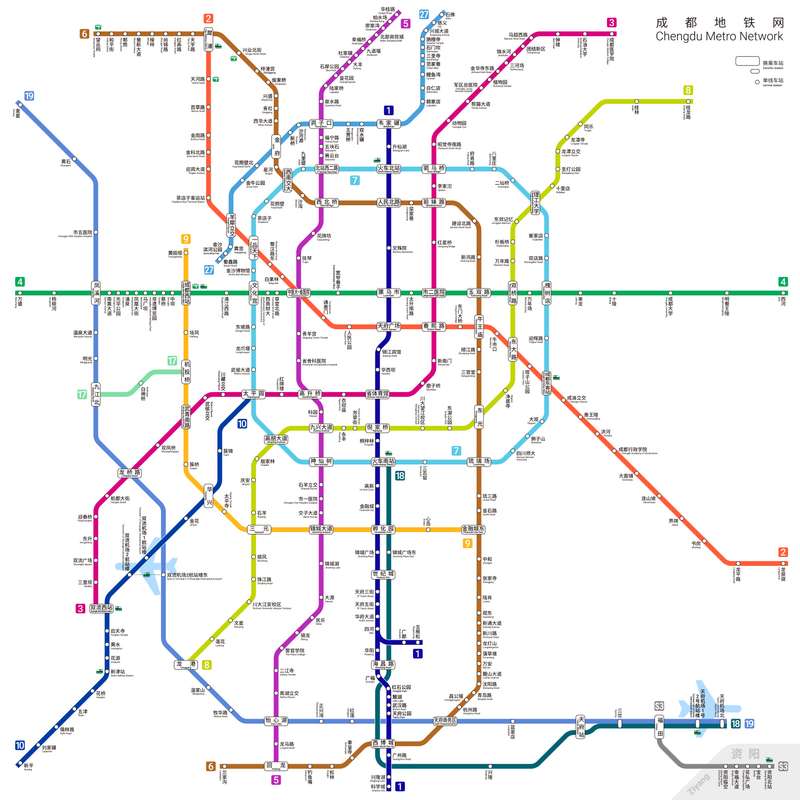
If you’re visiting Chengdu, the metro is by far the easiest and most reliable way to explore the city. Unlike Chongqing’s steep hills and winding bridges, Chengdu is mostly flat, which makes the metro network smooth, straightforward, and very convenient. At first, the map might seem big, but after a ride or two, you’ll find it surprisingly simple to use—and perfect for reaching most of the city’s top attractions.
🗺️ System Overview
Chengdu’s metro system is modern, efficient, and still expanding:
- Line 1 (Blue) – Runs north–south, connecting key stops like Tianfu Square and Chengdu South Railway Station.
- Line 2 (Orange) – East–west line that links Chunxi Road, Kuanzhai Alley, and Chengdu East Railway Station.
- Line 3 (Pink) – A must for tourists—it takes you directly to the Chengdu Research Base of Giant Panda Breeding.
- Line 4 (Green) – Connects cultural areas like Wide & Narrow Alleys and extends toward the western suburbs.
- Line 7 (Light Blue) – A loop line circling the city centre, handy for switching lines.
- Other Lines – More lines (5, 8, 9, 10, 18, etc.) continue to expand the network, making it one of the fastest-growing in China.
Major interchange hubs include Tianfu Square, Chunxi Road, Sichuan Gymnasium, and Chengdu East Railway Station, making transfers straightforward.
📍 Key Tourist Stops to Know
- Tianfu Square (Line 1 & Line 2) – 🏙️ Central hub surrounded by landmarks and shopping.
- Chunxi Road (Line 2 & Line 3) – 🛍️ Chengdu’s busiest shopping street.
- Kuanzhai Alley (Line 4) – 🏮 Famous historic alleys with food and culture.
- Panda Research Base (Line 3, Panda Avenue Station) – 🐼 A must-visit for panda lovers.
- Jinli Street & Wuhou Shrine (Line 3, Gaoshengqiao Station) – 🎇 Traditional streets and historic sites.
- Chengdu East & South Railway Stations (Lines 2, 7, 1, 18, etc.) – 🚆 Convenient for high-speed train travel.
💳 Tickets, Cards & Payment
- The Tianfu Tong Card is the most convenient option—it works across metro, buses, and even some shared bikes.
- You can buy and top up the card at metro stations.
- Mobile payment (Alipay, WeChat Pay, UnionPay) is widely accepted—just scan at the gates.
- Single-journey paper tickets are also available from vending machines.
🕒 Operating Hours & Frequency
- Most lines operate from around 6:00am to 11:30pm.
- Trains come every 3–6 minutes during peak hours and every 6–10 minutes off-peak.
- Services are punctual and well-maintained.
✅ Who It’s For & What to Expect
- Great for tourists, families, and solo travellers.
- Trains are clean, air-conditioned, and very affordable.
- Announcements are in Chinese and English, with clear signage.
- Stations are modern with escalators and lifts, making them accessible for all ages.
- Since the city is flat, walking between metro stops is often easy and enjoyable.
⚠️ Tips & Things to Look Out For
- Peak hours (7:30–9:00am, 5:30–7:00pm) can get crowded—plan your trips outside these times if you can.
- Some stations have many exits—check the maps carefully before heading out.
- If you’re visiting the Panda Base, go early in the morning to avoid the biggest crowds.
- Keep an umbrella handy—Chengdu’s light rain is common and can catch you off guard.
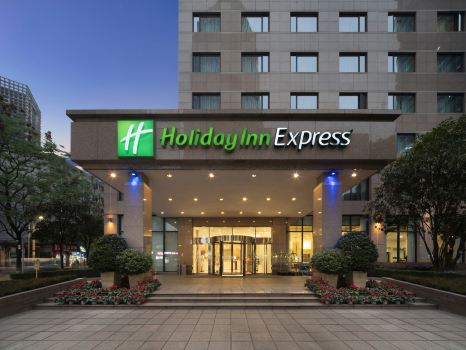
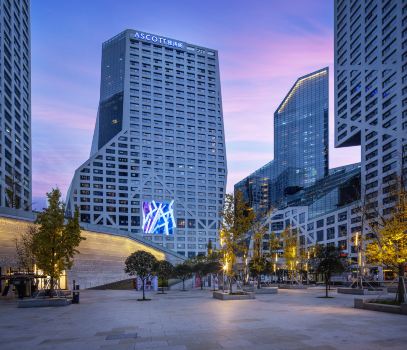
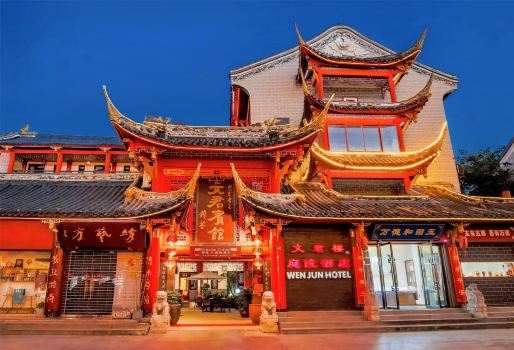
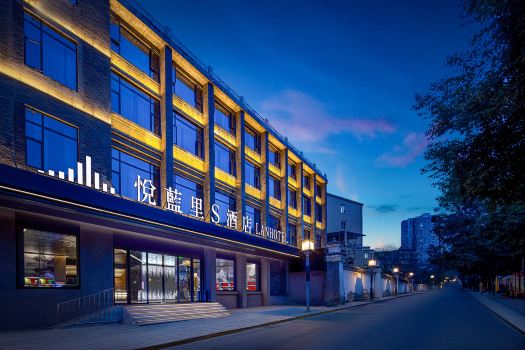
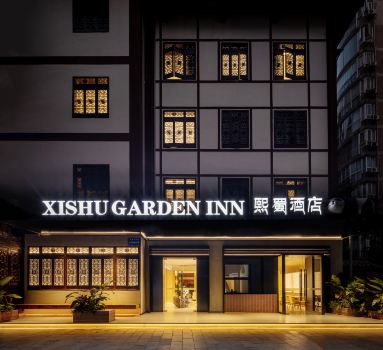
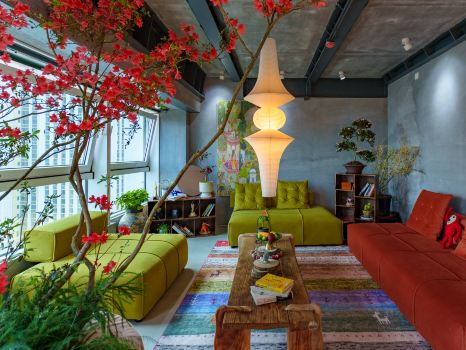
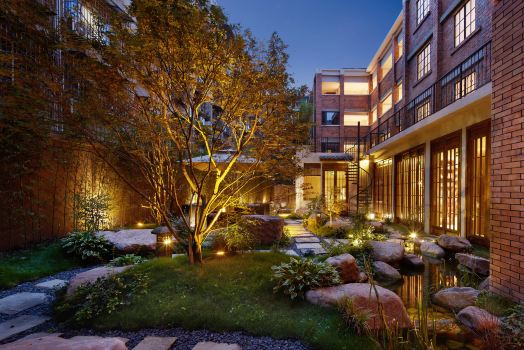
Recommended Hotels in Chengdu

🚌 Taking the Bus & Airport Shuttle in Chengdu
Source: Wikipedia
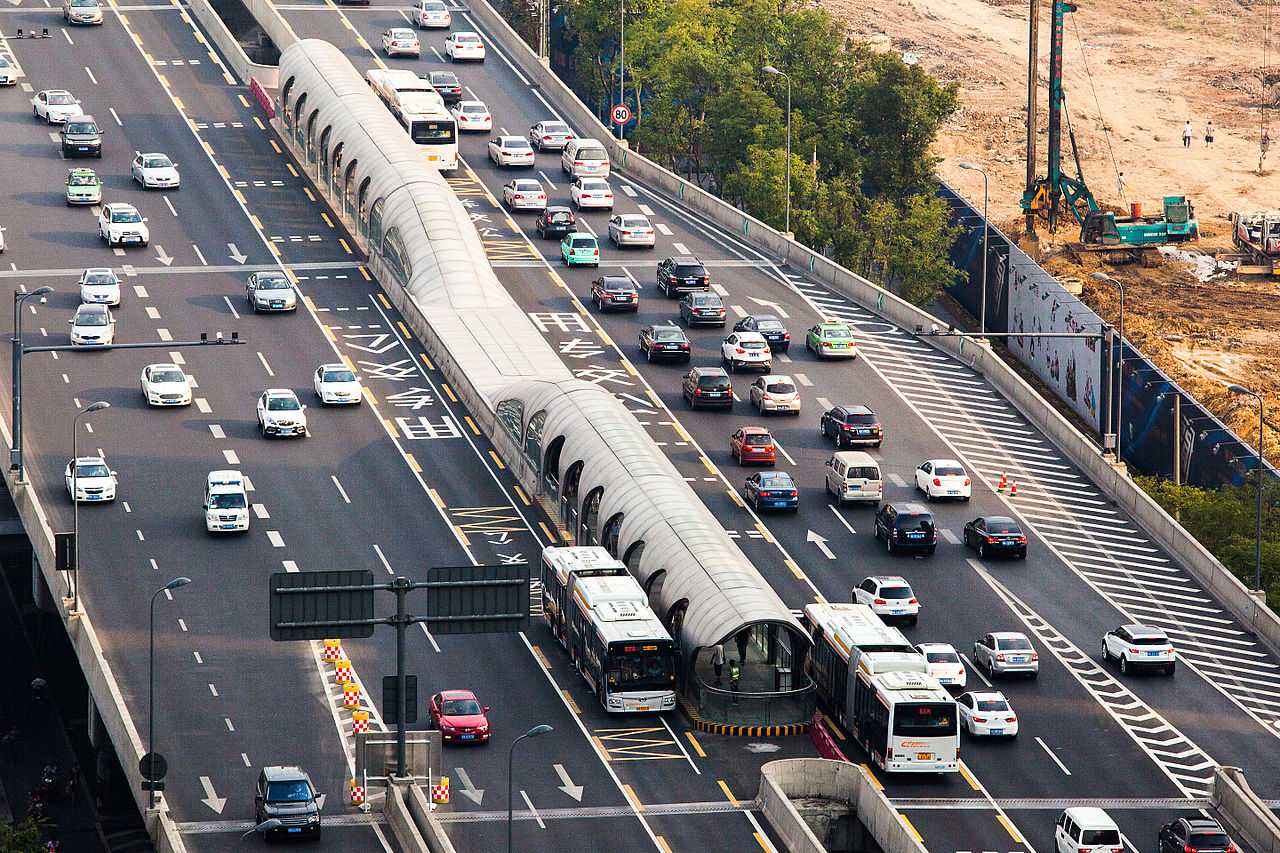
If you’re looking to travel beyond the metro lines—or just want the cheapest way to get around—Chengdu’s bus system is a solid option. As a Malaysian traveller, I’ll admit the routes can feel confusing at first, since most signs and announcements are in Chinese. But once you give it a try, you’ll see that buses are very affordable and reach areas the metro doesn’t cover, from suburban parks to hidden neighbourhoods where locals live and eat.
🚌 Local Bus System Overview
- Chengdu’s bus network is extensive, connecting both downtown and the outer districts.
- Locals use buses heavily for daily commutes, but visitors can hop on too with a little preparation.
- Many routes link directly with metro stations, so you can easily combine both systems in your journey.
📍 When & Where to Use the Bus
Take the bus if you’re:
- Heading to smaller neighbourhoods or local food streets not near the metro.
- Exploring cultural spots like temples or suburban parks.
- Travelling on a budget—fares usually start from just a few yuan (around RM1–2).
Some routes that are interesting for travellers include:
- Riverfront routes – for views of Chengdu’s bridges and cityscape.
- Suburban buses – perfect if you want to reach tea-growing areas or countryside hot spring resorts outside the city.
💳 How to Pay & Ride
- The easiest way is with the Tianfu Tong Card, which works on both metro and buses. Just tap when boarding.
- Most buses now accept Alipay or WeChat Pay—scan the QR code at the entrance.
- Cash is possible, but you’ll need exact change (no change provided).
- To get off, press the stop button or move toward the exit door before your stop.
🕒 Timings & Frequency
- Most buses run from around 6:00am to 10:30pm, depending on the route.
- Frequency varies:
- City routes – every 10–15 minutes
- Suburban routes – 20–40 minutes or longer
- Traffic and rainy weather can cause delays, but Chengdu’s flat roads make rides smoother compared to mountain cities like Chongqing.
✈️ Airport Shuttle & Bus Options
If you’re travelling between Chengdu Tianfu International Airport or Shuangliu International Airport and the city centre:
- Airport Shuttle Buses – Direct routes connect both airports with Tianfu Square, Chengdu East Railway Station, and other districts. Fares are usually around ¥15–25 (RM10–17).
- Operating hours – Generally from early morning until the last flight arrival.
- Tickets – Buy from counters inside the airport, online, or directly from the driver.
These buses are ideal if:
- You’re arriving late at night.
- You have big luggage and prefer a direct ride.
- You want a cheaper alternative to taxis or Didi.
✅ Pros & Who It’s Good For
- Perfect for budget travellers and anyone curious about daily local life.
- Buses are modern, air-conditioned, and comfortable.
- Great for reaching spots slightly off the tourist track.
⚠️ What to Watch Out For
- Most bus stop signs are in Chinese—use apps like Google Maps, MetroMan, or Baidu Maps for navigation.
- Real-time bus info isn’t always accurate.
- Drivers rarely speak English—have your destination written in Chinese just in case.
- Peak hours can get crowded, so try to avoid buses around 7:30–9:00am and 5:30–7:00pm.
🚕 Taxis & Ride-Hailing in Chengdu
Source: chengdu expat
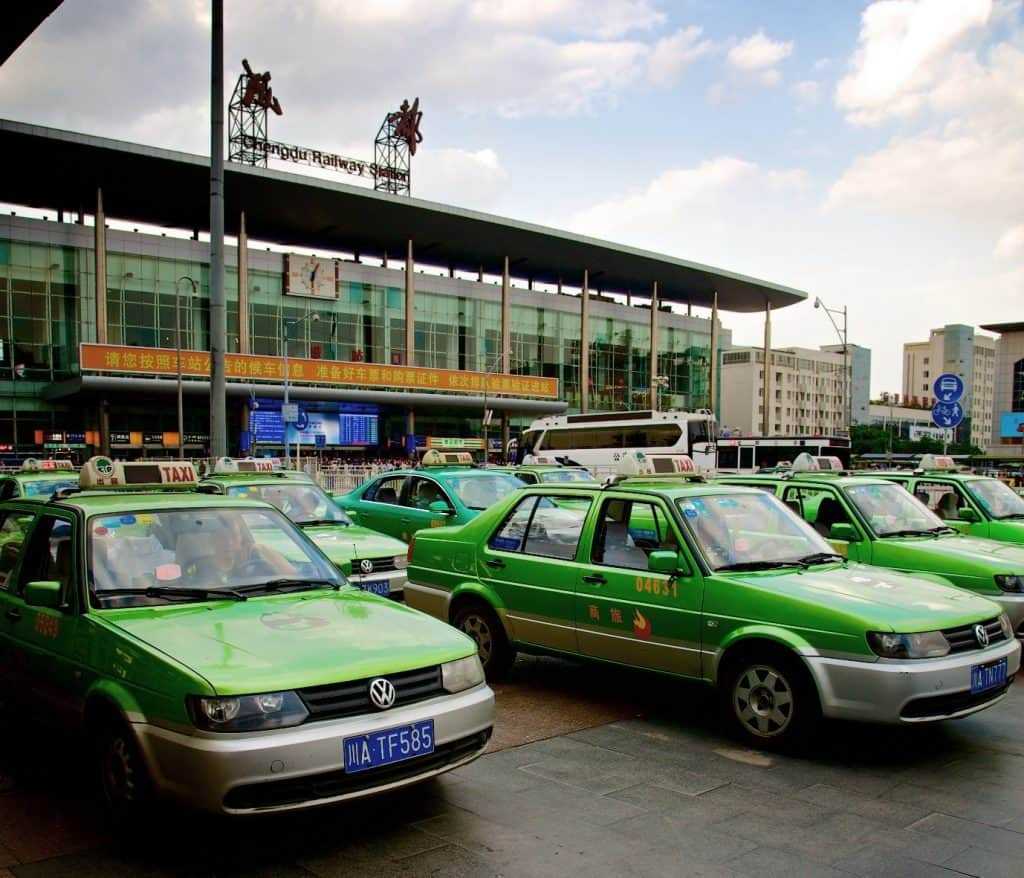
If you’re travelling with family, carrying shopping bags, or simply prefer door-to-door convenience, taxis and ride-hailing are practical and stress-free options in Chengdu. Just like in Kuala Lumpur, ride-hailing apps have become the preferred choice for both locals and visitors, though taxis are still widely available across the city.
🚖 Availability & Reputation
- Taxis can be found at airports, train stations, malls, and major hotels.
- Fares are metered, but most drivers speak little or no English, so communication can be tricky.
- Ride-hailing is more popular and convenient, especially for foreign travellers.
- Always use licensed taxis (clearly marked with taxi signs and logos).
- Cash is accepted in taxis, while ride-hailing works best with in-app payments.
📱 Popular Ride-Hailing Apps in Chengdu
- Didi Chuxing is the most widely used app in China (similar to Grab in Malaysia).
- Available on App Store and Google Play, but setting up usually requires WeChat Pay or Alipay.
- Offers different ride types: standard car, taxi, premium, and even carpooling.
- Features include upfront fare display, cashless payments, and ride scheduling.
- Some hotels may also provide private car booking, but Didi is the most convenient for tourists.
💸 Fare Estimates & How to Pay
- Short city rides in Chengdu: usually around ¥10–30 (RM7–20).
- Tianfu Square (city centre) to Kuanzhai Alley: about ¥15–25 (RM10–18).
- City centre to Chengdu Panda Base: around ¥30–50 (RM20–35).
- City centre to Chengdu Shuangliu Airport: around ¥40–70 (RM28–50), depending on traffic.
- Payments:
- Didi requires WeChat Pay or Alipay (set up before your trip).
- Taxis generally accept cash—exact change is best.
- Fares may increase during peak hours, rainy weather, or holiday periods.
🛬 Airport Pickup Info (Chengdu Shuangliu & Tianfu International Airports)
- Ride-hailing pickup zones are clearly signposted outside the terminals.
- For taxis:
- Use the official taxi ranks and follow airport signs to avoid scams.
- Do not accept offers from unlicensed drivers inside the arrivals hall.
- Travel time to the city centre usually takes 40–60 minutes, depending on traffic and which airport you arrive at.
✅ Best For These Travellers
👨👩👧 Families or groups with children or elderly passengers who need direct transport
🧳 Visitors with heavy luggage or shopping bags
🌙 Late-night arrivals when the metro is closed
🏨 Travellers staying at hotels or homestays far from metro lines
⚠️ Things to Watch Out For
- Most taxi drivers don’t speak English—have your destination written in Chinese characters.
- Ignore unofficial drivers who approach you at the airport—they often overcharge.
- Didi wait times may increase during rain or rush hour.
- Always double-check the driver’s details and license plate before getting into the car.
Flights from Kuala Lumpur to Chengdu
- Pergi Balik
- Sehala
- direct cheapest
 KUL21:304j 45mTanpa hentiTFU02:15Kuala Lumpur - Chengdu|Ahd, 27 Sep|Batik Air MalaysiaTFU03:154j 30mTanpa hentiKUL07:45Chengdu - Kuala Lumpur|Ahd, 4 Okt|Batik Air MalaysiaRM767RM85911% offCari11% offRM859RM767
 - KUL21:304j 45mTanpa hentiTFU02:15Kuala Lumpur - Chengdu|Kha, 1 Okt|Batik Air MalaysiaTFU03:154j 30mTanpa hentiKUL07:45Chengdu - Kuala Lumpur|Kha, 8 Okt|Batik Air MalaysiaRM770RM85910% offCari10% offRM859RM770
- KUL21:304j 45mTanpa hentiTFU02:15Kuala Lumpur - Chengdu|Sel, 29 Sep|Batik Air MalaysiaTFU03:154j 30mTanpa hentiKUL07:45Chengdu - Kuala Lumpur|Isn, 5 Okt|Batik Air MalaysiaRM773RM85910% offCari10% offRM859RM773
 KUL13:004j 45mTanpa hentiCTU14:00Kuala Lumpur - Chengdu|Mon, Sep 6|Normal Airline
 CTU13:004j 45mTanpa hentiKUL14:00Chengdu - Kuala Lumpur|Mon, Sep 6|Normal AirlineCari Penerbangan LainCari Penerbangan Lain
🛺 Unique Local Transport in Chengdu
Source: Railway Gazette
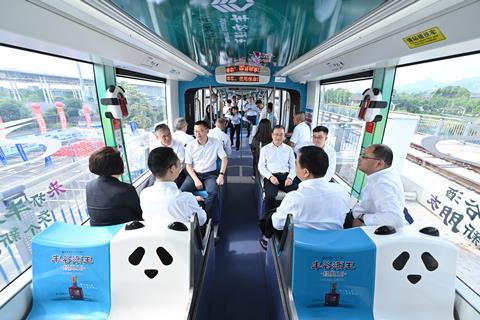
While Chengdu is best known for its modern metro system and convenient ride-hailing, the city also has a few unique and memorable ways to get around. As a Malaysian traveller, I found that these experiences weren’t just about transport—they added cultural flavour and a fun twist to my journey. Exploring Chengdu this way felt less like commuting and more like sightseeing.
🚲 Shared Bicycles (HelloBike, Meituan, Alipay)
| Feature | Details |
|---|---|
What It Is & Where to Find It | Chengdu is one of China’s most bike-friendly big cities, with wide boulevards and designated cycling lanes. Shared bicycles can be rented easily through apps like Alipay, Meituan, or HelloBike. You’ll spot them parked almost everywhere. |
Cost & How to Ride | Super affordable—usually around RMB 1–2 (RM0.70–RM1.30) per 30 minutes. Unlock via QR code using the app. |
When It’s Worth Trying | Great for short trips between attractions, especially around Tianfu Square, People’s Park, or along the Jinjiang River. Best in spring or autumn when the weather is mild. |
Things to Watch Out For | Some apps may require a Chinese payment method, so prepare in advance or use international-friendly apps. |
Best For | Solo travellers, young couples, and anyone who enjoys a more active way of exploring the city. |
🛶 Jinjiang River Boat Rides
| Feature | Details |
|---|---|
What It Is & Where to Find It | A leisure cruise along the Jinjiang River, passing by landmarks like Anshun Bridge and Chengdu’s riverside tea houses. Boats usually depart from piers near the city centre. |
Cost & How to Ride | Around RMB 80–120 (RM55–RM80) per person, depending on the route and time of day. Tickets can be bought online or at the pier. |
When It’s Worth Trying | Evening cruises are especially beautiful—the city lights up, and you’ll get a romantic view of Chengdu’s riverside life. 🌆 |
Things to Watch Out For | Weather can affect schedules. Also, peak hours in the evening may sell out quickly, so book ahead if possible. |
Best For | Couples, families, and travellers who enjoy a relaxing alternative to sightseeing on foot. |
🚲 Pedicabs & Rickshaws (Tourist Areas)
| Feature | Details |
|---|---|
What It Is & Where to Find It | Small cycle-powered rickshaws or motorised carts, often found around tourist areas like Jinli Ancient Street and Kuanzhai Alleys. |
Cost & How to Ride | Prices vary—expect RMB 10–30 (RM7–RM20) for a short ride. Always agree on the fare before hopping on. |
When It’s Worth Trying | When you’re tired from walking or just want a nostalgic, old-town vibe. |
Things to Watch Out For | Not the fastest or most practical for long distances; mainly a tourist experience. |
Best For | Elderly travellers, families with kids, or those looking for a fun photo-worthy ride. |
✅ Who It’s Great For
- Travellers who want to mix sightseeing with unique experiences
- Couples looking for romantic river views
- Families who prefer slower, more scenic ways of moving around
- Active travellers who enjoy cycling through a city
⚠️ Things to Watch Out For
- Bike-sharing apps may require mobile data and a local payment setup
- River cruises depend on weather and may not run during heavy rain
- Pedicabs are charming but not always the most efficient way to travel
🚤 Water Transport in Chengdu (Jinjiang River Cruises)

When you think of Chengdu, pandas, hotpot, and tea houses usually come to mind—not boats. But Chengdu’s Jinjiang River adds a charming touch to the city, and taking a river cruise is one of the most relaxing ways to enjoy its scenery. As a Malaysian traveller, I found it surprisingly refreshing—like stepping away from the busy streets and slowing down to see the city from a calmer angle.
⛴️ What’s Available
Unlike Chongqing, Chengdu doesn’t rely on ferries for daily transport, but you can enjoy Jinjiang River sightseeing cruises. These boats glide through the heart of the city, giving you a peaceful view of riverside tea houses, glowing bridges, and Chengdu’s mix of modern and traditional architecture.
🗺️ Where It Goes
- Most cruises start near Anshun Bridge (安顺桥), one of Chengdu’s most iconic landmarks.
- The routes usually cover central sections of the Jinjiang River, where you’ll pass lit-up bridges, riverside parks, and popular spots like Hejiang Pavilion.
- In the evening, the riverbanks glow with colourful lights, making it a perfect backdrop for photos.
💸 Tickets & How to Ride
- Prices are around RMB 80–120 (RM55–RM80) depending on the type of boat and duration.
- Tickets can be purchased at the pier, through hotel concierge services, or via booking apps like Trip.com.
- Payments are easy—Alipay, WeChat Pay, or cash are generally accepted.
🕒 Timings & Frequency
- Daytime cruises usually run from late morning to early evening.
- The most popular departures are at night (around 7:00 PM to 9:30 PM), when Chengdu’s skyline and riverside lanterns are beautifully lit up.
🎯 Who It’s Best For
- Couples looking for a romantic activity in the city 🌙
- Families who prefer a calm, safe sightseeing option
- Travellers who want a relaxing break from crowded streets or long walks
- Photographers keen on capturing Chengdu’s riverside landmarks at night
⚠️ Things to Consider
- Weather: Cruises may be cancelled during heavy rain or fog.
- Language: Most announcements are in Chinese, but the experience is visual and easy to enjoy.
- Accessibility: Piers are fairly easy to access, but some walking may be required.
📸 Local Flavour
Gliding past Anshun Bridge at night, its golden reflection shimmering on the Jinjiang River, reminded me a little of Melaka River Cruise back home—but with a more modern city vibe. The contrast of neon lights, historic pavilions, and quiet waters made the cruise feel like a hidden gem in Chengdu.
🛵 Motorbike Taxis, Scooters & Micro-Mobility in Chengdu
Source: Dreamstime.com
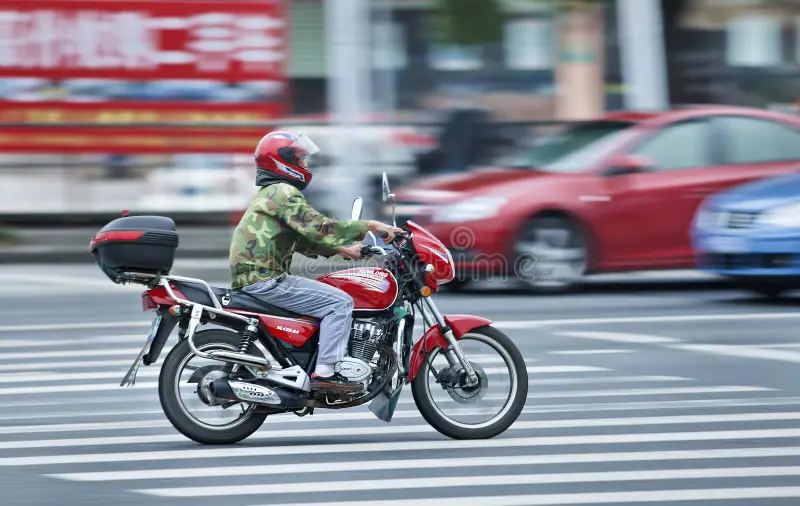
Chengdu is a much flatter city compared to hilly Chongqing, which makes it more comfortable to cycle or ride a scooter. While it’s not as chaotic as Hanoi or Bangkok, micro-mobility has become a very convenient way to get around, especially for short trips between metro stations, parks, and local attractions. As a Malaysian traveller, I found it quite similar to hopping on a GrabBike in certain parts of Southeast Asia—fast, cheap, and surprisingly fun.
📍 Where to Find Them
- Shared bikes & e-scooters: Parked in designated zones near metro stations, shopping streets, and residential areas. The most common providers are Meituan Bike (美团单车), Hello Bike (哈啰单车), and Alipay’s Bluegogo.
- Motorbike taxis (摩的 / “modi”): Less common than in Chongqing, but you’ll spot them near busy transport hubs or neighbourhoods. For a safer option, it’s better to book through apps like Didi Chuxing (滴滴出行).
📲 How to Use
- For shared bikes/scooters:
- Download the Meituan, Hello Bike, or Alipay app.
- Link your payment method (WeChat Pay, Alipay, or some international cards).
- Scan the QR code to unlock.
- Park only in designated zones shown in the app.
- For motorbike taxis:
- Either hail one directly in busy areas or book via Didi Chuxing.
- If you negotiate directly, always agree on the fare before the ride.
💰 Price Range
- Shared bikes/scooters: around RMB 1–2 per 15 minutes (RM0.60–RM1.20).
- Motorbike taxis: usually RMB 5–20 (RM3–RM14), depending on distance and booking method.
🛡️ Safety Tips
- Helmets: Provided for motorbike taxi rides—always wear them.
- Traffic: Chengdu roads are generally calmer than Chongqing, but always stay alert, especially during peak hours.
- Scooters/bikes: Stick to bicycle lanes or riverside paths; avoid riding in the middle of busy traffic.
✅ Best For
- Quick rides between metro stations and attractions like People’s Park or Kuanzhai Alley.
- Solo travellers who want a cheap and flexible way to explore central Chengdu.
- Anyone looking for an easy, eco-friendly option instead of taking taxis for short trips.
⚠️ What to Watch Out For
- Availability: Best in central areas like Tianfu Square, Chunxi Road, and around universities.
- Weather: Chengdu can get rainy and damp—always check the forecast before unlocking a bike or scooter.
- Parking: Make sure to return bikes/scooters to marked zones to avoid penalties.
- Luggage: Not suitable if you’re carrying heavy shopping bags or suitcases.
🚗 Car Rentals & Driving in Chengdu

Source: Chengdu Car Rental with Driver
If you’re considering exploring beyond Chengdu’s city centre, renting a car might come to mind. But let’s be honest—driving in Chengdu isn’t quite like cruising along Malaysia’s highways. The city is busy, roads can get congested, and traffic rules feel a little more aggressive than what we’re used to back home. That said, if you’re comfortable behind the wheel and want the freedom to explore Sichuan’s countryside, a rental car can be very convenient.
🚘 When It Makes Sense to Drive:
Driving is worth it if:
- You’re planning day trips to nearby attractions like Mount Qingcheng, Dujiangyan Irrigation System, or Leshan Giant Buddha.
- You’re travelling as a family or group, where private transport is more comfortable.
- You’re staying in suburban districts not well covered by the metro.
Within central Chengdu, however, the metro and ride-hailing apps are much easier and less stressful than dealing with traffic and parking.
📍 Where to Rent a Car:
- Chengdu Shuangliu International Airport (CTU): International brands like Hertz and Avis are available here.
- Downtown outlets: Rental offices can be found in areas like Tianfu Square or Chunxi Road.
- Online booking: It’s best to reserve in advance through platforms like Trip.com for English support and better rates.
📄 Requirements for Malaysian Tourists:
- International Driving Permit (IDP): Required, as a Malaysian licence alone is usually not accepted.
- Age limit: Typically 23–25 years old, with at least one year of driving experience.
- Documents: Passport, IDP, and a credit card for deposit.
- Insurance: Basic coverage is standard, but upgrading is wise for extra peace of mind.
💸 Cost Overview:
- Daily rental rates: Around RMB 200–300 (RM130–200) for a compact car. SUVs and vans can cost RMB 500–600 (RM350–420).
- Deposit: RMB 2,000–5,000 (RM1,400–3,500), held on your card.
- Fuel: Full-to-full policy—return with a full tank.
- Other costs:
- Tolls apply on highways.
- Parking is usually RMB 5–10 (RM3–7) per hour in malls and city areas.
- Traffic congestion is common during peak hours.
🛣️ Driving Conditions & Local Culture:
- Chengdu uses right-hand driving (opposite of Malaysia).
- Road signs are mostly in Chinese, though tourist areas may have English.
- Local drivers tend to be impatient—expect sudden lane changes.
- Navigation apps like Baidu Maps and Gaode (Amap) work well, but they’re in Chinese. Google Maps won’t function without a VPN.
⚠️ Things to Watch Out For:
- City driving: Expect heavy traffic, especially near Tianfu Square and Chunxi Road.
- Parking: Limited in central Chengdu—underground or mall parking is your best bet.
- Weather: Rain can be frequent, so drive carefully in wet conditions.
- Highways: Long-distance drives to places like Leshan or Emeishan can take longer than expected due to traffic.
✅ Best for These Travellers:
- Families heading on day trips to Sichuan’s countryside.
- Confident drivers looking to explore scenic areas at their own pace.
- Business travellers needing flexibility outside metro coverage.
🌸 Navigating Chengdu with Ease

Getting around Chengdu isn’t just about transport — it’s part of the whole travel experience. Whether you’re hopping on the metro to reach a teahouse, catching a bus through lively neighbourhoods, or strolling along leafy boulevards, every ride lets you see a softer, more relaxed side of this Sichuan capital.
Compared to Chongqing, Chengdu feels flatter and easier to move around. Still, don’t be surprised if some signs are mostly in Chinese or if peak-hour crowds slow you down. Once you’ve figured out the metro system and downloaded a few handy apps, getting around is actually very convenient, safe, and budget-friendly.
My tip? Mix and match your options. The metro is the fastest way to reach major attractions, while buses are useful for short hops within districts. For comfort, ride-hailing apps like Didi work just like Grab back home. And honestly, walking is a joy in Chengdu — especially around areas like Kuanzhai Alley or Jinli Street, where you can soak in the atmosphere. Having mobile data (an eSIM makes life easier!) will save you plenty of stress when checking maps or booking rides.
Chengdu may be big, but it moves at a gentler pace. After a few rides, you’ll quickly find yourself enjoying the flow of this panda-loving city. 🐼
FAQs: Getting Around in Chengdu
-
Is public transport in Chengdu tourist-friendly? 🚇
-
Should I use Didi or taxis in Chengdu? 🚕
-
Can I pay for metro and buses with a card? 💳
-
Is it safe to walk around Chengdu? 🚶♂️