

Getting Around in Xiamen | Transport Tips for Tourists

Landing in Xiamen, the first thing you’ll notice—besides the coastal breeze and the mix of old and new architecture—is how much more relaxed the city feels compared to Kuala Lumpur. The pace here is gentle, shaped by the sea, beaches, and leafy streets lined with colonial-era buildings. Moving around is easy and surprisingly pleasant, with transport options that suit both budget travellers and those looking for comfort.
As a Malaysian traveller, I found Xiamen’s transport system straightforward and tourist friendly. The metro is still relatively new but efficient, clean, and affordable, linking the airport, railway stations, and major areas like Siming District and Jimei. If you’re planning to visit Gulangyu Island, ferries depart regularly and are well-organised, though tickets can sell out during peak times—so it’s better to book in advance.
Buses cover almost every corner of the city and are cheap, though routes can be tricky if you don’t read Chinese. For convenience, I often relied on ride-hailing apps like Didi, which make travelling around Xiamen much easier, especially when heading to attractions outside the metro line, such as Zeng Cuo An village or the coastal boardwalks.
Walking is also a big part of the Xiamen experience. The city is relatively flat compared to places like Chongqing, and many areas are pedestrian friendly. Strolling through Zhongshan Road or along the seaside path is not only convenient but also one of the best ways to soak up the city’s charm.
One last tip: the weather here can be humid and sometimes rainy, a bit like KL. Pack light clothes for the heat but always carry an umbrella for sudden showers. With a little planning—and an open mind—getting around Xiamen is more than just transport; it’s part of enjoying the city’s laid-back, coastal lifestyle.
📝 Getting Around in Xiamen: A Malaysian Traveller’s Perspective

As a Malaysian visiting Xiamen, I found that getting around this coastal city is both easy and enjoyable. Unlike the steep hills of Chongqing, Xiamen feels more relaxed, with flat roads, seaside promenades, and a well-organised transport system. At first, the mix of metro, buses, ferries, and walking routes might look a little overwhelming—but once you get the hang of it, Xiamen’s network is efficient, affordable, and perfect for exploring everything from modern shopping streets to historic neighbourhoods and island getaways. 🚇🚌⛴️
🚶♂️ The Experience of Moving Through Xiamen
Xiamen has a slower, breezier rhythm compared to Kuala Lumpur—it’s lively but not hectic, shaped by the sea and coastal views. Some areas, like Siming District and Zhongshan Road, are very walkable, while attractions like Gulangyu Island require a short ferry ride. Public transport makes it easy to move between districts, though popular spots can get crowded during weekends and holidays. If you plan ahead, travelling around Xiamen can be smooth and stress-free.
🔍 What Are Your Options?
🚇 Metro – Modern, clean, and efficient. Great for airport transfers and reaching major districts.
🚌 City buses – Cheap and extensive, but routes may be tricky without some Chinese knowledge.
🚕 Didi & taxis – Didi (similar to Grab) is reliable and easy for short trips.
🚶♀️ Walking – Perfect for exploring pedestrian streets, seaside boardwalks, and local markets.
⛴️ Ferries – Essential for visiting Gulangyu Island, with frequent and well-organised services.
🚗 Driving – Not recommended for visitors due to parking issues and busy city roads.
💬 What You’ll Find Inside This Guide:
🎫 Which metro and transport cards are worth getting for hassle-free travel
📱 The best mobile apps for navigation, ride-hailing, and translation
👨👩👧👦 Family-friendly and solo traveller tips for moving around Xiamen
🌤️ How Xiamen’s tropical weather (humid summers and sudden rain) might affect your journey
📍 Everything you need to know about exploring Xiamen—whether you’re strolling along Zhongshan Road, catching the ferry to Gulangyu, or enjoying seafood by the seaside. 🏖️ Let’s dive in!
Top Things to do in Xiamen
 64 ditempah

![Tulou Warisan Dunia | Lawatan sehari Tarikan Pelancongan Hongkeng Yongding, Fujian + Tulou Zhencheng [Penerangan penjaga tulou]](https://ak-d.tripcdn.com/images/0351c12000tnw5te3115D_C_568_320.jpg)



![Lawatan sehari hiburan tulen di bandar Xiamen [Taliwaya Zhonggu + makan di Universiti Xiamen + pilihan pemandangan gunung dan laut]](https://ak-d.tripcdn.com/images//0584g12000nit5hinA968_C_568_320.jpg)

🚇 Getting Around by Train in Xiamen

Source: en.wikipedia.org
As a Malaysian traveller in Xiamen, I quickly realised that the metro is one of the easiest and most efficient ways to explore the city. The roads here can get busy, and while buses are extensive, the metro saves a lot of time and hassle—especially if you’re heading between the airport, railway stations, and the main districts. The network isn’t as huge as Chongqing or Shanghai, but it’s modern, clean, and very convenient for tourists.
🗺️ System Overview
Xiamen’s metro system is relatively new but well designed, connecting the airport, railway stations, and major areas:
- Line 1 (Blue) – Runs north–south, linking Jimei, Huli, and Siming District. Useful for reaching Zhongshan Road and Zeng Cuo An.
- Line 2 (Orange) – Connects Haicang District to Siming, passing through key residential and business zones.
- Line 3 (Green) – Provides access to some coastal areas and expands the network further.
- Line 4 (Purple) – Connects the east–west corridors, useful for reaching more suburban parts of the city.
Interchange stations like Lucuo, Lianhua Intersection, and Wushipu make switching lines straightforward.
📍 Key Tourist Stops to Know
- Zhongshan Road (near Zhenhai Road Station, Line 1) – 🛍️ Shopping street with local snacks and souvenirs
- Xiamen University (Xiang’an Campus, accessible by Line 2/3 with bus transfer) – 🎓 Famous historic campus and landmarks
- Zeng Cuo An (near Line 1 with bus transfer) – 🏖️ Seaside village with cafes and street food
- Jimei School Village (Line 1, Jimei School Village Station) – 📚 Historic educational district founded by Tan Kah Kee
- Xiamen Gaoqi Airport (Line 1, Gaoqi Station) – ✈️ Direct metro connection for arrivals and departures
- Ferry Terminal to Gulangyu (near Zhenhai Road Station) – ⛴️ For visiting the iconic island
💳 Tickets, Cards & Payment
- The Xiamen e-Tong Card is the most convenient option—it works across the metro, buses, and ferries.
- Can be purchased and topped up at metro stations.
- Mobile payments (Alipay, WeChat Pay) are widely accepted at gates via QR code.
- Single-journey tickets are also available from vending machines.
🕒 Operating Hours & Frequency
- Most lines run from around 6:30am to 11:00pm.
- Trains arrive every 5–7 minutes during peak hours and every 8–10 minutes off-peak.
- Services are punctual, and stations are generally not as crowded as in bigger cities.
✅ Who It’s For & What to Expect
- Perfect for tourists, families, and business travellers.
- Modern, air-conditioned trains with clear bilingual signage.
- Stations are clean, with escalators and lifts for accessibility.
- Fewer interchanges compared to other Chinese cities—making it easy for first-timers.
- Some rides offer seaside views, especially near the Siming coastal areas.
⚠️ Tips & Things to Look Out For
- Avoid rush hours (7:30–9:00am, 5:30–7:00pm) if you want a more comfortable ride.
- Some stations have multiple exits—check the maps carefully before leaving.
- If heading to Gulangyu, remember the metro only takes you to the ferry terminal—you’ll still need to catch a ferry across.
- Carry an umbrella, as Xiamen’s weather can be humid with sudden rain showers.
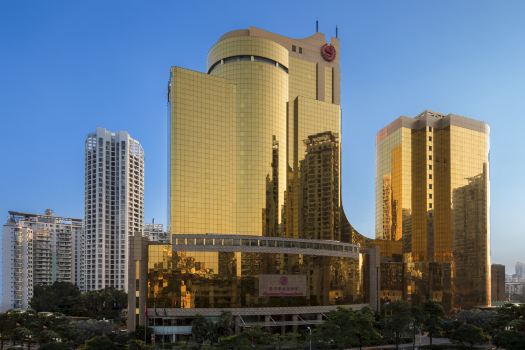
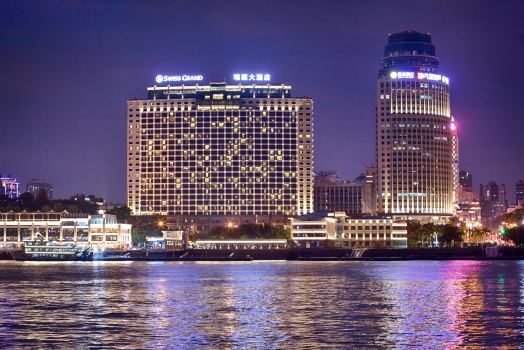
Recommended Hotels in Xiamen







🚌 Taking the Bus & Airport Shuttle in Xiamen
Source: China Airline Travel
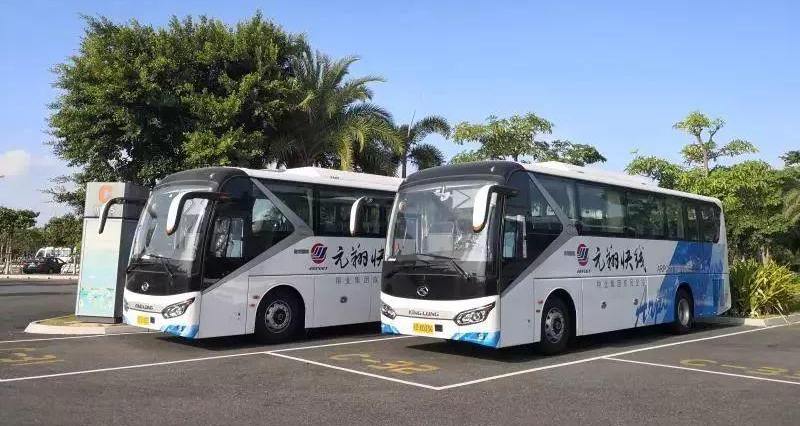
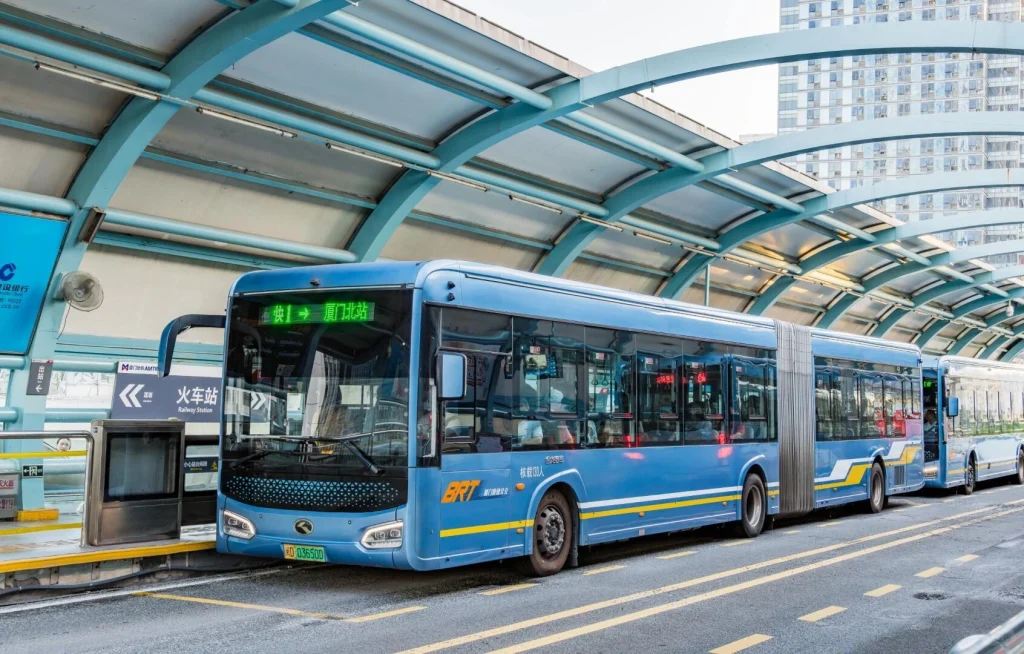
If you want to explore beyond the metro or save some money while travelling, Xiamen’s bus system is a great option. As a Malaysian traveller, I’ll admit it can feel a bit confusing at first—especially since most signs and announcements are in Chinese—but once you try it, you’ll see how affordable and convenient it really is. Buses cover almost every part of the city, from urban shopping streets to coastal boardwalks and suburban districts.
🚌 Local Bus System Overview
- Xiamen’s buses are extensive and connect both city districts and suburban areas.
- They are mainly used by locals for daily commutes, but tourists can use them too with a little patience.
- Many buses link directly with metro stations, so you can easily combine both for your journey.
📍 When & Where to Use the Bus
Taking the bus is worth it if you’re:
- Heading to smaller neighbourhoods, seaside villages, or attractions not covered by the metro.
- Exploring places like Zeng Cuo An, Huandao Road (Ring Road), or local parks.
- Travelling on a budget—fares usually start from just ¥1–2 (RM0.70–1.50).
Some routes are especially scenic for travellers:
- Coastal routes – Beautiful seaside drives along Huandao Road.
- Suburban routes – Access to cultural areas like Jimei School Village or quieter residential districts.
💳 How to Pay & Ride
- The Xiamen e-Tong Card works for both metro and buses—just tap when you board.
- Mobile payments like Alipay and WeChat Pay are widely accepted—scan the QR code at the entrance.
- If paying cash, you’ll need exact change (no change provided).
- To get off, press the stop button or head to the exit door before your stop.
🕒 Timings & Frequency
- Most buses run from 6:00am to 10:30pm, but hours vary by route.
- Frequency depends on the type of route:
- City routes – every 8–15 minutes
- Suburban or coastal routes – 20–30 minutes or longer
- Traffic jams, especially during weekends near the beaches, can cause delays.
✈️ Airport Shuttle & Bus Options
If you’re travelling between Xiamen Gaoqi International Airport and the city:
- Airport Shuttle Buses – Several routes connect the airport with Zhongshan Road, Xiamen Railway Station, and Jimei. Tickets cost around ¥10–15 (RM7–11).
- Operating hours – From early morning until the last flight arrival.
- Tickets – Available at airport counters or directly from the driver.
These shuttles are ideal if:
- You’re arriving late at night.
- You have large luggage and want a direct transfer.
- You prefer a cheaper alternative to taxis or Didi.
✅ Pros & Who It’s Good For
- Great for budget travellers and those who want a taste of local life.
- Scenic rides along Xiamen’s coastline are worth it on clear days.
- All buses are air-conditioned, so you’ll stay comfortable even in the summer.
⚠️ What to Watch Out For
- Most bus stop signs are in Chinese—apps like Google Maps, Baidu Maps, or MetroMan are very helpful.
- Real-time tracking can be inaccurate at times.
- Drivers may not speak English, so it’s best to have your destination written in Chinese.
- Try to avoid peak commuting hours or weekend afternoons near the beach—traffic can be heavy.
🚕 Taxis & Ride-Hailing in Xiamen
Source: Wikimedia Commons
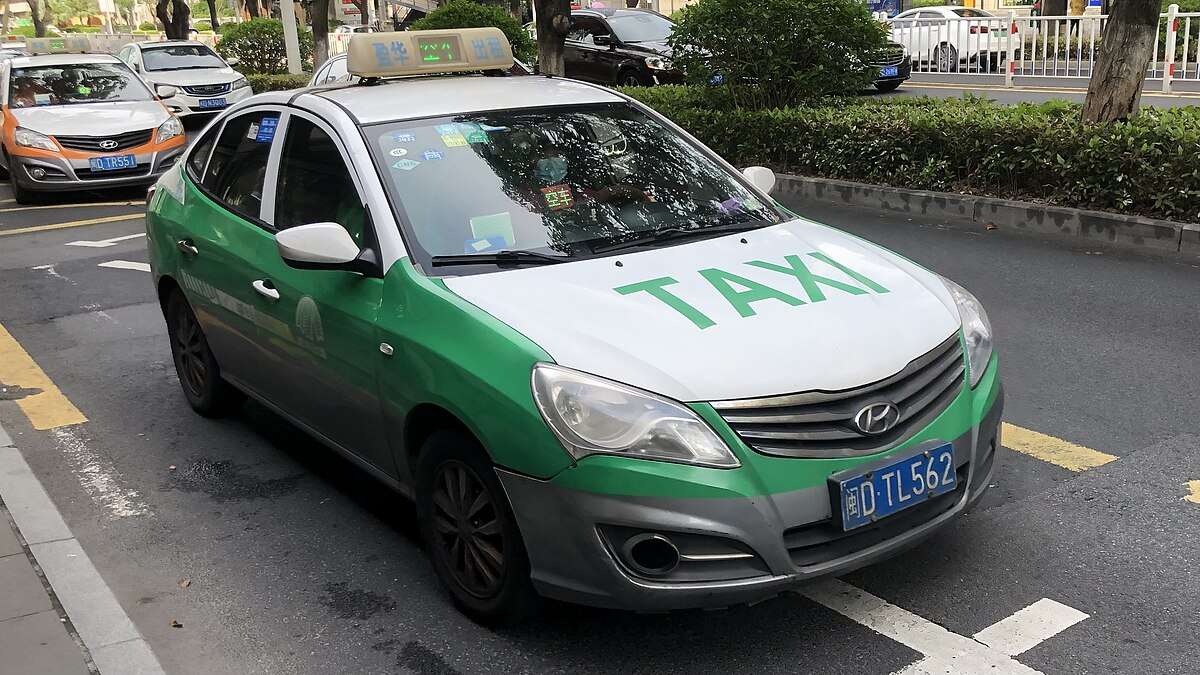
If you’re carrying luggage, travelling with family, or simply prefer the convenience of door-to-door service, taxis and ride-hailing are very practical in Xiamen. Much like in Kuala Lumpur, ride-hailing apps have become the preferred choice for both locals and travellers, though taxis are still easy to find around the city.
🚖 Availability & Reputation
- Taxis are widely available at Xiamen Gaoqi International Airport, railway stations, shopping malls, and hotels.
- Fares are usually metered, but language can be a challenge since most drivers only speak Chinese.
- Ride-hailing is more convenient for tourists because everything is handled through the app.
- Always use licensed taxis with proper markings and roof signs.
- Cash is accepted in taxis, while ride-hailing apps prefer cashless in-app payment.
📱 Popular Ride-Hailing Apps in Xiamen
- Didi Chuxing is the most popular app in Xiamen (the equivalent of Grab in Malaysia).
- The app is available on both iOS and Android. The international version may still require setup with WeChat Pay or Alipay.
- Didi offers regular taxis, private cars, premium rides, and even carpooling.
- Features include: upfront fare estimates, cashless payment, and ride scheduling.
- Some hotels in Xiamen also provide private car booking, but Didi is generally the easiest and most reliable option.
💸 Fare Estimates & How to Pay
- Short rides within Xiamen city: usually around ¥10–25 (RM7–18).
- Zhongshan Road to Xiamen University: about ¥15–30 (RM10–22).
- City centre to Gaoqi Airport: roughly ¥30–60 (RM22–45) depending on traffic and time of day.
Payments:
- Didi requires WeChat Pay or Alipay (best to set up before your trip).
- Taxis usually take cash—carry smaller notes for convenience.
- Highway tolls may apply, and fares can increase during peak hours or rainy weather.
🛬 Airport Pickup Info (Xiamen Gaoqi International Airport)
- Ride-hailing pickup zones are clearly marked outside the terminals—just follow the signs.
- For taxis, head to the official taxi stand to avoid touts.
- Avoid accepting rides from unofficial drivers inside the arrivals hall, as they often overcharge.
- Both taxis and Didi usually take 20–40 minutes to reach central Xiamen, depending on traffic.
✅ Best For These Travellers
👨👩👧👦 Families or groups travelling with children or elderly passengers
🧳 Visitors carrying heavy luggage or lots of shopping bags
🌙 Late-night arrivals when buses and metro services have stopped running
🏨 Travellers staying in hotels or neighbourhoods not directly connected by metro
⚠️ Things to Watch Out For
- Most taxi drivers don’t speak English—have your destination written in Chinese characters to show them.
- Always use official taxis or ride-hailing apps; avoid unlicensed drivers at airports or tourist spots.
- Expect longer waiting times during rainy days or rush hour.
- Double-check the license plate and driver details before getting into a Didi ride.
🚶 Walking & Exploring on Foot in Xiamen
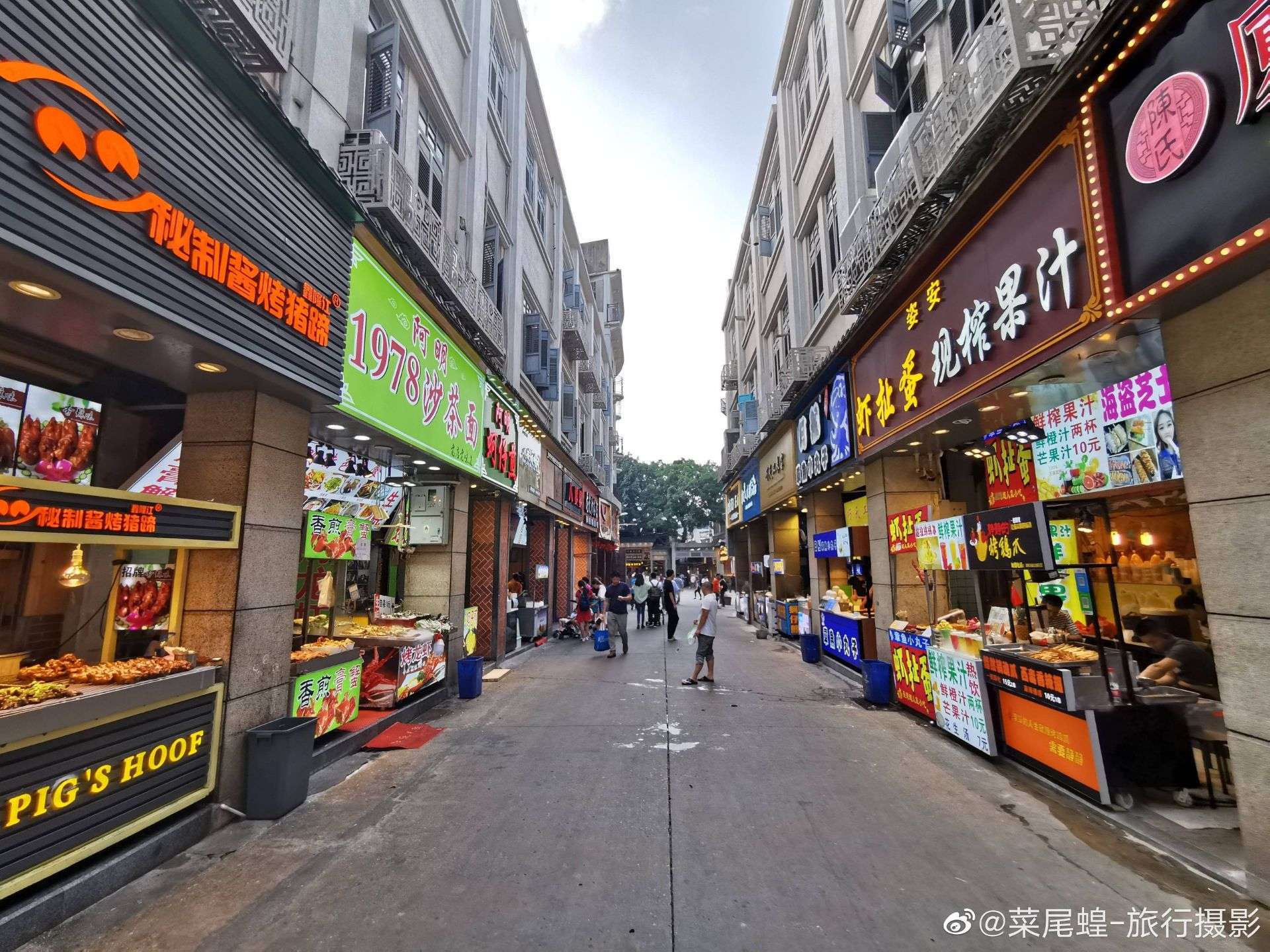
Xiamen is a coastal city with a relaxed vibe, beautiful seaside promenades, and charming neighbourhoods—making it much easier to explore on foot compared to hilly cities like Chongqing. For Malaysians, the city feels quite walkable, with flat streets in many areas, scenic seaside paths, and pedestrian-friendly attractions. Walking here lets you soak in the coastal atmosphere, discover hidden cafes, and enjoy the city’s slower pace of life.
🚶 Is Xiamen Walkable?
Yes, Xiamen is a very walkable city, especially around the main tourist zones and waterfront areas:
- Gulangyu Island – A UNESCO-listed car-free island; the best way to explore is simply walking through its colonial-style streets, gardens, and seaside paths.
- Zhongshan Road Pedestrian Street – A bustling shopping street filled with food stalls, boutiques, and souvenirs—similar to Petaling Street, but cleaner and more organised.
- Huandao Road Seaside Walk – A long coastal route popular with both walkers and cyclists, offering sea breezes and ocean views.
- Nanputuo Temple & Xiamen University – Surrounded by greenery, temples, and heritage architecture, these areas are best explored slowly on foot.
🛣️ Sidewalks, Crossings & Navigation
- Sidewalks: Central areas like Zhongshan Road and near the university are pedestrian-friendly, but smaller neighbourhoods may have narrow or uneven pavements.
- Crossings: Zebra crossings and traffic lights are common, but like in Malaysia, some motorists may not always stop—cross carefully.
- Accessibility: The city is much flatter than Chongqing, so you won’t struggle with steep hills. However, Gulangyu Island does have some sloping streets.
🗺️ Maps, Signage & Safety
- Navigation: Google Maps works, but Baidu Maps or MetroMan give more accurate directions for China.
- Signage: Tourist areas often have bilingual signs (Chinese + English), especially in Gulangyu and Zhongshan Road.
- Safety: Xiamen is very safe for walking, even at night. The waterfront areas are well-lit and lively, making evening strolls enjoyable.
🌦️ Weather Considerations
- Summer (Jun–Sep): Hot and humid, similar to Penang or Langkawi—carry water, sunscreen, and an umbrella.
- Rain Showers: Xiamen experiences sudden rain, so an umbrella is useful year-round.
- Winter (Dec–Feb): Mild but windy; bring a light jacket if walking by the sea.
- Shoes: Comfortable footwear is essential, especially if you’re exploring Gulangyu’s cobblestone paths.
📸 Scenic Walks & Hidden Gems
- Gulangyu Island: Stroll through car-free lanes, colonial villas, and seaside gardens. 🏝️
- Huandao Road Coastal Walk: A beautiful seaside stretch for long walks or evening jogs. 🌊
- Zhongshan Road: Perfect for night walks with street food, local snacks, and shopping. 🏮
- Xiamen University: Often called “the most beautiful campus in China,” with peaceful gardens and lakes. 🎓
✅ Who Will Enjoy Walking in Xiamen?
- Couples & leisure travellers who enjoy slow, romantic seaside strolls.
- Food lovers who want to snack-hop around Zhongshan Road.
- Families—flat routes and pedestrian-friendly spaces make walking easy.
- Photographers looking for colonial buildings, seaside sunsets, and vibrant night streets.
⚠️ What to Watch Out For
- Crowds: Gulangyu and Zhongshan Road can get very crowded, especially on weekends and holidays.
- Weather: Hot summers and sudden rain showers can make walking tiring—plan for shade and breaks.
- Navigation: Smaller lanes may not have English signs, so having destinations written in Chinese helps.
- Bicycles & e-scooters: Shared bikes and scooters are common on seaside paths—stay alert while walking.
🛺 Unique Local Transport in Xiamen
Source: The China Journey
Xiamen isn’t just about buses, taxis, or the metro—it also has some unique and fun transport options that make travelling around feel like part of the holiday itself. With its island setting, seaside views, and car-free zones, getting around here is not only practical but also an experience you’ll remember. As a Malaysian traveller, I found these rides a mix of convenience and sightseeing—they’re perfect if you want to explore Xiamen in a more local and scenic way.
⛴️ Ferry to Gulangyu Island
| Feature | Details |
|---|---|
What It Is & Where to Find It | A ferry service linking Xiamen Island with the famous car-free Gulangyu Island. Departures are mainly from Dongdu International Terminal and the Ferry Terminal near Zhongshan Road. |
Cost & How to Ride | About RMB 35 (RM24) return for tourists. Tickets can be booked online or purchased at the pier—remember to bring your passport. |
When It’s Worth Trying | Daytime trips for exploring Gulangyu’s colonial streets 🌴, or evening rides for stunning views of Xiamen’s skyline. |
Things to Watch Out For | Tickets can sell out during weekends and holidays—book in advance if possible. |
Best For | Couples, families, and first-time visitors—it’s the gateway to one of Xiamen’s biggest highlights. |
🚴 Cycling Along Huandao Road
| Feature | Details |
|---|---|
What It Is & Where to Find It | A scenic coastal road that loops around Xiamen Island, popular for cycling and seaside walks. You can rent bikes from shops along the route or use shared bikes via Alipay/WeChat. |
Cost & How to Ride | RMB 10–30 (RM7–20) for a few hours, depending on bike type. Just scan the QR code for shared bikes. |
When It’s Worth Trying | Late afternoon or early evening, when the weather is cooler and the sunset reflects off the sea 🌅. |
Things to Watch Out For | Summers can be very hot; bring water, sunscreen, and a hat. Shared bikes may require local payment apps. |
Best For | Active travellers, couples, and photographers who want to capture seaside landscapes. |
🛶 Sightseeing Boat Tours
| Feature | Details |
|---|---|
What It Is & Where to Find It | Cruise boats that circle Xiamen’s coastline and nearby islets, often departing from the Ferry Terminal or harbourfront piers. Some evening cruises include entertainment. |
Cost & How to Ride | RMB 60–150 (RM40–100) depending on the route and boat type. Tickets can be purchased online, through hotels, or at the pier. |
When It’s Worth Trying | Night cruises are especially popular for seeing Xiamen’s skyline lit up ✨. Day cruises are good for spotting Gulangyu and offshore islands. |
Things to Watch Out For | Basic commentary is usually in Chinese; bring snacks or drinks if you prefer. |
Best For | Families, couples, or anyone who wants a relaxing way to see the city from the water. |
✅ Who Will Love These Experiences
- Malaysians travelling with family who prefer fun, safe, and scenic rides.
- Couples looking for romantic sunset walks or ferry trips.
- Photographers who want new perspectives of Xiamen’s skyline and coastline.
- Budget travellers—cycling and ferry rides are affordable yet memorable.
⚠️ Things to Watch Out For
- Ferry tickets to Gulangyu may sell out fast during public holidays.
- Shared bikes usually need Alipay or WeChat Pay—set these up before your trip.
- Summer heat and sudden rain showers can affect outdoor plans—always carry an umbrella.
- Night boat tours may have limited English commentary—plan ahead if you want guided explanations.
Flights from Kuala Lumpur to Xiamen
- Pergi Balik
- Sehala
 KUL17:1515j 25m1 stopsXMN08:40Kuala Lumpur - Xiamen|Isn, 26 Okt|China Southern AirlinesXMN20:3518j 5m1 stopsKUL14:40Xiamen - Kuala Lumpur|Kha, 29 Okt|China Southern AirlinesTHB 7,040THB 9,65027% offCari27% offTHB 9,650THB 7,040
- KUL17:1515j 25m1 stopsXMN08:40Kuala Lumpur - Xiamen|Isn, 26 Okt|China Southern AirlinesXMN20:3518j 5m1 stopsKUL14:40Xiamen - Kuala Lumpur|Rab, 28 Okt|China Southern AirlinesTHB 7,040THB 9,65027% offCari27% offTHB 9,650THB 7,040
- KUL16:5515j 45m1 stopsXMN08:40Kuala Lumpur - Xiamen|Sel, 27 Okt|China Southern AirlinesXMN20:3518j 5m1 stopsKUL14:40Xiamen - Kuala Lumpur|Kha, 29 Okt|China Southern AirlinesTHB 7,040THB 9,65027% offCari27% offTHB 9,650THB 7,040
 KUL13:0015j 45mTanpa hentiXMN14:00Kuala Lumpur - Xiamen|Mon, Sep 6|Normal Airline
 XMN13:0015j 45mTanpa hentiKUL14:00Xiamen - Kuala Lumpur|Mon, Sep 6|Normal AirlineCari Penerbangan LainCari Penerbangan Lain
🚤 Water Transport in Xiamen (Ferries & Cruises)
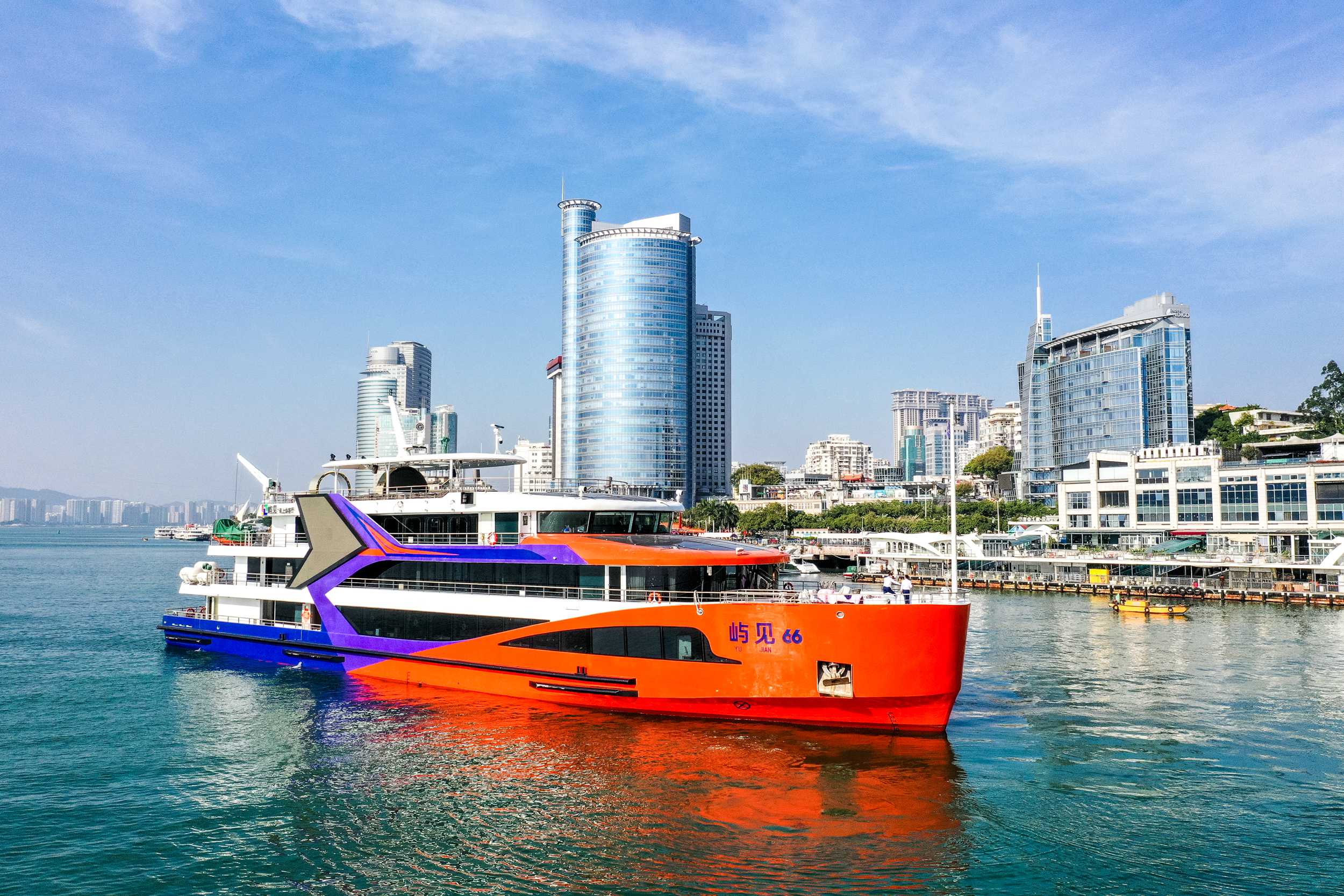
When you think of Xiamen, the sea is everywhere. Unlike landlocked cities such as Chongqing, Xiamen is an island city, and water transport is part of daily life here. From hopping on a quick ferry to Gulangyu Island to enjoying a night cruise along the harbour, travelling by boat in Xiamen isn’t just practical—it’s also one of the best ways to soak in its coastal charm.
⛴️ What’s Available
In Xiamen, ferries are both essential transport and a tourist experience. The most popular route is the ferry to Gulangyu Island, a UNESCO World Heritage Site where cars are banned. Beyond that, sightseeing cruises along the coastline let you admire Xiamen’s modern skyline, offshore islands, and glittering night views.
🗺️ Where It Goes
- Ferries to Gulangyu Island – Depart from the main Ferry Terminal near Zhongshan Road or Dongdu International Terminal. Gulangyu is just a short ride away and perfect for a day trip.
- Sightseeing Harbour Cruises – Operate along Xiamen’s coastline, passing by landmarks like Haicang Bridge, Xiamen University, and the waterfront skyscrapers.
- Longer Boat Trips – Some tours go around the surrounding islets or out into the Taiwan Strait for wider sea views.
💸 Tickets & How to Ride
- Gulangyu Ferry – About RMB 35 (RM24) return for tourists. Tickets can be bought online or at the terminal, but you’ll need your passport to book.
- Sightseeing Cruises – Prices range from RMB 60–150 (RM40–RM100), depending on the boat type and route.
- Payment is easy—cash, Alipay, WeChat Pay, and even online booking platforms like Trip.com are accepted.
🕒 Timings & Frequency
- Ferries to Gulangyu – Run frequently throughout the day, usually from early morning until evening.
- Sightseeing Cruises – Operate from late morning to night, with the evening cruises being the most popular as the city lights reflect beautifully across the sea.
🎯 Who It’s Best For
- Travellers wanting a laid-back, scenic ride instead of crowded buses.
- Families and couples who want something safe, fun, and memorable.
- Photographers—whether it’s the colonial charm of Gulangyu or the illuminated harbour at night, the sea views are a highlight.
⚠️ Watch-Outs & Considerations
- Crowds – Ferries to Gulangyu are extremely popular on weekends and public holidays. Book ahead if you can.
- Weather – Xiamen’s sudden showers and strong sea breeze can affect schedules—always carry an umbrella.
- Facilities – Basic ferries are functional, while sightseeing boats are more comfortable with seats and decks for viewing.
📸 Local Flavour
Taking the ferry to Gulangyu reminded me of island hopping back in Malaysia—like going from Penang to Langkawi, but shorter and more charming. And at night, watching Xiamen’s skyline glitter from a harbour cruise felt almost magical. The mix of colonial heritage, seaside breeze, and modern city lights makes water transport in Xiamen more than just a way to get around—it’s an essential part of the travel experience. 🌊✨
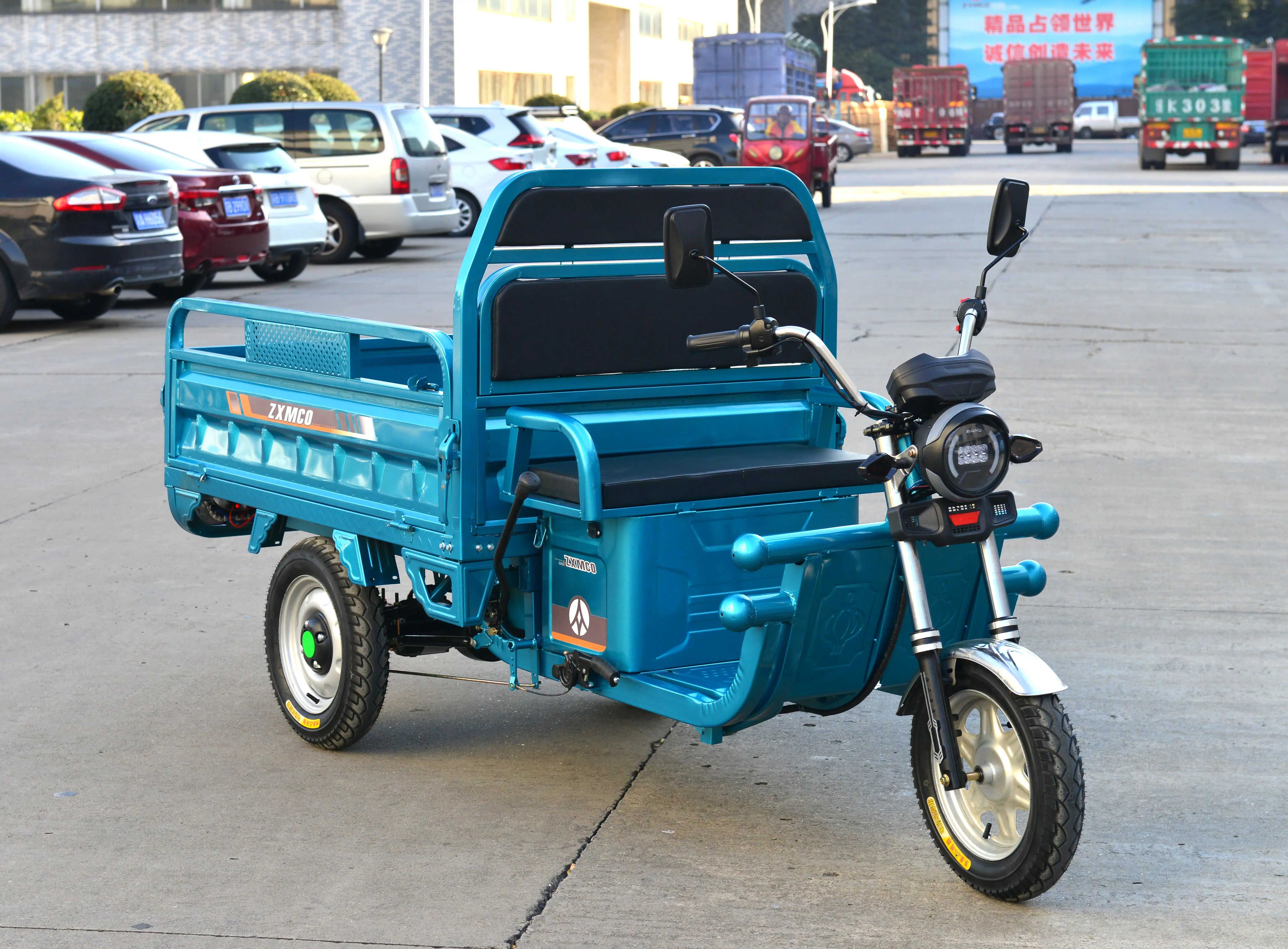
🛵 Motorbike Taxis, Scooters & Micro-Mobility in Xiamen
Source: Alibaba.com
Xiamen is a compact island city with flat coastal roads and breezy seaside promenades—very different from the steep slopes of Chongqing. Here, scooters, e-bikes, and shared bicycles are everywhere, making micro-mobility one of the most convenient (and fun) ways to get around. As a Malaysian traveller, I found it reminded me a little of Penang’s island vibe, except with a far more organised system of shared bikes and scooter services.
📍 Where to Find Them
- Shared bikes & e-scooters – You’ll see them lined up at metro stations, bus stops, university areas, and along the waterfront. The most common providers are Meituan Bike (美团单车), Hello Bike (哈啰单车), and Alipay’s Bluegogo.
- Motorbike taxis (摩的 / “modi”) – These exist but are less common in Xiamen compared to other Chinese cities. They’re usually found near busy transport hubs or residential areas, and most locals now prefer app-based ride-hailing instead.
📲 How to Use
- Shared bikes/scooters:
- Download the Meituan, Hello Bike, or Alipay app.
- Link a payment method (WeChat Pay, Alipay, or sometimes international cards).
- Scan the QR code to unlock.
- Ride and park only in marked parking zones shown in the app.
- Motorbike taxis:
- Can be hailed directly if you spot one or booked through DiDi Chuxing (滴滴出行).
- Always confirm the fare before you hop on if it’s an informal ride.
💰 Price Range
Motorbike taxis: generally RMB 5–20 (RM3–RM14), depending on the distance and booking method.
- Shared bikes & scooters: usually RMB 1–2 per 15 minutes (around RM0.60–RM1.20).
🛡️ Safety Tips
- For scooters and bikes, stick to designated cycling lanes along the coast or main roads.
- Helmets may be provided for motorbike taxis—always wear one if available.
- Avoid riding during rainy or windy weather, as Xiamen’s coastal winds can make riding tricky.
- Don’t take scooters on ferries to Gulangyu—motorised vehicles are not allowed on the island.
✅ Ideal For
- Short rides between metro stations and attractions.
- Solo travellers who want a quick, cheap way to get around.
- Exploring scenic areas like the Island Ring Road (Huandao Road), Xiamen University, or Bailuzhou Park at your own pace.
- Those who enjoy cycling by the seaside—Xiamen’s flat coastal paths are perfect for this.
⚠️ What to Watch Out For
- Coverage – Availability is best in central districts and along the island coast; suburban areas may have fewer bikes.
- Parking – Always park in official zones (clearly marked on the app) to avoid fines.
- Weather – Sudden rain showers are common; keep an umbrella handy.
- Not for heavy luggage – Bikes and scooters are best for light travel, not if you’re carrying shopping bags or suitcases.
🚗 Car Rentals & Driving in Xiamen

Source: KAYAK
If you’re considering exploring Xiamen and its surrounding areas, renting a car might sound like a good idea. But here’s the reality: unlike driving around KL with wide highways and familiar signs, driving in Xiamen comes with challenges. The city has busy traffic, many one-way streets, and road signs that are mostly in Chinese. Parking in central areas can also be limited. Still, if you’re confident on the road and want flexibility, renting a car is a good option—especially if you plan to explore attractions outside the city.
🚘 When It Makes Sense to Drive
Driving is useful if:
- You’re planning day trips to places outside the city, like Tulou Villages in Nanjing County, Fujian tea plantations, or the coastline near Zhangzhou.
- You’re travelling with family or in a group and prefer private transport.
- You’re staying in suburban areas where public transport is less convenient.
Inside central Xiamen, however, it’s usually easier to use the metro, buses, or taxis rather than dealing with city traffic and parking.
📍 Where to Rent a Car
- Xiamen Gaoqi International Airport (XMN): International brands like Hertz and Avis operate here.
- Downtown Xiamen: Local rental companies also have outlets near the city centre.
- Online Booking: The easiest way is to reserve in advance through platforms like Trip.com, where you’ll find better English support and clear pricing.
📄 Requirements for Malaysians
- International Driving Permit (IDP): Your Malaysian licence alone usually won’t be accepted—you’ll need an IDP.
- Age Limit: Most rentals require drivers to be at least 23–25 years old with a minimum of one year’s driving experience.
- Documents: Passport, IDP, and a credit card for the deposit.
- Insurance: Basic coverage is included, but consider upgrading for better protection.
💸 Cost Overview
- Daily Rates: Around RMB 200–300 (RM130–200) for a small car; SUVs or MPVs can cost RMB 400–600 (RM280–420).
- Deposit: Usually RMB 2,000–5,000 (RM1,400–3,500), blocked on your card.
- Fuel: Full-to-full policy—return the car with a full tank.
- Other Costs:
- Tolls on expressways.
- Parking: usually RMB 5–10 (RM3–7) per hour in the city.
- No congestion charge, but traffic jams are common during peak hours.
🛣️ Driving Conditions in Xiamen
- Left-hand driving: China drives on the right, opposite of Malaysia.
- Road signs: Mostly in Chinese, with limited English translations.
- Navigation: Google Maps is blocked; use Baidu Maps or Gaode (Amap). Some apps have English versions.
- Local driving style: Expect fast lane changes and sudden overtaking.
- City layout: Xiamen Island has ring roads, tunnels, and bridges connecting districts—can be confusing at first.
⚠️ Things to Watch Out For
- Parking is limited in busy spots like Zhongshan Road and near the ferry terminal to Gulangyu.
- Heavy rain and typhoon season can make driving risky.
- Traffic is slower during rush hours, especially around the island’s main ring roads.
✅ Best For These Travellers
- Families heading to Tulou villages, tea plantations, or countryside attractions.
- Travellers who value independence and want to explore beyond Xiamen city.
- Business travellers needing flexibility outside metro and bus coverage.
🌊 Navigating Xiamen with Ease
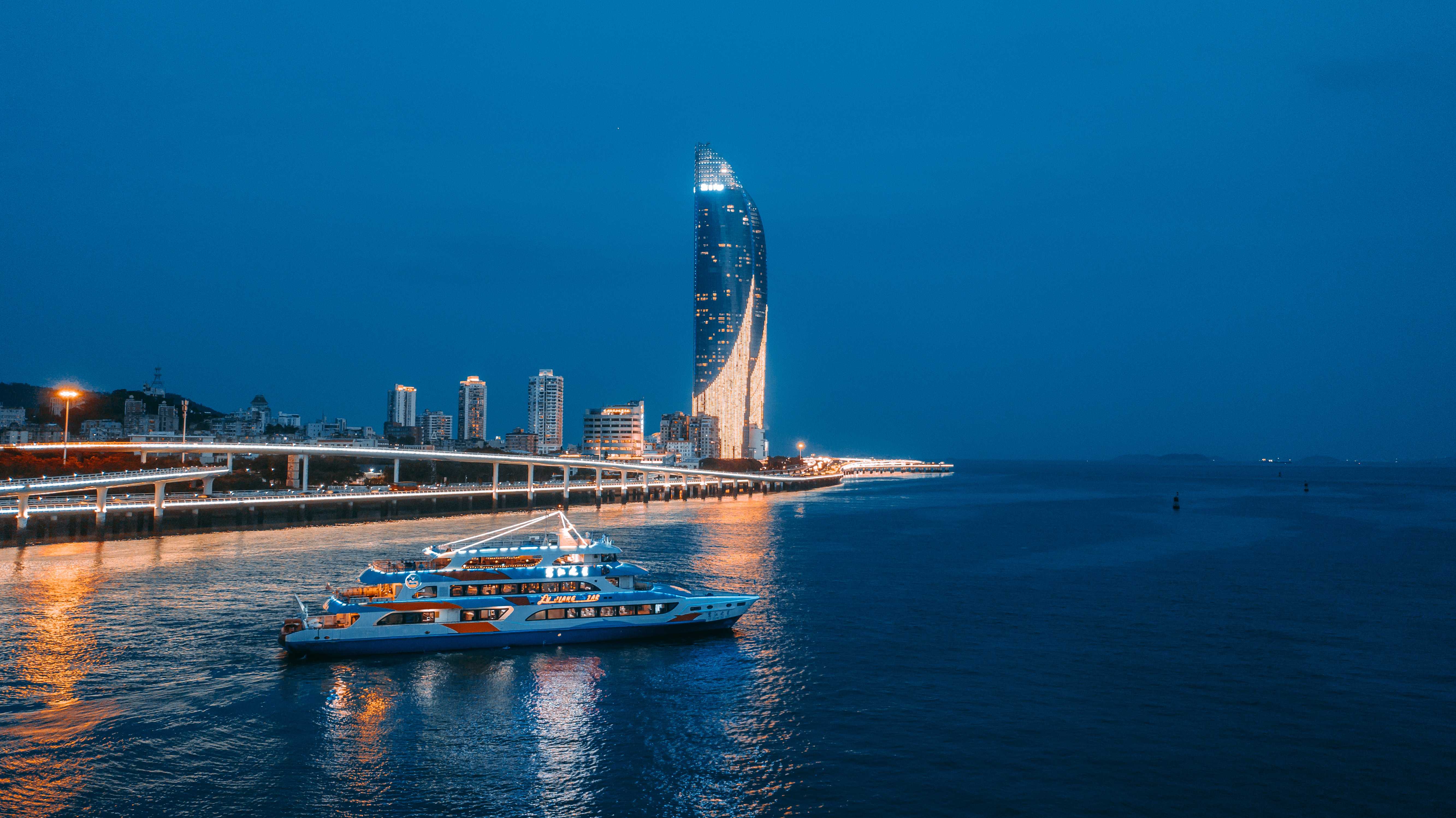
Getting around Xiamen is more than just transport — it’s part of the experience of this laid-back coastal city. Whether you’re riding the clean and efficient metro, hopping on a public bus to the beach, or taking the short ferry ride across to Gulangyu Island, every trip shows you a different side of Xiamen’s charm.
Sure, there are moments that can feel a little tricky — bus routes are mostly written in Chinese, and some areas like the old streets around Zhongshan Road can be crowded. But once you get the hang of it, Xiamen’s transport system is safe, affordable, and easy to manage, even for first-time visitors from Malaysia.
My best advice? Mix and match. Use the metro for quick access around the island, buses for cheap connections to beaches and neighbourhoods, and ferries for that must-do ride to Gulangyu. Having mobile data (an eSIM works perfectly in China) also helps a lot with navigation apps and booking taxis or ride-hailing through Didi. At first glance, Xiamen may seem busy, but after a few rides, you’ll enjoy the relaxed rhythm of this island city.
👉 Get Trip.com Exclusive Offers
👉Download the Trip.com App Now!
FAQs: Getting Around in Xiamen
-
Is public transport in Xiamen tourist-friendly? 🚇
-
Should I use Didi or taxis in Xiamen? 🚕
-
Can I pay for metro and buses with a card? 💳
-
Is it safe to walk around Xiamen? 🚶♂️