Travelling with a baby can feel overwhelming, especially for first-time parents. From understanding airline rules to packing the right essentials, there’s a lot to prepare before your trip. If you’re a Malaysian traveller flying domestically or internationally, knowing the infant flight rules can help you plan more confidently and ensure a smooth journey for you and your little one.
This guide covers everything Malaysian parents need to know from ticketing and baggage allowances to feeding tips, safety rules, and travel hacks so you can take to the skies stress-free with your infant.
Booking Flights for Babies on Trip.com 🛫

Source: Positive Day Tour
In the airline industry, an infant is defined as a child who is under two years old on the date of travel. This classification is important because infants are subject to a different set of rules regarding ticketing, seating, and safety compared to older children.
If your child reaches their second birthday before or during your trip, most airlines will require you to purchase a child fare for the return journey. It is therefore advisable to check your travel dates carefully before booking, as this can help you avoid any unexpected fare adjustments or complications at the airport.
💰 Fare Rules
Ticket Type | Age Range | Seat Provided | Fare Structure |
Infant Ticket | Under 2 years | Seat number | Reduced fare for international travel, free for domestic travel |
Child Ticket | 2–11 years | With seat | Usually charged full adult fare |
🔥Trip.com Vietnam Travel Deals – Flight Promos & Exclusive Discounts
Claim exclusive Trip.com promo codes up to RM80 for flights and hotels!

Ticket and Fare Rules

Source: Hip2Save
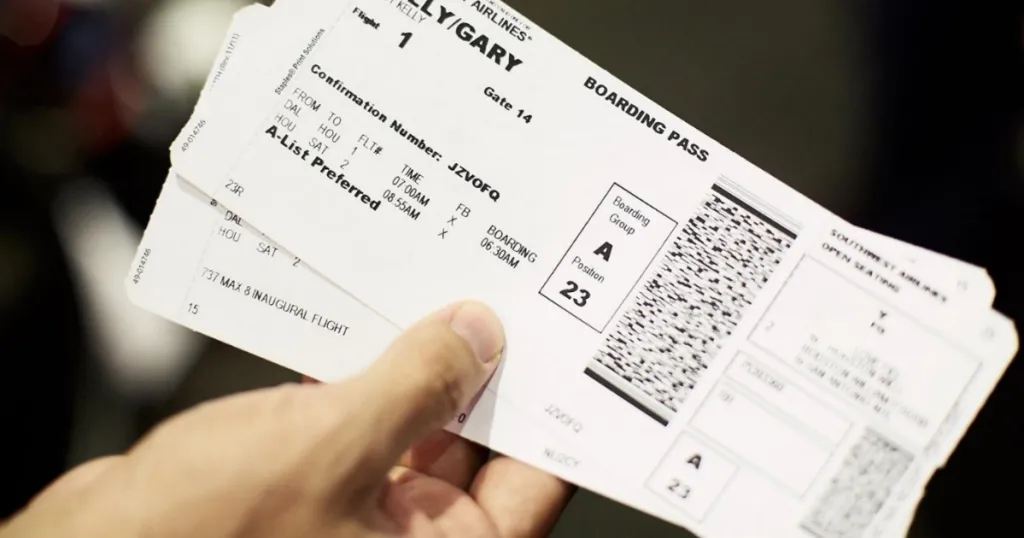
Infants may not require their own seat, but they are still required to have a valid ticket for travel. Most airlines charge a reduced infant fare, typically around 10% of the adult ticket price, in addition to any applicable taxes and service fees. This fare structure reflects that the infant will be seated on an adult’s lap and will not occupy a separate seat.
During the flight, infants are usually seated on the parent’s or guardian’s lap, secured by a special infant seatbelt provided by the cabin crew after boarding. However, parents who prefer additional safety and comfort may choose to purchase a separate seat for their infant. In such cases, the infant must be seated in an airline-approved baby car seat, which provides better support and security, especially during take-off, landing, and turbulence.
When booking tickets online, most airline websites include an option to add an “Infant” passenger under the booking details section. Parents should ensure that the infant’s information, including the correct date of birth, is accurately entered to avoid any check-in issues.
Below is a summary of infant fare policies for major Malaysian airlines:
| Airline | Infant Fare | Bassinets Availability | Seat Policy | Details |
|---|---|---|---|---|
Malaysia Airlines | 10% of the adult fare (plus taxes) | Available on long-haul flights | Infant travels on parent’s lap | Bassinets must be pre-booked; baby meals available |
AirAsia | Fixed infant fee per flight sector (varies by route) | Not available | Infant travels on parent’s lap | No separate seat provided; no bassinet service |
Firefly | Fixed infant handling fee | Not available | Infant travels on parent’s lap | Suitable for short domestic routes |
Batik Air | 10% of the adult fare | Limited availability on selected routes | Infant travels on parent’s lap | Infant must be accompanied by an adult aged 18 or older |
Understanding these fare structures and policies allows parents to choose the most suitable airline and plan their journey with greater ease and peace of mind.
Seat and Safety Requirements

Source: Tata Neu
For safety reasons, airlines allow only one infant per adult passenger. This rule ensures that each infant can be properly supervised and secured throughout the flight. If you are travelling with twins or more than one infant, you must be accompanied by another adult or consider purchasing an extra seat. The additional seat allows one infant to be safely placed in an airline-approved baby car seat, which provides better protection and comfort during the journey.
Once on board, parents can request a special infant seatbelt from the cabin crew. This seatbelt is designed to attach securely to the adult’s seatbelt, ensuring that the infant remains safely fastened during take-off, landing, and turbulence.
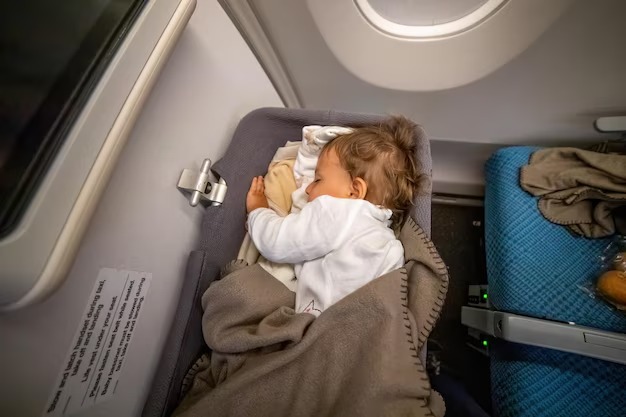
For long-haul flights, airlines such as Malaysia Airlines, Singapore Airlines, and Emirates offer bassinets — small baby beds that attach to the bulkhead wall in specific rows. These bassinets provide a safe and comfortable sleeping space for infants, allowing both the baby and parents to rest more comfortably during the flight. However, bassinets are subject to availability and should always be requested in advance.
Parents should also take note of weight and size limitations, as most airlines only allow infants weighing up to 11–14 kilograms to use the bassinet.
Below is a summary of seat and safety features for infants across selected airlines:
| Airline | Infant Seatbelt | Bassinet Availability | Weight Limit (Bassinet) | Details |
|---|---|---|---|---|
Malaysia Airlines | Provided by cabin crew | Available on long-haul routes | Up to 11–14 kg | Must be pre-booked; located at bulkhead seats |
AirAsia | Provided by cabin crew | Not available | N/A | Infants must remain on the parent’s lap throughout the flight |
Batik Air | Provided by cabin crew | Available on selected international flights | Up to 12 kg | Limited availability; advance request recommended |
Firefly | Provided by cabin crew | Not available | N/A | Suitable for short domestic flights; lap-held infants only |
Singapore Airlines | Provided by cabin crew | Available on most long-haul flights | Up to 14 kg | Complimentary service upon request during booking |
Emirates | Provided by cabin crew | Available on long-haul flights | Up to 11 kg | Includes baby amenities and adjustable lighting near bassinet |
When travelling with an infant, it is always best to inform the airline early about your needs, such as bassinets or seating arrangements. This ensures that suitable seats are reserved and that your flight experience is as safe and comfortable as possible for both you and your baby.
🔥Last Minute Hotel & Travel Deals in Malaysia
Last minute travel deals up to 30% OFF!

Infant Baggage Allowance

Source: JuJuBe
Although infants do not occupy their own seat, most airlines still provide a separate baggage allowance for them. The amount and type of baggage permitted usually depend on the airline’s policy, fare type, and route. This allowance helps parents carry essential baby items conveniently, ensuring a smoother travel experience.
Typically, airlines offer a hand-carry allowance for baby essentials such as diapers, formula milk, wipes, and a small change of clothes. The cabin allowance for infants is generally up to 7 kilograms. For checked baggage, infants are usually entitled to 10 to 23 kilograms, depending on whether you are flying with a full-service or low-cost airline.
In addition, most airlines allow parents to check in one stroller, pram, or baby car seat free of charge. This is especially useful for families travelling with young children, as these items can be bulky. Some parents prefer to keep their strollers with them until boarding, after which airline staff will tag and store them in the aircraft’s hold.
However, travellers should note that low-cost airlines, such as AirAsia, may not include checked baggage for infants in the basic fare. In such cases, parents must purchase additional luggage allowance if they plan to check in larger items. On the other hand, full-service carriers, such as Malaysia Airlines, typically include infant baggage allowance as part of the fare.
Below is a summary of infant baggage allowances for selected Malaysian and regional airlines:
| Airline | Cabin (Hand-Carry) | Checked Baggage | Baby Gear (Stroller/Car Seat) | Details |
|---|---|---|---|---|
Malaysia Airlines | Up to 7 kg | 10–23 kg depending on route | 1 stroller or car seat free of charge | Full-service airline; bassinet and baby meals available |
AirAsia | Up to 7 kg | Not included (must be purchased separately) | 1 stroller or pram checked free of charge | No checked baggage included for infants unless purchased |
Batik Air | Up to 7 kg | 10–15 kg depending on route | 1 stroller or car seat free of charge | Infant baggage included on most international routes |
Firefly | Up to 5 kg | Not specified | 1 stroller or pram checked free of charge | Domestic short-haul flights; limited baggage allowance |
Singapore Airlines | Up to 6 kg | Up to 23 kg | 1 stroller or car seat free of charge | Includes infant amenities and diaper-changing facilities |
Emirates | Up to 5 kg | Up to 23 kg | 1 stroller, car seat, or carrycot free of charge | Offers additional baby amenities on long-haul flights |
To avoid any inconvenience, parents should check the airline’s infant policy before flying, especially if they plan to bring bulky baby equipment. By understanding the baggage rules in advance, Malaysian travellers can pack efficiently and enjoy a more comfortable and stress-free journey with their little ones.
Feeding and Baby Food Rules

Source: Gulf News
One of the most common concerns for parents travelling with infants is whether baby food, milk, or formula can be brought through airport security. Fortunately, most airports — including those in Malaysia allow parents to carry baby food, formula, and water in reasonable quantities, even if they exceed the standard 100ml liquid restriction. This exemption ensures that parents can feed their infants comfortably throughout their journey without unnecessary stress.
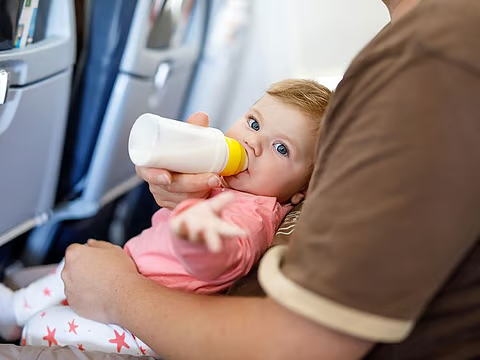
When preparing for your flight, it is best to pack bottles and baby food in insulated containers to maintain the right temperature for feeding. If you are using powdered formula, you can request warm water from the cabin crew to mix it once you are onboard. Many airlines are happy to assist parents with heating milk or water safely.
During take-off and landing, it is advisable to feed your baby — either by breastfeeding, bottle-feeding, or using a pacifier. The act of sucking or swallowing helps equalize ear pressure, reducing the discomfort that babies often experience during changes in cabin altitude.
For breastfeeding mothers, airlines are generally very supportive of nursing on board. You may choose to breastfeed discreetly at your seat, or if you prefer privacy, you can request assistance from the cabin crew to use a more private area, depending on the aircraft and flight conditions.
Below is a summary of baby feeding and food rules across selected airlines and Malaysian airports:
| Airline / Airport | Allowance for Baby Food & Milk | Heating / Warm Water Service | Breastfeeding Policy | Details |
|---|---|---|---|---|
Malaysia Airlines | Permitted beyond 100ml; reasonable quantity allowed | Cabin crew can provide warm water or heat bottles | Fully supportive; mothers may nurse in their seats | Baby meals available on request for long-haul flights |
AirAsia | Permitted beyond 100ml (must be declared at security) | Cabin crew can provide warm water upon request | Allowed at the seat; privacy cover recommended | Bring pre-mixed formula for convenience |
Batik Air | Permitted in reasonable quantity | Warm water available on request | Allowed at the seat | Baby food must be properly packed and sealed |
Firefly | Permitted; no strict liquid limit for baby food | Warm water available | Allowed; crew can offer assistance if needed | Ideal for short-haul domestic routes |
KLIA / KLIA2 | Baby food and milk permitted beyond 100ml | Security staff may inspect but not confiscate | Nursing rooms available in all terminals | Dedicated baby care facilities throughout the airport |
Penang International Airport | Permitted with declaration | Warm water available from airport cafes or inflight service | Nursing rooms available in departure areas | Family-friendly facilities near boarding gates |
Before travelling, parents should pack baby food separately from other liquids and declare it at security checkpoints if required. It is also wise to carry extra feeding supplies in case of delays. By understanding the feeding and baby food rules in advance, Malaysian parents can ensure that their little ones stay nourished, comfortable, and happy throughout the entire journey.
🔥GO CHINA
Exclusive China mainland travel discount! Every Tuesday 50% OFF Promo Code

Travel Documents for Infants

Source: Baby Can Travel
Even though infants do not occupy their own seat on the plane, they are still required to have proper travel documentation. These documents are necessary to verify the child’s identity and ensure compliance with both local and international travel regulations.
For domestic flights within Malaysia, parents may be asked to present their child’s birth certificate or MyKid card during check-in. These documents serve as proof of age and identity, which is especially important for verifying eligibility under the infant fare category (for children under two years old).
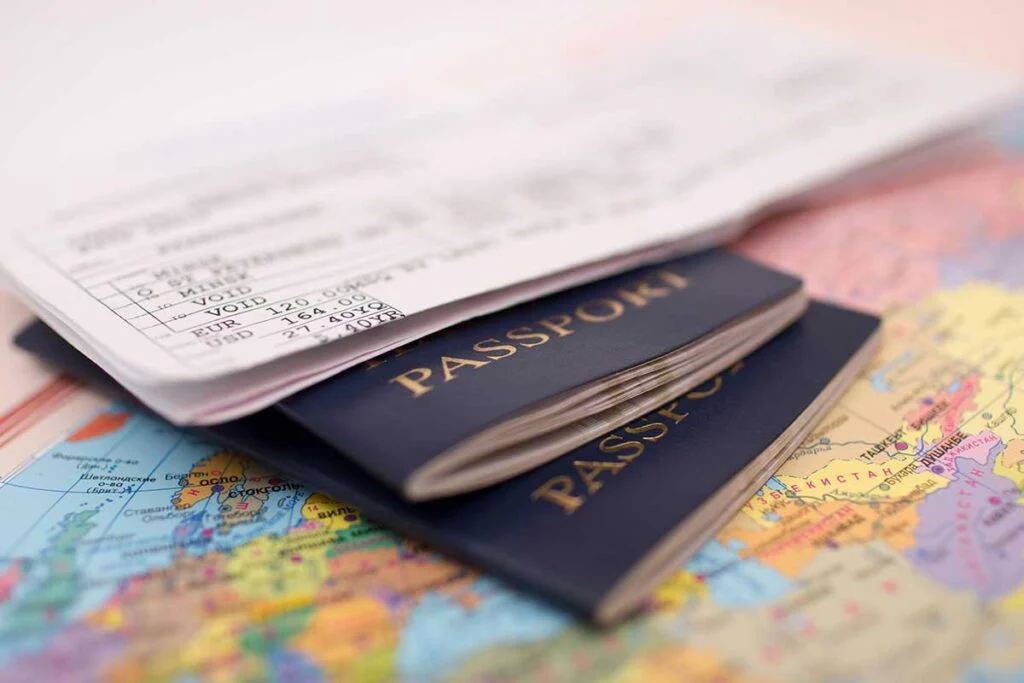
For international travel, all infants — including newborns — must have their own passport. This is a standard requirement across all countries, and parents should apply for the infant’s passport well in advance to avoid last-minute complications. The process for obtaining a Malaysian passport for an infant is straightforward and can be done at any Immigration Department office.
Additionally, if only one parent is travelling with the infant, some countries such as Singapore, Australia, and Canada may require a consent letter from the other parent. This measure helps prevent international custody disputes and ensures the safety of the child. The consent letter should include the travelling parent’s details, the child’s information, and the non-travelling parent’s signature, preferably notarized for authenticity.
It is also recommended to check the entry requirements of your destination country, as some may request supporting documents such as vaccination records, return tickets, or proof of accommodation for families travelling with young children.
Below is a summary of infant travel document requirements for Malaysian travellers:
| Travel Type / Destination | Required Documents | Purpose | Details |
|---|---|---|---|
Domestic (within Malaysia) | Birth Certificate or MyKid | Proof of age and identity | Required during check-in; helps confirm infant fare eligibility |
International (any country) | Infant Passport | Official travel identification | Mandatory for all infants, including newborns |
Travel with One Parent | Consent Letter from the other parent | To prevent custody disputes | Required by certain countries (e.g., Singapore, Australia, Canada) |
Selected Destinations | Vaccination records or medical certificates | Health verification | Some countries require proof of immunization for entry |
All Flights | Flight Itinerary and Booking Confirmation | Verification of travel details | Include infant’s name in the booking and ticket information |
Before heading to the airport, parents should ensure that all travel documents are valid, original, and easily accessible. Keeping digital copies on your phone or email can also be helpful in case of emergencies. By preparing the necessary paperwork in advance, Malaysian parents can enjoy a smoother check-in and immigration process, ensuring a stress-free start to their family journey.
Health and Safety Considerations

Source: Eureka Home Health Care
It is generally safe for healthy infants to travel by air once they are at least two weeks old, but parents should always consult their paediatrician before booking a flight. This is particularly important if the baby was born prematurely, has a history of respiratory issues, or is currently recovering from an illness. A doctor can provide personalised advice on whether it is safe for your baby to fly and recommend precautions to ensure a comfortable journey.
Flying exposes infants to changes in air pressure, unfamiliar sounds, and confined environments, which can sometimes cause discomfort. Proper preparation can help make the trip more manageable for both parents and baby.
Here are several essential health and safety tips for parents travelling with infants:
- Pack a small medical kit containing essentials such as infant paracetamol drops, teething gel, and saline nasal spray to handle minor discomforts during the journey.
- Carry all prescribed medications in their original packaging, along with a doctor’s note or prescription letter to avoid issues with airport security.
- Ensure your baby is well-rested before the flight to reduce fussiness and make them more comfortable during take-off and landing.
- If your baby has a cold or nasal congestion, try feeding or offering a pacifier during take-off and landing — sucking or swallowing helps equalize ear pressure and relieve discomfort.
Below is a summary of health and safety considerations for infants on flights:
| Category | Recommendation | Purpose / Benefit | Details |
|---|---|---|---|
Minimum Age to Fly | 2 weeks old (consult doctor first) | Ensures baby’s body can handle cabin pressure | Earlier travel only with medical clearance |
Medical Consultation | Visit a paediatrician before travelling | Confirms baby’s health suitability for flight | Especially for premature or unwell infants |
Medical Kit | Include paracetamol drops, teething gel, nasal spray | Helps manage common baby ailments | Keep within hand-carry for easy access |
Prescribed Medication | Carry in original packaging with doctor’s note | Avoids security or customs issues | Bring extra doses for longer trips |
Sleep and Comfort | Ensure baby is well-rested before travel | Reduces irritability and crying | Maintain feeding and nap routines |
Ear Pressure Relief | Feed or offer pacifier during take-off/landing | Helps equalize ear pressure | Useful if baby has a cold or ear infection |
Hygiene Precautions | Use sanitizing wipes and pack extra diapers | Maintains cleanliness in confined spaces | Airplane cabins can be dry and germ-prone |
By taking these health and safety steps, Malaysian parents can ensure their baby remains comfortable, calm, and safe throughout the flight. Preparation and awareness make all the difference — turning a potentially stressful experience into a smooth and enjoyable journey for the whole family.
🔥Fly with AirAsia
Fly with AirAsia! Flights promo code up to RM80 OFF!

Arrival and Immigration Tips

Source: smababy
When you arrive at your destination, the process can be much smoother if you plan ahead — especially when travelling with an infant. Many international airports, including those in Malaysia, offer priority lanes at immigration for families with young children. These lanes are designed to help parents move through arrival formalities more quickly and comfortably. Always keep an eye out for “Family” or “Priority” signage near immigration or customs counters, and don’t hesitate to ask airport staff for assistance if you’re unsure where to go.
Once you have cleared immigration, proceed to the baggage claim area. If you’ve checked in baby equipment such as a stroller, pram, or car seat, it may not appear on the regular baggage carousel. Instead, these items are often delivered separately at the oversized or special baggage area. It’s a good idea to confirm this with airline staff upon check-in so you’ll know exactly where to collect your items upon arrival.
If your journey involves a connecting flight, be sure to allow ample transit time between flights. This gives you enough time for diaper changes, feeding, or simply allowing your baby to rest before continuing the trip. Many major airports have family rooms or baby care facilities, equipped with changing tables and nursing areas — use these to freshen up and prepare for the next leg of your journey.
Below is a summary of arrival and immigration guidelines for travellers with infants:
| Category | Recommendation | Purpose / Benefit | Details |
|---|---|---|---|
Priority Immigration Lanes | Use family or priority lanes upon arrival | Faster processing and less waiting time | Available in most major airports including KLIA, Penang, and Singapore Changi |
Baggage Collection | Check the oversized baggage area for strollers or car seats | Ensures safe and proper handling of baby gear | Inform airline staff during check-in |
Connecting Flights | Allow extra transit time (minimum 2–3 hours) | Provides time for feeding, diaper changes, and rest | Use family rooms or nursing areas if available |
Assistance from Staff | Request help from ground crew or airport staff | Eases navigation through immigration and baggage areas | Staff can assist with strollers or directions |
Post-Flight Care | Take time to settle and rehydrate your baby | Reduces stress and discomfort after long flights | Keep baby essentials handy in your carry-on bag |
By staying organised and knowing what to expect upon arrival, parents can make the post-flight process smooth and stress-free. A little preparation from identifying family lanes to planning for transit breaks goes a long way in ensuring that both parent and baby arrive safely and comfortably at their destination.
🔥Book Your Family Holidays Today!
👨👩👦👦 Discover the world with your loved ones and save up to 35% OFF flights, hotels and attractions! Book today and explore more together.

👶 FAQs: Infant on flight rules
What is considered an infant when flying?
In the airline industry, an infant is defined as a child under two years old on the date of travel. This distinction is important because infants follow different fare, seating, and safety rules compared to older children. If your child turns two before or during your trip, you’ll need to purchase a child fare ticket for the return flight.Do I need to buy a ticket for my infant?
Yes. Even though infants do not occupy their own seat, they still require a valid ticket. Most airlines charge around 10% of the adult fare, plus applicable taxes and fees. Budget airlines such as AirAsia charge a flat infant fee per flight sector. You can add your infant to the booking under the “Passenger Details” section when booking online.How many infants can one adult travel with?
For safety reasons, only one infant is allowed per adult passenger. If you are travelling with twins or more than one infant, you must be accompanied by another adult or purchase an additional seat for one of the infants.How early should I arrive at the airport when travelling with a baby?
It’s best to arrive at least 2 hours before domestic flights and 3 hours before international flights. Many Malaysian airports, such as KLIA and Penang International Airport, offer priority check-in counters or family lanes to make the process smoother. Families with infants are also given priority boarding, allowing you extra time to settle before take-off.Can I sit anywhere on the plane with my baby?
Infants must be seated in designated areas approved for lap-held infants. Passengers with bassinets are often assigned to bulkhead seats (the first row of a cabin section). You can request these during booking, but availability is limited, so make the request early.