Japan Visa-Free Countries | Travel Hassle-Free with Trip.com

Japan offers visa-free entry to travelers from various countries, allowing them to explore its culture, cities, and natural beauty without going through a lengthy visa process. If you are eligible, you only need a valid passport to enter and can enjoy your stay for the permitted duration based on your nationality.
What Is a Visa?
A visa is an official authorization issued by a country that allows a foreign national to enter, stay temporarily, or reside in that country for a specific period of time. In most cases, a visa is stamped or affixed to the applicant’s passport.
Common Types of Visas for Japan
- Tourist Visa – For short-term visits such as sightseeing, leisure, or visiting friends and family.
- Business Visa – For attending meetings, conferences, or short-term business activities.
- Student Visa – For enrolling in educational institutions or language schools in Japan.
- Work Visa – For legally working in Japan, usually tied to specific professions or employers.
- Transit Visa – For travelers passing through Japan on the way to another destination.
🆚 Difference Between a Passport and a Visa
A passport and a visa are two essential documents for international travel. While both are important, they serve different purposes and are issued by different authorities.
Comparison
| Aspect | Passport 🛂 | Visa 🛃 |
|---|---|---|
Definition | An official document issued by your home country as an international identity for its citizens. | Official permission granted by the destination country that allows you to enter and stay temporarily. |
Function | Serves as your official identification for traveling abroad. | Proof that the destination country has authorized your entry. |
Issued by | The government of your home country (e.g., Immigration Office of Indonesia). | The embassy, consulate, or immigration authority of the destination country. |
Form | A small booklet containing personal details, photo, and pages for entry/exit stamps. | A stamp, sticker, or digital file attached to your passport or sent via email. |
Is it mandatory? | Yes, required for all international travel. | Depends on the destination country—sometimes required, sometimes not. |
Examples | Indonesian Passport | Schengen Visa, Japan Visa, Saudi Arabia Umrah Visa |
🌍 What Are Visa-Free Countries for Japanese Citizens?
Visa-free countries are nations that allow Japanese passport holders to enter without applying for a visa in advance. This means you can simply travel with your passport—no embassy visits needed—for purposes such as:
- Tourism 🏖️
- Visiting family or friends 👨👩👧👦
- Short business trips 💼
- Transit ✈️
Some destinations also offer Visa on Arrival (VoA) or eVisas, which are still considered hassle-free entry options.
✅ Advantages of a Japanese Passport
🛂 Visa-Free Access to Over 190 Countries
Japanese citizens can enter more than 190 countries and territories without a visa, with a VoA, or with a simple eVisa. This covers nearly all of Europe, Asia, the Americas, Oceania, and parts of Africa.
📌 Japan has consistently ranked among the top 1–3 passports on the Henley Passport Index for years.
🌍 Widely Trusted Worldwide
The Japanese passport is one of the most respected travel documents globally. Immigration authorities view Japanese travelers as low-risk and law-abiding, making entry procedures smoother and faster in many countries.
💼 Easier for Business and Leisure Travel
With such broad visa-free access:
- Business professionals can attend international meetings on short notice.
- Tourists can plan spontaneous trips without the hassle of visa paperwork.
- Japanese backpackers and digital nomads enjoy greater flexibility when exploring the world.
🛃 Faster & More Convenient Immigration Process
In many countries, Japanese travelers benefit from:
- Fast-track immigration lanes
- Pre-authorization systems (e.g., ESTA for the U.S., eTA for Canada, NZeTA for New Zealand)
- No need for complex visa interviews or extensive document requirements
Top Things to do in Japan
 40130 ditempah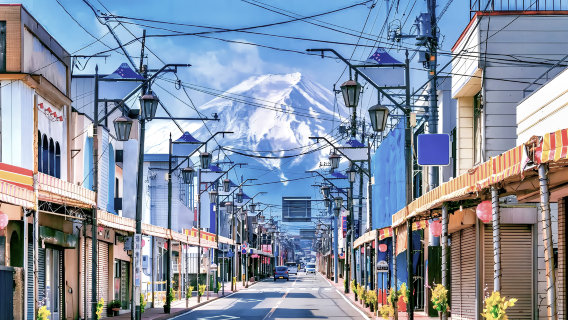



![[Tiket Rasmi] Tiket Kereta Api Keiseu Skyliner (Ekspres Lapangan Terbang Tokyo: Lapangan Terbang Antarabangsa Narita - Ueno/Nippori) [Pilihan + Pakej Istimewa Kereta Api Bawah Tanah Tokyo]](https://ak-d.tripcdn.com/images//0580f12000qjpzexo5F36_C_568_320.jpg)
![[Tiket Rasmi] JR Tokyo Wide Pass 3 Hari (Baucar Penebusan Elektronik)](https://ak-d.tripcdn.com/images//0586012000rry1wiqCBE8_C_568_320.jpg)

🌍 Complete List of Visa-Free Countries for Singapore Passport Holders (2025)
🌏 Asia
Country | Visa-Free Stay Duration |
Malaysia | 30 days |
Singapore | 30 days |
Thailand | 30 days |
Vietnam | 30 days |
Philippines | 30 days |
Cambodia | 30 days |
Laos | 30 days |
Myanmar | 14 days |
Japan | 30 days |
Hong Kong | 30 days |
Macau | 30 days |
South Korea | 30 days (via certain airports or direct Jeju entry) |
Kazakhstan | 30 days |
Tajikistan | 30 days |
Mongolia | 30 days (since 2023) |
🌴 Oceania & Pacific
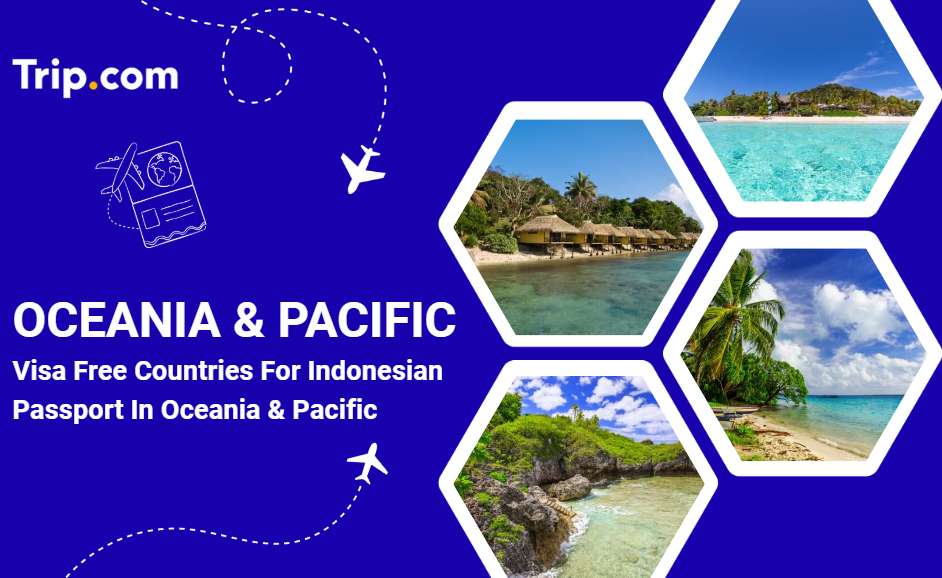
Country | Visa-Free Stay Duration |
Fiji | 120 days |
Vanuatu | 30 days |
Kiribati | 30 days |
Cook Islands (NZ territory) | 31 days |
Niue | 30 days |
🌍 Africa
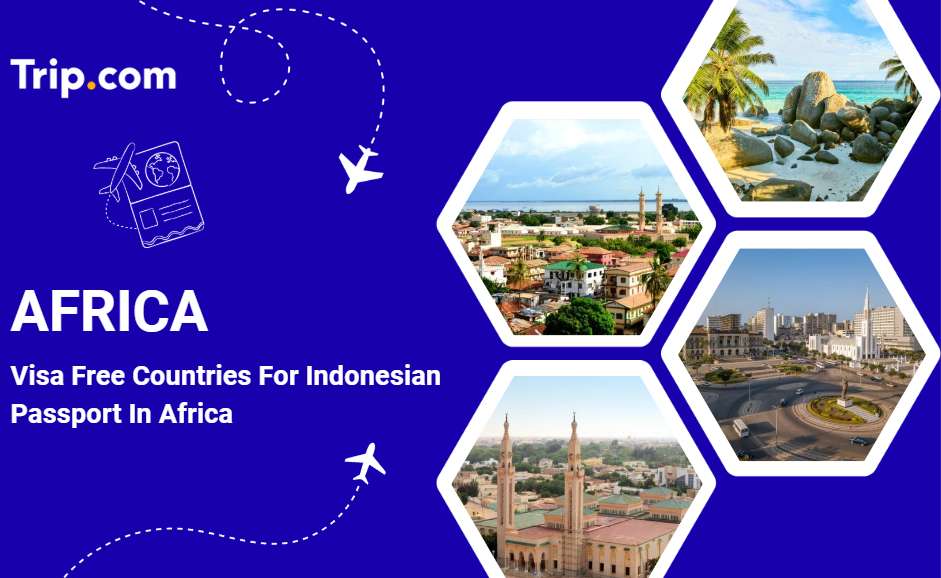
Country | Visa-Free Stay Duration |
Seychelles | 90 days |
Gambia | 90 days |
Mozambique | 30 days |
Mauritania | Visa-free for diplomatic/official passports; tourists can get VoA |
🌎 South America & Caribbean
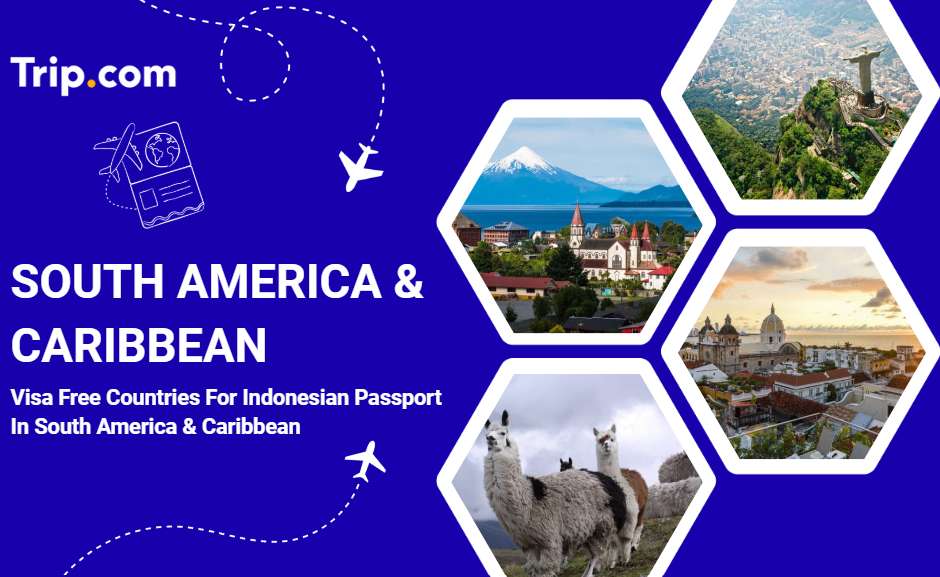
Country | Visa-Free Stay Duration |
Brazil | 30 days |
Chile | 90 days |
Colombia | 90 days |
Peru | 183 days |
Ecuador | 90 days |
Suriname | 30 days |
Bahamas | 90 days |
Barbados | 90 days |
Dominica | 21 days |
Saint Lucia | 42 days |
Saint Vincent & the Grenadines | 30 days |
Jamaica | 30 days |
🌍 Europe
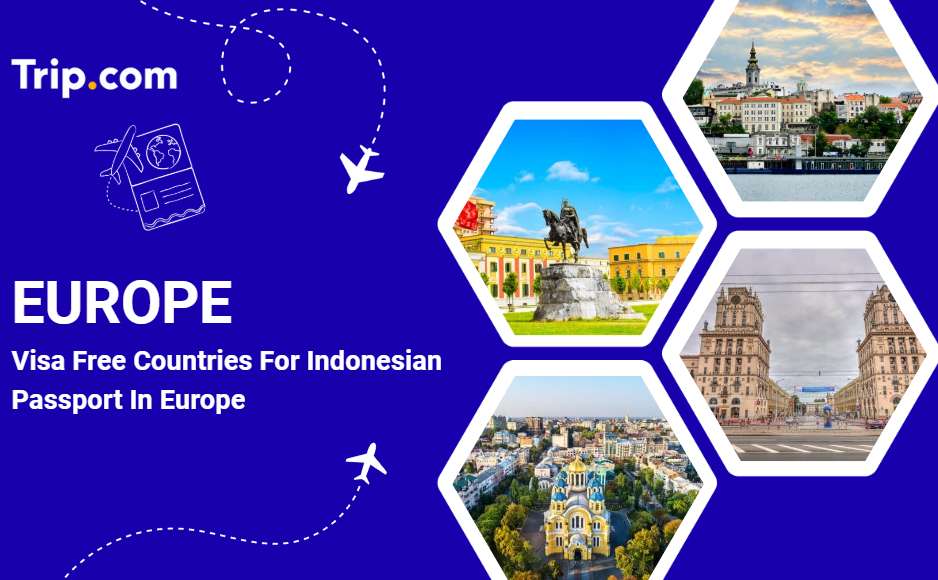
Country | Visa-Free Stay Duration |
Serbia | 30 days |
Albania | 14 days (during summer; temporary policy) |
Belarus | 30 days (entry via Minsk Airport) |
Ukraine | 30 days (subject to security conditions) |
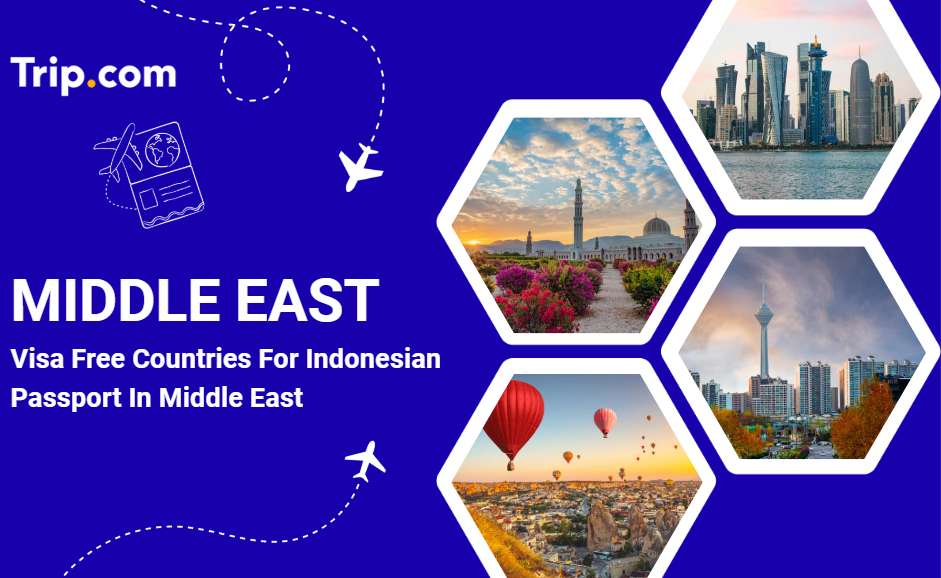
🕌 Middle East
Country | Visa-Free Stay Duration |
Qatar | 30 days |
Oman | 14 days (free eVisa) |
Iran | 14 days (visa-free) |
Turkey | Not visa-free, but easy with eVisa (for holders of certain visas) |
UAE | Not visa-free, but eVisa is very easy to obtain |
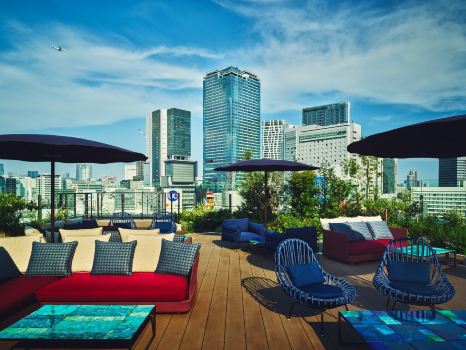
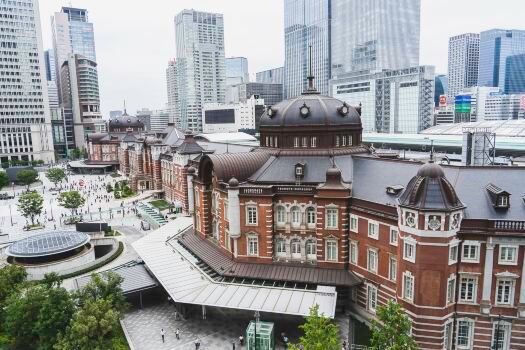
Recommended Hotels in Japan







🛂 What Is an eTA?
An eTA (Electronic Travel Authorization) is a digital entry permit issued by the government of a destination country. While it is not a traditional visa, an eTA is still mandatory before boarding a flight to that country.
For example, even though Singaporean citizens enjoy visa-free travel, they must apply for an eTA online to enter countries like Canada, Australia, and New Zealand.
🔍 How Does an eTA Work?
| Step | Description |
|---|---|
1️⃣ | Complete the online application form on the official immigration website. |
2️⃣ | Provide passport details, personal information, and sometimes travel plans. |
3️⃣ | Pay a small fee (usually between USD 5–20). |
4️⃣ | Wait for approval via email (often within minutes). |
5️⃣ | Once approved, the eTA is digitally linked to your passport. |
📌 Key Differences: Visa vs. eTA
| Aspect | Traditional Visa | eTA (Electronic Travel Authorization) |
|---|---|---|
Process | Longer and more complex | Quick and entirely online |
Embassy Interview | Sometimes required | Not required |
Cost | Can be expensive | Usually very affordable |
Document Form | Sticker or paper attached to passport | Digital authorization linked to passport |
Processing Time | Several days to weeks | Minutes to a few hours |
Common Purpose | Tourism, business, study, employment | Short-term tourism, business, or transit |
📌 Key Things to Know About Visa-Free Travel for Japanese Passport Holders
1.🕒 Stay Duration Limits Still Apply
Even with visa-free access, each country sets a maximum stay period:
- Typical duration: 30–90 days
- Exceptions: Some countries (e.g., Mexico or Georgia) allow up to 180–360 days
- Overstaying can result in fines, deportation, or even being blacklisted 🚫
2.🛃 Immigration Officers Can Still Deny Entry
Visa-free entry does not guarantee admission. You may be refused if:
- You cannot clearly explain the purpose of your visit
- You lack proof of return tickets or sufficient funds
- Your intentions appear suspicious (e.g., claiming tourism while seeking work)
💡 Tip: Always prepare basic documents such as return tickets, accommodation bookings, and a travel itinerary.
3.✈️ Not Valid for Work or Long-Term Stay
Visa-free travel is typically limited to tourism, transit, or short business trips.
You cannot:
- Work or seek employment
- Enroll in long-term study programs
- Stay beyond the permitted period
4.📅 Schengen Area 180-Day Rule (Europe)
For Schengen countries in Europe:
- Visa-free stay: 90 days within any 180-day period
- This means after staying 90 days, you must leave and wait another 90 days before re-entering the Schengen zone.
5.📲 Some Visa-Free Countries Require Online Registration
Even if visa-free, certain countries require electronic travel authorization:
- U.S.: ESTA
- Canada: eTA
- New Zealand: NZeTA
- Some may also require online health declarations.
6.🌐 Rules Can Change Anytime
Visa-free policies are subject to sudden changes due to:
- Government policy shifts
- Conflicts, natural disasters, or pandemics
✅ Always check the official embassy website or IATA Travel Centre before traveling.
7.📒 Passport Validity Requirement
Most countries require that your passport:
- Be valid for at least 6 months upon entry
- Remain undamaged and legible
- Contain blank pages for stamps
8.🛬 Transit May Still Require a Visa
Even if only transiting through an airport:
- Some countries (e.g., China, Russia, India in certain cases) require a transit visa
- Others (e.g., Singapore, South Korea, Qatar) allow airside transit without a visa
💡 Always confirm transit visa rules if your flight is not direct.
9.🏨 Proof of Accommodation and Itinerary May Be Required
At immigration, you may be asked for:
- Hotel confirmations
- A short travel itinerary
- Emergency contacts or details of a local sponsor (for family visits)
📌 This is common in parts of Europe, the Middle East, and Latin America.
10.🧬 Health and Vaccination Requirements
Some countries maintain health-related entry conditions, such as:
- Mandatory vaccinations (e.g., yellow fever for Africa and South America)
11.💳 Proof of Funds May Be Requested
Immigration officers may ask for evidence that you can finance your stay, such as:
- Bank statements
- Credit cards
- Sponsorship letters
This ensures you are not at risk of becoming an undocumented immigrant.
12.🌍 Neighboring Countries May Have Different Rules
Visa-free rules vary even between close neighbors. For example:
- Spain (Schengen): 90 days visa-free
- Morocco (non-Schengen): Visa-free as well, but with different rules and durations
Do not assume one region follows identical regulations.
13.🧭 Special Facilities for Japanese Travelers
Some countries offer perks for Japanese passport holders, such as:
- Dedicated immigration lanes (e.g., Thailand, South Korea)
- Fast-track services to reduce waiting times
Flights from Kuala Lumpur to Japan>
- Pergi Balik
- Sehala
 KUL12:3026j1 stopsNRT15:30Kuala Lumpur - Tokyo|Jum, 7 Ogo|VietJet Air
 NRT08:2010j 5m1 stopsKUL17:25Tokyo - Kuala Lumpur|Jum, 14 Ogo|ScootPHP 21,970PHP 24,0569% offCari9% offPHP 24,056PHP 21,970
 KUL02:1521j 30m1 stopsHND00:45Kuala Lumpur - Tokyo|Isn, 10 Ogo|Philippine AirlinesHND14:5511j 20m1 stopsKUL01:15Tokyo - Kuala Lumpur|Isn, 17 Ogo|Philippine AirlinesPHP 22,372PHP 24,0567% offCari7% offPHP 24,056PHP 22,372
- KUL02:1521j 30m1 stopsHND00:45Kuala Lumpur - Tokyo|Sab, 8 Ogo|Philippine AirlinesHND14:5521j 15m1 stopsKUL11:10Tokyo - Kuala Lumpur|Sab, 15 Ogo|Philippine AirlinesPHP 22,372PHP 24,0567% offCari7% offPHP 24,056PHP 22,372
 KUL13:0021j 30mTanpa hentiTYO14:00Kuala Lumpur - Tokyo|Mon, Sep 6|Normal Airline
 TYO13:0021j 30mTanpa hentiKUL14:00Tokyo - Kuala Lumpur|Mon, Sep 6|Normal AirlineCari Penerbangan LainCari Penerbangan Lain
✨ Conclusion: Visa-Free Countries for Japanese Passport Holders
The Japanese passport is among the strongest in the world, offering visa-free, visa on arrival, or eVisa access to over 190 countries and territories. This makes it significantly easier for Japanese citizens to travel for tourism, short business trips, or family visits without going through lengthy visa procedures.
However, even with such broad access, travelers must still comply with each country’s entry rules, including:
- Stay duration limits (typically 30–90 days)
- No authorization for employment or long-term residence
- Mandatory pre-registration in some countries (e.g., ESTA for the U.S., eTA for Canada, NZeTA for New Zealand)
Japanese travelers are also advised to carry supporting documents such as return tickets, proof of accommodation, and evidence of sufficient funds to ensure smooth entry at immigration.
FAQs
-
What does visa-free travel mean for Japanese passport holders?
-
How many countries can Japanese citizens visit without a visa?
-
Do visa-free countries allow unlimited stay for Japanese travelers?
-
Do Japanese citizens need a visa for airport transit?