

Plugs Japan Guide: Types, Adapters & More

Planning a trip to Japan? Make sure to prepare for charging your devices. Japan uses a different plug type and voltage compared to the Philippines, so your chargers might not fit or function properly if you're not ready. Bring a suitable travel adapter and check if your devices are compatible with Japan’s 100V electricity. It’s a small detail, but getting it right can save you a lot of hassle during your stay.
🔌 Power Plugs in Japan: What You Need to Know
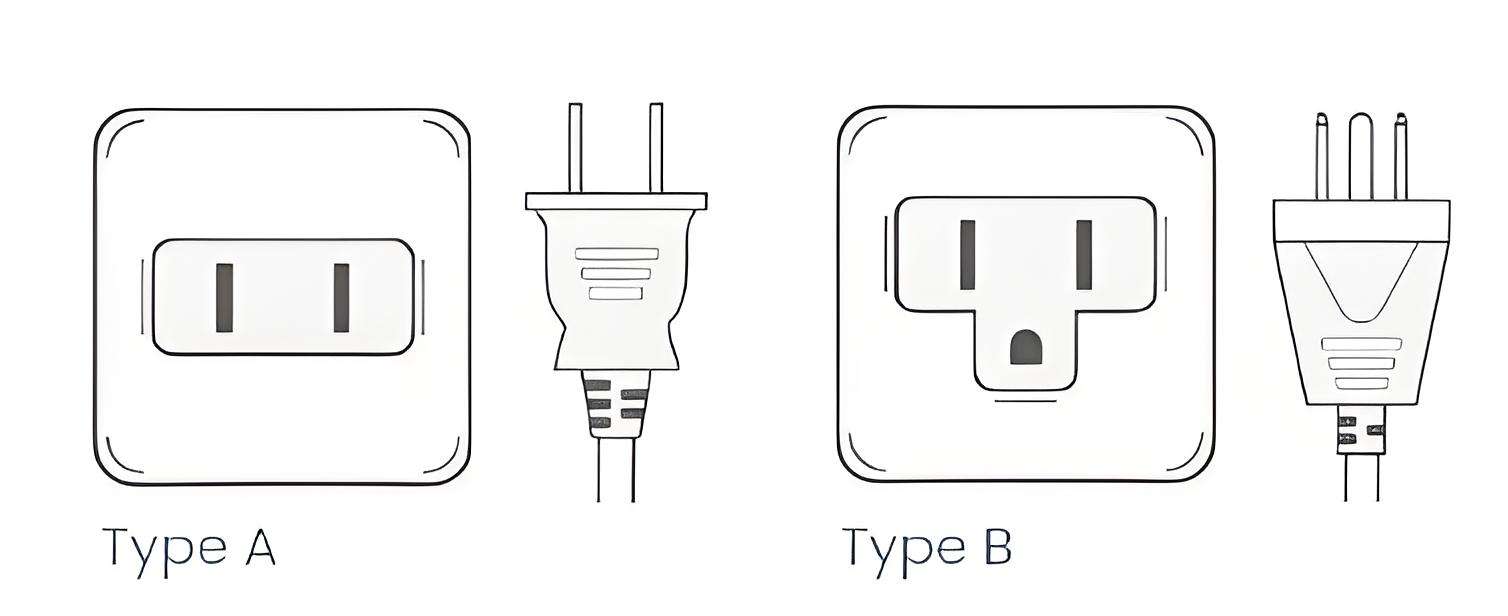
Source: world-power-plugs.com
If you're traveling to Japan, it's important to understand the type of power plugs and voltage used so you can charge your phone, camera, or laptop without any issues.
Plug Types in Japan
🔌 Type A
- Shape: Two flat, parallel pins
- Used for: Phones, chargers, laptops
- Voltage: 100 volts
- Where: Standard across Japan
🔌 Type B
- Shape: Two flat pins + one round grounding pin
- Used for: Larger devices like laptops or hair dryers
- Voltage: 100 volts
- Where: Occasionally found in some places
Key Things to Know:
- Type A is the most common plug in Japan, but Type B is also used in some locations.
- These plug types are similar to those used in the Philippines, so some of your chargers may fit.
- Japan’s voltage is 100V, while the Philippines uses 220V.
- Many modern devices—such as smartphones, tablets, and laptops—are built to handle 100V–240V, meaning they’ll work fine in Japan.
- Always check your device’s label.
- If it says “100V–240V,” you’re good to go.
- If it says “220V only,” do not plug it in—you risk damaging the device.
Top Things to do in Tokyo
 42450 ditempah

![[Tawaran Terhad] Berlepas dari Tokyo | Lawatan Sehari Klasik Gunung Fuji - Tasik Kawaguchi + Oshino Hakkai (Bahasa Melayu interpretasi serentak AI tersedia)](https://ak-d.tripcdn.com/images/0354k12000s3m48ye0B0C_C_568_320.jpg)

![Tiket kereta api Keisei Skyliner (Ekspres Lapangan Terbang Tokyo: Lapangan Terbang Antarabangsa Narita ke Ueno/Nippori) [pilihan + pakej promosi metro Tokyo]](https://ak-d.tripcdn.com/images//0580f12000qjpzexo5F36_C_568_320.jpg)

![[Tiket Rasmi] JR Tokyo Wide Pass 3 Hari (Baucar Penebusan Elektronik)](https://ak-d.tripcdn.com/images//0586012000rry1wiqCBE8_C_568_320.jpg)

🔋 Traveling to Japan: Do You Need a Plug Adapter?
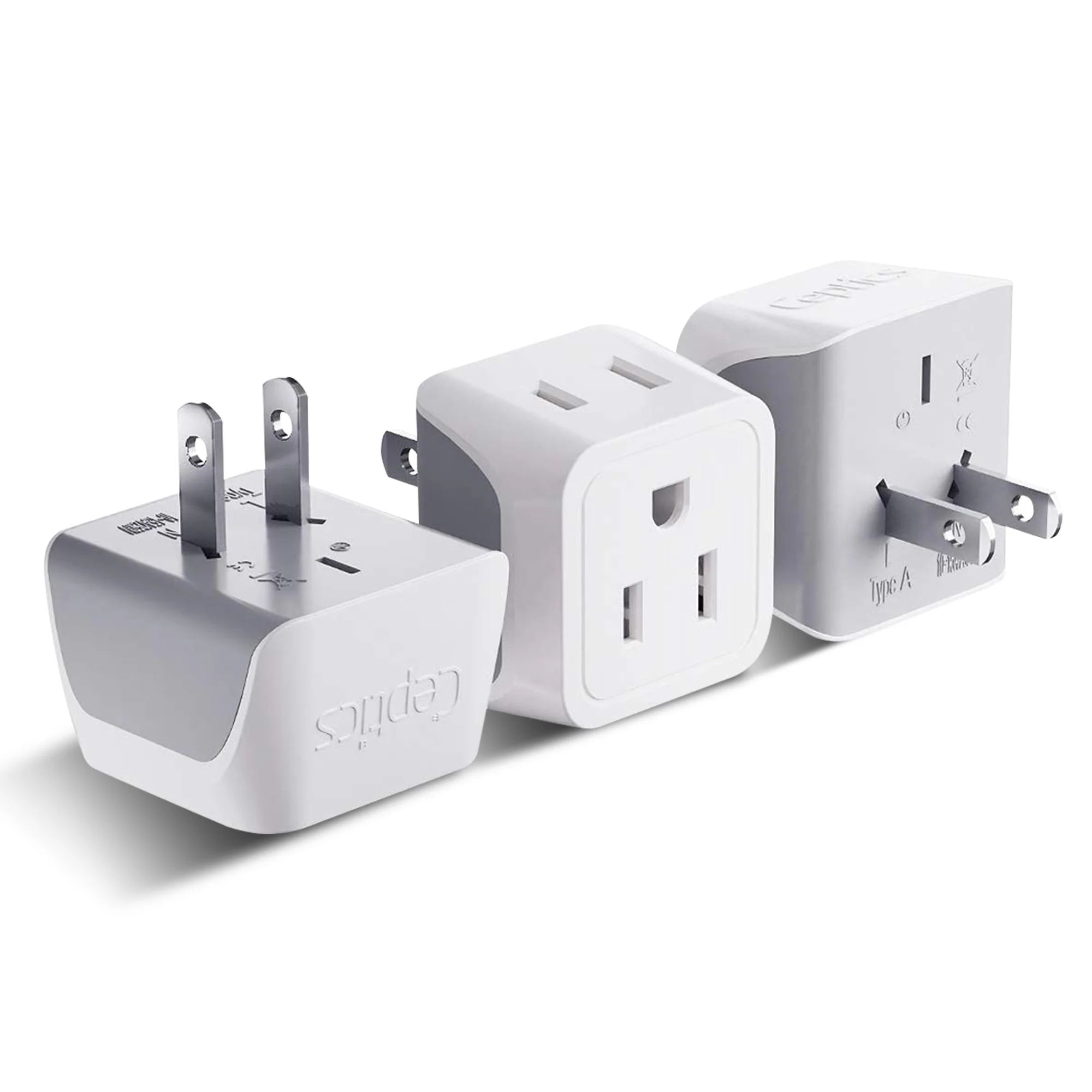
Source: Ceptics
Before your trip, it’s a smart idea to check your chargers. The plugs used in Japan are different from those in the Philippines. If your charger doesn’t fit, you won’t be able to power up your phone, laptop, or other devices. A travel adapter can make all the difference. It won’t change the voltage, but it will let your plug fit into the socket.
✅ What You Should Do:
- Bring a compact travel adapter that works in Japan.
- It’s small, lightweight, and easy to pack — perfect for travel.
- Keep it in your day bag so you’re always prepared.
- While some hotels may provide one, it’s best to have your own just in case.
⚡ Important Reminder:
Japan uses 100 volts, whereas the Philippines uses 220 volts.
Most modern electronics like phones and laptops are compatible with 100–240V, but always double-check your charger.
📌 If your device says “100–240V,” you’re all set.
⚠️ If it says “220V only,” do not plug it in — it could get damaged.
Recommended Hotels in Tokyo









🔌 Voltage in Japan: What You Should Know
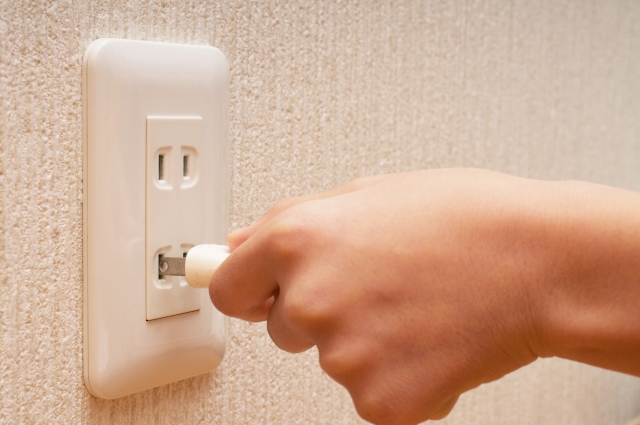
Source: voyapun
If you're heading to Japan, it's important to understand that Japan's electrical system is a bit different. Knowing the voltage can help you avoid damaging your phone, laptop, camera, or other devices.
⚡ Voltage Overview
- Voltage in Japan (and all of Japan): 100 volts
- Voltage in the Philippines: 220 volts
This means the voltage in Japan is lower than what you're used to back home.
🧐 What This Means for You
Most modern electronics — such as smartphones, tablets, and laptops — are designed to handle a range of voltages. To be sure, check the label on your charger.
- If it says “100–240V,” you can safely use it in Japan.
- If it says “220V only,” it may not work correctly or could be damaged when plugged in.
🔍 How to Check
Look for a small label on your device’s charger. You’ll see something like:
- ✅ Input: 100–240V → Safe to use in Japan
- ⚠️ Input: 220V only → You’ll need a voltage converter or transformer to use it safely
Flights from Kuala Lumpur to Tokyo
- Sehala
- Pergi Balik
 KUL13:3510j 25m1 stopsHND01:00Kuala Lumpur - Tokyo|Ahd, 1 Nov|VietJet AirINR 17,865INR 25,32028% offCari28% offINR 25,320INR 17,865
- KUL11:3012j 30m1 stopsHND01:00Kuala Lumpur - Tokyo|Rab, 4 Nov|VietJet AirINR 17,865INR 25,32028% offCari28% offINR 25,320INR 17,865
 SZB13:0030j 40m1 stopsNRT20:40Kuala Lumpur - Tokyo|Kha, 22 Okt|HK ExpressINR 18,483INR 25,32027% offCari27% offINR 25,320INR 18,483
 KUL13:0030j 40mTanpa hentiTYO14:00Kuala Lumpur - Tokyo|Mon, Sep 6|Normal AirlineCari Penerbangan LainCari Penerbangan Lain
📱 What to Pack for Charging Your Gadgets in Japan
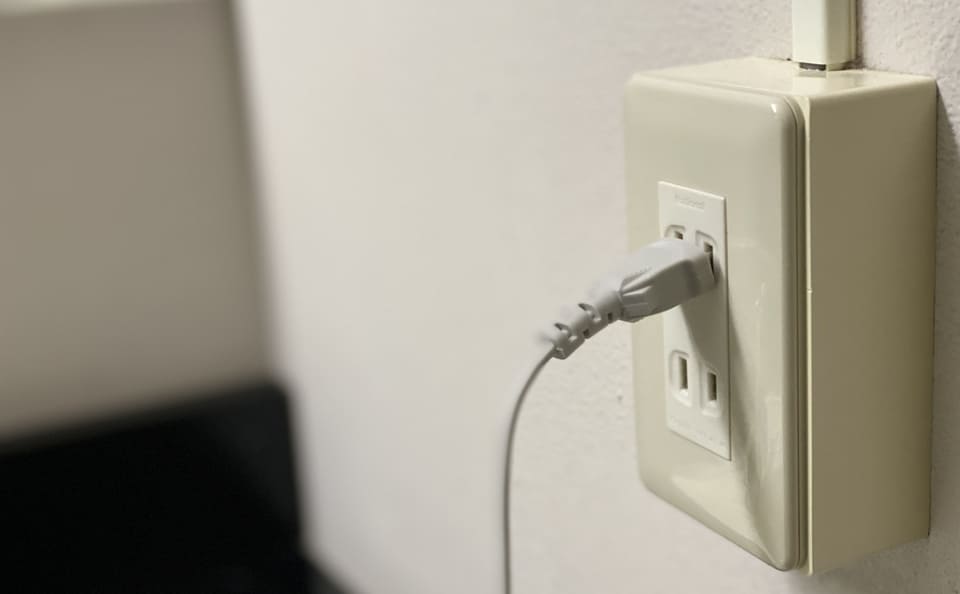
Source: jp smart magazine
Planning a trip to Japan? Make sure you're prepared to keep your devices charged. A dead phone can be a major inconvenience — especially when you need maps, take photos, or look up directions. Here’s a quick and practical checklist to help you stay powered up.
✅ 1. Travel Adapter
- Japan uses Type A and Type B plugs (the flat, two-pin style).
- Bring a reliable travel adapter so your plugs will fit Japanese sockets.
🔌 2. Extra Charging Cables
- Pack an extra charging cable or two for your phone and other devices.
- Cables are easy to misplace while traveling — having spares saves you the trouble.
🔋 3. Power Bank
- A power bank with at least 10,000mAh capacity is a lifesaver during long sightseeing days.
- Charge it overnight so you’re always prepared.
⚡ 4. Check the Voltage
- Japan uses 100 volts.
- Most modern devices (phones, laptops, etc.) work fine if labeled “100–240V.”
- Don’t plug in high-voltage devices like hair dryers unless you have a proper voltage converter.
🧳 5. Multi-Port Charger
- A charger with multiple USB ports lets you power several devices at once.
- Great for charging your phone, power bank, smartwatch, and more — all from a single outlet.
👍 Quick Checklist
✅ Bring a Type A/B travel adapter
✅ Pack spare charging cables
✅ Charge your power bank nightly
✅ Check your device’s voltage
✅ Use a multi-port charger to simplify charging
Recommended eSIMs Options for Tokyo





🛍️ Where to Buy Plug Adapters for Japan
Source: Accessible Japan
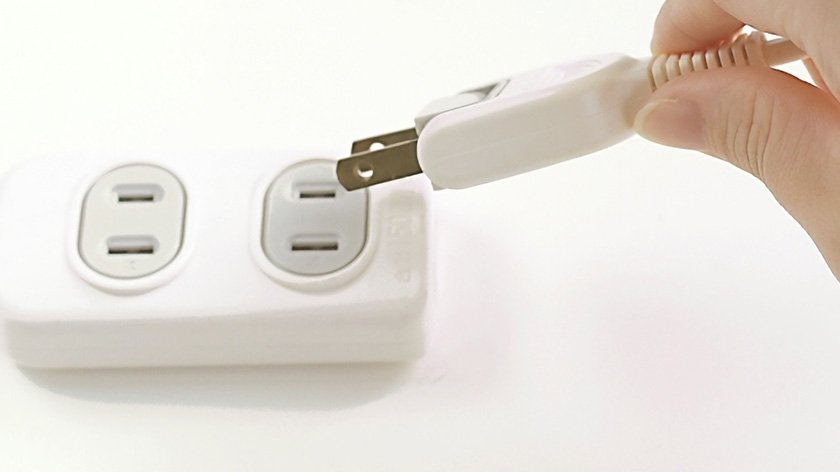
If you're heading to Japan, it's a good idea to bring a plug adapter so you can charge your devices as soon as you arrive. Here's where you can buy one—either before you leave or once you’re in the city.
✅ Before You Leave the Philippines
It’s much more convenient to buy an adapter before your trip, so you won’t have to worry about it when you land.
Where to shop:
📦 Online marketplaces (e.g. Lazada, Shopee)
🛒 Travel stores like The Travel Club
🏬 Hardware and electronics shops such as Ace Hardware or True Value
✈️ Airport stores (perfect if you forgot last minute)
💡 Tip: Consider getting a universal adapter. It’s a great investment if you travel often.
🛍️ If You're Already in Japan
Don’t worry if you forgot to pack one — plug adapters are easy to find in Japan.
Where to look:
🏪 Convenience stores like 7-Eleven or Lawson
🧰 Electronics retailers such as Bic Camera or Yodobashi Camera
🏨 Hotel front desks — some may offer adapters for loan or sale
🛒 Large retail stores like Don Quijote, Aeon, or Daiso
Having the right adapter ensures you can stay connected from the moment you arrive in Japan.
Global electrical standards overview
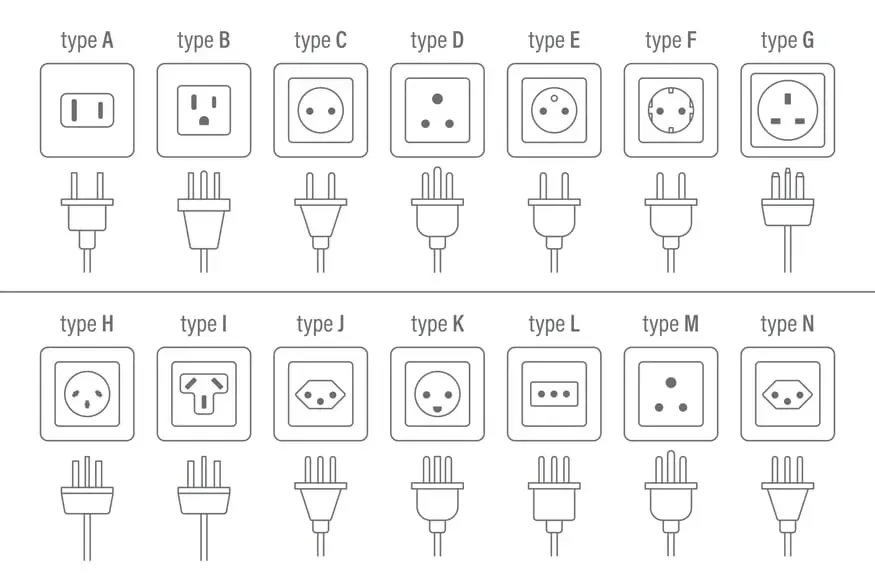
Here’s a simple guide to help you understand how plugs and electricity work in different countries. By knowing the voltage, plug shape, and frequency used in each place, you can bring the right adapter or voltage converter—so you can charge your phone, laptop, or other gadgets without any trouble.
Asia & Oceania Electrical Standards
Country | Voltage | Frequency | Common Plug Types |
China | 220V | 50Hz | A, C, I |
China (Taiwan) | 110V | 60Hz | A, B |
China (Hong Kong) | 220V | 50Hz | G |
Japan | 100V | 50/60Hz | A, B |
South Korea | 220V | 60Hz | C, F |
Philippines | 220V | 60Hz | A, B, C |
Thailand | 220V | 50Hz | A, B, C |
Australia | 230V | 50Hz | I |
New Zealand | 230V | 50Hz | I |
North America & South America Electrical Standards
Country | Voltage | Frequency | Common Plug Types |
United States | 120V | 60Hz | A, B |
Canada | 120V | 60Hz | A, B |
Mexico | 127V | 60Hz | A, B |
Brazil | 127/220V | 60Hz | C, N |
Argentina | 220V | 50Hz | C, I |
Europe Electrical Standards
Country | Voltage | Frequency | Common Plug Types |
United Kingdom | 230V | 50Hz | G |
Germany | 230V | 50Hz | C, F |
France | 230V | 50Hz | C, E |
Italy | 230V | 50Hz | C, F, L |
Spain | 230V | 50Hz | C, F |
Netherlands | 230V | 50Hz | C, F |
Oceania Electrical Standards
Country | Voltage | Frequency | Common Plug Types |
Australia | 230V | 50Hz | I |
New Zealand | 230V | 50Hz | I |
Fiji | 240V | 50Hz | I |
Papua New Guinea | 240V | 50Hz | I |
What You Should Do:
- Bring a universal travel adapter to fit different outlets.
- Check if your device can handle different voltages—most modern devices can.
- If your device only works with 110V, you’ll need a voltage converter in places with 220V or more.
📱 Final Tips for Staying Powered While Traveling in Japan

Your trip will be much smoother when your phone, camera, and other gadgets stay fully charged — and it’s easy to manage with a bit of preparation.
Here are a few simple tips to remember:
✅ Check your device’s voltage — most phones and laptops support 100–240V and will work just fine in Japan
✅ Bring a travel adapter — you’ll need one that fits Japanese outlets
✅ Know the plug types — Japan uses Type A and Type B plugs, so make sure your adapter is compatible
With these essentials in place, you’ll have no trouble keeping your devices powered throughout your Japan adventure.
Ready for your trip?
✈️ Book your flight to Japan
🏨 Reserve your hotel in advance
📶 Get a Japan eSIM or rent a pocket Wi‑Fi to stay connected on the go
FAQs: Power Plugs in Japan
-
What is the voltage in Japan?
-
Do I need a voltage converter?
-
What if I forget to bring an adapter?
-
Will my plugs work in Japan?
-
Should I bring a power strip?