
Plugs Thailand Guide: Types, Adapters & More
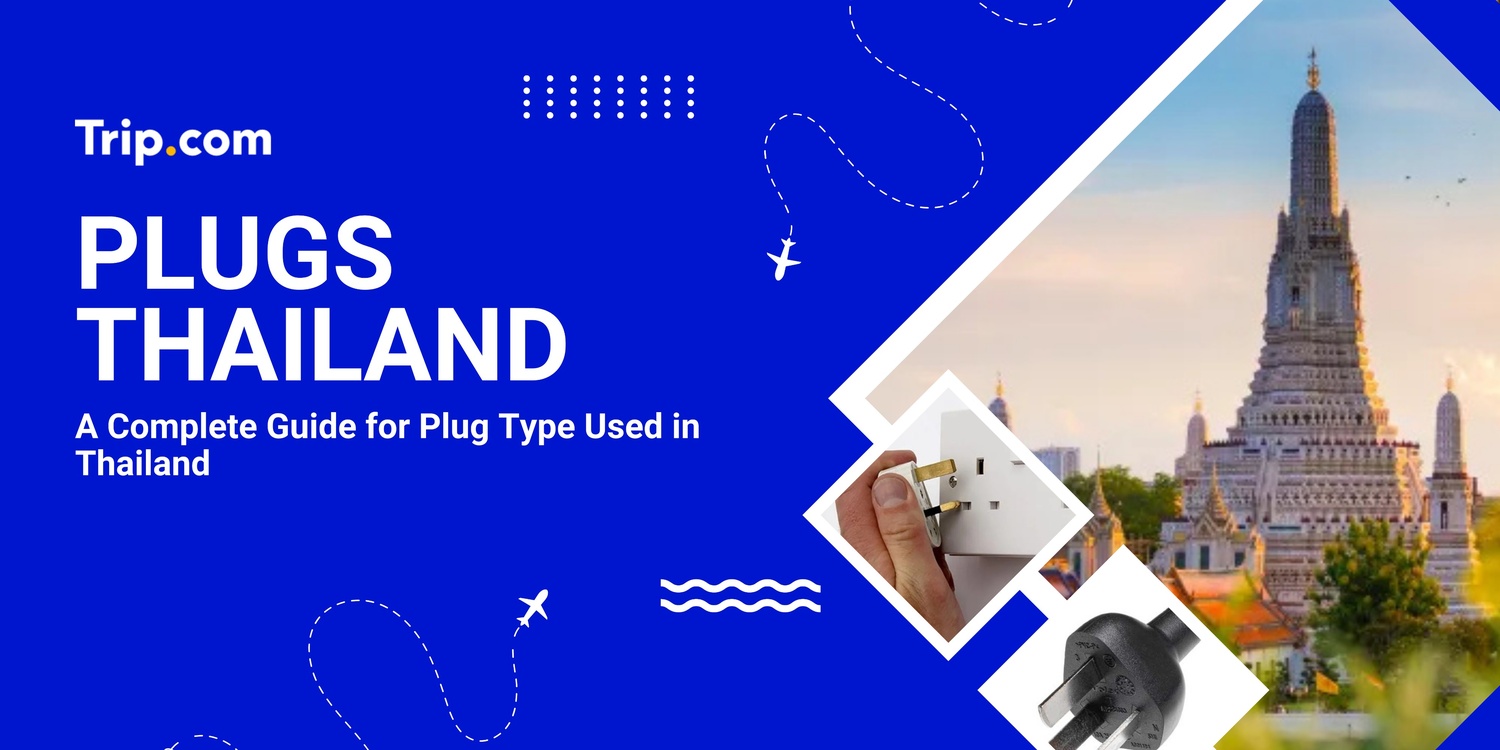
Visiting Thailand? Don’t forget—we use Type A, B, C, and O plugs, with 220V and 50Hz. A universal adapter can come in handy to keep your devices charged as you explore. Stay connected and enjoy your adventure! 🔌📱
Thailand Plug Types – What You Need to Know 🔌
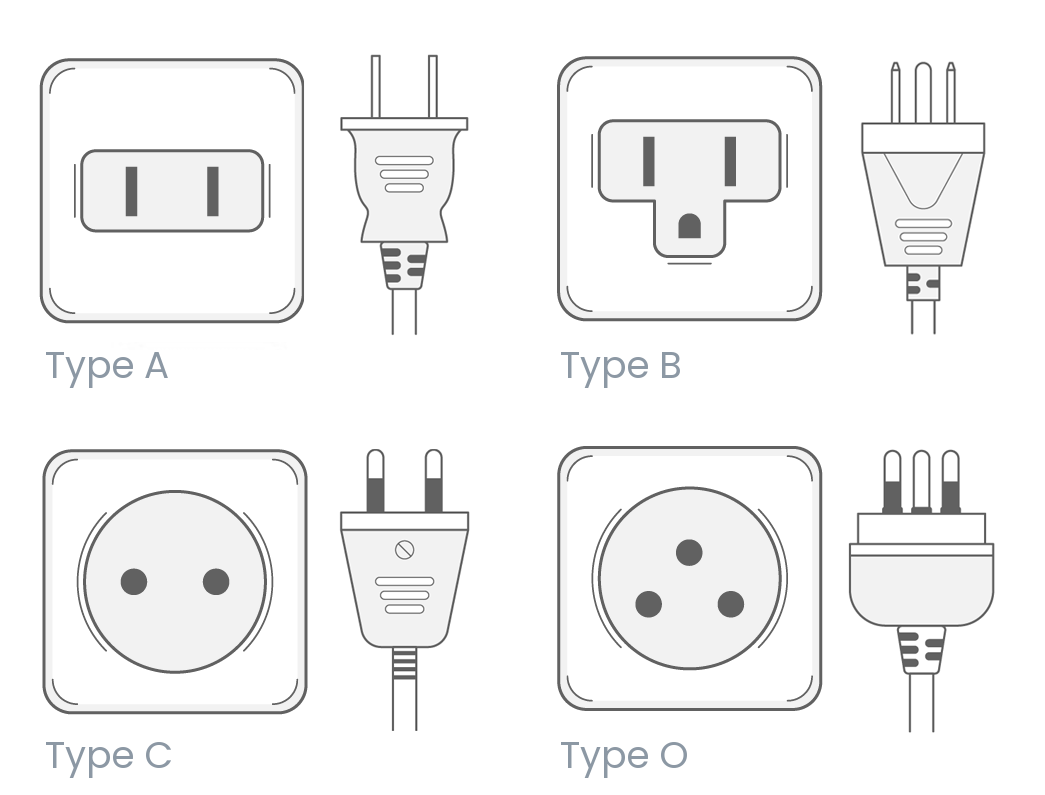
Source: World-Power-Plugs.com
In Thailand, you'll most commonly find Type A, Type B, Type C, and sometimes Type O plugs. To make it easier, here's a quick comparison of the main types you're likely to encounter:
| Feature | Type A 🔌 | Type B 🔌 | Type C 🔌 | Type O 🔌 |
|---|---|---|---|---|
Prong Shape | Two flat parallel prongs | Two flat prongs + round grounding pin | Two round prongs | Three round prongs in a triangle layout |
Grounded? | ❌ No (not grounded) | ✅ Yes (grounded) | ❌ No (not grounded) | ✅ Yes (grounded) |
Voltage Support | 220V–240V | 220V–240V | 220V–240V | 220V–240V |
Usage | Small electronics (chargers) | Larger appliances (laptops, kettles) | Phone chargers, hair dryers | Newer high-power appliances |
Common In | North America, Japan | North America | Europe, parts of Asia | Unique to Thailand (introduced in 2006) |
🔋 Tip from a local: While Thailand is quite flexible with plug types, Type A and C are the most common in hotels and homes. Bringing a universal adapter is a smart move, especially if your device uses a different plug type. You can also easily buy adapters at convenience stores or electronics shops across the country.
Cheap Flight From Kuala Lumpur To Thailand
- Pergi Balik
- Sehala
- direct cheapest
 KUL19:402j 10mTanpa hentiDMK20:50Kuala Lumpur - Bangkok|Isn, 19 Okt|AirAsiaDMK19:452j 20mTanpa hentiKUL23:05Bangkok - Kuala Lumpur|Ahd, 25 Okt|AirAsiaAED 538AED 5929% offCari9% offAED 592AED 538
 - KUL11:502j 15mTanpa hentiDMK13:05Kuala Lumpur - Bangkok|Ahd, 25 Okt|AirAsia
 DMK06:402j 15mTanpa hentiKUL09:55Bangkok - Kuala Lumpur|Ahd, 1 Nov|Thai AirAsiaAED 538AED 5929% offCari9% offAED 592AED 538
 - KUL19:402j 10mTanpa hentiDMK20:50Kuala Lumpur - Bangkok|Sab, 17 Okt|AirAsiaDMK19:502j 10mTanpa hentiKUL23:00Bangkok - Kuala Lumpur|Jum, 23 Okt|AirAsiaAED 538AED 5929% offCari9% offAED 592AED 538
 KUL13:002j 10mTanpa hentiBKK14:00Kuala Lumpur - Bangkok|Mon, Sep 6|Normal Airline
 BKK13:002j 10mTanpa hentiKUL14:00Bangkok - Kuala Lumpur|Mon, Sep 6|Normal AirlineCari Penerbangan LainCari Penerbangan Lain
Thailand Power Plug Voltage & Frequency 🔌
Planning a trip to Thailand? Here’s what you need to know about our electrical system:
- Voltage: 220V
- Frequency: 50Hz
This is different from countries like the US or Japan, which use 110V. The good news? Most modern electronics—like smartphones, laptops, and cameras—are dual-voltage ⚡, meaning they’ll work just fine.
✅ Quick Tip: Always check the label on your charger or device to confirm it supports 220V before plugging in. It’s a small step that can save your gear from a big shock—literally!
Thailand Plug: Adapters & Converters Guide 🇹🇭🔌
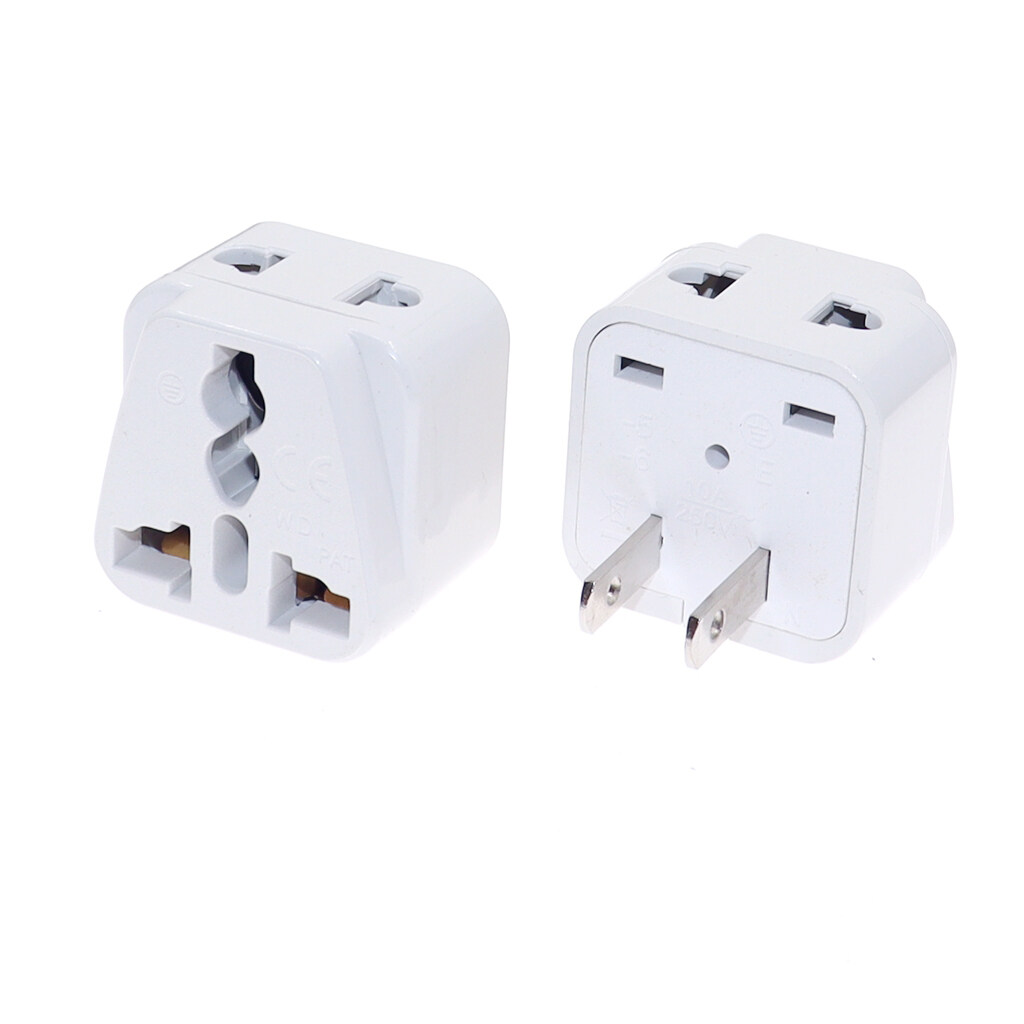
Planning to plug in during your trip to Thailand? Here's what you need to know to stay safe and connected:
🔌 Do you need a travel adapter in Thailand?
Yes, possibly.
Thailand uses a mix of Type A, B, C, and O plugs. If your plug is different—like Type G (UK) or Type I (Australia)—you’ll need a travel adapter. These adapters are compact, easy to pack, and widely available at convenience stores, airports, and electronics shops.
⚡ Do you need a voltage converter?
Only if your device isn’t dual-voltage.
Thailand runs on 220V / 50Hz. If your device only supports 110V (common in the US or Japan), then yes, you’ll need a voltage converter to use it safely.
Most modern gadgets—like phones, laptops, and cameras—are dual-voltage, but it’s always smart to check the label first.
🔌 How to use adapters and converters
- Adapter only: Plug your charger into the adapter, then plug the adapter into the wall socket.
- With a converter: Connect your device to the converter → plug the converter into the adapter → plug everything into the socket.
⚠️ Tip: Check the wattage on your converter. Devices like hair dryers or curling irons may require a high-watt converter.
✅ Safety Tips (From someone who lives here!)
- Check voltage: Look for “100–240V” on your charger or device. If it says that, you’re all set.
- Don’t overload sockets: Avoid plugging too many heavy-use devices into a single adapter.
- Unplug when not in use: It saves energy and helps prevent electrical hazards.
- Inspect your gear: If your plug, cord, or adapter looks damaged—don’t use it. Better safe than sorry!
Where to Buy Travel Adapters in Thailand
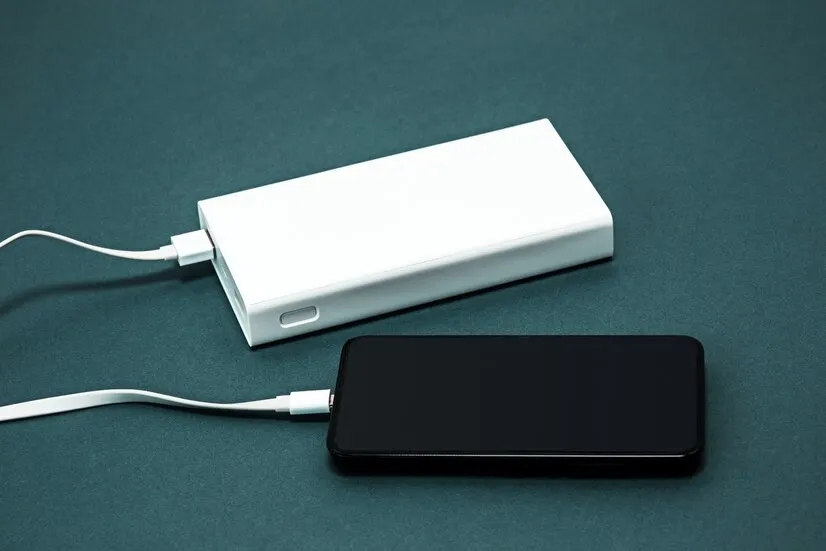
If you're heading to a country that uses different plug types—like Type G (UK) or Type I (Australia)—it's a good idea to prepare a travel adapter before your trip. Here's where we locals usually shop for travel adapters in Thailand:
🛍️ Electronics Stores
Visit major retailers like Power Buy, Banana IT, or Advice. These shops often carry a wide range of adapters, including Type G, Type I, or universal travel adapters. You can find them in popular malls like CentralWorld, MBK Center, Siam Paragon, or Terminal 21.
🏪 Convenience Stores & Supermarkets
Basic adapters are often available at convenience stores such as 7-Eleven and FamilyMart, especially in tourist areas. Supermarkets like Big C, Tesco Lotus (Lotus’s), or Tops may also have them in the travel or electronics section.
🛒 Online Platforms
Prefer to shop online? Head to Lazada, Shopee, or JD Central. Just search for terms like “universal travel adapter”, “Type G plug”, or “international power adapter” and choose the one that matches your needs.
✈️ Airports
If you’re catching a flight soon, check out travel accessory or electronics stores at Suvarnabhumi Airport or Don Mueang Airport. They typically stock adapters for the most common international plug types.
💡 Tip from a local:
If you travel often, a universal travel adapter is your best bet. It works in multiple countries, supports different plug types, and is easy to find in Thailand—both in stores and online.
Where to Charge Your Devices Easily in Thailand 🔌📱
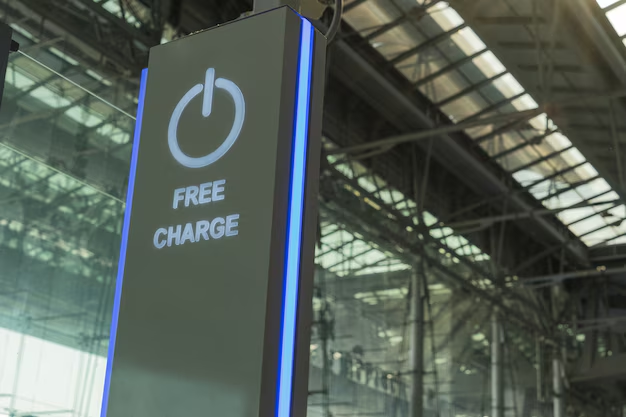
Need to recharge while exploring Thailand? No worries — it’s usually easy to find places to power up your devices. Here’s where we locals and travelers commonly go:
☕ Cafes & Restaurants
Popular cafes like Amazon Cafe, Starbucks, True Coffee, and many independent coffee shops often provide power outlets. In touristy areas, you might even find power bank rental machines via apps like EzyPower or PowerBankTH.
🛫 Airports
At Suvarnabhumi and Don Mueang airports, charging stations are located throughout the terminals, especially near seating and boarding gates. Look for signs or ask airport staff — they’re usually easy to spot.
🏨 Hotels
Most hotels in Thailand provide multiple outlets in rooms, and many modern accommodations now include universal sockets and USB ports, especially in newer or renovated rooms.
🚆 Trains
If you’re riding long-distance services like the State Railway of Thailand (SRT) or newer routes such as the Bangkok–Chiang Mai sleeper trains, some carriages have USB or plug sockets available, usually under the seat or near the window. Local BTS and MRT trains typically don’t offer charging ports.
🛍️ Shopping Malls
Large malls like ICONSIAM, Siam Paragon, CentralWorld, and Terminal 21 usually have dedicated charging stations, lounge areas, or power bank rental kiosks. Just look for information counters or digital lockers.
💡 Tip from a local: It’s always smart to carry a portable power bank when you're on the go, especially if you're heading to markets, islands, or rural areas. But in most cities, you’re rarely far from a charging option!
Understanding Global Electrical Standards
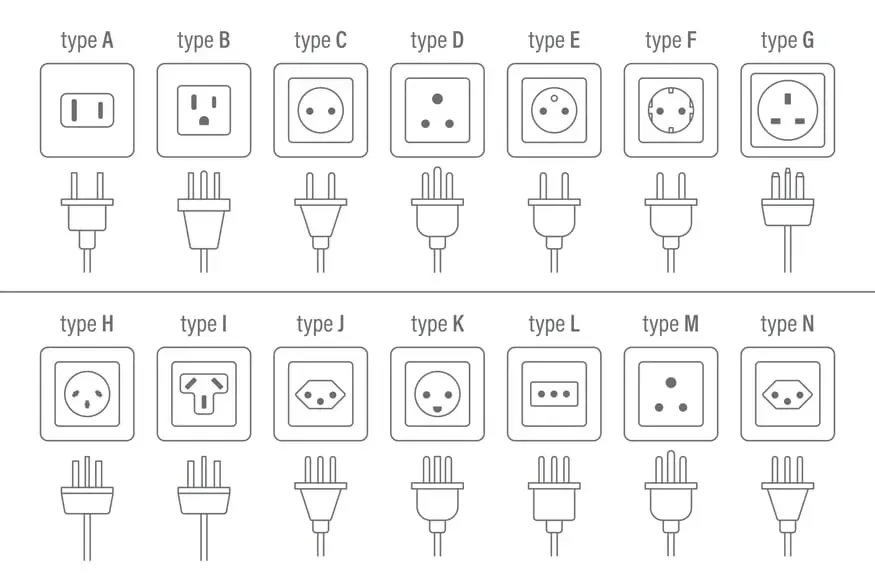
In Thailand, we use the 220V, 50Hz standard with plug types A, B, C, and O. But when travelling abroad, remember: not every country follows the same system.
🔌 Global Voltage Standards:
- 110–120V / 60Hz – e.g. US, Canada, Japan
- 220–240V / 50Hz – e.g. Europe, Asia, Oceania (like Thailand)
Even if the voltage matches, plug types vary. Some devices and countries support dual voltage, which is perfect for frequent travellers.
✅ Tip: Always check your destination’s voltage and plug type before plugging in to avoid damage or compatibility issues.
Asia & Oceania electrical standards
Country | Frequency (Hz) | Voltage (Volts) | Plug Type |
Australia | 50 | 230 | I |
China (Hong Kong S.A.R.) | 50 | 220 | G |
China (Taiwan) | 60 | 110 | A, B |
India | 50 | 230 | C, D, M |
Indonesia | 50 | 230 | C, F |
New Zealand | 50 | 230 | I |
Philippines | 60 | 230 | A, B, C |
Singapore | 50 | 230 | G |
Thailand | 50 | 220 | A, B, C |
Vietnam | 50 | 220 | A, C |
South Korea | 60 | 220 | C, F |
Malaysia | 50 | 240 | G |
North America & South America electrical standards
Country | Frequency (Hz) | Voltage (Volts) | Plug Type |
Argentina | 50 | 220 | C, I |
Brazil | 60 | 127/220 | C, N |
Canada | 60 | 120 | A, B |
Chile | 50 | 220 | C, L |
Colombia | 60 | 120 | A, B |
Mexico | 60 | 127 | A, B |
Peru | 60 | 220 | A, C |
USA | 60 | 120 | A, B |
Venezuela | 60 | 120 | A, B |
Europe electrical standards
Country | Frequency (Hz) | Voltage (Volts) | Plug Type |
France | 50 | 230 | C, E |
Germany | 50 | 230 | C, F |
Italy | 50 | 230 | C, F, L |
Russia | 50 | 230 | C, F |
Spain | 50 | 230 | C, F |
United Kingdom | 50 | 230 | G |
Oceania electrical standards
Country | Frequency (Hz) | Voltage (Volts) | Plug Type |
Australia | 50 | 230 | I |
Fiji | 50 | 240 | I |
New Zealand | 50 | 230 | I |
Travel Tips for Visiting Thailand 🇹🇭
Planning a trip to Thailand? Here are some handy local tips to help you get around and enjoy your stay:
🚗 Getting Around
Grab is the go-to app for ride-hailing in cities like Bangkok, Chiang Mai, and Phuket. For public transport, use apps like Moovit, or the official BTS SkyTrain and MRT apps to check train routes and schedules.
📶 Staying Connected
Skip roaming charges by getting a prepaid SIM or eSIM at the airport or any 7-Eleven. Top providers like AIS, TrueMove H, and DTAC offer tourist-friendly data packages with great coverage.
💳 Payments
Cash is still useful for small vendors, but e-wallets are widely accepted in urban areas. Apps like Rabbit LINE Pay, TrueMoney Wallet, and GrabPay work well for everything from street food to shopping malls.
🌐 Internet Access
Thailand has open internet—no VPN needed. Most cafes, hotels, and malls offer free Wi-Fi. For more reliable connection on the go, consider renting a pocket Wi-Fi.
 NO.1
NO.1