


8. Ring in the Lunar New Year at Yuyuan Garden Lantern Festival
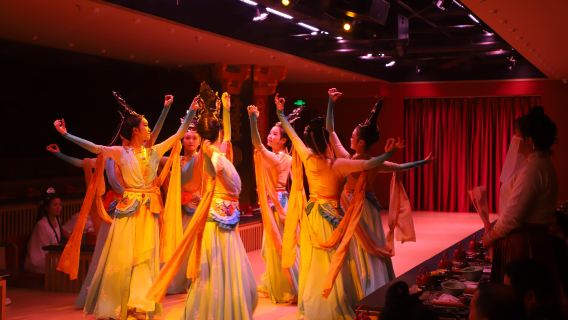
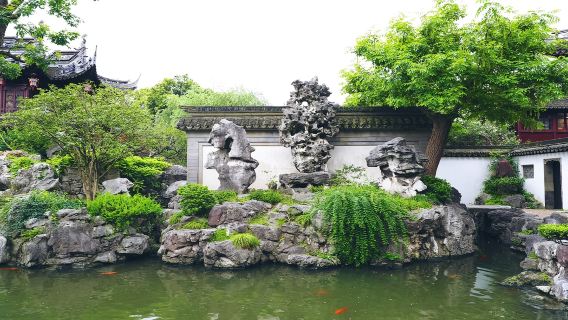
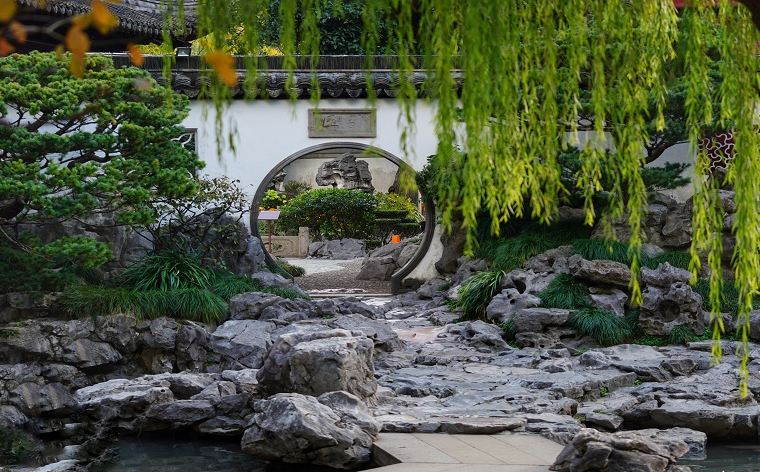
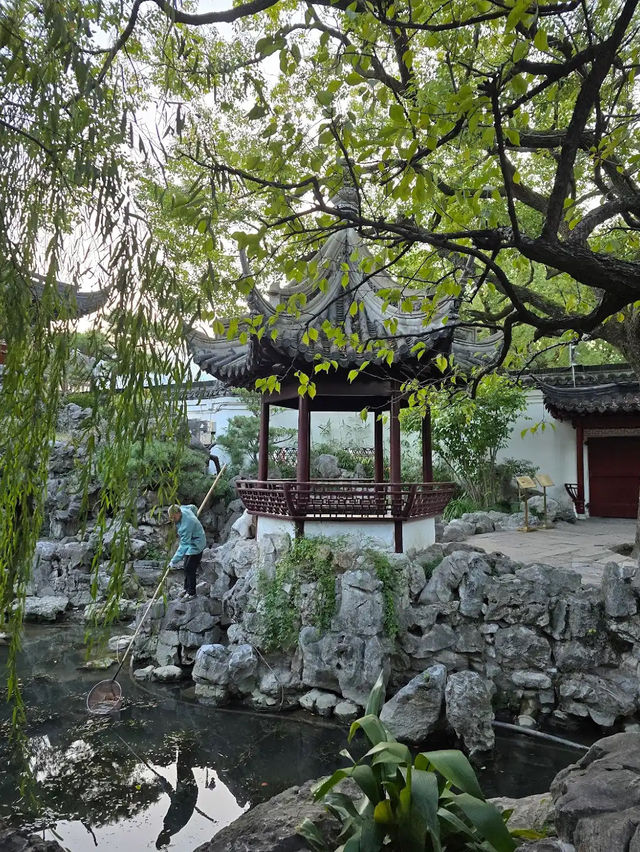
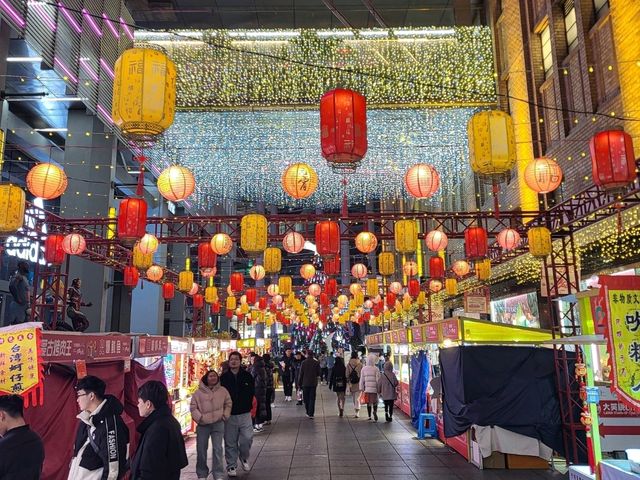
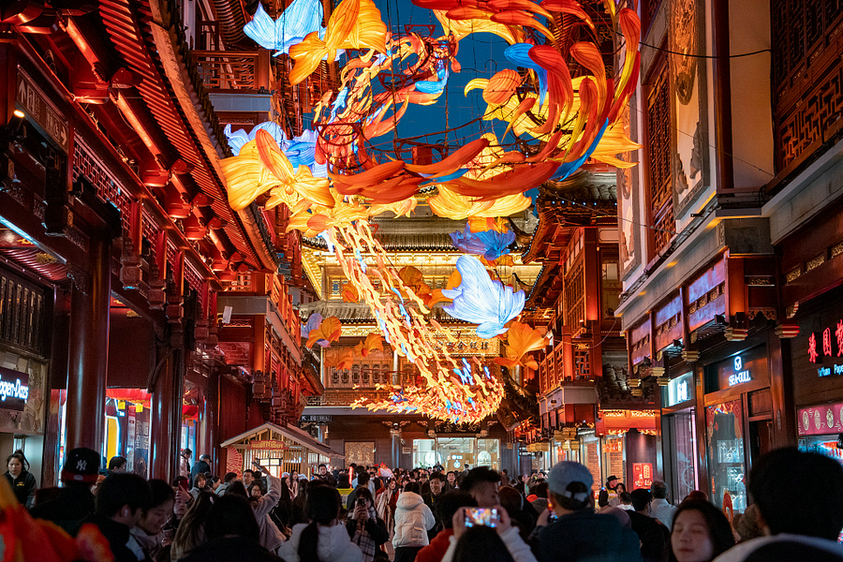
The moment I stepped into Yuyuan Garden during Lunar New Year, I was completely dazzled. Thousands of lanterns—glowing dragons, mythical beasts, and floating lotuses—lit up the entire area like a magical dreamscape. The air smelled of fried dumplings and tanghulu (sugar-coated hawthorn skewers), while traditional drums echoed through the crowd. Families, couples, and curious travellers like me stood shoulder to shoulder, marveling at the massive zodiac-themed displays. I stopped for a bowl of steaming niangao, a sticky rice cake said to bring luck, and watched as children waved rabbit-shaped lanterns in celebration of the new zodiac year. Every detail, from the vivid colors to the festive melodies, felt like stepping into a storybook of Chinese tradition.
📖 What Makes This Festival Special?
The Lantern Festival marks the grand finale of the Lunar New Year. In Shanghai, Yuyuan Garden hosts one of the most iconic displays in China, blending folk art, traditional performances, and dazzling lights in a setting that honors centuries-old customs.
📍 Best places to experience it:
Yuyuan Garden, Fangbang Road, and surrounding streets in Huangpu District
👨👩👧👦 Is It Family-Friendly?
Yes, it’s perfect for all ages. Children will love the lantern displays, and there are flat walkways and public toilets available for elderly visitors.
Yuyuan Garden Lantern Festival |
📅 When | Held on the 15th day of the Lunar New Year (usually Feb) |
📍 Location | Yuyuan Garden, Old Town Shanghai |
💰 Ticket Price | Free entry to the surrounding area; ticketed entry to the main lantern display (approx. ¥50–¥80) |
💡 Pro Tips
- ✔️ Go early in the evening to avoid the peak crowd and catch golden-hour photos
- ✔️ Try traditional festival snacks like tangyuan (sweet rice balls) sold at street stalls
- ✔️ Bundle up—Shanghai weather in February can be chilly at night
9. Discover Local Life in a Shanghai Longtang Alley
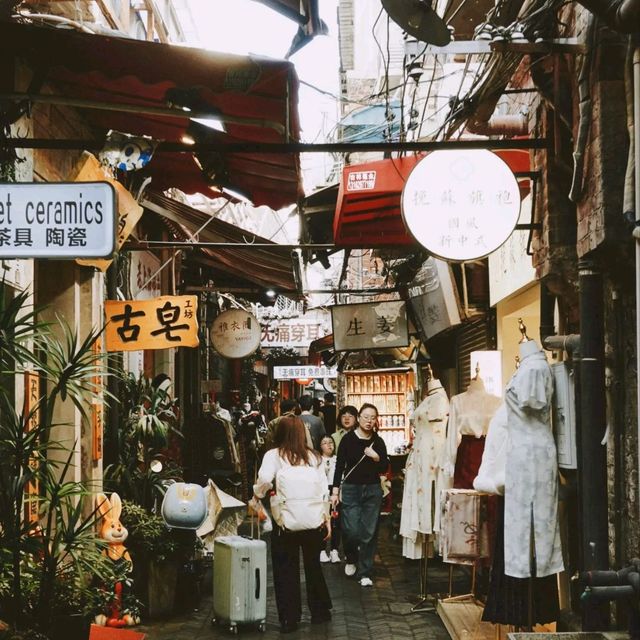
Tucked behind the polished streets of the French Concession, I wandered into a quiet longtang alleyway and suddenly, it felt like I had stepped back decades. The air was filled with the soft clatter of mahjong tiles, the scent of stir-fried garlic from someone’s kitchen, and the gentle hum of radios playing old Chinese tunes. Clotheslines crisscrossed above, and elderly aunties watered potted plants with warm smiles. A local vendor sold handmade scallion pancakes right from a fold-up cart—I couldn’t resist grabbing one fresh off the griddle. It was peaceful, lived-in, and deeply human. This wasn’t a tourist attraction—it was daily life unfolding in real-time, and I felt like I had been let in on a beautiful Shanghai secret.
📖 What Makes This Experience Unique?
Longtang alleys are the heart of old Shanghai, where traditional community life still thrives. Most travellers miss these hidden gems, but they offer rare, intimate glimpses into the city’s cultural soul—far from the glossy skyscrapers and tourist traps.
📅 Best time to do this:
Morning or late afternoon when locals are most active
👨👩👧👦 Is It Family-Friendly?
Yes, but best for older kids and adults. Alleys can be narrow with uneven paths, so not ideal for strollers or those with mobility concerns.
Longtang Alley |
📍 Location | Explore the lanes around Jian Guo West Road or Fuxing Middle Road in the French Concession |
💰 Ticket Price | Free |
💡 Pro Tips
- ✔️ Be respectful—these are real residential areas, not tourist sites
- ✔️ Bring small change in case you stumble on hidden food stalls
- ✔️ A small camera or phone is best—avoid large gear to keep a low profile
10. Experience a Traditional Tea Tasting in an Old Shanghai Teahouse
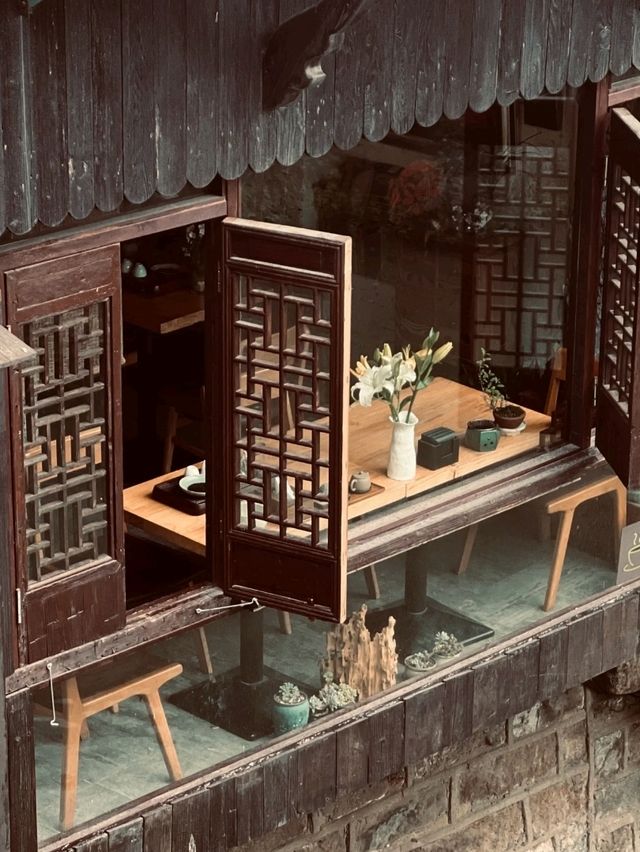
Tucked away behind a narrow lane near Old Town, I found a tiny teahouse that felt like stepping into another world. Wooden beams creaked softly underfoot, and the faint scent of jasmine and roasted oolong lingered in the air. A gentle, elderly tea master welcomed me in and began preparing the tea ceremony with practiced grace—heating the water, rinsing the leaves, and pouring with slow, deliberate motions. I sat in silence, surrounded by antique teapots and faded calligraphy scrolls, sipping tiny cups of pu-erh as soft guzheng music played in the background. It was peaceful, intimate, and unexpectedly meditative—a quiet slice of Shanghai far removed from the usual buzz.
📖 What Makes This Experience Unique?
This traditional tea tasting offers an insider glimpse into Chinese tea culture, something most travelers overlook. These hidden teahouses, often family-run, preserve centuries-old customs rarely found in modern cafés or tourist areas.
📅 Best time to do this:
Weekday afternoons when it’s quiet and unhurried
👨👩👧👦 Is It Family-Friendly?
Best for adults or older teens who can appreciate the slower pace. Not ideal for young kids due to fragile ceramics and quiet atmosphere.
📍 Where to start:
Look for teahouses near Yuyuan Garden or in the lanes off Fuxing Road; no booking usually needed unless it's a private ceremony
💰 Cost:
¥50–¥150 depending on tea selection and tasting type
💡 Pro Tips
- ✔️ Ask the host about the tea’s origin—they love to share stories
- ✔️ Try at least one aged pu-erh or floral oolong for a deeper tasting experience
- ✔️ Bring cash—some places don’t accept cards or e-payments