
Tokyo Travel Tips 2026: Must Know Before You Go
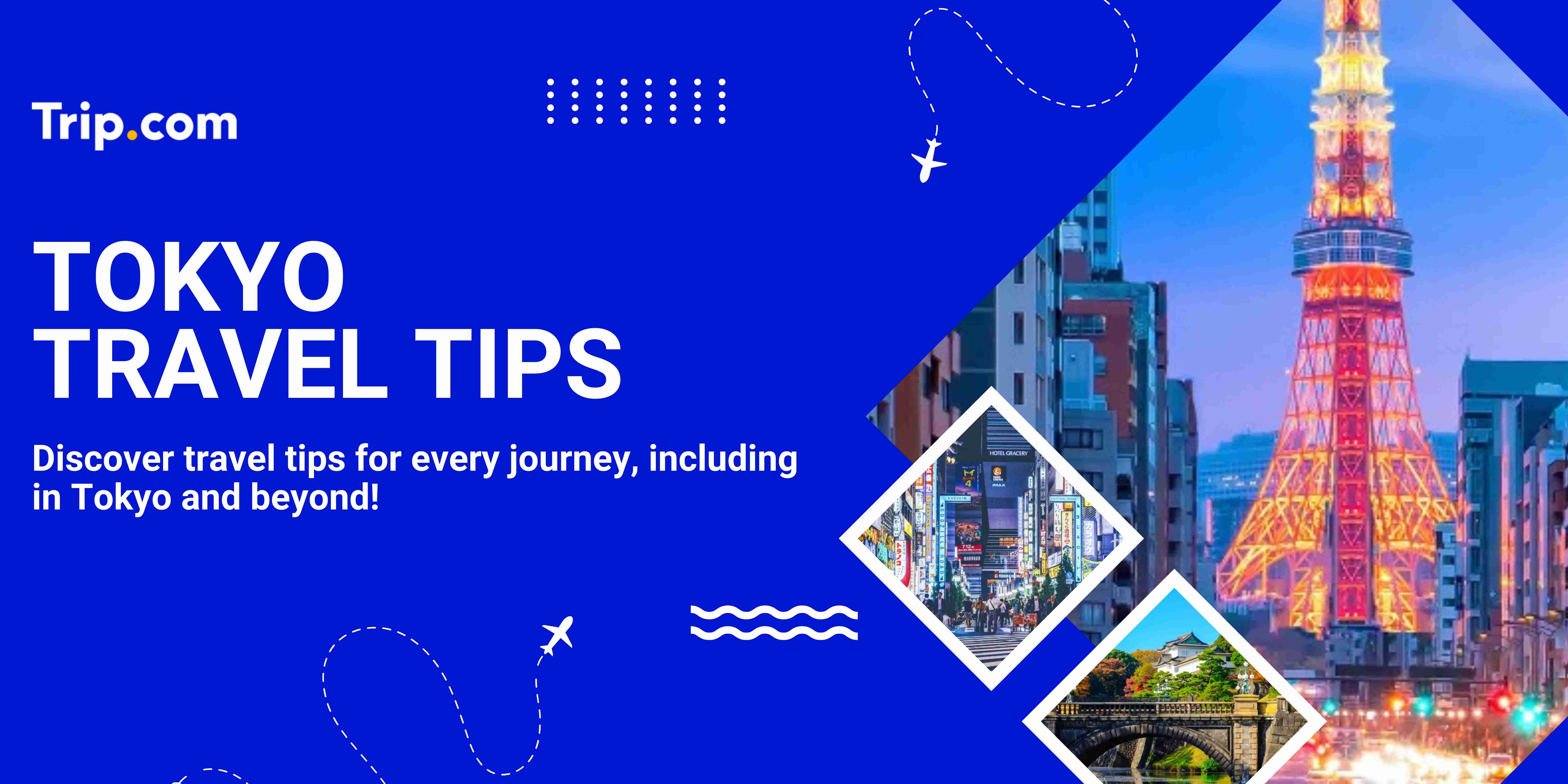
Hey there, fellow solo traveler! If you’re planning a getaway to Tokyo, you’re in for an unforgettable adventure—think bustling street fashion in Harajuku, serene cultural landmarks like Senso-ji Temple and the Meiji Shrine, and mouthwatering street food that will have you dreaming of moving here permanently (hello, takoyaki and matcha soft serve!). Whether you’re café-hopping in Shimokitazawa or bargain hunting in Ameya-Yokocho, Tokyo always has something unexpected to offer 🇯🇵.
As a fellow Malaysian, I know we’re used to traveling around Asia—but Japan comes with its own quirks, trust me! From knowing when (or if) you should tip, which local apps to download, how to behave respectfully at shrines and temples, and even how to ask for less salty or less sweet options without causing offense—this guide will help you navigate Tokyo with ease. No surprises, just smooth travel vibes—whether you’ve already booked your flights to Tokyo or you’re still browsing the top hotels in the city.
🗣️ Language & Communication Tips in Tokyo
Alright, let’s talk about language—because as Malaysians, we know how things can get a little confusing when your usual Bahasa, Manglish, or even basic English doesn’t quite land 😅. The good news? Tokyo is a very tourist-friendly city, but there are still a few things you should know to make your trip smoother and avoid turning every conversation into a game of charades 🧭📱.
🔉 What Language is Spoken in Tokyo?
Japanese is the main language spoken throughout Tokyo. You’ll hear it everywhere—from announcements on the JR lines to casual conversations in local izakayas. In tourist areas like major train stations, department stores, hotels, and some restaurants, English is often understood to a basic level. But if you wander into smaller neighbourhoods, local eateries, or traditional markets, English can become rare. Compared to Malaysia, where many people speak multiple languages, the average Japanese person is less likely to be fluent in English—so having a few tools and phrases on hand really helps.
✅ Apps That’ll Save You
App | Why It’s Useful | Offline? |
|---|---|---|
Google Translate | Camera mode is a lifesaver for reading menus & signs | Yes, if you download Japanese language |
Yomiwa | Excellent for translating Japanese characters (kanji) | Yes, if you download the necessary packs |
LINE | Widely used for messaging in Japan; some stores/restaurants use it for reservations or promotions | Yes, once installed |
💡 Tip: Google Translate’s “Conversation” mode is excellent for real-time translation when speaking with locals—highly recommended!
✅ Cultural Communication Norms
Japanese people are polite, reserved, and appreciate subtlety. A gentle bow is the standard way to greet or thank someone (instead of a handshake or loud "hello") 🙇. Speaking in a soft tone is important—raising your voice or using animated gestures may be perceived as rude. Also, avoid pointing directly at people, and never stick chopsticks upright in a bowl of rice (it resembles a funeral ritual). Smiling and showing patience go a long way here—so stay calm and polite, even if there’s a language barrier. 😊
📋 Handy Japanese Phrases for Travelers
English Phrase | Japanese | Romanization | When to Use |
|---|---|---|---|
Hello | こんにちは | Konnichiwa | Greeting someone politely 👋 |
Thank you | ありがとう | Arigatou (casual) / Arigatou gozaimasu (formal) | After receiving help/service 🙏 |
How much is this? | これはいくらですか? | Kore wa ikura desu ka? | While shopping 🛍️ |
Where is the toilet? | トイレはどこですか? | Toire wa doko desu ka? | Emergency situations 🚽 |
I don’t understand | わかりません | Wakarimasen | When someone speaks too fast or uses unfamiliar terms 😅 |
✅ Final Tips from One Malaysian to Another:
- Screenshot your hotel address in Japanese and English—very useful for taxi drivers and when asking for directions. 🏨📸
- If you’re unsure how to pronounce something, type it in Google Translate and show your phone—this works better than struggling with pronunciation 🙈.
- Many tourist attractions offer English brochures—grab one and keep it handy.
- In restaurants with ticket vending machines (common for ramen shops 🍜), the machine may not have English options—use Google Translate’s camera function to help.
💳 Payment Methods & Popular Apps in Tokyo
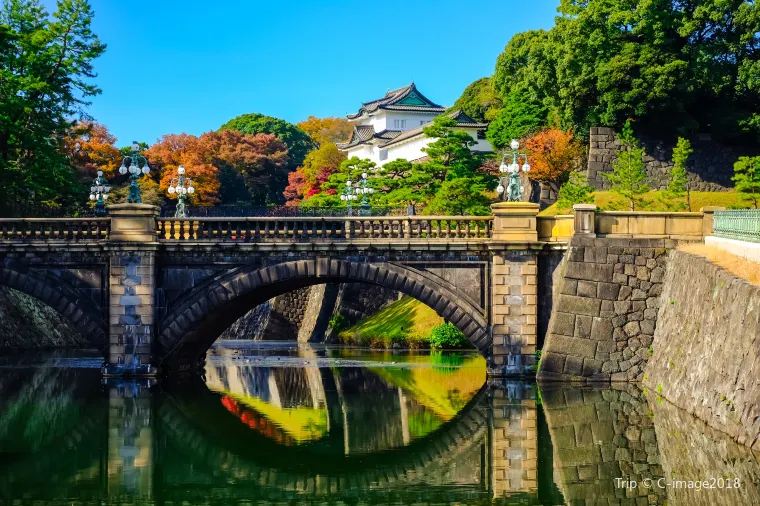
Planning your Tokyo adventure soon? 🇯🇵 As a fellow Malaysian, let me help you prepare for one part of the trip that’s often overlooked—how to pay for things! Trust me, Japan’s payment culture is quite different from back home, especially if you’re used to tapping your Maybank QR or using your Touch ’n Go eWallet everywhere. Here’s what it’s really like on the ground in Tokyo 📱💵.
✅ Cash, Card, or Contactless?
In short: Cash still plays a big role in Tokyo. Although Japan is steadily moving towards digital payments, many small businesses, family-run restaurants, temples, and market stalls still prefer cash. So yes, keep plenty of Japanese yen on hand—small notes (¥1,000 and ¥2,000) are your best friends!
That said, credit and debit cards 💳 are accepted at:
✅ Large department stores (like Isetan, Lumine, Tokyu Hands)
✅ Hotels and major restaurant chains
✅ Airports and larger supermarkets
💡 Pro Tip: Some smaller shops have a minimum spend for cards (typically around ¥1,000–¥2,000), and some may not accept foreign cards at all—always check before purchasing.
✅ Mobile Wallets in Japan
Japan has its own mature digital payment systems, and locals mostly use:
- Suica / Pasmo 🟢 — Prepaid IC cards used for transport and small purchases (convenience stores, vending machines, cafes)
- PayPay 🟡 — Popular QR payment app, used at many stores and restaurants
- Rakuten Pay, d-Barai — Used by locals, but registration often requires a Japanese phone number and local bank account
⚠️ Important: Foreigners can easily get and use Suica / Pasmo (including Mobile Suica on smartphones)—this is the most foreigner-friendly option for digital payments.
✅ ATMs & Currency Exchange
No worries—ATMs are everywhere in Tokyo, including in 7-Eleven, FamilyMart, and Japan Post branches. Just be aware:
💸 International card withdrawal fee:
🏧 Use ATMs from major banks (like SMBC, MUFG, 7-Bank) for reliability
📍 Avoid exchanging large amounts of currency at the airport—city options like Travelex or Sakura Exchange offer better rates
💡 Pro Tip: Withdraw larger amounts at once to minimise fees, and use ATMs during the day for safety and convenience.
✅ Must-Have Everyday Apps in Tokyo
App Type | App Name | Notes / Use Case |
|---|---|---|
E-Wallet / IC Card | Suica / Pasmo | Great for transport and small payments 🚃🛍️ |
Ride-Hailing | Uber / Go Taxi | Uber is available but limited; Go Taxi is local 🚖 |
Delivery | Uber Eats / Wolt | For quick meal deliveries in Tokyo 🍱 |
Messaging | LINE | Used by locals and businesses for communication 💬 |
Navigation | Google Maps / Japan Travel (Navitime) | Excellent for trains and subway routes 🗺️ |
✅ Pro Tips from a Malaysian Traveler:
- Download all necessary apps before you fly—some Japanese SIM cards may require verification before downloading certain apps.
- Always carry small notes (¥1,000/¥2,000)—many smaller eateries and shrines do not accept cards or mobile payments.
- Some tourist SIM cards (like Sakura Mobile or Mobal) come with added perks—check if they include free access to apps or discounts on rides.
💵 Tipping & Service Etiquette in Tokyo
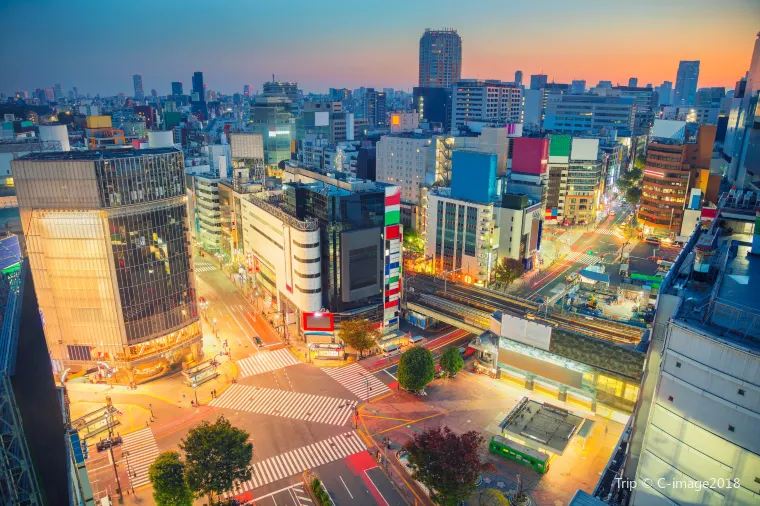
As Malaysians, we aren’t used to tipping much, unless we’re dining in upscale restaurants or staying at luxury hotels. So when you land in Tokyo, it might feel a bit confusing—should you tip your taxi driver? What about the sushi chef or the hotel staff? Don’t worry—tipping is generally not part of Japanese culture, and in most cases, it’s neither expected nor necessary.
✅ Tipping Culture in Japan
In Japan, tipping is not customary and can sometimes even be considered rude or confusing to the recipient. Exceptional service is already included in the overall experience, and staff take great pride in their work without expecting additional compensation. In fact, many restaurants and shops will politely refuse if you attempt to leave a tip.
🧍♂️ Pro Tip: If you really want to show appreciation, consider giving a small gift (like souvenirs from Malaysia) rather than cash—this is more culturally appropriate.
✅ Where & How Much to Tip (if at all)
Here’s a quick cheat sheet based on real Malaysian travel experiences in Tokyo:
Service | Tipping Amount (in RM) | Notes |
|---|---|---|
🏨 Hotel Bellboy | Not expected | Very rare. If you insist, around RM10 discreetly. |
🧹 Hotel Housekeeping | Not expected | Not required. A thank-you note is a nicer gesture. |
🍽️ Restaurants | Not expected | No tipping—even in Michelin-starred restaurants. |
☕ Cafés / Street Food | Not expected | Locals do not tip at casual food spots. |
🚕 Taxi / Uber / Go Taxi | Not expected | Drivers do not expect tips; just pay the exact fare. |
💆 Massage / Spa | Not expected | Pay the full fee at the counter—no tipping. |
💇♂️ Hair Salon | Not expected | No tipping. Excellent service is part of the price. |
✅ How to Show Appreciation in Tokyo
- If you really feel compelled to tip, be discreet and avoid handing over coins or small change. However, even then, a polite thank you and a bow are more appreciated than extra cash.
- Apps like Uber Eats may have an in-app tipping option, but it is entirely optional and not expected by local delivery drivers.
✅ Cultural Nuances to Note
- Tipping in coins or leaving cash on the table may be seen as thoughtless or even confusing—staff may run after you to return it!
- If someone politely refuses your offer of a tip, don’t insist. A sincere “Arigatou gozaimasu” (thank you very much) and a smile are more meaningful.
🛡️ Safety & Emergency Info in Tokyo
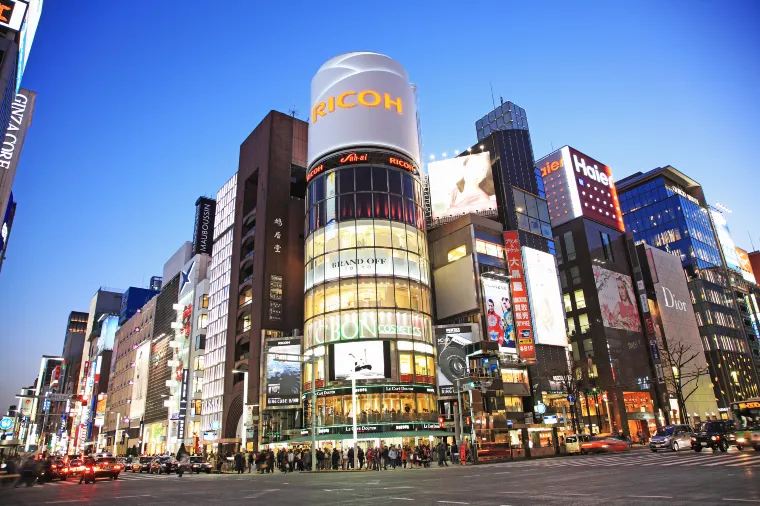
As a fellow Malaysian, I know we sometimes worry when travelling abroad—"Is it safe to jalan-jalan at night?" or "Can I drink the water?" So let me put your mind at ease right away: Tokyo is one of the safest cities in the world for travellers. It’s clean, well-organised, and locals are generally polite and helpful. You’ll find that walking around Tokyo at night often feels safer than many parts of KL.
✅ Overall Safety Snapshot
Japan is extremely tourist-friendly, and Tokyo sees millions of international visitors each year. Violent crime is extremely rare. Petty theft, scams, or pickpocketing happen far less frequently than in most major cities. Still, like anywhere, using common sense goes a long way—especially in crowded spots like Shibuya Crossing or tourist-heavy areas such as Asakusa.
✅ Top Local Safety Tips
Here are a few tips I always follow when visiting Tokyo:
- Be mindful of your belongings in crowded areas—use a crossbody bag with a zip, just in case.
- Stick to official transport—use the reliable metro and JR trains, or licensed taxis. Uber is also available but less common than in Malaysia.
- Tokyo is very safe at night, but avoid wandering alone in back alleys after hours, especially in nightlife districts like Kabukicho (Shinjuku).
- Japan is a cash-based society—carry some cash, but don’t flash large amounts. Most convenience stores and large retailers now accept cards and e-wallets (Suica, Pasmo, Apple Pay).
- If unsure or lost, ask for help at a konbini (convenience store like 7-Eleven or FamilyMart)—staff are used to helping tourists, and many speak some basic English.
📞 Emergency Contacts in Tokyo
Emergency Type | Local Number | Notes |
|---|---|---|
👮 Police | 110 | For reporting theft, lost items, or suspicious activity |
🚑 Ambulance | 119 | Also used for fire emergencies |
🚒 Fire Department | 119 | Combined number with ambulance services |
🏥 Medical Help & Pharmacies
- Clinics and hospitals are readily available, particularly in central areas like Shinjuku, Shibuya, and Ginza.
- Major hospitals such as St. Luke’s International Hospital and Tokyo Medical University Hospital offer services in English and cater to international patients.
- Pharmacies (often marked with a green cross or "ドラッグストア") are everywhere—chains like Matsumoto Kiyoshi and Welcia are common. Staff may speak limited English.
- It’s wise to bring your own medication (Panadol, flu remedies, motion sickness pills), as Japanese packaging and instructions are mostly in Japanese.
💴 Money & Costs
- Tokyo can be pricey, but it’s manageable with careful planning. Meals range from ¥500–¥1,500 (around RM15–RM45), and a standard train ride usually costs ¥150–¥400 (about RM4.50–RM12).
- Public tap water is perfectly safe to drink—no need to buy bottled water unless you prefer to.
🧭 Cultural Notes from a Malaysian’s POV
- Locals are generally courteous and respectful but may be shy when speaking English. A smile and simple gestures go a long way.
- Raising your voice or public outbursts are frowned upon—Japanese society values calm and harmony, much like in Japan’s cultural cousin, Malaysia.
- If you face trouble or need directions, don’t panic—approach station staff, convenience store workers, or even fellow commuters. Many will do their best to help.
🌸 Cultural Etiquette & Local Customs in Tokyo
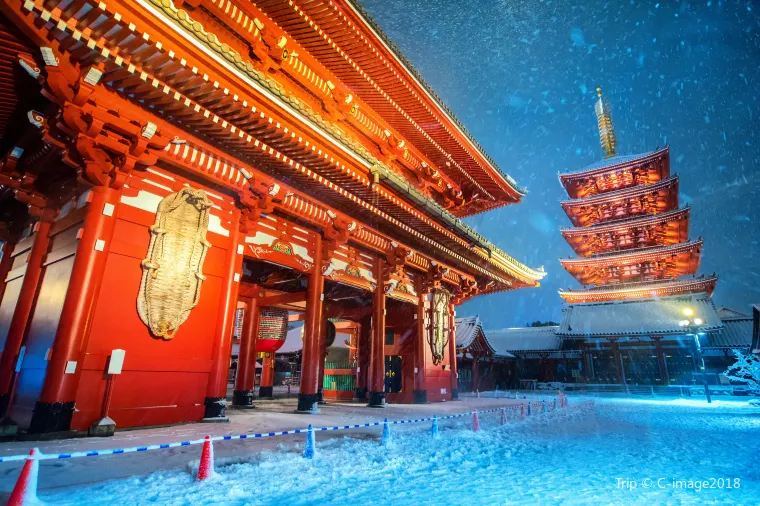
If you’re heading to Tokyo soon, here are a few "before you go" tips from one Malaysian to another 🇲🇾✈️🇯🇵. Japanese culture is refined, respectful, and deeply rooted in tradition—understanding a bit about local customs will not only enrich your trip but also help you blend in gracefully. Believe me, even small gestures can leave a great impression in Japan 🌸.
✅ General Cultural Vibe
Japanese people are generally polite, reserved, and respectful. You’ll notice they speak softly, avoid public confrontation, and value harmony. Public behaviour is calm and composed—loud talking, arguing, or being overly expressive in public is uncommon and often frowned upon.
✅ Etiquette Do’s & Don’ts (A Quick Guide)
ere are some essential do’s and don’ts to help you navigate social situations with ease:
- Always remove your shoes when entering someone’s home and certain traditional places like ryokan (Japanese inns) or temples.
- Bowing is the standard form of greeting—there’s no need for handshakes unless initiated by the other person.
- Avoid pointing with your finger—instead, gesture with an open hand.
- Use both hands when giving or receiving something, especially gifts or money.
- Do not touch anyone’s head—it is considered intrusive and rude.
- Public displays of affection are rare—save hugs and kisses for private moments.
- Always ask permission before taking photos of people, especially in temples, shrines, or quieter neighbourhoods.
🍽️ Dining Etiquette in Japan
Tokyo is a foodie’s paradise, but there are a few unspoken rules at the table:
- Dishes are often shared, but always use the opposite end of your chopsticks when taking food from shared plates.
- It is perfectly acceptable to pick up bowls when eating, especially rice or soup.
- Never stick chopsticks upright in a bowl of rice—this resembles a funeral ritual.
- Don’t pass food directly from one pair of chopsticks to another, for similar reasons.
- A soft “itadakimasu” before the meal and “gochisousama deshita” after eating shows respect and appreciation.
- Tipping is not required in Japan—in fact, it can be seen as awkward or confusing. Excellent service is already included in the experience.
👗 Dress Code & Body Language
Tokyo fashion is modern and varied, but modesty and neatness are valued:
- When visiting temples or shrines, dress modestly—cover shoulders and knees as a sign of respect.
- Avoid loud or flashy clothing when visiting more traditional or spiritual places.
- Pointing fingers or beckoning with your palm facing up is considered rude—gesture with an open hand.
- A slight bow is more polite than an aggressive handshake in most situations.
🙋 Interaction Norms
- Japanese people greet each other with a bow and a soft “Konnichiwa” (hello) or “Ohayou gozaimasu” (good morning).
- They tend to be indirect and subtle in their communication, so be mindful of how you phrase things.
- Small talk is not as common with strangers, but shopkeepers and service staff will always greet you warmly with “Irasshaimase” when you enter a store.
- If you’re in doubt, simply observe what locals do—it’s a great way to learn the unspoken rules.
🧡 Cultural Curiosity Tip
Locals truly appreciate it when visitors show effort to understand Japanese customs. Whether you attempt a simple “arigatou gozaimasu” (thank you) or bow awkwardly, your respect and sincerity will be noticed and appreciated.
💴 Money & Costs
Tokyo is relatively more expensive than many Malaysian cities, but with good planning it’s manageable:
- Expect meals to range from ¥800–¥2,500 (roughly RM24–RM75), depending on whether you’re eating in a casual spot or a mid-range restaurant.
- Public transport is excellent—an average subway or JR ride costs ¥150–¥400 (around RM4.50–RM12).
- Japan is still largely cash-based—carry cash, but most convenience stores and major shops now accept cards or IC cards like Suica and Pasmo.
🧳 Final Travel Advice & Helpful Links for Tokyo
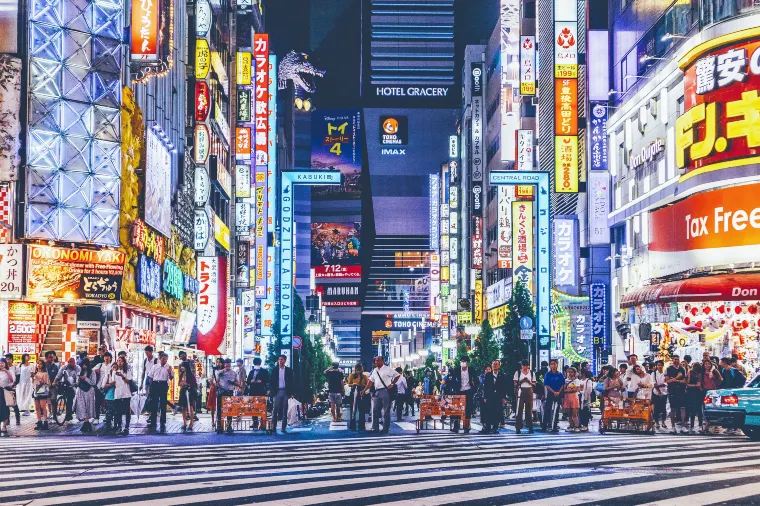
Alright lah, if you’ve made it this far—you’re more than ready for your Tokyo adventure! 🇯🇵✨
As a fellow Malaysian who’s explored Tokyo a few times, I can tell you this: having the right information about simple things—how to get around, local etiquette, tipping culture, and which apps to use—makes a huge difference to your overall experience.
You don’t need to be fluent in Japanese or know every backstreet in Shibuya. Just being a little aware of how things work in Tokyo already puts you ahead of the typical tourist crowd 👍.
🌟 There’s So Much More to Discover
Whether you’re planning to sip matcha in a quiet café in Daikanyama, wander the temples of Asakusa, or makan-makan your way through Tsukiji Outer Market, each part of Tokyo offers its own distinct vibe.
Don’t just stick to Shibuya or Ginza—explore local neighbourhoods like Nakameguro, Yanaka, or Koenji. Take a stroll through tranquil gardens, hop on the Yamanote Line to lesser-known stops, and try small eateries where menus aren’t Instagram-famous. Part of the joy is discovering beauty in the everyday moments ✨.
📲 A Few Last Planning Tips
To make your trip even smoother, here are some things worth checking out:
- ✈️ Flights to Tokyo – Look for the best flight times to Haneda or Narita (Haneda is closer to the city).
- 🏨 Hotels in Tokyo – Options range from budget capsule hotels to stylish boutique stays near major train stations. Consider staying near a JR or metro line to save time.
🙌 Last Word Before You Go
Tokyo has a way of charming you when you least expect it. It’s fast-paced, orderly, creative, and full of hidden layers. With these tips in hand—and a bit of Malaysian cool in your step—you’re all set for an incredible adventure.
💴 Just a quick reminder: daily costs can vary a lot. Meals may cost anywhere from ¥800–¥2,500 (about RM24–RM75), and local transport is super efficient—expect to spend about ¥150–¥400 (around RM4.50–RM12) per trip. Japan is still largely a cash-based society, so carry some cash even though IC cards (like Suica or Pasmo) and credit cards are becoming more widely accepted. Have a great trip, and enjoy every moment of your Tokyo adventure! 🌟 Selamat jalan & happy exploring, kawan! 💛🇯🇵✨
FAQs: Tokyo Travel Tips
-
Do I need a visa to enter Japan?
-
Is it safe to eat street food in Tokyo?
-
Should I use cash or card in Tokyo?
-
What’s the best way to get around Tokyo?