
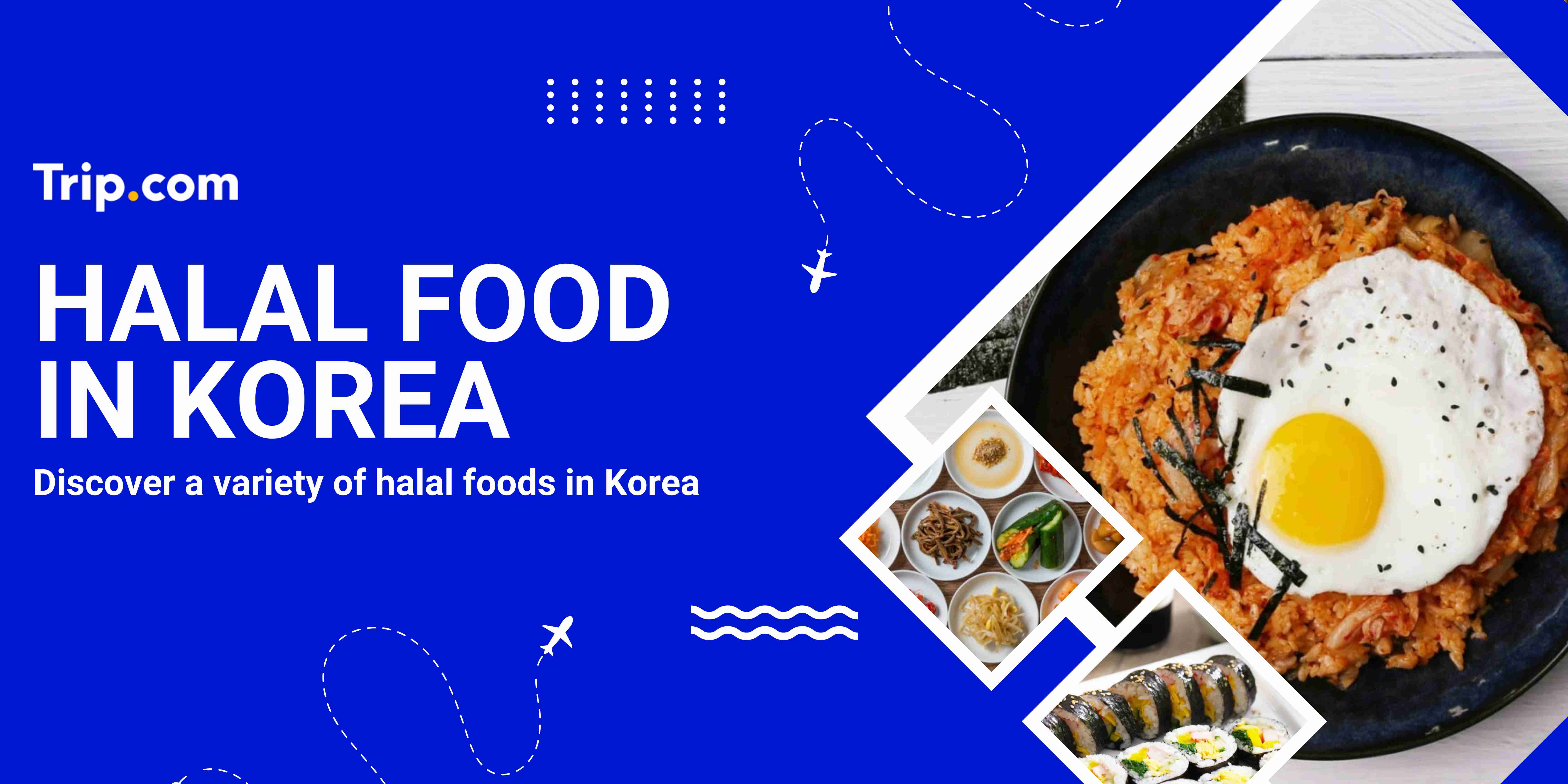
Halal food in Korea offers a rich and diverse culinary experience that reflects the country’s evolving food culture and its growing commitment to inclusive dining. Influenced by Korean, Central Asian, Middle Eastern, and Southeast Asian cuisines, halal dishes in Korea are known for their bold, harmonious flavors—ranging from spicy and umami-rich to mildly sweet and savory. These flavors are created using a variety of aromatic ingredients such as garlic, sesame oil, gochugaru (Korean chili flakes), soy sauce, ginger, and scallions—all thoughtfully prepared in accordance with Islamic dietary laws.
About Halal Food in Korea

Halal food refers to dishes and beverages that are permissible under Islamic law. The word “halal” means “permissible” in Arabic and goes beyond ingredients to include how food is sourced, prepared, and served in accordance with Islamic principles. 🙏
Although South Korea is not a Muslim-majority country, it has become increasingly welcoming to Muslim travelers. Cities like Seoul, Busan, and Jeju Island now offer a growing number of halal-friendly dining options—thanks to a combination of local demand, international influence, and the country’s expanding tourism industry. 😊
Korea’s halal food scene is vibrant and continually evolving. In addition to halal-certified Korean dishes such as bulgogi, bibimbap, and Sayetang (ginseng chicken soup), visitors can enjoy a wide range of international cuisines, including Turkish, Indian, Malaysian, Indonesian, and Middle Eastern fare. Whether you're exploring bustling food streets, relaxing in cozy cafes, or dining at upscale restaurants, halal options are increasingly easy to find—many of them clearly marked with halal certification. 🍛
Before diving into our Korea halal food guide, be sure to explore our specially curated Muslim-friendly travel deals. Whether you're planning a halal-conscious city break or an immersive cultural journey, you'll discover exclusive offers that include Muslim-friendly accommodations, prayer facilities, and activities—all designed to ensure a comfortable and worry-free experience. ✈️
🍚 Must-Try Halal Local Dish in Korea
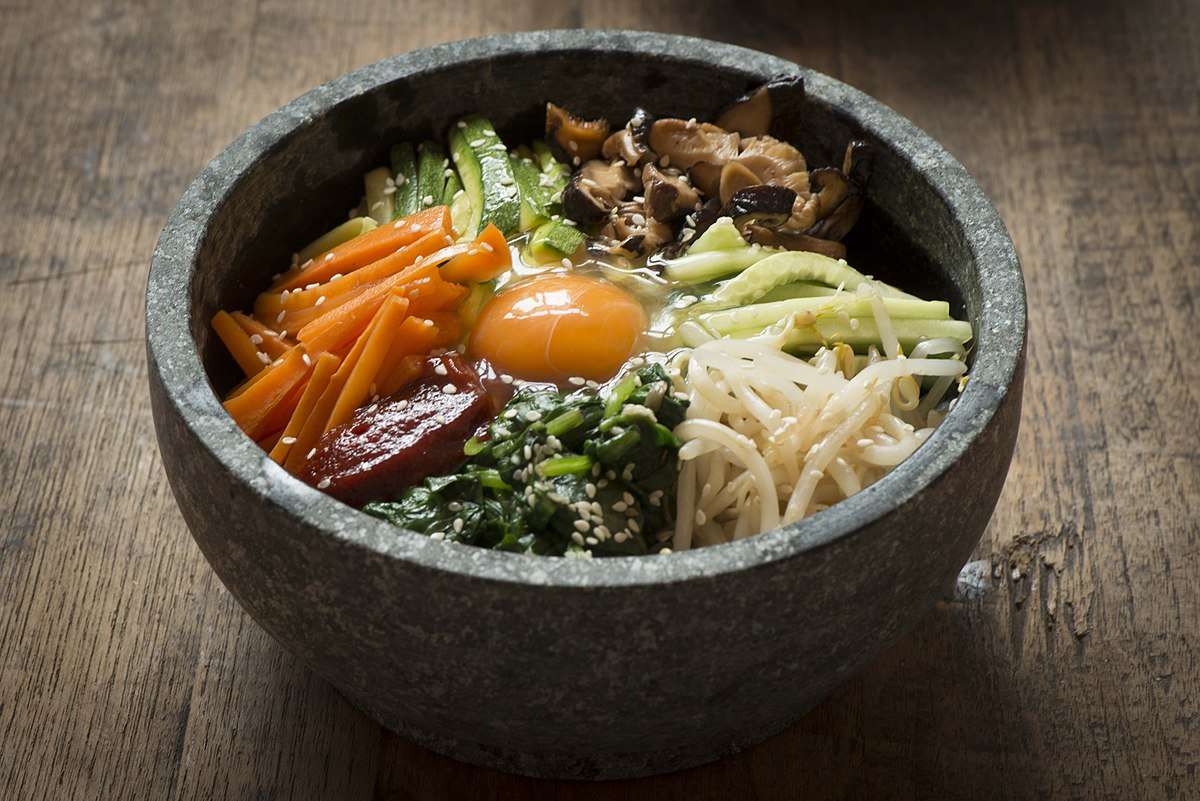
🍛 Bibimbap – A Nourishing Korean Rice Bowl
Source: Wikipedia
📖 About Bibimbap
Bibimbap is one of Korea’s most iconic dishes, consisting of warm rice topped with a colorful assortment of sautéed and seasoned vegetables, gochujang (Korean chili paste), and a fried or boiled egg. Sometimes served with halal-certified beef or chicken, this dish is a hearty yet balanced meal that showcases the essence of Korean flavors and textures. Naturally halal when prepared with permissible ingredients, bibimbap offers a satisfying option for Muslim travelers seeking an authentic Korean culinary experience. 🥬🍚🍳
🍴 Best Place to Try
EID Halal Korean Food, Itaewon, Seoul
💡 Pro Tips
- Ask for a non-spicy version if you prefer milder flavors—many restaurants are happy to accommodate.
- Mix all the ingredients thoroughly before eating to enjoy the perfect blend of taste and texture.
👨👩👧👦 Persona Fit
Great for first-time visitors, health-conscious diners, and anyone looking to enjoy a wholesome, halal-certified Korean classic that's both filling and flavorful.
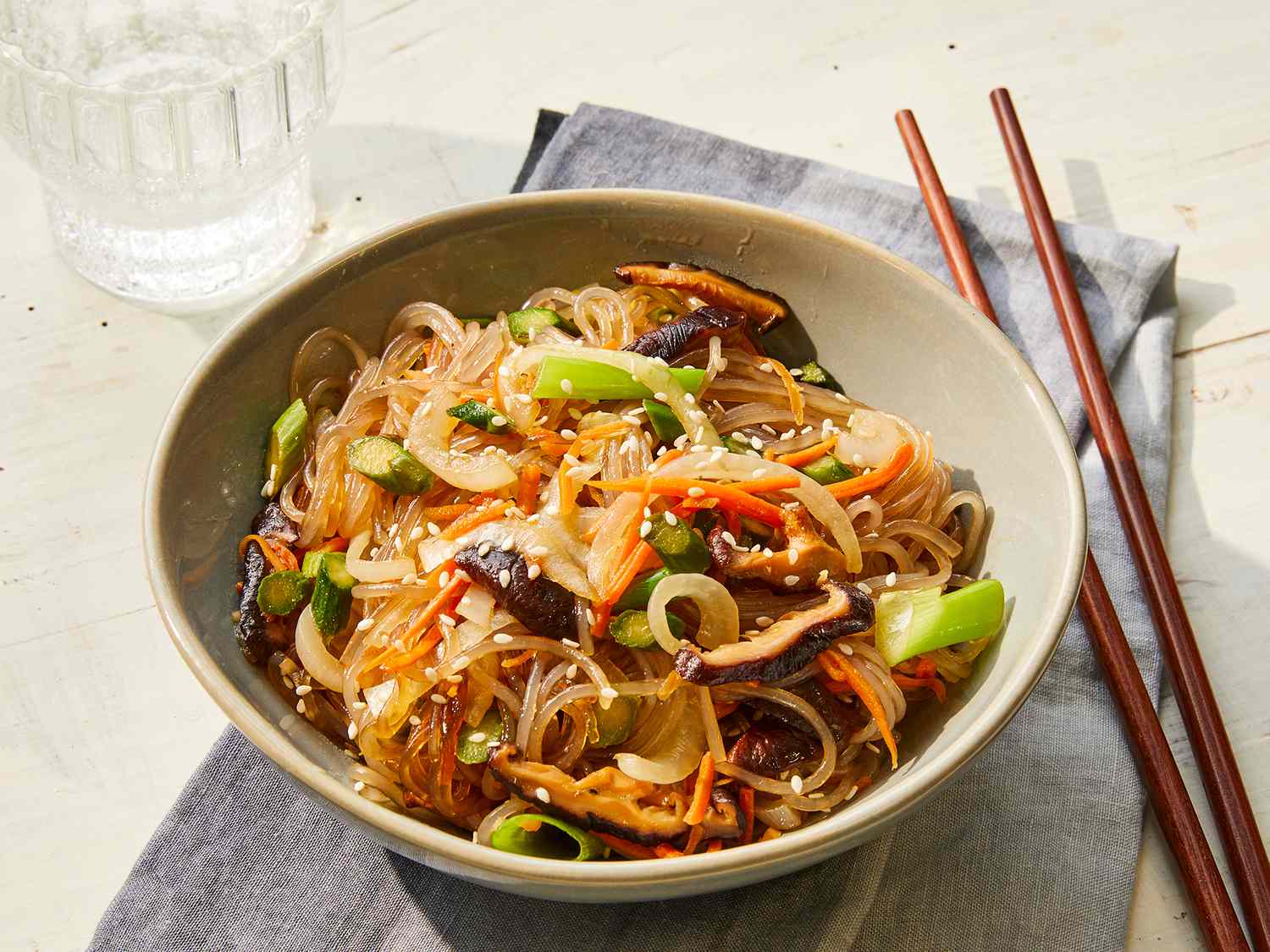
🍛 Japchae – A Flavorful Korean Glass Noodle Dish
Source: Allrecipes
📖 About Japchae
Japchae is a beloved Korean dish made with stir-fried glass noodles (made from sweet potato starch) mixed with a colorful array of vegetables such as carrots, spinach, mushrooms, and onions, often complemented by slices of halal-certified beef or chicken. Flavored with soy sauce, sesame oil, and garlic, Japchae offers a slightly sweet, savory, and nutty taste that’s both comforting and delicious 🌈🍜. When prepared with halal ingredients, it’s a naturally halal-friendly option that’s light yet satisfying.
🍴 Best Place to Try
EID Halal Korean Food, Itaewon, Seoul
💡 Pro Tips
- Request a vegetarian version if you're looking for a meat-free option.
- Add a side of kimchi for a spicy, tangy contrast that enhances the overall flavor.
👨👩👧👦 Persona Fit
Perfect for vegetarians, families, and health-conscious travelers who want to enjoy a classic Korean dish that’s both wholesome and halal.
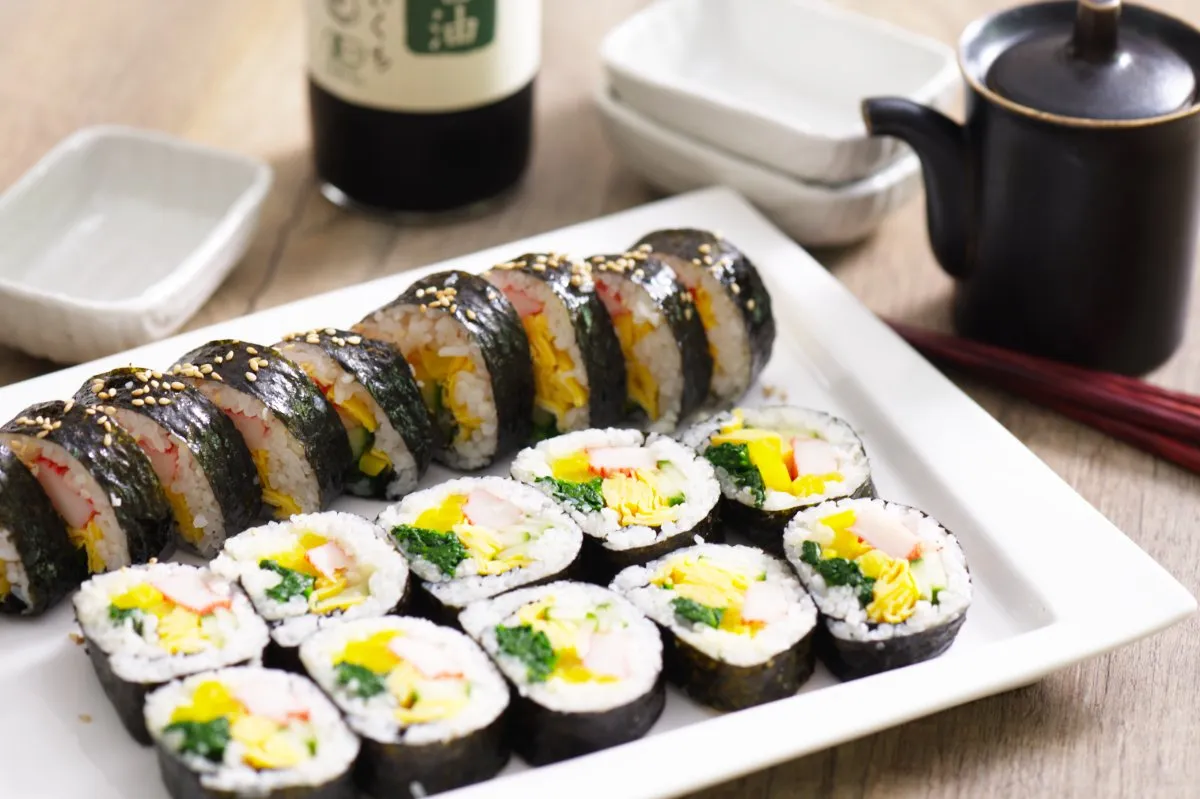
🍛 Gimbap – Korea’s Beloved Seaweed Rice Roll
Source: Funky Asian Kitchen
📖 About Gimbap
Gimbap is a classic Korean dish that resembles sushi but carries its own distinct flavors and ingredients. It consists of steamed rice seasoned with sesame oil and salt, rolled in seaweed (gim) with various fillings such as carrots, spinach, pickled radish, and halal-certified beef, tuna, or egg. Naturally halal when made with permissible ingredients, Gimbap is light, nutritious, and perfect for on-the-go meals or a quick snack. It offers a delicious and satisfying option for Muslim travelers seeking a taste of everyday Korean comfort food. 🍙🌿
🍴 Best Place to Try
Makan Halal Korean Restaurant, Itaewon, Seoul
💡 Pro Tips
- Ask for vegetable or tuna gimbap if you prefer a lighter, meat-free option.
- Pair it with a bowl of halal miso soup or a side of kimchi for a more complete meal.
👨👩👧👦 Persona Fit
Ideal for busy travelers, families, and anyone looking for a quick, healthy, and halal-certified Korean dish that’s easy to love and full of flavor.
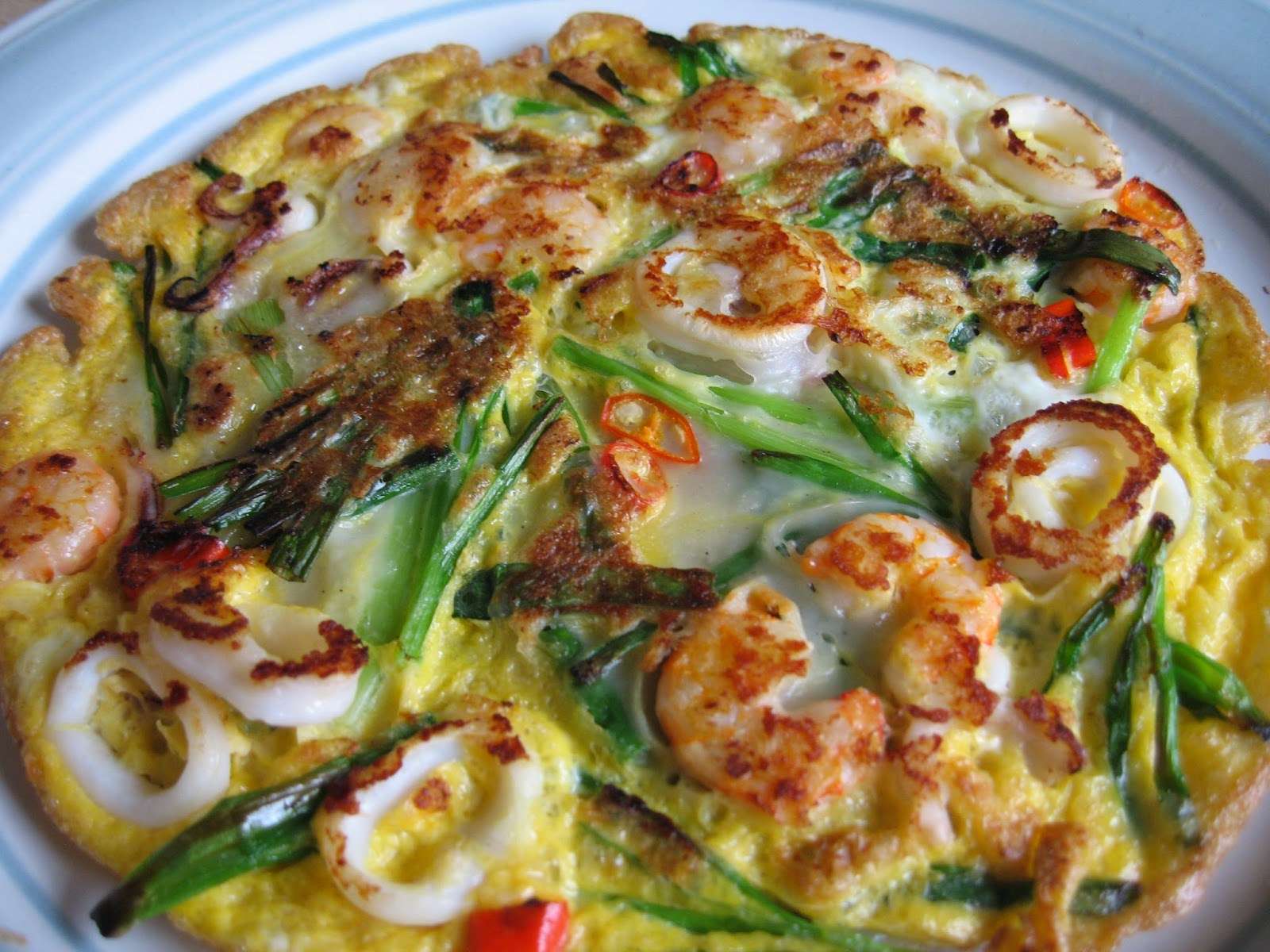
🍛 Haemul Pajeon – A Savory Korean Seafood Pancake
Source: Sumptuous Flavours
📖 About Haemul Pajeon
Haemul Pajeon is a popular Korean savory pancake made from a batter of rice flour and eggs, generously filled with fresh seafood such as shrimp, squid, and clams, along with green onions and vegetables 🌿🦐. When prepared with halal-certified seafood and ingredients, this dish becomes a deliciously crispy and flavorful option that is naturally halal. Haemul Pajeon offers a satisfying and hearty choice for Muslim travelers seeking an authentic Korean dish that is both light and rich in taste.
🍴 Best place to try
Halal Korean Kitchen, Itaewon, Seoul
💡 Pro Tips
- Request extra dipping sauce for a tangy, savory boost.
- Enjoy Haemul Pajeon with a refreshing glass of cold barley tea or sparkling water to balance the flavors.
👨👩👧👦 Persona Fit
Perfect for seafood lovers, those seeking a halal Korean classic, and anyone looking to savor a dish bursting with texture and umami flavors.
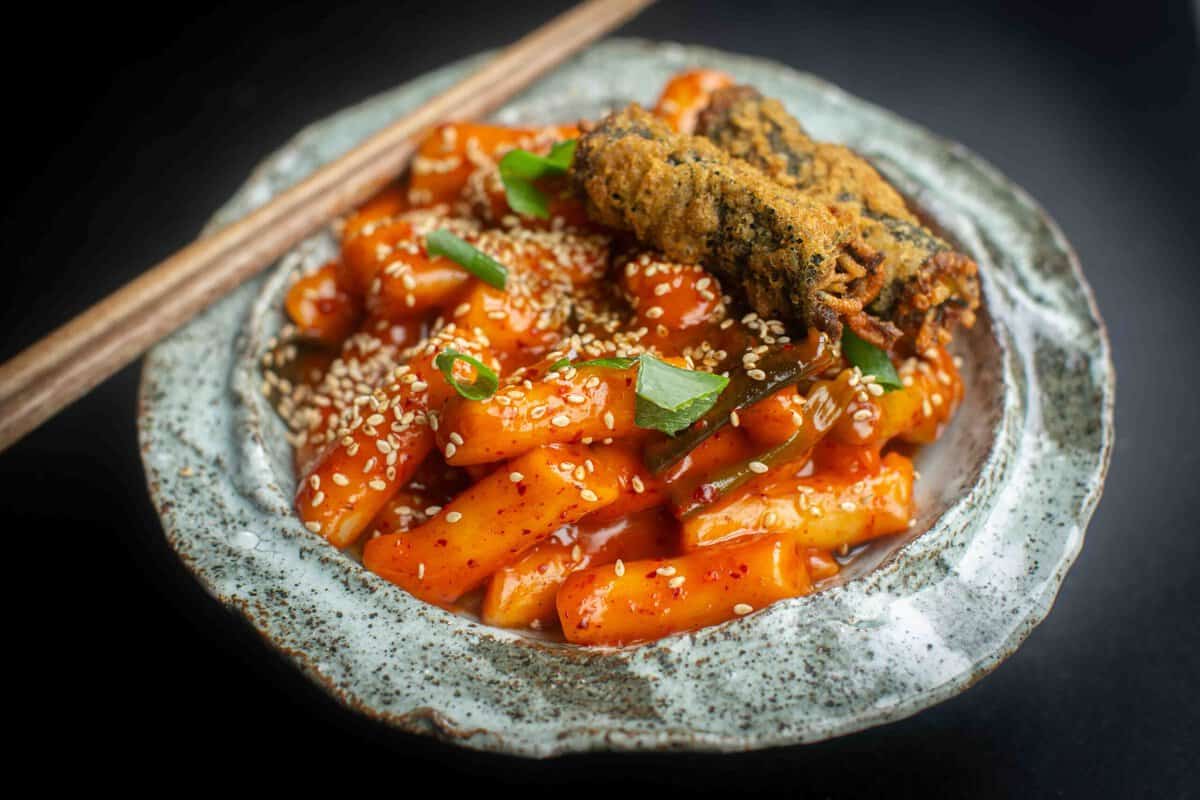
🍛 Tteokbokki – Spicy Korean Rice Cakes
Source: The Korean Vegan
📖 About Tteokbokki
Tteokbokki is a beloved Korean street food made from chewy rice cakes simmered in a flavorful, spicy-sweet gochujang (Korean chili paste) sauce. When prepared with halal-certified ingredients—such as fish cakes, boiled eggs, and vegetables—it becomes a tasty and permissible treat for Muslim travelers 🌶️🍢. The dish is known for its comforting texture, bold flavor, and warming qualities, making it a favorite among locals and visitors alike.
🍴 Best Place to Try
BoA Travel House Halal Korean Food, Seoul
💡 Pro Tips
- Ask for a milder version if you're sensitive to spice, or request extra sauce if you're a fan of bold flavors.
- Enjoy it with a side of pickled radish to balance the heat and cleanse your palate.
👨👩👧👦 Persona Fit
Great for adventurous foodies, street food lovers, and anyone craving a halal-friendly version of one of Korea’s most iconic comfort foods.
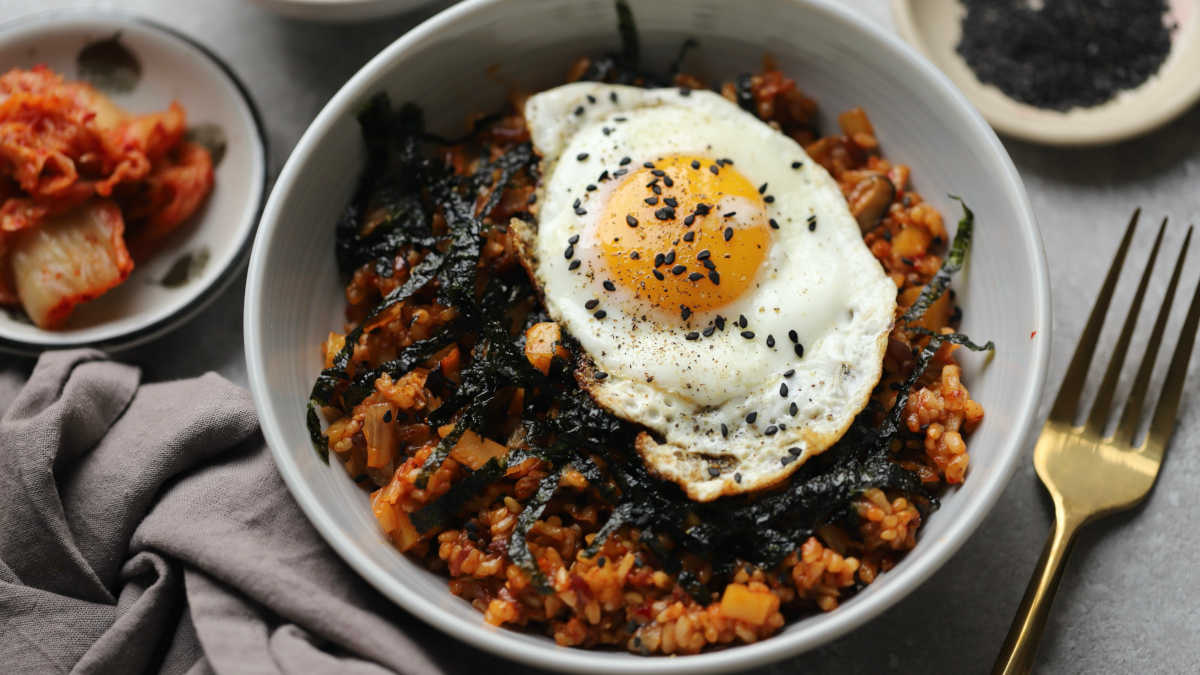
🍛 Kimchi Bokkeumbap – Korean Kimchi Fried Rice
Source: Yang's Nourishing Kitchen
📖 About Kimchi Bokkeumbap
Kimchi Bokkeumbap is a beloved Korean fried rice dish made with aged kimchi, steamed rice, and halal-friendly additions like vegetables, egg, or beef. The dish is stir-fried with sesame oil, garlic, and gochujang (Korean chili paste) for a flavorful, spicy kick 🔥🍳. When prepared with halal ingredients, this dish becomes a satisfying, comforting meal that’s perfect for Muslim travelers craving something warm, bold, and distinctly Korean.
🍴 Best Place to Try
Hajj Korea Halal Food, Itaewon, Seoul
💡 Pro Tips
- Top it with a sunny-side-up egg for extra richness.
- Enjoy it with a cool glass of Korean barley tea to balance the spiciness.
👨👩👧👦 Persona Fit
Great for budget-conscious travelers, spice lovers, and anyone looking for a quick, halal-friendly Korean comfort food full of bold flavor and texture.
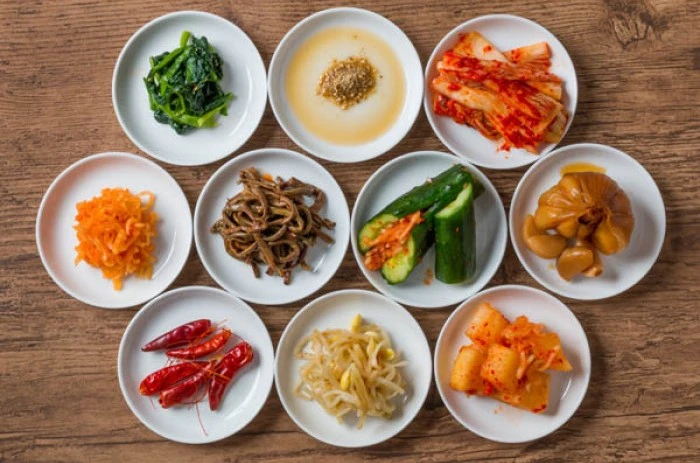
🍛 Banchan – Traditional Korean Side Dishes
Source: Curious Foodies
📖 About Banchan
Banchan refers to the variety of small side dishes served with Korean meals. These can include items like kimchi, seasoned spinach (sigeumchi namul), stir-fried anchovies (myulchi bokkeum), braised potatoes (gamja jorim), and marinated tofu—many of which can be made halal when prepared without alcohol or non-permissible ingredients 🥬🥔🍠. These side dishes not only add flavor and variety to your meal but also offer a glimpse into Korea’s rich culinary heritage.
🍴 Best Place to Try
Makan Restaurant, Itaewon, Seoul
💡 Pro Tips
- Ask the staff which banchan options are halal, as ingredients may vary daily.
- Combine banchan with a bowl of halal rice and soup for a well-rounded, authentic Korean dining experience.
👨👩👧👦 Persona Fit
Perfect for curious eaters, vegetarians, and those who enjoy sampling a variety of flavors in one meal—ideal for anyone looking to experience the diversity of Korean cuisine while keeping halal.
🍛 Doenjang Jjigae – Korean Soybean Paste Stew
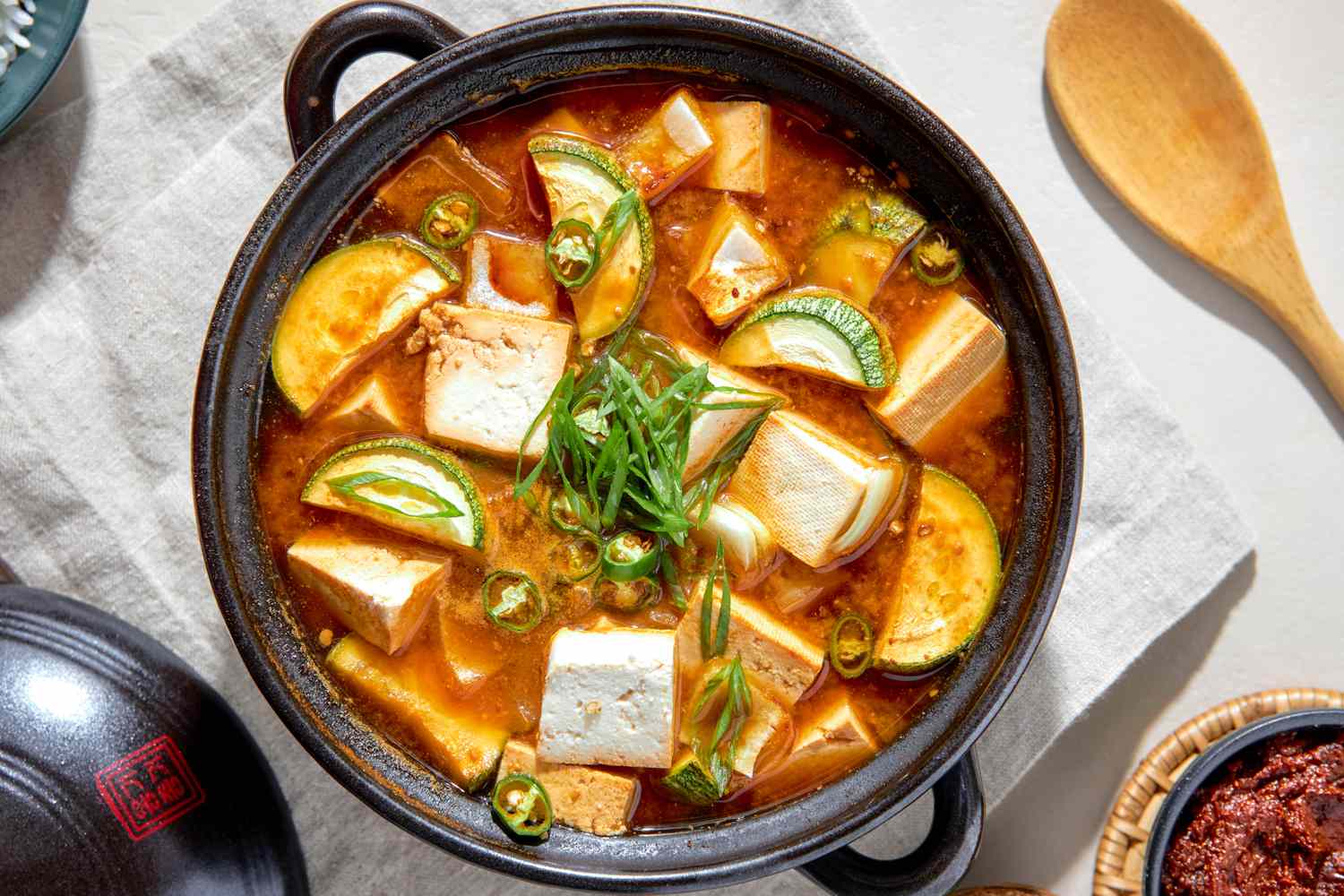
Source: Simply Recipes
📖 About Doenjang Jjigae
Doenjang Jjigae is a traditional Korean stew made with fermented soybean paste (doenjang), tofu, mushrooms, zucchini, and other vegetables simmered in a savory, umami-rich broth 🍄🥬🍲. When prepared with halal-certified ingredients—avoiding non-permissible meat or alcohol-based sauces—it becomes a hearty, nourishing dish suitable for Muslim travelers. It’s a staple in Korean home cooking and a flavorful way to experience the depth of Korean cuisine.
🍴 Best Place to Try
EID Halal Korean Food, Itaewon, Seoul
💡 Pro Tips
- Ask for a vegetarian or seafood version for a lighter, halal-friendly choice.
- Best enjoyed with a bowl of hot steamed rice and a selection of halal banchan (side dishes).
👨👩👧👦 Persona Fit
Ideal for health-conscious diners, vegetarians, and anyone looking to savor a warm, comforting, and authentically Korean halal dish that’s packed with nutrition and bold flavor.
🍛 Kongnamul Muchim – Seasoned Soybean Sprouts Salad
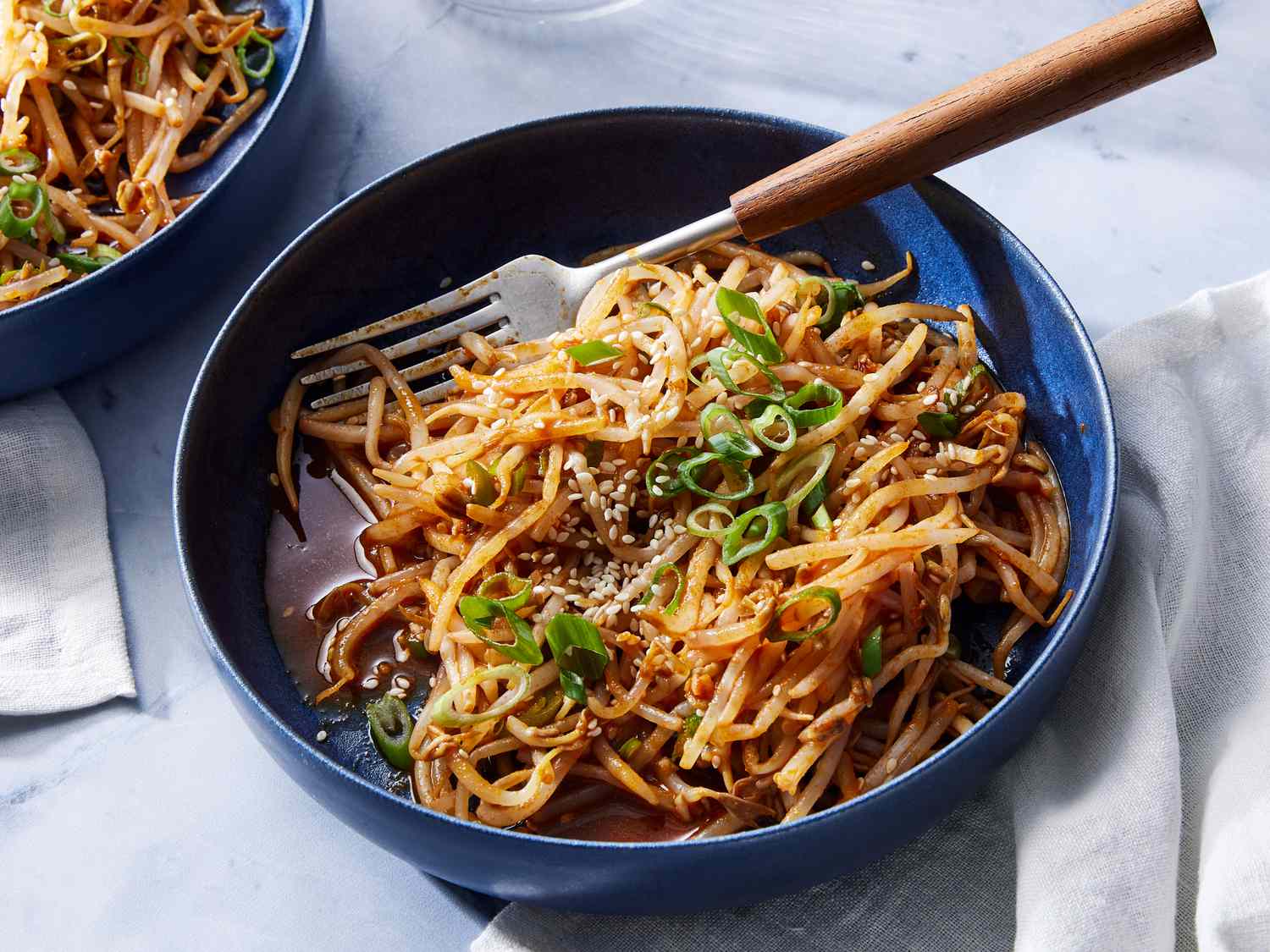
Source: Allrecipes
📖 About Kongnamul Muchim
Kongnamul Muchim is a simple yet flavorful Korean side dish made from blanched soybean sprouts seasoned with sesame oil, garlic, salt, and sometimes a touch of chili flakes 🌿🌶️. Naturally halal and vegetarian-friendly, this dish offers a light, refreshing option that complements any meal. It’s commonly served alongside rice and main dishes, providing a nutritious boost with its crunchy texture and subtle savory taste.
🍴 Best Place to Try
Halal Korean Kitchen, Itaewon, Seoul
💡 Pro Tips
- Enjoy Kongnamul Muchim as part of a full halal Korean meal with bibimbap or bulgogi.
- Pair it with a refreshing drink like barley tea to cleanse the palate.
👨👩👧👦 Persona Fit
Perfect for health-conscious eaters, vegetarians, and anyone wanting to experience authentic Korean flavors in a light, halal-friendly dish.
🍛 Samgyetang – Ginseng Chicken Soup
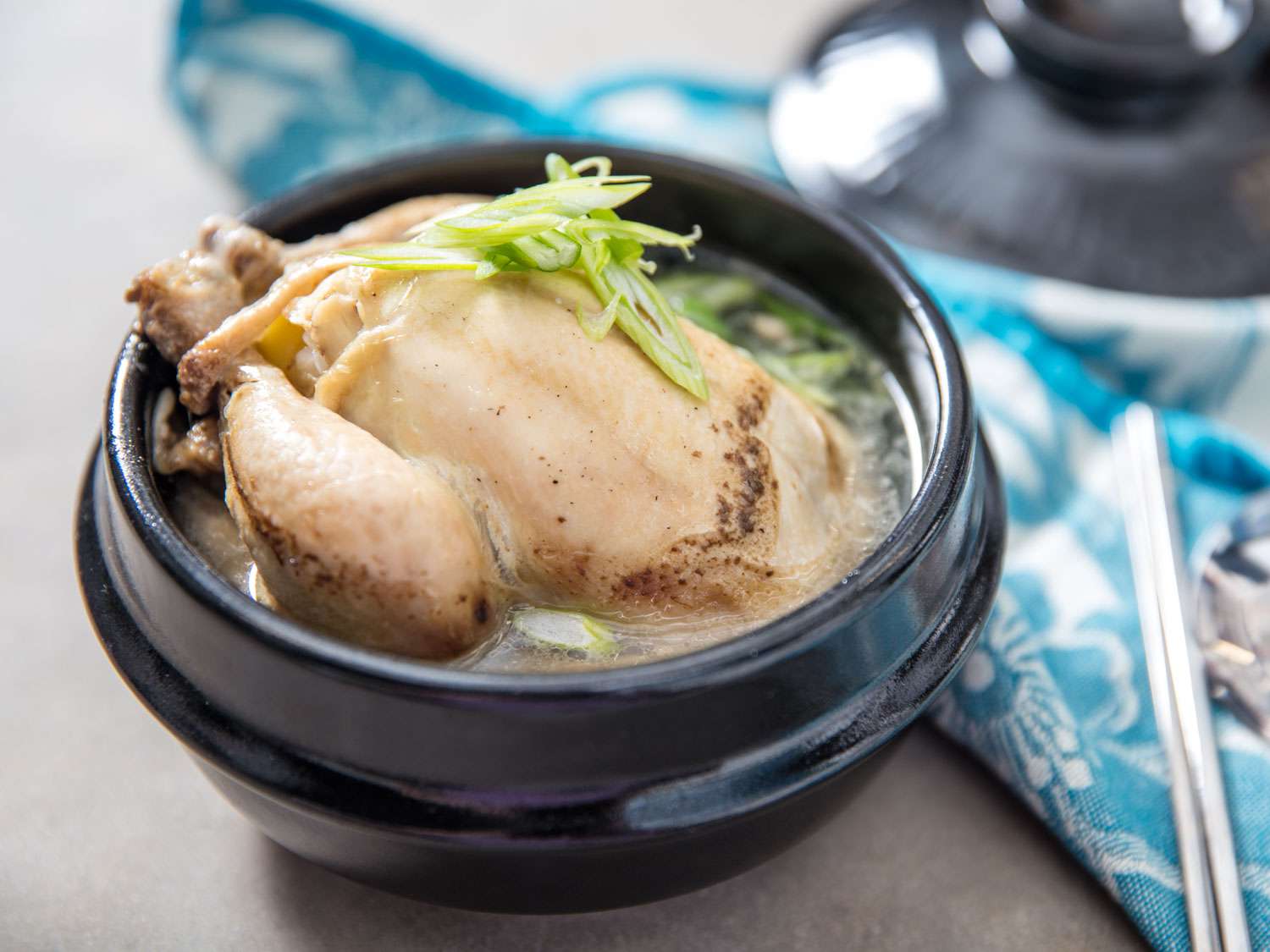
Source: Serious Eats
📖 About Samgyetang
Samgyetang is a traditional Korean soup made with a whole young chicken stuffed with glutinous rice, ginseng, garlic, jujubes, and various herbs, simmered to create a nourishing and flavorful broth 🍗🌿. When prepared with halal-certified chicken and ingredients, it becomes a wholesome and comforting meal perfect for Muslim travelers seeking both nutrition and authentic Korean taste. This dish is especially popular during hot summer days as a restorative and energy-boosting meal.
🍴 Best Place to Try
EID Halal Korean Food, Itaewon, Seoul
💡 Pro Tips
- Enjoy Samgyetang with a side of steamed rice and kimchi (halal-certified).
- Sip the broth slowly to appreciate the rich herbal flavors and natural sweetness.
👨👩👧👦 Persona Fit
Ideal for health-conscious eaters, travelers seeking traditional Korean wellness food, and anyone looking for a hearty, halal-certified dish full of flavor and nutrition.
🌿 Let’s Explore Korea

Korea isn’t just about vibrant cities and stunning palaces—it’s also an exciting destination for halal food lovers. As a Muslim traveler, I found it surprisingly easy to enjoy a wide variety of delicious halal dishes throughout the country without any hassle. From savory bibimbap bowls at local eateries to flavorful grilled halal Korean BBQ sizzling over charcoal, Korea offers a rich array of authentic, halal-friendly flavors. I wandered through lively markets filled with the aroma of spices and freshly prepared food, enjoyed refreshing barley tea, and discovered sweet treats perfect for sharing or bringing home as souvenirs.
Whether you’re craving spicy tteokbokki, tender bulgogi, or comforting hot soups like samgyetang, this guide will take you on a delicious journey through Korea’s best halal eats, city by city, dish by dish. So bring your appetite (and maybe some extra gochujang 🌶️), because we’re diving spoon-first into Korea’s top halal food experiences!
FAQs: Halal Food in Korea
Is halal food easy to find in Korea?
Yes, halal food is becoming increasingly accessible in Korea, especially in areas with larger Muslim communities and many international visitors, such as Itaewon in Seoul and parts of Busan. Numerous restaurants, cafes, and food vendors offer halal-certified meals, catering to both locals and tourists seeking authentic Korean halal cuisine.What are some common halal dishes I can try in Korea?
You can try dishes like bibimbap, a mixed rice bowl topped with vegetables, halal meat, and spicy gochujang sauce; halal Korean barbecue featuring grilled halal-certified beef or chicken served with various side dishes; and tteokbokki, a popular spicy rice cake snack made with halal ingredients.Do locals understand halal dietary needs?
Yes, many locals and especially those involved in the halal food industry are knowledgeable about halal dietary requirements. Muslim-owned or halal-certified restaurants maintain strict halal standards, including the use of separate cooking utensils and halal-sourced ingredients to ensure compliance.Can I pray nearby halal restaurants?
Yes, many halal restaurants in Korea, particularly in Itaewon and major cities, are located close to mosques or prayer rooms. Staff are usually willing to help direct you to the nearest mosque or musollah, making it convenient to find a suitable place for prayer during your visit.