
If you are finalizing your 2026 itineraries across the causeway or flying up north, you already know the familiar hassle of rushing to the local money changer. For Malaysian travelers, navigating the bustling streets of Bangkok, Jakarta, or Singapore just got incredibly streamlined. Forget about carrying thick wads of foreign currency or worrying about having the exact small change for your tuk-tuk ride. The era of cross-border QR payments is fully here, and it is entirely reshaping how we travel, commute, and spend across the region.
Whether you are tapping your way through Singapore’s highly efficient regional transit infrastructure, grabbing a quick bite at an Indonesian warung, or shopping for weekend bargains at Chatuchak market, your local Malaysian banking app or eWallet is all you really need. This complete guide for travelers breaks down exactly how to use the DuitNow Cross-Border QR system to seamlessly scan and pay via PromptPay, QRIS, and NETS, ensuring your journey is as frictionless as possible.
Key Takeaways
- Ultimate App Convenience: Utilize your existing Malaysian banking apps (such as MAE, HLB Connect, RHB Mobile, or Touch 'n Go eWallet) to scan local QR codes in Thailand, Indonesia, Singapore, and Cambodia.
- Transparent Real-Time Exchange Rates: View the exact Malaysian Ringgit (MYR) equivalent before you approve any foreign transaction, permanently eliminating post-vacation bill shocks and hidden currency conversion fees.
- Enhanced Travel Security: Keep your travel funds locked and safe within your home banking app. There is no longer a need to carry large amounts of foreign cash or expose your credit card numbers to unfamiliar retail merchants.
- Widespread Regional Acceptance: From high-end luxury shopping malls to local street food vendors and regional transit stations, the acceptance rate of PromptPay, QRIS, and NETS is incredibly deep and widespread.

What is DuitNow Cross-Border QR?
For modern globetrotters aiming to master their travel hacks, thoroughly understanding the DuitNow Cross-Border payment linkage is absolutely crucial. Spearheaded by PayNet and Bank Negara Malaysia in strategic collaboration with various ASEAN central banks, this initiative connects Malaysia’s national QR code system (DuitNow) directly with Thailand’s PromptPay, Indonesia’s QRIS, and Singapore’s NETS networks.
In the simplest of terms: when you see a pink PromptPay QR displayed in Bangkok, a light blue QRIS code sitting on a counter in Bali, or a standard NETS QR terminal in Singapore, you do not need to open a local bank account or download a foreign app to scan it. You just open your preferred Malaysian banking app, scan the foreign code, and the underlying system automatically calculates the live exchange rate, deducting the exact amount directly from your Ringgit account. It is the definitive bridge for cross-border digital spending.
Navigating Southeast Asia: PromptPay, QRIS, and NETS
Each neighboring country has championed its own dominant cashless payment network. Here is exactly how Malaysian travelers can expertly navigate them:
1. Thailand (PromptPay)

Thailand’s PromptPay network is practically ubiquitous. Whether you are buying an iced milk tea from a mobile street cart in Chiang Mai or paying for a relaxing traditional massage in Phuket, PromptPay is the absolute go-to method. Just launch your eWallet, scan the merchant's PromptPay QR, and enter the Thai Baht amount. The app will immediately show you how much MYR will be deducted. Editor's Tip: This payment method is absolutely perfect for those smaller, everyday transactions where independent vendors might strictly refuse traditional credit cards.
2. Indonesia (QRIS)
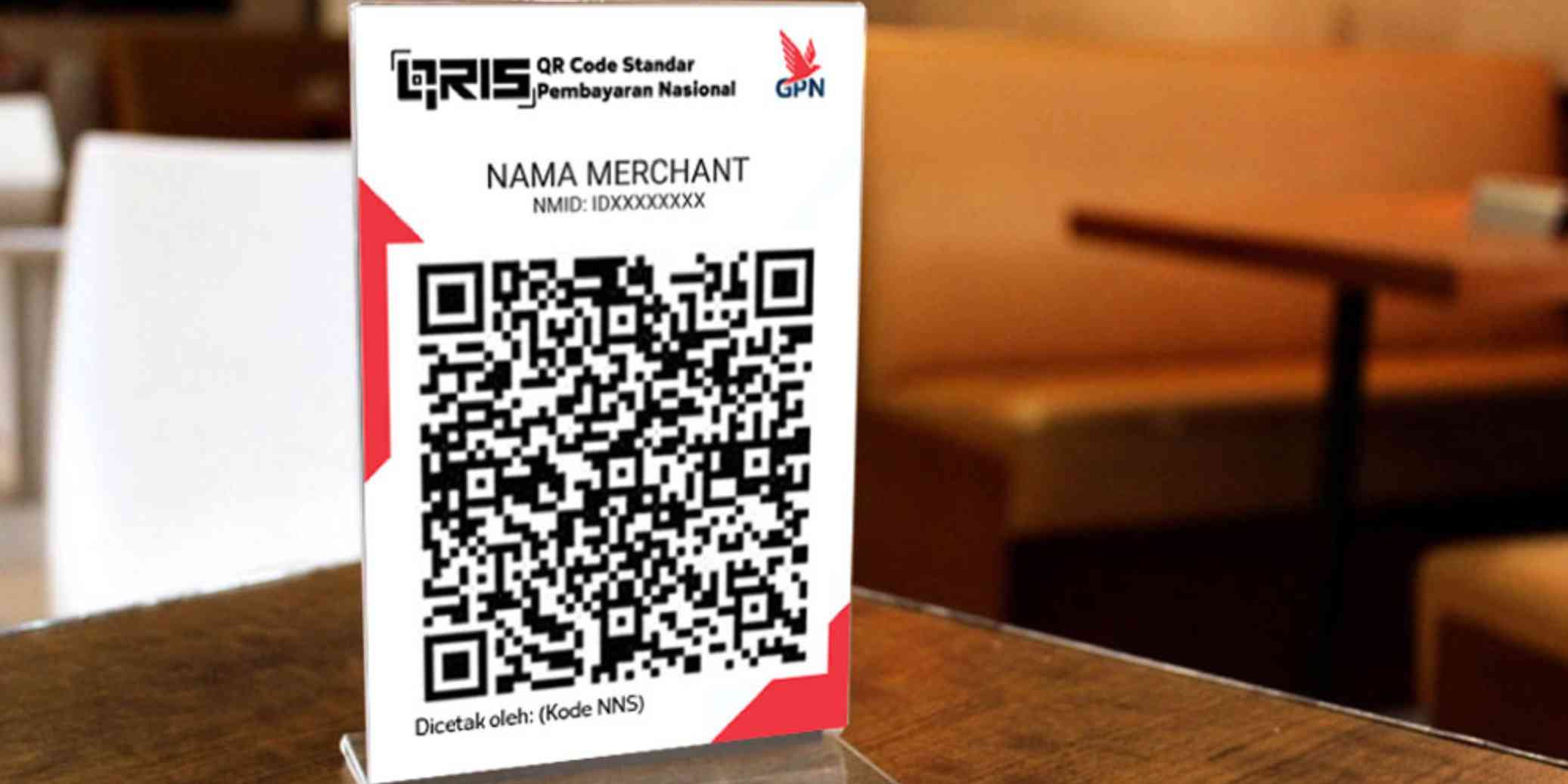
Bank Indonesia’s QRIS (Quick Response Code Indonesian Standard) has brilliantly unified all payment platforms across the massive archipelago. From premium beach clubs in Uluwatu to local nasi padang eateries hidden in the alleys of Jakarta and Surabaya, you will easily spot the prominent QRIS logo everywhere. When exploring Indonesia's rapidly expanding regional transit infrastructure, such as the Jakarta MRT, having the ability to quickly pay for goods at station merchants via QRIS is a massive, stress-free time-saver.
3. Singapore (NETS)
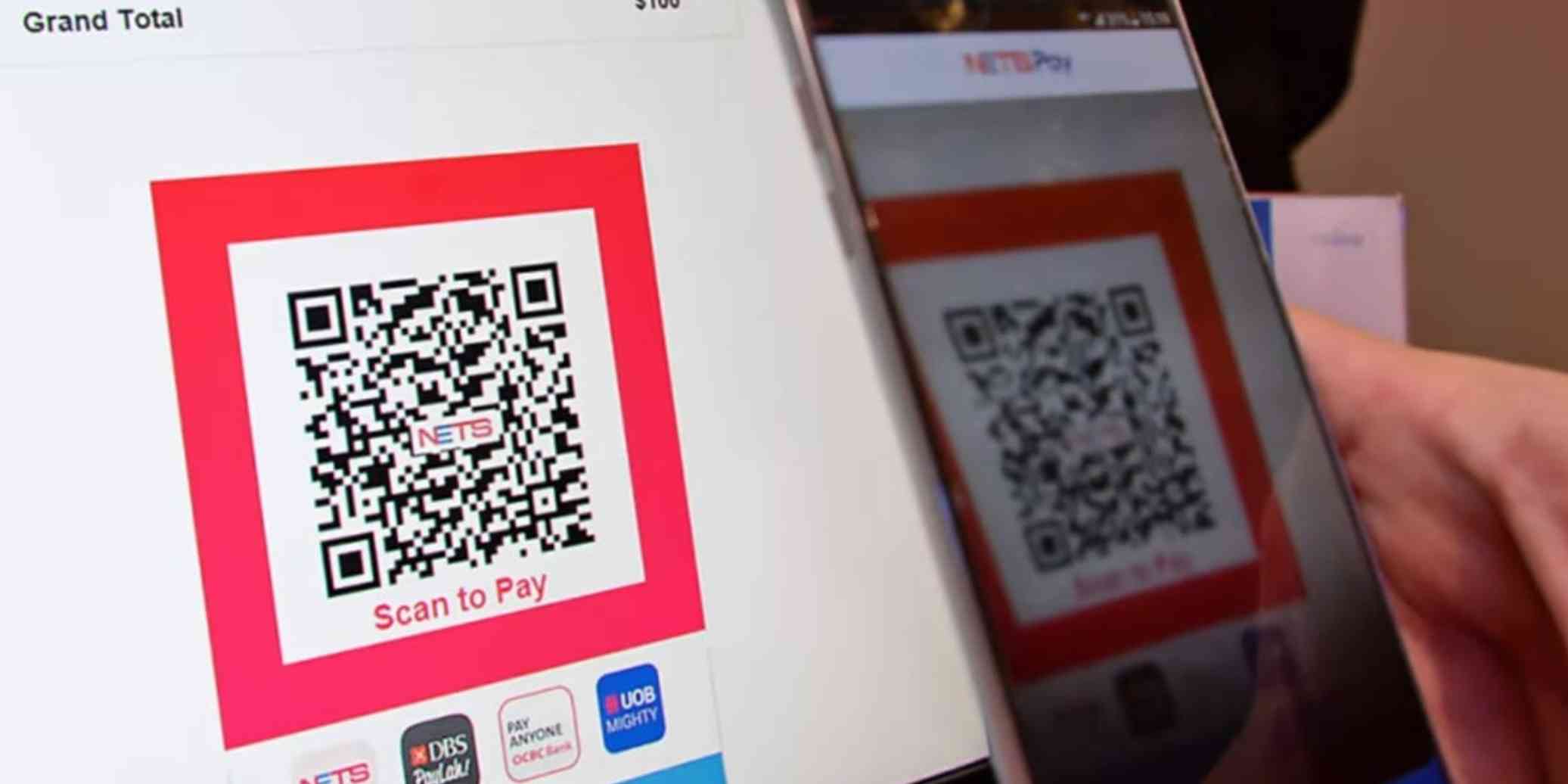
Singapore has always been a regional pioneer in the cashless payment space. While premium travel credit cards are widely accepted for larger purchases, you will quickly find that many local hawker centres, boutique neighborhood stores, and smaller retail outlets strongly prefer NETS. Thanks to the seamless DuitNow-NETS linkage, Malaysians can simply scan the SGQR or NETS QR code to pay for their famous Hainanese chicken rice or quick convenience store runs. It is incredibly convenient for that spontaneous weekend trip across the Johor-Singapore Causeway.

🏝️ Hello Vietnam - Summer is Calling! 🏝️
Discover a land of vibrant culture, breathtaking landscapes, and unforgettable flavors - your perfect summer journey starts here, now with exclusive deals upto 50% for flight, hotel, attraction, tickets and more, only on Trip.com. Explore now! ✨
How to Scan and Pay Overseas: A Step-by-Step Guide
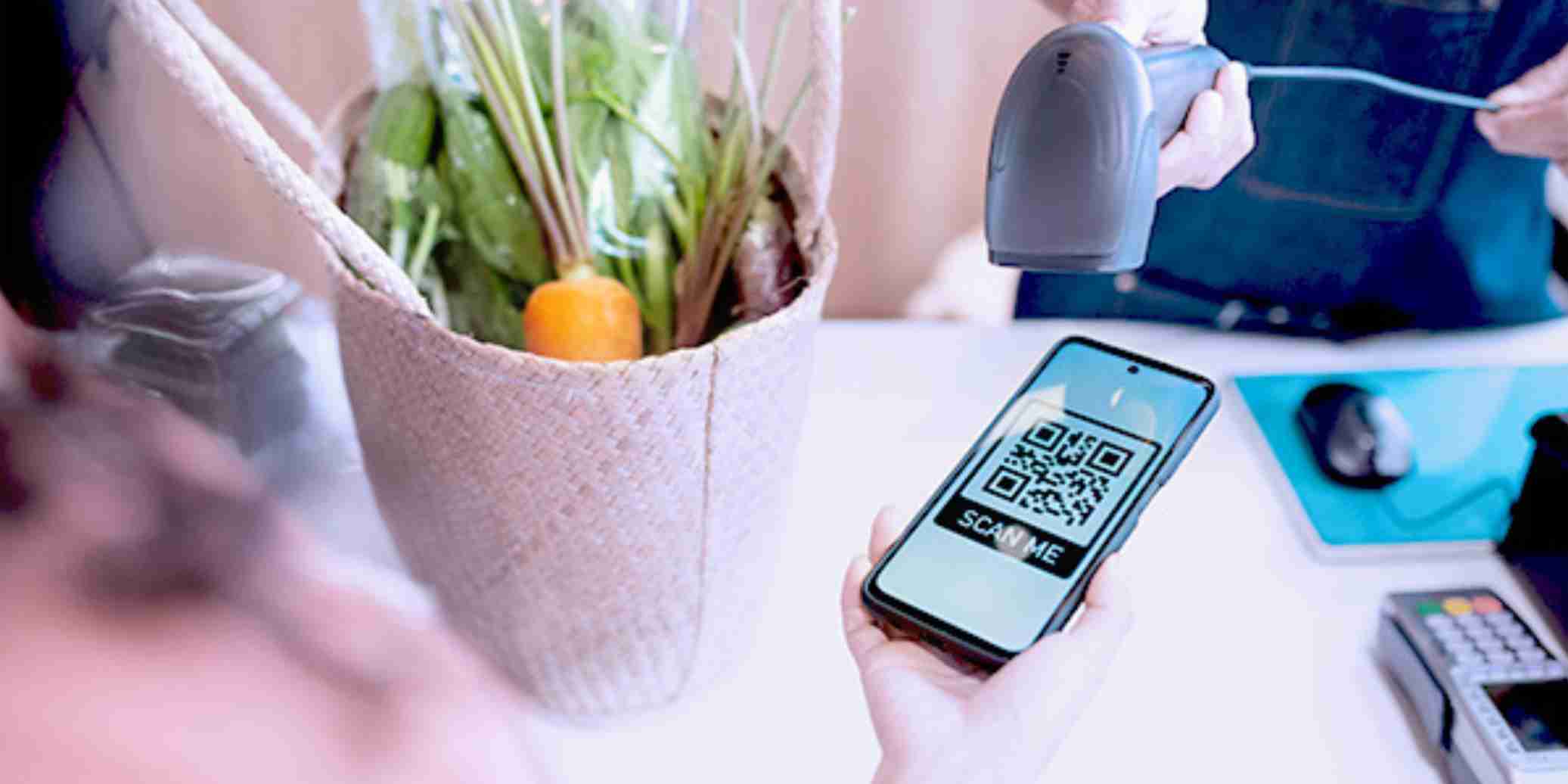
Using the cross-border QR feature is just as simple, intuitive, and fast as paying for your weekly groceries back home in Kuala Lumpur. Here is exactly what you need to do:
- Launch Your App: Open your preferred and officially supported Malaysian banking app or eWallet (e.g., Maybank MAE, CIMB OCTO, Public Bank Mobile, TNG eWallet). Ensure you have a stable internet connection or an active international roaming data plan.
- Scan the Local QR: Tap the main scan icon within the app and point your smartphone camera directly at the foreign merchant’s PromptPay, QRIS, or NETS QR code.
- Enter the Amount: Carefully input the payable amount in the local foreign currency (e.g., THB, IDR, or SGD) exactly as stated by the merchant.
- Review and Confirm: The application will instantly display the live conversion rate and the final MYR amount that will be deducted from your account.
- Authorize the Payment: Verify the digital transaction (usually via a biometric Face ID scan, fingerprint authentication, or a secure PIN) to finalize the payment. Show the glowing digital receipt to the merchant, and you are good to continue exploring!
Why Travelers Prefer Cross-Border QR Over Traditional Cash
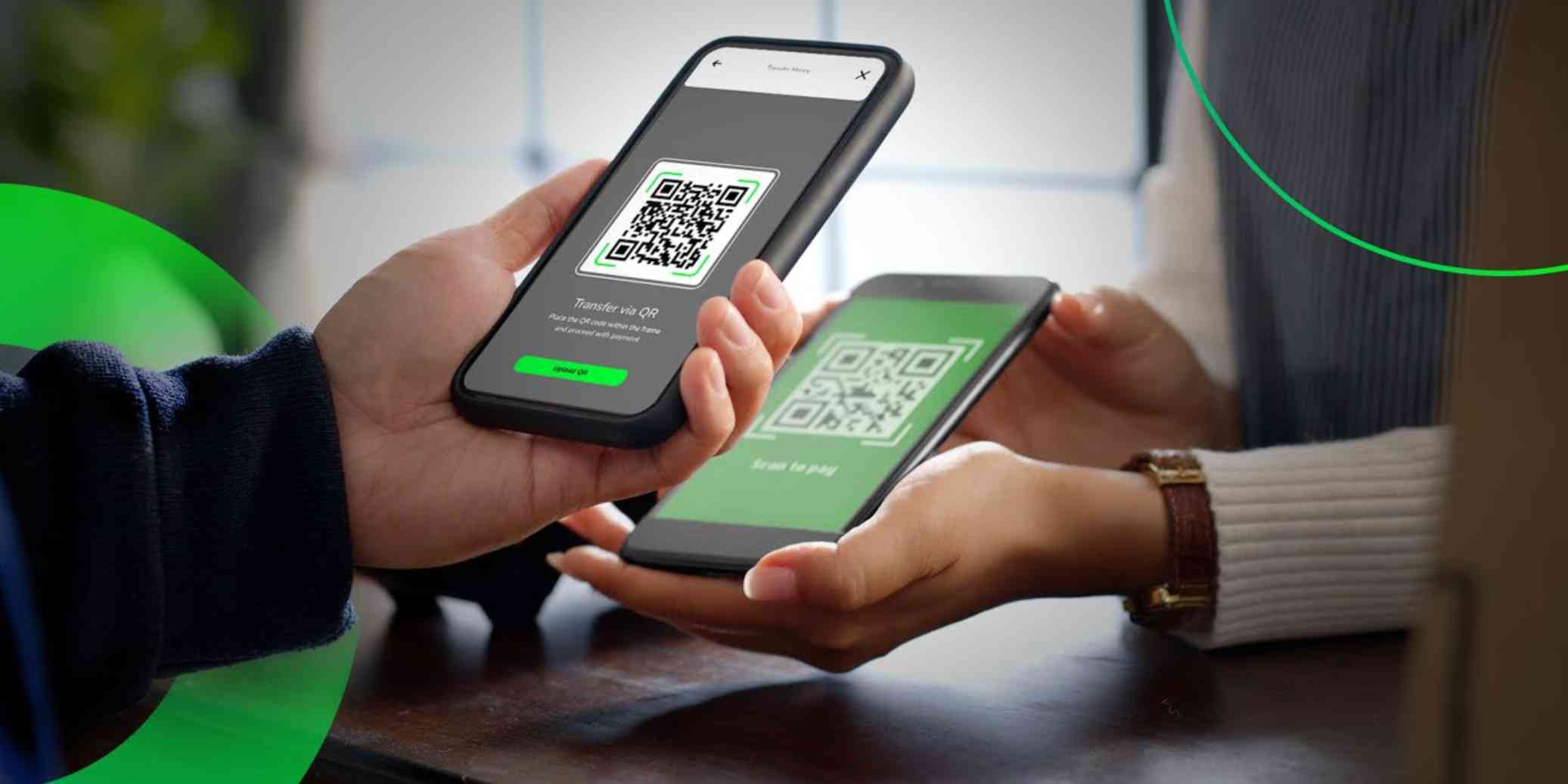
The massive shift toward cross-border digital payments is largely driven by total transparency and enhanced security. When you manually exchange physical cash at an airport kiosk, you are frequently subjected to noticeably less favorable rates and you always risk holding onto unusable, leftover foreign notes at the very end of your trip.
With the DuitNow Cross-Border QR system, the foreign exchange rate is highly competitive, operating almost identically to wholesale interbank rates with incredibly minimal markups. More importantly, you see exactly what you are paying in Ringgit before you ever hit the confirm button. This micro-level financial control allows for vastly superior travel budgeting, ensuring you have substantially more funds to spend on actual memorable experiences rather than wasting money on hidden, cumulative currency conversion costs.
So, before you pack your bags and head to the departure gate for your next big ASEAN adventure, double-check that your digital banking apps are fully updated. Embrace the immense convenience, travel light without the burden of heavy coins, and experience the seamless future of borderless payments firsthand.
FAQs
-
Do I need to activate the DuitNow Cross-Border QR feature before traveling?
-
Are there any hidden transaction fees when paying overseas with my eWallet?
-
What is the daily transaction limit for scanning PromptPay, QRIS, or NETS?
-
What should I do if my QR payment is deducted, but the merchant claims they did not receive it?
-
Can I use my Malaysian eWallet to scan any QR code globally?