
Key Takeaways
- The PASMO is a contactless prepaid card used on Tokyo’s private railways, subways, and buses.
- Works seamlessly across Japan due to interoperability with other IC cards like Suica.
- Available as both a physical card and a mobile wallet (Apple Wallet & Google Wallet).
- Ideal for travelers exploring Tokyo beyond JR lines, including private railways and metro systems.
- Simplifies transport and enables cashless payments at shops, restaurants, and vending machines.
What is the PASMO Card?
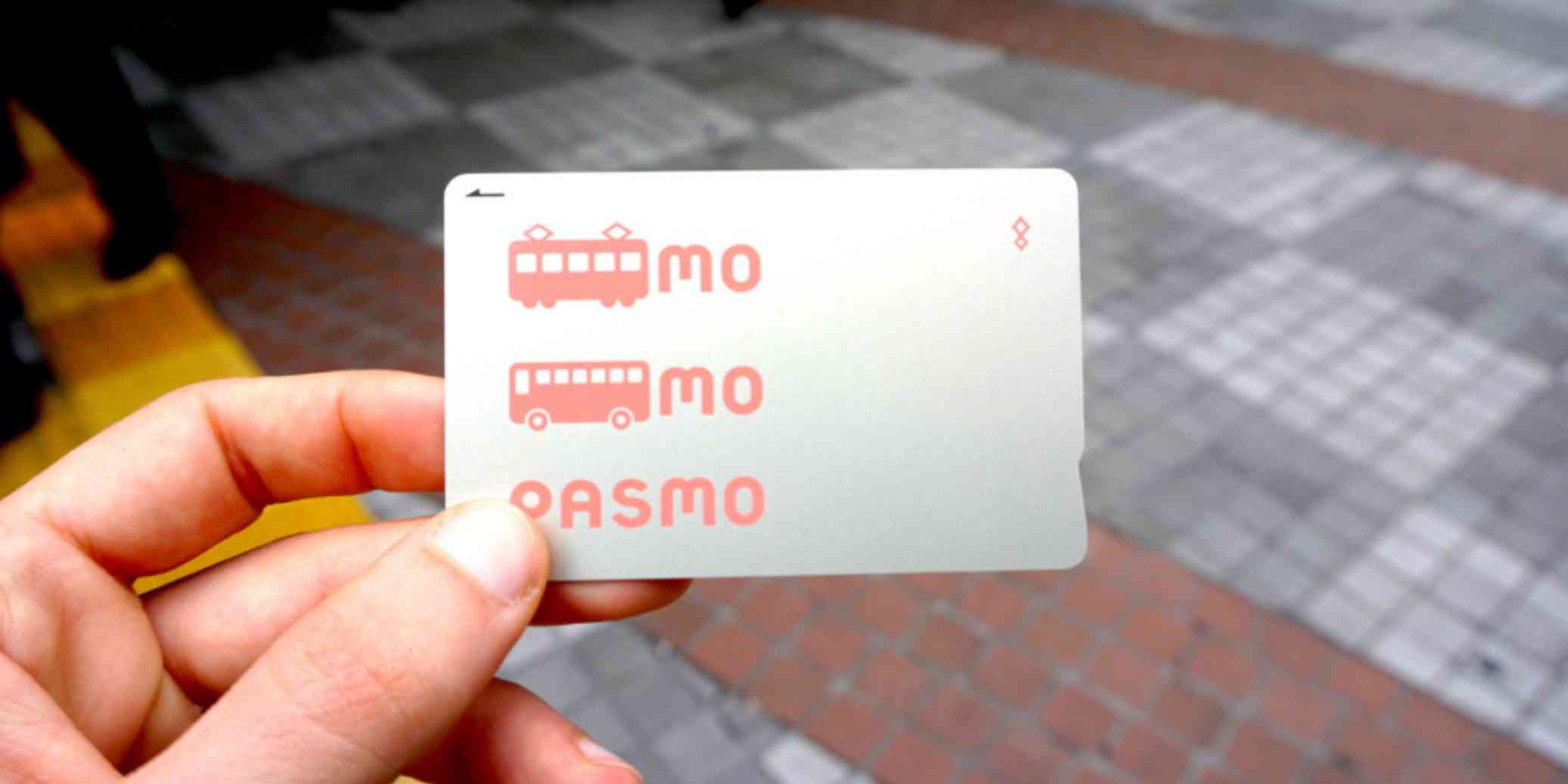
The PASMO is a rechargeable smart card introduced for Tokyo’s private railway operators, including subways and bus networks. It complements the Suica, which is issued by East Japan Railway Company.
For travelers, PASMO functions as an all-in-one payment tool. Instead of navigating complex ticket machines or calculating fares, you simply tap your card at entry and exit gates. The system automatically deducts the correct fare, making travel stress-free.
Today, PASMO is also available in a mobile format, allowing you to store and use the card directly on your smartphone for even greater convenience.
Why Travelers Should Use PASMO
Tokyo’s transport network is extensive, especially with its mix of private railways and subway systems. PASMO helps simplify this complexity.
Key benefits include:
- Seamless travel: No need to purchase individual tickets
- Wide coverage: Ideal for non-JR lines, including metro and private railways
- Cashless payments: Use at convenience stores, restaurants, and vending machines
- Time efficiency: Skip queues at ticket machines
- Beginner-friendly: Easy to use even for first-time visitors
For Malaysian travelers, PASMO offers a familiar tap-and-go experience while navigating one of the world’s busiest transport systems.
Where Can You Use PASMO?
PASMO is widely accepted across Japan, making it a versatile travel companion.
Public Transport
- Tokyo Metro and Toei Subway lines
- Private railway operators (e.g., Tokyu, Keio, Odakyu)
- Buses across Tokyo and surrounding regions
- Interoperable with JR lines via Suica
Retail & Daily Spending
- Convenience stores (7-Eleven, FamilyMart, Lawson)
- Restaurants and cafes
- Vending machines and coin lockers
- Supermarkets and drugstores
- Selected taxis and attractions
💡 Tip: If you see the IC card logo, PASMO is usually accepted.
PASMO Card vs Mobile PASMO
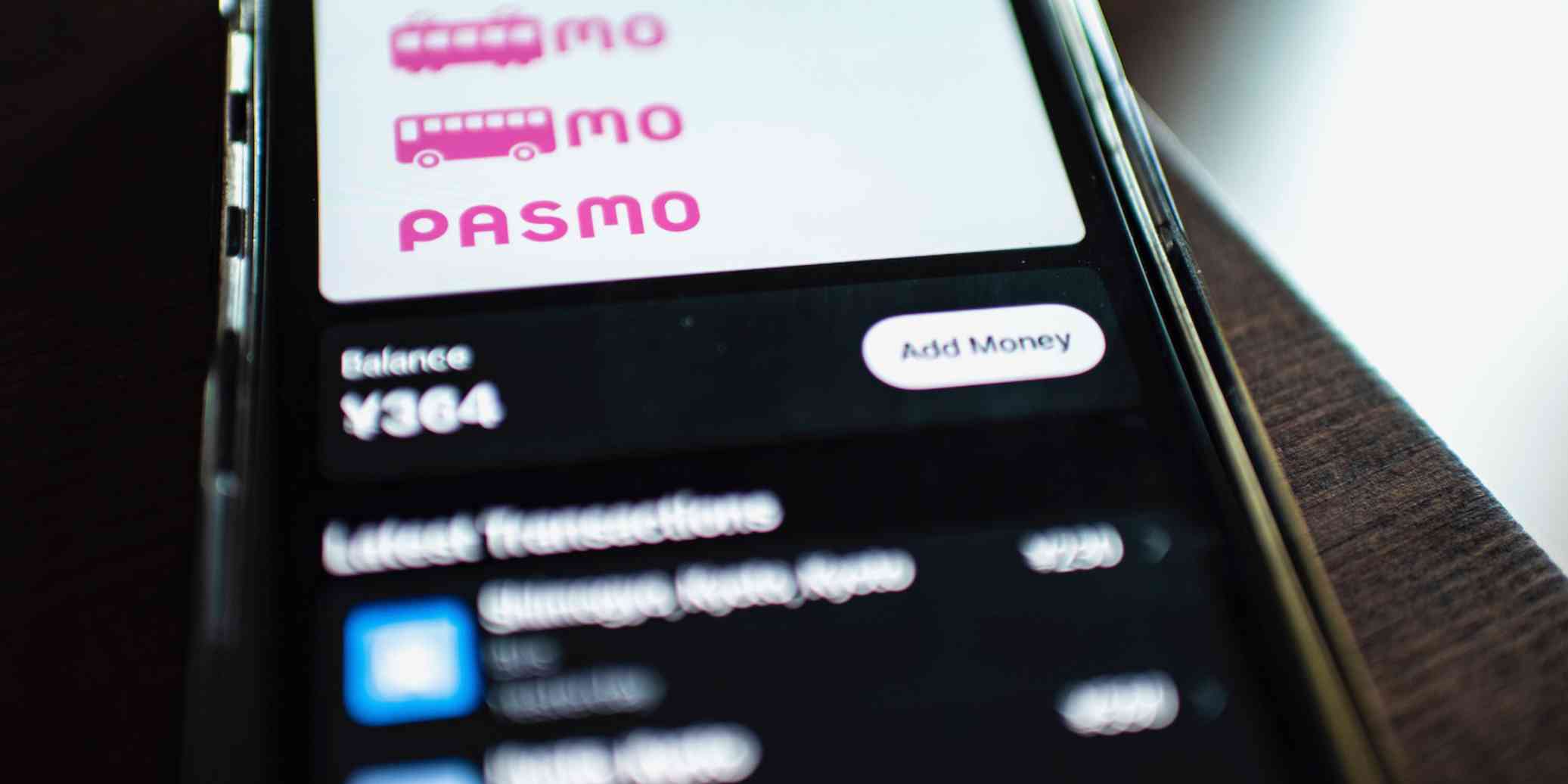
Travelers can choose between a physical card or a digital wallet version.
1. Physical PASMO Card
- Available at train stations and ticket machines
- Requires a refundable deposit (typically ¥500)
- Simple and reliable for all users
2. Mobile PASMO (eWallet)
- Accessible via Apple Wallet and Google Wallet
- Enables phone-based tap-and-go payments
- Allows quick top-ups without machines
💡 Note: Mobile PASMO is increasingly popular due to convenience and occasional shortages of physical cards.
How to Get a PASMO Card
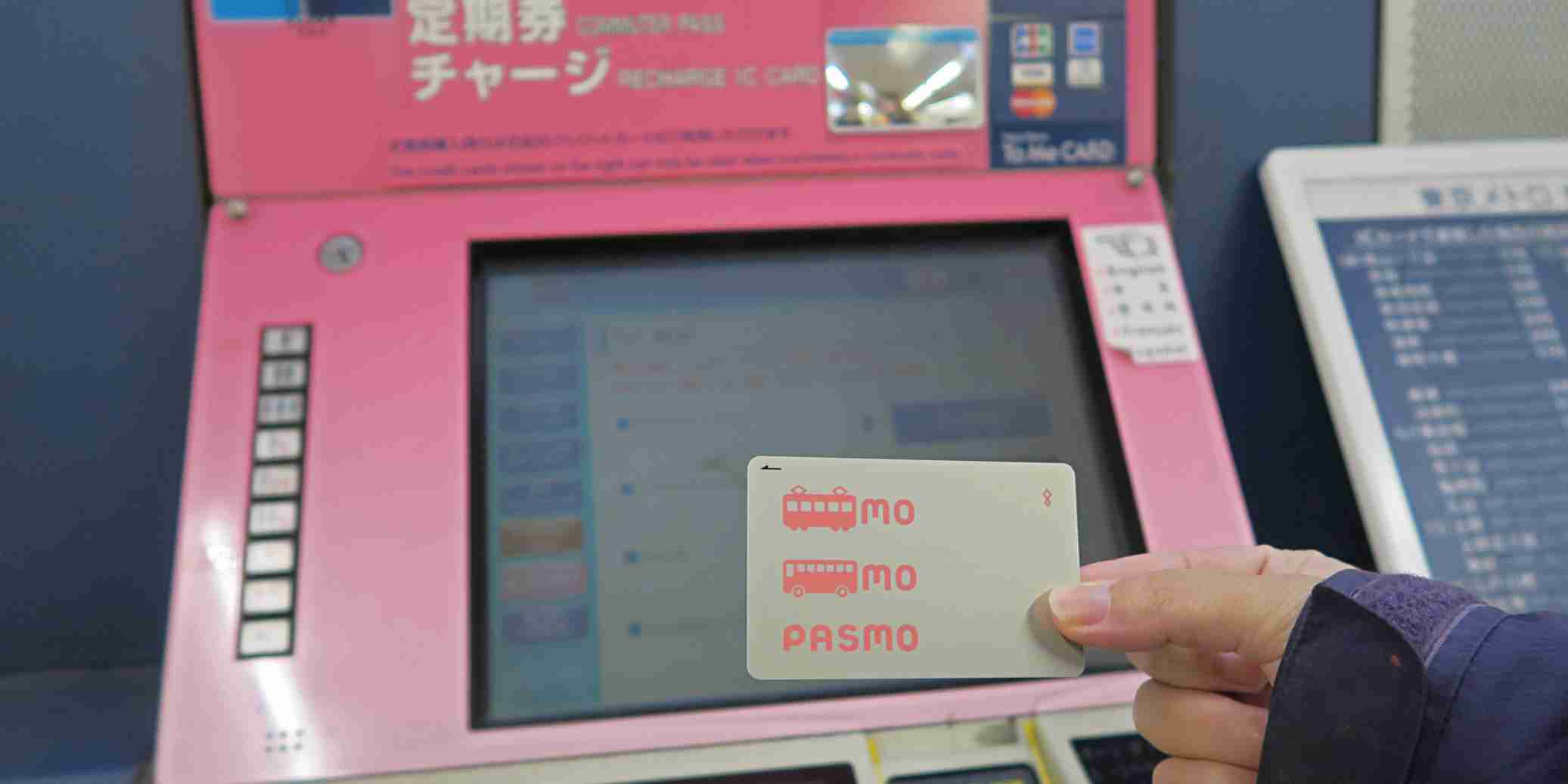
Getting a PASMO card is easy once you arrive in Tokyo.
Where to buy:
Cost structure:
- Initial fee includes stored value and a refundable deposit
💡 Travel Tip: If physical cards are unavailable, set up Mobile PASMO for instant access.
How to Use the PASMO Card
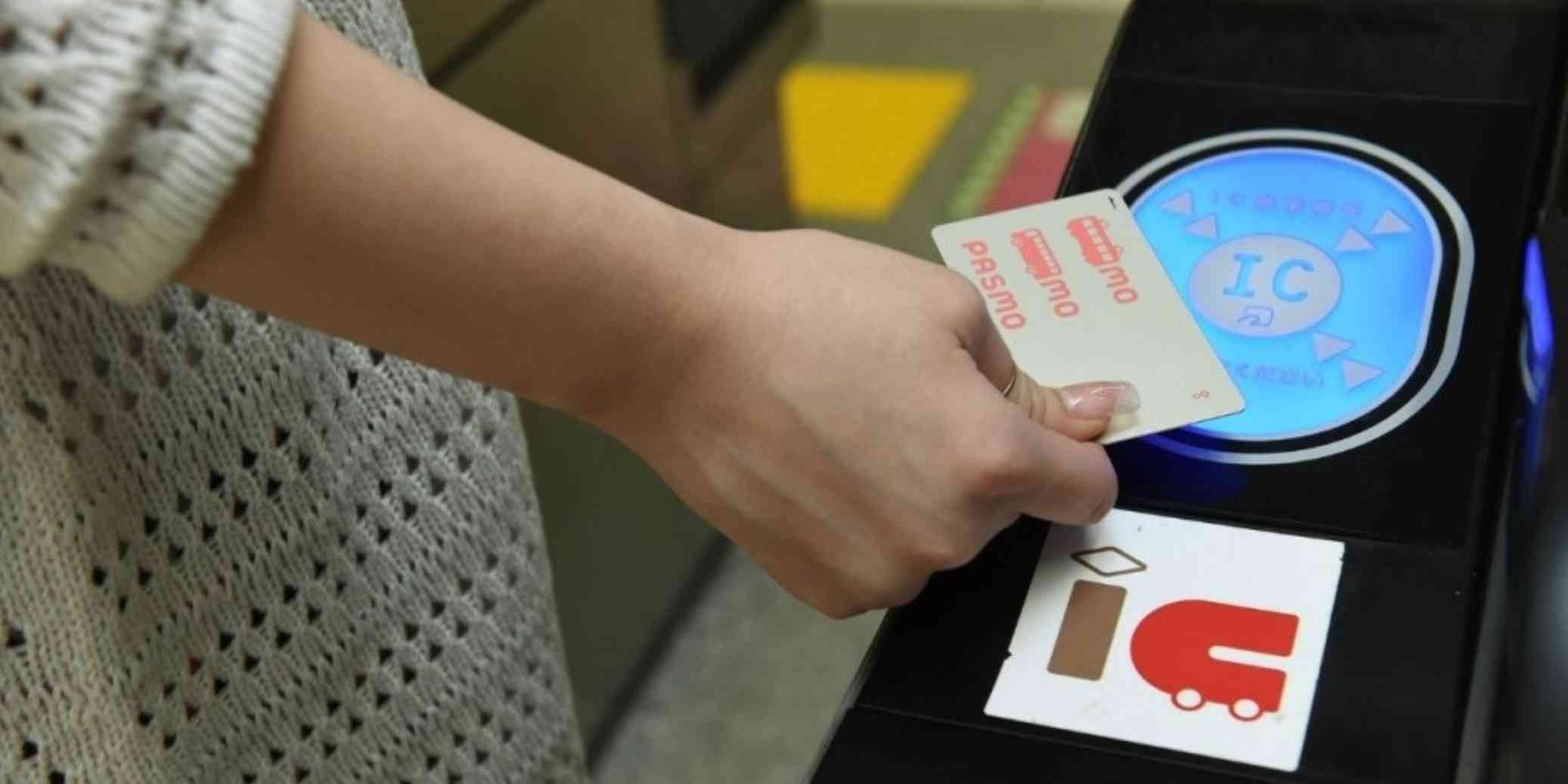
Using PASMO is straightforward and efficient.
For Trains & Subways
- Tap at entry gates
- Tap again at exit gates
- Fare is calculated automatically
For Buses
- Tap when boarding or alighting, depending on the system
For Retail Payments
- Tap your card or smartphone at the terminal
- Wait for confirmation before leaving
This system ensures fast and hassle-free transactions throughout your journey.
Mobile PASMO (eWallet): A Digital Upgrade
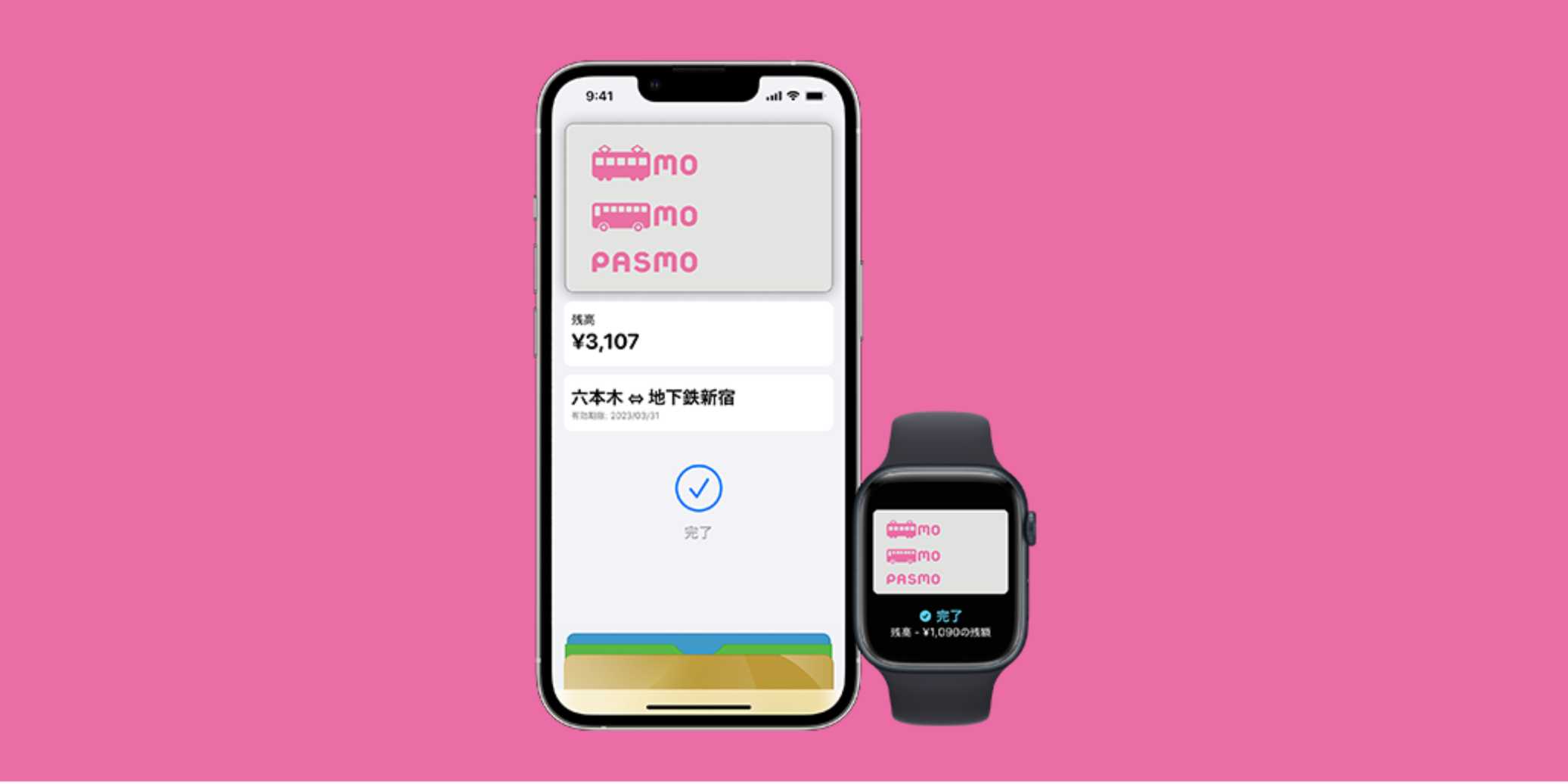
Mobile PASMO transforms your smartphone into a travel wallet.
Key Features
- Tap-to-pay via smartphone
- Instant top-ups using linked cards
- Transaction tracking and balance checks
- Integration with Apple Wallet and Google Wallet
Benefits for Travelers
- No need to carry physical cards
- Faster and more flexible top-ups
- Convenient for repeat visits to Japan
💡 Tip: iPhone users generally experience smoother compatibility with mobile IC cards.
How to Top Up PASMO
Maintaining a sufficient balance ensures uninterrupted travel.
Top-up methods include:
- Ticket machines at stations
- Convenience stores across Japan
- Mobile wallet (for Mobile PASMO users)
Key notes:
- Cash is commonly used for machine top-ups
- Mobile versions allow card-based top-ups
- Maximum stored value is typically ¥20,000
💡 Tip: Always keep a minimum balance to avoid issues at ticket gates.
PASMO vs Suica: Which Should You Choose?
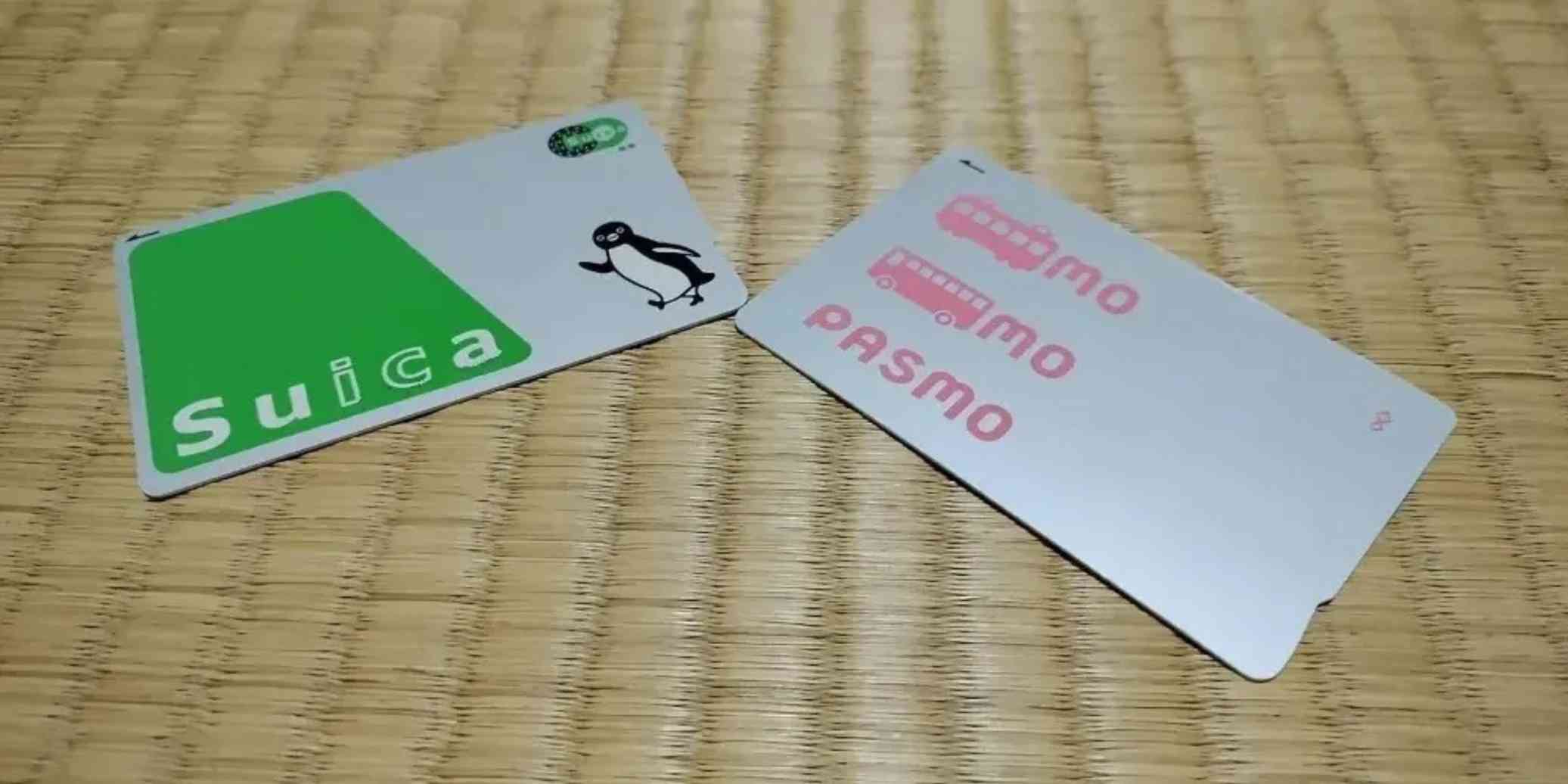
Both PASMO and Suica offer similar functionality, but there are slight differences.
PASMO advantages:
- Better suited for private railways and subways
- Widely used across Tokyo’s metro systems
- Flexible for non-JR travel
Suica advantages:
- Issued by JR East with stronger JR integration
- Slightly better global recognition
In reality, both cards are interchangeable, so travelers can choose whichever is more convenient to obtain.
Practical Tips for Malaysian Travelers

To maximise your PASMO experience:
- Use PASMO for all metro and private railway travel
- Combine with route-planning apps for easy navigation
- Carry some yen for smaller shops or rural areas
- Use mobile PASMO for faster top-ups
- Avoid peak hours (7–9 AM, 5–7 PM) for a smoother commute
Conclusion
The PASMO card and its mobile eWallet version are essential tools for exploring Tokyo and its surrounding regions. Whether you’re navigating subways, hopping on private railways, or making quick purchases, PASMO simplifies every step of your journey.
For Malaysian travelers, it offers a seamless way to adapt to Japan’s transport system while enjoying the convenience of cashless payments. By combining flexibility, speed, and wide acceptance, PASMO ensures a smooth and stress-free travel experience in Tokyo.
FAQs
Is PASMO better than Suica for tourists?
Both are similar in functionality. PASMO is slightly more aligned with private railways, while Suica is linked to JR lines.Can Malaysians use PASMO in Japan?
Yes, PASMO is available to all travelers and does not require residency.Can I use PASMO outside Tokyo?
Yes, it works nationwide on most transport systems due to IC card interoperability.Is Mobile PASMO easy to use?
Yes, especially for smartphone users who prefer digital payments and quick top-ups.Can I refund my PASMO card?
Yes, refunds are available at issuing operators, minus a small handling fee.Does PASMO expire?
PASMO remains valid if used at least once every 10 years.