Bangkok Transportation Guide: How to Get Around Easily

Bangkok offers a wide range of transportation options that make travelling around the city easy, affordable, and convenient for Malaysian visitors. From modern trains to traditional tuk-tuks, getting to major attractions, shopping areas, and food spots is simple and efficient. Public transport in Bangkok is safe, clean, and budget-friendly, with clear English signs for easy navigation. The Rabbit Card (for BTS) and MRT Card (for the subway) make travel smoother and faster without needing to buy tickets each time. For Malaysians visiting Bangkok, combining public transport with ride-hailing apps is the most practical way to move around. It saves time, avoids traffic jams, and offers a true local experience. With its mix of modern trains, traditional rides, and scenic boat routes, Bangkok provides travellers with flexible and enjoyable ways to explore the city’s culture, shopping, and street food.
BTS Skytrain (Bangkok Mass Transit System)
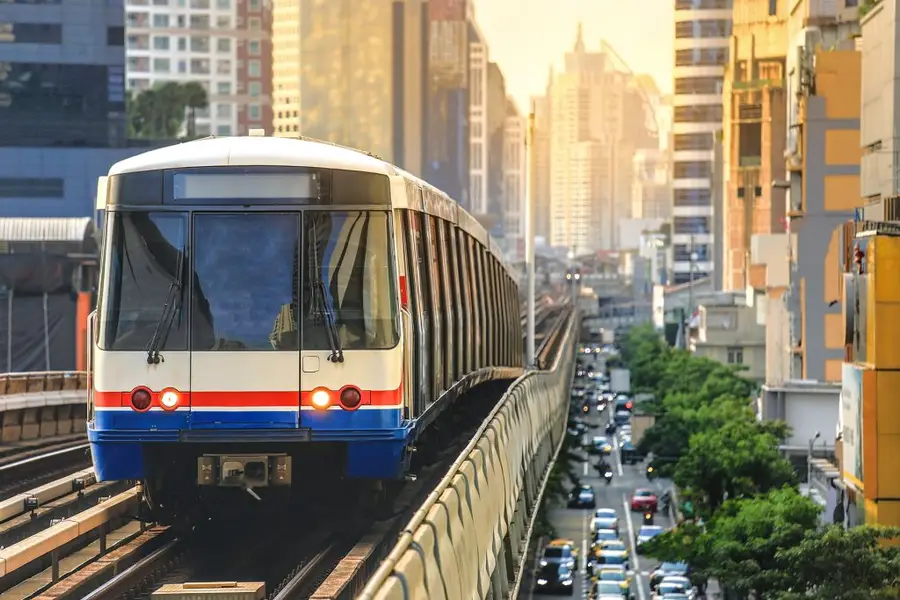
The BTS Skytrain is the most convenient and efficient way for Malaysian travellers to explore central Bangkok. Elevated above the city’s busy streets, it offers a clean, air-conditioned, and traffic-free ride connecting major shopping, business, and entertainment districts.This modern rail system is ideal for first-time visitors who want to move quickly between attractions like Siam Paragon, Chatuchak Market, Terminal 21, and Iconsiam. The BTS operates from 6:00 AM to midnight, with trains arriving every few minutes during peak hours.
To make travel smoother, Malaysian travellers are encouraged to purchase a Rabbit Card, a reloadable smart card that allows easy, cashless travel on BTS lines. It can also be used for small purchases at select convenience stores and cafés.
🚆 BTS Skytrain Routes
Line | Route & Key Stations | Areas Covered |
|---|---|---|
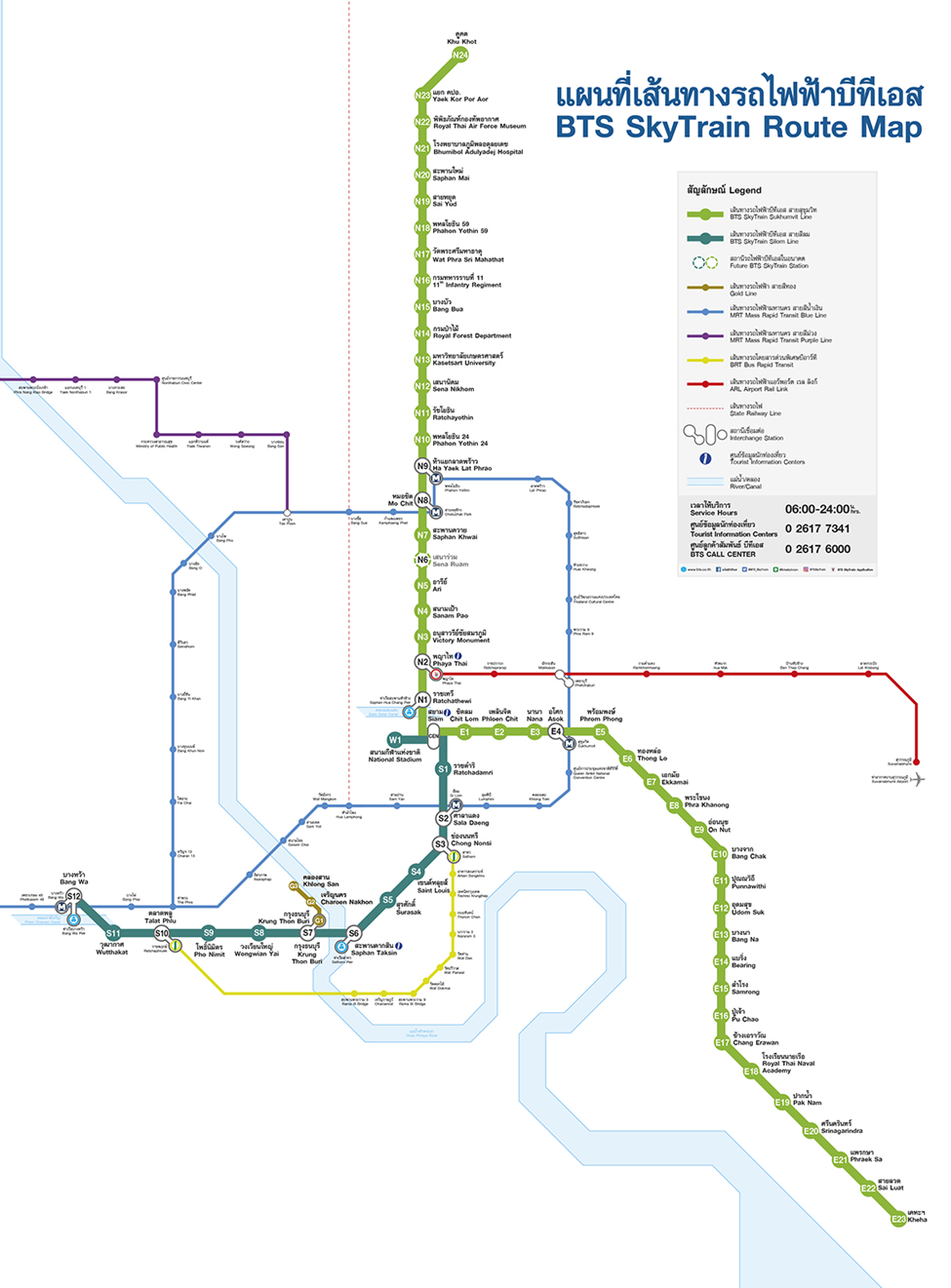
Sukhumvit Line (Light Green) | Mo Chit → Siam → Asok → Phrom Phong → Thong Lo → On Nut → Bearing → Kheha | Connects shopping areas (Chatuchak, Siam, Terminal 21) and Sukhumvit hotels. Ideal for travellers staying near Sukhumvit. |
Silom Line (Dark Green) | National Stadium → Siam → Sala Daeng → Chong Nonsi → Saphan Taksin → Bang Wa | Links business districts (Silom, Sathorn) and riverside areas. Saphan Taksin connects to Chao Phraya River boats. |
🧭 How to Use the BTS Skytrain
Step | Action | Traveller Tips |
|---|---|---|
1. Buy or Top-Up Card | Get a Rabbit Card from BTS ticket counters or vending machines. | Recommended for Malaysians staying several days—it saves time and small change. |
2. Plan Your Route | Check route maps at the station or use Google Maps/BTS official app. | Most signs and announcements are in English and Thai. |
3. Tap In | Tap your Rabbit Card at the entry gate. | Keep your card handy—you’ll need it to exit. |
4. Board the Train | Wait behind the safety line and let passengers exit first. | Trains arrive every 3–5 minutes during rush hours. |
5. Tap Out | Tap the card again at your destination gate. | Fares depend on distance (usually 16–59 THB per ride). |
💡 Traveller Tips for Malaysians
- Avoid Peak Hours: 7–9 AM and 5–8 PM can be crowded.
- Stay Connected: Free Wi-Fi is available in some stations.
- Easy Airport Access: Connects to the Airport Rail Link at Phaya Thai Station for quick travel to Suvarnabhumi Airport.
- Shopping Convenience: Siam, Asok, and Phrom Phong stations are directly linked to major malls like Siam Paragon, Terminal 21, and Emporium.
MRT (Metropolitan Rapid Transit / Subway)
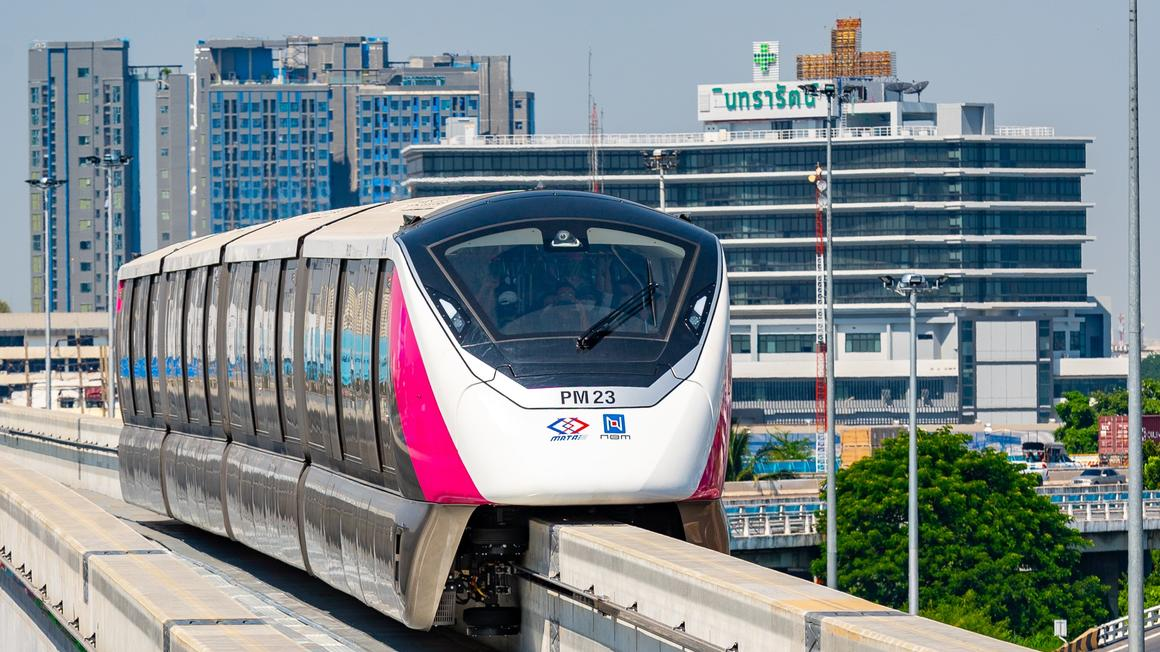
The MRT Subway is another excellent and comfortable way for Malaysian travellers to explore Bangkok. Known for being clean, safe, and punctual, it’s ideal for avoiding the city’s notorious traffic jams, especially during peak hours. The MRT connects major districts, tourist attractions, and business areas that complement the BTS network. It’s particularly useful for reaching Chinatown (Wat Mangkon Station), Chatuchak Market (Chatuchak Park Station), and areas like Sukhumvit, Silom, and Ratchadaphisek. Operating from 6:00 AM to midnight, the MRT provides smooth access to both locals and tourists travelling across Bangkok.
Malaysian visitors can either use a single-journey token or purchase an MRT card for convenience, especially if staying several days.
🚆 MRT Subway Routes
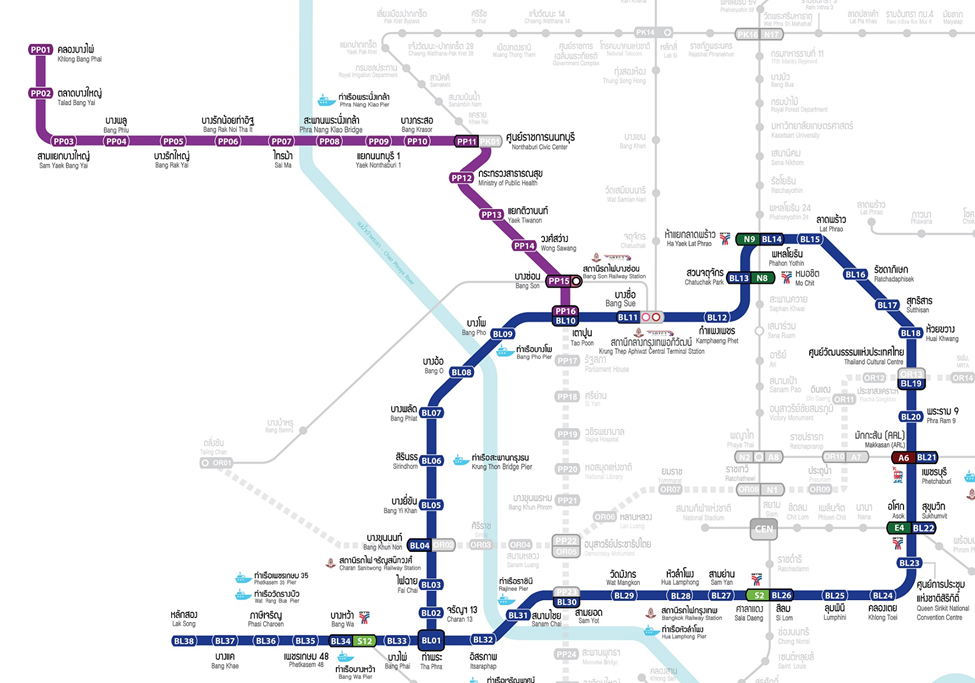
Line | Route & Key Stations | Areas Covered |
|---|---|---|
Blue Line | Tha Phra → Hua Lamphong → Wat Mangkon → Sam Yot → Sukhumvit → Chatuchak Park → Bang Sue | Connects old town landmarks, Chinatown, Sukhumvit, and Chatuchak Market. Perfect for sightseeing and shopping. |
Purple Line | Tao Poon → Nonthaburi Civic Center → Khlong Bang Phai | Serves northern Bangkok and suburban areas, often used for connecting to local communities and less touristy spots. |
🧭 How to Use the MRT Subway
Step | Action | Traveller Tips |
|---|---|---|
1. Buy a Token or Card | Purchase a single-journey token or a stored-value MRT card at ticket machines or counters. | Keep small change for tokens; card is better for multiple trips. |
2. Plan Your Route | Check the MRT route map or use Google Maps for directions. | All signs, maps, and announcements are in English and Thai. |
3. Tap In | Tap your card or token at the entry gate. | Hold on to your token until you exit. |
4. Board the Train | Wait behind the yellow line and allow passengers to exit first. | Trains run every 5–7 minutes during the day. |
5. Tap Out | Insert your token or tap your card again at the exit gate. | The system automatically deducts the correct fare based on distance. |
💡 Traveller Tips for Malaysians
- Connection with BTS: You can easily transfer between MRT and BTS at Sukhumvit (Asok BTS), Chatuchak Park (Mo Chit BTS), and Silom (Sala Daeng BTS) stations.
- Avoid Rush Hours: The MRT can get crowded between 7–9 AM and 5–8 PM.
- Accessibility: Elevators and escalators are available at all stations, ideal for families and elderly travellers.
- Nearby Attractions: Use the MRT to visit Wat Mangkon (Chinatown), Hua Lamphong Railway Station, and Chatuchak Weekend Market easily.
- Safety: CCTV and staff are present at all stations, ensuring a secure travel experience.
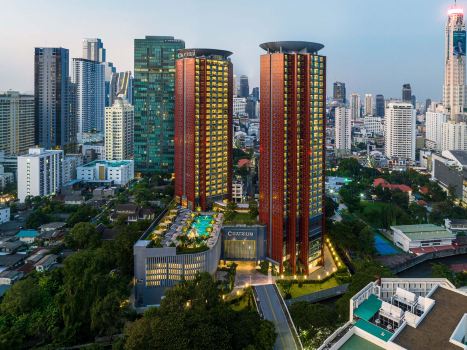
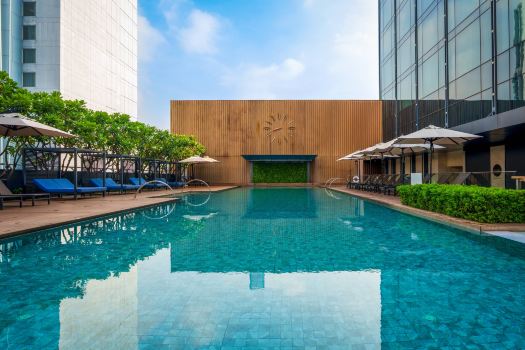
Recommended Hotels in Bangkok
 NO.1
NO.1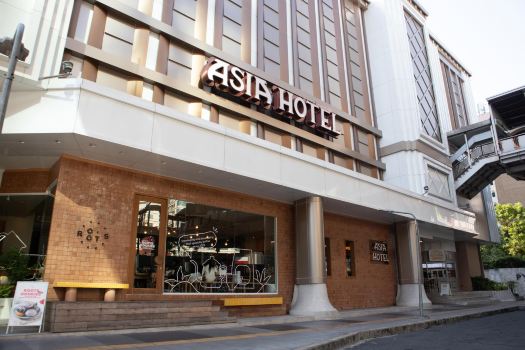

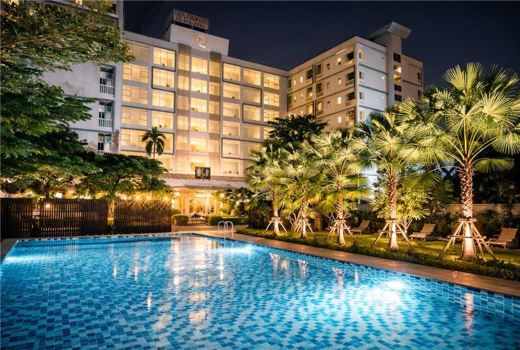
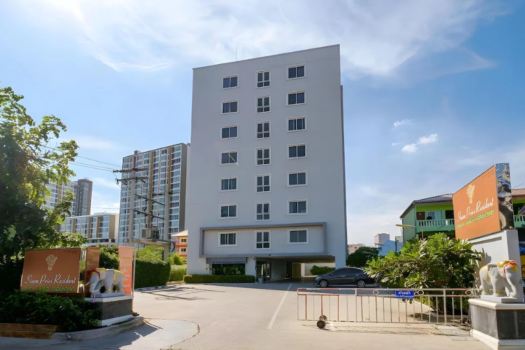
Airport Rail Link (ARL)
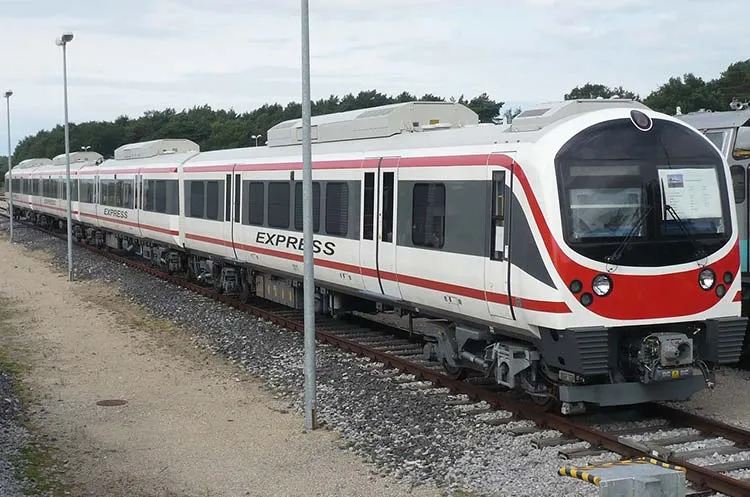
Source: RenownTravel
The Airport Rail Link (ARL) is the fastest and most convenient way for Malaysian travellers to get from Suvarnabhumi Airport to downtown Bangkok. This modern train service provides a smooth, air-conditioned ride, avoiding heavy city traffic and offering an affordable alternative to taxis or private transfers.The ARL connects directly to Phaya Thai Station, where travellers can easily transfer to the BTS Skytrain and continue their journey to other major areas such as Sukhumvit, Siam, or Silom. Trains operate daily from 6:00 AM to midnight, with departures every 10–15 minutes, making it a reliable choice for both arrivals and departures.
The service is especially convenient for travellers with light or medium luggage, as stations are equipped with elevators, escalators, and clear English signage for easy navigation.
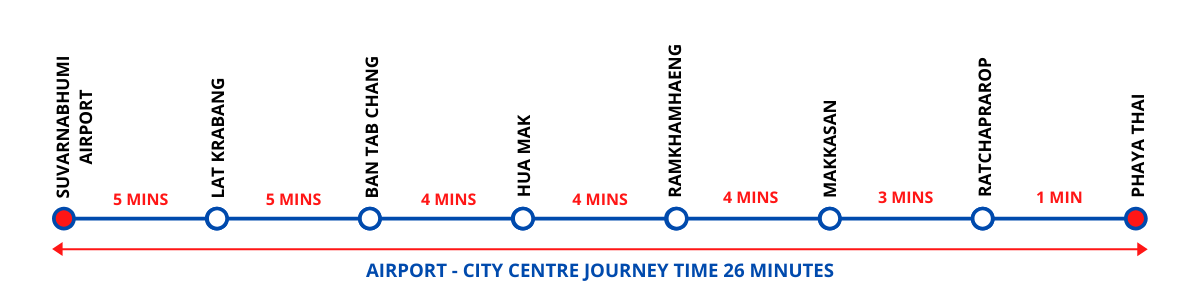
🚄 Airport Rail Link Route
Route | Key Stations | Areas Covered |
|---|---|---|
Suvarnabhumi Airport → Phaya Thai | Suvarnabhumi → Lat Krabang → Ban Thap Chang → Hua Mak → Ramkhamhaeng → Makkasan → Ratchaprarop → Phaya Thai | Connects Suvarnabhumi Airport to central Bangkok. Makkasan links to the MRT, while Phaya Thai connects to the BTS Skytrain. |
🧭 How to Use the Airport Rail Link
Step | Action | Traveller Tips |
|---|---|---|
1. Buy Your Ticket | Purchase a token from vending machines or ticket counters at the station. | Keep your token safe—it’s needed to exit at your destination. |
2. Check Your Destination | Most travellers head to Makkasan (MRT transfer) or Phaya Thai (BTS transfer). | Choose your stop based on where your hotel is located. |
3. Tap In and Board | Tap your token or card at the entry gate and proceed to the platform. | Trains arrive every 10–15 minutes, with clear English announcements. |
4. Tap Out at Arrival | Insert your token into the exit gate to complete your trip. | Fares range from 15 to 45 THB, depending on distance. |
💡 Traveller Tips for Malaysians
- Quick Transfers:
- To BTS Skytrain: Transfer at Phaya Thai Station.
- To MRT Subway: Transfer at Makkasan Station (connected to Phetchaburi MRT).
- Travel Time: The full journey from the airport to Phaya Thai takes about 30 minutes.
- Luggage: Suitable for carry-ons or small luggage; larger bags may be better handled by taxi or airport transfer.
- Operating Hours: 6:00 AM – 12:00 midnight; plan your arrival or departure accordingly.
- Cost-Effective: Much cheaper than taxis — perfect for solo or budget-conscious travellers.
Taxis & Motorbike Taxis
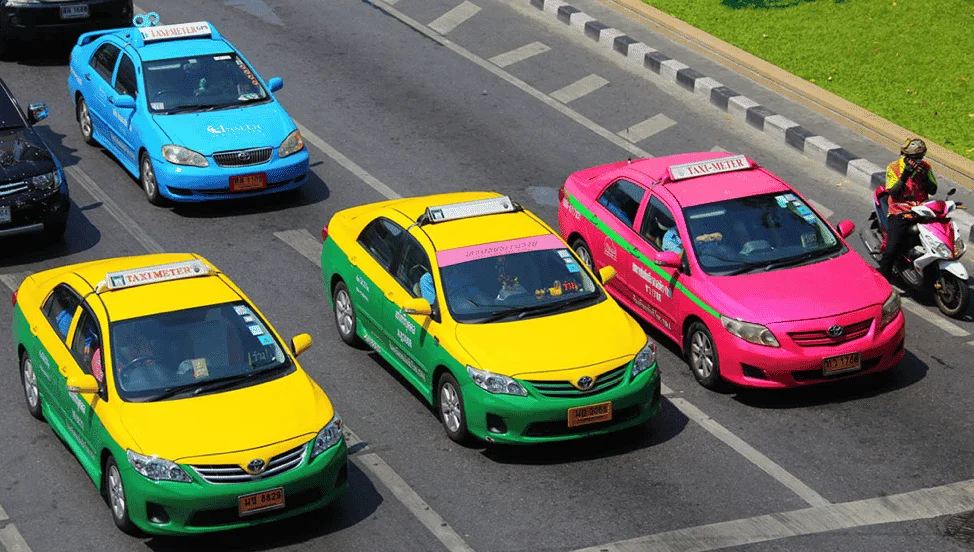
Source: airportels.asia
Taxis and motorbike taxis are two of the most common and convenient ways for Malaysian travellers to get around Bangkok, especially for short distances or when public transport isn’t nearby. Both options provide door-to-door service, but each suits different travel needs so taxis are comfortable and air-conditioned, while motorbike taxis are faster for navigating heavy traffic.
🚗 Bangkok Taxis
Bangkok’s taxis are widely available, metered, and relatively affordable compared to many major cities. Travellers can hail one on the street, use taxi queues at malls and hotels, or book through Grab or Bolt apps for added convenience. All official taxis are clearly marked with bright colours (such as pink, green-yellow, blue, or orange) and display a TAXI-METER sign on top.
Details | Information |
|---|---|
How to Identify | Look for cars with a “TAXI-METER” sign and driver’s ID displayed inside. |
Starting Fare | 35 THB for the first 1 km, then increases based on distance and time. |
Availability | 24 hours, especially around airports, hotels, malls, and BTS/MRT stations. |
Payment | Usually cash only; some drivers accept QR or GrabPay. |
Best For | Travelling with luggage, families, or during hot/rainy weather. |
🧭 How to Use Taxis in Bangkok
Step | Action | Traveller Tips |
|---|---|---|
1. Hail or Book | Flag one on the street or book through Grab/Bolt for convenience. | Apps are safer and provide upfront fares. |
2. Confirm Meter Use | Politely ask, “Meter, please?” before starting the ride. | Avoid taxis that refuse or quote a fixed price. |
3. Know Your Destination | Have your hotel name or address written in Thai (from hotel staff or app). | Helpful if the driver doesn’t speak English. |
4. Pay at Destination | Pay the total shown on the meter when you arrive. | Small change is appreciated. |
5. Keep Receipts | For lost items or complaints, note the taxi’s license plate or ID. | Always check the seat before leaving. |
🚴 Motorbike Taxis
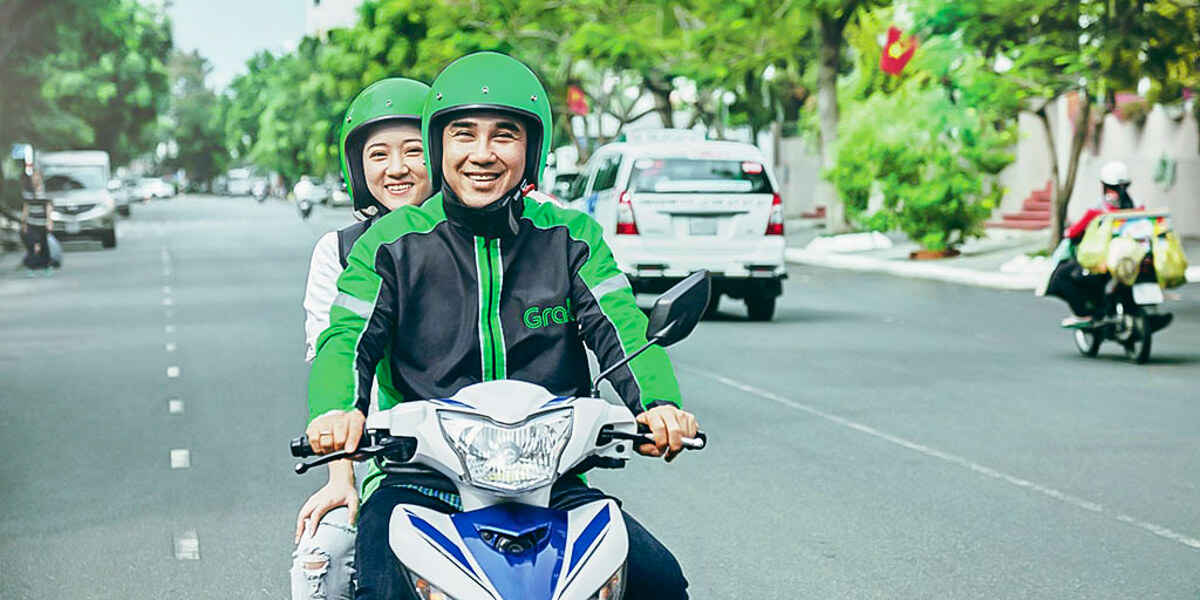
For travellers looking to beat Bangkok’s notorious traffic, motorbike taxis offer a fast and adventurous way to get around. They’re ideal for short trips, like getting to a nearby BTS or MRT station, or travelling through small lanes and backstreets. You’ll find motorbike taxis at almost every street corner or outside train stations. Riders wear orange or pink vests with ID numbers on the back.
Details | Information |
|---|---|
How to Identify | Riders wear numbered orange or pink vests with official licenses. |
Fares | Usually between 20–100 THB, depending on distance. |
Payment | Pay in cash directly to the rider. |
Availability | Readily available from early morning until late evening. |
Best For | Short distances, quick transfers, or avoiding traffic jams. |
🧭 How to Use Motorbike Taxis
Step | Action | Traveller Tips |
|---|---|---|
1. Find a Stand | Look for riders wearing orange vests near stations, markets, or intersections. | Ask locals or hotel staff if unsure where to find one. |
2. Agree on Fare | Confirm the price before the ride starts. | No meters — fares are negotiated upfront. |
3. Wear a Helmet | Always wear the provided helmet for safety. | It’s required by law in Thailand. |
4. Hold On Securely | Sit firmly and hold onto the side handles or behind the driver. | Avoid using phones during the ride. |
5. Pay Upon Arrival | Pay the agreed fare in cash. | Small tips are appreciated but not required. |
💡 Traveller Tips for Malaysians
- Traffic Awareness: Bangkok traffic can be heavy, especially during 7–9 AM and 5–8 PM.
- Airport Transfers: From Suvarnabhumi or Don Mueang Airport, use official taxi counters to avoid scams.
- Grab App: Highly recommended for transparent pricing and English-language support.
- Safety First: Only use licensed riders with vests and helmets.
- Avoid During Rain: Roads can be slippery, so consider Grab or BTS instead.
- Short-Distance Use: Best for quick hops, not long journeys.
- Cultural Tip: A simple smile and polite “khob khun ka/krub” (thank you) go a long way!
🔥Up to 20% OFF on New Hotels

🛺Tuk-Tuks
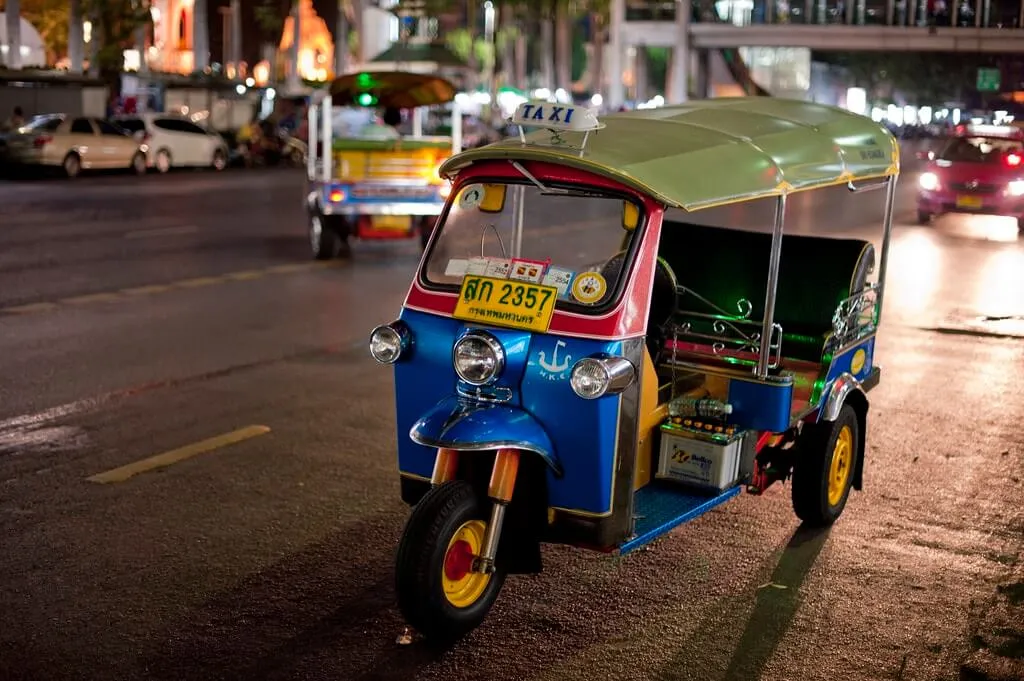
he tuk-tuk is one of Bangkok’s most iconic modes of transport — a three-wheeled, open-air vehicle that offers travellers a fun and authentic local experience. For Malaysian visitors, riding a tuk-tuk is more than just transportation; it’s a cultural adventure that captures the city’s lively atmosphere.Tuk-tuks are best suited for short distances, such as travelling between nearby attractions, markets, or hotels. They are fast, flexible, and can easily navigate through Bangkok’s narrow streets and busy traffic.
However, unlike taxis, tuk-tuks do not use meters, so the fare must be negotiated before starting the trip.
🚘 Tuk-Tuk Overview
Details | Information |
|---|---|
Vehicle Type | Three-wheeled motorised taxi (open-air) |
Typical Fare | Around 50–150 THB depending on distance and negotiation |
Capacity | 2–3 passengers comfortably |
Availability | Found around tourist areas, markets, and hotels |
Payment | Cash only |
Best For | Short rides and sightseeing within the city centre |
🧭 How to Use Tuk-Tuks
Step | Action | Traveller Tips |
|---|---|---|
1. Find a Tuk-Tuk | You’ll see them parked near shopping areas, markets, and tourist spots. | Popular areas include Siam, Khao San Road, Chinatown, and Chatuchak. |
2. Negotiate Fare | Always agree on a price before getting in. | A short trip usually costs 50–100 THB; longer rides may go up to 150–200 THB. |
3. Confirm Destination | Clearly state your destination or show it on Google Maps. | Helps avoid misunderstandings due to language differences. |
4. Enjoy the Ride | Hold on securely and enjoy the sights and sounds of Bangkok. | Avoid peak hours when traffic is heavy. |
5. Pay Upon Arrival | Pay the agreed amount in cash. | Small tips are optional but appreciated. |
💡 Traveller Tips for Malaysians
- Avoid Scams: Politely decline tuk-tuks offering “cheap city tours” or stops at jewellery or tailor shops — these are often tourist traps.
- Best Time to Ride: Early mornings or evenings when it’s cooler and traffic is lighter.
- Ideal for Sightseeing: Great for short rides between nearby attractions like the Grand Palace, Wat Pho, and Chinatown.
- Fun Experience: Take at least one tuk-tuk ride during your trip — it’s a must-do Bangkok experience!
- Negotiate Politely: Smile, negotiate fairly, and enjoy the ride — Thai drivers appreciate friendly manners.
Flights from Kuala Lumpur to Bangkok
- Pergi Balik
- Sehala
- direct cheapest
 KUL13:252j 15mTanpa hentiDMK14:40Kuala Lumpur - Bangkok|Sab, 31 Okt|AirAsiaDMK19:452j 20mTanpa hentiKUL23:05Bangkok - Kuala Lumpur|Rab, 4 Nov|AirAsiaCAD 201CAD 24618% offCari18% offCAD 246CAD 201
 - KUL19:302j 20mTanpa hentiDMK20:50Kuala Lumpur - Bangkok|Isn, 26 Okt|AirAsia
 DMK07:052j 20mTanpa hentiKUL10:25Bangkok - Kuala Lumpur|Ahd, 1 Nov|Thai AirAsiaCAD 205CAD 24617% offCari17% offCAD 246CAD 205
  KUL11:252j 15mTanpa hentiDMK12:40Kuala Lumpur - Bangkok|Sab, 31 Okt|Batik Air MalaysiaDMK21:302j 15mTanpa hentiKUL00:45Bangkok - Kuala Lumpur|Rab, 4 Nov|AirAsiaCAD 205CAD 24617% offCari17% offCAD 246CAD 205
- KUL06:352j 15mTanpa hentiDMK07:50Kuala Lumpur - Bangkok|Rab, 28 Okt|AirAsiaDMK11:402j 20mTanpa hentiKUL15:00Bangkok - Kuala Lumpur|Jum, 30 Okt|AirAsiaCAD 206CariCAD 206
 KUL13:002j 15mTanpa hentiBKK14:00Kuala Lumpur - Bangkok|Mon, Sep 6|Normal Airline
 BKK13:002j 15mTanpa hentiKUL14:00Bangkok - Kuala Lumpur|Mon, Sep 6|Normal AirlineCari Penerbangan LainCari Penerbangan Lain
🚌 Buses
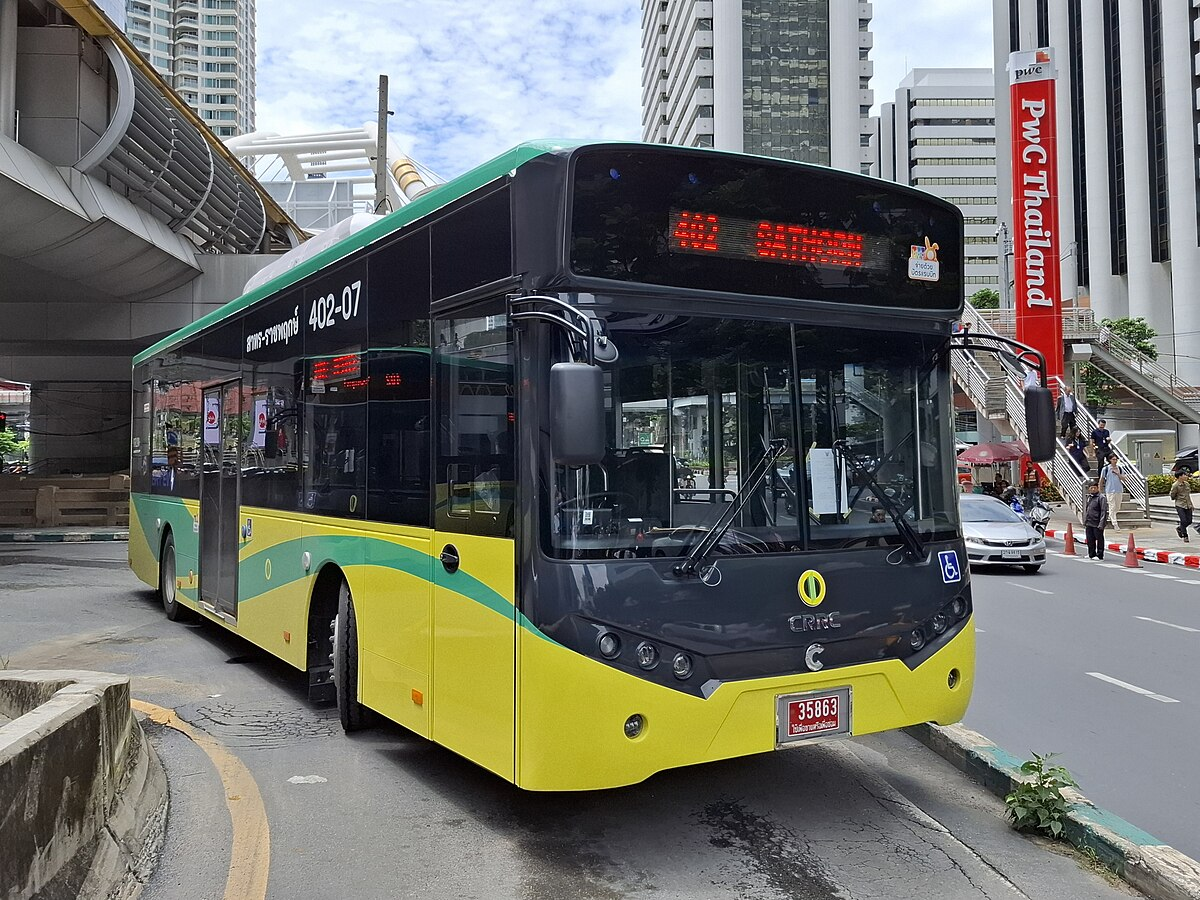
For Malaysian travellers seeking a budget-friendly way to explore Bangkok, the city’s extensive bus network offers one of the most affordable transport options. Bangkok’s buses reach almost every corner of the city, including areas not covered by the BTS Skytrain or MRT Subway.While the system can seem confusing at first, buses are a great way to experience local life. Travellers who plan their routes in advance can easily get to popular destinations such as Chatuchak Market, Grand Palace, Khao San Road, and Siam Square for just a few baht.
There are several types of buses, from non-air-conditioned (red/orange) buses to modern air-conditioned (blue/yellow) ones, each offering different levels of comfort and fares.
🚍 Bangkok Bus Overview
Type of Bus | Description | Fare Range (THB) | Approx. Fare in RM | Traveller Notes |
|---|---|---|---|---|
Non-Air-Conditioned (Red/Orange) | Basic buses with open windows for ventilation | 8–10 THB | RM1.00–RM1.30 | Cheapest option but can be hot and crowded |
Air-Conditioned (Blue/Yellow) | Modern buses with air conditioning | 13–30 THB | RM1.70–RM3.90 | Comfortable and recommended for travellers |
Smart Buses | Equipped with digital screens and contactless payment | 15–30 THB | RM2.00–RM3.90 | Accepts Rabbit Card and cashless payments |
Airport Buses | Connect major airports to downtown Bangkok (e.g. A1/A2 to Don Mueang) | 30–50 THB | RM3.90–RM6.50 | Ideal for airport transfers on a budget |
🗺️ Popular Bus Routes for Travellers
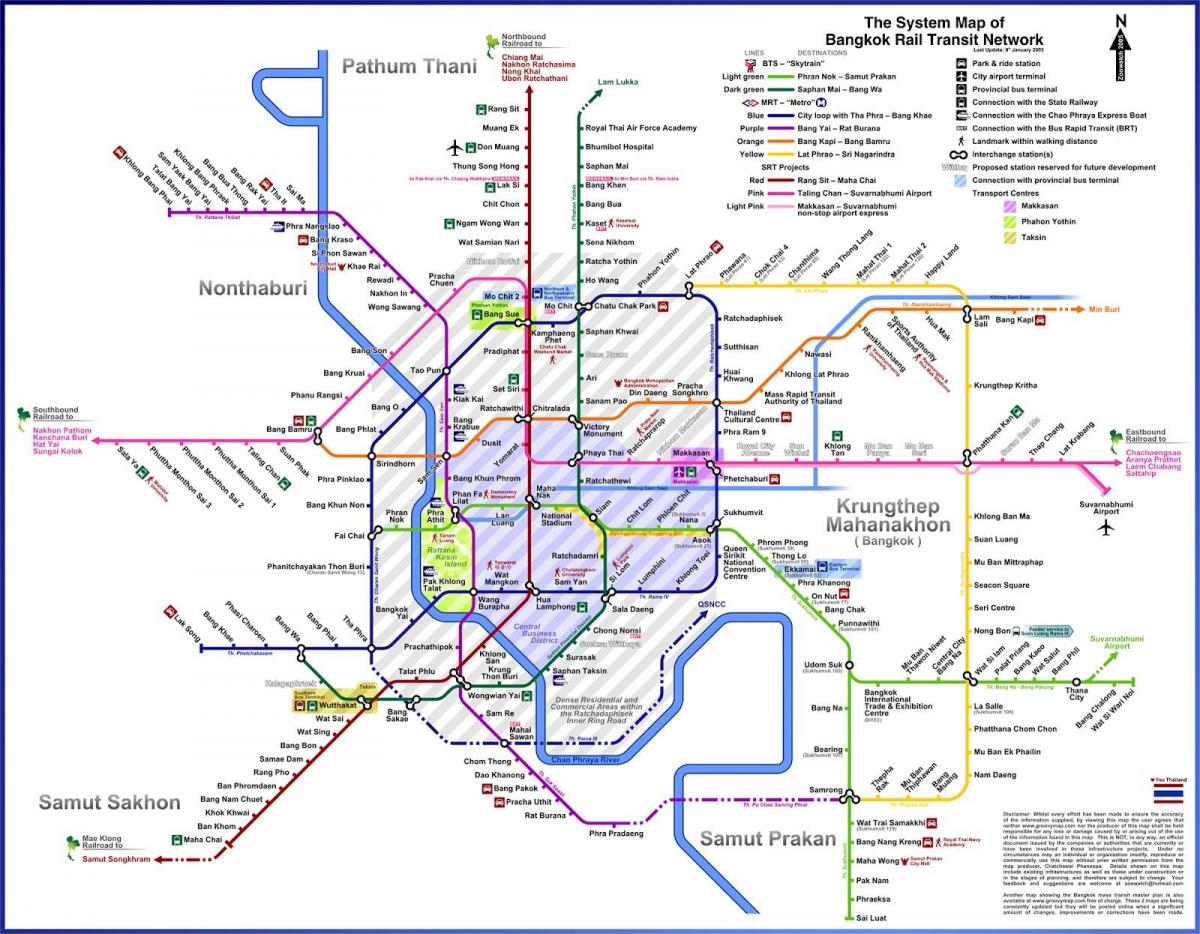
Source: Maps Bangkok
Route | Key Stops | Highlights |
|---|---|---|
Bus 15 | National Stadium → Khao San Road → Democracy Monument | Perfect for exploring Bangkok’s old town |
Bus 47 | Hua Lamphong → Wat Pho → Grand Palace → Khao San Road | Covers cultural and historical attractions |
Bus 29 | Don Mueang Airport → Victory Monument → Siam | Great for budget airport transfers |
Bus 79 | Central World → Grand Palace → Wat Arun (via ferry) | Connects shopping and heritage spots |
Bus 511 | Sukhumvit → Silom → Sanam Luang | Easy link between modern and traditional districts |
🧭 How to Use Buses in Bangkok
Step | Action | Traveller Tips |
|---|---|---|
1. Identify the Route | Check the bus number and destination on the front sign (in Thai and English). | Use Google Maps or ViaBus Thailand to confirm routes. |
2. Wait at a Bus Stop | Bus stops are marked with blue signs showing route numbers. | Arrive early—buses may not follow exact timetables. |
3. Board the Bus | Enter from the front or middle door. A conductor will collect the fare. | Have small change (10–20 THB ≈ RM1.30–RM2.60) ready. |
4. Pay the Fare | Pay directly to the conductor and keep your small paper ticket. | It serves as your proof of payment. |
5. Exit Safely | Press the red button or signal the conductor before your stop. | Be careful when stepping off onto busy roads. |
💡 Traveller Tips for Malaysians
- 🏷️ Budget-Friendly: Fares range from 8–50 THB (≈ RM1.00–RM6.50), making buses one of the cheapest ways to explore Bangkok.
- 🗣️ Language Tip: If you’re unsure, show your destination on Google Maps to the conductor.
- 📱 Use Apps: Try Google Maps, ViaBus, or Moovit to track bus routes in real time.
- ⏰ Avoid Rush Hours: Crowded between 7–9 AM and 5–8 PM.
- 🌇 Local Experience: Sit near a window to enjoy Bangkok’s street life and city views.
🔥Student Flight Offers
Everyone loves to travel, but it can be difficult to find the budget for it when you're studying. That's why Trip.com is offering special student fares that help you see more of the world for less.

Discounted fares are available to all students currently enrolled at a degree-granting college or university of higher education
Chao Phraya River Boats & Ferries
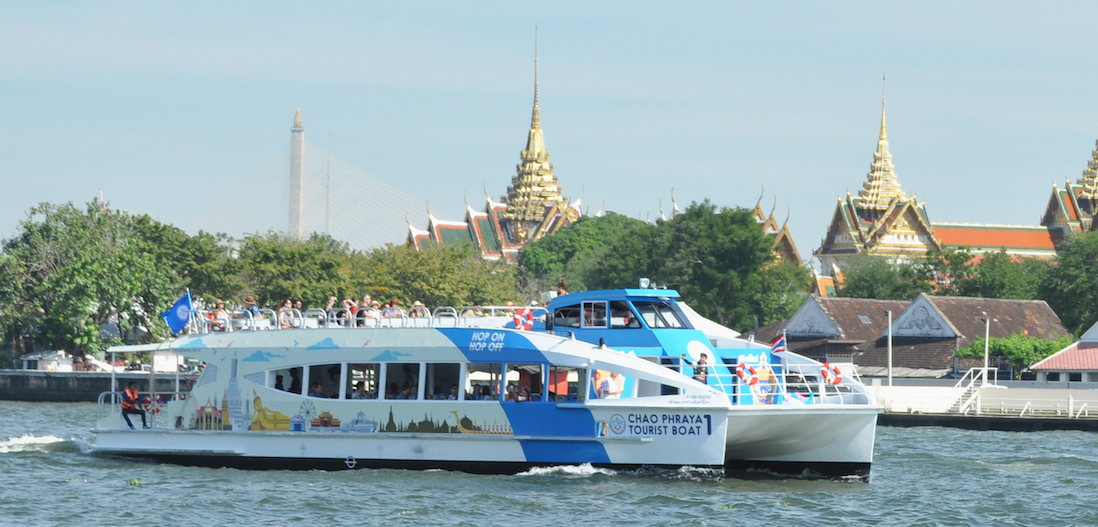
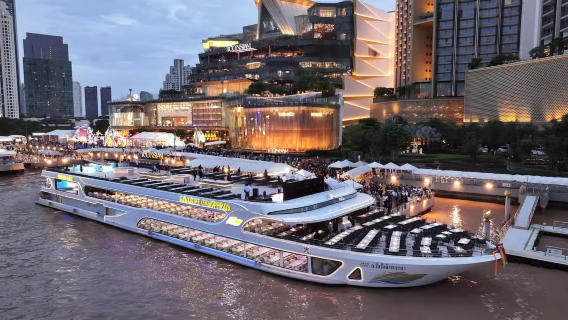
The Chao Phraya River is one of Bangkok’s most scenic and enjoyable transport routes, offering travellers a unique way to experience the city’s landmarks while avoiding traffic. For Malaysian visitors, this is both an affordable and relaxing alternative to road transport — especially when travelling to popular spots like the Grand Palace, Wat Arun, and Asiatique The Riverfront.
Riding a river boat allows you to see another side of Bangkok — a blend of temples, traditional houses, and modern skyscrapers along the water.
🛥️ Chao Phraya Boat Services Overview
Boat Type | Description | Fare Range (THB) | Approx. Fare (RM) | Best For |
|---|---|---|---|---|
Local Line (No Flag) | Stops at every pier along the river; slower but cheapest | 8–15 THB | ≈ RM1.00–RM2.00 | Everyday travel and local experience |
Orange Flag Boat | Frequent and reliable boats stopping at main tourist piers | 16 THB | ≈ RM2.10 | Sightseeing and daily commuting |
Blue Flag Boat (Tourist Boat) | Designed for tourists with English announcements | 30–50 THB | ≈ RM3.90–RM6.50 | Convenient for sightseeing and temple visits |
Private Longtail Boat | Charter boats that offer personalised river tours | 800–1,500 THB/hour | ≈ RM104–RM195/hour | Private sightseeing or group travel |
Cross-River Ferry | Short ferry rides connecting both riverbanks | 3–5 THB | ≈ RM0.40–RM0.65 | Crossing between Wat Pho and Wat Arun |
📍 Popular Piers and Nearby Attractions
Attractions | Nearby Attractions | Details |
|---|---|---|
Saphan Taksin (Central Pier) | BTS Station, IconSiam | Main starting point for river travel |
Tha Chang Pier | Grand Palace, Wat Phra Kaew | Bangkok’s most iconic landmarks |
Tha Tien Pier | Wat Pho, Ferry to Wat Arun | Great for temple hopping |
Phra Arthit Pier | Khao San Road | Popular among backpackers |
Asiatique Pier | Asiatique The Riverfront | Riverside dining and night market |
How to Use the River Boats
Step | Action | Traveller Tips |
|---|---|---|
1. Go to a Pier | Head to the nearest pier along the Chao Phraya River. | Saphan Taksin Pier is the easiest for first-timers (connected to BTS). |
2. Choose Your Boat Line | Check the flag colour (Orange, Blue, etc.) on the pier sign. | Orange boats are the best for daily travellers. |
3. Buy Your Ticket | Purchase from the ticket counter or onboard. | Keep small notes — most fares are under 20 THB (≈ RM2.60). |
4. Board Safely | Wait until the boat is steady before stepping in. | Be cautious during rush hours when it’s crowded. |
5. Enjoy the Ride | Sit near the side for scenic views of temples and river life. | Keep your camera ready for great photos! |
6. Exit at Your Stop | Watch for pier announcements or signs. | Each pier name is written in Thai and English. |
💡 Traveller Tips for Malaysians
- 💰 Affordable: Fares range from 3–50 THB (≈ RM0.40–RM6.50) — cheaper than taxis and tuk-tuks.
- 🕒 Operating Hours: Typically from 6:00 AM to 7:30 PM (depending on route).
- 🧭 Best for Sightseeing: Ideal for visiting Wat Arun, Grand Palace, and Asiatique in one trip.
- 🎫 Tourist Boat Pass: A one-day pass costs around 180 THB (≈ RM23.40) — unlimited rides along the river.
- 📱 Travel Tip: Combine your river journey with BTS at Saphan Taksin Station for smooth transfers.
Intercity Trains
Source: Thailand Awaits
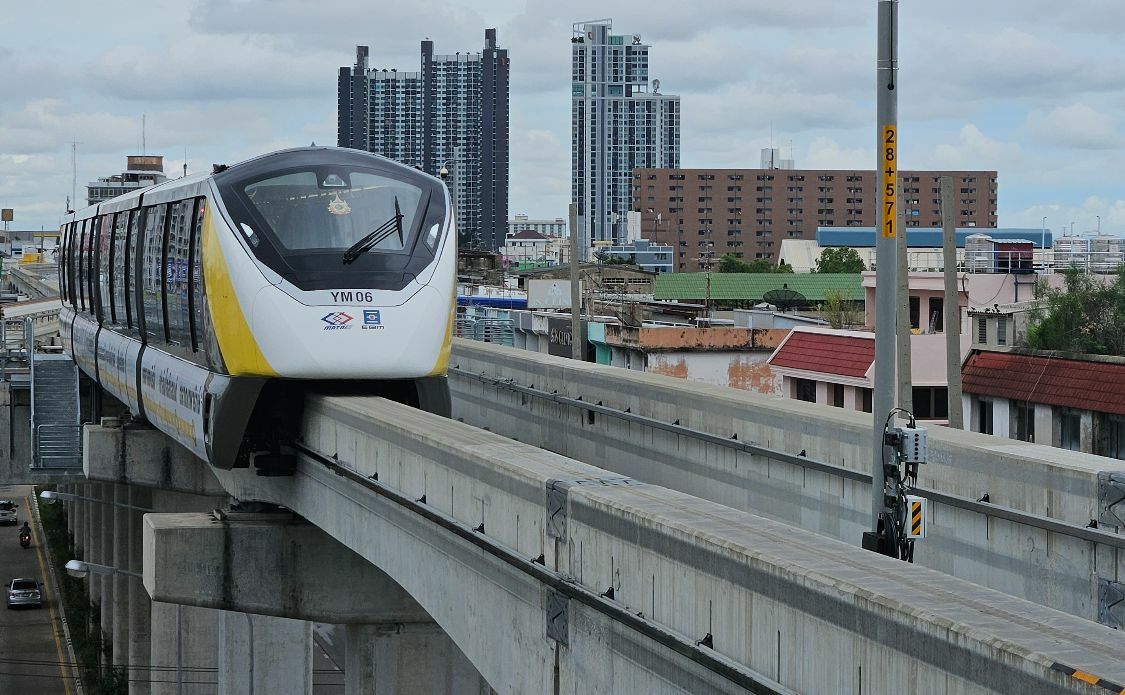
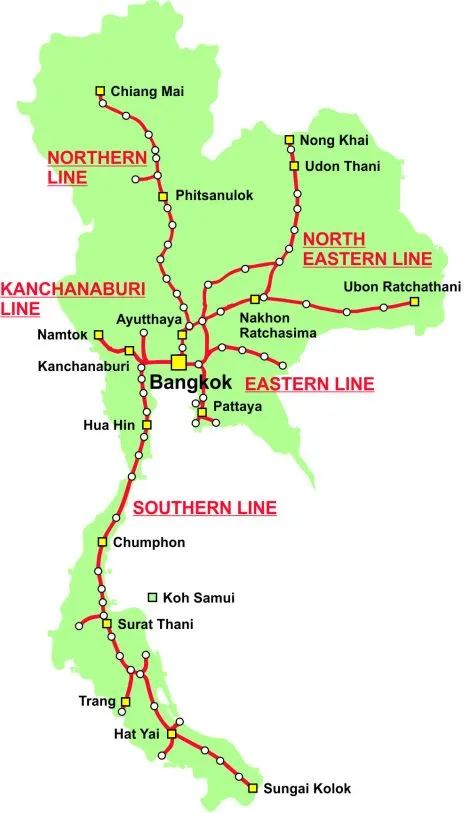
Bangkok’s intercity trains are a scenic and affordable way for Malaysian travellers to explore Thailand beyond the capital. The main departure points are Hua Lamphong Station (the historic terminal) and the modern Bang Sue Grand Station, now the city’s new central rail hub. Trains connect Bangkok to major destinations across Thailand, such as Ayutthaya, Chiang Mai, Kanchanaburi, Pattaya, Hua Hin, and Surat Thani as gateways to both cultural and beach destinations. Travelling by train offers a glimpse into Thailand’s countryside, with comfortable carriages, scenic views, and a variety of travel classes to suit different budgets.
Key Routes and Estimated Fares
Source: Thailand Train Map
Route | Duration | Fare Range (THB) | Approx. Fare (RM) | Train Type / Notes |
|---|---|---|---|---|
Bangkok → Ayutthaya | 1.5–2 hours | 20–65 THB | ≈ RM2.60–RM8.45 | Ideal for a day trip; frequent departures |
Bangkok → Hua Hin | 3–4 hours | 100–300 THB | ≈ RM13–RM39 | Coastal destination; 2nd-class seats recommended |
Bangkok → Pattaya | 2–3 hours | 80–250 THB | ≈ RM10.40–RM32.50 | Convenient weekend getaway |
Bangkok → Chiang Mai | 10–12 hours | 400–1,200 THB | ≈ RM52–RM156 | Overnight sleeper trains available |
Bangkok → Kanchanaburi | 2.5–3 hours | 100–150 THB | ≈ RM13–RM19.50 | Scenic route over the River Kwai |
Bangkok → Surat Thani | 9–11 hours | 500–1,000 THB | ≈ RM65–RM130 | Gateway to Koh Samui and southern islands |
🧭 How to Book and Travel
Step | Action | Traveller Tips |
|---|---|---|
1. Choose Your Station | Depart from Hua Lamphong or Bang Sue Grand Station depending on your route. | Bang Sue handles most modern long-distance and high-speed services. |
2. Book Your Ticket | Purchase at the station, through travel agents, or online. | For popular routes (e.g., Chiang Mai), book at least 1–2 days in advance. |
3. Select Your Class | Options include 3rd (basic), 2nd (A/C or fan), and 1st (sleeper cabins). | Malaysians often prefer 2nd class for comfort and value. |
4. Arrive Early | Arrive at least 30 minutes before departure. | Trains depart on time, especially from Bang Sue Grand. |
5. Enjoy the Journey | Sit back and enjoy Thailand’s countryside views. | Bring snacks or buy food onboard — local meals are inexpensive. |
Train Classes Overview
Class | Description | Typical Fare (THB) | Approx. Fare (RM) | Suitable For |
|---|---|---|---|---|
1st Class (Sleeper Cabin) | Private cabins with A/C and comfortable bedding | 800–1,500 THB | ≈ RM104–RM195 | Overnight trips (e.g., Bangkok–Chiang Mai) |
2nd Class (A/C or Fan) | Reclining seats or shared sleepers | 300–700 THB | ≈ RM39–RM91 | Ideal for budget travellers |
3rd Class (Fan) | Basic seats with open windows | 20–100 THB | ≈ RM2.60–RM13 | Short routes or local experience |
💡 Traveller Tips for Malaysians
- 🎟️ Book Early: Popular routes (especially to Chiang Mai and Hua Hin) sell out quickly during weekends and holidays.
- 🚉 Station Tip: Use the MRT Blue Line to reach Bang Sue Grand Station conveniently.
- 🍱 Onboard Meals: Affordable Thai snacks and drinks are available on most long-distance trains.
- 💰 Budget-Friendly: Fares from 20–1,500 THB (≈ RM2.60–RM195) suit all budgets.
- 🌄 Best for Scenic Travel: The route to Chiang Mai offers mountain views, while Kanchanaburi showcases lush countryside and the famous River Kwai Bridge.
Top Things to do in Bangkok

![[Kumpulan kecil permainan tulen satu kereta satu pemandu pelancong berlewat] Bangkok Pasar Terapung Damnoen Saduak + Pasar Keretapi lawatan sehari](https://ak-d.tripcdn.com/images//0586112000mzvh6bvB6E8_C_568_320.jpg)
![Taman Hidupan Liar Kanchanaburi + hutan hujan + bubble [boleh temujanji untuk berinteraksi dengan zirafah]](https://ak-d.tripcdn.com/images/0352312000ba2b0ug8AC5_C_568_320.jpg)
Ride-Hailing Services
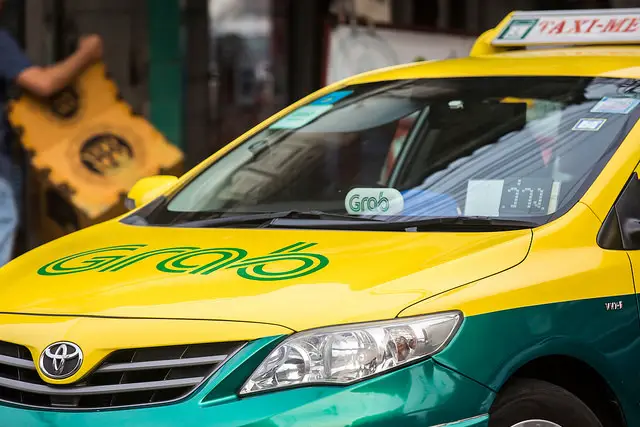
Ride-hailing apps such as Grab and Bolt have become very popular in Bangkok, offering travellers a safe, reliable, and convenient way to get around the city. For Malaysian visitors, these services will feel familiar, as Grab operates similarly to how it does in Malaysia. Through the app, you can easily book taxis, private cars, or motorbike rides directly from your phone. This makes it especially useful for late-night travel, when public transport options are limited, or when you need door-to-door service.
While fares are generally higher than buses or trains, ride-hailing is still affordable and provides comfort, air-conditioning, and safety — ideal for travellers carrying luggage or travelling in groups.
Popular Ride-Hailing Options
Service | Vehicle Type | Fare Range (THB) | Approx. Fare (RM) | Best For |
|---|---|---|---|---|
GrabCar / Bolt Car | Private air-conditioned cars | 100–300 THB | ≈ RM13–RM39 | Comfortable rides within central Bangkok |
GrabTaxi | Metered taxis booked through the app | 60–200 THB | ≈ RM7.80–RM26 | Safer and easier than hailing on the street |
GrabBike / Bolt Motorbike | Motorbike taxis for one passenger | 40–120 THB | ≈ RM5.20–RM15.60 | Quick and convenient for short distances |
GrabAirport / Bolt Airport Transfer | Private transfers to/from airports | 300–600 THB | ≈ RM39–RM78 | Ideal for travellers with luggage |
GrabFood / Delivery | Food delivery service | Based on distance | Based on distance | Handy for late-night meals or hotels without restaurants |
How to Use Ride-Hailing Apps
Step | Action | Traveller Tips |
|---|---|---|
1. Download the App | Install Grab or Bolt on your smartphone. | Use your Malaysian phone number — both apps accept it. |
2. Set Pickup & Drop-Off Points | Enter your location and destination in English. | Pin your location accurately, especially at malls or markets. |
3. Choose a Ride Type | Select from car, taxi, or motorbike. | Motorbikes are faster in heavy traffic but less suitable with luggage. |
4. Confirm and Pay | Pay via cash, credit/debit card, or GrabPay Wallet. | Cards from Malaysia are usually accepted. |
5. Track Your Ride | You can follow your driver’s location in real time. | Double-check the license plate before getting in. |
💡 Traveller Tips for Malaysians
- 🚘 Convenient and Reliable: Grab and Bolt rides are available almost everywhere in Bangkok, even late at night.
- 💵 Payment Options: You can pay in cash (THB) or use GrabPay and international credit cards.
- ⏰ Traffic Consideration: During rush hours (7–9 AM and 5–8 PM), fares may increase due to high demand.
- 💰 Budget Range: Short trips typically cost 40–120 THB (≈ RM5.20–RM15.60), while longer rides may reach 300 THB (≈ RM39).
- 🧳 Airport Transfers: For a comfortable airport journey, expect to pay 300–600 THB (≈ RM39–RM78) depending on distance.
- 📞 Language Tip: Drivers may not speak much English — use the chat function in the app for easy communication.
🔥Popular Attractions Around the World Deal
Discover the world's popular attractions, theme parks, and activities! Enjoy extra savings up to RM70 OFF for selected products!

Money & Payments in Bangkok
When travelling around Bangkok, understanding how to pay for transport and daily expenses will make your journey smoother and more convenient. Cash is still widely used, especially for buses, street food stalls, local markets, and smaller shops. Always carry some small notes and coins for these situations, as many local vendors and public transport options may not accept cards or e-payments. For modern travellers, cards and e-wallets are becoming increasingly common. Credit and debit cards (Visa, Mastercard, UnionPay) are widely accepted in hotels, malls, restaurants, and convenience stores, though minimum spending requirements may apply.
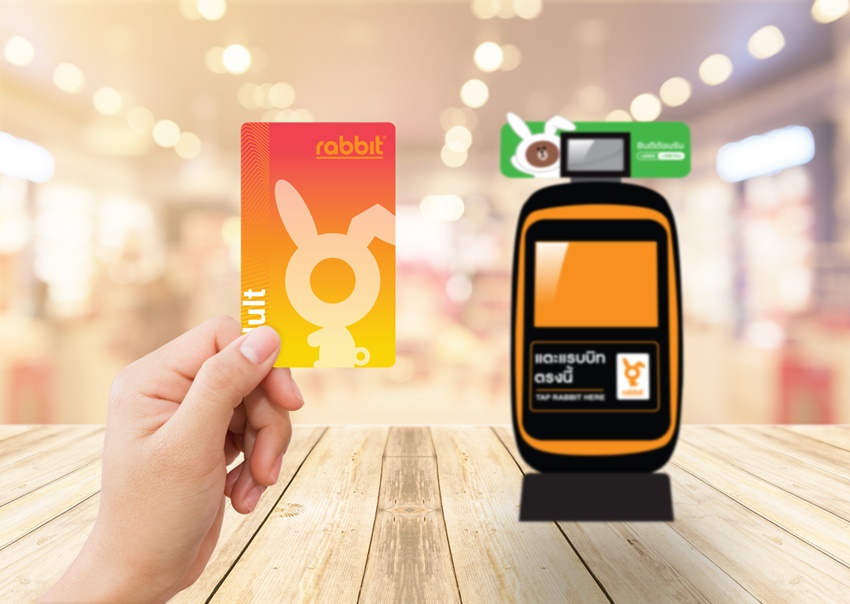
Malaysian visitors will also find GrabPay familiar and convenient, especially for ride-hailing services. Other popular e-wallets in Thailand include TrueMoney Wallet and Line Pay, which can be used for online purchases, convenience stores, and food delivery services. If you plan to use public transport frequently, consider getting a Rabbit Card, which can be used on the BTS Skytrain and some public buses. It works similarly to Malaysia’s Touch ’n Go card, offering a quick and cashless way to travel around Bangkok.
By combining cash for local charm, cards for comfort, and digital payments for convenience, Malaysian travellers can explore Bangkok’s transport system and attractions smoothly, without worrying about payment hassles.
🔥Fly with UnionPay
Embark on a journey that will enrich your life in ways you never imagined. Enjoy RM80 OFF* on all flights and hotels when you pay with UnionPay cards!
💬 FAQs Bangkok Transportation
-
What is the easiest way to get around Bangkok for first-time visitors?
-
Are taxis safe in Bangkok?
-
Is the Bangkok transport system tourist-friendly?
-
Where can I exchange money in Bangkok?
-
Is it safe to use cards and e-wallets in Bangkok?