

China Airport Guide: How to Get from Airport to City

Planning a trip from Malaysia to China? Whether you are flying for business, leisure, or a stopover on your way to another destination, understanding China’s major airports will make your journey smoother. China is home to some of the busiest and most modern airports in the world, offering excellent facilities, transport links, and dining options for international travellers.
📌Major Airports in China: A Guide for Malaysian Travellers
China is one of the most popular destinations for Malaysian travelers, whether for business, shopping, cultural experiences, or exploring breathtaking landscapes. With multiple entry points across the country, it’s important to know which airports you are most likely to use. Here’s a detailed guide to China’s major international airports that serve flights from Malaysia.
Beijing Capital International Airport (PEK) & Beijing Daxing International Airport (PKX)
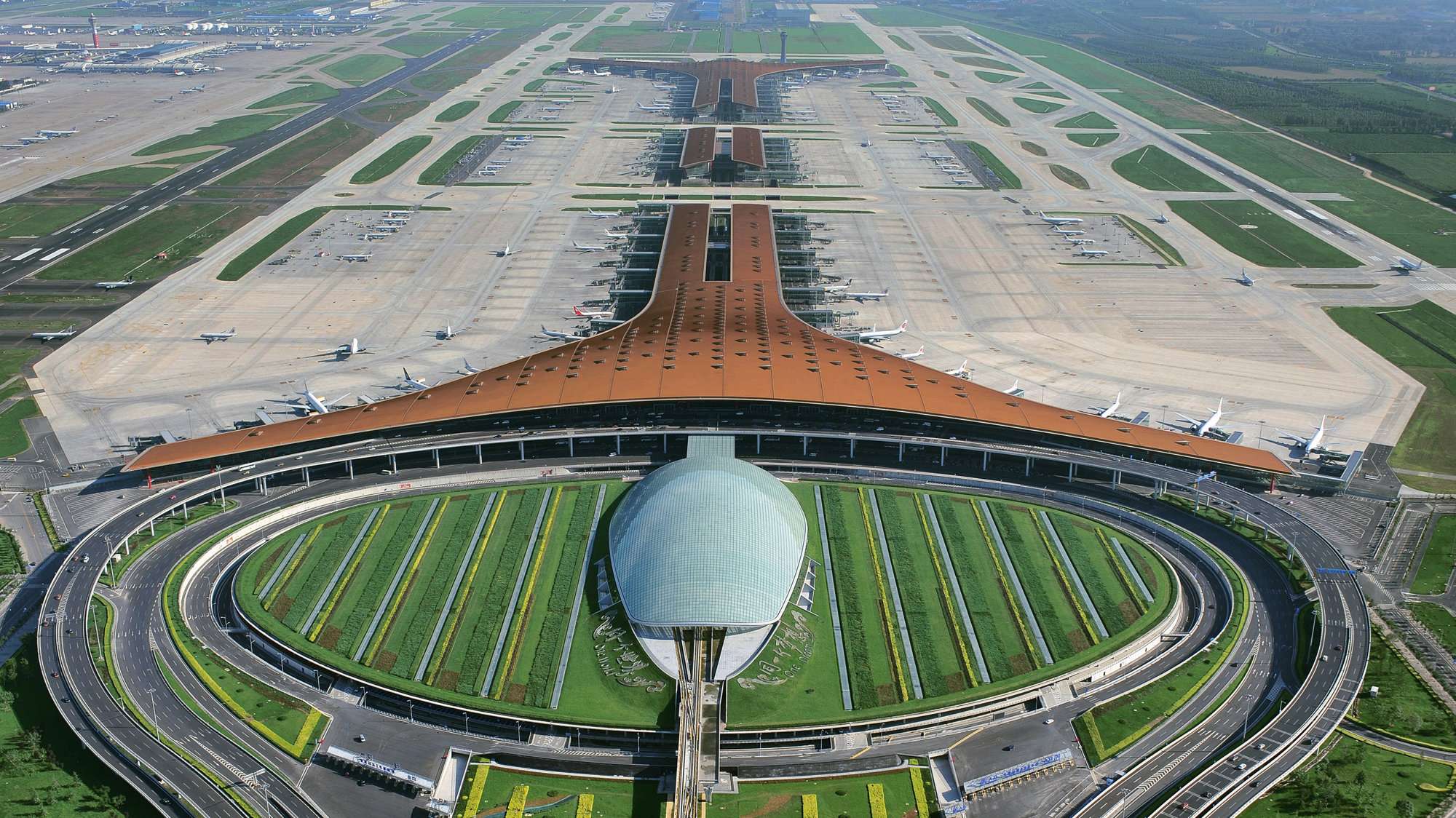
Source: Foster + Partners
Malaysia Airlines, AirAsia X, and other carriers operate direct flights from Kuala Lumpur to Beijing.
- Beijing Capital International Airport (PEK):
The older but still very busy PEK is located about 32 km northeast of the city center. It remains the primary hub for most long-haul and international routes. The airport has three terminals and is equipped with duty-free shopping, lounges, halal-certified dining outlets, and prayer rooms. Transport options include the Airport Express Line (about 20 minutes to Dongzhimen), airport buses, and taxis. - Beijing Daxing International Airport (PKX):
Opened in 2019, this stunning airport designed by the late Zaha Hadid is one of the largest in the world. Located 46 km south of downtown, PKX is praised for its futuristic starfish-shaped design and efficient passenger flow. It is connected by high-speed trains (20 minutes to Beijing West Railway Station), metro Line 19, airport coaches, and taxis. For Malaysians heading to southern Beijing or planning to transfer to other cities via high-speed rail, PKX may be more convenient.
Shanghai Pudong International Airport (PVG) & Shanghai Hongqiao International Airport (SHA)
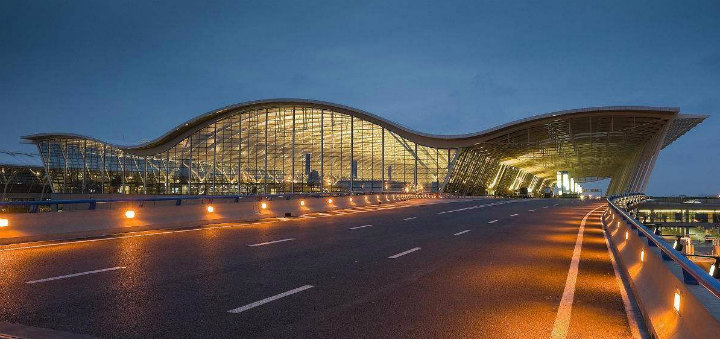
Source: GoShopShanghai
Shanghai has two major airports serving different types of travellers.
- Shanghai Pudong International Airport (PVG):
Most Malaysian travellers flying into Shanghai will land at Pudong (PVG), which handles nearly all international flights. The airport is about 45 km east of downtown. Transport options are excellent: the Maglev train takes just 8 minutes to reach Longyang Road Station, while metro Line 2 connects directly to the city center in under an hour. PVG has extensive shopping, lounges, halal dining outlets, and clear English signage, making it friendly for international visitors. - Shanghai Hongqiao International Airport (SHA):
Primarily a domestic airport, Hongqiao (SHA) is closer to downtown Shanghai (only about 13 km away). It’s also directly connected to the Hongqiao Railway Station, making it perfect for Malaysians who want to continue their journey to other cities such as Hangzhou, Suzhou, or Nanjing via China’s high-speed rail network.
Guangzhou Baiyun International Airport (CAN)
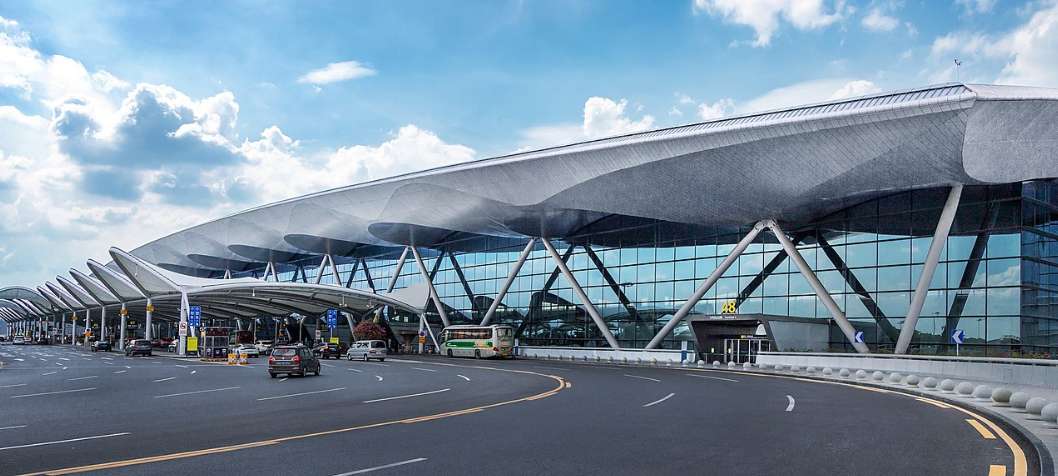
Guangzhou Baiyun International Airport (CAN) is a major hub for China Southern Airlines and one of the busiest airports in southern China. For Malaysian travellers, Guangzhou is especially attractive thanks to its mix of business opportunities, wholesale markets, and halal-friendly dining options.
- Location: About 28 km north of downtown Guangzhou.
- Transport: Direct metro Line 3 connects the airport to the city in about 45 minutes. Airport express buses and taxis are also available.
- Facilities: The airport is well-equipped with halal food outlets, prayer rooms, lounges, and duty-free shops. Many Malaysian Muslim travellers find Guangzhou more convenient for halal-friendly travel compared to other Chinese cities.
Chengdu Tianfu International Airport (TFU)
Source: Vietjet Air
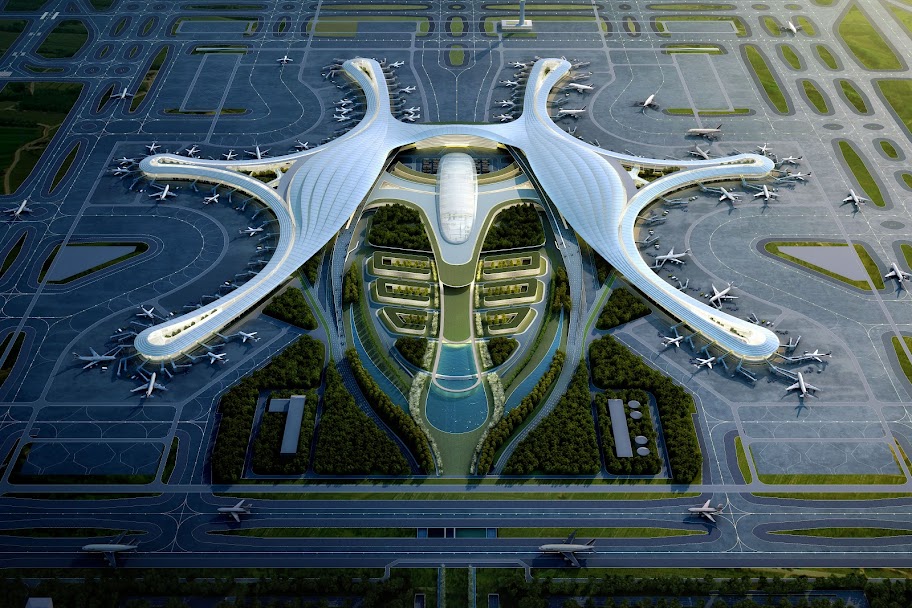
For Malaysians heading to western China, Chengdu Tianfu International Airport (TFU) is the newest major hub. Opened in 2021, it complements Chengdu Shuangliu Airport by handling international and long-haul flights.
- Location: About 50 km southeast of Chengdu city center.
- Transport: High-speed rail connects the airport to Chengdu East Railway Station in just 15–20 minutes. Metro Line 18 also links directly to the downtown area.
- Facilities: Modern and spacious with extensive retail and dining outlets, lounges, and bilingual signs. It’s an excellent gateway to Sichuan’s attractions, from spicy hotpot and halal Sichuan cuisine to the world-famous Chengdu Research Base of Giant Panda Breeding.
Xi’an Xianyang International Airport (XIY)
Source: Eastchinatrip
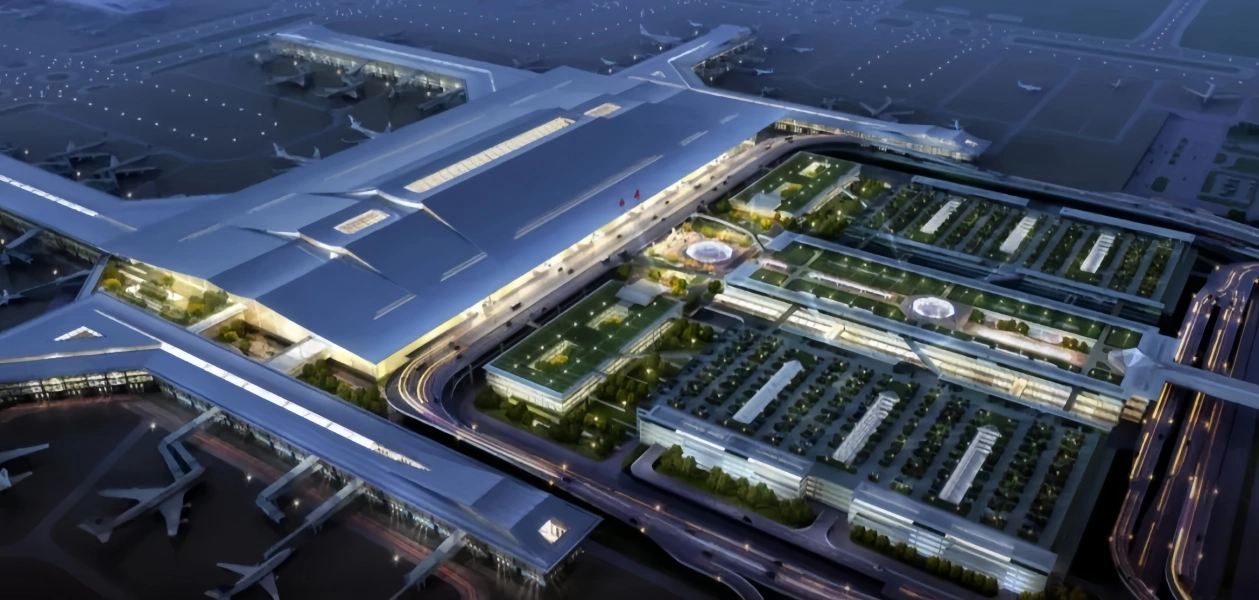
For travellers drawn to history and culture, Xi’an Xianyang International Airport (XIY) is the main entry point. It’s the closest airport to the UNESCO-listed Terracotta Warriors and the ancient Silk Road capital.
- Location: About 40 km northwest of Xi’an city center.
- Transport: Airport shuttle buses run to different parts of the city, with travel times around 60–90 minutes. Taxis and ride-hailing services like Didi are also widely used.
- Facilities: The airport has prayer rooms, halal-friendly dining, shopping outlets, and easy domestic connections to other historic cities.
✈️ Tips for Malaysian Travellers
- Halal Food: Major airports in Beijing, Shanghai, Guangzhou, Chengdu, and Xi’an have halal-certified restaurants. Look out for signs with “清真” (Qīngzhēn).
- Prayer Rooms: Available in most international airports, usually in the departure areas.
- Transport Apps: Download Didi Chuxing (China’s version of Grab) for convenient airport transfers.
- Language: English signage is improving but having Google Translate or Pleco (Chinese dictionary app) is helpful.
- Connectivity: Free Wi-Fi is available, but you need to register with your passport or phone number. Consider buying a local SIM card or eSIM for smoother internet access.
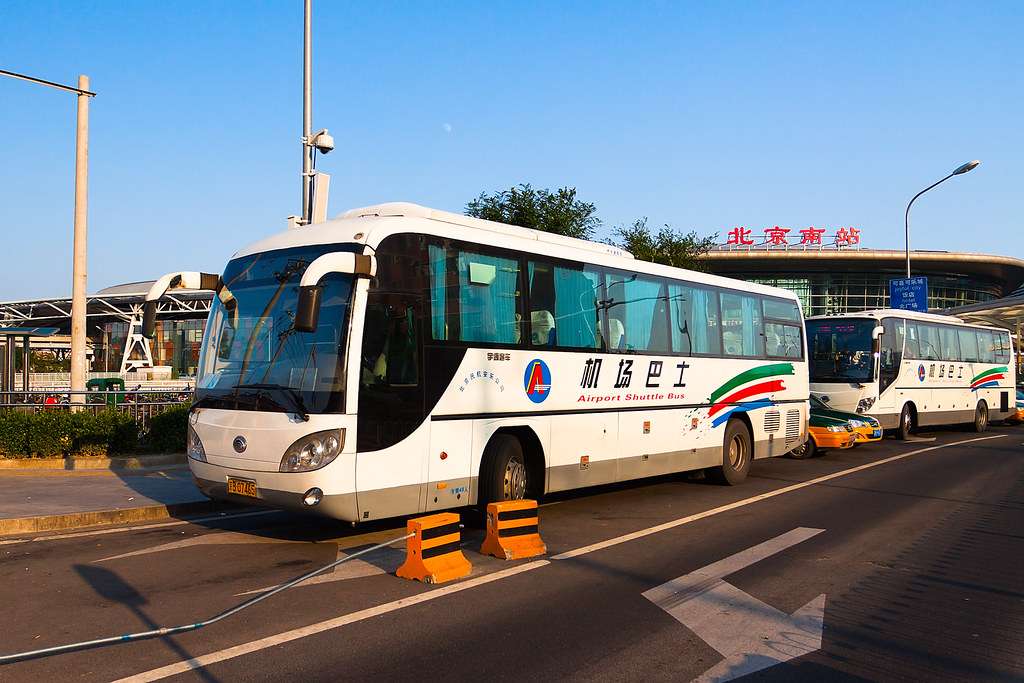
✈️Airport Shuttle Buses in China
Source: Flickr
| Airport | Main Routes | Travel Time | Fare (RMB) | Notes |
|---|---|---|---|---|
Beijing Capital (PEK) | Beijing Railway Station, Beijing South Station, Zhongguancun, Fangzhuang | 60–90 mins | 25 | Buses run until last arriving flight. |
Beijing Daxing (PKX) | Beijing West Station, Beijing Railway Station, Fangzhuang, Xinfadi | 60–80 mins | 30–40 | Convenient if heading south of Beijing. |
Shanghai Pudong (PVG) | People’s Square, Jing’an Temple, Shanghai Railway Station, Hongqiao Airport | 60–90 mins | 20–30 | 24-hour service, good for late-night arrivals. |
Shanghai Hongqiao (SHA) | Pudong Airport, People’s Square, Lujiazui | 40–60 mins | 20–25 | Useful for transfers between SHA & PVG. |
Guangzhou Baiyun (CAN) | Haizhu Square, Guangzhou Railway Station, Tianhe, Foshan | 45–70 mins | 15–30 | Direct metro also available (Line 3). |
Chengdu Tianfu (TFU) | Tianfu Square, Chengdu East Railway Station | 60–90 mins | 20–30 | Good option if not taking metro Line 18. |
Xi’an Xianyang (XIY) | Xi’an Railway Station, Bell Tower, major hotels | 60–80 mins | 25 | Easy and affordable way to reach downtown. |
🚕Taxis and Ride-Hailing Apps (Didi) in China
Source: Life in Belgium
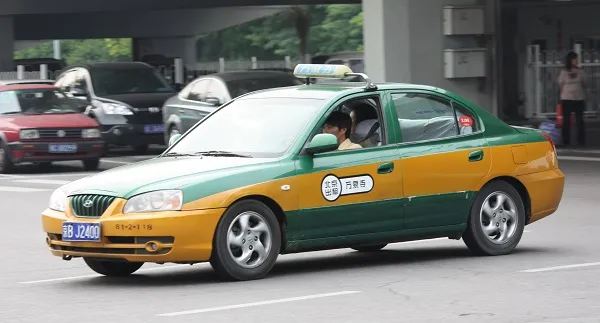
For travellers from Malaysia who want convenience and door-to-door service, taxis and ride-hailing apps like Didi Chuxing (滴滴出行) are popular options at all major Chinese airports.
🚕 Airport Taxi Guide
| Airport | Destination | Estimated Fare | Travel Time |
|---|---|---|---|
Beijing (PEK/PKX) | Downtown Beijing | ¥120–200 (RM 80–140) | 45–70 mins |
Shanghai Pudong (PVG) | People’s Square (city center) | ¥150–200 (RM 100–140) | ~1 hour |
Guangzhou (CAN) | City center (Tianhe/Haizhu) | ¥120–180 (RM 80–120) | 45–60 mins |
Chengdu Tianfu (TFU) | Downtown Chengdu | ¥150–200 (RM 100–140) | 60–80 mins |
Xi’an Xianyang (XIY) | Bell Tower (city center) | ¥120–180 (RM 80–120) | ~1 hour |
📱 Ride-Hailing with Didi
Didi is China’s version of Grab and is widely used in big cities. It’s more reliable than hailing a street taxi, especially for foreigners.
- App Language: The Didi app has an English version, but sometimes drivers may only communicate in Chinese. In-app translation helps.
- Payment:
- You can link a foreign credit/debit card (Visa, Mastercard) directly in the app.
- Alipay and WeChat Pay also work, but they may require account setup before travel.
- Fares: Similar to taxis, sometimes slightly cheaper. Prices are dynamic (higher during peak hours).
- Pick-up Points: Airports usually have designated Didi pick-up zones marked with signs. The app will guide you.
- Advantages: Clear pricing, safer than street taxis, and you can share trip details with friends/family.
✅ Quick Tips for Malaysian Travellers
- Download Didi before your trip and register with your Malaysian phone number.
- If you don’t speak Mandarin, use the in-app chat translation to communicate with drivers.
- For late-night arrivals when metro or shuttle buses are closed, Didi or taxis are the most convenient option.
- Keep some cash (RMB) handy in case you need to use a taxi without mobile payment.
- Always join the official taxi queue. Avoid touts inside the terminal.
- Ask for a metered fare (打表 dǎ biǎo). Flat-rate taxis are often scams.
- Keep your destination written in Chinese characters, as most drivers do not speak English.
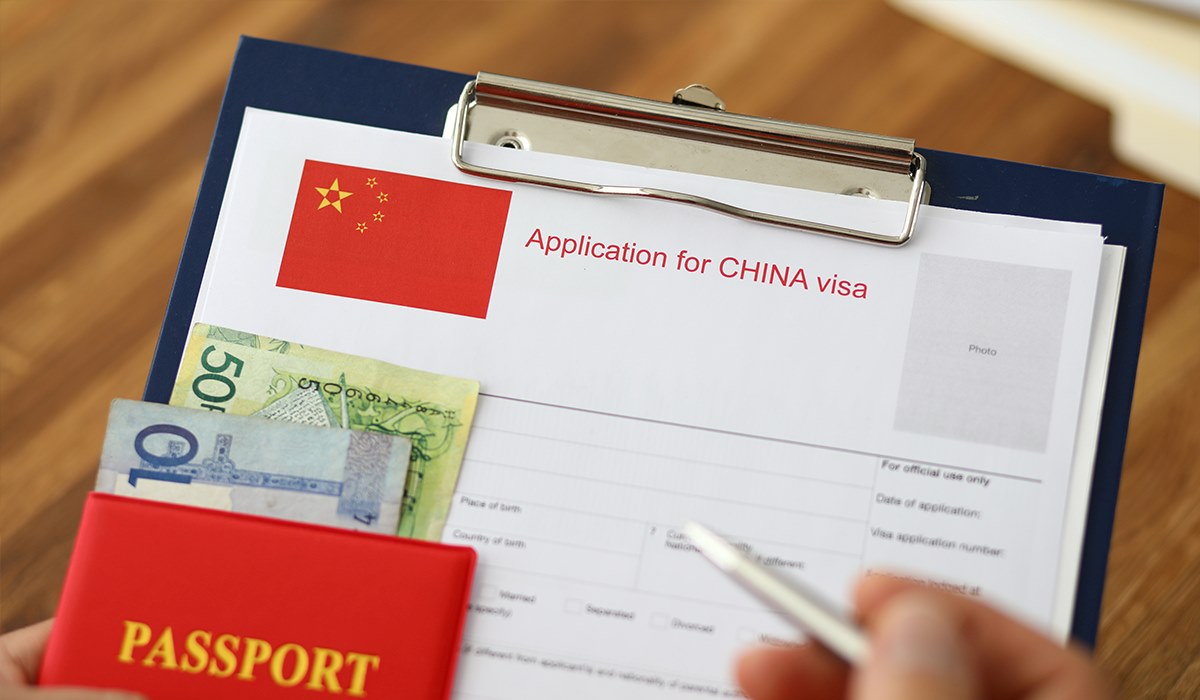
🛂 China Visa and Entry Options for Malaysian Travellers
Source: Visa Library
| Type | Who It’s For | Validity / Stay Duration | Where to Apply / Use | Notes |
|---|---|---|---|---|
Tourist Visa (L) | Leisure travel, sightseeing | 30 days per entry (usually) | Apply at Chinese Visa Application Service Center (KL, Penang, Kuching) | Most common visa for Malaysians. |
Business Visa (M) | Meetings, trade fairs, business trips | 30–60 days per entry | Apply at CVASC with invitation letter | Can request multiple entries. |
Transit Visa (G) | Travellers transiting through China | Up to 7 days (depends on itinerary) | Apply before travel if needed | Rarely used; many airports allow transit exemptions. |
144-Hour Visa-Free Transit (TWOV) | Short stopovers en route to a third country | Up to 144 hours (6 days) | Available in cities like Beijing, Shanghai, Guangzhou, Chengdu, Xi’an | Must show confirmed onward ticket; cannot leave permitted region. |
Hainan Visa-Free Entry | Travellers visiting only Hainan Island | Up to 30 days | Enter via registered travel agency | Hotel booking and tour confirmation required. |
🌏Smooth Travel from Malaysia to China

Flying from Malaysia to China is simple with direct connections to cities like Beijing, Shanghai, Guangzhou, Chengdu, and Xi’an. Major airports are modern, easy to navigate, and well linked by metro, shuttle buses, taxis, and Didi ride-hailing. For Muslim travellers, halal food and prayer rooms are available in most hubs.
With the right visa, a few travel apps, and basic prep, Malaysians can enjoy smooth arrivals and stress-free transfers — the perfect start to discovering China’s history, culture, and modern cities.
FAQs
-
Do Malaysians need a visa to travel to China?
-
Which Chinese airports have direct flights from Kuala Lumpur?
-
Are there halal food options at Chinese airports?
-
What’s the cheapest way to get from the airport to the city?
-
Can I use Grab in China?
-
Is it easy to get internet at Chinese airports?