

All You Need to Know about Getting Around in Tokyo

Tokyo – a dazzling blend of tradition and innovation, neon-lit nights, and a culture that’s both respectful and electrifying. But if there’s one thing that can feel a little intimidating, it’s figuring out how to get around this sprawling metropolis. 😅 With its maze-like train systems and countless lines, Tokyo can seem like a puzzle at first glance.
As a fellow Malaysian who has experienced the city firsthand, I can tell you that once you get the hang of it, getting around Tokyo becomes part of the fun. From the ultra-efficient JR Yamanote Line to the charming local subways, from quiet neighbourhood buses to the occasional taxi ride – every journey offers a glimpse into the rhythm of Tokyo life.
In this guide, I’ll walk you through the best ways to explore Tokyo – complete with practical tips, smart hacks, and insights that’ll help you save time, yen, and a few headaches. Ready to master Tokyo’s transport like a pro? Let’s go! 🚄✨
🚄 Tokyo Metro & JR Lines – The Lifeline of the City
Source: iStock
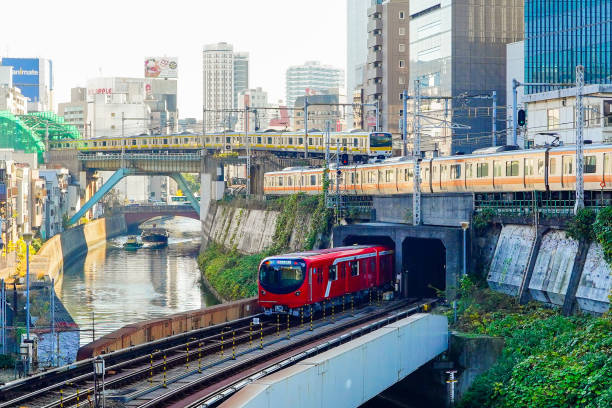
Tokyo’s train system is nothing short of legendary. With the Tokyo Metro, Toei Subway, and JR lines crisscrossing the city, getting around feels like stepping into a well-oiled machine. Whether you’re heading to bustling Shibuya, historic Asakusa, or quirky Harajuku, chances are there’s a station just a few steps away.
Why You’ll Love Tokyo’s Trains:
● Ultra-punctual and reliable – trains arrive like clockwork.
● Clean, safe, and incredibly efficient.
● Covers almost every corner of the city.
● English signage is available in most major stations.
Pros | Cons |
|---|---|
Fast, frequent service | Can be confusing at first (so many lines!) |
Air-conditioned comfort | Crowded during peak hours |
Very tourist-friendly | Multiple operators = separate tickets |
Tips for Using Tokyo Trains:
● Get an IC Card (Suica/PASMO): It saves time, works across most trains, buses, and even convenience stores.
● Avoid Rush Hour: Try to steer clear of 7:30–9:30 am and 5–7 pm.
● Use Navigation Apps: Google Maps, Japan Travel (by Navitime), or Tokyo Subway Navigation are lifesavers.
● Mind the Etiquette: Stay quiet, line up patiently, and never talk on the phone inside the train.
My Take:
If you’re planning to explore places like Shinjuku, Ueno, or Akihabara, trains are absolutely the way to go. Yes, the map might look overwhelming at first, but once you figure it out, it becomes second nature. Plus, there’s something satisfying about mastering Tokyo’s metro like a local. 😎
Tokyo Metro (Subway System)
Source: en.wikipedia.org
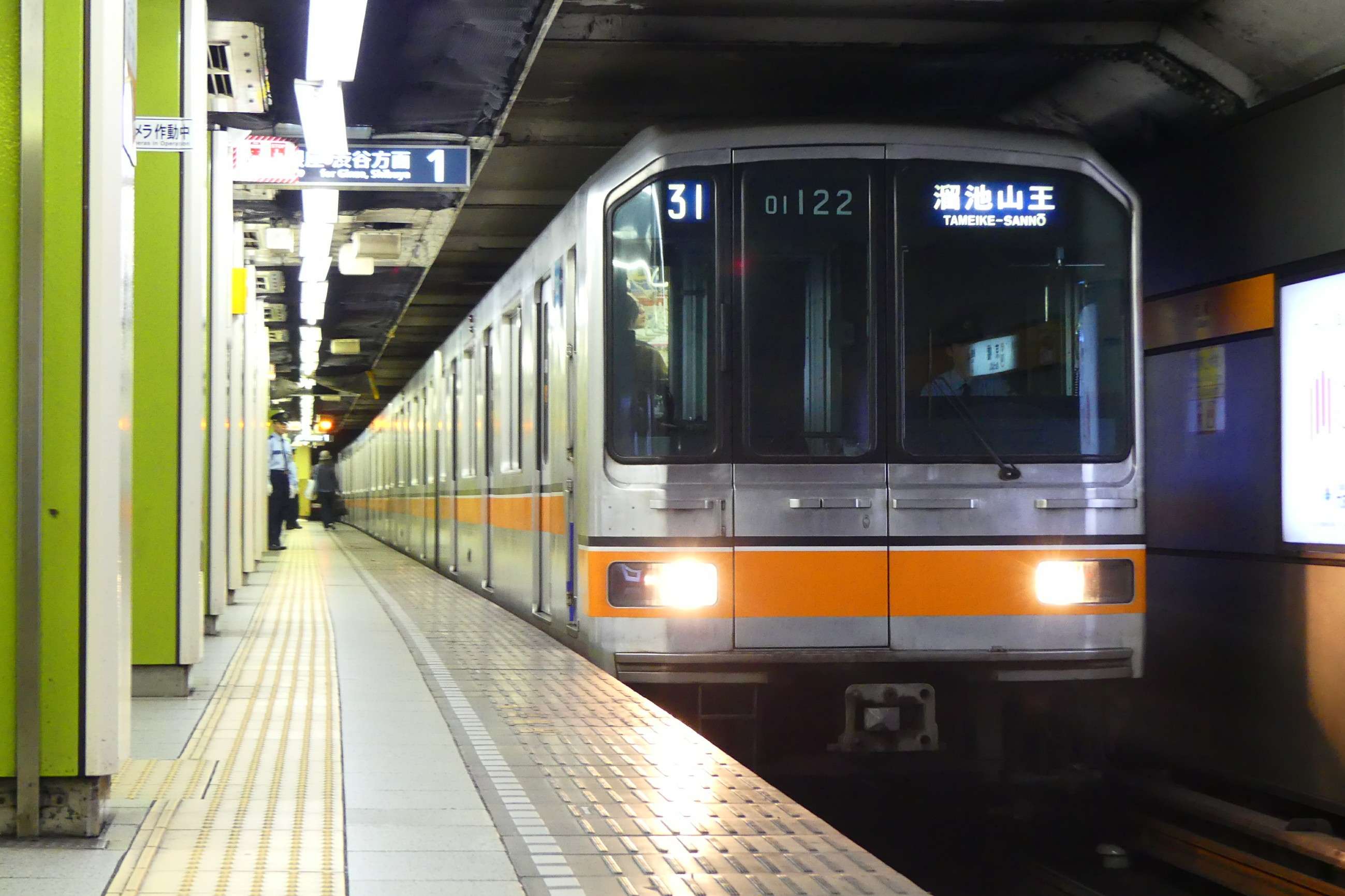
The Tokyo Metro is the underground lifeline of Japan’s capital—efficient, punctual, and essential for navigating the city’s vast neighborhoods. While the JR Yamanote Line circles Tokyo above ground, the Metro dives into key business, shopping, and cultural districts like Ginza, Asakusa, and Akihabara.
Why You’ll Love the Tokyo Metro:
● Completely avoids street-level traffic delays.
● Often quieter than the busy JR lines during off-peak hours.
● Interchanges smoothly with JR trains and other private rail lines.
| Pros | Cons |
|---|---|
Modern, clean, and air-conditioned | Multiple operators can make transfers a bit confusing |
Affordable fares with IC cards like Suica/PASMO | Can get crowded during rush hour |
Easy to navigate with English signage | Some stations are far apart compared to JR lines |
Tips for Using the Tokyo Metro:
● Tickets & IC Cards: Use a rechargeable Suica or PASMO card for convenience.
● Key Transfer Stations: Shinjuku, Shibuya, and Tokyo Station connect you to JR lines and other subways.
● Last Train Reminder: Most lines stop around midnight—plan accordingly if you’re out late.
My Take:
If your itinerary includes spots like Tsukiji Market, Ueno Zoo, or the museums in Roppongi, the Tokyo Metro is your best friend. It’s also a smart alternative when JR lines are too crowded or delayed. 🚇
Popular Hotels in Tokyo
5 star
Business travel
Breakfast
Taxis & Ride-Hailing in Tokyo: Convenient, but Stay Aware
Source: Tokyo Cheapo
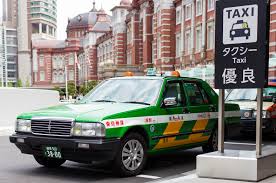
Taxis are a common sight in Tokyo – clean, reliable, and easy to find, especially around train stations and business districts. However, they can be expensive compared to public transport, and there are some things to keep in mind before hopping in.
Why You’ll Appreciate Taxis in Tokyo:
- Spotless and Comfortable: Taxis in Tokyo are famously clean, with automatic doors and courteous drivers.
- Great for Late Nights: Especially after trains stop running around midnight.
- Door-to-Door Service: Ideal if you're carrying luggage or traveling in a group.
Pros | Cons |
|---|---|
Clean, safe, and comfortable | Expensive, especially for long distances |
Available 24/7 | Traffic can increase travel time and cost |
Professional drivers | Limited English spoken by some drivers |
Ride-Hailing in Tokyo: A Growing Option
While apps like Uber exist in Tokyo, they’re not as widely used as in other cities. Instead, local ride-hailing apps like GO or S.RIDE are more common, offering a mix of convenience and transparency.
- Download Local Apps: Try apps like GO, S.RIDE, or JapanTaxi (all available on iOS and Android).
- Cash or Cashless: Most taxis accept credit cards, IC cards (like Suica/Pasmo), and mobile payment.
- Language Help: The apps let you input your destination, reducing language barriers.
Taxis (Traditional) | Ride-Hailing Apps |
|---|---|
Can be hailed on the street | Must be booked via app |
Meter-based fare | Fare estimate shown in app |
May only accept cash | Support various payment types |
Tips for Taking Taxis in Tokyo:
- Look for the Red Light: A red “空車” sign means the taxi is available.
- Carry Your Destination in Writing: If you don’t speak Japanese, showing the address in Japanese helps a lot.
- Use IC Cards or Credit Cards: Many taxis now accept cashless payment, but it’s good to confirm before you ride.
My Take:
If you’re comfortable using apps, ride-hailing services like GO or S.RIDE offer a smoother experience for non-Japanese speakers, especially with upfront fare estimates. That said, Tokyo’s taxis are among the most professional and safe in the world—just be ready for the price tag. 🚕💴
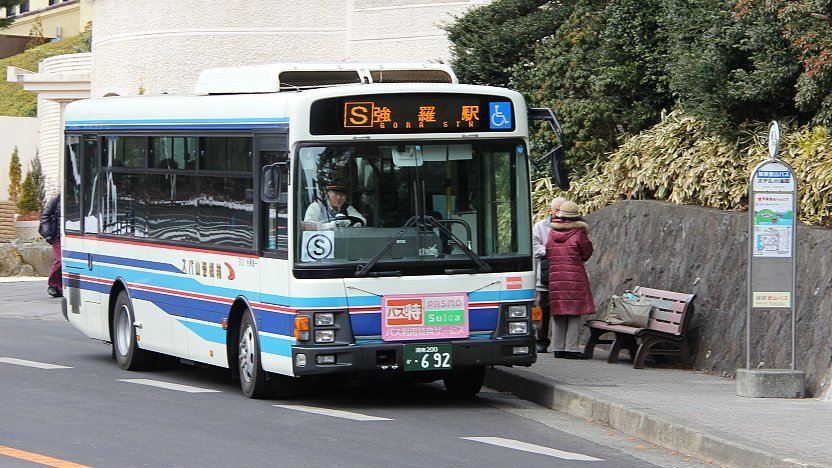
Buses in Tokyo: Budget-Friendly but Can Be Confusing
Source: Japan Guide
Tokyo’s bus system is a reliable and affordable way to get around, especially in areas that trains don’t cover well. However, for non-Japanese speakers, navigating the routes can be a bit tricky.
Why You’ll Appreciate Tokyo Buses:
- Low Cost: Flat fares start around ¥210 for adults.
- Extensive Coverage: Reach neighborhoods and local areas not served by trains.
- Efficient and Punctual: Buses generally run on time and are clean.
Pros | Cons |
|---|---|
Affordable and reliable | Routes can be hard to understand for tourists |
Covers areas not served by trains | Some signage may only be in Japanese |
Comfortable and air-conditioned | Can get crowded during peak hours |
Tips for Using Buses in Tokyo:
- Use Apps: Try Google Maps, NAVITIME, or Japan Travel by NAVITIME to plan your route in English.
- IC Cards Recommended: Use a Suica or Pasmo card to tap on and off easily—no need to handle coins.
- Boarding Rules: In Tokyo, you usually board through the front door and pay as you enter.
- Know Your Stop: Stops are announced in Japanese and English on most city buses, but double-check on your app.
My Take:
If you're on a budget or want to explore neighborhoods off the beaten path, buses are a great choice. They're clean, air-conditioned, and run like clockwork. Just make sure to use a transit app—it makes the whole experience much smoother. 🚌🇯🇵
Flights from Kuala Lumpur to Tokyo
- Pergi Balik
- Sehala
 KUL11:3012j 30m1 stopsHND01:00Kuala Lumpur - Tokyo|Sab, 31 Okt|VietJet Air
 NRT08:5032j 25m1 stopsKUL16:15Tokyo - Kuala Lumpur|Rab, 4 Nov|Scoot€ 301€ 33911% offCari11% off€ 339€ 301
- KUL11:3012j 30m1 stopsHND01:00Kuala Lumpur - Tokyo|Ahd, 1 Nov|VietJet AirNRT08:5032j 25m1 stopsKUL16:15Tokyo - Kuala Lumpur|Rab, 4 Nov|Scoot€ 301€ 33911% offCari11% off€ 339€ 301
- KUL13:3510j 25m1 stopsHND01:00Kuala Lumpur - Tokyo|Jum, 30 Okt|VietJet AirNRT08:5010j 25m1 stopsKUL18:15Tokyo - Kuala Lumpur|Kha, 5 Nov|Scoot€ 301€ 33911% offCari11% off€ 339€ 301
 KUL13:0010j 25mTanpa hentiTYO14:00Kuala Lumpur - Tokyo|Mon, Sep 6|Normal Airline
 TYO13:0010j 25mTanpa hentiKUL14:00Tokyo - Kuala Lumpur|Mon, Sep 6|Normal AirlineCari Penerbangan LainCari Penerbangan Lain
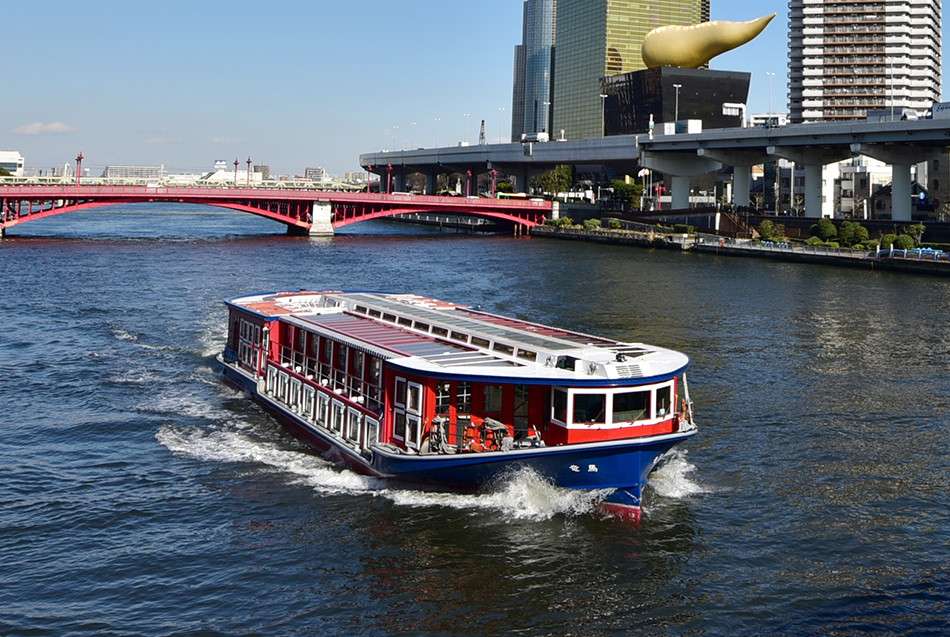
Boats & Ferries: Discovering Tokyo from the Water
Source: Tokyo
Tokyo isn’t just about trains and subways—it also has a network of rivers and canals offering a unique, scenic way to experience the city. From traditional river cruises to modern waterbuses, Tokyo’s waterways provide both functional transport and unforgettable sightseeing opportunities.
Why You’ll Love Tokyo’s Boats & Ferries:
- Stunning Views: See Tokyo from a different perspective—skyscrapers, historic bridges, and waterfront parks.
- Relaxing & Scenic: A peaceful break from the fast-paced city.
- Affordable Options: Prices typically range from RM10 to RM25 depending on the route.
Pros | Cons |
|---|---|
Scenic and relaxing | Limited routes and schedules |
Great for sightseeing | May not be ideal for daily commuting |
Avoids city traffic entirely | Can be crowded on weekends and holidays |
Popular Boat Options in Tokyo:
🚢 Tokyo Water Bus (Suijō Bus)
- Main water transport service, connecting Asakusa, Odaiba, Hamarikyu, and Toyosu.
- Multiple routes available, including sightseeing and commuter lines.
- Fare: From around RM10 to RM35 depending on distance and boat type.
⛴️ Himiko & Hotaluna (Designed by Leiji Matsumoto)
- Futuristic sightseeing boats operated by Tokyo Cruise.
- Routes between Asakusa, Odaiba, and Toyosu.
- Great for tourists—comfortable seating and panoramic windows.
🛥️ Yakatabune (Traditional Dinner Cruises)
- Private, decorated boats offering traditional Japanese meals on the Sumida River.
- Ideal for evening entertainment or special occasions.
- Requires advance booking; higher prices than standard ferries.
Tips for Riding Boats in Tokyo:
- Plan Ahead: Check routes and timetables on the Tokyo Cruise or Suijō Bus websites.
- Arrive Early on Weekends: Boats can fill up quickly, especially on nice days.
- Bring a Camera: Iconic sights like Tokyo Skytree, Rainbow Bridge, and Odaiba look incredible from the water.
My Take:
If you want a slower, more scenic way to explore Tokyo, I highly recommend hopping on a Tokyo Water Bus or taking a Himiko cruise. It’s a refreshing change from the subway, and perfect for relaxing while enjoying Tokyo’s skyline and riverside landmarks. 🚢🌆
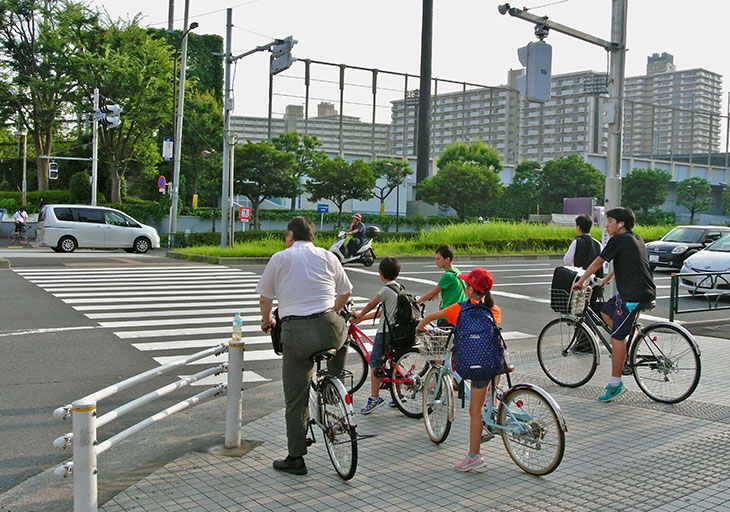
Walking and Cycling: Slower but Deeply Rewarding
Source: Sportify Cities
Sometimes the best way to experience Tokyo is by slowing down. Whether you're strolling through a quiet backstreet or cycling along the Sumida River, walking and biking allow you to connect with the city on a more personal level. Tokyo is surprisingly walkable and increasingly friendly to cyclists.
Why You’ll Love Walking and Cycling in Tokyo:
- Freedom to Explore: Go at your own pace, stop wherever something catches your eye.
- Safe and Clean Streets: Tokyo is one of the safest major cities for pedestrians.
- Discover Local Life: Explore neighborhood cafes, temples, and hidden shops.
Pros | Cons |
|---|---|
Immersive and flexible | Can be tiring with long distances |
Very safe for pedestrians | Weather (rain or extreme heat) may be a factor |
Great for discovering local gems | Limited bike lanes in some busy areas |
Tips for Walking and Cycling in Tokyo:
- Use a Bike Share App: Try Docomo Bike Share or Hello Cycling—rent and return at designated stations.
- Stick to Bike-Friendly Areas: Ride in parks (e.g., Yoyogi Park, Kiba Park) or along riverside paths like the Sumida River Cycling Road.
- Follow Local Etiquette: Cyclists often share sidewalks—ride slowly and be mindful of pedestrians.
- Be Weather-Ready: Summers can be hot and humid; always carry water and maybe a small umbrella or raincoat.
Best Areas for Walking:
- Asakusa: Traditional shops, Senso-ji Temple, and street snacks.
- Yanaka & Ueno: Old Tokyo charm with temples and quiet streets.
- Daikanyama & Nakameguro: Trendy neighborhoods with boutique shops and riverside walks.
- Shibuya Backstreets: Beyond the famous crossing, find calm lanes filled with cafes.
My Take:
Tokyo is a joy to explore on foot—clean, organized, and full of surprises around every corner. I often recommend renting a bike to explore quieter areas or riverside paths, especially in the early morning or late afternoon. Just be prepared for occasional rain or summer heat. 🚶♀️🚴♂️
Transportation Tips for Malaysians Visiting Tokyo

Source: Railway to See Malaysia
Tokyo may seem overwhelming at first, but it’s one of the most efficient and well-organized cities in the world when it comes to transportation. With a little preparation, getting around is not just easy—it can be part of the adventure!
Language and Communication
- Learn Basic Japanese Phrases: Phrases like "Eki wa doko desu ka?" (Where is the station?) and "Ikura desu ka?" (How much is it?) can be very helpful.
- Use Translation Apps: Google Translate is reliable, especially with the camera feature for reading signs. Download the offline Japanese language pack for convenience.
- Don’t Worry Too Much: Major stations and signs are usually in English, and train announcements are bilingual. Still, patience goes a long way.
Navigating Busy Areas
- Follow the Flow: Train stations like Shinjuku and Tokyo Station can be intense, especially during rush hour. Stick to the left, go with the crowd, and don’t stop suddenly.
- Check Station Exits: Stations often have multiple exits—use Google Maps or the station guide to find the right one.
- Avoid Peak Hours: Trains are most crowded between 7:30–9:00 AM and 5:30–7:00 PM. Travel outside those times for a more comfortable ride.
Payment Options
- IC Cards Are Essential: Get a Suica or Pasmo card for trains, buses, vending machines, and even convenience stores. Just tap and go.
- Cash Is Still Widely Used: Smaller shops and eateries may not accept cards, so keep some yen on hand.
- E-Wallet Compatibility: Some Malaysian e-wallets may not work, but you can use Apple Pay or Google Pay if linked to a local IC card.
Budgeting for Transportation
Transportation Mode | Average Cost per Ride | Ideal For |
|---|---|---|
Subway / JR Trains | RM5 - RM12 | Fast, punctual, city-wide coverage |
Bus | RM6 | Areas not covered by trains |
Taxi | RM15 - RM21+ | Late nights or door-to-door travel |
Shinkansen | RM390 | Travel to Kyoto, Osaka, etc. |
Bicycle Rental | RM4.50 - RM6 | Exploring parks or quieter districts |
Walking | Free | Best for short distances and sightseeing |
Safety and Etiquette
- Be Polite and Quiet: Keep conversations low, especially on public transport.
- Mind Your Belongings: Tokyo is very safe but always stay aware in crowded areas.
- Stand on the Left: In Tokyo, stand on the left side of escalators; the right side is for those walking.
- Respect Local Customs: No eating or talking loudly on trains. Dress modestly when visiting shrines or temples.
My Personal Take: The Best Way to Explore Tokyo
The best approach? Mix and match! Start your day with a train ride on the JR Yamanote Line, stop at a riverside park for a bike ride, and walk through historic neighborhoods like Asakusa or Yanaka. If you’re heading back late or carrying luggage, a taxi might be worth the cost for comfort.
Recommended Hotels in Tokyo
 NO.1
NO.1



Always Remember to Get Around Tokyo Safely and Stay Informed!
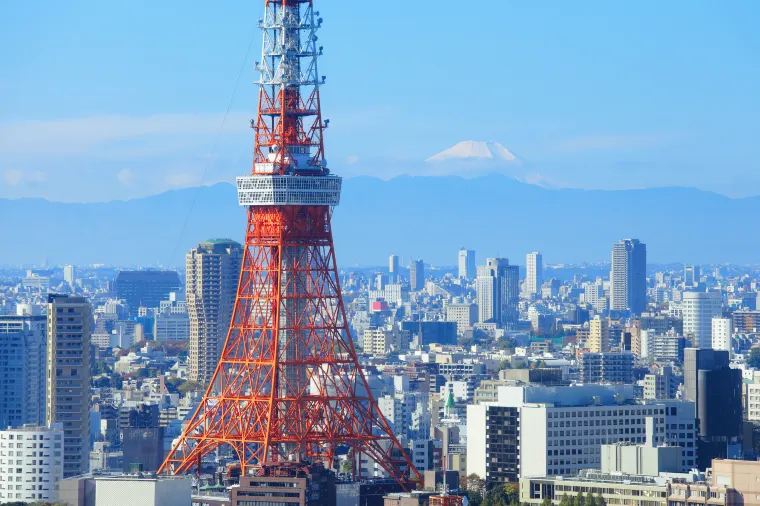
Tokyo offers an incredible range of transportation options, from the sleek efficiency of the JR and Tokyo Metro systems to scenic rides on the Tokyo Water Bus or leisurely cycles along the Sumida River. Whether you're hopping between neighborhoods on a train or strolling through quiet backstreets, every journey in Tokyo is part of the experience. With the right tips and tools, you’ll navigate the city confidently while making the most of your time and budget.
Safe travels and enjoy your Tokyo adventure! 🚆🗾
FAQs: Geeting Around to Tokyo
-
What is the best way to get around Tokyo as a tourist?
-
Do I need a transportation card in Tokyo, and how does it work?
-
Are taxis in Tokyo expensive, and when should I use them?
-
Can I use Google Maps for directions and train routes in Tokyo?
-
Is cycling a good way to explore Tokyo?