

Getting Around in Xian | Transport Tips for Tourists


Landing in Xi’an, the first thing you’ll notice—besides the rich sense of history in the air—is how seamlessly the old and new blend together. This is a city where ancient city walls stand beside modern skyscrapers, and getting around feels like a journey through time as much as a commute.
As a Malaysian traveller, I’ll admit: navigating Xi’an can seem a little daunting at first, but once you get the hang of it, it’s surprisingly easy and efficient. The Xi’an Metro is the most convenient way to travel—it’s clean, affordable, and connects most of the city’s main attractions, from the iconic Bell Tower and Muslim Quarter to Big Wild Goose Pagoda and even the train station for your Terracotta Warriors trip.
City buses are widely available too, though routes and announcements are mostly in Chinese, so it helps to use translation apps or ask locals for guidance. For extra convenience, ride-hailing apps like Didi work well and are great for reaching spots outside the metro network.
Traffic in Xi’an can get heavy during rush hours, so plan your trips accordingly. The city is generally flat, which makes walking and cycling pleasant—especially around the old city walls or along the scenic South Gate area.
And a small tip from experience: always check the weather before heading out. Xi’an’s climate can shift quickly between dry, dusty days and sudden rain, especially in spring and autumn. Bring an umbrella, wear comfortable shoes, and most importantly, take your time exploring. Because in Xi’an, getting around isn’t just about transport—it’s part of the city’s living story.
📝 Getting Around in Xi’an: A Malaysian Traveller’s Perspective

As a Malaysian visiting Xi’an, I quickly discovered that exploring this ancient capital is both convenient and fascinating. At first, the metro map might look a little overwhelming, but once you get used to it, Xi’an’s transport system is remarkably efficient, clean, and affordable. Whether you’re heading to the bustling Muslim Quarter, the majestic city walls, or planning a day trip to see the Terracotta Warriors, getting around Xi’an is straightforward and well-connected. 🚇🚌🚕
🚶♂️ The Experience of Moving Through Xi’an
Xi’an moves at its own pace—modern yet steeped in history. Travelling here feels balanced: fast enough to get you where you need to go, but calm enough to let you soak in the city’s charm. Most major attractions are easily accessible via the metro or within walking distance of each other, especially around the Bell Tower, South Gate, and Yongningmen areas.
During peak hours, expect crowds on popular metro lines, but overall, the experience is smooth and orderly. The city is relatively flat compared to places like Chongqing, making walking and cycling more enjoyable—especially along the scenic city walls or the vibrant streets of Beilin District.
🔍 What Are Your Options?
🚇 Metro – Fast, modern, and the best way to get around. It connects to most key attractions.
🚌 City Buses – Very affordable, but routes are mainly in Chinese. Use apps or translation tools to navigate.
🚕 Didi & Taxis – Didi (China’s version of Grab) is reliable and useful for reaching places beyond metro lines.
🚶♀️ Walking – Highly recommended within the city centre; streets are flat and pedestrian-friendly.
🚴♂️ Cycling – Public bike-sharing systems are available and great for short rides near the city walls.
🚗 Driving – Not advisable for visitors due to strict traffic rules and limited parking in busy areas.
💬 What You’ll Find Inside This Guide:
🎫 Which metro cards and passes make travel easier
📱 Useful apps for navigation, translation, and ride-hailing
👨👩👧👦 Best transport options for families, solo travellers, and elderly visitors
🌤️ How Xi’an’s seasonal weather—from dry winters to rainy springs—affects travel plans
📍 Everything you need to know about getting around Xi’an—whether you’re exploring ancient landmarks, hopping between food spots, or simply wandering through the city’s historical heart. 🗺️ Let’s dive in!
Top Things to do in Xian
 4228 ditempah
![[Jamuan Agung Maharani Wu] Xi'an, Shaanxi Jamuan Agung Maharani Wu Dinasti Tang [Persembahan Makanan Istana Kuno Pengalaman Imersif Panorama]](https://ak-d.tripcdn.com/images/0352e12000p0zlt871A4F_C_568_320.jpg)



![Lawatan Setengah Hari ke Muzium Makam Qin Shi Huangdi Xi'an (Tentera Terracotta) [Penerangan Berpandu Profesional, Perkhidmatan Kereta Tersedia]](https://ak-d.tripcdn.com/images//0585h12000nt7s82g6AA6_C_568_320.jpg)


🚇 Getting Around by Train in Xi’an

Source: China Xian Tour
If you’re exploring Xi’an, the metro is by far the easiest and most efficient way to get around. The system is clean, affordable, and connects almost all the city’s major attractions—from the ancient city walls to the Big Wild Goose Pagoda. With clear English signs and announcements, it’s also very traveller-friendly, making it ideal for first-time visitors.
🗺️ System Overview
Xi’an’s metro network is modern and continuously expanding, linking historical landmarks with new city districts:
- Line 1 (Blue) – Runs east–west, connecting key areas like Beidajie, Wulukou (for Xi’an Railway Station), and Kangfu Road.
- Line 2 (Red) – The main north–south line, stopping at iconic spots like the Bell Tower, Yongningmen (South Gate), and Xi’an North Railway Station.
- Line 3 (Light Green) – Passes through Xiaozhai (shopping and dining hub) and Big Wild Goose Pagoda.
- Line 4 (Cyan) – Links the Han Chang’an City Ruins and Datang Everbright City areas.
- Line 5 (Purple) – Connects residential and suburban zones, useful for reaching less touristy areas.
- Airport Line (Future Extension) – In progress, but until then, airport buses and taxis connect easily to metro stations.
Major interchange stations include Beidajie, Xiaozhai, Wulukou, and Dayanta, making transfers between lines smooth and convenient.
📍 Key Tourist Stops to Know
- Bell Tower (Line 2) – 🏙️ Central hub and gateway to the Muslim Quarter.
- Yongningmen / South Gate (Line 2) – 🏯 Access to the ancient city walls.
- Big Wild Goose Pagoda (Line 3 or 4, Dayanta Station) – 🐦 One of Xi’an’s most famous landmarks.
- Shaanxi History Museum (Line 2, Xiaozhai Station) – 🏺 Must-visit for history lovers.
- Datang Everbright City (Line 4, Datangfurongyuan Station) – 🎆 Beautifully illuminated at night.
- Xi’an North Railway Station (Line 2) – 🚄 Gateway for high-speed trains to other cities, including Beijing and Chengdu.
💳 Tickets, Cards & Payment
- Xi’an Transportation Card (Chang’an Tong) – The most convenient option, usable on the metro, buses, and some taxis.
- Purchase and top up easily at metro stations or convenience stores.
- Mobile Payment – Alipay and WeChat Pay are accepted at metro gates with QR codes.
- Single-Journey Tickets – Available from vending machines; insert cash or scan payment apps.
🕒 Operating Hours & Frequency
- Most lines operate from 6:00am to 11:30pm.
- Trains run every 3–5 minutes during peak hours and 6–8 minutes off-peak.
- Services are punctual, and stations are well maintained.
✅ Who It’s For & What to Expect
- Ideal for tourists, families, and solo travellers exploring city attractions.
- Trains are modern, air-conditioned, and comfortable.
- Signage and announcements are in both Chinese and English.
- Escalators and lifts are available at most stations.
- Fares range between CNY 2–7, depending on distance—very budget-friendly.
⚠️ Tips & Things to Look Out For
- Avoid rush hours (7:30–9:00am and 5:30–7:00pm) to skip crowds.
- Some stations, especially near the old city walls, have multiple exits—check maps before heading out.
- Keep small change or have a charged transport card for smooth entry.
- Don’t miss the view when exiting Yongningmen or Dayanta—both open directly onto scenic heritage areas.
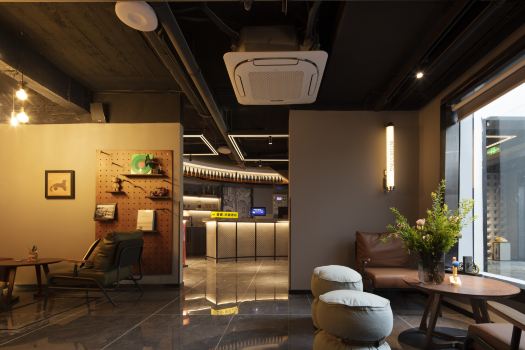
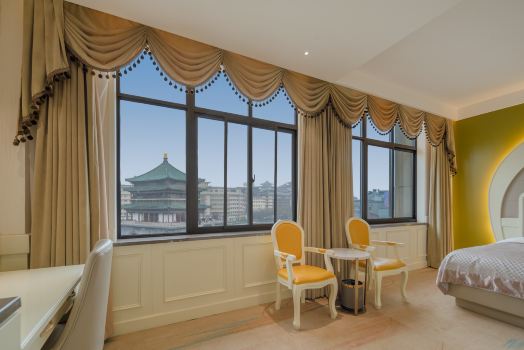
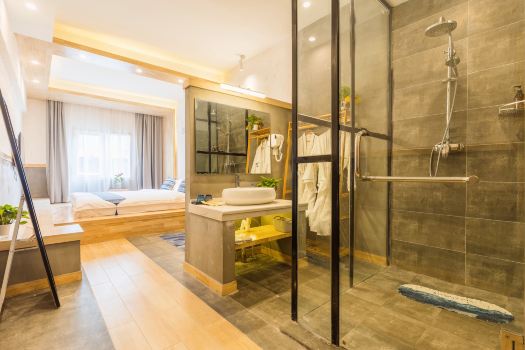
Recommended Hotels in Xian






🚌 Taking the Bus & Airport Shuttle in Xi’an
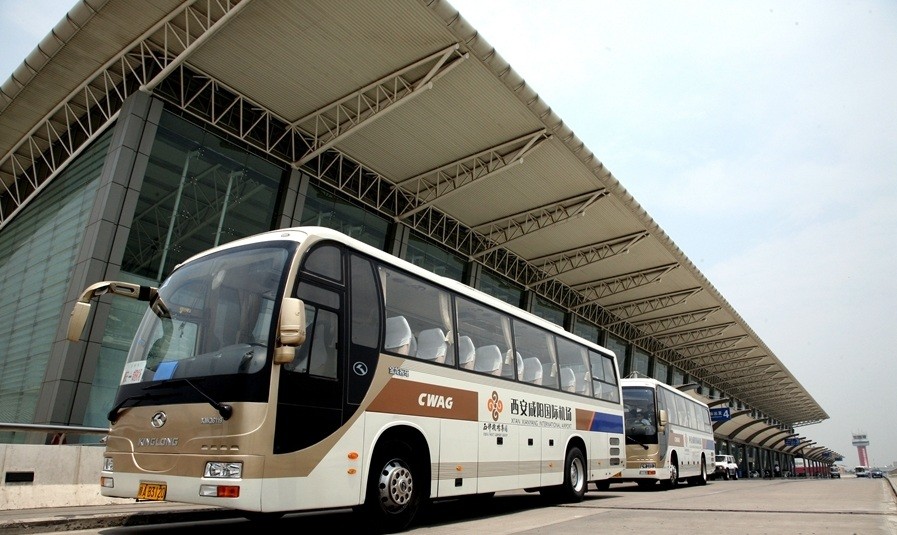
If you want to travel beyond the metro lines—or simply prefer a more local, budget-friendly experience—Xi’an’s bus system is a solid option. As a Malaysian traveller, I found the routes a little confusing at first, especially since most signs and announcements are in Chinese. But once you get familiar with it, the buses are reliable, inexpensive, and cover parts of the city that the metro doesn’t reach, including suburban neighbourhoods, scenic parks, and residential areas.
🚌 Local Bus System Overview
Xi’an’s public bus network is extensive, connecting both the city centre and outer districts.
- Most locals use it for daily commuting, but visitors can take advantage of it too—especially for short rides within the old city walls.
- Many routes link directly with metro stations, so it’s easy to combine both systems for a flexible trip.
- Air-conditioned buses make travel comfortable, even during Xi’an’s hot summers or chilly winters.
📍 When & Where to Use the Bus
Consider taking the bus if you’re:
- Visiting smaller temples, parks, or neighbourhoods not covered by the metro.
- Travelling short distances within the city centre.
- Exploring local life while keeping costs low—fares typically start from just a few yuan (around RM1–2).
Some routes that may interest travellers:
- City Wall Loop Buses – Great for getting around the inner city districts.
- Qujiang New District Routes – Pass by scenic spots like the Big Wild Goose Pagoda and Datang Everbright City.
- Suburban Lines – Lead to quieter areas and cultural sites outside the city core.
💳 How to Pay & Ride
- The easiest option is the Chang’an Tong transportation card, which works for both buses and the metro. Simply tap when boarding.
- Most buses also accept Alipay or WeChat Pay—just scan the QR code inside the bus.
- If you’re paying with cash, prepare exact change (no change is given).
- To get off, press the stop button or move toward the exit door before your stop.
🕒 Timings & Frequency
- Most buses operate from 6:00am to 10:30pm, though hours vary depending on the route.
- Frequency differs:
- City routes – Every 10–15 minutes
- Suburban routes – Every 20–40 minutes
- Expect slight delays during rush hours or bad weather.
✈️ Airport Shuttle & Bus Options
If you’re travelling between Xi’an Xianyang International Airport and the city centre:
- Airport Shuttle Buses – Several routes connect the airport to key areas like Bell Tower, Xi’an Railway Station, and Xi’an North Railway Station.
- Tickets – Usually cost ¥20–30 (RM13–20) depending on the destination.
- Operating Hours – From around 6:00am until the last flight arrival.
- Where to Buy – Tickets are available at counters inside the airport, online, or directly from the driver.
These buses are ideal if:
- You’re arriving late at night or early morning.
- You have heavy luggage and prefer a direct connection.
- You want a cheaper alternative to taxis or Didi.
✅ Pros & Who It’s Good For
- Perfect for budget travellers or those who want to experience Xi’an like a local.
- Great for reaching scenic and cultural spots beyond the metro network.
- Comfortable, air-conditioned, and safe for solo travellers and families alike.
⚠️ What to Watch Out For
- Most bus stop signs and route maps are in Chinese—use Google Maps, Baidu Maps, or the MetroMan app to check directions.
- Real-time bus tracking isn’t always accurate.
- Bus drivers may not speak English, so it helps to have your destination written in Chinese.
- Avoid travelling during rush hours (7:30–9:00am, 5:30–7:00pm) to skip crowds and delays.
🚕 Taxis & Ride-Hailing in Xi’an

If you’re travelling with family, carrying luggage, or prefer door-to-door convenience, taxis and ride-hailing are excellent ways to get around Xi’an. Both are easy to find, but as in Kuala Lumpur, ride-hailing apps have become the preferred choice for most locals and tourists.
🚖 Availability & Reputation
- Taxis are common throughout Xi’an and can be found at the airport, train stations, major attractions, and hotels.
- All taxis are metered, and fares are generally fair, though most drivers speak only Chinese.
- Ride-hailing services are more convenient and popular, especially among younger locals and international travellers.
- Always use licensed taxis—these are clearly marked with official signage and company logos.
- Cash is accepted in taxis, but ride-hailing services rely on mobile payment apps like Alipay or WeChat Pay.
📱 Popular Ride-Hailing Apps in Xi’an
- Didi Chuxing is China’s most trusted ride-hailing platform (similar to Grab in Malaysia).
- Available on both the App Store and Google Play (international users may need to set up WeChat Pay or Alipay for payments).
- Offers various ride types: standard cars, taxis, premium rides, and carpooling.
- Key features include: upfront fare display, digital receipts, and the option to schedule rides in advance.
- Some hotels also provide private car booking services, but Didi is the simplest and most reliable for tourists.
💸 Fare Estimates & Payment Options
- Short city rides (within central Xi’an): ¥10–25 (RM7–17).
- Bell Tower to Big Wild Goose Pagoda: around ¥20–35 (RM14–24).
- City centre to Xi’an North Railway Station: ¥35–50 (RM24–35).
- City centre to Xianyang International Airport: ¥80–120 (RM55–85), depending on traffic and route.
Payments:
- Didi rides are paid via WeChat Pay or Alipay (set these up before your trip).
- Taxis accept cash, but exact change is recommended.
- Ride-hailing fares may increase during rush hours or rainy weather.
🛬 Airport Pickup Information (Xi’an Xianyang International Airport)
- Ride-hailing pickup zones are clearly marked outside each terminal.
- For taxis, follow the signs to the official taxi queue—avoid touts or unlicensed drivers offering rides inside the arrivals area.
- The trip to downtown Xi’an usually takes 40–60 minutes, depending on traffic.
✅ Best For These Travellers
👨👩👧👦 Families or groups travelling with kids or elderly passengers.
🧳 Visitors carrying heavy luggage or multiple shopping bags.
🌙 Late-night or early-morning arrivals when the metro isn’t running.
🏨 Travellers staying in areas not directly connected to metro lines.
⚠️ Things to Watch Out For
- Most taxi drivers don’t speak English, so have your destination written in Chinese characters.
- Avoid unofficial drivers—they often overcharge or operate illegally.
- Expect longer wait times during peak hours, weekends, or rainy days.
- Always double-check the license plate number and driver details before entering the vehicle.
🚶 Walking & Exploring on Foot in Xi’an

Source: Advantour
Walking in Xi’an is one of the best ways to experience the city’s unique blend of history and modern life. Unlike hilly Chongqing, Xi’an is mostly flat and compact, making it far more walkable and comfortable to explore—especially within the old city walls. Strolling through Xi’an lets you soak up its atmosphere, discover hidden alleyways, taste local street food, and come face to face with centuries of heritage at every corner.
🚶 Is Xi’an Walkable?
Yes—Xi’an is very walkable, especially around the city centre and historical districts. Many key attractions are close together and connected by wide pedestrian streets and well-maintained sidewalks. Some of the best areas to explore on foot include:
- Bell Tower & Drum Tower Area – The heart of Xi’an, surrounded by shopping streets, cafes, and the famous Muslim Quarter for halal street food.
- South Gate (Yongningmen) – Perfect for walking along or around the ancient city wall, with scenic views and open spaces.
- Big Wild Goose Pagoda – Spacious pedestrian zones, fountains, and cultural parks make it ideal for leisurely walks.
- Datang Everbright City (Datang Furongyuan) – A beautifully lit pedestrian street at night, filled with music, performances, and photo spots.
🛣️ Sidewalks, Crossings & Accessibility
- Sidewalks: Well-paved and spacious in central districts, with plenty of shaded areas and benches.
- Crossings: Major intersections have clear zebra crossings and pedestrian signals—just wait for the green light before crossing.
- Accessibility: Most tourist areas are wheelchair- and stroller-friendly, though cobblestone paths in older areas can be uneven.
- Bicycles & E-scooters: Be mindful of shared bikes and scooters that sometimes use the same sidewalks.
🗺️ Maps, Signage & Safety
- Navigation: Google Maps works for general directions, but Baidu Maps or MetroMan provide more accurate local routes.
- Signage: Tourist zones have bilingual signs (Chinese + English), especially around attractions and metro exits.
- Safety: Xi’an is very safe for walking, even at night. Busy areas stay lively late into the evening, but as always, avoid poorly lit alleys.
🌦️ Weather Considerations
- Spring & Autumn: The best seasons for walking—pleasant temperatures and clear skies.
- Summer: Can get hot and dry; carry water, sunscreen, and a hat.
- Winter: Cold but manageable; wear warm layers, especially if walking along the city walls.
- Rain: Showers are occasional—an umbrella or rain jacket comes in handy.
📸 Scenic Walks & Hidden Gems
- Xi’an City Wall Walk: Rent a bike or walk along the 14km wall for panoramic city views. 🏯
- Muslim Quarter Streets: A sensory feast of food stalls, spices, and souvenirs—best explored at night. 🍢
- Datang Everbright City: A modern pedestrian avenue glowing with lights and street performances. 🌃
- South Gate Park: Peaceful greenery and quiet corners, perfect for a morning stroll. 🌳
- Small Wild Goose Pagoda Park: Serene and less crowded, offering a calm escape from the city bustle. 🕊️
✅ Who It’s Great For
- Solo travellers & couples who love slow-paced exploration.
- Food lovers looking to discover Xi’an’s street snacks and local flavours.
- Photographers drawn to the mix of ancient architecture and modern lights.
- Families with children or elderly members who prefer flat, accessible walking routes.
⚠️ What to Watch Out For
- Crowds: Popular areas like the Muslim Quarter can get packed at night and on weekends.
- Heat: During summer, avoid walking long distances in the afternoon.
- Traffic: Be alert when crossing smaller streets where scooters may not stop for pedestrians.
- Construction zones: Some streets near metro expansion areas may have temporary detours—check maps before heading out.
🛺 Unique Local Transport in Xi’an
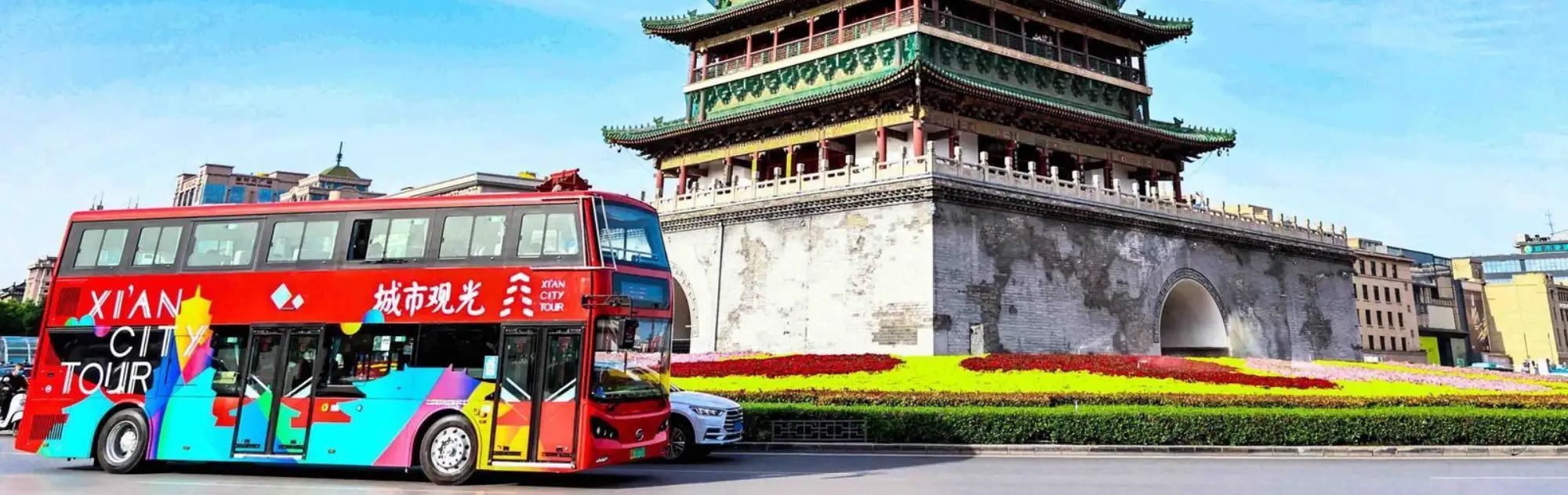
Source: China Xian Tour
Xi’an isn’t just about its ancient city walls and terracotta warriors—it also offers a few distinctive and memorable ways to get around. The city blends history with modern convenience, and you’ll find both efficient public transport and charming old-fashioned rides that make travelling here part of the fun. As a Malaysian traveller, I found exploring Xi’an this way both practical and culturally enriching—it felt like stepping through different layers of history while moving through the city.
🚴 Cycling on the Ancient City Wall
| Feature | Details |
|---|---|
What It Is & Where to Find It | The Ancient City Wall surrounds Xi’an’s old town, and visitors can rent bicycles to ride along the top. You can access it from several gates, with South Gate (Yongningmen) being the most popular entry point. |
Cost & How to Ride | Around RMB 45–100 (RM30–RM65) for a 2-hour bike rental, depending on the type (single or tandem). Rentals are available at multiple stations along the wall. |
When It’s Worth Trying | Late afternoon for cooler weather and golden-hour views 🌇; evening rides are also beautiful with the wall’s soft lighting. |
Things to Watch Out For | The full wall loop is 14 km—prepare for a workout! Surfaces can be uneven, and it gets windy in winter. |
Best For | Couples, families, or anyone who loves a mix of history and outdoor activity. |
🛺 Electric Buggies Around the City Wall
| Feature | Details |
|---|---|
What It Is & Where to Find It | Eco-friendly electric carts that circle the base of the City Wall, offering a relaxed and scenic ride around Xi’an’s old town. |
Cost & How to Ride | Usually RMB 30–50 (RM20–RM35) depending on distance. You can hop on at major gates like South Gate or East Gate. |
When It’s Worth Trying | Ideal for those who want to see the City Wall without walking or cycling the full distance—especially in hot or cold weather. |
Things to Watch Out For | Limited English signage; drivers usually follow fixed routes with brief stops for photos. |
Best For | Families with children, elderly travellers, or those who prefer a relaxed sightseeing option. |
🐎 Horse Carriages in Datang Everbright City
| Feature | Details |
|---|---|
What It Is & Where to Find It | Traditional-style horse-drawn carriages that operate around Datang Everbright City, offering a nostalgic and romantic ride through one of Xi’an’s most beautifully lit night areas. |
Cost & How to Ride | Around RMB 60–100 (RM40–RM65) for a short ride. Tickets are purchased directly from carriage operators. |
When It’s Worth Trying | Best experienced at night 🌃, when the street is illuminated with lanterns, music, and cultural performances. |
Things to Watch Out For | Carriages move slowly and may be limited during rainy days or peak crowds. |
Best For | Couples, families, and anyone who enjoys cultural and night-time photo spots. |
🚋 Tourist Sightseeing Bus (Xi’an City Tour Bus)
| Feature | Details |
|---|---|
What It Is & Where to Find It | A hop-on-hop-off style sightseeing bus that connects major attractions such as the Bell Tower, Big Wild Goose Pagoda, and the Shaanxi History Museum. |
Cost & How to Ride | RMB 20–40 (RM13–RM26) depending on the route. Tickets can be bought at main stops or through local apps like Alipay or WeChat. |
When It’s Worth Trying | Great for covering long distances between attractions in comfort, especially on hot or rainy days. |
Things to Watch Out For | Check the latest schedule—service hours may vary by season. |
Best For | First-time visitors, families, and those short on time who want to see the highlights efficiently. |
✅ Who It’s Great For
- Travellers who love mixing culture with comfort and local charm.
- Photographers looking for unique city perspectives—from cycling on ancient walls to night rides through glowing streets.
- Families or elderly visitors who prefer easy sightseeing without much walking.
⚠️ Things to Watch Out For
- Weather changes: Summer heat or winter wind can affect outdoor rides—bring water or dress warmly.
- Language barriers: Some rides (like the buggies or carriages) may not have English-speaking drivers.
- Peak times: Popular spots like Datang Everbright City and South Gate can be crowded in the evening.
- Cash or digital payment: Always have WeChat Pay, Alipay, or small cash ready for quick transactions.
Flights from Kuala Lumpur to Xian
- Pergi Balik
- Sehala
 KUL15:1018j 20m1 stopsXIY09:30Kuala Lumpur - Xi'an|Rab, 28 Okt|Sichuan AirlinesXIY21:2016j 50m1 stopsKUL14:10Xi'an - Kuala Lumpur|Jum, 30 Okt|Sichuan AirlinesSEK 2,326SEK 3,06124% offCari24% offSEK 3,061SEK 2,326
- KUL15:1018j 20m1 stopsXIY09:30Kuala Lumpur - Xi'an|Rab, 28 Okt|Sichuan AirlinesXIY21:2016j 50m1 stopsKUL14:10Xi'an - Kuala Lumpur|Sel, 3 Nov|Sichuan AirlinesSEK 2,326SEK 3,06124% offCari24% offSEK 3,061SEK 2,326
- KUL15:1018j 20m1 stopsXIY09:30Kuala Lumpur - Xi'an|Jum, 30 Okt|Sichuan AirlinesXIY21:2016j 50m1 stopsKUL14:10Xi'an - Kuala Lumpur|Jum, 6 Nov|Sichuan AirlinesSEK 2,326SEK 3,06124% offCari24% offSEK 3,061SEK 2,326
 KUL13:0018j 20mTanpa hentiSIA14:00Kuala Lumpur - Xi'an|Mon, Sep 6|Normal Airline
 SIA13:0018j 20mTanpa hentiKUL14:00Xi'an - Kuala Lumpur|Mon, Sep 6|Normal AirlineCari Penerbangan LainCari Penerbangan Lain
🚤 Water Transport in Xi’an (Qujiang Lake & City Cruises)

Source: AVG Travel
Xi’an may be best known for its ancient walls and historical landmarks, but it also offers a peaceful side through its scenic lakes and waterways. While the city isn’t built around major rivers like Chongqing or Shanghai, it still provides beautiful opportunities to enjoy the water—especially around Qujiang New District, where modern leisure meets Xi’an’s rich heritage.
As a Malaysian traveller, I found these water experiences to be a refreshing break from temple-hopping and museum visits—an unexpectedly calm and romantic way to see the city from a different angle.
⛴️ What’s Available:
Water transport in Xi’an mainly comes in the form of leisure boat rides and short sightseeing cruises, rather than practical commuting options.
- Qujiang Pool Heritage Park (曲江池遗址公园) and Datang Furong Garden (大唐芙蓉园) both offer scenic boat rides that recreate the charm of ancient Tang Dynasty waterways.
- Qujiang Lake is another popular spot for paddle boats, family cruises, and illuminated evening rides.
- During festivals, themed boats often feature traditional music, light shows, and even cultural performances on the water.
🗺️ Where It Goes:
- Datang Furong Garden: Enjoy a short cruise through the lake while surrounded by Tang-style architecture, colorful lanterns, and music performances.
- Qujiang Pool: This tranquil lake once served as a royal garden during the Tang Dynasty; today, it’s perfect for gentle rowboat rides or sunset views.
- Chanba Ecological District: Located northeast of the city, it’s home to wider riverbanks and eco-friendly sightseeing boats that glide through natural scenery.
💸 Tickets & How to Ride:
- Small paddle boats: around RMB 30–60 (RM20–RM40) per hour.
- Scenic cruises: between RMB 50–120 (RM35–RM80) depending on the type of boat and duration.
- Tickets can be purchased directly at the docks, through official park websites, or apps like Ctrip (Trip.com) and Meituan.
- Payments are easy — most places accept WeChat Pay, Alipay, or cash.
🕒 Timings & Frequency:
- Most lakes and park boats operate from 9:00 AM to 9:00 PM, with last rides typically departing around 8:30 PM.
- The evening cruises are particularly magical, as the water reflects the glowing pagodas and lantern-lit walkways of Datang Everbright City.
🎯 Who It’s Best For:
- Couples looking for a romantic evening or photo-worthy sunset.
- Families who want a peaceful outdoor activity that’s easy and fun.
- Culture lovers who appreciate Tang-style architecture and historical scenery.
⚠️ Watch-Outs or Considerations:
- Weather: Xi’an can get hot in summer and cold in winter—check the temperature before heading out.
- Availability: Boat rides may be paused during bad weather or major events.
- Language: Staff at smaller lakes may not speak English, so having the name of your chosen ride in Chinese helps.
- Crowds: Datang Furong Garden and Qujiang Lake can get busy at night—arrive early if you want a good spot.
📸 Local Flavour:
Gliding across Qujiang Lake at night, surrounded by shimmering reflections of Tang-style palaces and music echoing from nearby performances, feels like stepping into a living painting. It reminded me of evening strolls by Putrajaya Lake—peaceful, scenic, and beautifully lit. Whether it’s a quiet daytime paddle or a glowing night cruise, water rides in Xi’an offer a calm yet captivating way to experience the city’s elegant charm. 🌙🚤
🛵 Motorbike Taxis, Scooters & Micro-Mobility in Xi’an
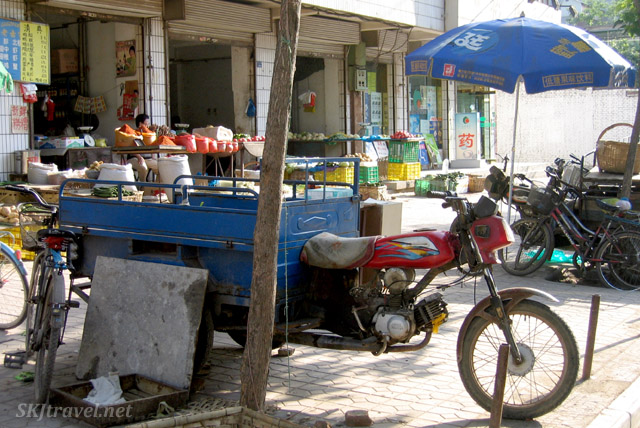
Source: SKJ Travel
While Xi’an is best explored on foot or by metro, there are times when you’ll want something faster and more flexible—especially for short hops between attractions or when connecting from a metro station to your hotel. In recent years, the city has embraced e-scooters, shared bikes, and other micro-mobility options, making it easier for travellers to move around efficiently without relying entirely on taxis or buses.
📍 Where to Find Them:
- Shared e-bikes and scooters: Widely available around metro stations, tourist areas, university districts, and major roads. You’ll often see them lined up neatly in yellow, blue, or green zones.
- Common apps include Meituan Bike (美团单车), Hello Bike (哈啰单车), and Alipay’s Bluegogo.
- Motorbike taxis (摩的 / “modi”): These are less common than in southern cities but can still be found near large transport hubs or in suburban areas. They’re often used by locals for short uphill rides or quick trips.
📲 How to Use:
For shared bikes and scooters:
- Download Meituan, Hello Bike, or use Alipay’s built-in bike rental service.
- Link a payment method such as WeChat Pay, Alipay, or an international card (if supported).
- Scan the QR code on the bike or scooter to unlock.
- Ride responsibly and park only in the designated return zones shown in the app.
For motorbike taxis:
- You can book through Didi Chuxing (滴滴出行) or hail one directly in areas with fewer cars.
- If you hail one informally, confirm the fare upfront before riding.
💰 Price Range:
- Shared bikes and scooters: Around RMB 1–2 (RM0.60–RM1.20) per 15 minutes.
- Motorbike taxis: Usually RMB 5–20 (RM3–RM14) depending on distance and location.
- Most apps charge automatically through your linked payment method.
🛡️ Safety Tips:
- Always wear a helmet if provided—especially for motorbike taxis.
- Xi’an’s roads are generally flat and well-maintained, but traffic can be busy near the city walls and Datang Everbright City, so ride cautiously.
- Avoid riding during rainy or smoggy days, as visibility can be poor.
- Stick to designated bike lanes and avoid pedestrian paths or crowded tourist zones.
✅ Ideal For:
- Short-distance trips between metro stations and attractions.
- Solo travellers who want a cheap, flexible way to explore nearby sights.
- Moving efficiently around large areas like Qujiang District, Xiaozhai, or Datang Everbright City without waiting for taxis.
⚠️ What to Watch Out For:
- Coverage: E-scooter and bike-sharing services are most common in central and new urban areas; not all suburban spots have them.
- Parking rules: Always return the bike or scooter to a marked parking zone to avoid fines.
- Weather: Xi’an can get very hot in summer and cold in winter, so plan your rides accordingly.
- Luggage: Not suitable if you’re carrying heavy bags, shopping, or bulky items.
🧭 Local Tip:
Riding an e-bike around Qujiang Lake or Datang Everbright City in the evening is one of the most enjoyable ways to see Xi’an’s modern side. The streets are wide, the air is calm, and the glowing Tang-style architecture makes the experience feel both futuristic and timeless.
🚗 Car Rentals & Driving in Xi’an

Source: China Xian Tour
If you’re planning to explore beyond Xi’an’s city centre—perhaps to the Terracotta Warriors, Mount Hua (Huashan), or the rural areas of Shaanxi Province—renting a car can be a convenient option. However, driving in Xi’an isn’t as simple as cruising along Malaysia’s highways. The city has a mix of modern expressways, narrow ancient streets, and busy roundabouts near popular attractions. For most visitors, public transport and ride-hailing apps are more practical, but confident drivers may enjoy the freedom of having their own wheels.
🚘 When It Makes Sense to Drive:
Driving is worth considering if:
- You’re planning day trips to places like Huashan, Famen Temple, or Qinling Mountains.
- You’re travelling as a family or group, and prefer the privacy and comfort of a car.
- You’re staying in suburban areas or resorts where public transport is less frequent.
Inside the city itself, though, the metro and taxis are usually faster and easier, especially around busy districts such as the City Wall, Bell Tower, or Qujiang.
📍 Where to Rent a Car:
- Xi’an Xianyang International Airport (XIY): Major rental companies such as Hertz, Avis, and local providers operate here.
- Downtown Xi’an: Branches can be found near Xi’an Railway Station, Zhonglou (Bell Tower), and Xiaozhai.
- Online booking: It’s best to reserve in advance through platforms like Trip.com or Zuzuche for better rates and English-language support.
📄 Requirements for Tourists:
- International Driving Permit (IDP): Required for foreigners; a Malaysian licence alone is not valid in China.
- Minimum age: Usually 23–25 years old, with at least one year of driving experience.
- Documents needed: Passport, IDP, and a credit card for the security deposit.
- Insurance: Basic coverage is included, but it’s wise to upgrade for full protection, especially when driving long distances.
💸 Cost Overview:
- Daily rental rates: Around RMB 200–300 (RM130–200) for a compact car. Larger SUVs can reach RMB 500–600 (RM350–420) per day.
- Deposit: Usually RMB 2,000–5,000 (RM1,400–3,500), held on your credit card.
- Fuel policy: Full-to-full—return the car with a full tank.
- Other costs:
- Expressway tolls apply when driving outside the city.
- Parking fees: Around RMB 5–10 (RM3–7) per hour in malls or tourist zones.
- No congestion charges, but traffic can be heavy during rush hours.
🛣️ Driving Conditions & Local Culture:
- Right-hand driving (opposite of Malaysia/Singapore).
- Road signs are mostly in Chinese, with English translations on main highways and tourist routes.
- Local driving habits can be unpredictable—expect sudden lane changes or quick turns.
- Navigation apps: Use Baidu Maps or Amap (Gaode) for accurate directions. Both are in Chinese, but you can set English interface options in some versions.
- Google Maps does not work in mainland China.
⚠️ What to Watch Out For:
- City driving: Narrow lanes near the City Wall and heavy traffic around Bell Tower can be challenging.
- Parking: Limited near tourist hotspots—look for underground or hotel parking areas.
- Weather: Winter snow or summer rain can make driving conditions slippery.
- Traffic congestion: Common during weekends and holidays, especially near Datang Everbright City and Dayan Pagoda.
✅ Ideal Travellers:
- Families or groups planning day trips to nearby attractions.
- Adventurous drivers who enjoy flexibility and off-the-beaten-path experiences.
- Business travellers visiting industrial zones or suburban offices outside the metro network.
🚙 Local Tip:
If you’re planning to drive to Huashan, leave early in the morning to avoid traffic and enjoy the scenic two-hour journey through Shaanxi’s countryside—it’s one of the most rewarding road trips near Xi’an.
✈️ Navigating Xi’an with Ease

Getting around Xi’an is more than just travelling from one attraction to another — it’s part of experiencing the city’s charm. Whether you’re gliding through modern metro stations, walking along the ancient City Wall, or hopping into a Didi to explore local markets, every journey reveals a different side of this historic yet fast-evolving city.
At first, it can feel a little confusing — the metro interchanges are busy, traffic near tourist areas can get heavy, and most signs are in Chinese. But once you get used to it, Xi’an’s transport network is reliable, efficient, and affordable for travellers.
The best way to explore? Mix things up. Take the metro for quick and easy access to major attractions like the Bell Tower and Big Wild Goose Pagoda, use Didi for flexibility, and walk or cycle within the old city to soak up the local atmosphere. Having mobile data or an eSIM is incredibly useful for navigating maps, translation apps, and ride-hailing services.
Xi’an’s balance of ancient streets and modern transport makes getting around not just convenient, but also an enjoyable part of your travel experience. Once you settle into the city’s pace, moving around feels smooth, simple, and surprisingly rewarding.
FAQs: Getting Around in Xi’an
-
Is public transport in Xi’an tourist-friendly? 🚇
-
Should I use Didi or taxis in Xi’an? 🚕
-
Can I pay for metro and buses with a card? 💳
-
Is it safe to walk around Xi’an? 🚶♂️