

Taxis and Ride-Hailing
Source: China Xian Tour
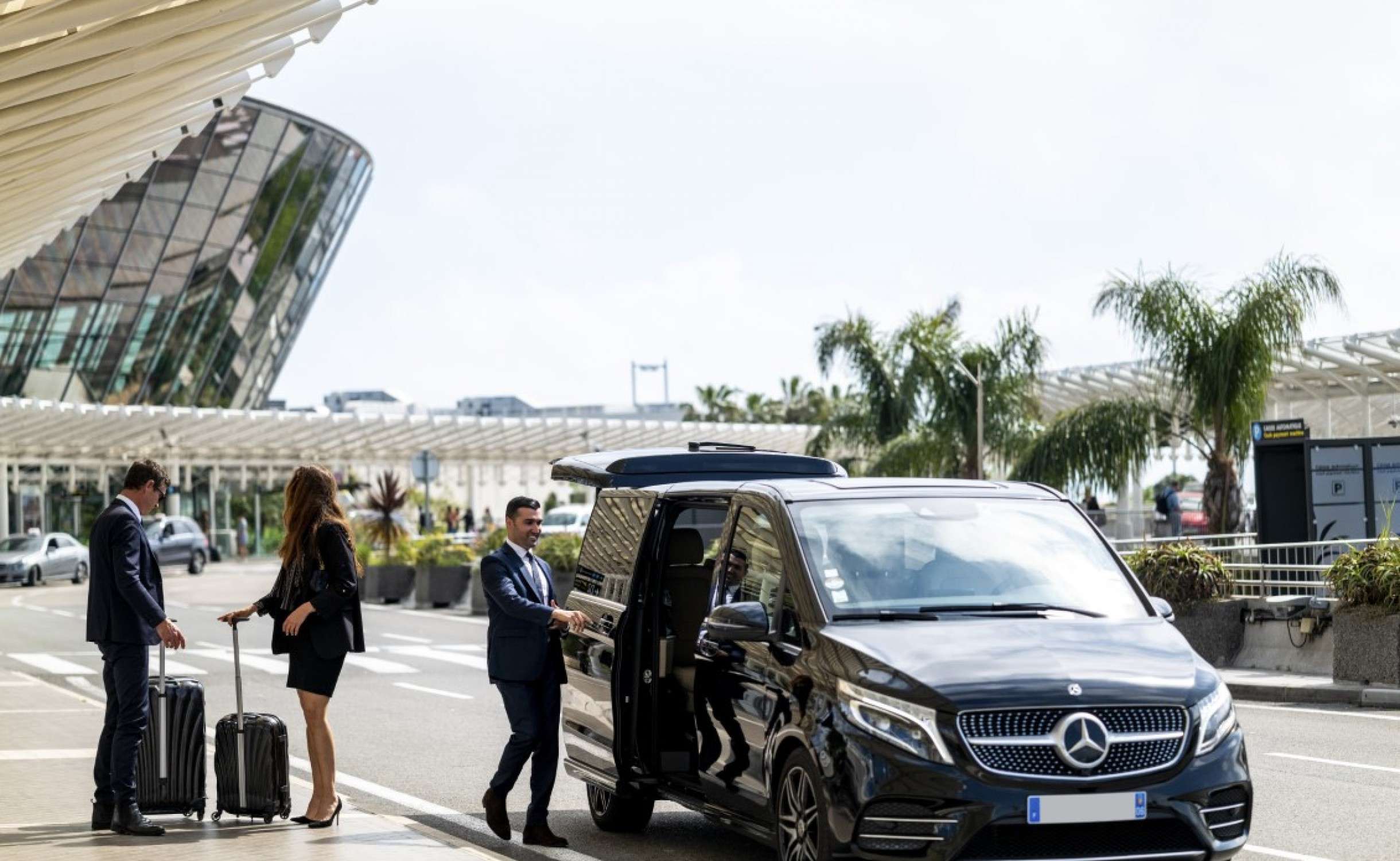
Getting around Harbin by taxi or ride-hailing service is simple and convenient, especially for travellers arriving late at night, carrying bulky winter luggage, or heading to attractions not served by the metro.
Availability and Ease of Use
Metered taxis are easy to find at Harbin Taiping International Airport, major railway stations, popular tourist areas such as Central Street, and outside large hotels. For app-based services, DiDi—often called “China’s Grab”—operates 24/7 and is the most reliable ride-hailing option.
Fares and Payment
- Base Fare: Around RMB 9–10 (≈RM 6–7) for the first 3 km, then roughly RMB 2.2–2.5 per km depending on the district.
- Airport to City Centre: A trip from Harbin Taiping International Airport to Central Street typically costs RMB 100–130 (≈RM 60–80), depending on traffic and weather.
- Surcharges: Expect a small fuel surcharge and slightly higher rates during late-night hours (after 11 p.m.) or heavy snow conditions.
Ride-Hailing DiDi
- English Interface: Download the DiDi app before your trip and switch to English for easier booking.
- Payment Options: Travellers can link many international credit or debit cards, or connect DiDi to Alipay or WeChat Pay for seamless cashless transactions.
- Vehicle Choices: Choose from standard, premium, or larger vehicles if you’re travelling with family or extra winter gear.
Travel Tips
- Address in Chinese: Keep your hotel or destination name written in Chinese characters to show drivers, as most do not speak English.
- Book Early in Winter: During the Ice and Snow Festival or in heavy snowfall, demand is high—reserve via DiDi a bit earlier to avoid long waits.
- Check the Meter: If you flag a street taxi, confirm that the meter is running and request an e-receipt from the driver or through the DiDi app for easy expense track
🔥Travel to Hangzhou
Enjoy discounts with Xihu District, Hangzhou!
Public Buses and E-Buses
Source: China Odyssey Tours
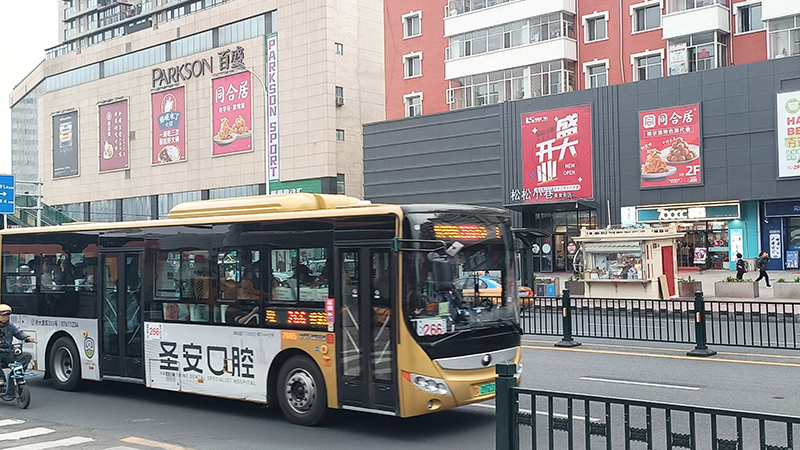
Harbin’s extensive bus network offers a convenient and budget-friendly way for travellers to explore neighbourhoods and attractions that are not directly served by the metro. With hundreds of routes and an increasing number of electric buses, it’s a practical option for visitors who prefer a slower, more scenic journey through the “Ice City.”
Wide City Coverage
More than 200 routes connect major districts, suburban areas, and key sights such as Sun Island Scenic Area, Siberian Tiger Park, and the Harbin Ice and Snow World (with seasonal shuttle services in winter). Buses also reach residential neighbourhoods and smaller local markets, making them ideal for travellers who want to experience everyday Harbin life beyond the main tourist corridors.
Modern, Comfortable Fleet
Many buses are now all-electric or hybrid, providing a quieter, cleaner ride. Vehicles are heated in winter, with clear route numbers and electronic displays in Chinese and English. Most routes operate from early morning until about 10:30–11:00 p.m., with frequent departures even during the coldest months.
Easy Cashless Payment
The system is largely cashless, which is convenient for Malaysian visitors. Simply tap a Harbin Tong smart card or scan a QR code using Alipay or WeChat Pay. Both apps accept many Malaysian debit and credit cards, allowing you to pay directly without carrying RMB.
Travel Tips
- Check Routes in Advance: Use the Harbin Bus mini-program in WeChat or Baidu Maps (English mode) for real-time schedules and route planning.
- Keep Small Change as Backup: While most buses no longer take cash, a few suburban routes may still require coins or small bills.
- Board Early for Scenic Trips: If you plan to visit popular winter attractions like Sun Island, board earlier in the day to secure a seat and avoid evening traffic or delays caused by heavy snow.