

The Complete 2026 Guide: How to Commute from Osaka to Kyoto

Oleh LEO
3 Julai 2026
Key Takeaways:
- The JR Tokaido Shinkansen is the fastest way to travel from Osaka to Kyoto, taking just 15 minutes from Shin-Osaka Station.
- The JR Kyoto Line offers the best balance of speed and cost, connecting Osaka Station to Kyoto Station in 29 minutes for just ¥580.
- Hankyu and Keihan railways are the most budget-friendly options and provide direct access to downtown Kyoto and major tourist districts like Gion.
- Using an IC card (ICOCA, Suica) or a regional rail pass can save you significant time and money depending on your broader Kansai itinerary.
- Knowing which Osaka station you are departing from (Umeda, Namba, or Shin-Osaka) dictates the most efficient train choice for your journey.
Traveling from Osaka to Kyoto is one of the most common and essential journeys for visitors exploring the Kansai region of Japan. Because these two iconic cities are situated just 50 kilometers apart, commuting between them is fast, frequent, and incredibly convenient. Whether you are seeking the high-speed thrill of a bullet train, a cost-effective local commuter line, or direct access to historical districts, Japan's robust railway network has a tailored solution for your itinerary.
For first-time visitors, the sheer number of rail operators—including JR, Hankyu, and Keihan—can feel overwhelming. The secret to a seamless trip is understanding that the "best" Osaka to Kyoto train depends entirely on where you are staying in Osaka and which part of Kyoto you want to visit first. This comprehensive commuter guide breaks down the four primary transportation options, current 2026 fares, travel times, and expert tips to ensure your intercity transit is as smooth as possible.


1. The Fastest Route: JR Tokaido Shinkansen
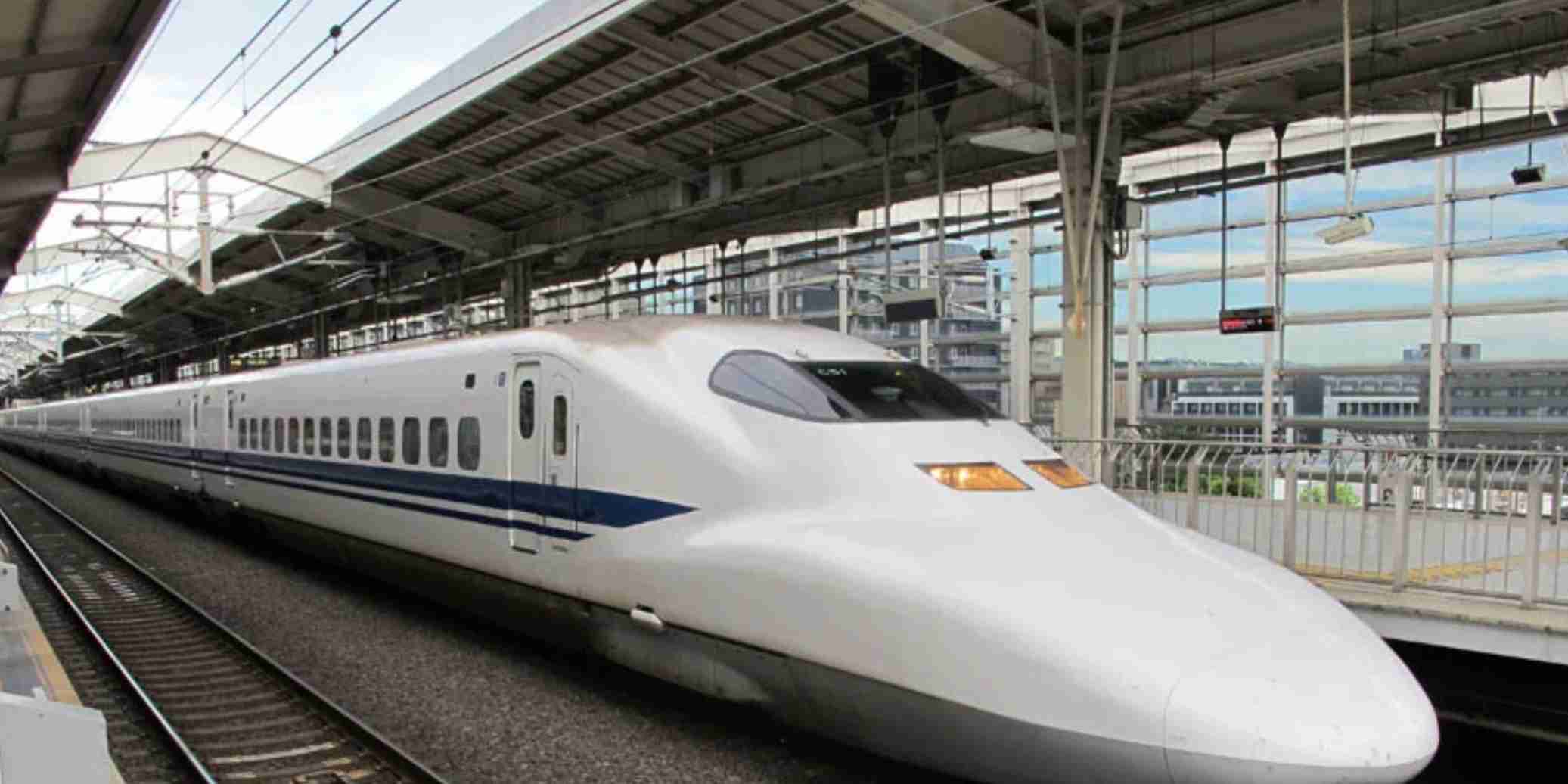
If speed is your absolute top priority, the bullet train is the ultimate choice. The Shinkansen connects Shin-Osaka Station to Kyoto Station in a remarkably swift 15 minutes.
- Departure: Shin-Osaka Station
- Arrival: Kyoto Station
- Travel Time: 15 minutes
- Cost: Approximately ¥1,450 (unreserved seat)
- Best For: Travelers with a nationwide Japan Rail Pass or those staying near Shin-Osaka.
What You Need to Know:
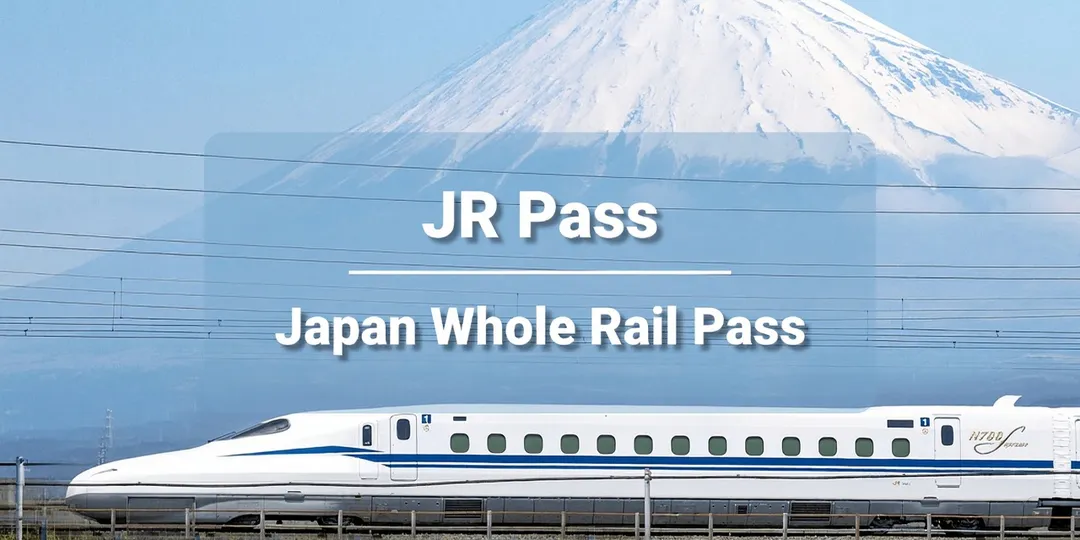
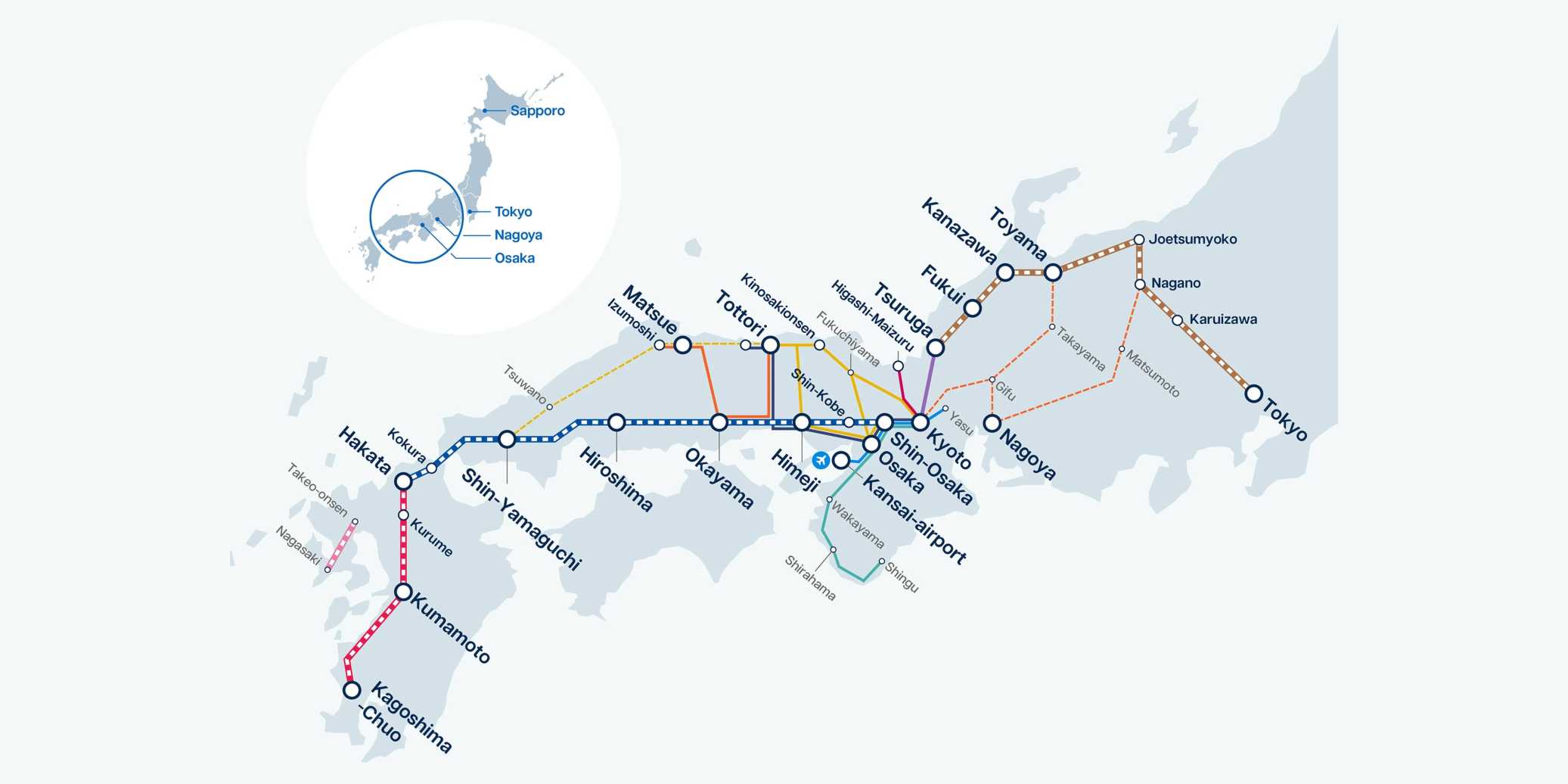
While incredibly fast, the Shinkansen departs exclusively from Shin-Osaka Station, which is located just north of the downtown core. If your hotel is situated in Namba or Umeda, the time spent transferring to Shin-Osaka via the subway might negate the time saved by taking the bullet train. Furthermore, regional JR West passes (like the Kansai Area Pass) do not cover this specific Shinkansen route because it is operated by a different branch, JR Central. Only the nationwide Japan Rail Pass covers the Hikari and Kodama trains on this high-speed line.


2. The Best Balance: JR Kyoto Line
For the vast majority of travelers, the JR Kyoto Line represents the perfect sweet spot between affordability, speed, and convenience. Specifically, the "Special Rapid" (Shin-Kaisoku) service bypasses smaller local stations to deliver you quickly to the ancient capital.
- Departure: Osaka Station (Umeda area)
- Arrival: Kyoto Station
- Travel Time: 29 minutes (Special Rapid)
- Cost: ¥580
- Best For: Travelers based in Umeda or those planning to explore the immediate vicinity of Kyoto Station, such as Kyoto Tower, the railway museum, or central bus terminals.
What You Need to Know:
Trains depart frequently from Platforms 7 and 8 at Osaka Station. Be absolutely sure to board the "Special Rapid" service rather than the "Local" or "Rapid" trains, which can take up to 45 minutes for the exact same fare. Because this is a standard JR commuter line, it is fully covered by both the nationwide Japan Rail Pass and regional Kansai Area passes.
 NO.1
NO.1

3. The Downtown Connection: Hankyu Kyoto Line
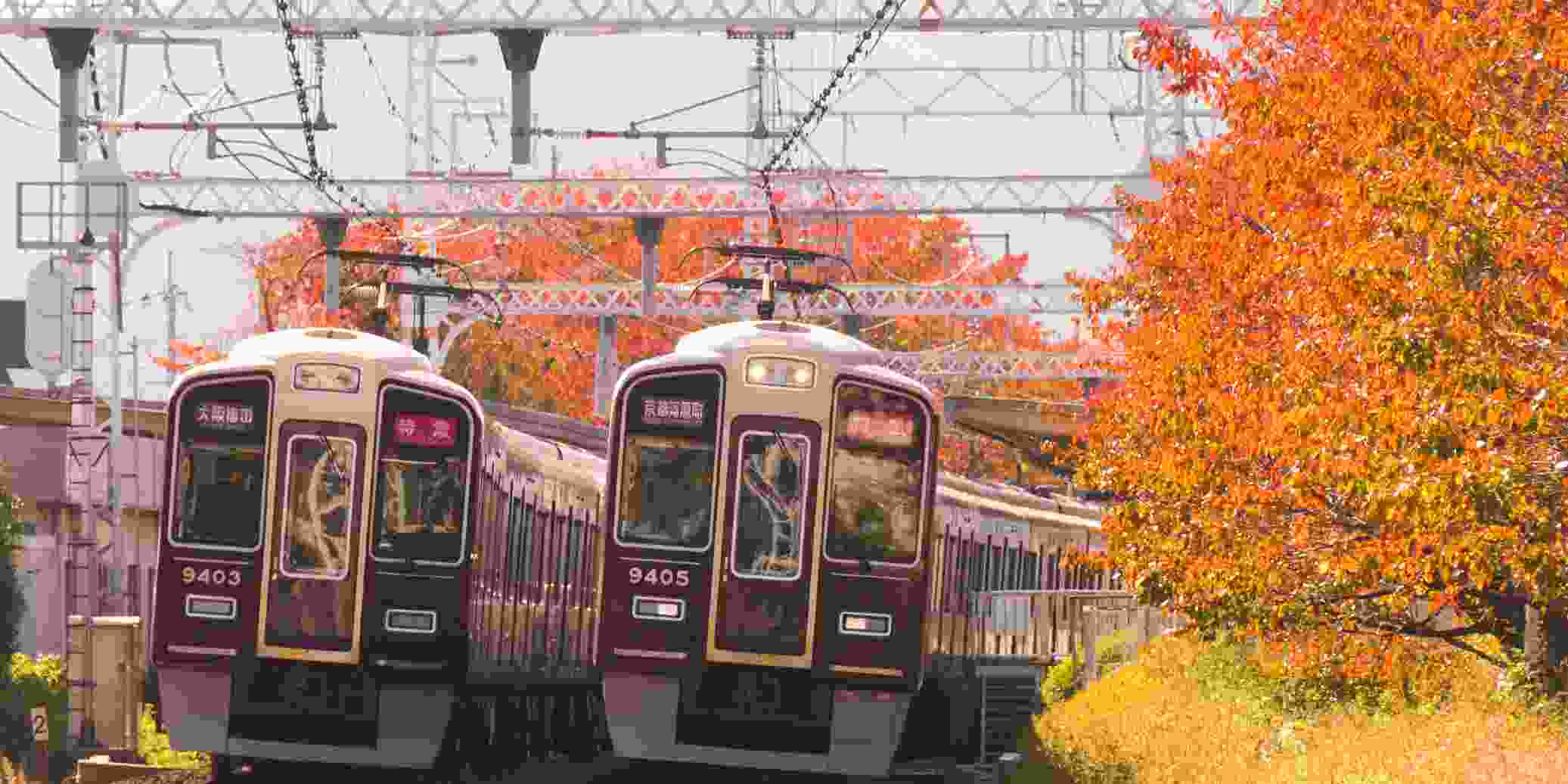
If your itinerary leads you straight to central Kyoto shopping districts or the western scenic area of Arashiyama, the Hankyu Railway is a fantastic, budget-friendly alternative.
- Departure: Osaka-Umeda Station
- Arrival: Karasuma or Kyoto-Kawaramachi Station
- Travel Time: 40 to 45 minutes (Limited Express)
- Cost: ¥410
- Best For: Accessing downtown Kyoto (Nishiki Market, Pontocho Alley) or transferring seamlessly to the Arashiyama branch line.
What You Need to Know:
Hankyu trains drop you right into the pulsing heart of Kyoto at Kawaramachi Station, completely bypassing the massive and sometimes chaotic Kyoto Station. When boarding at Osaka-Umeda, always opt for the Limited Express (Tokkyu) train. Unlike JR, Hankyu does not charge an extra premium fee for its Limited Express service, so you get a faster, more comfortable ride with plush seating for the standard ¥410 ticket.
4. The Sightseeing Route: Keihan Main Line
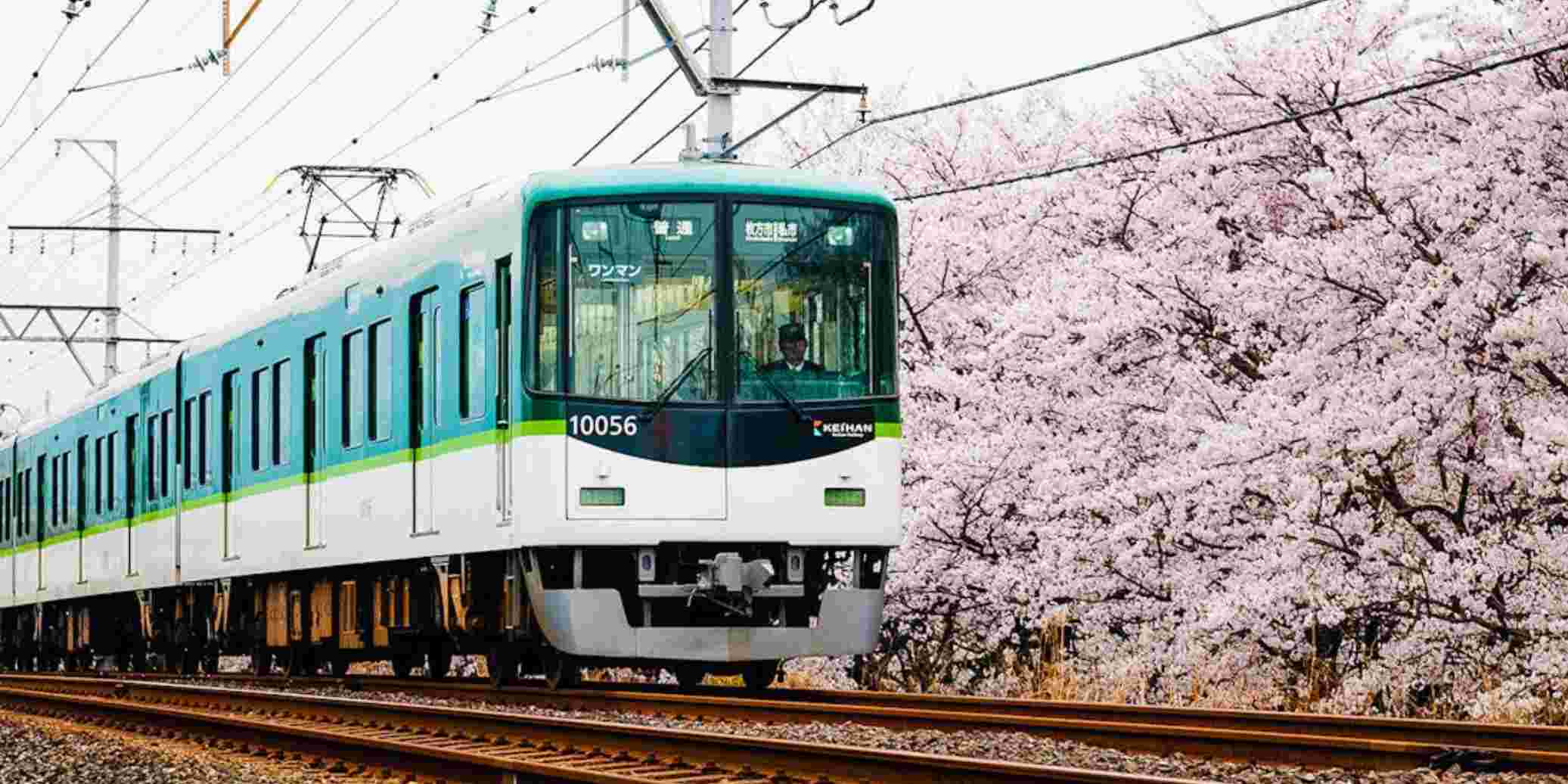
Travelers heading directly to Eastern Kyoto—home to legendary sites like the Fushimi Inari Shrine, Kiyomizu-dera, and the Gion geisha district—should look no further than the Keihan Railway.
- Departure: Yodoyabashi or Kyobashi Station
- Arrival: Sanjo or Gion-Shijo Station
- Travel Time: 50 minutes (Limited Express)
- Cost: ¥490
- Best For: Visitors starting their day in Eastern Kyoto or those staying near Osaka Castle (Kyobashi).
What You Need to Know:
The Keihan Line runs parallel to the Kamo River in Kyoto, providing strategic stops right at the doorstep of major tourist attractions. You can disembark at Fushimi-Inari Station for the famous thousand torii gates or Gion-Shijo for traditional tea houses. Similar to Hankyu, Keihan’s standard Limited Express trains do not require extra surcharges, making it a highly economical choice for sightseers.
Use this interactive tool to visualize which train line makes the most sense based on your starting location in Osaka, prioritizing either the fastest travel time or the most budget-friendly fare.
Key insight: The "fastest" train on paper isn't always the fastest in reality. If you are staying in central Osaka, taking the 29-minute JR Special Rapid is almost always quicker overall than navigating multiple subway transfers just to catch the 15-minute Shinkansen.
![[Boleh Berlepas dari Kyoto/Osaka] Lawatan Sehari ke Bandar Laut Kyoto Amanohashidate, Kuil Chion & Rumah Perahu Ine](https://ak-d.tripcdn.com/images/0350s12000sbchqup02A9_C_568_320.jpg)
![Lawatan Sehari Kyoto Amanohashidate + Rumah Perahu Ine [Termasuk Tiket Kereta Kabel Amanohashidate dan Tiket Kapal Pelayaran Teluk Igan]](https://ak-d.tripcdn.com/images/0351u12000ok2ugg29289_C_568_320.png)
![[Bas Limousin Kansai] Tiket bas dari Lapangan Terbang Kansai ke bandar Osaka/Universal Studios/Kyoto](https://ak-d.tripcdn.com/images/0355k12000loi9rw953C5_C_568_320.png)
![[Lawatan Sehari Kyoto] Kuil Kinkaku-ji + Istana Nijo + Kuil Fushimi Inari + Togetsukyo + Hutan Kimono](https://ak-d.tripcdn.com/images/0357212000nepexv55030_C_568_320.jpg)
![Tiket menaiki kereta api ekspres JR HARUKA Lapangan Terbang Kansai (e-tiket/tiket fizikal [perlu ditukar] pilihan)](https://ak-d.tripcdn.com/images//0586m12000n2jybze55B0_C_568_320.jpg)

![[Tawaran Terhad] Lawatan Sehari Kyoto Nara · Kuil Kiyomizu · Kuil Fushimi Inari · Kuil Todai-ji Nara](https://ak-d.tripcdn.com/images/0352d12000s55y9dvDE40_C_568_320.png)

Navigating Peak Commuter Hours
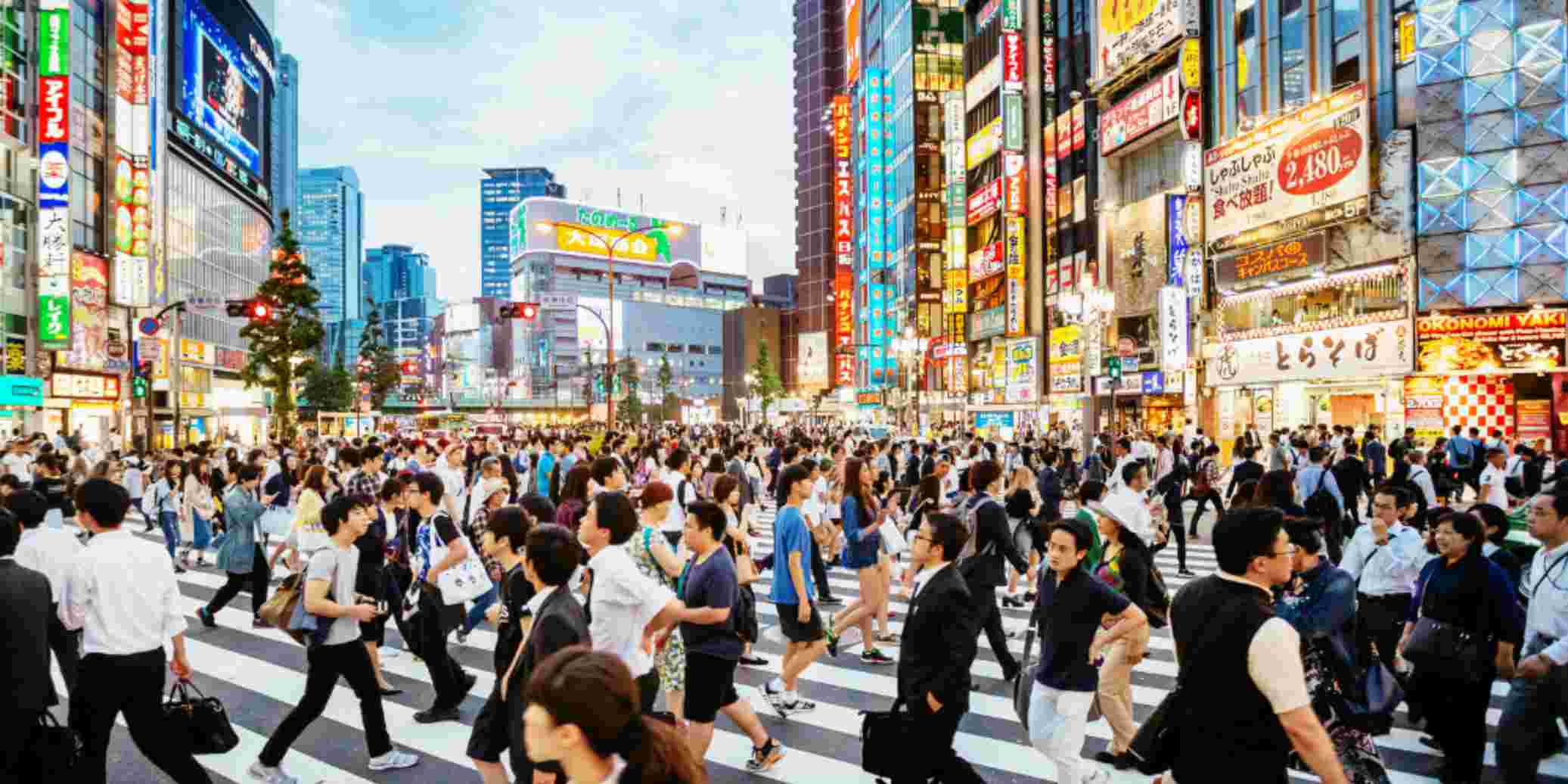
It is crucial to remember that the rail corridor between these two cities serves as a major daily commuter artery for locals. If you are traveling on a weekday, try to avoid the peak rush hours of 7:30 AM to 9:00 AM, and 5:30 PM to 7:00 PM. During these windows, the JR Special Rapid and the Hankyu Limited Express trains can become extremely crowded, making it difficult to secure a seat or maneuver with large luggage. If you must travel during rush hour with heavy bags, consider using luggage forwarding services (Takuhaibin) between your hotels, or guarantee yourself a comfortable seat by paying the premium for the Shinkansen or the Keihan Premium Car service (an upgraded reserved-seat carriage available for a small extra fee).
Payment Methods and Travel Passes
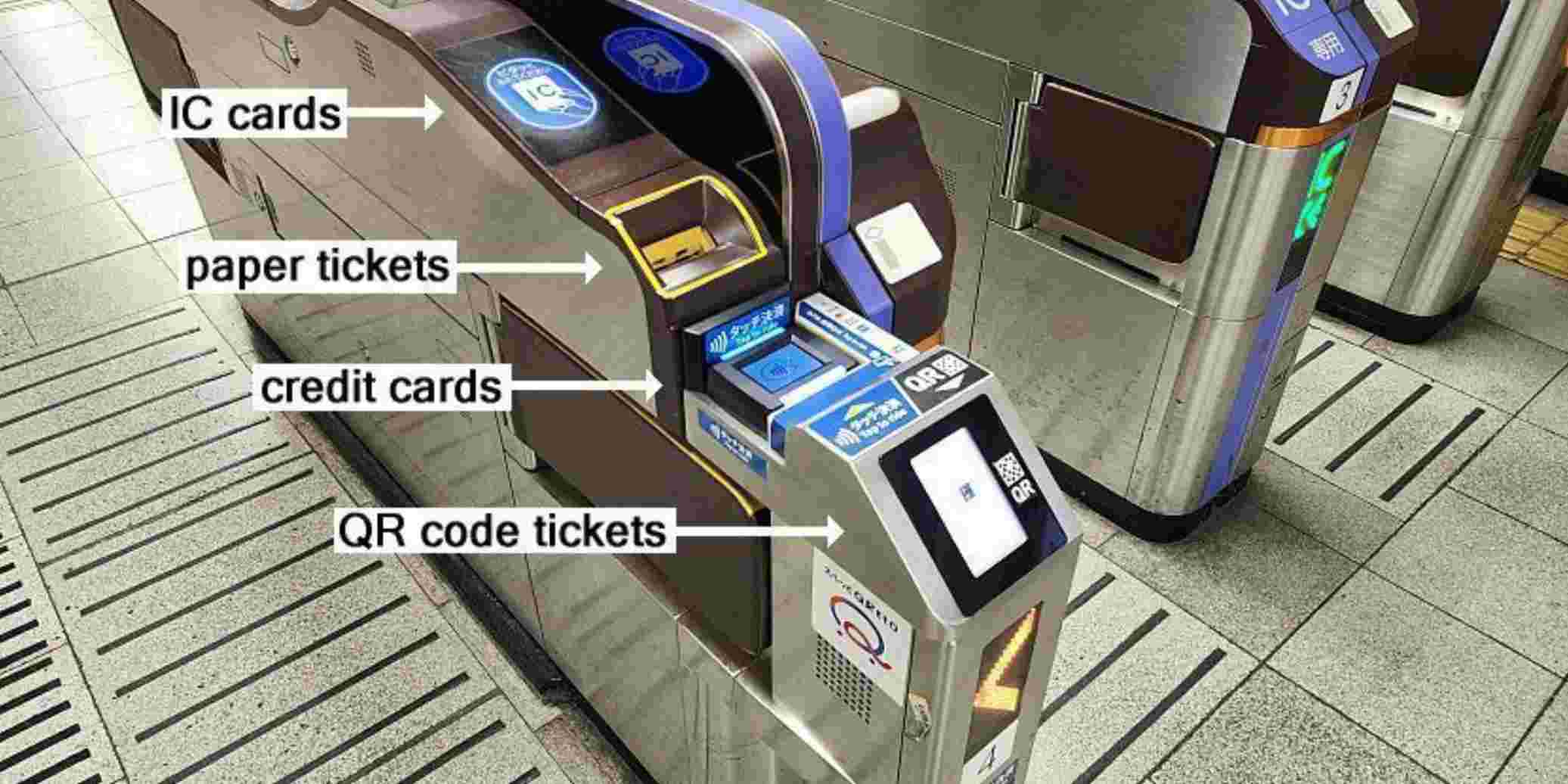
Navigating the ticketing system in 2026 is highly streamlined and user-friendly. If you are making a single trip, purchasing a paper ticket at the automated vending machines is straightforward. However, for maximum efficiency, we highly recommend using a prepaid IC card, such as ICOCA, Suica, or Pasmo. Simply tap your card at the ticket gates, and the exact fare is automatically deducted, completely eliminating the need to decipher complex station fare maps.
If you plan to do heavy regional commuting over several days, consider investing in a dedicated transit pass. The Kansai Thru Pass provides unlimited rides on non-JR lines (including Hankyu and Keihan), making it ideal if you are weaving through various subway systems. Conversely, if your itinerary is heavily reliant on the JR network, the JR Kansai Area Pass offers excellent value for hopping continuously between Osaka, Kyoto, Nara, and Kobe.
Choosing the right mode of transportation ultimately boils down to your specific starting point and your first destination of the day. By carefully aligning your train choice with your sightseeing goals, you will save valuable time, reduce transit stress, and dive straight into the historical wonders of the Kansai region.
Frequently Asked Questions (FAQs)
-
What is the fastest train from Osaka to Kyoto?
-
How much does a train ticket from Osaka to Kyoto cost?
-
Can I use the Japan Rail Pass to travel between Osaka and Kyoto?
-
Is there a direct train from Kansai International Airport (KIX) to Kyoto?
-
Which train is best for visiting Fushimi Inari Shrine directly from Osaka?