
Osaka Transportation Guide: How to Get Around Easily
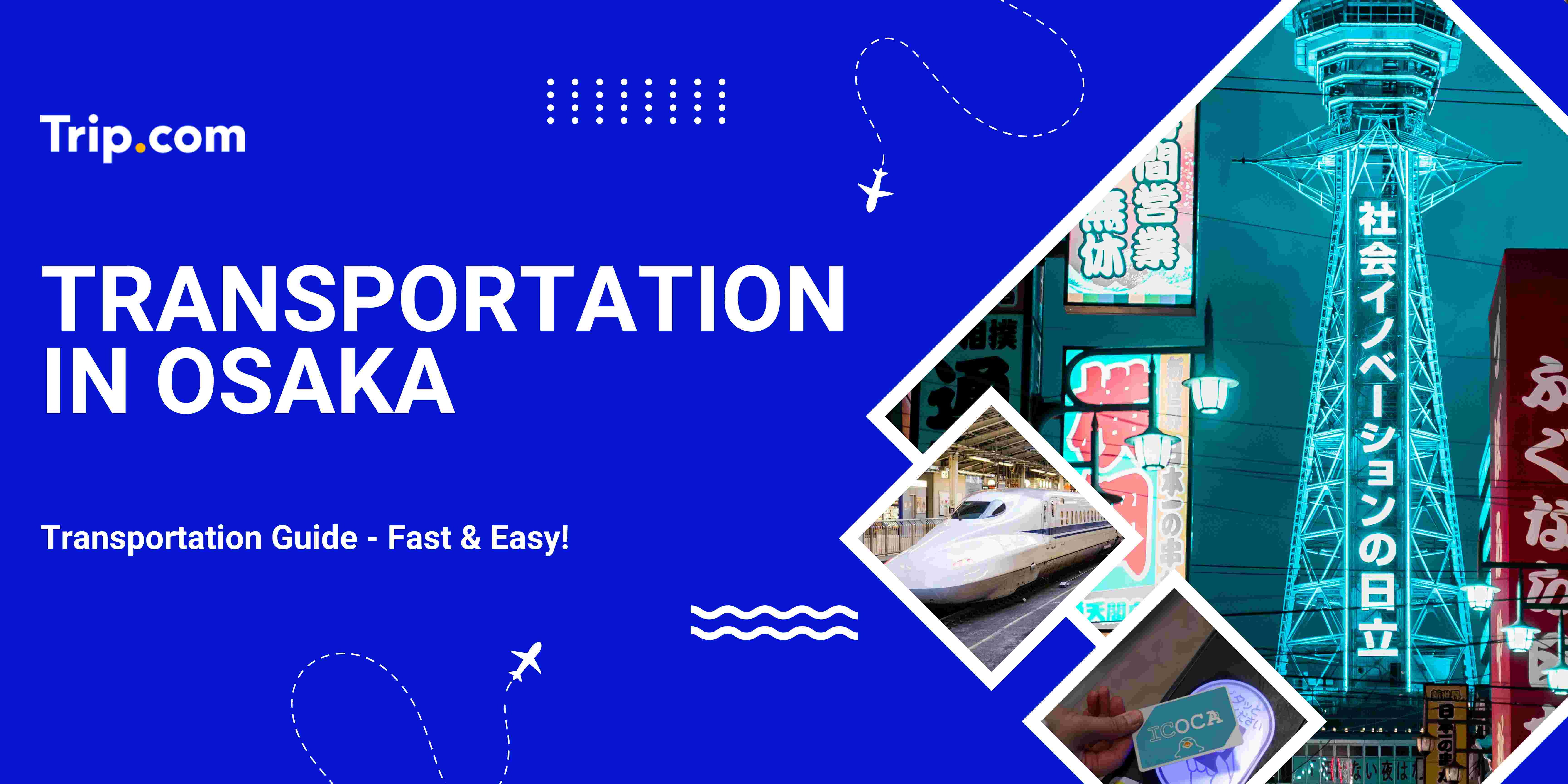
Osaka offers one of the most efficient and reliable transportation networks in Japan. The system includes trains, subways, buses, taxis, bicycles, and airport transfers, all designed to make travelling around the city convenient and affordable.
The city’s main transport operators are JR West, Osaka Metro, and several private railway companies such as Hankyu, Hanshin, Kintetsu, and Nankai. Whether you’re exploring shopping areas like Namba and Shinsaibashi, or heading to nearby cities like Kyoto and Nara, Osaka’s transport system makes it easy for Malaysian travellers to move around smoothly.
🚆 Major Train and Subway Lines
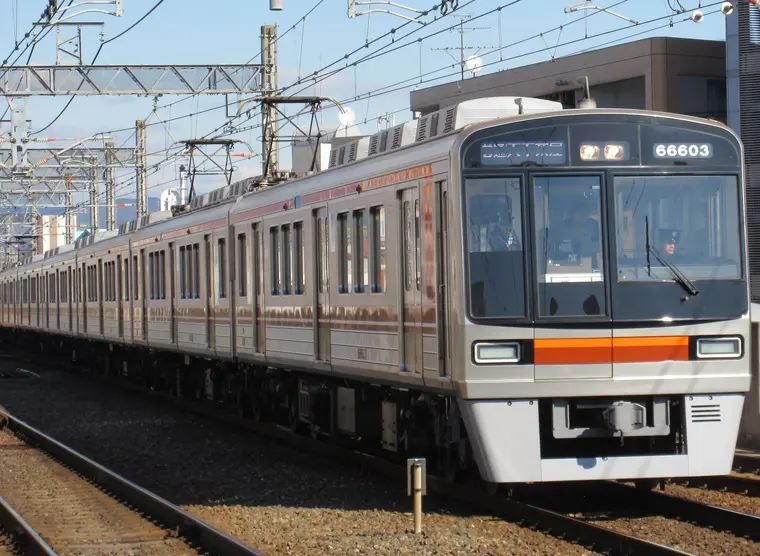
a. Osaka Metro (Subway System)
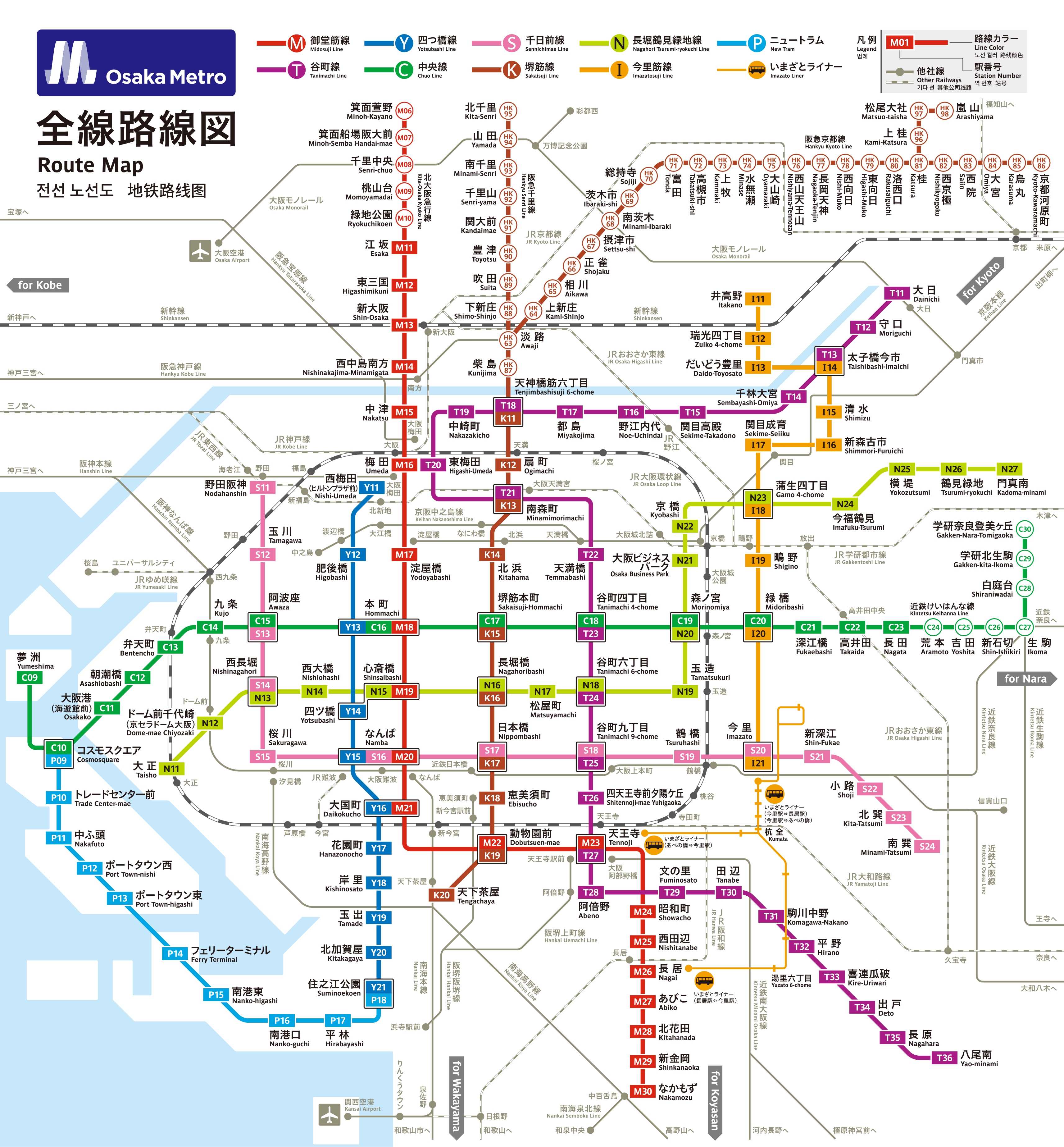
The Osaka Metro is the city’s main mode of transportation, offering excellent coverage across Osaka’s major districts, shopping areas, and attractions. With nine subway lines, it connects travellers seamlessly between neighbourhoods like Umeda, Namba, Tennoji, and Osaka Bay Area.
For most visitors, the Midosuji Line (Red Line) is the most useful route as it passes through popular areas such as Shin-Osaka, Umeda, Shinsaibashi, Namba, and Tennoji have all key spots for shopping and sightseeing. The Chuo Line (Green Line) provides access to Osaka Castle and the Bay Area, while the Tanimachi Line (Purple Line) connects Tennoji and Osaka Castle through quieter residential districts.
Fares on the Osaka Metro are calculated based on distance, typically ranging between ¥180 and ¥370, which is approximately RM5.50 to RM11.50. Travellers can easily pay using an ICOCA card, an Osaka Metro 1-Day or 2-Day Pass, or cash at ticket machines, which all have English-language options.
Route | Main Destinations | Estimated Fare (¥) | Estimated Fare (MYR) | Payment Methods |
|---|---|---|---|---|
Midosuji Line (Red Line) | Shin-Osaka → Umeda → Shinsaibashi → Namba → Tennoji | ¥180–¥280 | RM5.50–RM8.80 | ICOCA Card / Day Pass / Cash |
Chuo Line (Green Line) | Osaka Castle → Hommachi → Osaka Bay Area | ¥230–¥330 | RM7.20–RM10.30 | ICOCA Card / Day Pass / Cash |
Tanimachi Line (Purple Line) | Tennoji → Tanimachi 9-chome → Osaka Castle | ¥180–¥280 | RM5.50–RM8.80 | ICOCA Card / Day Pass / Cash |
How to Book:
You do not need to pre-book Osaka Metro tickets. Simply buy them from ticket machines inside each station, or use a prepaid ICOCA card that you can tap in and out at the gates. Day passes are available at metro counters and major tourist information centres.
b. JR West Lines (Japan Rail)
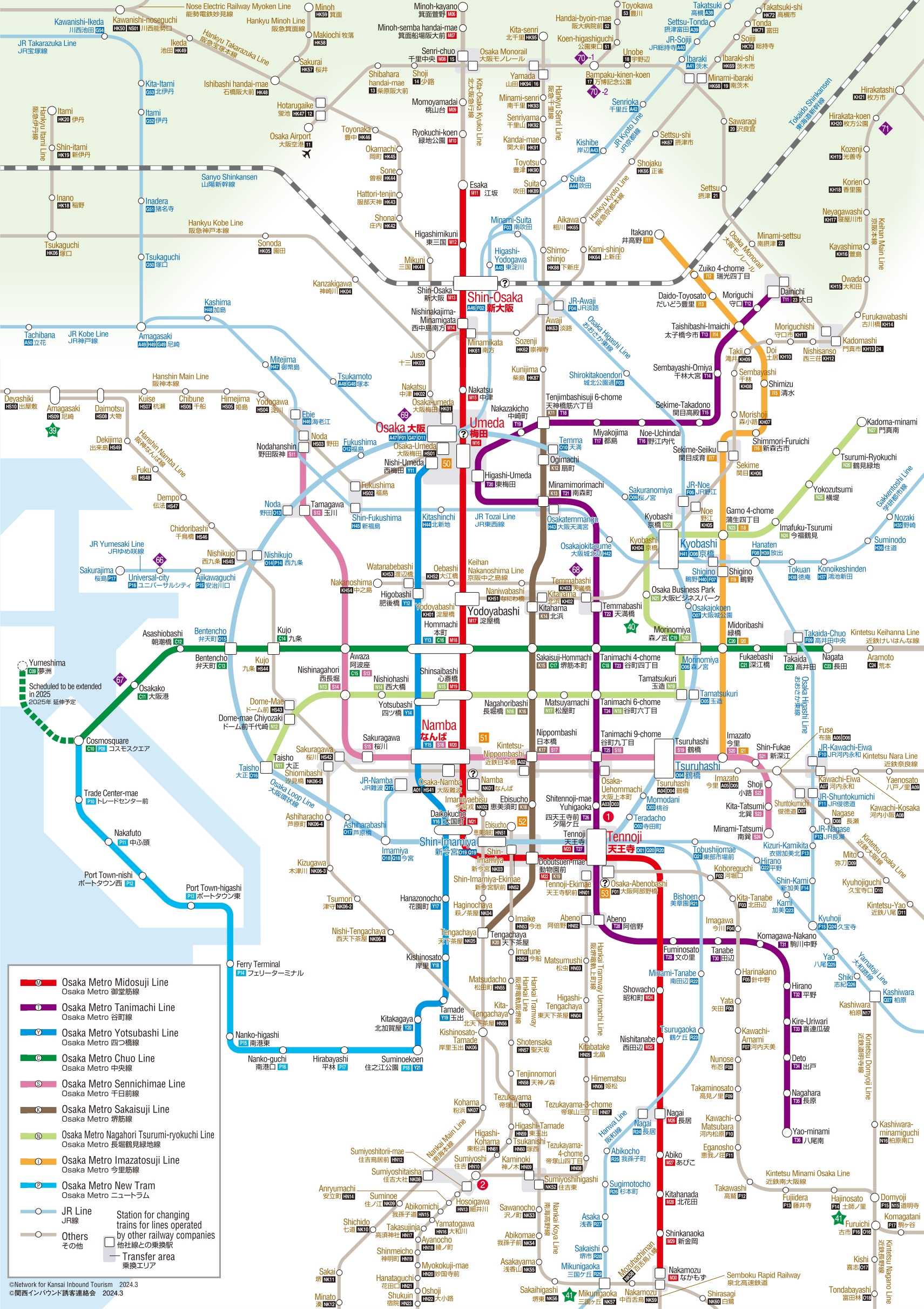
The JR West network covers Osaka and the wider Kansai region. Within the city, the JR Osaka Loop Line is especially popular among tourists, as it circles central Osaka and stops at major sightseeing areas such as Osaka Station, Tennoji, Kyobashi, and Osakajokoen (Osaka Castle Park).
This line is convenient for visitors who hold a Japan Rail Pass (JR Pass) or Kansai Area Pass, as both passes offer unlimited free rides on JR-operated trains within the valid zones.
Typical single-journey fares on the JR Osaka Loop Line range between ¥180 and ¥250, equivalent to RM5.50 to RM7.80.
Main JR Lines and Routes
Line | Route | Key Stops | Ideal For |
|---|---|---|---|
JR Osaka Loop Line | Circles central Osaka | Osaka, Tennoji, Kyobashi, Osakajokoen | Sightseeing around the city |
JR Kyoto Line | Osaka → Kyoto | Shin-Osaka, Takatsuki, Kyoto | Day trips to Kyoto |
JR Kansai Airport Line | Tennoji → Kansai Airport | Tennoji, Rinku Town, KIX | Airport transfers |
JR Hanwa Line | Tennoji → Wakayama | Sakai, Kishiwada, Wakayama | Trips to southern Osaka area |
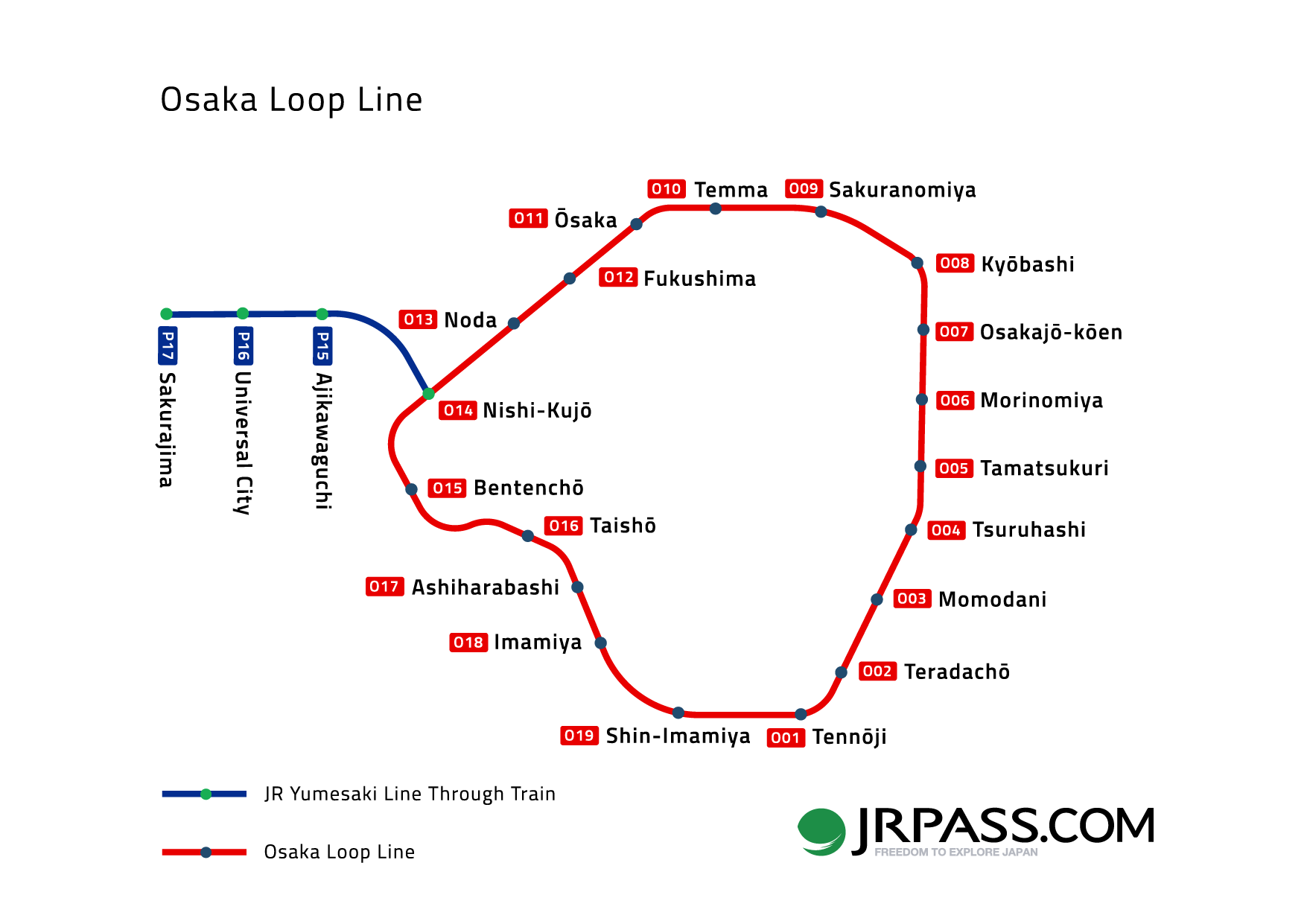
Source: Japan Rail Pass
💡 Tip: The Osaka Loop Line is excellent for sightseeing — you can hop on and off at major attractions like Osaka Castle, Tennoji Park, and Umeda.
How to Book:
If you are using a JR Pass, simply present your pass at the ticket gate — no reservation is required for local trains. For single rides, buy a ticket from JR ticket machines or use your ICOCA card directly at the automatic gates.
c. Private Railway Lines
Apart from the Osaka Metro and JR West, several private railway companies operate routes connecting Osaka to neighbouring cities such as Kyoto, Kobe, and Nara. These lines are extremely efficient, comfortable, and often cheaper than JR’s long-distance trains.
- Hankyu Railway: Runs from Umeda Station to Kyoto (Kawaramachi) and Kobe (Sannomiya).
- Hanshin Railway: Connects Namba and Kobe (Sannomiya), mainly serving travellers heading toward the port city.
- Kintetsu Railway: Links Osaka (Namba Station) with Nara and Kyoto, ideal for cultural day trips.
- Nankai Railway: Provides direct access from Namba to Kansai International Airport (KIX), offering both express and limited express trains.
Fares vary depending on distance and train type (express or limited express).
Railway Line | Route | Estimated Fare (¥) | Estimated Fare (MYR) | Payment Methods |
|---|---|---|---|---|
Hankyu Railway | Umeda → Kyoto / Kobe | ¥400–¥700 | RM12.80–RM22.40 | ICOCA Card / Cash / App |
Hanshin Railway | Namba → Kobe (Sannomiya) | ¥410–¥650 | RM13.10–RM20.80 | ICOCA Card / Cash / App |
Kintetsu Railway | Osaka-Namba → Nara / Kyoto | ¥570–¥1,160 | RM18.20–RM37 | ICOCA Card / Cash / App |
Nankai Railway | Namba → Kansai International Airport (KIX) | ¥1,150–¥1,450 | RM36.80–RM46.40 | ICOCA Card / Cash / Online Booking |
How to Book:
Private railway tickets can be purchased at station ticket machines, which have English options. You can also use your ICOCA card for convenience. For premium or express trains such as Nankai Rapi:t or Kintetsu Limited Express, seats can be reserved online through the official railway websites or at the ticket counters in stations.
✅ Booking Tips for Malaysian Travellers
- ICOCA cards can be used across all Osaka Metro, JR West, and private railway lines — making travel cashless and efficient.
- Most train ticket machines accept cash or credit cards (Visa/MasterCard).
- For day trips to Kyoto, Nara, or Kobe, check if your Kansai Thru Pass or JR Pass offers better value.
- Download the “Japan Travel by NAVITIME” or “Google Maps” app for easy route planning and fare estimation in English.
🔥Explore Japan
Hotel deals up to 50% off!
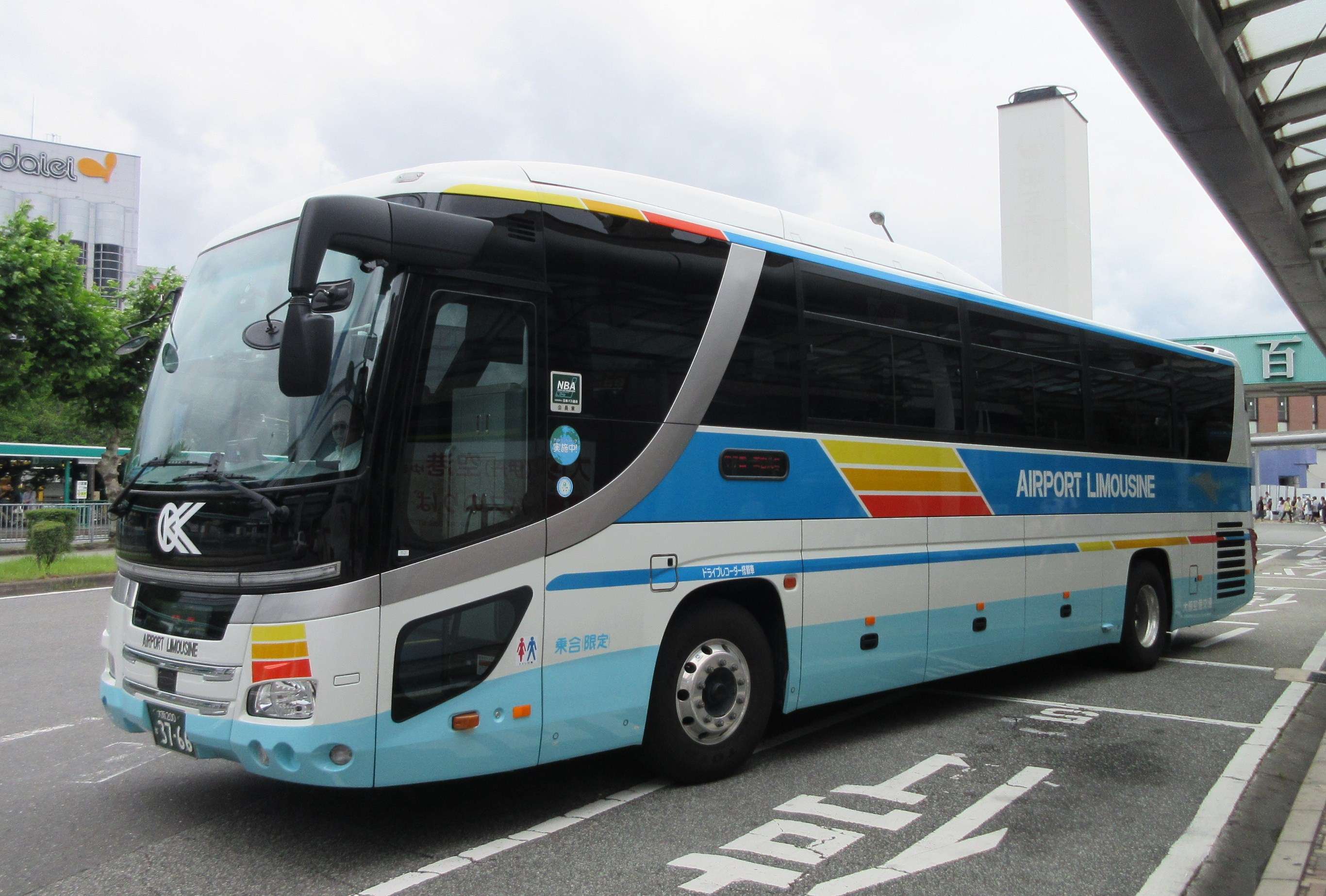
Airport Limousine Bus
Source: Wikimedia Commons
Airport limousine buses offer a direct, door-to-door service to major hotels, train stations, and districts across Osaka. This is an excellent option for travellers with heavy luggage or those arriving late at night, as it eliminates the need for train transfers.
Destination | Duration | Fare (¥) | Fare (MYR) | Notes |
|---|---|---|---|---|
KIX → Namba (OCAT) | 50–60 min | ¥1,600 | RM51 | Direct to Namba OCAT terminal |
KIX → Umeda / Osaka Station | 60–70 min | ¥1,800 | RM58 | Convenient for central Osaka hotels |
KIX → Universal Studios Japan (USJ) | 70–80 min | ¥1,600 | RM51 | Perfect for families visiting USJ |
How to Book:
- Buy tickets at the airport bus counters near the arrivals area.
- You can also reserve seats online through Kansai Airport Transportation Enterprise (KATE) or Limousine Bus Kansai websites.
- Payment options include cash, ICOCA card, or credit card.
💡 Tip: If you’re staying near Umeda or USJ, the limousine bus is more convenient than taking multiple trains.
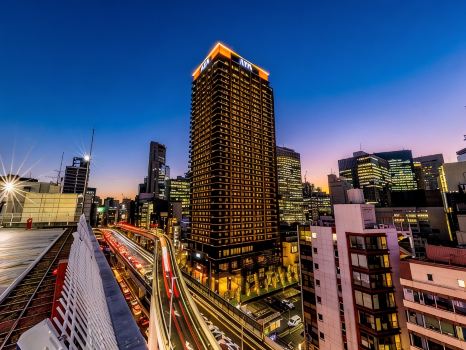
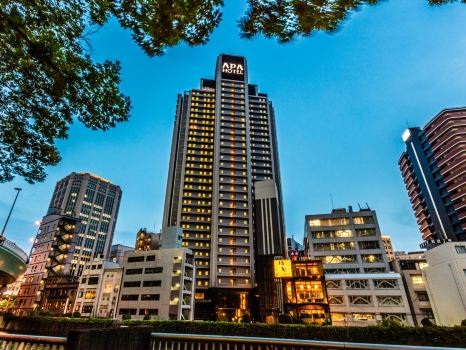
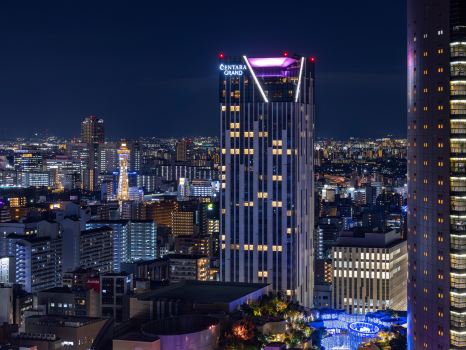
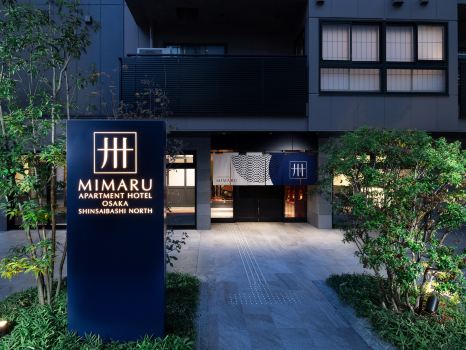
Recommended Hotels in Osaka
 NO.1
NO.1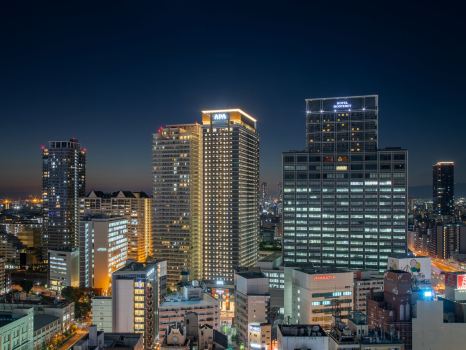

🚌 City Buses
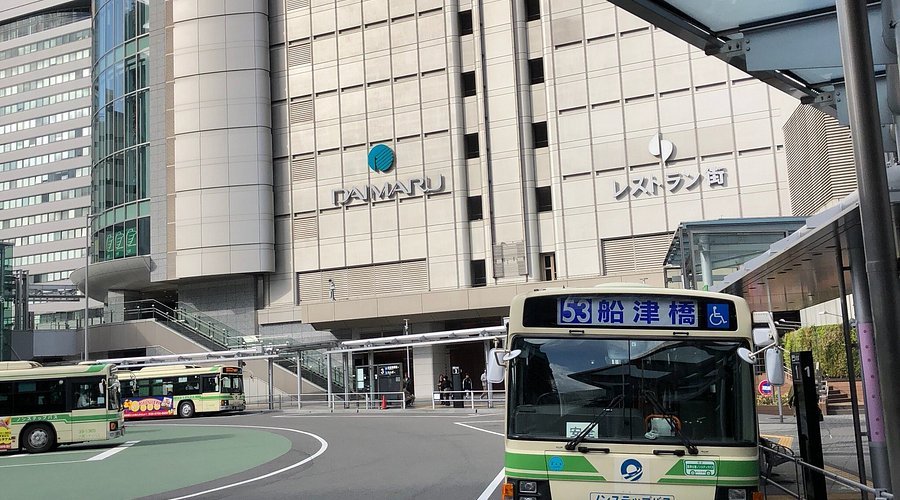
While Osaka’s train and subway network is highly efficient, city buses are a good option for reaching destinations not directly served by rail — especially smaller attractions, local neighbourhoods, and areas around Osaka Castle, Osaka Bay, or Tennoji. Buses are modern, punctual, and clean, but most routes and signs are primarily in Japanese. Fortunately, major stops and announcements are also displayed in English, making it convenient for international travellers.
Osaka City Bus (Operated by Osaka Metro Group)
Osaka City Bus operates most of the bus routes within central Osaka. These buses serve popular tourist spots, shopping streets, and local districts that are not directly connected by the subway.
Key Routes for Tourists
Route Number | Main Route | Popular Stops |
|---|---|---|
Route 62 | Osaka Station → Namba → Osaka Castle | Osaka Castle Park, Shinsaibashi, Namba Shopping District |
Route 75 | Tennoji → Abeno Harukas → Tsutenkaku Tower | Tennoji Zoo, Shinsekai |
Route 88 | Osaka Station → Tempozan (Osaka Aquarium Kaiyukan) | Osaka Bay Area, Universal City Port |
Route 36 | Umeda → Tsuruhashi → Namba | Local shopping arcades, restaurants |
💡 Tip: These routes are ideal for short sightseeing trips, especially if you want to explore neighbourhoods like Shinsekai, Abeno, or Tempozan Bay Area.
Fares and Payment
City bus fares are flat-rate which is you pay the same price regardless of the distance travelled.
Fare Type | Amount (¥) | Amount (MYR) | Details |
|---|---|---|---|
Adult Fare (per ride) | ¥210 | RM6.80 | Pay when alighting the bus |
Child Fare (per ride) | ¥110 | RM3.60 | Ages 6–12 years old |
How to Pay for the Bus
You can pay your fare using ICOCA, Suica, or other rechargeable IC cards, which are accepted across Osaka and the Kansai region. Cash payment is also available.
Payment Steps:
- Board from the rear door.
- Tap your ICOCA card on the reader or insert cash into the fare box near the driver.
- Alight from the front door, tapping your card again or confirming your payment.
💡 Tip for Malaysian Travellers: Always carry small coins or notes (¥100, ¥500) if paying by cash, as the fare machine does not accept large bills.
Day Passes and Travel Cards
If you plan to take multiple bus or subway rides in one day, a day pass offers excellent value.
Pass Type | Price (¥) | Price (MYR) | Coverage | Where to Buy |
|---|---|---|---|---|
Osaka Metro 1-Day Pass | ¥800 | RM26 | Unlimited rides on Osaka Metro & City Buses | Subway stations / Ticket machines |
Amazing Osaka Pass | ¥2,800 | RM90 | Unlimited rides + free entry to 40 attractions | Online / Travel apps such as Trip.com |
💡 Tip: The Amazing Osaka Pass not only covers public transport but also includes attractions such as Osaka Castle Museum, Umeda Sky Building, and Tempozan Giant Ferris Wheel — perfect for first-time visitors.
How to Plan and Book Bus Trips
- Use Google Maps, Osaka Metro App, or Japan Transit Planner (by Jorudan) to find bus routes and timetables.
- IC cards like ICOCA can be topped up at subway stations, convenience stores (7-Eleven, FamilyMart, Lawson), or ticket machines.
- You can purchase an ICOCA card at Kansai Airport, major train stations, or via online platforms such as Trip.com
🔥Fly with AirAsia
Fly with AirAsia! Flights promo code up to RM80 OFF!

🚖 Taxis and Ride-Hailing Services
Source: CMW
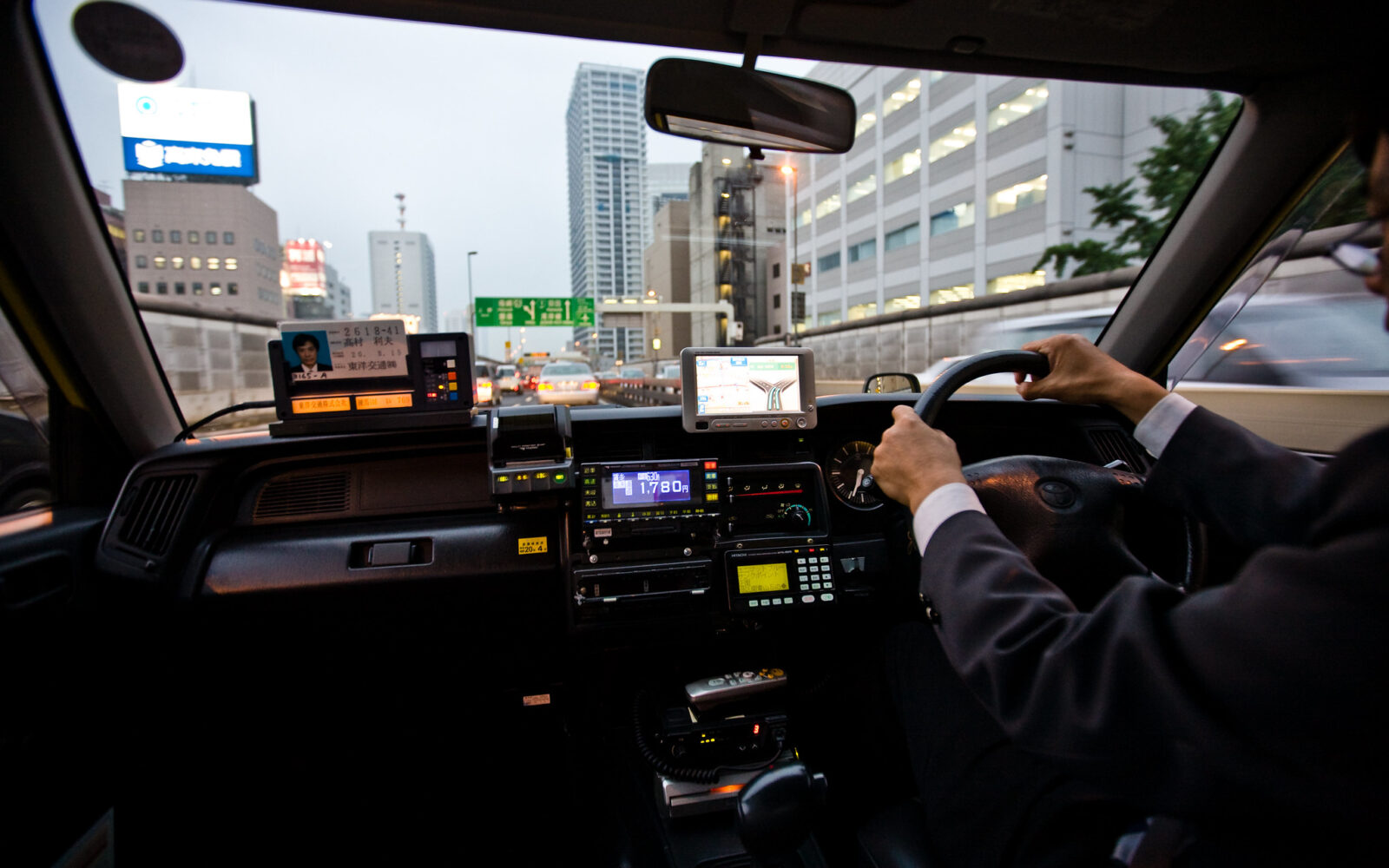
axis in Osaka are clean, reliable, and available 24 hours a day — making them an excellent choice for late-night travel, short-distance trips, or when carrying heavy luggage. However, they are generally more expensive than trains or buses, so they’re best used for convenience rather than daily commuting.
Types of Taxis in Osaka
There are several types of taxis operating throughout the city:
Type | Description | Suitable For |
|---|---|---|
Standard Taxi | Seats up to 4 passengers; most common type in Osaka | Short city trips or transfers |
Large / Minivan Taxi | Seats up to 6 passengers with more luggage space | Families or small groups |
Luxury Taxi (Premium Service) | High-end vehicles (Toyota Alphard, Lexus, etc.) | Business travellers or private transfers |
💡 Tip: All official taxis display a roof light, company name, and licence plate. Avoid unlicensed or unofficial taxis.
Estimated Taxi Fares in Osaka
Taxi fares are calculated by distance and time, with a base fare covering the first 1–2 kilometres, followed by incremental charges.
Route | Approx. Distance | Estimated Fare (¥) | Fare (MYR) | Duration |
|---|---|---|---|---|
Osaka Station → Namba | 4 km | ¥1,500–¥1,800 | RM48–RM58 | 10–15 min |
Namba → Osaka Castle | 3.5 km | ¥1,400–¥1,700 | RM45–RM55 | 10–15 min |
Namba → Universal Studios Japan | 9 km | ¥3,500–¥4,000 | RM112–RM128 | 20–25 min |
Osaka Station → Shin-Osaka Station | 5 km | ¥2,000–¥2,400 | RM64–RM77 | 15–20 min |
Kansai Airport → Central Osaka | 50 km | ¥16,000–¥20,000 | RM515–RM645 | 45–60 min |
💡 Tip for Malaysian Travellers: Osaka’s taxis are generally more affordable than Tokyo’s, but it’s still best to use them selectively — for airport transfers, late-night travel, or when trains are closed (after midnight).
Payment Options
Most taxis in Osaka accept multiple forms of payment:
Payment Method | Accepted? | Notes |
|---|---|---|
Cash (Yen) | ✅ | Always accepted |
ICOCA Card / Other IC Cards | ✅ | Accepted in most taxis |
Credit / Debit Cards (Visa, Mastercard, JCB) | ✅ | Check logo on taxi door |
QR Payment (PayPay, Alipay, WeChat Pay) | ✅ | Convenient for travellers from Asia |
💡 Tip: Always confirm the payment method with the driver before starting your trip. Some older taxis may still accept cash only.
How to Book a Taxi
There are several convenient ways to book a taxi in Osaka:
a. Street Hailing
- You can easily flag down a taxi on most main roads or near train stations.
- Look for taxis with a red “空車” (available) sign on the dashboard.
b. Taxi Stands
- Found at major transport hubs like Osaka Station, Namba Station, Shin-Osaka Station, and shopping malls.
c. Ride-Hailing Apps
Using an app makes it easier to request a taxi, especially if you don’t speak Japanese.
App | Description | Payment Options |
|---|---|---|
GO App (by JapanTaxi) | Most popular taxi-hailing app in Japan | Credit card, Apple Pay |
DiDi Japan | English-language app, similar to Grab | Credit card, PayPay |
Uber Japan | Limited coverage but works well in central Osaka | Credit card |
Klook / KKday (Private Transfers) | Pre-booked cars with English-speaking drivers | Online payment (MYR or SGD accepted) |
💡 Tip: Malaysian travellers can download GO App or DiDi Japan before arrival. Both have English interfaces and accept international credit cards.
Flights from Kuala Lumpur to Osaka
- Pergi Balik
- Sehala
- direct cheapest
 KUL23:006j 25mTanpa hentiKIX06:25Kuala Lumpur - Osaka|Kha, 22 Okt|Batik Air MalaysiaKIX09:007j 10mTanpa hentiKUL15:10Osaka - Kuala Lumpur|Rab, 28 Okt|Batik Air MalaysiaTHB 12,310THB 17,59030% offCari30% offTHB 17,590THB 12,310
 - KUL23:006j 25mTanpa hentiKIX06:25Kuala Lumpur - Osaka|Ahd, 25 Okt|Batik Air MalaysiaKIX09:007j 10mTanpa hentiKUL15:10Osaka - Kuala Lumpur|Rab, 28 Okt|Batik Air MalaysiaTHB 12,310THB 17,59030% offCari30% offTHB 17,590THB 12,310
 SZB13:0030j 20m1 stopsKIX20:20Kuala Lumpur - Osaka|Sab, 24 Okt|HK ExpressKIX09:007j 10mTanpa hentiKUL15:10Osaka - Kuala Lumpur|Rab, 28 Okt|Batik Air MalaysiaTHB 11,860THB 17,59033% offCari33% offTHB 17,590THB 11,860
 KUL01:4512j 10m1 stopsKIX14:55Kuala Lumpur - Osaka|Kha, 22 Okt|Shandong AirlinesKIX09:007j 10mTanpa hentiKUL15:10Osaka - Kuala Lumpur|Rab, 28 Okt|Batik Air MalaysiaTHB 11,950CariTHB 11,950
- KUL01:4512j 10m1 stopsKIX14:55Kuala Lumpur - Osaka|Sab, 24 Okt|Shandong AirlinesKIX09:007j 10mTanpa hentiKUL15:10Osaka - Kuala Lumpur|Rab, 28 Okt|Batik Air MalaysiaTHB 12,180CariTHB 12,180
 KUL13:0012j 10mTanpa hentiOSA14:00Kuala Lumpur - Osaka|Mon, Sep 6|Normal Airline
 OSA13:0012j 10mTanpa hentiKUL14:00Osaka - Kuala Lumpur|Mon, Sep 6|Normal AirlineCari Penerbangan LainCari Penerbangan Lain
💳 IC Cards and Transport Passes in Osaka
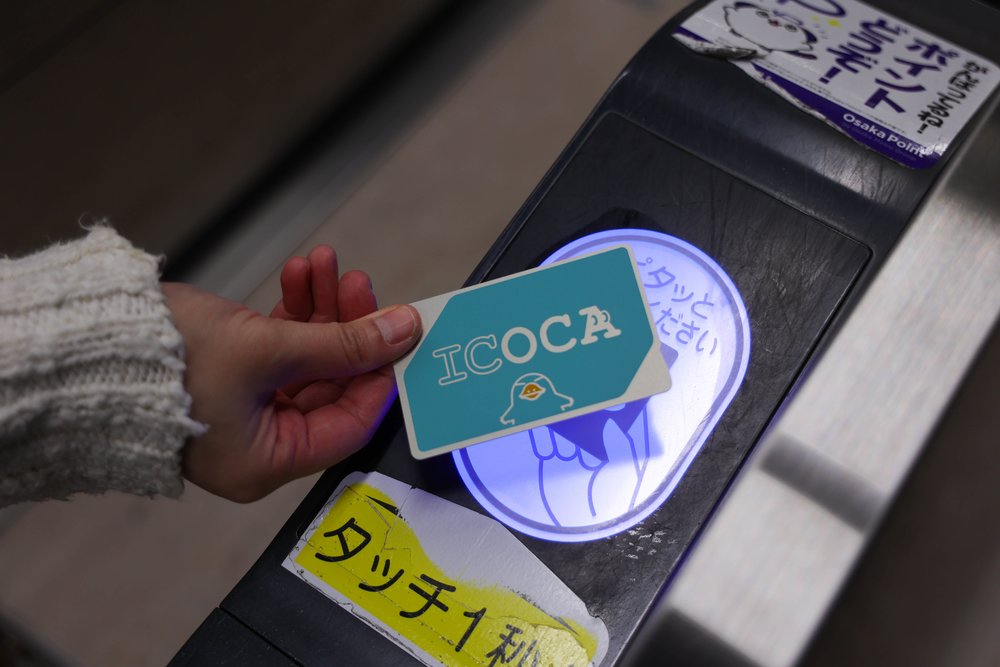
1. ICOCA Card (Recommended for Most Travellers)
The ICOCA card is the most convenient and flexible way to travel around Osaka and the Kansai region. It functions as a rechargeable contactless smart card, similar to Malaysia’s Touch ‘n Go card, allowing users to tap in and out at train gates, subways, and buses without buying separate tickets each time.
In addition to public transportation, ICOCA cards can also be used for shopping at convenience stores, vending machines, and coin lockers across Japan.
You can purchase the card at Kansai International Airport (KIX), JR West ticket offices, or automatic vending machines inside major stations such as Osaka Station, Namba, and Tennoji.
Item | Price (¥) | Price (MYR) | Notes |
|---|---|---|---|
ICOCA Card (with deposit) | ¥2,000 | RM64 | Includes ¥500 refundable deposit and ¥1,500 travel credit |
Top-up Amounts | ¥1,000–¥10,000 | RM32–RM320 | Reload at ticket machines or convenience stores |
Refund (if returned) | ¥500 | RM16 | Refundable upon card return (handling fee may apply) |
Payment Methods:
- Accepted across Osaka Metro, JR West, and private railway lines.
- Usable in other cities such as Kyoto, Nara, Kobe, Hiroshima, and Tokyo.
- Top-up with cash or credit card at ticket machines or convenience stores (e.g. 7-Eleven, FamilyMart, Lawson).
💡 Tip for Malaysian Travellers: Keep your ICOCA card after your trip — it remains valid for 10 years and can be reused on future visits to Japan.
2. Osaka Metro 1-Day and 2-Day Passes
If you plan to explore several attractions in a single day, the Osaka Metro Day Pass offers excellent value. It allows unlimited rides on the Osaka Metro and Osaka City Buses for the duration of the pass.
Pass Type | Price (¥) | Price (MYR) | Validity | Where to Buy |
|---|---|---|---|---|
1-Day Pass | ¥800 | RM26 | Unlimited rides for one day | Metro stations, tourist centres |
2-Day Pass | ¥1,500 | RM48 | Unlimited rides for two consecutive days | Metro stations, tourist centres |
How to Use:
- Tap the card at ticket gates like an ICOCA card.
- Valid until the end of the day (for the 1-Day Pass) or the following day (for the 2-Day Pass).
- Ideal for travellers visiting multiple stops such as Dotonbori, Shinsaibashi, Osaka Castle, and Tennoji.
💡 Travel Tip: The pass also includes discounts at major attractions such as Osaka Castle Museum and Tsutenkaku Tower.
3. Kansai Thru Pass (For Multi-City Travel)
The Kansai Thru Pass is designed for travellers who want to explore beyond Osaka — covering major destinations like Kyoto, Nara, Kobe, and Wakayama. It offers unlimited rides on non-JR trains, subways, and buses across the Kansai region.
Pass Type | Price (¥) | Price (MYR) | Validity | Coverage |
|---|---|---|---|---|
2-Day Pass | ¥4,600 | RM147 | 2 days (non-consecutive) | Osaka, Kyoto, Kobe, Nara, Wakayama |
3-Day Pass | ¥5,600 | RM179 | 3 days (non-consecutive) | Osaka, Kyoto, Kobe, Nara, Wakayama |
How to Buy:
Available at Kansai Airport, Namba Station, or major tourist information counters.
How to Use:
Simply show the card to station staff or tap it at gates where applicable. You can choose any two or three days within the validity period — they do not need to be consecutive.
💡 Ideal For: Malaysian travellers who plan day trips from Osaka to Kyoto or Nara.
4. JR Kansai Area Pass (For JR Trains)
The JR Kansai Area Pass is a great option for travellers who prefer using Japan Rail (JR) trains, including the Haruka Express from Kansai Airport to Osaka, Kyoto, or Nara.
Pass Type | Price (¥) | Price (MYR) | Validity | Includes |
|---|---|---|---|---|
1-Day Pass | ¥2,400 | RM77 | 1 day | JR local lines in Kansai |
2-Day Pass | ¥4,600 | RM147 | 2 days | JR lines, Haruka Express (non-reserved seats) |
3-Day Pass | ¥5,600 | RM179 | 3 days | JR lines, Haruka Express |
4-Day Pass | ¥6,800 | RM218 | 4 days | JR lines, Haruka Express |
How to Book:
You can purchase the JR Kansai Area Pass:
- Online through the JR West official website or authorised agents like Klook and KKday (often at discounted rates).
- At JR ticket counters in Kansai Airport, Osaka Station, or Kyoto Station.
How to Use:
Exchange your booking confirmation for the physical pass at a JR ticket office, then use it to enter through the gates or present it to station staff.
💡 Travel Tip: If you plan to visit multiple cities using JR lines, this pass can save a significant amount compared to buying individual tickets.
💴 Money and Payment Methods in Osaka
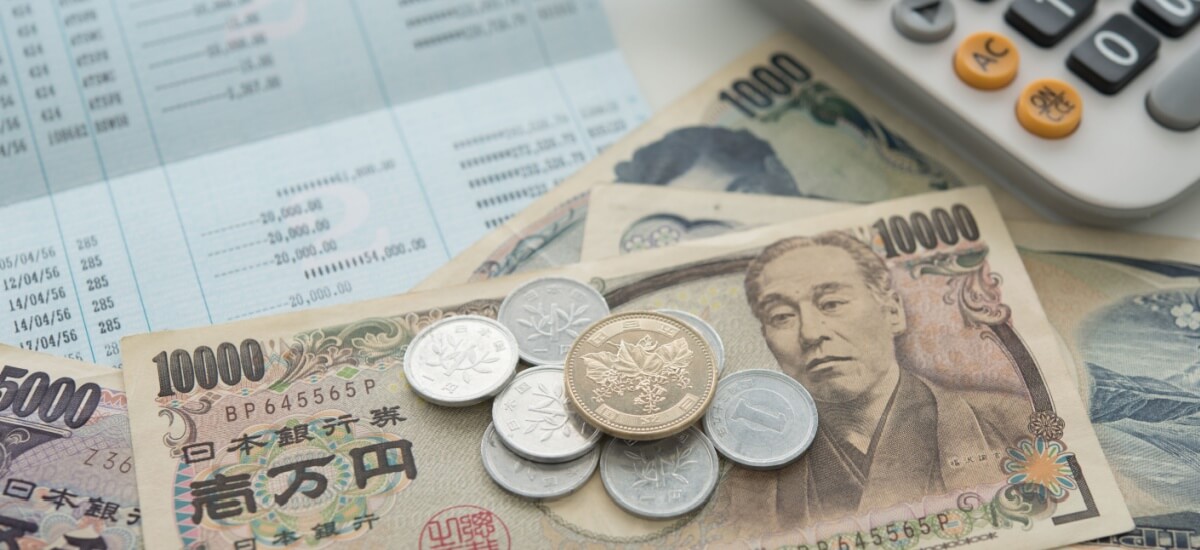
When travelling in Osaka, understanding how to pay for transportation, shopping, and dining is essential. Japan has become increasingly cashless in recent years, but cash is still widely used — especially in smaller shops, traditional restaurants, and older transport systems. For Malaysian travellers, having both cash and digital payment options ensures a smooth and convenient trip.
🏧 Access to Money
Method | Description | Tips for Travellers |
|---|---|---|
ATMs | Available in convenience stores (7-Eleven, FamilyMart, Lawson) and banks. | Look for ATMs displaying “International” or “PLUS/Cirrus” logos — these accept Malaysian debit or credit cards. |
Currency Exchange | Offered at airports, major stations (Namba, Umeda), and hotels. | Rates are generally competitive at 7-Eleven ATMs or Travelex counters in airports. |
Credit / Debit Cards | Widely accepted in hotels, malls, and restaurants. | Visa, Mastercard, and JCB are the most common. Always carry some cash for smaller shops or street food vendors. |
💡 Tip: Avoid exchanging large amounts at airports; rates in Osaka city are usually better.
💳 Payment Methods in Osaka
Osaka accepts various payment methods, though the level of acceptance can vary depending on the place.
Payment Method | Description | Commonly Accepted At | Recommended For |
|---|---|---|---|
Cash (Yen) | Still the most reliable payment method in Japan. | Local restaurants, markets, small shops. | Everyday expenses and small purchases. |
Credit / Debit Cards | Accepted in department stores, hotels, and big restaurants. | Hotels, malls, JR and Metro ticket counters. | Medium to large transactions. |
IC Cards (e.g. ICOCA) | Rechargeable transport cards used for trains, subways, buses, and convenience stores. | Public transport, vending machines, convenience stores. | Quick, cashless travel. |
QR Code Payments | Mobile payment apps like PayPay, Alipay, and WeChat Pay. | Convenience stores, selected restaurants, and souvenir shops. | Travellers from Asia using mobile wallets. |
Prepaid Travel Passes | Day passes for subways or JR lines. | Osaka Metro, JR West stations. | Tourists exploring multiple attractions in one day. |
💡 Tip: Always check the payment stickers at the entrance or counter — many shops clearly display accepted cards and apps.
📱 Digital and Contactless Payments
Japan is steadily embracing cashless payment systems, and most travellers can now use contactless cards and mobile wallets.
Method | Compatible in Osaka | Notes |
|---|---|---|
Visa / Mastercard Contactless | ✅ | Accepted at major stores and transport vending machines |
Apple Pay / Google Pay | ✅ | Works with registered cards supporting Japan transit systems |
Alipay / WeChat Pay | ✅ | Common at convenience stores and tourist attractions |
GrabPay / Touch ‘n Go eWallet | ❌ | Not accepted in Japan currently |
💡 Tip: For the smoothest experience, link your Visa or Mastercard to your Apple Pay or Google Pay before your trip.
Travelling around Osaka is remarkably convenient, efficient, and enjoyable thanks to its world-class transportation network. Whether you choose to explore the city by subway, JR train, private railway, bus, or taxi, each option offers reliability and comfort that make getting around effortless. For Malaysian travellers, purchasing an ICOCA card or a Metro day pass provides the best value and flexibility, while combining cash and digital payments ensures smooth transactions throughout your journey. With a little planning and understanding of the available transport options, exploring Osaka’s vibrant neighbourhoods, cultural landmarks, and shopping districts becomes not just easy but truly rewarding.
🔥Fly with UnionPay
Embark on a journey that will enrich your life in ways you never imagined. Enjoy RM80 OFF* on all flights and hotels when you pay with UnionPay cards!

🧭 Frequently Asked Questions (FAQs) About Transportation in Osaka
-
What is the best way to get around Osaka?
-
How much does public transportation cost in Osaka?
-
Can I use my ICOCA card on all transportation in Osaka?
-
Where can I buy an ICOCA card in Osaka?
-
Can I use my Malaysian credit or debit card in Osaka?