Tokyo Transportation Guide: How to Get Around Easily

Gambar Profil Penulis
CV PAGE

Tokyo is renowned for having one of the most efficient, safe, and punctual transportation systems in the world. For Malaysian travellers visiting the city for the first time, navigating Tokyo’s complex network of trains, subways, and buses might seem a little intimidating at first glance. However, once you become familiar with the system, travelling around the city becomes remarkably convenient and straightforward.

The capital’s transport network is a model of organisation and reliability, connecting every corner of the metropolis through a seamless system of modern subways, high-speed trains, and well-managed buses. Stations are clean, signage is clear, and English information is widely available, making it easy for international visitors to get around. Whether you are travelling to major attractions, shopping districts, or quiet neighbourhoods, Tokyo’s public transport ensures a smooth, comfortable, and stress-free journey.

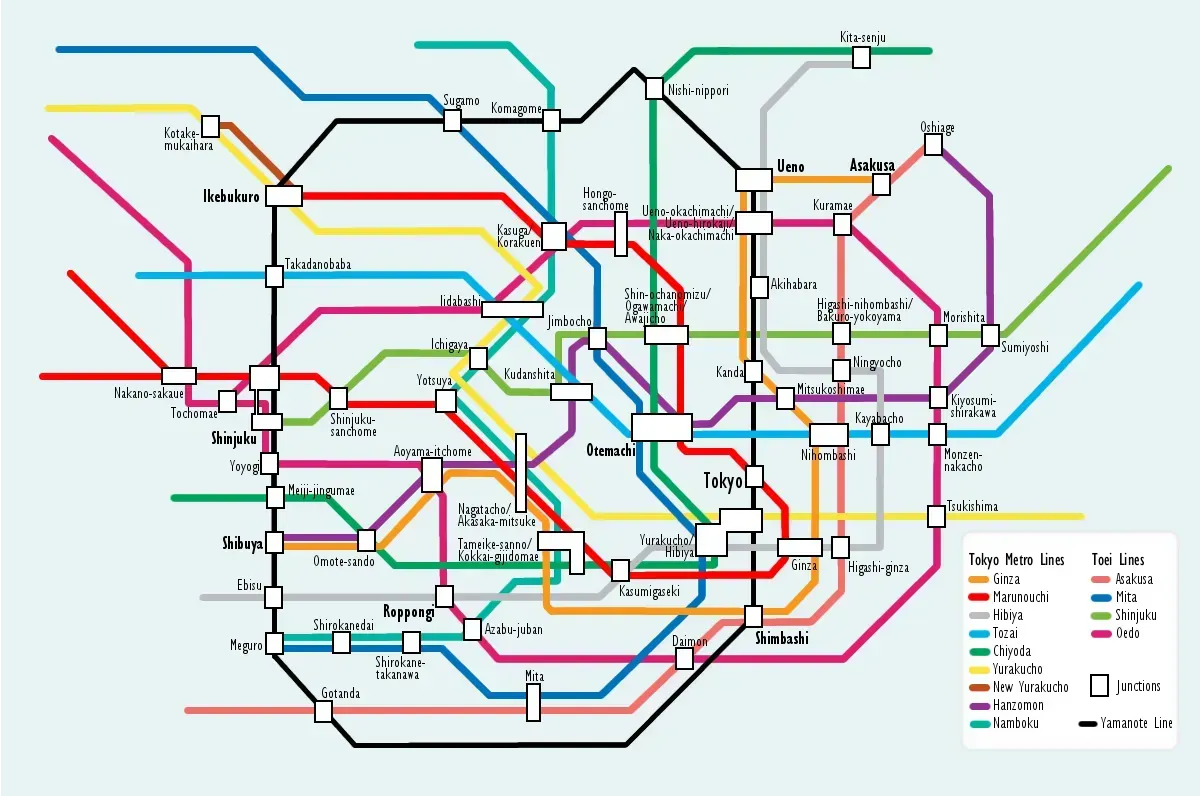
Tokyo Metro and Toei Subway

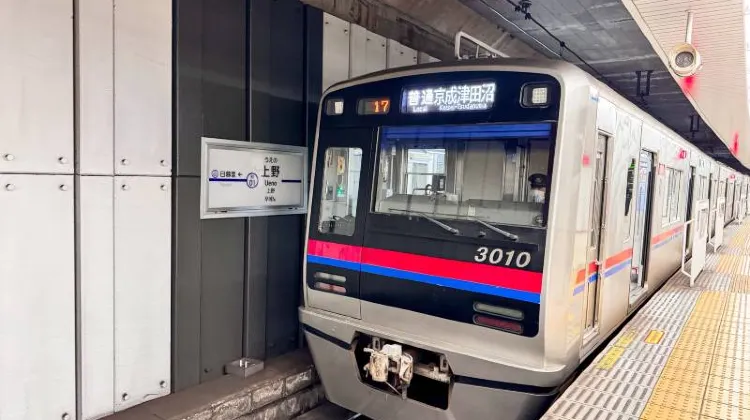
Tokyo Metro

Tokyo’s subway system serves as the city’s main mode of transportation, efficiently connecting nearly every major area within the metropolis. The network is operated by two main companies which is Tokyo Metro and Toei Subway which together manage more than 280 stations across central Tokyo. This extensive system allows travellers to move conveniently between key shopping, entertainment, and business districts.

For Malaysian travellers, the subway is not only fast and reliable but also one of the most affordable ways to explore Tokyo. Stations are equipped with clear English signage, ticket machines offer language options, and route maps are easy to follow. Subways typically operate from around 5:00 AM until midnight, ensuring excellent coverage throughout the day.

Tokyo Transportation Subway

Operator

Line Name

Line Number

Color

Tokyo Metro

Hibiya Line

Line 2

Silver

Ginza Line

Line 3

Orange

Marunouchi Line

Line 4

Red

Tozai Line

Line 5

Light Blue

Namboku Line

Line 7

Jade Blue

Yurakucho Line

Line 8

Gold

Chiyoda Line

Line 9

Green

Hanzomon Line

Line 11

Purple

Fukutoshin Line

Line 13

Brown

Tokyo Metropolitan Transportation Bureau

Asakusa Line

Line 1

Pink

Mita Line

Line 6

Blue

Shinjuku Line

Line 10

Yellow-Green

Oedo Line

Line 12

Purple

Below is a summary of popular routes and their main attractions, along with an approximate fare conversion to Malaysian Ringgit (MYR) for better reference:

Subway LineMain Stations / Attractions CoveredTypical Fare (JPY)Approx. Fare (MYR)

Ginza Line

Asakusa (Senso-ji Temple), Ueno, Ginza, Shibuya

¥180–¥330

RM5.50 – RM10

Marunouchi Line

Tokyo Station, Shinjuku, Ikebukuro, Yotsuya

¥180–¥330

RM5.50 – RM10

Hibiya Line

Roppongi, Akihabara, Tsukiji, Ebisu

¥180–¥330

RM5.50 – RM10

Toei Oedo Line

Shinjuku, Roppongi, Tsukiji, Ueno

¥180–¥330

RM5.50 – RM10

Toei Asakusa Line

Asakusa, Nihombashi, Shinagawa

¥180–¥330

RM5.50 – RM10

💡 Conversion rate based on ¥1 ≈ RM0.030 (subject to exchange rate changes).

Tips for Malaysian Travellers

  • IC Cards: Use Suica or Pasmo cards for cashless and hassle-free travel. Simply tap in and out at the ticket gates — no need to buy single tickets for every journey.
  • Subway Passes: Consider purchasing a Tokyo Subway Ticket (24, 48, or 72 hours) for unlimited rides on both Tokyo Metro and Toei Subway lines — perfect for sightseeing.
  • Operating Hours: Most subway lines run from 5:00 AM to around midnight, with trains arriving every 3–5 minutes during the day.
  • Rush Hours: Avoid travelling between 7:30–9:00 AM and 5:00–7:00 PM, as trains are extremely crowded during these times.
  • Accessibility: Nearly all stations have elevators, escalators, and clear signage in English, making it easy for families, seniors, and travellers with luggage.
  • Navigation Apps: Use Google Maps, Japan Travel by Navitime, or Tokyo Metro’s official app for real-time train schedules, route planning, and fare details.

🔥Popular Attractions Around the World Deal

Discover the world's popular attractions, theme parks, and activities! Enjoy extra savings up to RM70 OFF for selected products!

JR (Japan Railways) Lines

JR LINES

Source: Japan Travel Pros

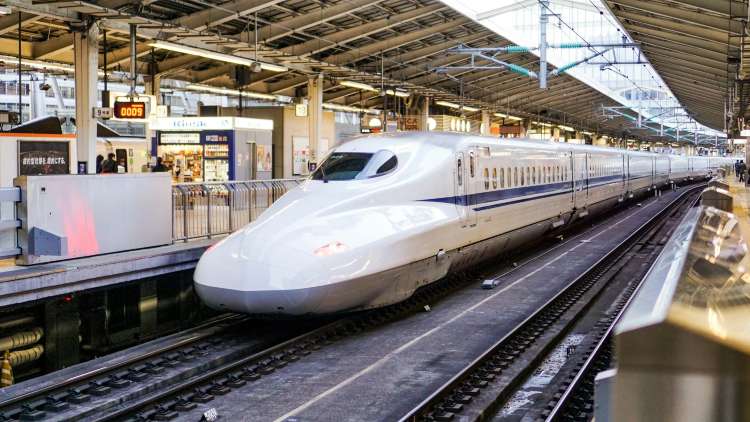
The Japan Railways (JR) network is another major part of Tokyo’s public transportation system and is especially convenient for travellers holding a Japan Rail Pass. The JR East company operates several lines across the city, connecting key business, shopping, and entertainment districts. Among these, the JR Yamanote Line is the most popular and useful for tourists as it forms a circular loop around central Tokyo, linking most major areas without the need for transfers.

Other JR lines, such as the Chuo Line, Sobu Line, and Keihin-Tohoku Line, provide direct connections between central Tokyo and surrounding neighbourhoods, making travel both efficient and affordable. JR trains are well-maintained, air-conditioned, and always punctual reflecting Japan’s reputation for precision and order.

Below is a summary of the main JR lines in Tokyo, their key destinations, and the approximate fares converted to Malaysian Ringgit (MYR):

JR LineMain Stations / Attractions CoveredTypical Fare (JPY)Approx. Fare (MYR)

Yamanote Line

Tokyo Station, Shibuya, Shinjuku, Ueno, Ikebukuro, Harajuku, Akihabara

¥150–¥300

RM4.50 – RM9

Chuo Line (Rapid)

Tokyo Station, Shinjuku, Kichijoji, Mitaka

¥200–¥400

RM6 – RM12

Sobu Line

Akihabara, Ryogoku (Sumo Stadium), Chiba

¥180–¥400

RM5.50 – RM12

Keihin-Tohoku Line

Ueno, Tokyo Station, Shinagawa, Yokohama

¥180–¥470

RM5.50 – RM14

Saikyo Line

Shibuya, Shinjuku, Ikebukuro, Omiya

¥180–¥500

RM5.50 – RM15

💡 Conversion based on ¥1 ≈ RM0.030. Prices may vary slightly depending on distance and current exchange rate.

Tips for Malaysian Travellers

  • Japan Rail Pass Holders: Travellers with a Japan Rail Pass or JR Tokyo Wide Pass can use most JR lines within Tokyo without additional cost, making it ideal for long stays or multiple trips.
  • Navigation: The JR Yamanote Line is the most convenient for sightseeing as it stops at major areas such as Shibuya, Shinjuku, Harajuku, and Ueno — all within the same loop.
  • Train Frequency: JR trains operate from around 5:00 AM to midnight, with services every 2–5 minutes during peak hours.
  • Ticketing: Fares can be paid using Suica or Pasmo cards, purchased from vending machines, or covered by tourist passes.
  • Station Facilities: Most JR stations have English signs, tourist information centres, and convenience stores. Major hubs like Tokyo Station and Shinjuku Station also have shopping malls, restaurants, and luggage storage lockers.
  • Travel Etiquette: Keep conversations quiet, line up politely while boarding, and avoid blocking doors or seats reserved for priority passengers.
📌 Booking tip: Use this new user promo code to get 5% off Japan Railway bookings! Valid for JR lines (Shinkansen & Limited Express), JR Pass not included 🚄.

Buses in Tokyo

Transportation in Tokyo: Bus

While Tokyo’s trains and subways cover most parts of the city, buses are an excellent option for reaching destinations not directly accessible by rail. They are especially useful for short-distance travel within neighbourhoods or when visiting attractions slightly away from train stations. Tokyo’s bus network is extensive, well-organised, and clean, with services operated mainly by Toei Bus, Keio Bus, and other regional companies.

Buses in Tokyo are punctual and equipped with electronic displays and announcements in both Japanese and English, making them easy to use for international travellers. For Malaysian visitors, riding the bus can also offer a more scenic and relaxed way to see the city compared to the faster-paced train system.

Here is a summary of the main bus services, routes, and fares converted into Malaysian Ringgit (MYR) for easy reference:

While Tokyo’s trains and subways cover most parts of the city, buses are an excellent option for reaching destinations not directly accessible by rail. They are especially useful for short-distance travel within neighbourhoods or when visiting attractions slightly away from train stations. Tokyo’s bus network is extensive, well-organised, and clean, with services operated mainly by Toei Bus, Keio Bus, and other regional companies.

Buses in Tokyo are punctual and equipped with electronic displays and announcements in both Japanese and English, making them easy to use for international travellers. For Malaysian visitors, riding the bus can also offer a more scenic and relaxed way to see the city compared to the faster-paced train system.

Here is a summary of the main bus services, routes, and fares converted into Malaysian Ringgit (MYR) for easy reference:

Bus OperatorPopular Routes / Areas CoveredTypical Fare (JPY)Approx. Fare (MYR)

Toei Bus

Shinjuku, Shibuya, Asakusa, Ueno, Tokyo Tower

¥210 (flat fare)

RM6.30

Keio Bus

Western Tokyo areas such as Kichijoji, Mitaka, and Hachioji

¥210–¥300

RM6.30 – RM9

Odakyu Bus

Shinjuku to Setagaya, Machida, and nearby suburbs

¥210–¥350

RM6.30 – RM10.50

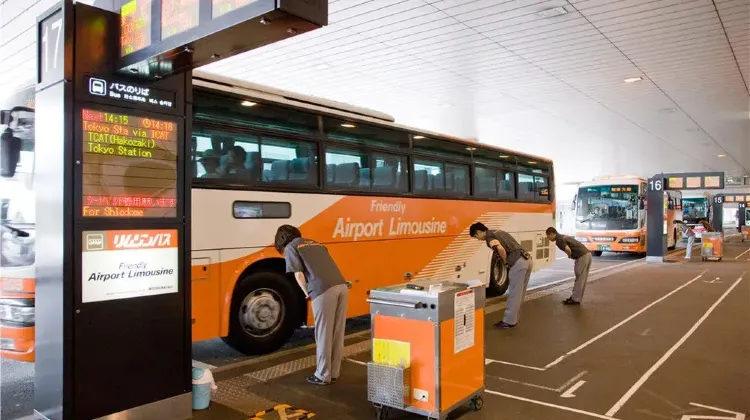
Airport Limousine Bus

Direct routes from Narita and Haneda Airports to major hotels and stations

¥1,300–¥3,200

RM39 – RM96

💡 Conversion based on ¥1 ≈ RM0.030. Fares may vary slightly depending on distance and operator.

When to Choose Buses

Buses are ideal when you want to travel short distances, see the city at street level, or visit attractions without direct train access. They are also convenient for night travel in areas with limited train service. While slightly slower than trains due to traffic, Tokyo’s buses are comfortable, safe, and affordable a great way to explore the city like a local.

Tips for Malaysian Travellers

  • Payment Methods: Most buses accept Suica or Pasmo cards. Simply tap your card on the reader when boarding and again before alighting (on some routes). You can also pay in cash, but try to have exact change as bus drivers do not handle large notes.
  • Boarding System: On most Toei buses, you enter through the front door and exit from the middle or back door. For some regional buses, you may enter from the rear and exit through the front, so follow local signage.
  • English Assistance: Bus stops and in-bus displays show routes and next stops in English. This is especially helpful for first-time travellers.
  • Timeliness: Buses in Tokyo run on strict schedules. If you miss one, the next will usually arrive within 10–15 minutes, depending on the route.
  • Accessibility: Most buses are equipped with ramps for wheelchairs, designated seats for the elderly, and priority spaces for strollers.
  • Useful Routes for Tourists:
    • Toei Bus Route S-1: Links Tokyo Station, Ginza, and Odaiba — perfect for sightseeing.
    • Toei Bus Route U-04: Runs through Ueno, Asakusa, and Tokyo Skytree.

🔥Refer a friend | Earn up to RM200 in Trip Coins

When friends register via your link, they can get RM20 worth of exclusive promo codes for hotels and flights. Earn up to RM200 in Trip Coins.

PROMO DEALS

Taxis and Ride-Hailing Services

Transportation in Tokyo: Taxi and Rental Car

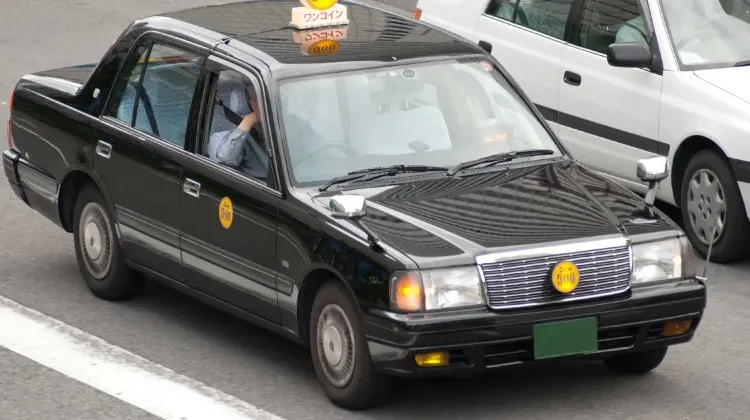
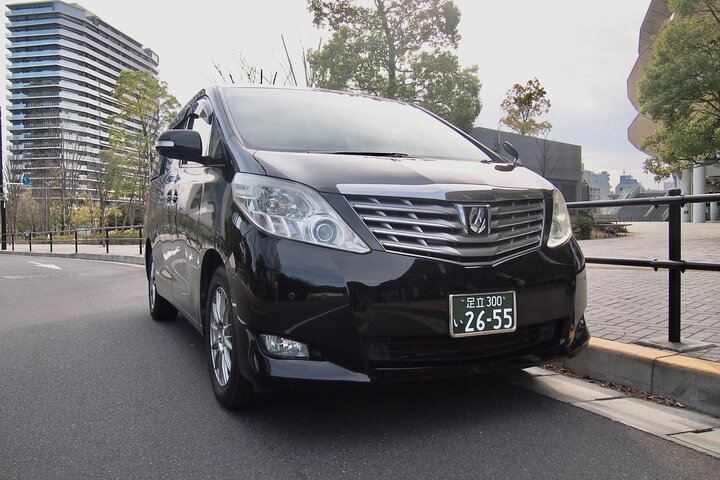
Taxis in Tokyo are known for their cleanliness, safety, and exceptional service. Although they are more expensive compared to public transport, they offer great convenience — especially for travellers carrying heavy luggage, families with children, or those returning late at night after train services have ended. Taxi drivers in Tokyo are generally polite and professional, and many vehicles are equipped with navigation systems to ensure accurate routes and fares.

All official taxis in Tokyo are easily recognisable by their distinct coloured cars and illuminated rooftop signs. Doors open and close automatically, so passengers should wait for the driver to open the door before entering or exiting. While most drivers may not speak fluent English, many taxis display fare information, route maps, and payment details in English.

Below is a quick overview of typical taxi fares and their approximate conversions to Malaysian Ringgit (MYR):

Distance / TypeTypical Fare (JPY)Approx. Fare (MYR)Remarks

Base fare (first 1.2 km)

¥500–¥600

RM15 – RM18

Includes initial distance upon boarding

Per additional 300–400 m

¥100–¥120

RM3 – RM3.60

Added automatically on meter

Airport to Tokyo City (Haneda)

¥5,000–¥7,000

RM150 – RM210

25–40 minutes depending on traffic

Airport to Tokyo City (Narita)

¥20,000–¥25,000

RM600 – RM750

60–90 minutes depending on distance

Late-night surcharge (10 PM – 5 AM)

+20%

Applied automatically to the fare

Ride-Hailing Apps and Booking Options

Tokyo has several convenient ride-hailing and taxi-booking apps, which are user-friendly and available in English. Malaysian travellers can use these apps to estimate fares, book taxis, and even make cashless payments:

  • JapanTaxi – Japan’s most popular local app; allows users to book taxis from multiple operators.
  • Uber Japan – Operates in Tokyo and offers both standard taxis and high-end vehicles.
  • DiDi Mobility Japan – A convenient choice for foreigners, available in English and accepts digital payments.
  • GO App – A Japanese app known for its reliability and wide network of taxis.

Payment Methods

Most taxis in Tokyo accept cash, IC cards (Suica or Pasmo), and major credit cards (Visa, MasterCard, JCB). Some vehicles also support mobile payment options such as PayPay, Apple Pay, or Line Pay. However, it is advisable to confirm payment methods before starting your journey.

When to Choose Taxis

Taxis are ideal when you value comfort, privacy, or need door-to-door service particularly when travelling with luggage or elderly passengers. Although pricier, the professionalism, punctuality, and cleanliness of Tokyo’s taxi services make them a reliable transport choice for Malaysian travellers seeking convenience and peace of mind.

Tips for Malaysian Travellers

  • Language Barrier: If the driver does not speak English, show your destination in Japanese or display the address on Google Maps.
  • Avoid Rush Hours: Taxis may get stuck in heavy traffic between 7:30–9:00 AM and 5:00–7:00 PM, which could increase the fare.
  • Late-Night Convenience: Taxis are the best option after midnight, as most train and subway lines stop operating around 12:00 AM.
  • Safety: All taxis are registered and regulated, ensuring passenger safety. Avoid unlicensed vehicles.
  • Tipping: Tipping is not expected in Japan. The total amount displayed on the meter is the final fare.

🔥Luxury Meets Savings

Exclusive Premium Travel Offers Elevate your journeys with handpicked business class flights, luxury hotel stays, and premium travel experiences specially tailored for you

Airport Transfers

AIRPORT TRANSFER

Tokyo is served by two main international airports which is Narita International Airport (NRT) and Haneda Airport (HND). Both airports are well-connected to the city centre through a range of reliable and efficient transport options, making it easy for Malaysian travellers to reach their hotels or destinations upon arrival. Whether you prioritise speed, comfort, or affordability, there are several transfer choices to suit every budget and preference.

1. From Narita International Airport (NRT)

Narita Airport is located approximately 60 kilometres east of central Tokyo and is the main gateway for most international flights. Travelling from Narita to the city typically takes 60 to 90 minutes, depending on the mode of transport.

Transport OptionDurationFare (JPY)Approx. Fare (MYR)Remarks

Narita Express (N’EX)

~60 minutes

¥3,200

RM96

Direct train to Tokyo, Shibuya, Shinjuku, and Yokohama; reserved seating

Keisei Skyliner

~40 minutes

¥2,600

RM78

Fastest route to Ueno or Nippori; ideal for access to northern Tokyo

Airport Limousine Bus

60–90 minutes

¥1,300–¥3,200

RM39 – RM96

Direct to major hotels and stations; luggage-friendly

Shared Shuttle / Private Transfer

60–90 minutes

¥8,000–¥12,000

RM240 – RM360

Door-to-door service; convenient for groups or families

Taxi

60–90 minutes

¥20,000–¥25,000

RM600 – RM750

Most expensive but comfortable option, especially for late-night arrivals

2. From Haneda Airport (HND)

Haneda Airport is located much closer to central Tokyo only about 20 kilometres away making transfers faster and more affordable. It mainly serves domestic flights but also handles many international routes.

Transport OptionDurationFare (JPY)Approx. Fare (MYR)Remarks

Tokyo Monorail

~15 minutes

¥500

RM15

Connects to Hamamatsucho Station (JR Yamanote Line)

Keikyu Line

~20 minutes

¥300–¥500

RM9 – RM15

Direct train to Shinagawa and Asakusa

Airport Limousine Bus

30–60 minutes

¥1,000–¥1,500

RM30 – RM45

Direct routes to major hotels and tourist areas

Taxi

25–40 minutes

¥5,000–¥7,000

RM150 – RM210

Convenient for travellers with luggage or late-night flights

Recommended Options for Malaysian Travellers

  • For comfort and convenience, the Narita Express or Keisei Skyliner is highly recommended as both are fast, comfortable, and foreigner-friendly.
  • For budget-conscious travellers, the Airport Limousine Bus offers good value with direct routes to popular hotels and major stations.
  • If your flight arrives late at night, taxis or private transfers are the most practical options since trains stop operating around midnight.

Tips for a Smooth Airport Transfer

  • Buy tickets in advance: You can purchase Narita Express and Skyliner tickets at airport counters or through automatic machines with English instructions.
  • Use IC cards: Suica or Pasmo cards can be used on most train lines, making travel more convenient.
  • Luggage delivery services: Consider using Japan’s takkyubin (luggage forwarding) service to send your bags directly to your hotel, allowing you to travel light.
  • Travel time planning: Always allow extra time when heading to the airport, especially during rush hours or before international flights.
  • Wi-Fi and SIM cards: Both airports offer SIM cards and pocket Wi-Fi rentals — useful for navigating transport apps upon arrival.

With Tokyo’s excellent airport transport network, Malaysian travellers can start their journey with ease and comfort. Whether arriving at Narita or Haneda, each option ensures a smooth and stress-free connection to Japan’s vibrant capital.

🔥Discover your own Japan

Kyushu boasts beautiful natural landscapes, famous hot spring towns perfect for relaxing, and plenty of fresh seafood. With a wide range of attractions to enjoy year-round, its mild climate and distinctive local culture make Kyushu a popular travel destination.

Transportation Cards and Passes

TRAVEL PASS

Source: Japan RailPass

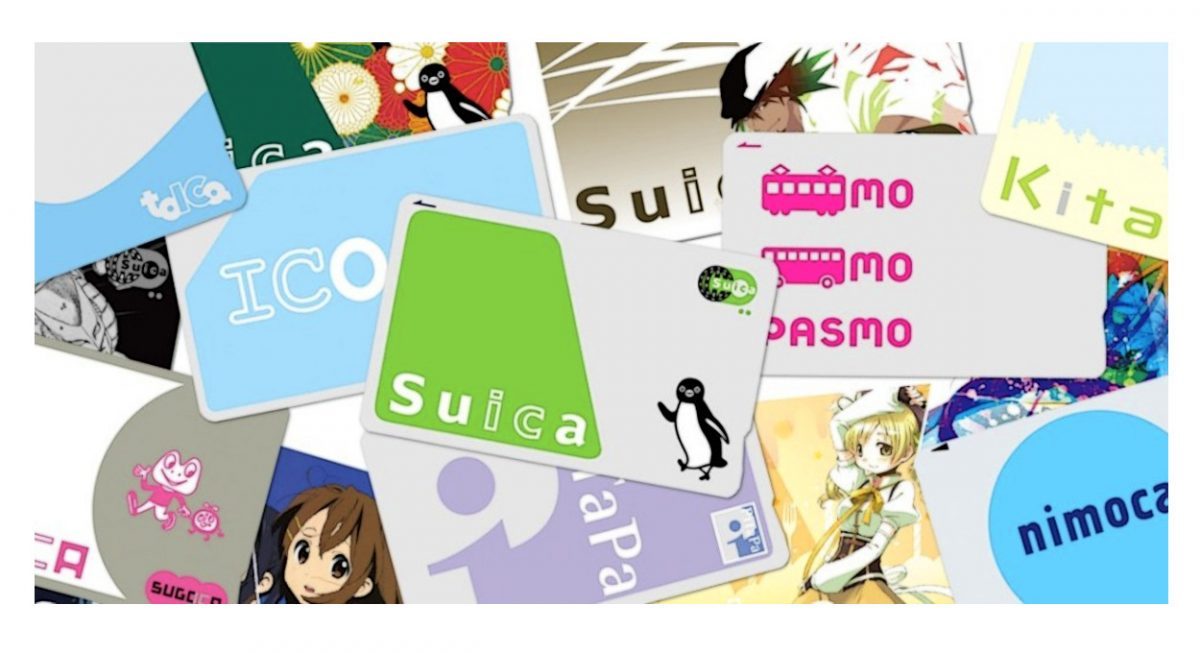
Navigating Tokyo’s extensive transport network is much easier with the help of rechargeable travel cards and tourist passes. For Malaysian travellers, these options save both time and money, as they eliminate the need to buy individual tickets for every journey. Most cards and passes can be used across multiple transport systems, including trains, subways, and buses.

1. IC Cards (Suica and Pasmo)

TRAIN PASS

Source: Time Out

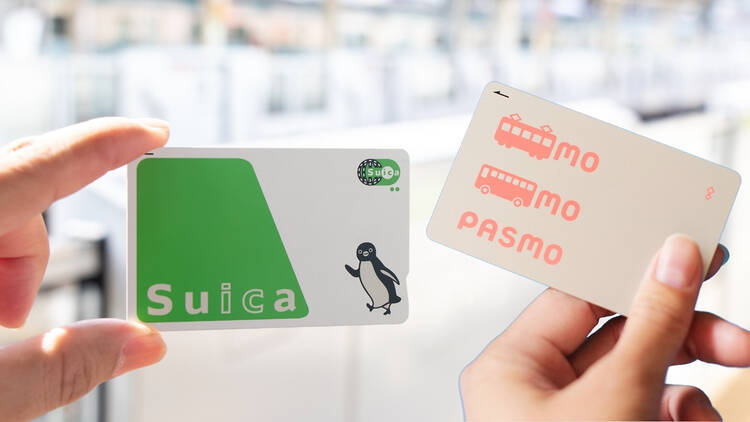
The Suica and Pasmo cards are rechargeable smart cards that can be used for nearly all types of public transportation in Tokyo — including JR trains, Tokyo Metro, Toei Subway, and city buses. These cards offer a cashless and convenient way to travel; simply tap your card at the ticket gates when entering and exiting stations.

IC cards are also accepted at convenience stores, vending machines, coin lockers, and some restaurants, making them extremely versatile for tourists.

Card TypeInitial Cost (Including ¥500 Deposit)Approx. Cost (MYR)Where to BuyRecharge Options

Suica Card

¥2,000

RM60

JR East stations, ticket machines, airport counters

Stations, convenience stores

Pasmo Card

¥2,000

RM60

Tokyo Metro and Toei Subway stations, airports

Stations, convenience stores

Useful Tips for Malaysian Travellers:

  • Both cards function the same way; the main difference is the issuing company.
  • You can check your remaining balance at ticket gates or machines.
  • Cards can be reloaded in amounts of ¥1,000, ¥2,000, ¥5,000, or ¥10,000.
  • IC cards can also be linked to mobile wallets such as Apple Pay or Google Pay for added convenience.

2. Tourist Passes

TRAVEL PASS

Source: the poor traveler

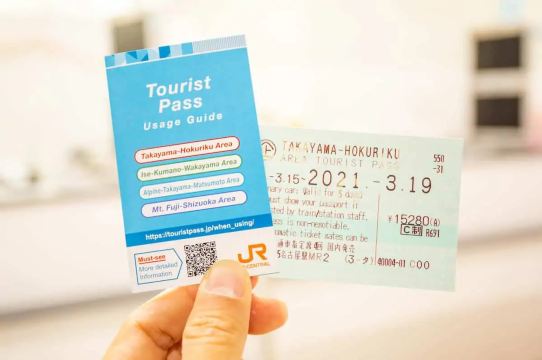
For travellers planning to use public transport frequently, Tokyo offers several tourist passes that allow unlimited rides within a fixed period. These passes are ideal for sightseeing and can be used across different train and subway operators.

Pass TypeCoverageValidityFare (JPY)Approx. Fare (MYR)Where to Purchase

Tokyo Subway Ticket

Unlimited rides on Tokyo Metro and Toei Subway lines

24 / 48 / 72 hours

¥800 / ¥1,200 / ¥1,500

RM24 / RM36 / RM45

Airports, subway stations, travel centres

JR Tokyo Wide Pass

Unlimited rides on JR East lines in and around Tokyo (including Nikko, Fuji, and Karuizawa)

3 days

¥10,180

RM305

JR East offices, online (JR East website)

Greater Tokyo Pass

Unlimited travel on participating trains and buses in the Kanto region

3 days

¥7,200

RM216

Major train stations, online

Welcome Suica (for tourists)

Preloaded Suica card with no deposit required

Up to 28 days

¥2,000–¥10,000

RM60–RM300

Narita and Haneda airports

Which Option Should Malaysian Travellers Choose?

  • Short-Term Visitors (1–3 days):
    The Tokyo Subway Ticket is the best value, offering unlimited rides on both Tokyo Metro and Toei Subway lines — perfect for sightseeing around central Tokyo.
  • Travellers Exploring Beyond Tokyo:
    The JR Tokyo Wide Pass is highly recommended if you plan to visit nearby areas such as Mount Fuji, Nikko, or Yokohama.
  • Casual Travellers or Families:
    A Suica or Pasmo card offers the greatest flexibility, as it can be used on nearly all transportation systems and even for shopping and dining.

Additional Tips for Using Transport Cards and Passes

  • Keep your card or pass in an easily accessible place, such as a wallet or cardholder, for quick scanning at ticket gates.
  • Always check the validity period of time-based passes before travelling.
  • If your card balance runs low, recharge it at any ticket machine or convenience store.
  • For convenience, register your IC card to your mobile device to avoid carrying multiple cards.
  • Children’s cards are available at discounted rates — ideal for families travelling with young kids.

Using IC cards and transport passes is one of the easiest ways to explore Tokyo efficiently. With just a single tap or pass scan, Malaysian travellers can move effortlessly through the city’s world-class transportation system saving time, avoiding ticket queues, and enjoying a smooth, stress-free journey.

Recommended Hotels in Tokyo

Lihat Semua Hotel
NO.1
APA Hotel Shinjuku-Kabukicho Tower
9.2/10164 reviews
APA Hotel Shinjuku-Kabukicho Tower
Hotel di Tokyo
NO.2
Tokyo Disneyland Hotel
9.6/1061 reviews
Tokyo Disneyland Hotel
Hotel di Urayasu
NO.3
APA Hotel Shinjuku Gyoemmae
8.5/10126 reviews
APA Hotel Shinjuku Gyoemmae
Hotel di Tokyo
NO.4
Hotel Metropolitan Tokyo Haneda
9.4/101071 reviews
Hotel Metropolitan Tokyo Haneda
Hotel di Tokyo

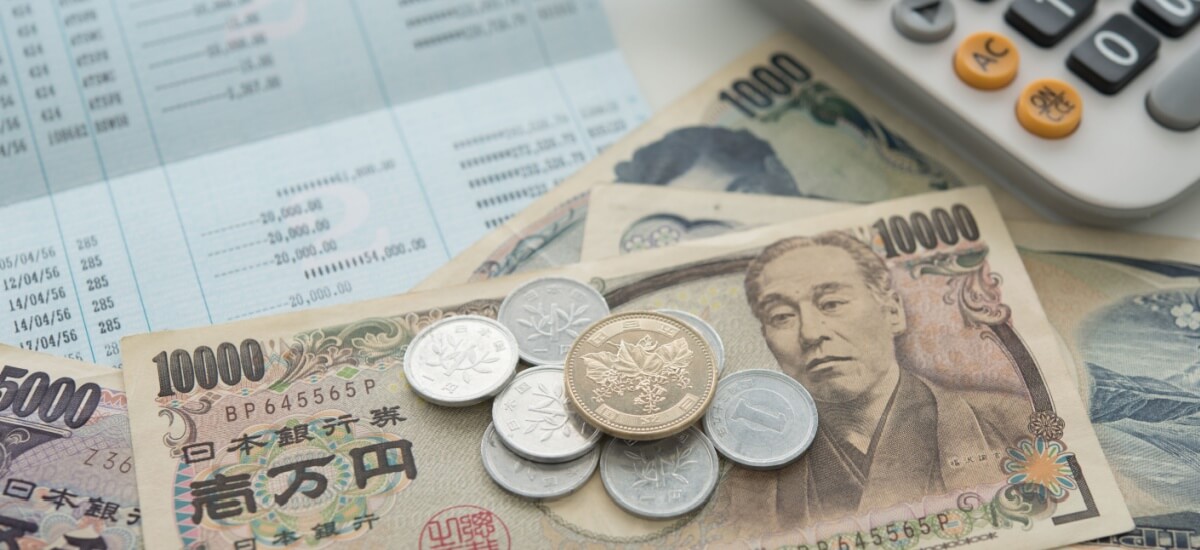
Money and Payments in Tokyo

MONEY AND PAYMENTS IN jAPAN

Source: Wise

Tokyo is a highly modern city, yet cash still plays an important role in everyday transactions. For Malaysian travellers, understanding how to manage money and payments in Tokyo will make your trip much smoother. The good news is that both cash and cashless payment options are widely accepted, giving you plenty of flexibility.

1. Cash Usage in Tokyo

Although Tokyo is modern and digital-friendly, cash is still widely used, especially at small restaurants, traditional shops, local markets, and older establishments. Malaysian travellers are advised to carry some cash at all times, particularly for public transport, temples, street food vendors, and coin lockers.

You can withdraw Japanese Yen easily from:

  • ATMs at convenience stores such as 7-Eleven, FamilyMart, and Lawson (accept international cards).
  • Japan Post Bank ATMs, found at post offices and airports.
  • Major bank ATMs like MUFG, SMBC, and Mizuho Bank (available in English).
  • Tip: 7-Eleven ATMs are the most reliable for Malaysian debit or credit cards (Visa, MasterCard, or UnionPay).

2. Cashless and Digital Payments

Tokyo has embraced digital payments, especially in major shopping areas, hotels, and restaurants. The most common cashless payment options include:

  • Credit and Debit Cards: Visa, MasterCard, JCB, and American Express are accepted in most hotels, malls, and chain restaurants.
  • IC Cards (Suica / Pasmo): These transport cards double as prepaid e-wallets, allowing you to pay for train rides, vending machines, and convenience store purchases with just a tap.
  • Mobile Payments: Popular options include Apple Pay, Google Pay, PayPay, Line Pay, and Alipay. However, Malaysian travellers should note that local e-wallets like Touch ’n Go or GrabPay are not accepted in Japan.
Payment MethodWhere AcceptedRemarks for Malaysian Travellers

Cash (Yen)

Everywhere

Essential for small shops, temples, markets

Credit / Debit Cards

Hotels, malls, restaurants

Ensure card supports international use

Suica / Pasmo (IC Cards)

Transport, convenience stores, vending machines

Easy to top up and widely accepted

Mobile Payments (Apple Pay, PayPay, etc.)

Major retailers, some cafés

Check app compatibility with your card

QR Code Payments

Some restaurants and shops

Mostly for local users; limited support for Malaysian e-wallets

Currency Exchange in Tokyo

Foreign currency exchange services are easily available at airports, banks, and money changers throughout Tokyo. The most convenient locations include:

  • Narita and Haneda Airports: Offer multiple exchange counters with fair rates.
  • Major Stations: Tokyo Station, Shinjuku, and Shibuya have currency exchange booths.
  • Travelex and Sakura Exchange: Trusted money exchange operators in tourist areas
  • 💡 Tip for Malaysian Travellers: Exchange a small amount at the airport for immediate expenses, then compare rates at city money changers for better value.

Practical Tips for Malaysian Travellers

  • Always carry small notes and coins for bus fares, coin lockers, or vending machines.
  • Notify your bank before travelling to Japan to avoid card blocking.
  • Check transaction fees for overseas ATM withdrawals and card payments.
  • Avoid exchanging money at hotels, as they often offer lower rates.
  • Use IC cards (Suica/Pasmo) for both transport and small daily purchases to reduce the need for cash.

For Malaysian travellers, using a mix of cash and cashless payment methods is the most practical approach in Tokyo. Carry some Japanese Yen for smaller transactions and use your credit card or IC card for larger or daily purchases. With proper planning, managing money and payments in Tokyo is convenient, efficient, and stress-free ensuring you can enjoy the city without worrying about how to pay for your next sushi meal or train ride.

🔥Up to 20% OFF on New Hotels

Frequently Asked Questions (FAQs) — Transportation in Tokyo

Disclaimer: This article has been provided by an individual contributor or third party platform. If there is any discrepancy regarding the copyright, please contact us directly and we will delete the content immediately.
Sakura

Sakura

Travel Writer

Lihat profil

She is a passionate writer who enjoys creating simple, helpful, and easy-to-understand content. With a strong interest in travel and practical guides, she aims to share useful information that helps readers plan better and travel with confidence. Through clear and straightforward writing, she hopes to make every journey feel less complicated and more enjoyable.

117 artikel
Travel
> >
Tokyo Transportartion