

Best Time to Visit Harbin (Weather, Crowds & Costs)

Oleh Trip.com
25 Mac 2025
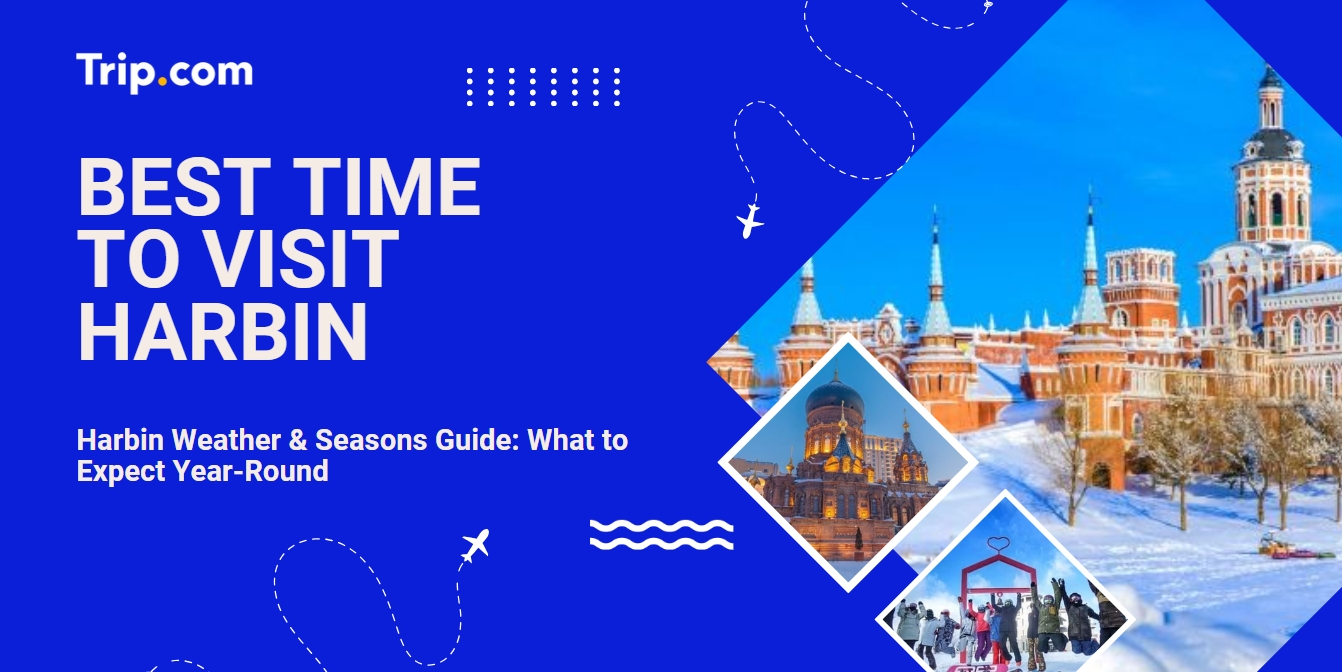
Nestled in China’s far northeast, Harbin sits close to the Russian border and proudly embraces its mix of Chinese and Russian influences. It’s a place where onion-domed churches meet steaming hot pot restaurants, all set against a backdrop of dramatic seasonal changes. Harbin has a humid continental climate, which means hot, humid summers and bone-chilling, snow-packed winters—truly a destination where every season has its own personality.
Harbin weather is famous for its extremes. Summers can be scorching, reaching 30°C (86°F), while winters are harsh, rarely rising above -15°C (5°F) and often dipping below -25°C (-13°F). These dramatic temperature swings aren’t just numbers—they shape how you pack, plan, and explore the city.
Understanding Harbin’s Weather
Spring (March to May)
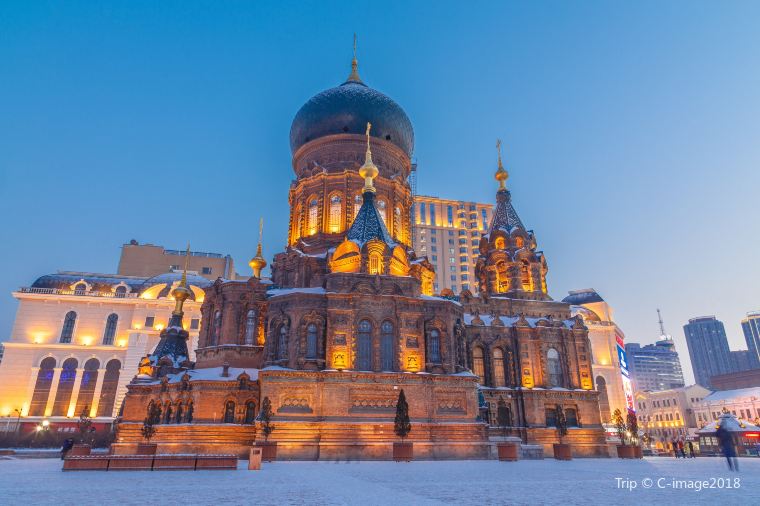
Spring in Harbin is short and transitional. March is still icy, but by April, the snow begins to melt, and flowers timidly start blooming.
- Weather conditions: Daytime highs rise from -5°C (23°F) in March to around 18°C (64°F) in May. Nights are still cold early on, and the air can be dry and dusty.
- What to wear: Layering is essential. I usually wear a thermal base, hoodie or sweater, and a windproof jacket. By May, a light coat and long sleeves are fine.
- Best seasonal activities: Take a walk along the Songhua River or stroll through Zhaolin Park as it thaws into life. The city feels quieter, almost secretive in this shoulder season.
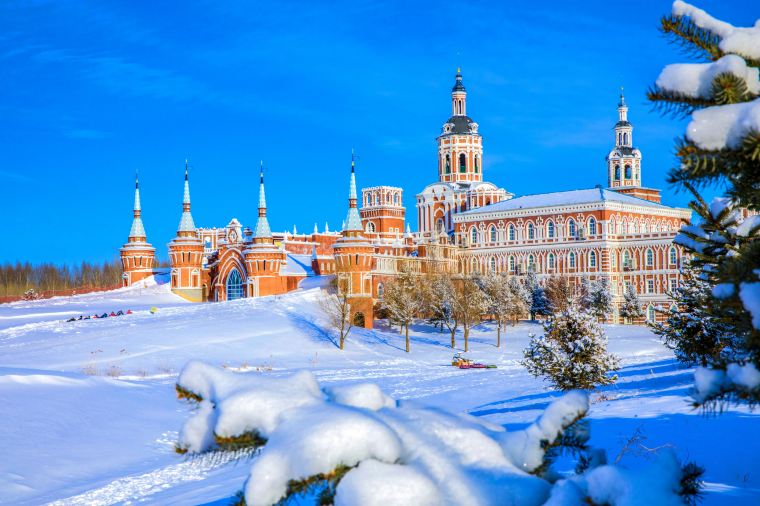
- Events: The tail end of the Harbin Ice and Snow Festival sometimes stretches into early March—if you’re lucky, you can still catch the sculptures before they melt!
Summer (June to August)
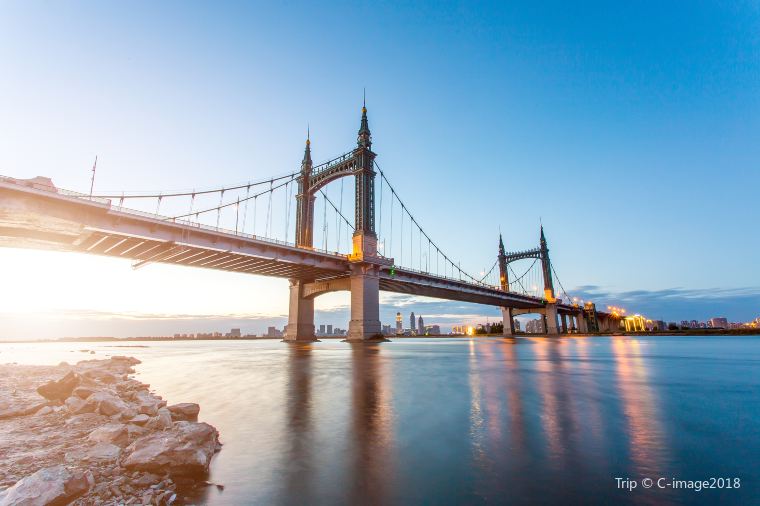
Harbin in summer is surprisingly warm and lush. June brings relief from the cold, and July can feel downright tropical.
- Weather conditions: Temperatures range from 18°C to 30°C (64°F to 86°F), with high humidity, especially in July—the wettest month. Expect sudden thunderstorms.
- What to wear: Breathable fabrics are key. I go for shorts, loose cotton tops, and always carry a light rain jacket or umbrella—Harbin in summer is no stranger to pop-up showers.
- Best seasonal activities: This is the best time to enjoy Harbin’s Sun Island, bike along the riverfront, or cruise on the Songhua River at sunset. It’s picnic weather for sure.
- Events: The Harbin Summer Music Concert (Harbin Summer Music Festival) is a cultural highlight in July, celebrating the city’s musical roots with classical and modern performances.
Autumn (September to November)
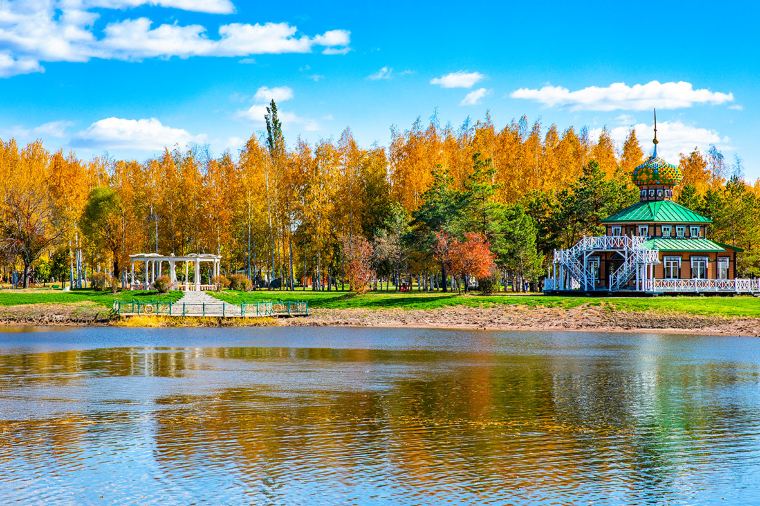
My personal favorite. Autumn in Harbin is crisp, colorful, and calm—a perfect time for photographers and city explorers.
- Weather conditions: September starts around 22°C (72°F) and drops to about -5°C (23°F) by late November. It gets chilly fast after October, but rainfall drops significantly.
- What to wear: Start with a light jacket in September, then shift to coats, scarves, and gloves by November. I usually bring layers and a thermal just in case.
- Best seasonal activities: Harbin’s parks explode in shades of gold and crimson, especially in places like Stalin Park and the forest areas around Sun Island. It’s a fantastic time for day trips to nearby mountains.
- Events: October brings local harvest markets, where you can try fresh fruit, smoked sausages, and the region’s famous mushrooms.
Winter (December to February)
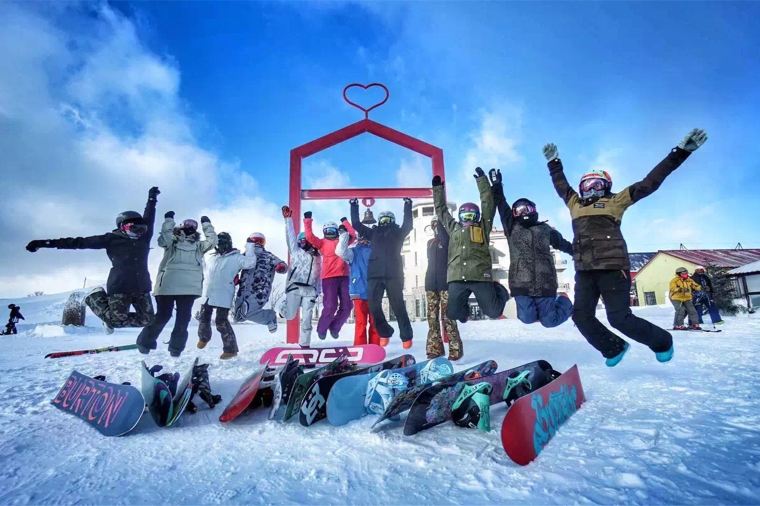
Harbin in winter is a different world—icy, glittering, and totally magical. This is the reason many travelers come in the first place.
- Weather conditions: Brutal cold. Daytime highs hover around -15°C (5°F), and nights can plunge to -25°C (-13°F) or lower. Snow is frequent, and the wind bites hard.
- What to wear: This isn’t just about fashion—it’s survival. I wear thermal underwear, fleece-lined everything, a down coat, snow boots, gloves, hat, and a face mask. Even your phone battery might freeze!
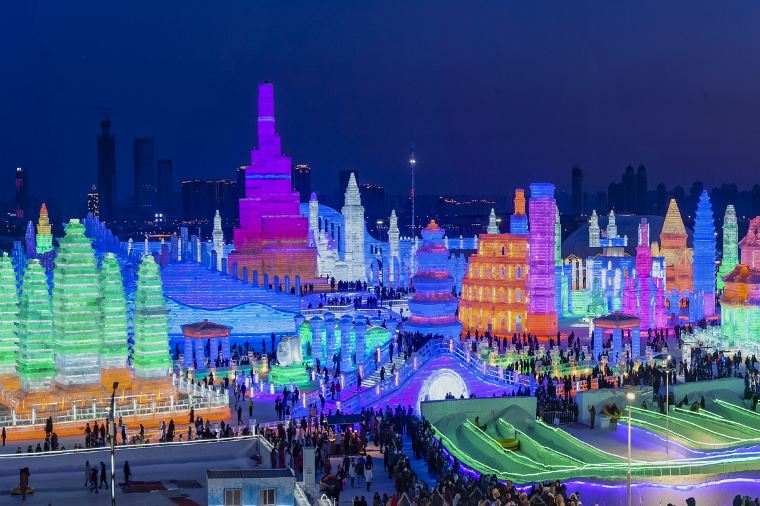
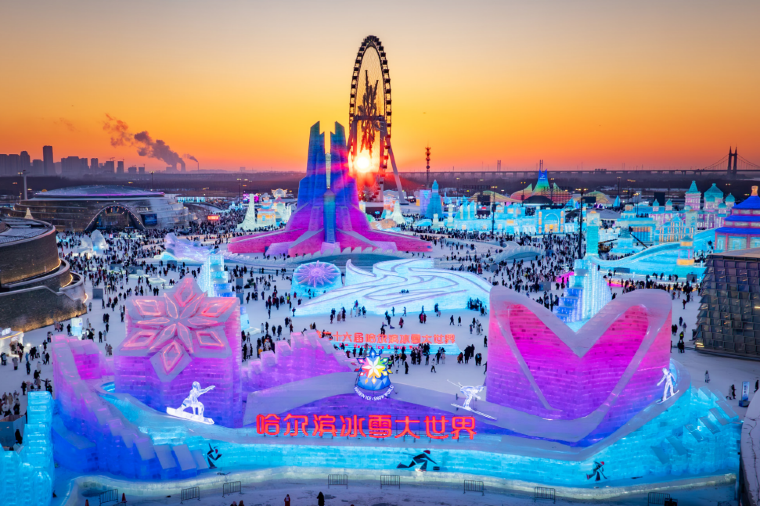
- Best seasonal activities: Of course, the Harbin Ice and Snow Festival is the showstopper—massive frozen palaces lit with neon lights. Also check out Siberian Tiger Park, snow sports in Yabuli, and skating on the Songhua River.
- Events: From late December through February, the city transforms into a frozen fairytale during the Ice Festival. Book early—hotels fill up fast during this period.
3GB/day 3 Days
- Data3GB Daily
- Validity3 Days
- PriceFrom RM17.83
20GB 5 Days
- Data20GB
- Validity5 Days
- PriceFrom RM37.57
20GB 7 Days
- Data20GB
- Validity7 Days
- PriceFrom RM40.72
🎡Popular Local Attractions & Cheap Tickets
Latest Trip.com Promo Code, Coupons, Flight Deals & Hotel Discounts for Malaysia
🎁Best Flight Deals on Trip.com
Latest Trip.com Flight Deals & Promotions for Malaysia
Harbin Weather by Month: Best Travel Months & Seasonal Insights
| Month | Temperature Range (°C/°F) | Rainfall Levels (mm/inches) | Traveler Insights |
| January | -25 to -13°C / -13 to 9°F | 5 mm / 0.2 in | The heart of winter. Harbin weather in January is freezing but magical. Expect crowds at the Harbin Ice and Snow Festival. Bundle up—thermal layers and hand warmers are a must. |
| February | -21 to -9°C / -6 to 16°F | 6 mm / 0.2 in | Still icy, but slightly less harsh. Great time to catch the tail end of the Ice Festival with fewer tourists. Ski resorts like Yabuli are at their peak. |
| March | -12 to 0°C / 10 to 32°F | 9 mm / 0.35 in | Snow starts to melt, but it’s still cold. Slushy streets can make walking tricky. Harbin weather in March is unpredictable—wear waterproof shoes and layers. |
| April | 1 to 13°C / 34 to 55°F | 18 mm / 0.7 in | A slow, quiet thaw. Not much happening event-wise, but good for off-season travel. Parks begin to show signs of spring. |
| May | 9 to 22°C / 48 to 72°F | 34 mm / 1.3 in | Pleasant and fresh. Flowers bloom across the city. Great time for outdoor walks with fewer crowds. Harbin’s best travel months start here if you like mild weather. |
| June | 16 to 27°C / 61 to 81°F | 75 mm / 3 in | Summer begins. Warm days, occasional rain. Perfect for river cruises and exploring Sun Island. Bring a light rain jacket—Harbin rainfall by month spikes from here. |
| July | 20 to 29°C / 68 to 84°F | 140 mm / 5.5 in | Hot and humid—the wettest month. Expect afternoon thunderstorms. Great for summer concerts and casual local life. Avoid if you dislike humidity. |
| August | 18 to 28°C / 64 to 82°F | 115 mm / 4.5 in | Still warm, slightly less rain. Best for relaxed riverside strolls and outdoor dining. Harbin weather in August feels tropical at times—bring breathable clothes. |
| September | 11 to 21°C / 52 to 70°F | 45 mm / 1.8 in | Cooler nights, fewer showers. Trees start to turn gold. One of Harbin’s best travel months for hiking and photography. |
| October | 1 to 12°C / 34 to 54°F | 23 mm / 0.9 in | Golden autumn. Parks are stunning. Perfect sweater weather. Expect clear skies and low crowds. Pack layers for chilly evenings. |
| November | -10 to -2°C / 14 to 28°F | 8 mm / 0.3 in | First snow arrives. Preps for winter festivals begin. It’s cold but peaceful—ideal if you want a quiet wintery Harbin experience before the peak season. |
| December | -20 to -10°C / -4 to 14°F | 6 mm / 0.2 in | Ice Festival kicks off. Harbin turns into a frozen fairyland. Book early, it gets busy fast. Cold is intense—dress for arctic conditions. |
Peak, Shoulder, and Off-Peak Travel Seasons
1️⃣ Peak Season (December to February)
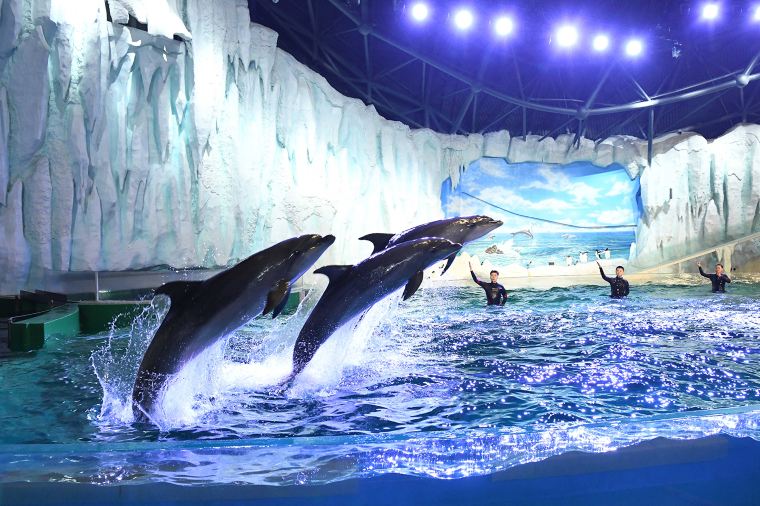
Harbin’s peak travel season hits hard in winter—December, January, and February—when the entire city becomes a frozen wonderland thanks to the world-famous Harbin Ice and Snow Festival. Based on Google Trends, search volume for “best time to visit Harbin,” “Harbin flights,” and “Harbin hotels” peaks in late December and early January.
- Crowds & Costs: Expect premium pricing on flights and hotels, especially around New Year and Chinese New Year. Tour groups flood the city, and popular spots like the Ice and Snow World or Snow Sculpture Art Expo get seriously packed.
- Pros: The best time to visit Harbin for festivals, with larger-than-life ice sculptures, snow sports in Yabuli, and that magical northern lights glow on clear winter nights.
- Cons: Prices are steep, hotels fill fast (especially family-friendly or riverside ones), and temps can drop below -25°C (-13°F). Long lines and traffic are common.
- Smart Travel Hacks: Book hotels and flights 3+ months in advance. Visit the major ice parks right when they open or after 8:30pm (most tour groups leave by then). For cheaper stays, look in the Nangang or Daowai districts instead of central Daoli.
2️⃣ Shoulder Season ( March to May and September to early November)
I always recommend visiting Harbin in September or October—these months strike the perfect balance. You skip the summer humidity and avoid the freezing cold. Search data shows a gentle bump in interest around National Day Golden Week in early October, but otherwise these months stay pretty chill.
- Why it’s ideal: Mild weather, fewer tourists, and lower prices make this a sweet spot. March to May is less photogenic (spring thaw = slushy streets), but still manageable for those avoiding high prices.
- Traveler Type: Great for photographers, budget-conscious travelers, or anyone who enjoys slower-paced, authentic local experiences.
- Perks: Harbin weather in October is dry, crisp, and golden—great for exploring Sun Island and Stalin Park. In spring, you might still catch snow-capped scenes in early March, with blooming trees arriving by late April.
- Tips: Avoid traveling during Golden Week (Oct 1–7) if you dislike crowds. Outside of that, you’ll enjoy good availability and deals.
3️⃣ Off-Peak Season ( June to August)
Harbin’s off-peak season hits in the summer, especially July and August, when the rest of China heats up and Harbin becomes a cooler northern escape—though still warm and sticky by local standards. Google Trends shows a dip in hotel searches and “Harbin flights” during these months.
- Cost & Crowd Levels: Flights and hotels are much cheaper, especially mid-week. Major attractions stay open but are less busy compared to winter.
- Advantages: Great for slow travel, river cruises, and local food hunting without shoulder-to-shoulder crowds. Cheapest month to visit Harbin is typically July.
- Downsides: Expect frequent rain and afternoon thunderstorms. Humidity can be intense. Bring mosquito spray and a portable fan.
- Who It’s For: Ideal for relaxed travelers, long-stay digital nomads, or anyone looking to explore Harbin without a rush—or a dent in their wallet.
- Tip: Book a hotel near the river to catch breezes and sunset views. Sun Island is lush and green this time of year, perfect for picnics and biking.
4️⃣ Major Festivals & Events That Impact Travel
- Harbin Ice and Snow Festival (Dec 20 – late Feb): The biggest draw by far. Prices skyrocket, and everything gets booked fast. Worth planning a trip around if you’ve never seen it.
- Chinese New Year (Jan/Feb, varies): Coincides with the festival. Expect surges in local tourists, crowded trains, and inflated prices.
- Harbin Summer Music Concert (mid-July): A lesser-known gem for music lovers—expect lively performances and some local buzz.
- National Day Holiday (Oct 1–7): Huge domestic travel surge. Flights, hotels, and trains are fully booked. Avoid unless you want to experience crowds on steroids.
Flights from Kuala Lumpur to Harbin
- Pergi Balik
- Sehala
 KUL03:3020j 45m1 stopsHRB00:15Kuala Lumpur - Harbin|Kha, 29 Okt|Shandong AirlinesHRB18:1532j 15m1 stopsKUL02:30Harbin - Kuala Lumpur|Rab, 4 Nov|Shandong Airlines£ 192£ 25625% offCari25% off£ 256£ 192
- KUL03:3013j 30m1 stopsHRB17:00Kuala Lumpur - Harbin|Isn, 26 Okt|Shandong AirlinesHRB18:1532j 15m1 stopsKUL02:30Harbin - Kuala Lumpur|Sab, 31 Okt|Shandong Airlines£ 192£ 25625% offCari25% off£ 256£ 192
- KUL03:3013j 30m1 stopsHRB17:00Kuala Lumpur - Harbin|Jum, 30 Okt|Shandong AirlinesHRB09:1517j 15m1 stopsKUL02:30Harbin - Kuala Lumpur|Isn, 2 Nov|Shandong Airlines£ 192£ 25625% offCari25% off£ 256£ 192
 KUL13:0013j 30mTanpa hentiHRB14:00Kuala Lumpur - Harbin|Mon, Sep 6|Normal Airline
 HRB13:0013j 30mTanpa hentiKUL14:00Harbin - Kuala Lumpur|Mon, Sep 6|Normal AirlineCari Penerbangan LainCari Penerbangan Lain
Best Time to Visit Harbin Based on Your Travel Style
1️⃣ Budget Travelers
If you're looking for the best time to visit Harbin for budget travelers, aim for late March to May or July to early September. These months see a big drop in demand compared to the winter festival period, which means cheaper flights and deeply discounted hotel rates—sometimes up to 50% less than peak season.
Why? Because there’s no major festival, and Harbin’s spring thaw and humid summer weather keep most tourists away. But I’ve scored amazing deals during this time—especially if I booked flights 6–8 weeks ahead and hotels with flexible dates mid-week.
- Insider Tip: Avoid Chinese public holidays like Labor Day (May 1) and book hotels in the Nangang area for better value but easy access to sights.
- Extra Savings: Grab combo passes for Harbin’s museums and scenic spots—they're often discounted in the off-season.
2️⃣ Luxury Travelers
For those seeking high-end experiences in Harbin, the sweet spot is late December to mid-January. This is when the Ice and Snow Festival is in full swing, the city looks like a winter fairytale, and top-tier hotels pull out all the stops with ice-themed suites, private tours, and gourmet winter menus.
I once stayed at the Wanda Vista Harbin during this period—heated floors, northern Chinese fine dining, and a VIP entry pass to the ice park made the experience next-level.
- Luxury Highlights: Book private ice sculpture tours, dine at Michelin-recommended spots like Xie Lao Song, and explore Volga Manor with a chauffeured car.
- Booking Tip: Reserve at least 2–3 months in advance, especially if you want a room with Songhua River views or private spa access.
3️⃣ Adventure Seekers
If you're all about snow sports, icy hikes, or trying something unique like snowmobiling across frozen rivers, January and February are the best months. Harbin for adventure lovers means braving the cold, but the reward is fresh snow, frozen waterfalls, and the Siberian Tiger Park covered in white.
And if you're into skiing, Yabuli Ski Resort, just 2.5 hours away, has the best snow conditions from late December through February. Less touristy? Try Erlongshan for a quieter slope experience.
- Alternative Adventures: Try ice biking, snow rafting, or visiting rural Russian villages on the outskirts.
- Weather Warning: Temperatures drop below -20°C (-4°F), so proper gear is a must—heat packs, insulated boots, and face protection.
4️⃣ Cultural Enthusiasts
If you're chasing Harbin's cultural charm, I always suggest visiting late September to October. You’ll catch beautiful fall colors, fewer crowds, and great weather for temple visits and exploring the city’s Russian-Chinese architectural fusion.
This is also when Harbin’s Autumn Food Festival happens—perfect for sampling local dumplings, stews, and Harbin-style sausage. The weather stays mild enough for comfortable walks through Zhongyang Pedestrian Street and visits to museums like the Jewish History and Culture Museum.
- Best time for cultural festivals in Harbin: October (Autumn Food Festival), and December if you're into local ice-carving traditions before the official festival.
- Tip: Arrive a few days before National Day (Oct 1) to enjoy the atmosphere without the massive domestic tourist wave.
5️⃣ Family Travelers
If you’re traveling with kids, I recommend visiting early January or mid-July, depending on your tolerance for cold. January offers the full Ice Festival magic—kids love the snow slides and ice castles—but be ready for extreme temps. July, on the other hand, is warm, less crowded, and perfect for family boat rides on the Songhua River or relaxed time at Harbin Polarland.
- Best season to visit Harbin with family: January for winter wonder and July for easier logistics with younger children.
- School Holiday Tip: Chinese winter break overlaps with late January to early February—if you want smaller crowds, go early January or before July 10.
- Where to Stay: Look for hotels near Central Street that offer family suites and include breakfast—so much easier when traveling with kids!
Final Tips for Planning Your Trip to Harbin
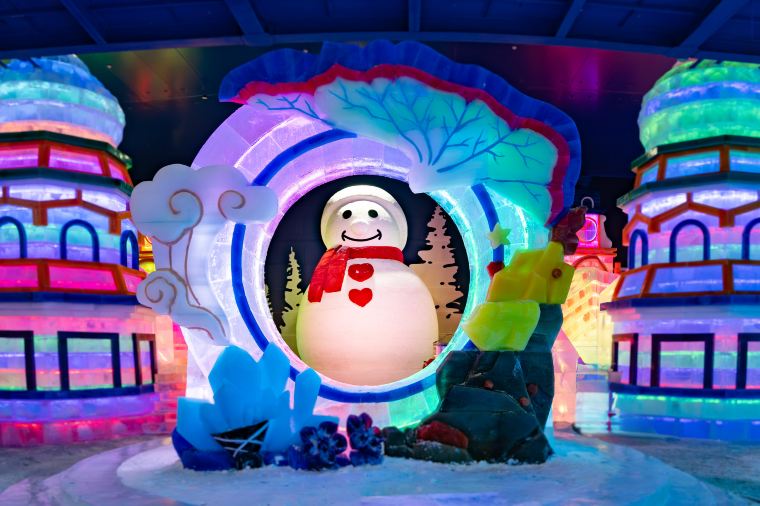
If you're dreaming of a snowy wonderland, January is hard to beat—with the Harbin Ice and Snow Festival in full swing and the city lit up in icy brilliance. For crisp air, golden leaves, and peaceful sightseeing, September and October are my go-to picks. And if you're after deals, spring and summer bring smaller crowds and lower prices, especially for budget travelers.
With the best time to visit in mind, all that’s left is to book your flights and start packing! Need help picking where to stay? Check out our Where to Stay in Harbin guide to find the best neighborhoods for your style and budget.
Looking for itinerary ideas? Don’t miss our Top Things to Do in Harbin for must-see sights, seasonal highlights, and a few hidden gems I’ve discovered along the way.
Ready to make your Harbin adventure a reality? Let’s start planning—your next unforgettable trip is just a few clicks away.
FAQs about best time to visit Harbin
-
1️⃣ What’s the best way to get around Harbin?
-
2️⃣ How much should I budget per day in Harbin?
-
3️⃣ Is Harbin safe for tourists?
-
4️⃣ What’s the best neighborhood to stay in Harbin?
-
5️⃣ What’s the best local food to try in Harbin?
-
6️⃣ What’s a common tourist mistake in Harbin?
-
7️⃣ What’s the best time to visit Harbin for good weather & fewer crowds?
-
8️⃣ Do I need cash, or can I use a credit card everywhere in Harbin?