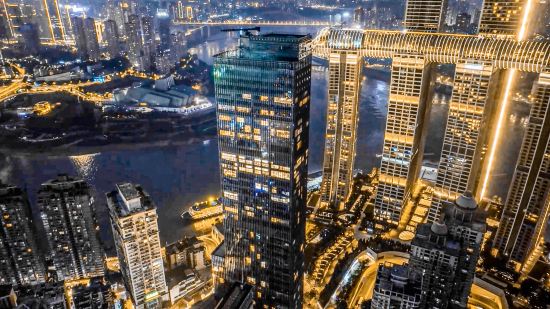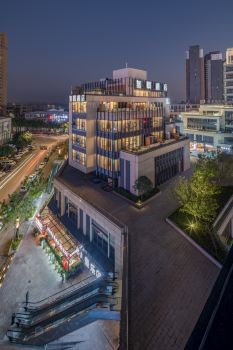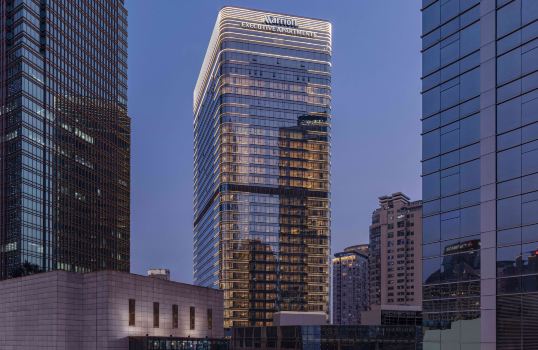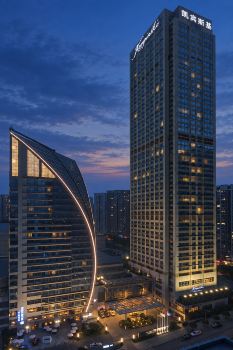


Landing in Chongqing, the first thing you’ll notice—apart from the dramatic mountain views and misty air—is how the city feels so different compared to places like Kuala Lumpur. The pace here isn’t frantic, but it isn’t laid-back either; it moves in waves, shaped by the hilly terrain and the Yangtze River that cuts through the city. Getting around can feel like an adventure in itself, with trains climbing slopes and roads weaving through tunnels and bridges.
As a Malaysian traveller, I’ll be honest: Chongqing’s transport system can seem intimidating at first, but it’s far more efficient than it looks. The metro network is huge, clean, and affordable, connecting most of the major attractions—whether you’re heading to Jiefangbei, Hongyadong, or the cable car across the river. The city buses are another option, though they can be a little confusing if you don’t read Chinese.
Ride-hailing apps like Didi are a lifesaver here, especially when you’re tired after a long day or need to get somewhere outside the metro lines. Just be prepared for traffic—Chongqing’s roads are steep, winding, and often jammed during peak hours. Walking is possible in some parts, but this is a city built on mountains, so be ready for stairs, slopes, and plenty of uphill climbs.
One more tip: always keep an eye on the weather. Chongqing is famous for its fog and sudden showers, much like KL’s unpredictable rain. Carry an umbrella if you can, but most importantly, bring patience and a sense of adventure. Because here in Chongqing, getting around isn’t just about moving from A to B—it’s part of the experience.
📝 Getting Around in Chongqing: A Malaysian Traveller’s Perspective

As a Malaysian visiting Chongqing, I quickly realised that getting around this mountain city is an experience in itself. At first, the scale of the metro map and the endless bridges and tunnels can feel overwhelming—but once you get used to it, Chongqing’s transport system is actually impressive, efficient, and surprisingly affordable. From busy riverfront districts to hillside neighbourhoods, the city’s network of metro lines, buses, and ride-hailing options is built to handle the unique geography of a place where no two streets seem to be on the same level. 🚝🚌🚕
🚶♂️ The Experience of Moving Through Chongqing
Chongqing has a rhythm that’s different from Kuala Lumpur—it’s lively, fast-moving, yet shaped by steep hills and winding roads.
You’ll notice that some areas are highly connected, especially around Jiefangbei and Shapingba, while others might require longer rides between spots.
Be prepared for crowds during peak hours, especially on popular metro lines, and don’t be surprised if your ride takes you across a mountain, through a tunnel, or even over the Yangtze River. Planning ahead makes travel smoother.
🔍 What Are Your Options?
🚇 Metro – Extensive, modern, and the most reliable way to explore the city.
🚌 City buses – Cheap but can be confusing if you don’t read Chinese.
🚕 Didi & taxis – Didi (China’s Grab) is convenient; taxis are available but not as widely used by travellers.
🚶♀️ Walking – Scenic in certain districts, but the city’s steep slopes and stairs can be challenging.
🚡 Cable cars & funiculars – Unique to Chongqing and worth trying for both the views and the experience.
🚗 Driving – Not recommended for visitors due to complex roads and heavy traffic.
💬 What You’ll Find Inside This Guide:
🎫 Which metro cards to buy for smooth travel
📱 Mobile apps that help with routes, translations, and ride-hailing
👨👩👧👦 Which transport options are best for families, solo travellers, or elderly visitors
🌤️ How Chongqing’s foggy weather and sudden rain can affect your plans
📍Here’s everything you need to know about getting around Chongqing—whether you’re sightseeing, commuting between districts, or simply hunting for the next hotpot feast. 🗺️ Let’s dive in!
Top Things to do in Chongqing
🚇 Getting Around by Train in Chongqing

Source: Daily Express
If you’re exploring Chongqing, the metro is hands down the most practical way to move around—especially since the city’s steep hills and heavy traffic can make other options tiring or time-consuming. At first, the map may look overwhelming (so many lines winding through mountains, bridges, and tunnels!), but once you ride a few times, you’ll see why locals rely on it daily.
🗺️ System Overview
Chongqing’s rail network is one of the largest in China and continues to expand:
- Line 1 (Red) – Runs east–west, connecting Shapingba, Jiefangbei, and Chaotianmen.
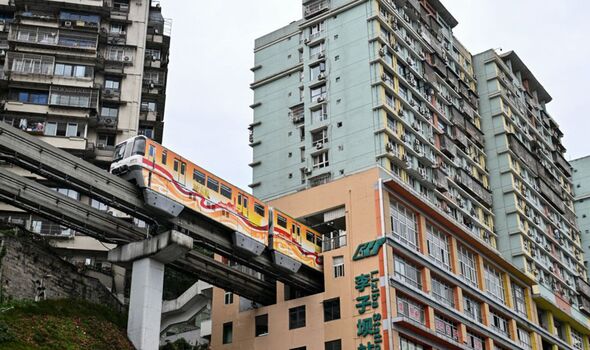
- Line 2 (Green) – Famous for passing through residential buildings at Liziba Station.
- Line 3 (Light Blue) – One of the busiest, linking Jiangbei Airport, Yuzhong Peninsula, and major shopping areas.
- Line 6 (Purple) – Connects key cultural spots and extends toward the northern districts.
- Line 10 (Sky Blue) – Convenient for airport transfers.
- Other Lines – Several more (Lines 4, 5, 9, etc.) expand across the city, creating a wide-reaching network.
Major interchange stations like Xiaoshizi, Hongqihegou, Niujiaotuo, and Chongqing North Railway Station make it easy to switch between lines.
📍 Key Tourist Stops to Know
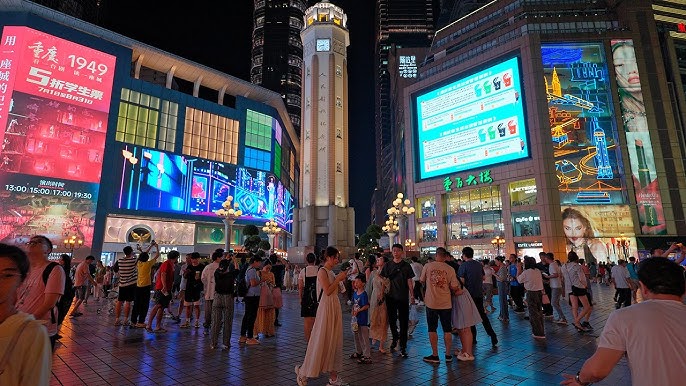
- Jiefangbei (Line 2 & Line 6) – 🏙️ Downtown shopping and entertainment district
- Liziba (Line 2) – 🚉 Iconic “train through the building” station
- Hongyadong (near Xiaoshizi Station) – 🎇 Riverside nightlife and stilted houses
- Ciqikou Ancient Town (Line 1, Ciqikou Station) – 🏮 Historic streets and street snacks
- Chaotianmen (Line 1) – 🚢 River cruises at the Yangtze and Jialing confluence
- Jiangbei Airport (Line 3 & Line 10) – ✈️ Direct connection to flights
💳 Tickets, Cards & Payment
- The Chongqing Transportation Card (Yikatong) is the most convenient—works across metro, buses, and some taxis.
- Can be purchased and topped up at metro stations.
- Alternatively, you can use Alipay or WeChat Pay with QR codes at the gates.
- Single-journey tickets are also available from vending machines.
🕒 Operating Hours & Frequency
- Most lines run from around 6:30am to 11:30pm.
- Trains arrive every 3–6 minutes during peak hours and 6–10 minutes off-peak.
- Services are generally punctual, though crowds are common during rush hours.
✅ Who It’s For & What to Expect
- Perfect for tourists, solo travellers, and families staying near city districts.
- Trains are modern, air-conditioned, and very affordable.
- Announcements are made in Chinese and English, with clear signage.
- Escalators and lifts are available, though exits may be far apart due to the city’s geography.
- Scenic rides—some lines run above ground with stunning views of the river and mountains.
⚠️ Tips & Things to Look Out For
- Peak hours (7:30–9:00am, 5:30–7:00pm) can be extremely crowded—try to avoid if possible.
- Station layouts can be complex, with long escalators and multiple exits—so follow the signs carefully.
- If you’re carrying luggage, note that some stations have long transfers or stairs.
- Don’t miss the unique monorail ride over the Yangtze River for a view you won’t forget.
🚌 Taking the Bus & Airport Shuttle in Chongqing

Source: China Airline Travel
If you’re looking to travel beyond the metro lines—or just want a cheaper way to explore—Chongqing’s bus system is a good option. I’ll be honest: as a Malaysian traveller, the routes can feel intimidating at first, especially since most signs and announcements are in Chinese. But once you try it, you’ll find that buses are very affordable and cover areas the metro doesn’t reach, including residential neighbourhoods, hillside communities, and scenic riverfront routes.
🚌 Local Bus System Overview
- Chongqing’s buses are extensive, linking both the city centre and suburban districts.
- They’re mostly used by locals for daily commuting, but visitors can use them too if you’re comfortable with a bit of trial and error.
- Many buses connect directly with metro stations, making it easy to mix both systems in your journey.
📍 When & Where to Use the Bus
Consider taking the bus if you’re:
- Heading to smaller neighbourhoods or scenic spots not covered by the metro.
- Exploring local parks or riverside areas.
- Travelling on a tight budget—fares usually start from just a few yuan (about RM1–2).
Some routes are particularly interesting for travellers:
- Riverfront routes – offer a glimpse of Chongqing’s dramatic skyline and bridges.
- Suburban buses – take you to places like hot spring areas outside the city.
💳 How to Pay & Ride
- The easiest way is with the Yikatong transport card, which works on buses and metro. Just tap when you board.
- Many buses also accept mobile payments like WeChat Pay or Alipay—just scan the QR code at the entrance.
- If paying cash, you’ll need exact change (no change given).
- To get off: press the stop button or move toward the exit door before your stop.
🕒 Timings & Frequency
- Most buses run from around 6:00am to 10:30pm, though hours vary by route.
- Frequency is less predictable than the metro:
- City routes – every 10–20 minutes
- Suburban or hillside routes – 20–40 minutes or longer
- Traffic jams, steep roads, and rainy weather can cause delays.
✈️ Airport Shuttle & Bus Options
If you’re travelling between Chongqing Jiangbei International Airport and the city centre:
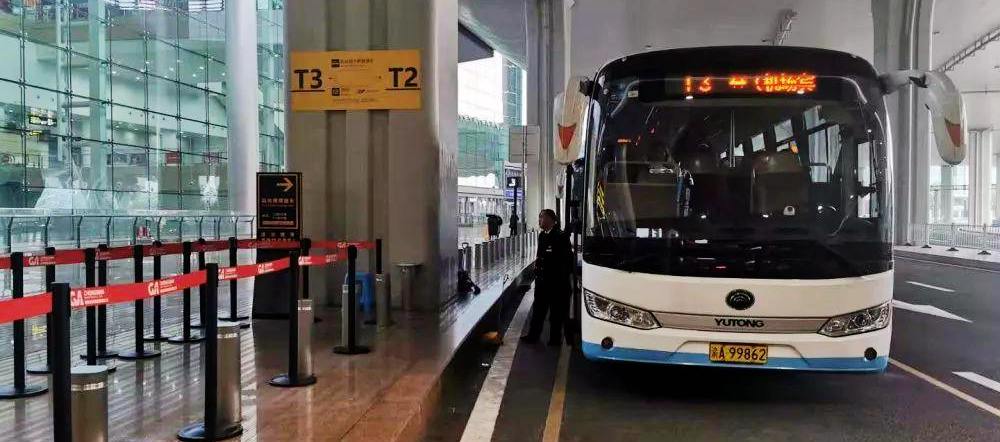
- Airport Shuttle Buses – Multiple routes connect the airport with Jiefangbei, Shapingba, and other districts. Tickets cost around ¥15–25 (RM10–17), depending on the route.
- Operating hours – Generally from 6:00am until the last flight arrival.
- Tickets – Buy from counters inside the airport, online, or directly from the driver.
These buses are ideal if:
- You’re arriving late at night.
- You have heavy luggage and prefer a direct ride.
- You want a cheaper alternative to taxis or ride-hailing.
✅ Pros & Who It’s Good For
- Best for budget travellers and those curious about experiencing local life.
- Some routes give you scenic views of Chongqing’s hills, bridges, and rivers.
- All buses are air-conditioned, making them comfortable even in the summer heat.
⚠️ What to Watch Out For
- Most bus stop signs are in Chinese—use Google Maps, Baidu Maps, or MetroMan app to check routes.
- Real-time bus tracking is not always accurate.
- Some drivers may not speak English, so it helps to have your destination written in Chinese.
- Avoid peak hours and rainy evenings—delays are common due to the city’s steep, winding roads.
Recommended Hotels in Chongqing
🚕 Taxis & Ride-Hailing in Chongqing

Source: Yangtze River Cruises
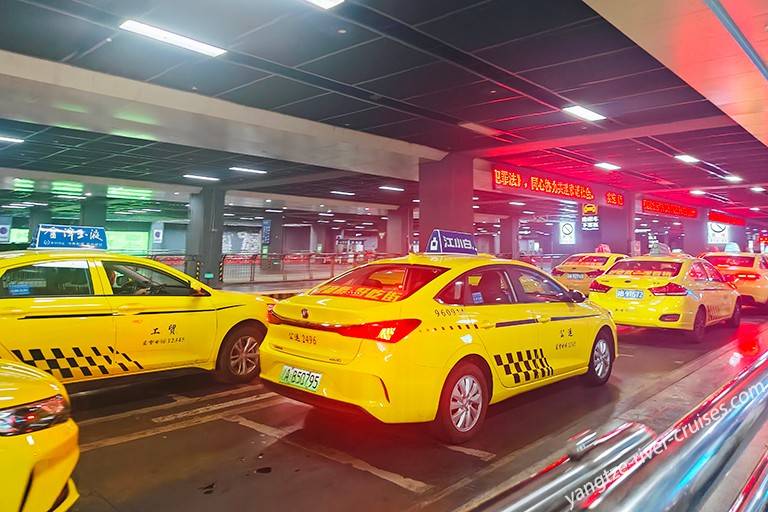
If you’re carrying luggage, travelling with family, or simply want door-to-door convenience, taxis and ride-hailing are very practical options in Chongqing. Both are widely available, but like in Kuala Lumpur, ride-hailing apps have become the go-to choice for most locals and travellers.
🚖 Availability & Reputation
- Taxis are still common and can be found at airports, train stations, malls, and hotels.
- Fares are generally metered, but communication may be tricky as most drivers only speak Chinese.
- Ride-hailing is far more popular and convenient, especially for visitors.
- Always choose licensed taxis (usually marked clearly with taxi signs and logos).
- Cash is accepted in taxis, while ride-hailing prefers in-app payment.
📱 Popular Ride-Hailing Apps in Chongqing
- Didi Chuxing is the most widely used and trusted app in China (similar to Grab in Malaysia).
- Available on App Store and Google Play (international version may require setup with WeChat Pay or Alipay).
- Offers car, taxi, premium ride, and even carpooling options.
- Features include: upfront fare display, cashless payments, and the option to schedule rides.
- Some hotels also offer private car booking services, but Didi is the easiest for tourists.
💸 Fare Estimates & How to Pay
- Short city rides within Chongqing: usually around ¥10–30 (RM7–20).
- Jiefangbei (downtown) to Ciqikou Ancient Town: about ¥25–40 (RM17–28).
- City centre to Jiangbei Airport: around ¥50–100 (RM35–70), depending on time and traffic.
- Payments:
- Didi requires WeChat Pay or Alipay (set up before your trip).
- Taxis mainly take cash (exact change recommended).
- Toll charges may apply on expressway routes, and ride-hailing fares can rise during peak hours or rainy weather.
🛬 Airport Pickup Info (Jiangbei International Airport)
- Ride-hailing pickup zones are clearly marked outside each terminal.
- For taxis:
- Use the official taxi ranks—follow the signs to the designated waiting area.
- Avoid unofficial drivers or touts at the arrivals hall.
- Both taxis and Didi rides can take 40–60 minutes to the city centre, depending on traffic.
✅ Best For These Travellers
👨👩👧👦 Families or groups with kids and elderly passengers needing a direct trip
🧳 Travellers with heavy luggage or shopping bags
🌙 Late-night arrivals when the metro has stopped running
🏨 Those staying in hotels or neighbourhoods not close to metro stations
⚠️ Things to Watch Out For
- Some taxi drivers may not speak English—have your destination written in Chinese characters.
- Avoid unofficial drivers offering rides inside the airport; they often overcharge.
- Ride-hailing apps may have longer wait times during rain or rush hour.
- Always double-check the license plate and driver details before getting into any vehicle.
🚶 Walking & Exploring on Foot in Chongqing

Chongqing is famous for its hills, rivers, and dramatic skyline—and that makes walking here a very unique experience. Unlike Kuala Lumpur, where many districts are flat and connected, Chongqing’s geography means you’ll be dealing with steep slopes, endless staircases, and bridges that sometimes feel like mini-hikes. Still, exploring on foot is rewarding if you want to feel the city’s character up close, discover hidden alleys, and enjoy incredible viewpoints.
🚶 Is Chongqing Walkable?
Chongqing isn’t the easiest city to walk due to its mountainous terrain, but some areas are very pedestrian-friendly and worth exploring:
- Jiefangbei – The main shopping and commercial hub, full of pedestrian streets, malls, and eateries.
- Hongyadong – Riverside nightlife and old-style stilted houses; very walkable once you’re there.
- Ciqikou Ancient Town – Narrow lanes filled with snacks, teahouses, and souvenirs; best explored on foot.
- Chaotianmen – Where the Yangtze and Jialing rivers meet, with open spaces and great river views.
🛣️ Sidewalks, Crossings & Navigation
- Sidewalks: In central districts like Jiefangbei, pavements are well-maintained, but in hillside neighbourhoods they can be narrow, steep, or suddenly disappear.
- Pedestrian crossings: There are zebra crossings at major junctions, but traffic can be aggressive—always wait for the lights and stay cautious.
- Accessibility: Expect stairs and inclines almost everywhere. Escalators and elevators exist in some public areas, but older parts of town can be challenging if you’re not used to climbing.
🗺️ Maps, Signage & Safety
- Google Maps works, but local apps like Baidu Maps or MetroMan give more accurate walking directions.
- Signage: Major tourist areas usually have bilingual signs (Chinese + English), but smaller lanes may not.
- Safety: Chongqing is generally very safe to walk, even at night in busy districts. Still, avoid deserted alleys or staircases after dark.
🌦️ Weather Considerations
- Chongqing has humid, foggy weather, and summers can be scorching hot—walking uphill in July or August can feel exhausting.
- Unexpected rain showers are common, so carrying an umbrella is a must.
- Winters are damp and chilly, so dress warmly if you plan to walk outdoors.
- Comfortable shoes are essential—expect lots of steps and uneven paths.
📸 Scenic Walks or Hidden Gems
- Liziba Station: Watch the monorail pass through a residential building, then wander around the neighbourhood. 🚉
- Ciqikou Ancient Town: A charming area perfect for walking and snacking your way through local delicacies. 🏮
- Nanbin Road Riverside Walk: A long riverside stretch with great night views of the illuminated skyline. 🌉
- Eling Park: A peaceful hilltop garden with panoramic views of the city. 🌳
✅ Who It’s Great For
- Solo travellers and couples who enjoy exploring at their own pace.
- Photographers—the city’s layered skyline and neon-lit streets are best captured on foot.
- Food lovers—street snacks and hotpot alleys are everywhere, especially in Ciqikou and Jiefangbei.
- Those staying in central districts like Jiefangbei or Guanyinqiao, where attractions are closer together.
⚠️ What to Watch Out For
- Steep climbs: Be prepared for lots of uphill walking—this is not a flat city.
- Crowds: Popular spots like Hongyadong or Ciqikou can be packed, especially at night or on weekends.
- Limited shade: Bring water, sunscreen, or a hat if you’re walking in the summer.
- Construction zones: Some pedestrian routes may be blocked due to ongoing development—check maps for detours.
Flights from Kuala Lumpur to Chongqing
- Pergi Balik
- Sehala
- direct cheapest
KUL20:004j 45mTanpa hentiCKG00:45Kuala Lumpur - Chongqing|Kha, 15 Jan|AirAsia X Berhad (Malaysia)
CKG00:455jTanpa hentiKUL05:45Chongqing - Kuala Lumpur|Isn, 19 Jan|AirAsia X Berhad (Malaysia)AED 725AED 90120% OFF20% OFFAED 901AED 725
KUL20:004j 45mTanpa hentiCKG00:45Kuala Lumpur - Chongqing|Sab, 17 Jan|AirAsia X Berhad (Malaysia)
CKG00:455jTanpa hentiKUL05:45Chongqing - Kuala Lumpur|Isn, 19 Jan|AirAsia X Berhad (Malaysia)AED 730AED 90119% OFF19% OFFAED 901AED 730
KUL20:004j 45mTanpa hentiCKG00:45Kuala Lumpur - Chongqing|Kha, 15 Jan|AirAsia X Berhad (Malaysia)
CKG02:005jTanpa hentiKUL07:00Chongqing - Kuala Lumpur|Ahd, 18 Jan|AirAsia X Berhad (Malaysia)AED 730AED 90119% OFF19% OFFAED 901AED 730
KUL1:00 PM3j 5mTanpa hentiCKG2:00 PMKuala Lumpur - Chongqing|Sun, Dec 14|AirAsia X Berhad (Malaysia)
CKG1:00 PM3j 5mTanpa hentiKUL2:00 PMChongqing - Kuala Lumpur|Sun, Dec 14|AirAsia X Berhad (Malaysia)Cari Penerbangan LainCari Penerbangan Lain
Harga potongan adalah dikira berdasarkan harga purata laluan sepadan pada Trip.com.
🛺 Unique Local Transport in Chongqing

Chongqing isn’t just about its massive metro network—it’s also home to some of the most unique and fun transport options in China. Because of the city’s hilly landscape and dramatic rivers, you’ll find transport modes here that you won’t see in many other places. As a Malaysian traveller, I found getting around this way both practical and surprisingly fun—it felt like part of the adventure itself!
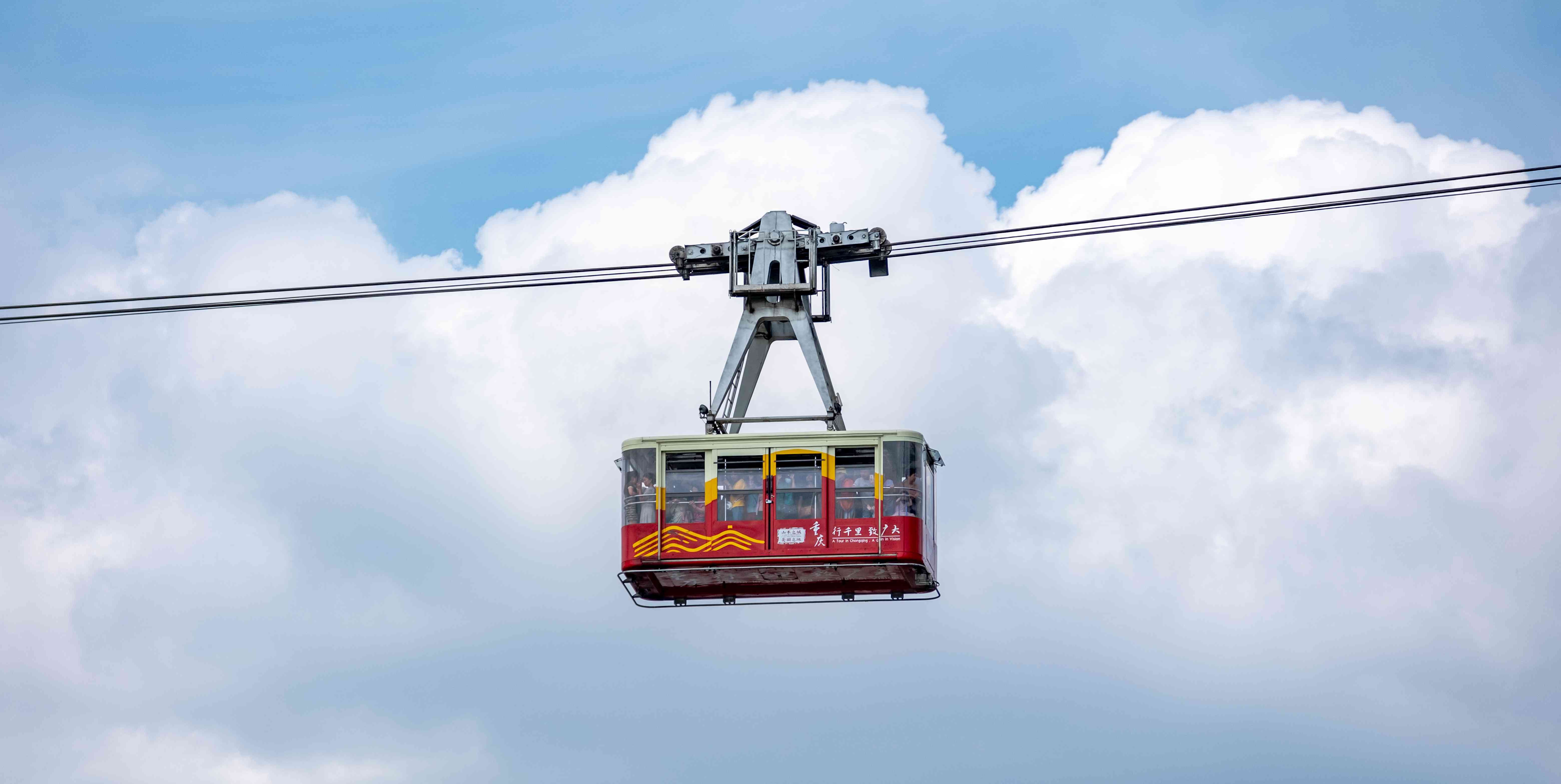
🚠 Cable Cars Across the River (Yangtze River Cableway)
Feature | Details |
|---|---|
What It Is & Where to Find It | A cable car that crosses the Yangtze River, linking Yuzhong District and Nan’an District. One of Chongqing’s most iconic experiences. |
Cost & How to Ride | About RMB 20 (RM13) one-way. Tickets can be bought on-site or via WeChat. Just queue, scan, and board. |
When It’s Worth Trying | Sunset rides for stunning skyline views 🌇; also useful to skip traffic between districts. |
Things to Watch Out For | Long queues on weekends and public holidays; cabins can get crowded. |
Best For | Couples, photographers, first-time visitors who want a “postcard” view of Chongqing. |
🚋 Monorail Through Buildings (Liziba Station, Line 2)
Feature | Details |
|---|---|
What It Is & Where to Find It | A unique elevated monorail line where the train passes directly through a residential building at Liziba Station, in Yuzhong District. |
Cost & How to Ride | RMB 2–10 (RM1.30–RM7), depending on distance. Pay with transport card or single-ride ticket. |
When It’s Worth Trying | Great for sightseeing while commuting, especially for first-time visitors who want to see Chongqing’s “3D cityscape.” |
Things to Watch Out For | Can be packed during rush hours; trains move quickly so photo-taking opportunities are limited. |
Best For | Urban explorers, architecture lovers, families, and anyone curious about Chongqing’s unique city design. |
🚤 River Ferries (Cross-River Boats)
Feature | Details |
|---|---|
What It Is & Where to Find It | Passenger ferries that cross the Yangtze and Jialing Rivers, connecting different districts. You’ll find terminals near Chaotianmen Dock and other riverfront piers. |
Cost & How to Ride | Very affordable – usually RMB 2–5 (RM1.30–RM3.50) per ride. Pay by transport card or cash at the pier. |
When It’s Worth Trying | Daytime for a cheap, scenic commute 🚤; nighttime if you want to enjoy the illuminated skyline. |
Things to Watch Out For | Limited schedules at night; some ferries are basic (not air-conditioned). Expect small crowds during rush hours. |
Best For | Budget travelers, families, and those who want a laid-back ride while enjoying river views. |
✅ Who It’s Great For
- Adventurous travellers looking for experiences you won’t find in most other Chinese cities
- Photographers who want fresh perspectives of Chongqing’s skyline
- Couples or solo travellers who want something more than just the metro
⚠️ Things to Watch Out For
- Long queues for the cable car, especially during public holidays—go early or late.
- Crowds on the monorail during peak hours.
- Some ferry routes may be discontinued at night, so check schedules before going.
🚤 Water Transport in Chongqing (Ferries & River Cruises)

You might not immediately think of Chongqing as a “water city,” but once you’re here, you’ll quickly notice how much the Yangtze and Jialing Rivers shape its character. With steep hills, bridges that seem to float above the clouds, and boats gliding across the water, Chongqing’s ferries and cruises offer a refreshing, scenic way to explore the city beyond its busy metro lines and endless staircases.
⛴️ What’s Available:
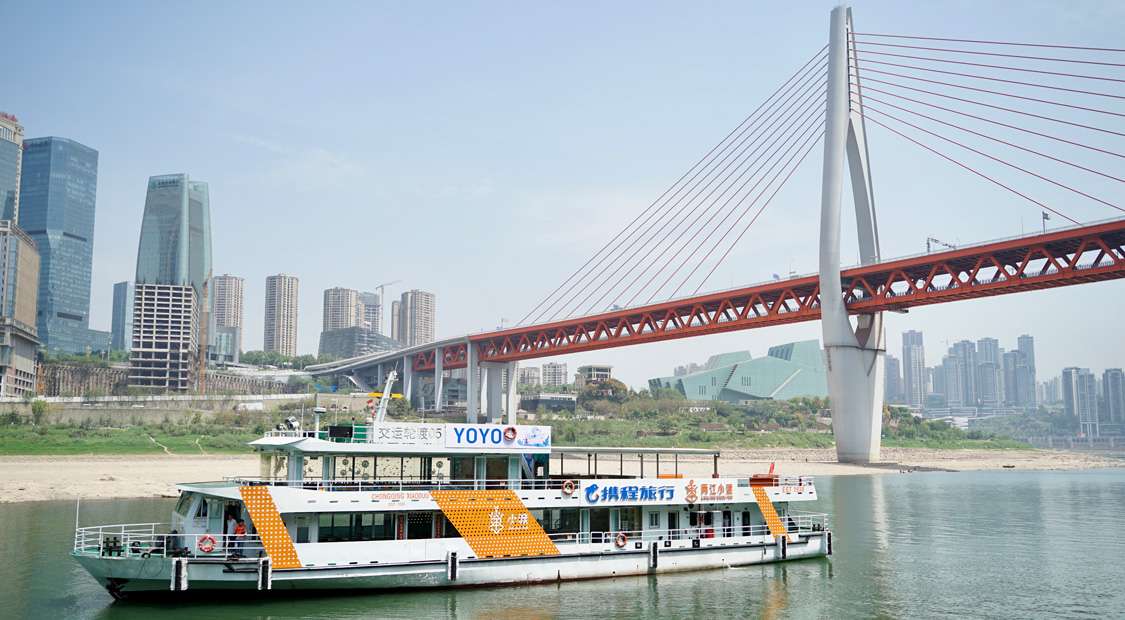
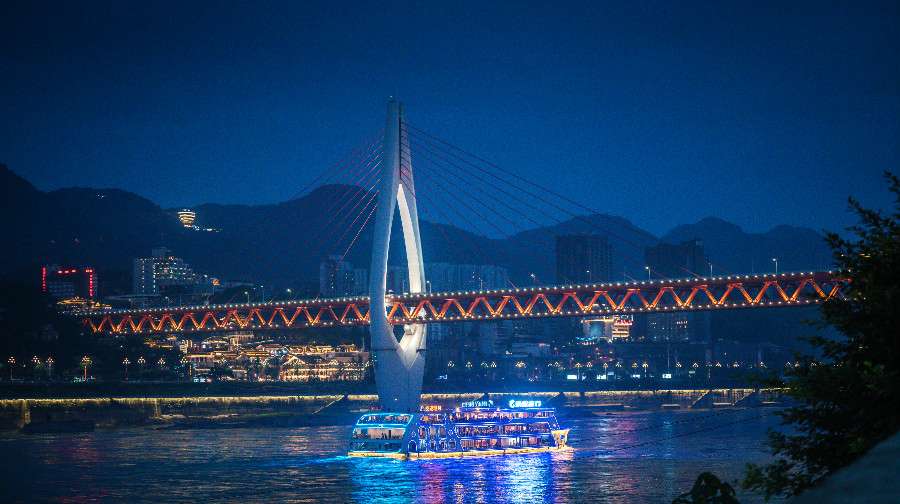
In Chongqing, passenger ferries are still a practical and affordable way for locals to cross the Yangtze and Jialing Rivers, especially in areas where metro or bus connections aren’t as direct. On top of that, there are also sightseeing river cruises, which let you soak in the city’s skyline, dramatic bridges, and the magical night lights that Chongqing is famous for.
🗺️ Where It Goes:
- Local ferries usually connect opposite riverbanks, making it easy to get from one district to another. Chaotianmen Dock is the main hub, where both ferries and larger cruise boats depart.
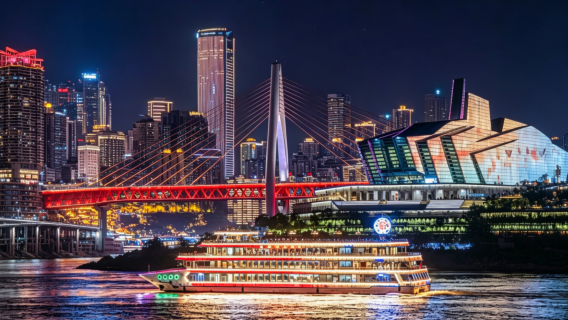
- The sightseeing cruises run along the Yangtze and Jialing Rivers, giving you sweeping views of landmarks like Hongya Cave (洪崖洞), Raffles City, and the illuminated bridges that span across the rivers.
- For longer journeys, there are also Yangtze River cruises that head out of Chongqing towards the Three Gorges — popular for travellers with more time.
💸 Tickets & How to Ride:
- Local ferries are cheap — usually around RMB 2–5 (RM1.30–RM3.50) per ride.
- Sightseeing river cruises range from RMB 30–150 (RM20–RM100) depending on duration and comfort level.
- Tickets can be bought at the piers or through apps like Ctrip (Trip.com). For cruises, it’s better to book in advance during weekends or holidays.
- Payments are easy — transport cards, Alipay, WeChat Pay, or cash are generally accepted.
🕒 Timings & Frequency:
- Local ferries usually run from early morning till late evening.
- Sightseeing cruises typically operate from 10:00 AM to 9:30 PM. Evening departures are the most popular, as the entire skyline comes alive with colourful LED lights reflecting off the water.
🎯 Who It’s Best For:
- Travellers who want a relaxed, scenic break from climbing Chongqing’s endless stairs.
- Families and couples looking for a safe, comfortable way to enjoy the riverside.
- Photographers — whether it’s the misty mornings or neon-lit nights, the views from the water are unforgettable.
⚠️ Watch-Outs or Considerations:
- Weather: Chongqing is famous for its fog. While it adds to the atmosphere, sometimes visibility is lower on the river.
- Facilities: Local ferries are quite basic — don’t expect luxury.
- Accessibility: Most piers have ramps, but with the city’s hilly terrain, getting to and from them can involve a lot of steps.
📸 Local Flavour:
Floating down the river at night, with Hongya Cave glowing like a lantern on the cliffside and bridges lit up in rainbow colours, feels almost surreal. It reminded me of cruising past Penang’s waterfront — but with the drama of mountains, mist, and mega-bridges overhead. The mix of ancient river culture and futuristic skyline makes Chongqing’s river cruises one of the most unique ways to experience the city. 🌉🚤
🛵 Motorbike Taxis, Scooters & Micro-Mobility in Chongqing

Sourcee: Dreamstime.com
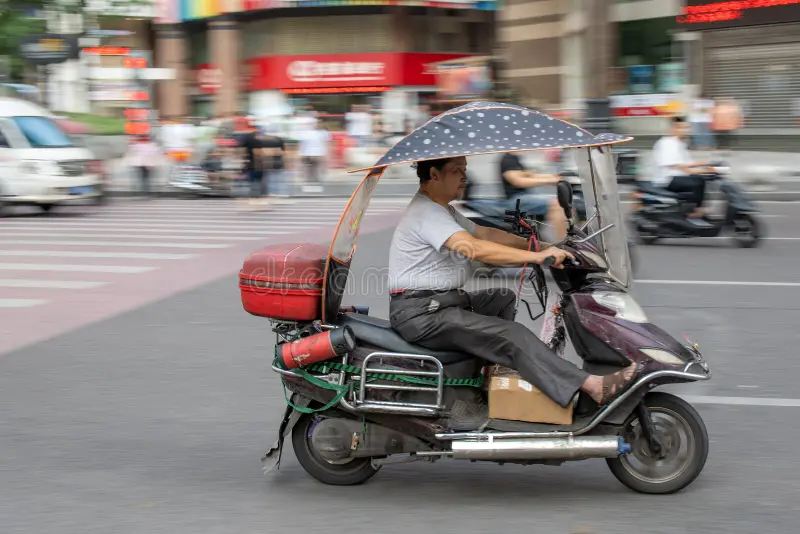
Chongqing is a city of steep hills, endless staircases, and dramatic river crossings, so sometimes you’ll want a way to move around that’s quicker than walking but lighter than a full taxi ride. While it’s not as motorbike-crazy as Bangkok or Hanoi, micro-mobility options and short-distance rides are increasingly popular here—perfect for zipping between neighbourhoods without getting stuck in traffic.
📍 Where to Find Them:
- E-scooters & shared bikes: You’ll see them parked in designated zones near metro stations, parks, and residential complexes. Apps like Meituan Bike (美团单车), Hello Bike (哈啰单车), and Alipay’s Bluegogo are the most common.
- Motorbike taxis (摩的 / “modi”): These are common near busy metro exits and steep hillside areas where cars can’t easily reach. They’re informal but widely used by locals.
📲 How to Use:
- For shared bikes/scooters:
- Download the Meituan, Hello Bike, or Alipay app.
- Link a payment method (WeChat Pay, Alipay, or international card on some apps).
- Scan the QR code to unlock.
- Ride and park only in marked zones shown in the app.
- For motorbike taxis:
- You can hail them directly at busy spots or book through apps like DiDi Chuxing (滴滴出行).
- Always confirm the fare before hopping on if booking informally.
💰 Price Range:
- Shared bikes and scooters: usually RMB 1–2 per 15 minutes (RM0.60–RM1.20).
- Motorbike taxis: around RMB 5–20 (RM3–RM14) depending on distance and whether you negotiate directly or book via app.
🛡️ Safety Tips:
- Always wear the provided helmet for motorbike taxis—safety checks are stricter now.
- Traffic in Chongqing can be chaotic, especially near steep slopes and sharp turns—hold on tight and avoid rush hours if possible.
- For bikes/scooters, stick to designated lanes or riverside paths; don’t attempt to ride uphill for long stretches unless you’re very fit!
✅ Ideal For:
- Quick connections between metro stations and nearby attractions.
- Solo travellers who want a cheap, efficient way to move around busy areas like Jiefangbei, Guanyinqiao, or Nanbin Road.
- Beating Chongqing’s hilly terrain when walking feels too exhausting.
⚠️ What to Watch Out For:
- Coverage: Not every district has scooters or shared bikes—availability is strongest in central areas.
- Weather: Chongqing’s sudden rain showers and foggy days make riding risky—always check the skies before you unlock.
- Parking rules: Only leave scooters in official marked zones to avoid penalties.
- Baggage: Not practical if you’re carrying shopping bags, suitcases, or anything bulky.
🚗 Car Rentals & Driving in Chongqing

Source: WestChinaGo
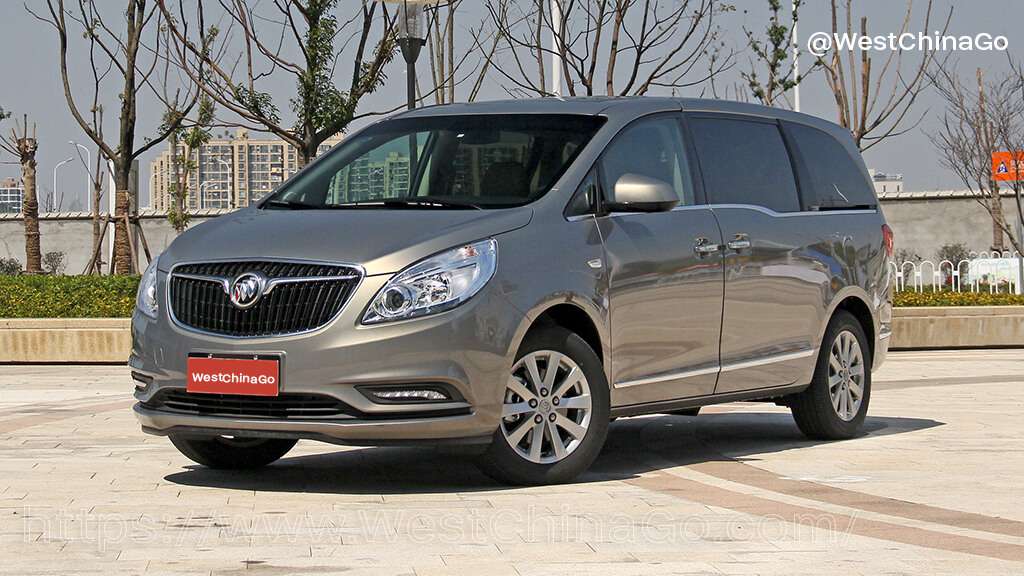
If you’re thinking about exploring beyond Chongqing’s city centre, renting a car might seem tempting. But here’s the honest truth: Chongqing’s geography is not like KL’s flat highways—it’s a maze of steep hills, endless tunnels, and winding bridges across the Yangtze and Jialing Rivers. Add to that heavy traffic and limited English road signs, and driving here can feel quite intimidating for first-timers. That said, if you’re confident behind the wheel and want flexibility, having your own car does open up certain travel options.
🚘 When It Makes Sense to Drive:
Driving is useful if:
- You’re planning day trips out of Chongqing, such as to Wulong Karst National Park, Dazu Rock Carvings, or the countryside hot springs.
- You’re travelling as a family or group and need the comfort of private transport.
- You’re staying in suburban districts where metro coverage is limited.
Inside the city itself, though, the metro and taxis are much easier than navigating steep slopes, tight turns, and parking hunts.
📍 Where to Rent a Car:
- Chongqing Jiangbei International Airport (CKG): Major international brands like Hertz and Avis have counters here.
- Downtown outlets: Jiefangbei and Shapingba districts have local rental offices.
- Online booking: For best rates and English support, it’s easier to reserve in advance via platforms like Trip.com.
📄 Requirements for Tourists:
- International Driving Permit (IDP): Essential if you want to rent, as a Malaysian licence alone usually won’t be accepted.
- Minimum age: Typically 23–25 years old, with at least one year of driving experience.
- Documents: Passport, IDP, and a credit card for deposit.
- Insurance: Basic coverage is included, but consider upgrading for full protection, especially with Chongqing’s challenging roads.
💸 Cost Overview:
- Daily rental rates: Around RMB 200–300 (RM130–200) for a compact car. SUVs or vans can go up to RMB 500–600 (RM350–420).
- Deposit: RMB 2,000–5,000 (RM1,400–3,500), blocked on your card.
- Fuel policy: Full-to-full—return the car with a full tank.
- Other costs:
- Tolls apply on expressways.
- Parking is usually RMB 5–10 (RM3–7) per hour in malls and business districts.
- No congestion charges, but traffic jams are very common during peak hours.
🛣️ Driving Conditions & Culture:
- Right-hand driving (opposite of Malaysia/Singapore).
- Road signs are mainly in Chinese, with limited English translations.
- Local drivers can be aggressive—expect sudden lane changes and fast overtaking.
- GPS works well: Baidu Maps and Gaode (Amap) are accurate, but they’re in Chinese. Google Maps is blocked, so consider using a bilingual navigation app.
⚠️ What to Watch Out For:
- City driving: Steep flyovers, long tunnels, and layered interchanges can be confusing if you’re not used to mountain cities.
- Parking: Limited in central areas like Jiefangbei—look for underground or mall parking.
- Weather: Heavy rain or fog can reduce visibility on bridges and highways.
- Traffic jams: Rush hours are hectic, especially when crossing the rivers.
✅ Ideal Travellers:
- Families heading out on countryside or mountain day trips.
- Adventurous travellers who are confident drivers and want to explore at their own pace.
- Business travellers needing flexibility between industrial zones outside the metro’s reach.
Navigating Chongqing with Ease

Getting around Chongqing is more than just moving from one place to another — it’s really part of the adventure. Whether you’re gliding on the metro, crossing the Yangtze River by cable car, or squeezing into a local bus through the hilly streets, every ride gives you a glimpse of what makes this mountain city so unique.
Of course, lah, there are moments when things feel a bit confusing — the interchanges are huge, the slopes can be steep, and signs are mostly in Chinese. But once you get the hang of it, the city’s transport system is safe, affordable, and surprisingly fun to explore.
The best tip? Mix it up. Use the metro for speed, the monorail for those famous “through-the-building” rides, and ferries or cable cars for the views. Having mobile data (an eSIM for China is a lifesaver!) also makes navigating apps like Didi and maps much smoother. Chongqing might feel overwhelming at first, but trust me, after a few rides, you’ll start to enjoy the rhythm of this city on rails, roads, and rivers.
FAQs: Getting Around in Chongqing
Is public transport in Chongqing tourist-friendly? 🚇
Yes! The metro system is modern, affordable, and has English signs at most stations. It’s the easiest way for tourists to move around the city.Should I use Didi or taxis in Chongqing? 🚕
Didi (China’s ride-hailing app) is much more convenient than hailing taxis on the street. Taxis are still available, but some drivers may not speak English or might prefer cash.Can I pay for metro and buses with a card? 💳
Yes, you can use transport cards like the Chongqing Public Transport Card, or simply pay with Alipay/WeChat Pay if you’ve set it up. Single-journey tickets are also available at machines.Is it safe to walk around Chongqing? 🚶♂️
Yes, it’s generally very safe. Just be prepared for lots of uphill walks, long staircases, and elevated bridges — Chongqing is a mountain city after all!


4 ditempah