

Hangzhou Transportation Guide: How to Get Around Hangzhou Easily
Landing in Hangzhou, the first thing you’ll notice—beyond the West Lake postcards and the gentle charm of the city—is how calm it feels compared to Kuala Lumpur. Life here seems to move at a slower, more graceful pace, especially when you see locals strolling or cycling by the lake as if time isn’t in a hurry.
As a Malaysian traveller, I found getting around Hangzhou to be quite convenient. The metro is modern, affordable, and easy to use, connecting you to key spots like West Lake, Wulin Square, and the high-speed railway stations. Signs are in both Chinese and English, so even if you don’t read Chinese, navigating isn’t too overwhelming. Buses are also widely available and reach scenic areas the metro doesn’t cover, though they do take some patience to figure out.
Ride-hailing apps like Didi make travelling even smoother, especially if you’ve just finished a late-night food hunt or if your legs are tired from walking around the lake. Traffic can get heavy during peak hours, but overall it feels more relaxed than in bigger Chinese cities like Shanghai. If you enjoy walking, Hangzhou is a pleasure—the city is flat and leafy, with beautiful promenades and hidden alleys where you can stumble upon teahouses or snack stalls. Renting a bicycle or an e-bike is another great way to explore, especially around West Lake, where cycling paths are scenic and well-maintained.
Do keep the weather in mind. Hangzhou’s climate is humid and can be unpredictable, a little like KL’s sudden downpours, so having an umbrella on hand is always wise. But honestly, that adds to the experience—the mist over West Lake after rain is one of the most magical sights you’ll ever see.
Getting around Hangzhou isn’t just about transport; it’s about embracing the city’s slower rhythm, taking in its natural beauty, and enjoying the journey as much as the destination.
📝 Getting Around in Hangzhou: A Malaysian Traveller’s Perspective
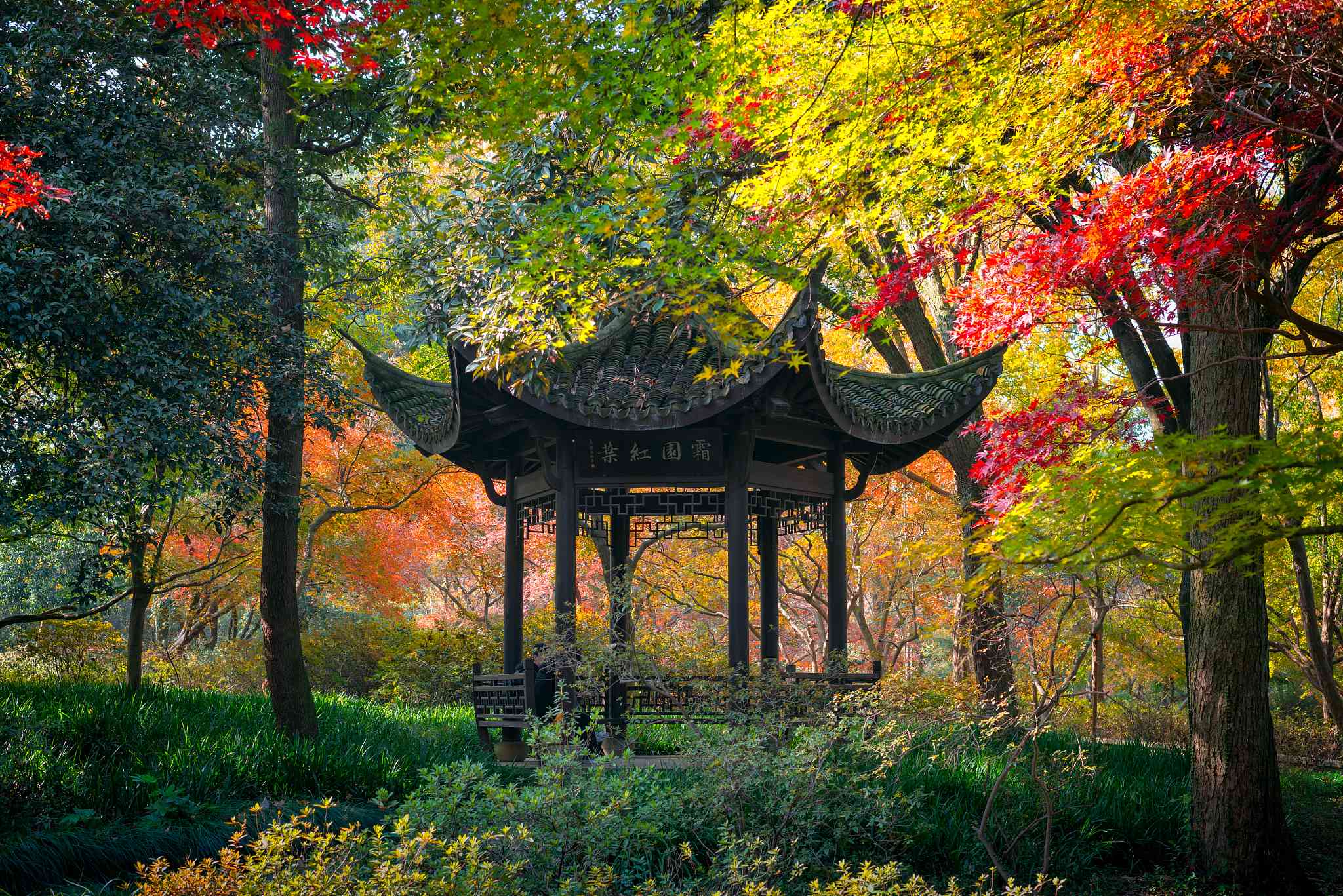
As a Malaysian visiting Hangzhou, I was pleasantly surprised by how easy it is to move around this scenic city. At first, the metro map looks a little complex, but once you start riding, you’ll realise the system is modern, efficient, and very affordable. Whether you’re heading to West Lake, Wulin Square, or one of the city’s ancient temples, Hangzhou’s mix of metro lines, buses, bicycles, and ride-hailing apps makes travelling smooth and stress-free. 🚝🚌🚴♀️
🚶♂️ The Experience of Moving Through Hangzhou
Compared to Kuala Lumpur, Hangzhou feels calmer, greener, and more spacious. The city is mostly flat, which makes walking and cycling especially enjoyable—particularly around the famous West Lake, where tree-lined paths and scenic views stretch for kilometres. The metro and bus system cover most of the city, though buses require some patience if you don’t read Chinese. Traffic can get busy at peak times, but overall, moving around Hangzhou feels relaxed and traveller-friendly.
🔍 What Are Your Options?
🚇 Metro – The fastest and easiest way to get around; affordable, clean, and with English signs at major stations.
🚌 City buses – Very cheap and extensive, but harder for non-Chinese speakers to navigate.
🚕 Didi & taxis – Didi (China’s version of Grab) is the most convenient option, especially for night rides or trips outside metro coverage.
🚶♀️ Walking – Perfect for exploring areas around West Lake, Hefang Street, or the old town, where attractions are close together.
🚴 Bicycles & e-bikes – Popular and widely available, especially around scenic areas. Hangzhou was one of the first cities in China to pioneer bike-sharing.
🚗 Driving – Not recommended for visitors due to strict traffic rules and limited parking.
💬 What You’ll Find Inside This Guide:
🎫 Which metro cards help you save money and skip ticket queues
📱 Handy apps for navigation, translation, and ride-hailing
👨👩👧👦 The best transport choices for families, couples, and solo travellers
🌤️ How Hangzhou’s humid, rainy weather can affect your travel plans
📍Here’s everything you need to know about getting around Hangzhou—whether you’re cycling by West Lake, shopping at Wulin Square, or wandering through the city’s old streets. 🗺️ Let’s dive in!
Top Things to do in Hangzhou
 1440 ditempah

![[Kehidupan Teh yang Tersembunyi] Perahu dayung Xixi + memetik teh Longjing + Pokok Asap Jiuxi + lawatan sehari Tasik Barat yang misteri](https://ak-d.tripcdn.com/images/0352h12000suqkdjk25D9_C_568_320.jpg)
![[Sewaan Peribadi Tersuai Guangdong-Hong Kong-Macau] Hantar-jemput Merentas Sempadan Hong Kong/Macau/Zhuhai/Guangzhou/Shenzhen Dua Plat/Tiga Plat||Laluan Kastam Pantas Hong Kong-Macau Tidak Perlu Turun & Beratur/Pelancongan & Perniagaan](https://ak-d.tripcdn.com/images/0355d12000c6p4pvo5E28_C_568_320.jpg)
![Hangzhou Impression West Lake: Pertunjukan "Kenangan Terindah di Hangzhou" [Pemandangan Sebenar Tasik Barat, Cahaya Teknologi, Visual yang Mengagumkan]](https://ak-d.tripcdn.com/images/0106a120008jb85sgD194_C_568_320.jpg)
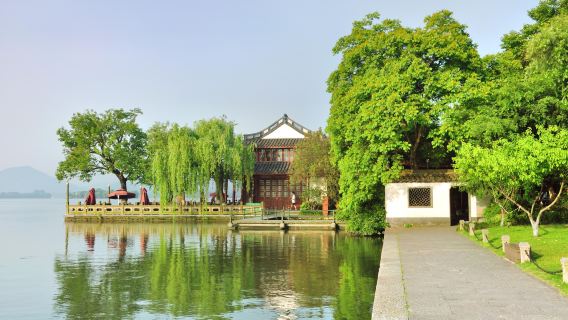
![Lawatan separuh hari di Tasik Barat Hangzhou [Naik pelayaran ke pulau Three Pools Mirroring the Moon + Nikmati Sepuluh Pemandangan Tasik Barat + Panduan secara langsung]](https://ak-d.tripcdn.com/images/0356412000m2zphkrEBD3_C_568_320.jpg)
🚇 Getting Around by Metro in Hangzhou
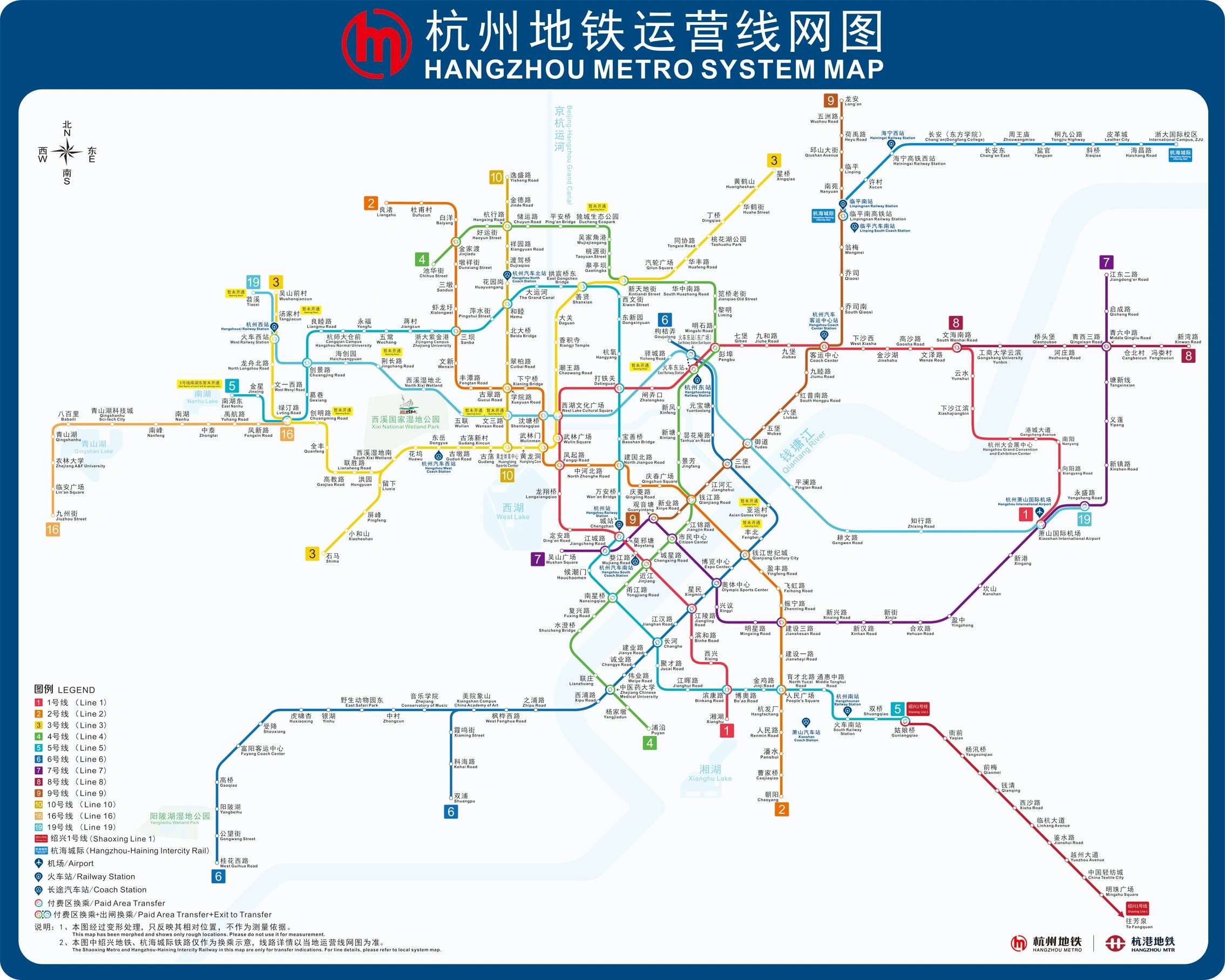
Source: Eastchinatrip
If you’re visiting Hangzhou, the metro is hands-down the easiest and most reliable way to explore the city. Unlike Kuala Lumpur, where public transport sometimes feels fragmented, Hangzhou’s metro system is modern, efficient, and tourist-friendly. At first, the map might look intimidating, but after one or two rides, you’ll see just how simple it is—perfect for getting to West Lake, shopping districts, and even the high-speed railway stations.
🗺️ System Overview
Hangzhou’s metro network is one of the fastest-growing in China, connecting the airport, railway stations, and most major attractions:
- Line 1 (Red) – Runs north–south through the city, linking Hangzhou East Railway Station with West Lake Cultural Square.
- Line 2 (Orange) – Passes through Qianjiang New Town, the modern CBD with futuristic skyscrapers.
- Line 4 (Green) – Convenient for reaching scenic riverside areas.
- Line 7 & Line 19 – Connect Hangzhou Xiaoshan International Airport directly to the city.
- Line 5, 6, 10, and others – Expanding quickly, making Hangzhou’s network increasingly comprehensive.
Major interchange hubs include Fengqi Road, Wulin Square, Hangzhou East Railway Station, and Qianjiang Road, which make transfers straightforward.
📍 Key Tourist Stops to Know
- West Lake (Longxiangqiao Station, Line 1) – 🌿 The city’s crown jewel, with walking paths, gardens, and boat rides.
- Hefang Street (Ding’an Road Station, Line 1) – 🏮 A historic pedestrian street filled with shops and snacks.
- Hangzhou East Railway Station (Lines 1 & 4) – 🚆 Main hub for high-speed trains to Shanghai and beyond.
- Qianjiang New Town (Line 2) – 🌆 Modern Hangzhou with its famous light shows.
- Lingyin Temple (reachable via metro + bus/taxi) – ⛩️ One of China’s most famous Buddhist temples.
💳 Tickets, Cards & Payment
- The Hangzhou Transportation Card works across the metro, buses, and even shared bikes.
- You can top up at any station or convenience store.
- Alipay, WeChat Pay, and UnionPay are widely accepted—just scan at the gates.
- Single-journey tickets are available at vending machines.
🕒 Operating Hours & Frequency
- Most lines run from around 6:00am to 11:00pm.
- Trains arrive every 3–6 minutes at peak times and 6–10 minutes off-peak.
- Services are clean, punctual, and well-maintained.
✅ Who It’s For & What to Expect
- Ideal for tourists, families, and solo travellers.
- Trains are air-conditioned, affordable, and accessible with lifts/escalators at most stations.
- Clear signage in Chinese and English makes it easy for foreigners.
- Since Hangzhou is flat, it’s also easy to walk or cycle between metro stops.
⚠️ Tips & Things to Look Out For
- Peak hours (7:30–9:00am, 5:30–7:00pm) can get crowded, so travel off-peak if possible.
- Some stations (like Hangzhou East) are massive—give yourself extra time to find the right exit.
- For West Lake, use Longxiangqiao Station—it’s the closest stop to the lakefront.
- Hangzhou’s weather is humid and rainy, similar to KL—keep an umbrella handy.
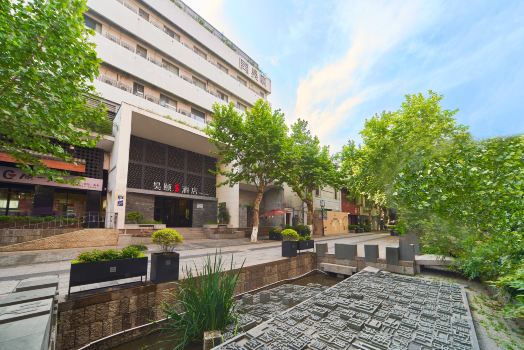
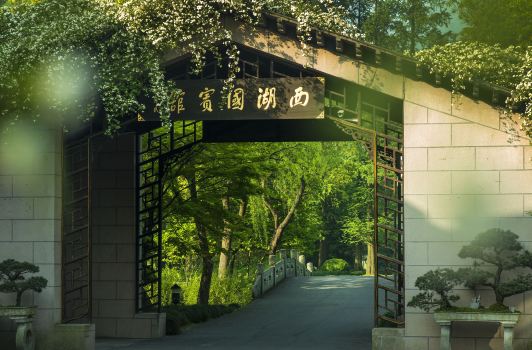
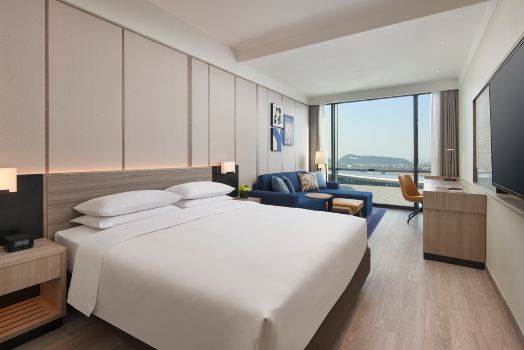
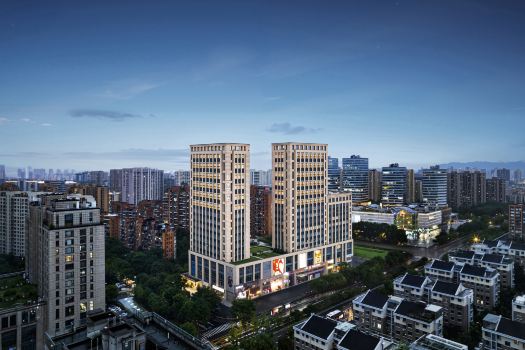
Recommended Hotels in Hangzhou

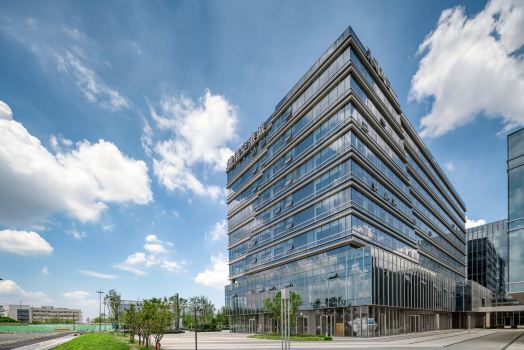
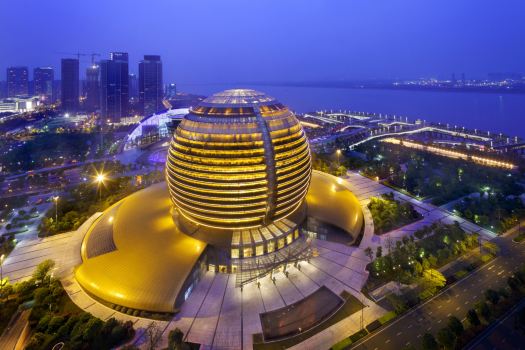
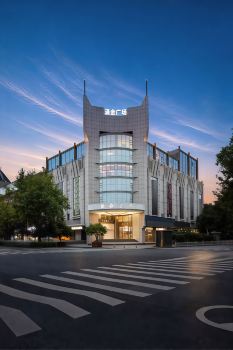
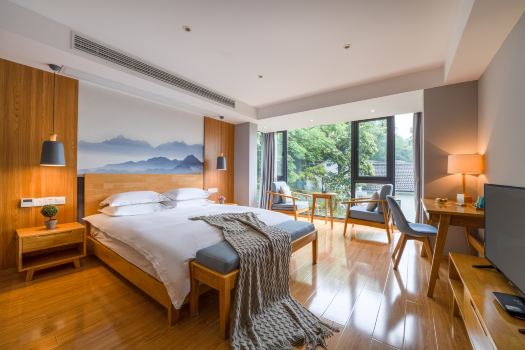
🚌 Taking the Bus & Airport Shuttle in Hangzhou
Source: ehangzhou.gov
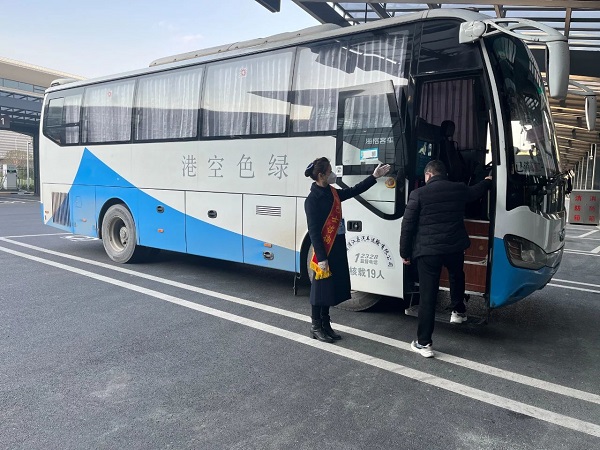
If you’re planning to travel beyond the metro lines—or just want the cheapest way to get around—Hangzhou’s bus system is worth trying. As a Malaysian traveller, I’ll admit it felt confusing at first, since most signs and announcements are in Chinese. But once you get used to it, you’ll find that buses are very affordable and can take you to scenic areas the metro doesn’t always reach, from suburban parks to hidden neighbourhoods where locals shop and eat.
🚌 Local Bus System Overview
- Hangzhou has an extensive bus network connecting both downtown and suburban districts.
- Locals rely heavily on buses for daily commutes, but visitors can hop on too with a bit of preparation.
- Many routes link directly with metro stations, making it easy to combine both systems in one trip.
📍 When & Where to Use the Bus
Take the bus if you’re:
- Heading to scenic spots near West Lake that aren’t right next to metro stations.
- Visiting Lingyin Temple or other cultural sites in the suburbs.
- Travelling on a budget—fares usually start from just a few yuan (around RM1–2).
Interesting routes for travellers include:
- West Lake scenic buses – circling around the lake with stops near gardens, pagodas, and boat piers.
- Suburban routes – leading to tea-growing villages like Longjing, perfect for a half-day trip.
💳 How to Pay & Ride
- The easiest way is with the Hangzhou Transportation Card, which also works for the metro and shared bikes.
- Most buses now accept Alipay or WeChat Pay—just scan the QR code when boarding.
- Cash is possible but rarely used, and you’ll need exact change.
- To get off, press the stop button or head toward the exit before your stop.
🕒 Timings & Frequency
- Most buses run from around 6:00am to 10:30pm, depending on the route.
- Frequency varies:
- City routes – every 10–15 minutes
- Suburban routes – every 20–40 minutes or longer
- Traffic and rain can sometimes cause delays, especially near West Lake during weekends.
✈️ Airport Shuttle & Bus Options
If you’re travelling between Hangzhou Xiaoshan International Airport (HGH) and the city centre:
- Airport Shuttle Buses – Direct routes connect the airport with Wulin Square, Hangzhou East Railway Station, and West Lake. Fares are usually around ¥20–30 (RM13–20).
- Operating hours – From early morning until the last flight arrival.
- Tickets – Available at counters in the airport, online, or directly from the driver.
These buses are ideal if:
- You’re arriving late at night.
- You’re carrying big luggage and want a direct ride.
- You prefer a cheaper option compared to taxis or Didi.
✅ Pros & Who It’s Good For
- Great for budget-conscious travellers and anyone curious about daily local life.
- Buses are modern, air-conditioned, and comfortable.
- Convenient for reaching scenic spots not directly on the metro.
⚠️ What to Watch Out For
- Most bus stop signs are only in Chinese—use apps like Baidu Maps, Amap (Gaode), or Google Maps for navigation.
- Real-time bus info may not always be accurate.
- Drivers usually don’t speak English—have your destination written in Chinese just in case.
- Avoid peak hours (7:30–9:00am, 5:30–7:00pm) if you don’t like crowds.
🚕 Taxis & Ride-Hailing in Hangzhou
Source: China Airline Travel
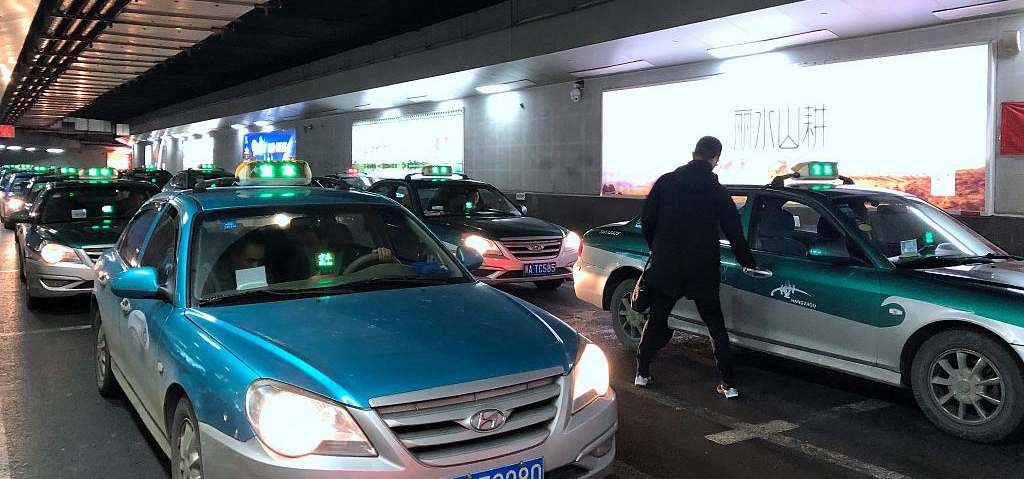
If you’re travelling with family, carrying shopping bags, or simply prefer the comfort of door-to-door service, taxis and ride-hailing are practical and stress-free ways to get around Hangzhou. Just like in Kuala Lumpur, ride-hailing apps have become the preferred choice for locals and tourists alike, though regular taxis are still easy to find across the city.
🚖 Availability & Reputation
- Taxis are available at airports, train stations, malls, and major hotels.
- All taxis are metered, but most drivers speak little or no English, so having your destination written in Chinese helps.
- Ride-hailing is more convenient for travellers—it’s straightforward, cashless, and shows the fare upfront.
- Always use licensed taxis with official signs and markings.
- Cash is still accepted in taxis, while ride-hailing works best with in-app payments.
📱 Popular Ride-Hailing Apps in Hangzhou
- Didi Chuxing is the main app in China (similar to Grab in Malaysia).
- Available on App Store and Google Play, but you’ll need Alipay or WeChat Pay linked for payments.
- Offers different ride options: regular taxi, standard car, premium, and even carpooling.
- Features include upfront fare estimates, ride scheduling, and cashless payment.
- Some hotels also offer private car booking, but Didi is the most convenient for tourists.
💸 Fare Estimates & How to Pay
- Short city rides within Hangzhou: usually around ¥10–25 (RM7–18).
- West Lake area to Hefang Street: about ¥15–20 (RM10–14).
- West Lake to Hangzhou East Railway Station: around ¥30–45 (RM20–32).
- City centre to Hangzhou Xiaoshan International Airport: about ¥100–130 (RM70–95), depending on traffic.
Payments:
- Didi rides are cashless—set up Alipay or WeChat Pay before your trip.
- Taxis usually accept cash—try to have small notes or exact change.
- Fares may rise during peak hours, rainy weather, or public holidays.
🛬 Airport Pickup Info (Hangzhou Xiaoshan International Airport)
- Dedicated ride-hailing pickup zones are clearly marked outside the terminal.
- For taxis:
- Follow airport signs to the official taxi rank.
- Avoid unlicensed drivers who approach inside the arrivals hall.
- Travel time to the city centre or West Lake is usually 45–60 minutes, depending on traffic.
✅ Best For These Travellers
👨👩👧 Families or groups with children or elderly passengers
🧳 Visitors with heavy luggage or shopping bags
🌙 Late-night arrivals when the metro has closed
🏨 Travellers staying at hotels or homestays far from metro lines
⚠️ Things to Watch Out For
- Most taxi drivers don’t speak English—have your destination written in Chinese characters.
- Ignore unofficial drivers who may overcharge, especially at the airport.
- Didi wait times may be longer during rain or rush hours.
- Always double-check the car details and license plate before getting in.
Flights from Kuala Lumpur to Hangzhou
- Pergi Balik
- Sehala
- direct cheapest
 KUL07:455j 25mTanpa hentiHGH13:10Kuala Lumpur - Hangzhou|Jum, 30 Okt|AirAsia X Berhad (Malaysia)HGH14:255j 40mTanpa hentiKUL20:05Hangzhou - Kuala Lumpur|Jum, 6 Nov|AirAsia X Berhad (Malaysia)THB 7,240THB 9,15021% offCari21% offTHB 9,150THB 7,240
 - KUL17:005j 25mTanpa hentiHGH22:25Kuala Lumpur - Hangzhou|Sab, 31 Okt|AirAsia X Berhad (Malaysia)HGH00:155j 40mTanpa hentiKUL05:55Hangzhou - Kuala Lumpur|Jum, 6 Nov|AirAsia X Berhad (Malaysia)THB 7,240THB 9,15021% offCari21% offTHB 9,150THB 7,240
- KUL07:455j 25mTanpa hentiHGH13:10Kuala Lumpur - Hangzhou|Jum, 30 Okt|AirAsia X Berhad (Malaysia)
 HGH23:1019j 5m1 stopsKUL18:15Hangzhou - Kuala Lumpur|Sel, 3 Nov|ScootTHB 7,410THB 9,15019% offCari19% offTHB 9,150THB 7,410
  KUL13:005j 25mTanpa hentiHGH14:00Kuala Lumpur - Hangzhou|Mon, Sep 6|Normal Airline
 HGH13:005j 25mTanpa hentiKUL14:00Hangzhou - Kuala Lumpur|Mon, Sep 6|Normal AirlineCari Penerbangan LainCari Penerbangan Lain
🛺 Unique Local Transport in Hangzhou
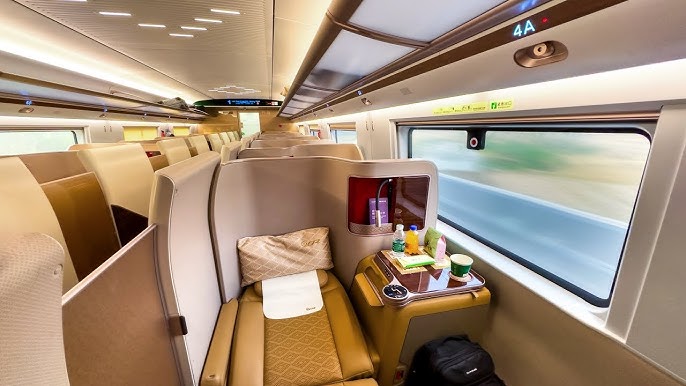
When exploring Hangzhou, I realised that getting around isn’t just about moving from point A to B—it can also be part of the experience. Beyond the metro and Didi rides, Hangzhou offers a few special ways to travel that add charm and cultural flavour to your journey. For me, these rides felt more like sightseeing than just transport.
🚲 Shared Bicycles (Alipay, Meituan, HelloBike)
Feature | Details |
|---|---|
What It Is & Where to Find It | Hangzhou is known as the birthplace of China’s bike-sharing system. With wide roads and cycling lanes, shared bikes are easy to find through apps like Alipay, Meituan, or HelloBike. |
Cost & How to Ride | Around RMB 1–2 (RM0.70–RM1.30) per 30 minutes. Unlock via QR code using the app. |
When It’s Worth Trying | Great for short rides around West Lake, Hefang Street, or leafy neighborhoods. Best enjoyed in spring or autumn. |
Things to Watch Out For | Some apps require local payment methods—set up Alipay or WeChat Pay beforehand. |
Best For | Solo travellers, couples, or anyone who enjoys a more active way of exploring the city. |
🛶 West Lake Boat Rides
Feature | Details |
|---|---|
What It Is & Where to Find It | A must-do experience in Hangzhou, with boat rides on the scenic West Lake. Options range from traditional wooden rowboats to larger sightseeing cruises. Boats depart from several piers around the lake. |
Cost & How to Ride | Around RMB 55–120 (RM40–RM80) per person depending on the type of boat. Tickets can be purchased online or at the pier. |
When It’s Worth Trying | Morning rides offer calm misty views, while evening cruises give a romantic atmosphere with city lights reflecting on the lake. 🌙 |
Things to Watch Out For | Services may pause during heavy rain. Weekends and holidays get crowded, so go early or pre-book. |
Best For | Couples, families, and travellers looking for a scenic and relaxing way to experience Hangzhou. |
🚲 Pedicabs & Rickshaws (Tourist Areas)
Feature | Details |
|---|---|
What It Is & Where to Find It | Small pedal-powered or motorised rickshaws, often found near West Lake, Hefang Street, and Qinghefang Ancient Street. |
Cost & How to Ride | Usually RMB 10–30 (RM7–RM20) for a short ride. Always agree on the fare before starting. |
When It’s Worth Trying | A good option when you’re tired from walking or just want to soak in the old-town charm. |
Things to Watch Out For | Not suitable for long distances—more of a tourist experience than daily transport. |
Best For | Elderly travellers, families with children, or anyone looking for a fun, nostalgic ride. |
✅ Who It’s Great For
- Travellers who enjoy mixing sightseeing with cultural experiences
- Couples looking for romantic rides on West Lake
- Families who prefer slower, scenic ways of exploring
- Active travellers who love cycling through charming streets
⚠️ Things to Watch Out For
- Bike-sharing apps need mobile data and payment setup
- West Lake boats may be delayed or cancelled due to weather
- Pedicabs are more for fun, not efficiency
🚤 Water Transport in Hangzhou (West Lake Cruises)
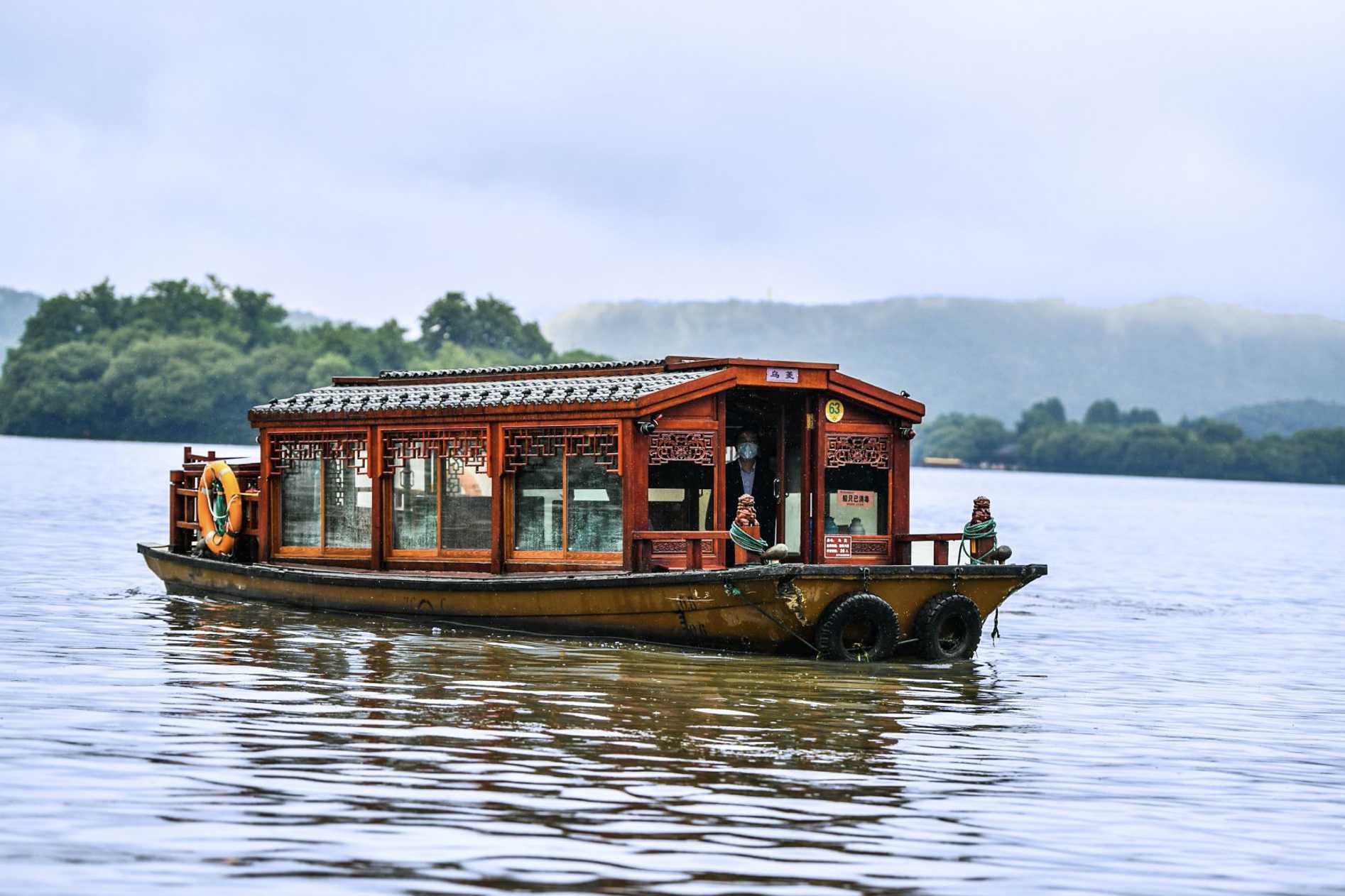
When people think of Hangzhou, West Lake, Longjing tea, and ancient temples usually come to mind—not boats as daily transport. But cruising on West Lake is one of the most iconic and relaxing ways to experience the city. As a Malaysian traveller, I found it magical—like stepping into a Chinese painting, with misty waters, willow trees, and historic pagodas surrounding me.
⛴️ What’s Available
Hangzhou doesn’t use boats for daily commuting, but West Lake offers a variety of sightseeing cruises. You can choose from traditional wooden rowboats, larger sightseeing ferries, or even elegant painted boats that feel like they’ve come straight out of a historical drama.
🗺️ Where It Goes
- Most cruises circle popular parts of West Lake, passing landmarks like the Broken Bridge, Leifeng Pagoda, and Su Causeway.
- Short rides let you glide along the lake’s edge, while longer tours take you across to small islands such as Three Pools Mirroring the Moon.
- In the evening, the lake takes on a dreamlike quality, especially with lanterns and reflections on the water.
💸 Tickets & How to Ride
- Prices range from around RMB 55–120 (RM40–RM80), depending on the boat type and duration.
- Tickets can be bought directly at piers, via hotel concierge desks, or through apps like Trip.com.
- Payment is easy—Alipay, WeChat Pay, or cash are usually accepted.
🕒 Timings & Frequency
- Boats generally run from morning until early evening.
- The most popular times are sunrise and sunset, when the scenery is at its most atmospheric.
🎯 Who It’s Best For
- 🌙 Couples looking for a romantic activity on the lake
- 👨👩👧 Families who prefer a calm sightseeing experience
- 🚶 Travellers who want a relaxing break after walking around the lake
- 📸 Photographers seeking the classic West Lake postcard shot
⚠️ Things to Consider
- Weather: Cruises may be delayed or cancelled during heavy rain or strong winds.
- Crowds: Weekends and holidays can get very busy—go early to secure a spot.
- Language: Announcements are usually in Chinese, but the beauty of the ride speaks for itself.
🛵 Motorbike Taxis, Scooters & Micro-Mobility in Hangzhou
Source: Vietjet Air
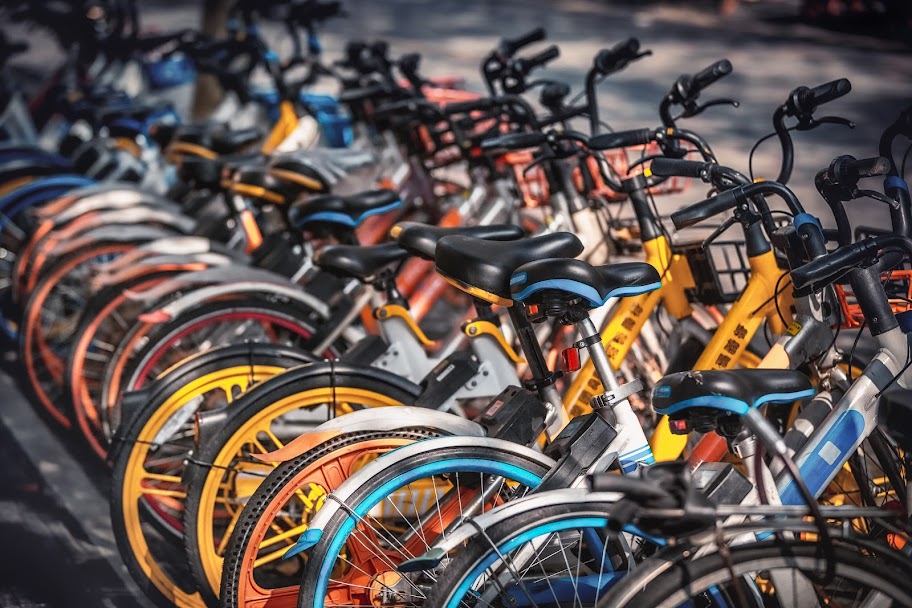
Hangzhou is a city that feels well-designed for micro-mobility—its broad, flat streets and scenic lakeside paths make cycling or scootering a real pleasure. Unlike the hectic pace of Hanoi or Bangkok, riding here feels calmer and more organised. As a Malaysian traveller, I found it similar to using GrabBike back home, just with a more high-tech Chinese twist. It’s fast, cheap, and perfect for short rides between West Lake, metro stations, and neighbourhood attractions.
📍 Where to Find Them
- Shared bikes & e-scooters: You’ll see them parked neatly in designated zones near metro stations, shopping streets, and residential blocks. The most common providers are Meituan Bike (美团单车), Hello Bike (哈啰单车), and Alipay’s Bluegogo.
- Motorbike taxis (摩的 / “modi”): Less common than in southern China, but you might spot them near busy areas or transport hubs. For safety, it’s better to book rides through Didi Chuxing (滴滴出行) instead of hopping on random street bikes.
📲 How to Use
- Shared bikes/scooters:
- Download Meituan, Hello Bike, or use the Alipay app.
- Link a payment method (WeChat Pay, Alipay, or some international cards).
- Scan the QR code to unlock.
- Always return bikes/scooters to marked parking zones shown in the app.
- Motorbike taxis:
- Book directly through Didi for clear pricing and safer rides.
- If you hail one on the street, agree on the fare before riding.
💰 Price Range
- Shared bikes/scooters: RMB 1–2 per 15 minutes (RM0.60–RM1.20).
- Motorbike taxis: RMB 5–20 (RM3–RM14), depending on distance and whether you book via app or street hail.
🛡️ Safety Tips
- Helmets: Provided for motorbike taxi rides—always wear them.
- Traffic: Hangzhou roads are less hectic than many Asian cities, but stay cautious during rush hours.
- Cycling paths: Stick to designated bike lanes or lakeside routes; avoid main car lanes whenever possible.
✅ Best For
- Short rides between West Lake spots like Su Causeway, Broken Bridge, and Leifeng Pagoda.
- Solo travellers who want a flexible and affordable way to explore.
- Eco-conscious visitors looking for a greener alternative to taxis.
⚠️ What to Watch Out For
- Availability: Best around the city centre, West Lake, and university areas.
- Weather: Hangzhou’s misty rain can make rides slippery—check the forecast before you unlock.
- Parking: Always return to official zones to avoid extra charges.
- Luggage: Not practical if you’re carrying big shopping bags or suitcases.
🚗 Car Rentals & Driving in Hangzhou
Source: Hangzhou Tours
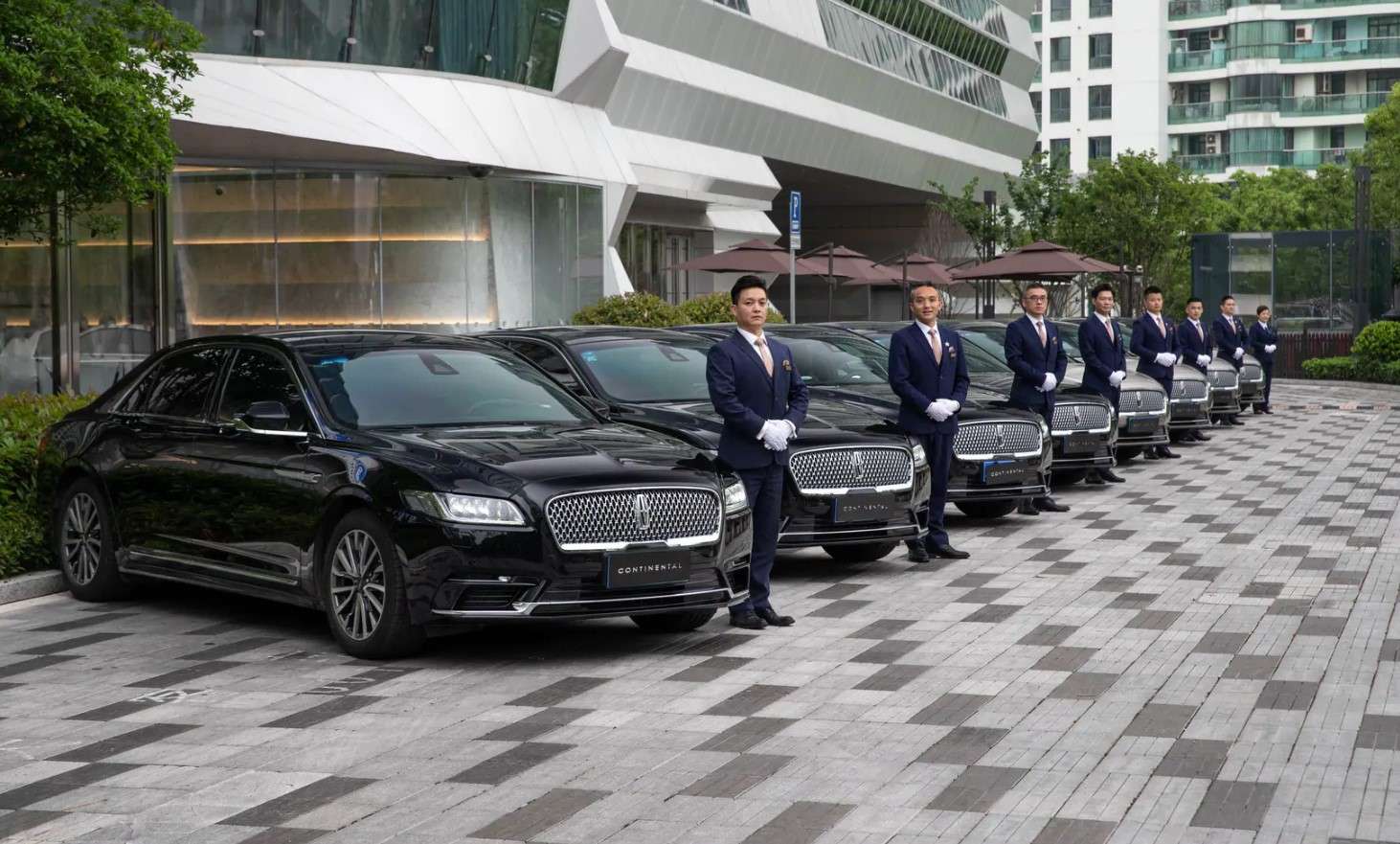
If you’re thinking about exploring beyond Hangzhou’s city centre, renting a car might seem like a good idea. But truthfully, driving here isn’t the same as cruising along Malaysia’s PLUS Highway. Hangzhou’s streets can get busy, parking is limited, and traffic rules feel a little stricter than back home. That said, if you’re confident behind the wheel and want the freedom to explore Zhejiang’s countryside, a rental car can be very practical.
🚘 When It Makes Sense to Drive
Driving is worth considering if:
- You’re planning day trips to places like Wuzhen Water Town, Thousand Island Lake (Qiandao Lake), or Moganshan.
- You’re travelling as a family or group, where private transport is more comfortable.
- You’re staying in suburban districts not well covered by the metro.
For central Hangzhou, though, the metro, buses, and Didi ride-hailing are much easier than dealing with traffic and parking.
📍 Where to Rent a Car
- Hangzhou Xiaoshan International Airport (HGH): Major international brands like Hertz and Avis have counters here.
- Downtown outlets: Rental offices are available near key hubs like Hangzhou East Railway Station.
- Online booking: Best to reserve in advance via platforms like Trip.com for English support and better prices.
📄 Requirements for Malaysian Travellers
- International Driving Permit (IDP): Needed, since a Malaysian licence alone usually isn’t accepted.
- Age limit: Usually 23–25 years old minimum, with at least one year of driving experience.
- Documents: Passport, IDP, and a credit card for the deposit.
- Insurance: Basic coverage is standard, but upgrading is recommended for peace of mind.
💸 Cost Overview
- Daily rental rates: RMB 200–300 (RM130–200) for compact cars; SUVs or vans cost RMB 500–600 (RM350–420).
- Deposit: RMB 2,000–5,000 (RM1,400–3,500), held on your credit card.
- Fuel: Full-to-full policy applies.
- Other costs:
- Highway tolls apply.
- Parking in malls or downtown areas is usually RMB 5–10 (RM3–7) per hour.
- Traffic congestion is common during weekends and holidays.
🛣️ Driving Conditions & Local Culture
- Hangzhou uses right-hand driving (opposite of Malaysia).
- Road signs are mostly in Chinese, though major tourist areas may have English.
- Drivers can be impatient—don’t be surprised by sudden lane changes.
- Navigation: Baidu Maps or Gaode (Amap) work well but are in Chinese. Google Maps won’t work without a VPN.
⚠️ Things to Watch Out For
- City driving: Traffic is heavy around West Lake and downtown.
- Parking: Very limited near scenic areas; best to use underground or mall parking.
- Weather: Hangzhou is rainy, especially in spring, so drive carefully on wet roads.
- Highways: Distances to countryside attractions (like Qiandao Lake) may take longer than expected due to weekend traffic.
✅ Best For These Travellers
- Families heading on day trips to Zhejiang’s countryside.
- Confident drivers who want flexibility and comfort.
- Travellers who prefer exploring scenic areas at their own pace.
🌸 Navigating Hangzhou with Ease

Getting around Hangzhou isn’t just about moving from point A to point B — it’s part of the travel experience itself. Whether you’re hopping on the metro to reach West Lake, catching a bus that winds through the city, or strolling along willow-lined streets, every journey gives you a glimpse of Hangzhou’s charm and elegance.
Compared to bigger Chinese cities like Shanghai, Hangzhou feels calmer and more walkable. That said, be prepared for some signs to be mostly in Chinese and for crowds during weekends or public holidays. Once you’ve familiarised yourself with the metro and installed a few handy apps, exploring Hangzhou is actually very convenient, safe, and budget-friendly.
💡 My tip as a Malaysian traveller? Mix up your options. The metro is the fastest way to get to major attractions like Lingyin Temple or the Hangzhou Grand Canal. Buses are handy for short hops or reaching smaller neighbourhoods. For comfort, ride-hailing apps like Didi work just like Grab back home. And don’t underestimate walking — especially around West Lake, Hefang Street, or the tea fields of Longjing, where the atmosphere is best enjoyed on foot. Having mobile data (an eSIM makes things so much easier!) will save you plenty of stress when checking maps or booking rides.
Hangzhou may be modern and lively, but it still moves with a slower, more graceful rhythm. After a day or two, you’ll find yourself settling into the city’s flow — just like sipping a cup of West Lake Longjing tea. 🍵
👉 Get Trip.com Exclusive Offers
👉Download the Trip.com App Now!
FAQs: Getting Around in Hangzhou
-
Is public transport in Hangzhou tourist-friendly? 🚇
-
Should I use Didi or taxis in Hangzhou? 🚕
-
Can I pay for metro and buses with a card? 💳
-
Is it safe to walk around Hangzhou? 🚶♂️