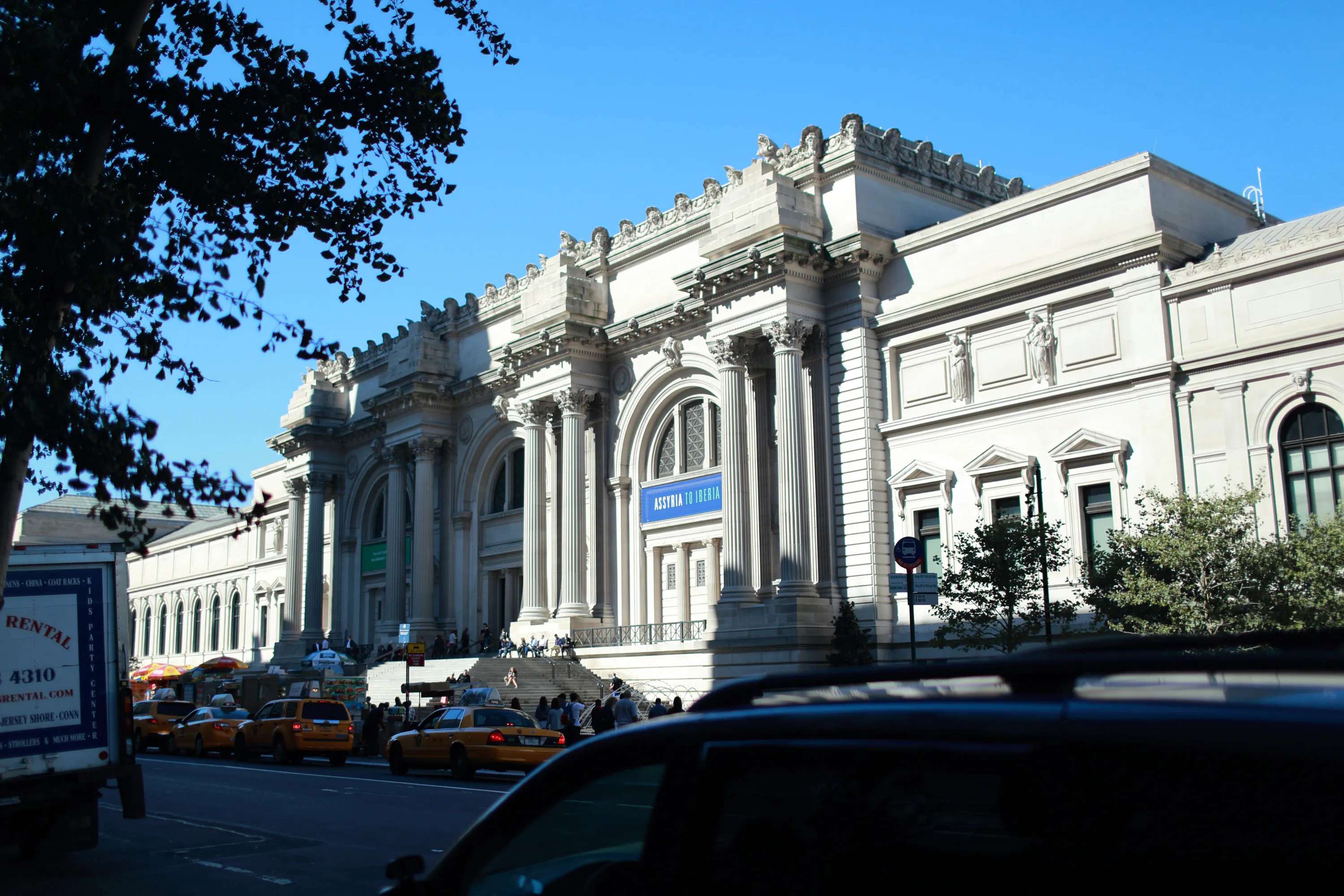
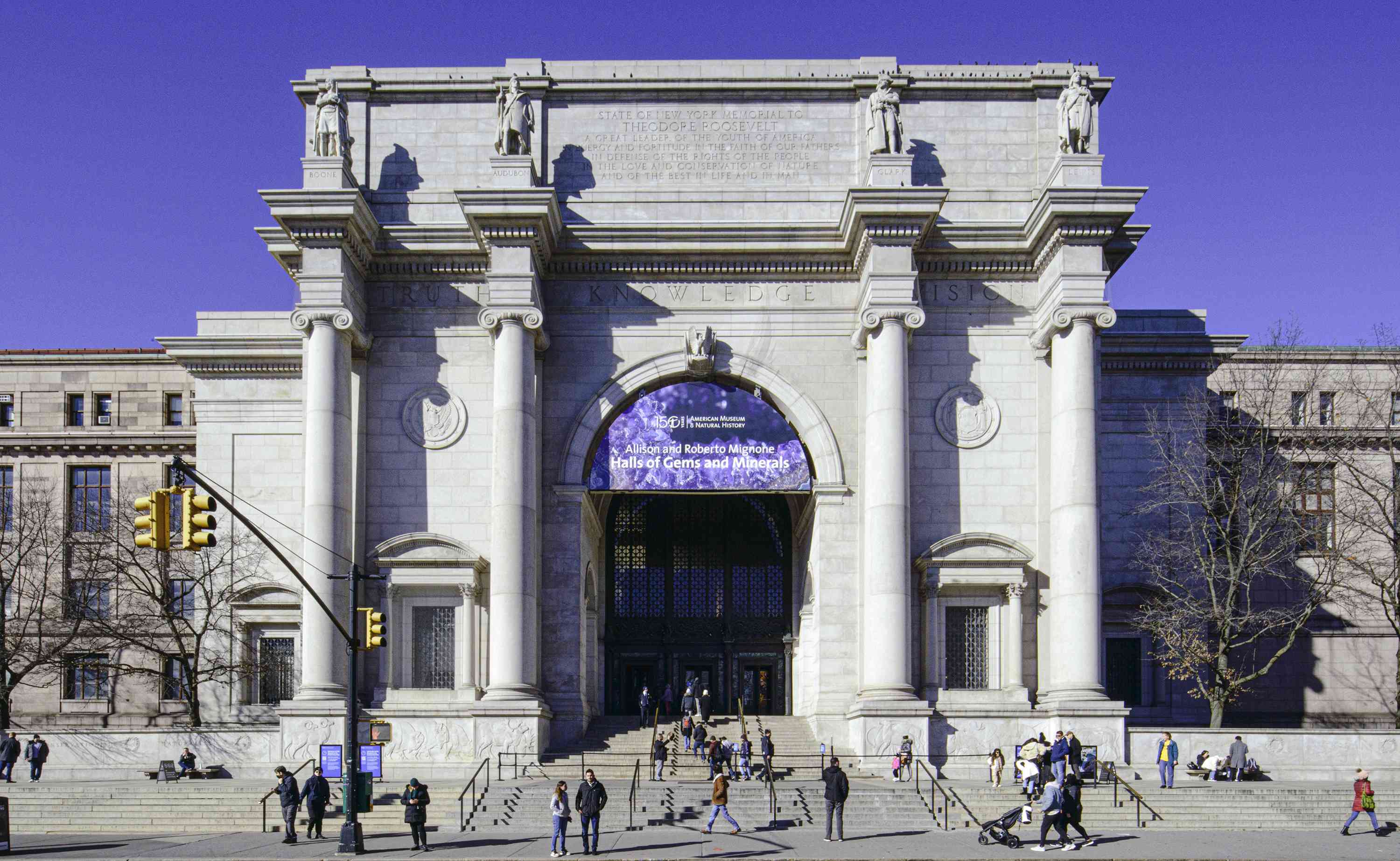
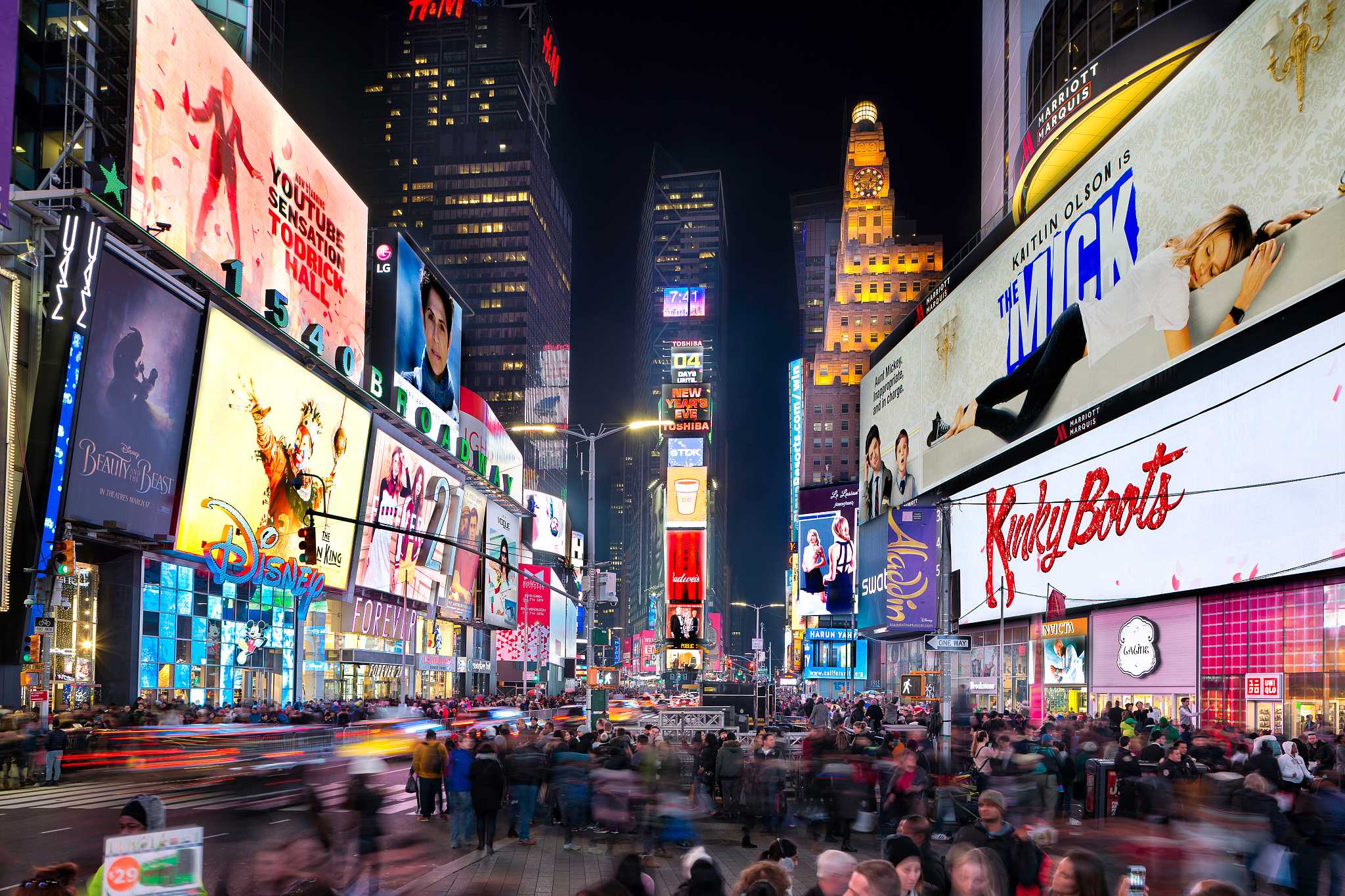
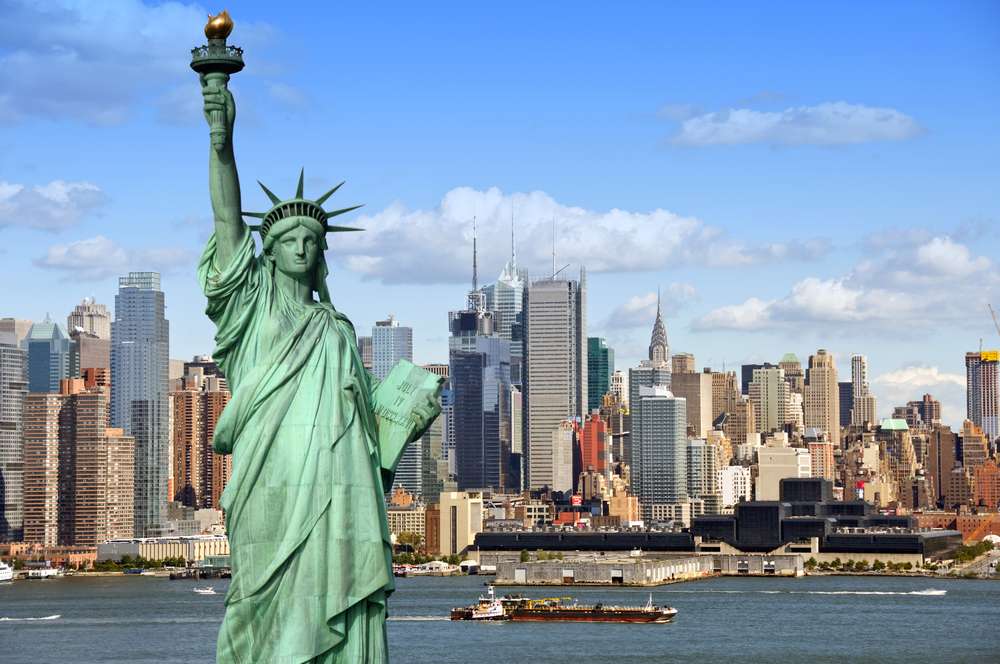
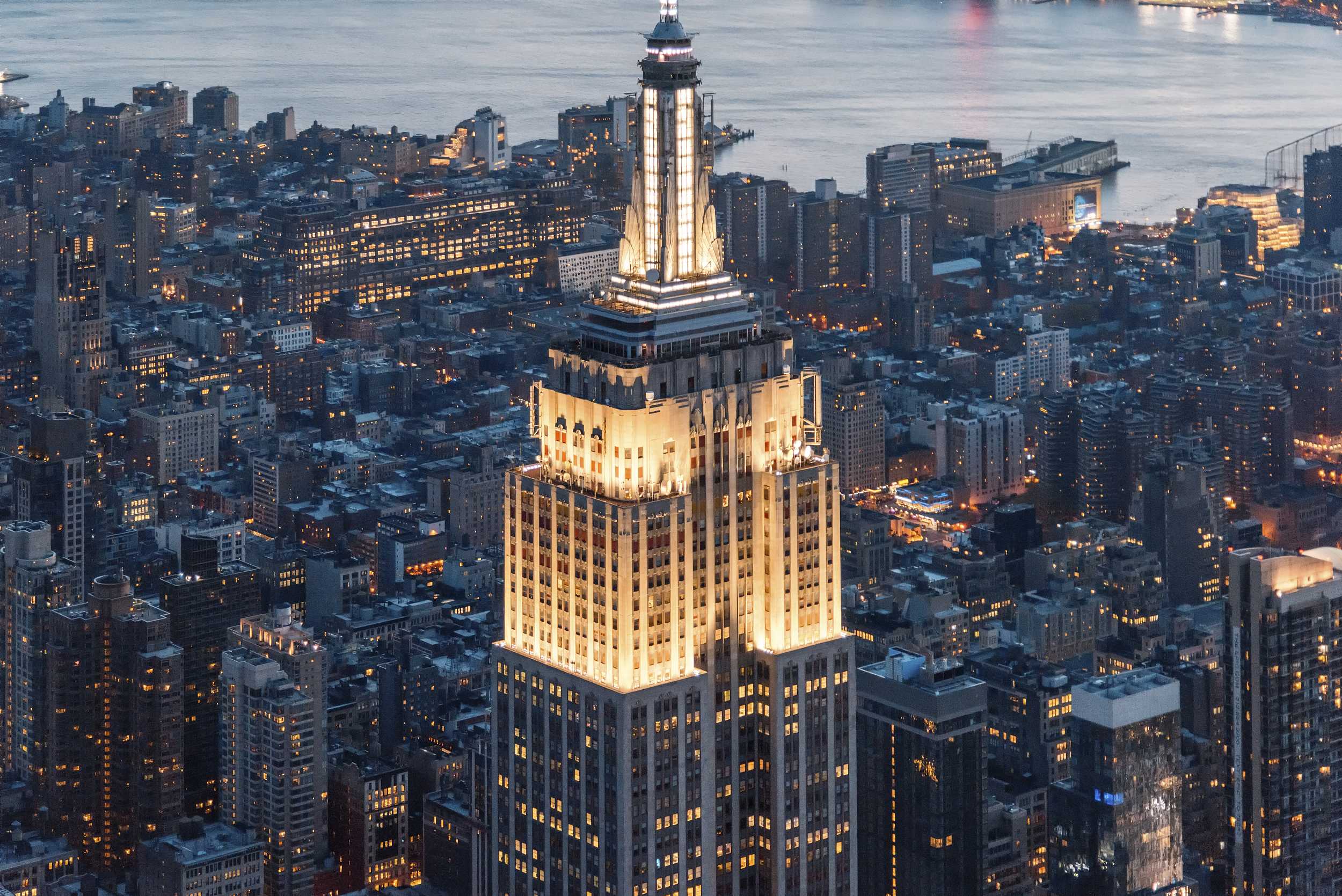
The United States is a highly sought-after travel destination, offering something for every type of traveler. From the bustling cityscape of New York to the breathtaking natural beauty of the Grand Canyon, the country is filled with iconic landmarks. Hollywood dazzles with its bright lights and celebrity culture, while the stunning beaches of Hawaii promise relaxation and adventure. With its rich cultural diversity and a wide variety of cuisines, the U.S. provides an unforgettable experience—whether you're exploring vibrant cities or embarking on outdoor adventures.
The first step to visiting the United States is applying for a U.S. visa. This article will guide you through the application process, costs, important considerations, and everything else you need to know to get started.
Do Malaysian Citizens Need a U.S. Visa?
Yes, Malaysian citizens are required to obtain a visa in order to travel to the United States.
The United States has its own visa exemption policy, but most foreign nationals—including Malaysians—must apply for a visa before entering the country.
Malaysian passport holders must complete the appropriate visa application form based on the purpose of their visit. They are also required to prepare supporting documents, such as a valid passport (typically valid for at least six months beyond the intended stay in the U.S.), a recent photograph, proof of financial means (to show you can cover your travel expenses), a detailed travel itinerary, and other relevant materials.
In addition, applicants must schedule a visa interview appointment and pass a series of procedures, including a consular interview review, before a U.S. visa can be granted.
Flights from Kuala Lumpur to USA
- Pergi Balik
- Sehala
KUL00:2034j 45m1 hentianLAX19:05Kuala Lumpur - Los Angeles|Jum, 6 Mac|Sichuan Airlines
LAX22:3026j 20m1 hentianKUL15:50Los Angeles - Kuala Lumpur|Jum, 13 Mac|Sichuan AirlinesBRL 3,669BRL 5,24630% OFF30% OFFBRL 5,246BRL 3,669
KUL00:2035j 10m1 hentianLAX19:30Kuala Lumpur - Los Angeles|Jum, 23 Jan|Sichuan Airlines
LAX21:3033j 50m1 hentianKUL23:20Los Angeles - Kuala Lumpur|Ahd, 25 Jan|Sichuan AirlinesBRL 3,672BRL 5,24630% OFF30% OFFBRL 5,246BRL 3,672
KUL00:2034j 45m1 hentianLAX19:05Kuala Lumpur - Los Angeles|Ahd, 25 Jan|Sichuan Airlines
LAX21:3033j 50m1 hentianKUL23:20Los Angeles - Kuala Lumpur|Ahd, 1 Feb|Sichuan AirlinesBRL 3,673BRL 5,24630% OFF30% OFFBRL 5,246BRL 3,673
KUL1:00 PM3j 5mTanpa hentiLAX2:00 PMKuala Lumpur - Los Angeles|Tue, Dec 16|Sichuan Airlines
LAX1:00 PM3j 5mTanpa hentiKUL2:00 PMLos Angeles - Kuala Lumpur|Tue, Dec 16|Sichuan AirlinesCari Penerbangan LainCari Penerbangan Lain
Harga potongan adalah dikira berdasarkan harga purata laluan sepadan pada Trip.com.
🛂 Types of U.S. Visas

| Category | Visa Type | Description |
|---|---|---|
Non-Immigrant Visas | B-1 | For short-term business trips (meetings, contracts, inspections). |
B-2 | For tourism, visiting family/friends, or medical treatment. | |
F-1 | For full-time students attending academic or language programs. | |
F-2 | For spouses/children of F-1 visa holders. | |
J Visa | For exchange visitors such as students, researchers, professors, including their dependents. | |
H-1B | For skilled professionals (engineers, IT, scientists, etc.) – valid up to 3 years, renewable once. | |
H-2A | For seasonal agricultural work. | |
H-2B | For non-agricultural temporary jobs. | |
H-3 | For individuals coming for training not available in their home country. | |
L-1 | For intra-company transfers within multinational corporations. | |
L-2 | For dependents (spouse and children) of L-1 visa holders. | |
O Visa | For individuals with extraordinary ability in science, arts, education, business, or athletics. | |
P-1 | For internationally recognized athletes or entertainment groups. | |
P-2 | For performers/artists under a reciprocal exchange program. | |
P-3 | For culturally unique artists and entertainers. | |
Q Visa | For participation in cultural exchange programs. | |
R Visa | For religious workers (e.g. pastors, missionaries). |
| Category | Visa Type | Description |
|---|---|---|
Immigrant Visas | IR, CR, F1–F4 | For family members of U.S. citizens or permanent residents (spouses, parents, children, siblings). |
EB-1 | For individuals with extraordinary ability, outstanding professors, or executives. | |
EB-2 | For professionals with advanced degrees or exceptional abilities. | |
EB-3 | For skilled/unskilled workers and professionals. | |
EB-4 | For special immigrants (religious workers, U.S. gov. employees abroad, etc.). | |
EB-5 | For investors creating jobs through capital investment. | |
K-1 | For foreign fiancés/fiancées of U.S. citizens – must marry within 90 days. | |
K-3 | For spouses of U.S. citizens waiting for green card processing. | |
Refugee/Asylum | For individuals fleeing persecution (political, religious, ethnic, etc.). | |
Diversity Visa (DV) | Also known as Green Card Lottery – for people from countries with low U.S. immigration rates. |
- CountryUSA
- Package Option1GB/Day
- Number of Days3 Day
- PriceMYR11.78
- CountryUSA
- Package Option1GB/Day
- Number of Days5 Days
- PriceMYR18.23
- CountryUSA
- Package Option1GB/Day
- Number of Days7 Days
- PriceMYR23.67
Benefits of Having a U.S. Visa
1. Travel and Visiting Family & Friends
- Access to World-Class Tourist Attractions: With a U.S. visa, you can explore some of the world’s most iconic destinations, such as the Grand Canyon, Times Square, and Hollywood.
- Easier Family Reunions: If you have family or friends living, studying, or working in the U.S., a visa allows you to visit them with ease and convenience.
2. Education Opportunities
- Entry to Top-Tier Educational Institutions: For students, a U.S. visa (such as the F-1 student visa) is essential for studying in the United States, home to prestigious universities like Harvard, Stanford, and MIT.
- Diverse Cultural Exchange: Studying in the U.S. offers a unique opportunity to interact with classmates and professors from around the world, enriching your global perspective and cultural understanding.
3. Employment and Business Development
- Career and Job Opportunities: Certain work visas (like the H-1B visa) allow skilled professionals to work in the U.S., gaining valuable experience and enhancing their career prospects.
- Business Expansion and Collaboration: A business visa (B-1) enables entrepreneurs and businesspeople to travel to the U.S. for meetings, market research, and potential partnerships with American companies.
4. Cultural and Artistic Exchange
- Participation in Cultural Events: A U.S. visa allows individuals to attend or participate in a wide range of cultural, artistic, and creative events held across the country.
- Promotion of Artistic Collaboration: For artists, performers, and cultural professionals, the U.S. visa provides a platform for international collaboration, artistic expression, and global recognition.
U.S. Visa Validity and Length of Stay

1. Visa Validity Period
Non-Immigrant Visas:
- B-1 (Business) & B-2 (Tourist/Visitor) Visas:
These visas are typically valid for up to 10 years, allowing multiple entries into the U.S. during that period, as long as the visa remains valid. - F-1 (Student) Visa:
The validity depends on the student’s academic program. Generally, it covers the entire study period, including any possible extensions. - H-1B (Work) Visa:
This visa is usually valid for 3 years and can be renewed for another 3 years, with a total maximum duration of 6 years. In certain cases, such as when waiting for a green card decision, additional extensions may be granted.
Immigrant Visas:
- IR-1 (Spouse of U.S. Citizen – married for over two years):
This visa grants lawful permanent resident status (commonly known as a green card). The green card has long-term validity, and holders may live and work in the U.S. as long as they comply with U.S. immigration laws. - K-1 (Fiancé(e) of U.S. Citizen):
This visa is valid for 90 days. The visa holder must marry the U.S. citizen within this timeframe or leave the country.
2. Length of Stay in the U.S.
Non-Immigrant Visas:
- B-1/B-2 Visa Holders:
Upon entry, the U.S. Customs and Border Protection (CBP) officer will determine your allowed stay—usually up to 6 months, based on your travel itinerary, financial situation, and other factors. - F-1 (Student) Visa Holders:
The allowed stay depends on the academic program. Students may stay in the U.S. for the duration of their studies, plus any approved practical training period (e.g., OPT). - H-1B Visa Holders:
Allowed to stay and work in the U.S. for the duration specified in the work contract—typically up to 3 years, with the possibility of renewal to a maximum of 6 years.
Immigrant Visas:
- Green Card Holders (Lawful Permanent Residents):
May live and work in the U.S. indefinitely, as long as they do not stay outside the U.S. for extended periods without permission. - Conditional Immigrant Visas (e.g., CR-1):
These grant conditional permanent residency (usually valid for 2 years). To become a full permanent resident, the applicant must meet specific conditions—such as remaining married to the U.S. citizen spouse—and apply to remove the conditions before the 2-year period ends.
Hotel Popular di New York
5 star
Business travel
Breakfast
Requirements for Applying for a U.S. Visa

1. Basic Requirements
Valid Passport:
Your passport must be valid for at least six months beyond your intended stay in the United States.
For example, if you plan to stay in the U.S. for three months, your passport should have more than nine months of validity remaining.
Visa Application Form:
You are required to complete the DS-160 online non-immigrant visa application form.
Make sure all the information provided is accurate and truthful. The form includes basic personal details (name, gender, date of birth, contact info) as well as travel information (intended arrival date, duration of stay, travel purpose, and more).
Photo Requirements:
You must provide a recent photo that meets U.S. visa specifications:
- Size: 2 x 2 inches (51 mm x 51 mm)
- Color photo, front-facing
- Plain white background
- Taken within the last 6 months
2. Additional Requirements by Visa Type
Tourist Visa (B-2)
- Proof of Funds: Show that you have enough financial resources to cover all your travel expenses in the U.S., including accommodation, food, and transportation.
- Travel Itinerary: A clear and reasonable travel plan is required. This includes return flight bookings, hotel confirmations, and a basic schedule of your trip.
- Ties to Malaysia: Provide evidence of strong social and economic ties to Malaysia (such as employment, family, property ownership, etc.) to demonstrate your intention to return after your visit.
Business Visa (B-1)
- Invitation Letter from the U.S.: You must provide a formal invitation letter from a U.S.-based business partner or organization. The letter should outline the purpose, dates, and location of the business event or meeting.
- Company Documentation: Include proof of your company’s legitimacy, such as a copy of the business license (with official stamp), company profile, your position in the company, and business dealings with the U.S. company (contracts, orders, etc.).
- Proof of Funds & Travel Arrangements: As with the B-2 visa, you need to show sufficient funds for the trip and have confirmed travel plans (flight tickets and hotel bookings).
Student Visa (F-1)
- Admission Letter: You must have a valid admission letter from a U.S. educational institution. It should include the school name, your program of study, start and end dates, academic duration, and more.
- Proof of Financial Support: You must prove that you have enough funds to pay for tuition and living expenses. This could include bank statements, scholarship awards (if any), or sponsorship letters.
- Study Plan & Language Proficiency: A clear academic plan explaining why you chose the school and program, and your future goals. Some schools and programs may also require English proficiency test scores such as TOEFL or IELTS.
Work Visa (H-1B and others)
- Employer Sponsorship: A U.S.-based employer must file your visa petition. They must prove that no suitable American worker is available for the position, and that you have the necessary skills.
- Proof of Professional Qualifications: Provide academic certificates, professional licenses, work experience records, and any other documents that demonstrate your qualifications.
- Labor Condition Application (LCA): Your employer must obtain an approved LCA from the U.S. Department of Labor. This document outlines your job's salary, working hours, and conditions, ensuring compliance with labor laws.
Latest Trip.com Promo Code, Coupons, Flight Deals & Hotel Discounts for Malaysia
Latest Trip.com Flight Deals & Promotions for Malaysia
Latest Trip.com Credit Card Promo Codes, Deals, Coupons for Malaysia
How to Apply for a U.S. Visa

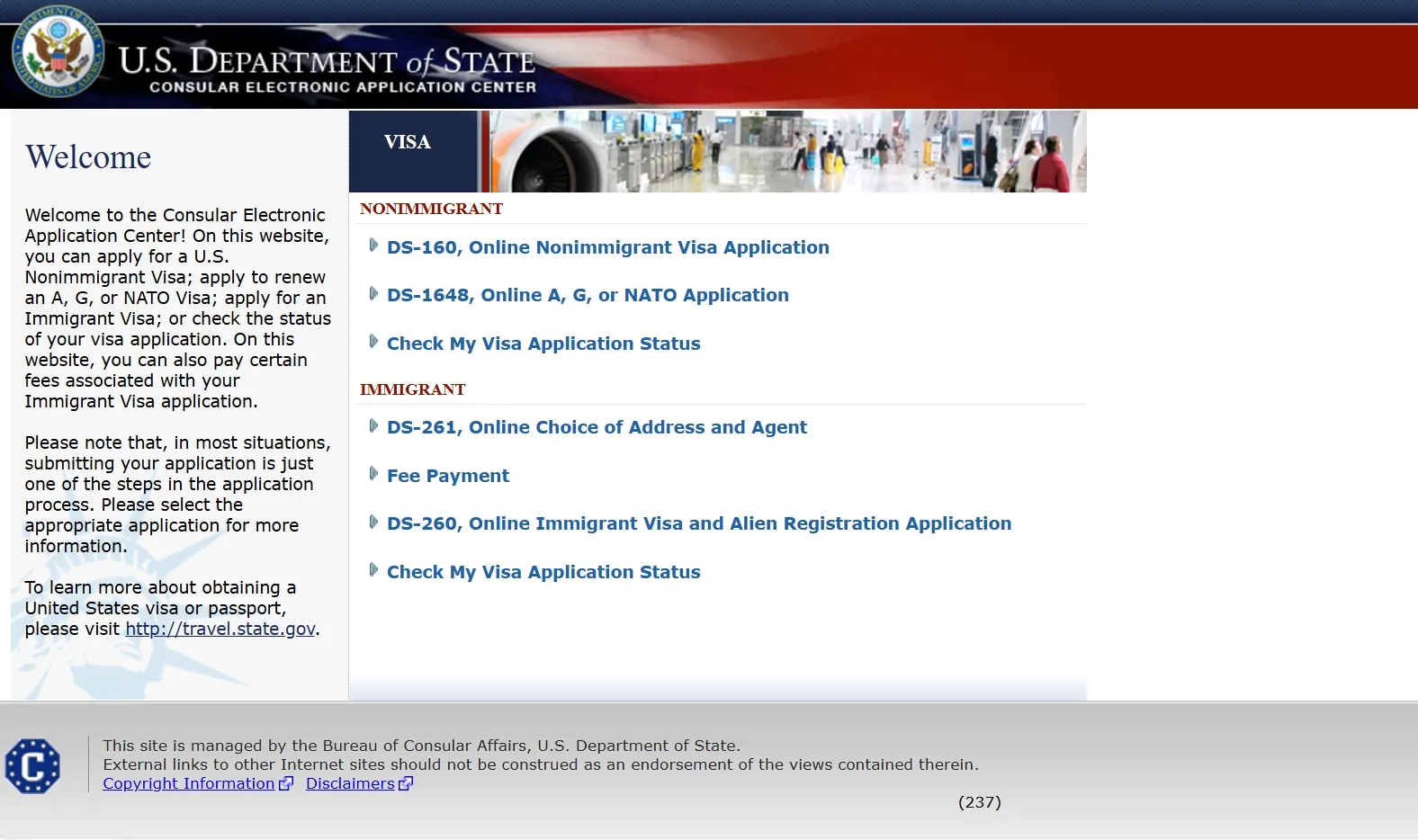
Source: Consular Electronic Application Center
1. Determine the Visa Type
Choose the visa category that matches your purpose of travel to the United States. For example, you can apply for a B1/B2 visa for tourism and business, an F1 visa for studying abroad, an H1B visa for work, and so on.
2. Fill Out the Application Form
- Complete the online non-immigrant visa application form (DS-160) at: https://ceac.state.gov/CEAC/
- You will need to provide personal information including family details, education, work experience, travel plans, and more. Make sure all information is accurate since it cannot be changed after submission.
- After completing the form, upload a photo that meets the requirements and submit the form with an electronic signature. Save the confirmation number and answers to security questions for future reference or corrections.
3. Pay the Visa Fee
There is a non-refundable visa application fee that must be paid.
4. Schedule an Interview Appointment
- Log in to the U.S. Visa Application Center website, create an account, select “New Application/Schedule Appointment,” then choose “Non-Immigrant Visa” and the appropriate visa category (e.g., B1/B2).
- Enter your personal details and DS-160 confirmation number, select the U.S. Embassy or Consulate in Malaysia for your interview, and choose a convenient appointment date and time.
- Once scheduled, print the appointment confirmation letter and bring it with you to the interview.
5. Prepare Supporting Documents
- Valid passport with at least six months of validity beyond your planned stay in the U.S.
- Proof of visa fee payment.
- Completed and signed DS-160 confirmation page.
- Other supporting documents depending on visa type, such as:
- Tourist visa: proof of funds, travel itinerary, ties to your home country
- Business visa: invitation letter from U.S. business, company certifications
- Student visa: school admission letter, proof of funds, study plan
- Work visa: employer support letter, professional qualifications
6. Attend the Interview
- Arrive at the U.S. Embassy or Consulate in Malaysia at your scheduled time. It’s advisable to arrive early to allow time for security checks and other procedures.
- You will go through security screening and fingerprinting before your interview.
- During the interview, answer the visa officer’s questions honestly and clearly. The interview is generally conducted in English. Questions may cover your purpose of visit, travel plans, financial means, and ties to your home country.
7. Wait for Visa Decision
After the interview, the visa officer will inform you whether your visa application has been approved. If approved, you can usually collect your passport with the visa within 3–5 business days. If additional processing is needed, the wait may be longer.
8. Collect Your Passport
If you choose to pick up your passport at the Embassy or Consulate, bring valid identification when collecting it. If you opt for courier delivery, ensure the shipping address you provided is accurate to receive your passport without issues.
Cost of U.S. Visa Application

The U.S. visa application fees vary depending on the visa type. Below is an overview of the application fees for common visa categories, converted approximately to Malaysian Ringgit (MYR) at an estimated exchange rate of 1 USD = 4.60 MYR. (Please note exchange rates may fluctuate.)
Non-Immigrant Visa Fees
Non-Immigrant Visas Not Requiring Approval:
- B1/B2 (Tourist and Business Visa): USD 185 (~MYR 851)
- C1 (Transit Visa): USD 185 (~MYR 851)
- D (Crew Visa): USD 185 (~MYR 851)
- F (Student Visa): USD 185 (~MYR 851)
- I (Media and Journalist Visa): USD 185 (~MYR 851)
- J (Exchange Visitor Visa, non-government sponsored): USD 185 (~MYR 851)
- M (Vocational Student Visa): USD 185 (~MYR 851)
- TN/TD (NAFTA Professional Visa): USD 185 (~MYR 851)
- T (Victims of Human Trafficking Visa): USD 185 (~MYR 851)
- U (Victims of Criminal Activity Visa): USD 185 (~MYR 851)
Non-Immigrant Visas Requiring Approval:
- H Visa (Temporary Work Visa such as H-1B, H-1B1, H-2A, H-2B, H-3, H-4, etc.): USD 205 (~MYR 943)
- L Visa (Intra-company Transfer, e.g. L-1, L-2): USD 205 (~MYR 943)
- O Visa (Individuals with Extraordinary Ability, e.g. O-1, O-2, O-3): USD 205 (~MYR 943)
- P Visa (Athletes, Entertainers, Artists): USD 205 (~MYR 943)
- Q Visa (International Cultural Exchange): USD 205 (~MYR 943)
- R Visa (Religious Worker): USD 205 (~MYR 943)
- E Visa (Traders and Investors, e.g. E-1, E-2, E-3): USD 315 (~MYR 1,449)
- K Visa (Fiancé(e) of U.S. Citizen): USD 265 (~MYR 1,219)
Other Non-Immigrant Visa Related Fees:
- Border Crossing Card Application for Mexican Nationals aged 15 and older: USD 185 (~MYR 851)
- Border Crossing Card Application for Mexican Nationals under 15: USD 15 (~MYR 69)
- L Fraud Prevention and Detection Fee (applicable to L visa principal applicants): USD 500 (~MYR 2,300)
- H Visa Petition Fee for Temporary Foreign Workers (paid to U.S. agency): USD 4,500 (~MYR 20,700)
Immigrant Visa Fees
- Family-Based Immigration Petition (Form I-130): USD 535 (~MYR 2,461)
- Orphan or Immediate Relative Petition (Form I-600 or I-800): USD 775 (~MYR 3,565)
- Processing Fee for Immediate Relative or Family Preference Petition: USD 325 (~MYR 1,495)
- Employment-Based Immigration Petition Processing Fee: USD 345 (~MYR 1,587)
- Processing Fee for Other Immigration Petitions (special immigrant, diversity lottery, self-petition, etc.): USD 205 (~MYR 943)
- K Visa (Fiancé(e) or Spouse of U.S. Citizen): USD 265 (~MYR 1,219)
- Affidavit of Support Fee (paid by U.S. sponsor): USD 120 (~MYR 552)
- Diversity Visa Application Fee (Green Card Lottery): USD 330 (~MYR 1,518)
How Long Does It Take to Apply for a U.S. Visa?
General Timeline:
If your visa application process goes smoothly, you typically receive your passport and visa within 3 to 5 business days after your interview is approved. From the time you submit your application to the interview, it is generally recommended to schedule your appointment at least 3 months in advance.
The average visa processing time is about 1 week, and the entire process—including scheduling the appointment, attending the interview, and collecting the visa—usually takes around 3 weeks.
Specific Circumstances:
- Administrative Processing:
If your visa application requires administrative processing, the timeline may be extended. Most administrative reviews are completed within 30 to 60 days after the visa interview. However, in some cases, the process may take several months or even up to a year, with no definite timeline. - Peak Application Periods:
During peak times such as holiday seasons and travel peaks, visa processing may be delayed due to the increased number of applicants. It is advisable to plan ahead and submit your application as early as possible. - Incomplete Information or Additional Documents Needed:
If your application is missing information or requires additional documents, the processing time will be extended accordingly. Applicants must promptly provide the requested materials to ensure smooth progress of the visa application.
FAQs: US Visa
Where can I apply for a U.S. visa?
You can apply online at: https://ceac.state.gov/CEAC/Is an interview required for a U.S. visa?
Yes, an interview is mandatory.How far in advance should I apply for a U.S. visa?
It is generally recommended to apply 1 to 2 months in advance. Since interview appointments are usually available within about 7 days, and the visa is typically issued within 3 to 5 business days after the interview, plus time needed to prepare documents, applying 1 to 2 months early allows sufficient time to address any potential issues such as administrative processing.