

Weather in Harbin-Organize your Trip!

Harbin is a captivating city where centuries of history meet the icy charm of China’s northeast. Known as the “Ice City,” it combines grand Russian-influenced architecture with a lively modern spirit. From the fairy-tale ice sculptures along the Songhua River to the bustling shops of Central Street, Harbin offers something for every traveller. Whether you’re marvelling at the Harbin International Ice and Snow Festival, wandering through the onion-domed St. Sophia Cathedral, or warming up with a hearty bowl of Dongbei hotpot, the city enchants visitors with its unique culture, warm hospitality, and striking winter scenery. ❄️✨
If you’re travelling from Malaysia, checking the weather before your trip is essential. Harbin has a continental climate with dramatic seasonal changes such as bitterly cold, dry winters and pleasantly mild summers. Knowing the forecast will help you plan your activities, dress in the right layers, and enjoy every moment of your adventure in this northern Chinese gem. ☀️🧣 In this article, we’ll take a closer look at Harbin’s seasonal weather and share practical tips to help Malaysian travellers make the most of their visit.
❄️☀️ Seasons in Harbin
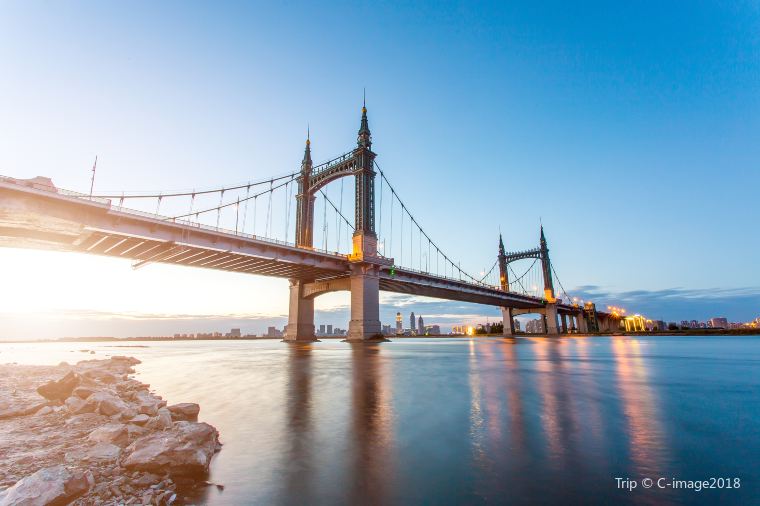
Harbin has a continental climate, bringing long, icy winters and pleasantly mild summers very different from Malaysia’s tropical weather. Instead of a wet and dry season, the city experiences four distinct seasons, each with its own character. Understanding these patterns will help Malaysian travellers decide when to visit and what to pack for a comfortable trip. ❄️🏯
| Season | Period | Characteristics |
|---|---|---|
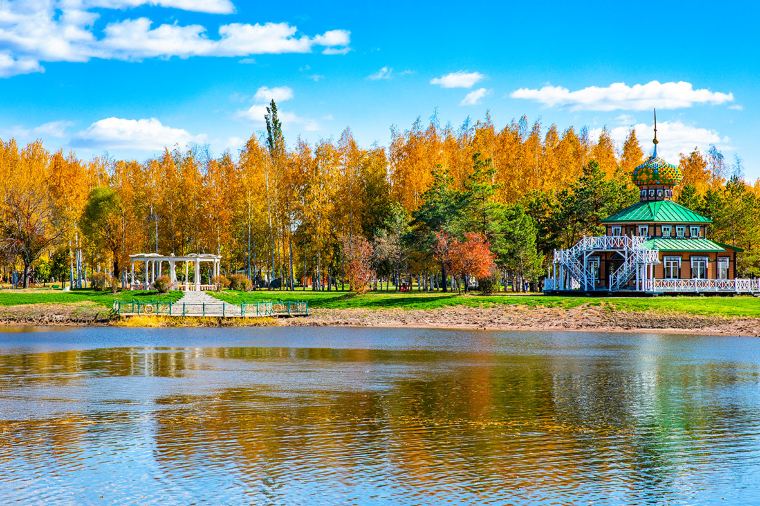
Winter | November – March | Harbin’s most famous season, when the city transforms into a dazzling winter wonderland. Daytime temperatures often stay between –20 °C and –10 °C, with crisp, dry air. This is the perfect time to experience the Harbin International Ice and Snow Festival go skiing at Yabuli, or skate on the frozen Songhua River. Dress in thermal layers, a heavy winter coat, gloves, and a hat to stay warm. |
Spring | April – May | A short but refreshing season as the snow melts and flowers begin to bloom. Temperatures climb to around 5 °C–15 °C, but evenings can still be chilly. A light jacket and layers are essential for sudden changes in weather. |
Summer | June – August | Pleasantly warm and comfortable, with highs around 18 °C–26 °C and moderate humidity. It’s ideal for strolling along Central Street, taking river cruises, and hiking nearby mountains. Light clothing with a light jacket for cool nights is recommended. |
Autumn | September – October | Crisp air and golden foliage make this a picturesque time to visit. Temperatures range from 5 °C–15 °C, gradually cooling toward the end of October. A medium-weight jacket and layers will keep you comfortable. |
Recommended Hotels in Harbin
 NO.1
NO.1

🌡️ Temperature and Humidity in Harbin
Harbin experiences a true continental climate, with dramatic contrasts between freezing winters and mild, pleasant summers very different from Malaysia’s consistent tropical warmth. Knowing the seasonal temperature and humidity will help Malaysian travellers pack the right clothing and stay comfortable.
| Season | Months | Daytime Temperature | Nighttime Temperature | Details |
|---|---|---|---|---|
Winter | November – March | –20 °C to –10 °C | As low as –30 °C | Famous for its icy landscapes and the Harbin International Ice and Snow Festival. Dry air makes the cold crisp rather than damp. |
Spring | April – May | 5 °C to 15 °C | 0 °C to 8 °C | Temperatures rise gradually; evenings remain chilly, so layered clothing or a light coat is recommended. |
Summer | June – August | 18 °C to 26 °C | 12 °C to 18 °C | Mild and comfortable a refreshing change for visitors from Malaysia, ideal for sightseeing and outdoor activities. |
Autumn | September – October | 5 °C to 15 °C | 0 °C to 8 °C | Crisp air and golden foliage create a scenic atmosphere as temperatures steadily cool toward late October. |
Humidity
Harbin’s air is generally dry year-round, especially in winter when humidity can fall below 40%, making the cold feel even crisper.
- Summer: Humidity rises to around 60–70%, but it remains comfortable thanks to moderate temperatures.
- Winter: The extremely low humidity can cause dry skin and chapped lips, so moisturiser and lip balm are essential.
- Travel Tip: Pack thermal layers, a down jacket, gloves, and a good moisturiser if you visit in winter. In summer, light layers and a thin jacket for cool evenings are ideal. Always check the forecast before you travel to plan activities and clothing with confidence.
🗓️ Best Time to Visit Harbin
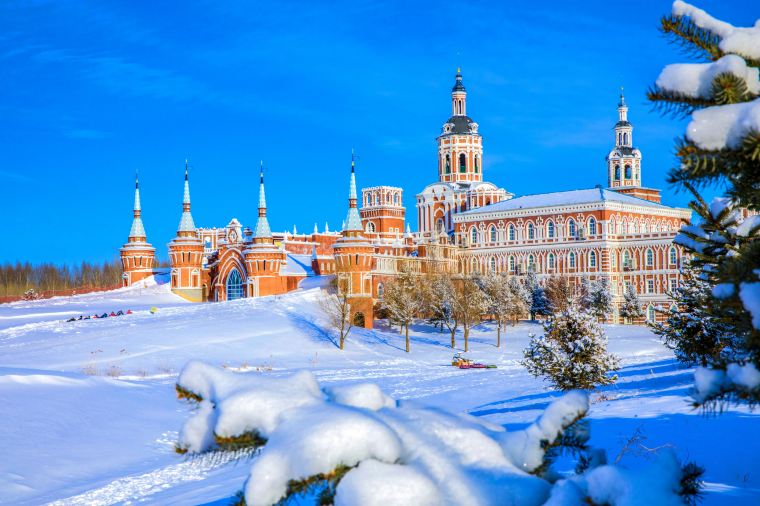
The ideal time for Malaysian travellers to experience Harbin is during winter, from December to February, when the city transforms into a sparkling ice kingdom. This is when you can witness the world-famous Harbin International Ice and Snow Festival, admire breathtaking ice sculptures, and enjoy activities such as skiing at Yabuli or skating on the frozen Songhua River. Daytime temperatures typically range from –20 °C to –10 °C, so pack plenty of thermal layers, a down jacket, gloves, and warm footwear.
Harbin is also attractive in summer (June to August) for those who prefer milder weather. With temperatures around 18 °C to 26 °C, it’s perfect for strolling along Central Street, cruising the Songhua River, and exploring nearby mountains without Malaysia’s tropical heat.
🏞️ Outdoor Activities During Harbin's Seasons
Harbin’s dramatic weather from icy winters to mild summers offers unique outdoor adventures for Malaysian travellers. Below are top recommendations with estimated costs in both Chinese yuan (CNY) and Malaysian ringgit (MYR, approx. 1 CNY ≈ RM0.65).
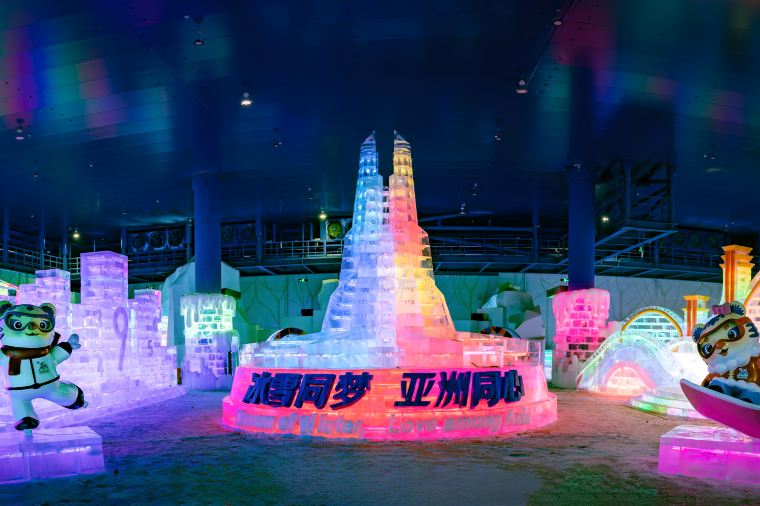
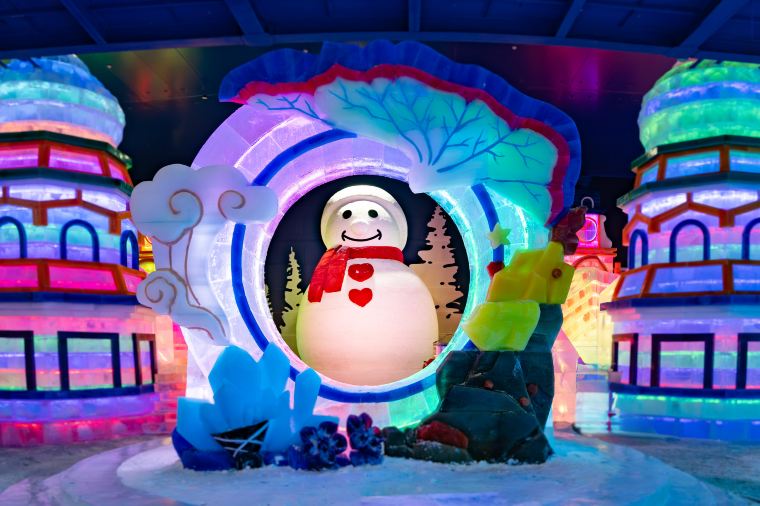
⛸️ Harbin International Ice and Snow Festival
The city’s most iconic winter spectacle, featuring giant illuminated ice sculptures and snow castles.
- Recommended visit duration: Half day to full day
- Estimated cost: ¥200–¥300 ( RM130–RM195) per person, depending on the venue and events
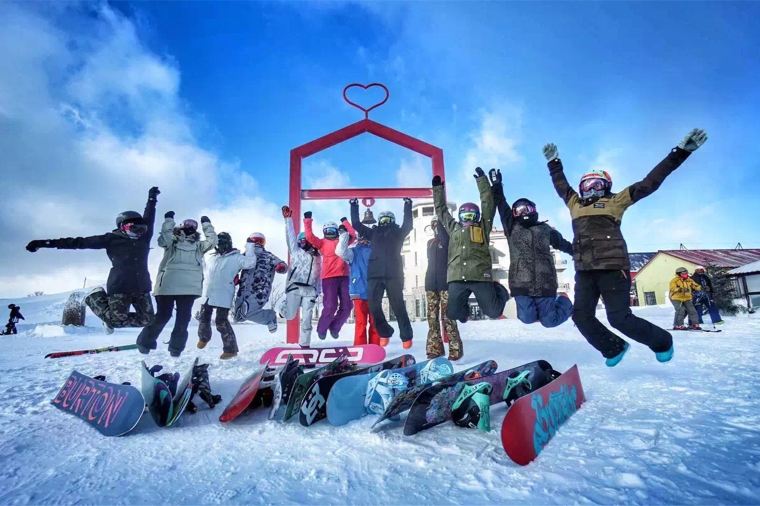
🎿 Yabuli International Ski Resort
China’s largest ski resort, perfect for skiing and snowboarding at all skill levels.
- Recommended visit duration: Full day or overnight stay
- Estimated cost: Lift pass from ¥240 (≈ RM155) per day; equipment rental extra
🏰 Central Street (Zhongyang Dajie)
A pedestrian avenue lined with Russian-style architecture, cafés, and Harbin’s famous ice cream—even in the snow.
- Recommended visit duration: 1–2 hours
- Estimated cost: Free to explore (food and drinks extra, snacks from about ¥10 / RM6.50 upward)
🕍 St. Sophia Cathedral & Harbin Flood Control Monument
Admire this onion-domed Russian Orthodox landmark and the historic riverside monument.
- Recommended visit duration: 1–2 hours
- Estimated cost: Exterior free; interior museum around ¥20 (≈ RM13)
🛶 Songhua River Cruise (Summer Only)
Enjoy skyline views and cool breezes during Harbin’s mild summer months.
- Recommended visit duration: Around 1 hour
- Estimated cost: ¥60–¥100 (≈ RM40–RM65) per person, depending on boat type
🌳 Stalin Park
A riverside park great for scenic walks, summer picnics, or winter ice activities when the river freezes.
- Recommended visit duration: 1–2 hours
- Estimated cost: Free entry
🐯 Siberian Tiger Park
Get close to majestic Siberian tigers in semi-wild enclosures and learn about conservation efforts.
- Recommended visit duration: 2–3 hours
- Estimated cost: ¥100 (≈ RM65) per adult
Top Things to do in Harbin
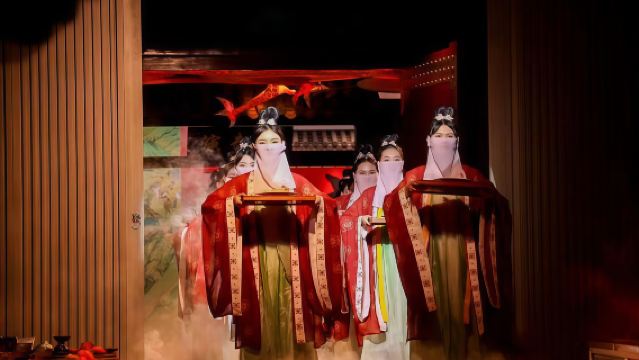
![Harbin, Heilongjiang: "Jamuan Diraja Pintu Merah" - Jamuan Istana Bertema Imersif Panorama [Menikmati Hidangan Diraja + Menyaksikan Persembahan Klasik + Melawat Kawasan Bergaya Kuno]](https://ak-d.tripcdn.com/images/0351z12000se6kav64EF1_C_568_320.jpg)

![Sesi fotografi pelancongan di Gereja Hagia Sophia Harbin [Penggambaran luar: Gaya solek + penyuntingan profesional + filem asal + alat peraga]](https://ak-d.tripcdn.com/images/0353z12000qsb211xDDFF_C_568_320.jpg)
🏛️☕Indoor Activities in Harbin
Harbin offers plenty of cosy spots and cultural experiences, perfect for Malaysian travellers who want to escape the freezing winter temperatures or simply take a break from sightseeing outdoors.
🏛️ Heilongjiang Provincial Museum
Discover Harbin’s fascinating past, from Russian-influenced architecture to exhibits on Manchu culture and the region’s natural history.
- Recommended visit duration: 1–2 hours
- Estimated cost: Free entry
🎨 Harbin Art Gallery
Enjoy local and contemporary Chinese art while staying warm and cosy.
- Recommended visit duration: 1–2 hours
- Estimated cost: Around ¥30–¥50 (≈ RM20–RM33)
☕ Cafés & Russian-Style Bakeries
Warm up with Russian tea or freshly baked bread along Central Street (Zhongyang Dajie).
- Recommended visit duration: Flexible
- Estimated cost: Drinks and snacks from about ¥20 (≈ RM13)
🍲🔥 Hotpot & Dongbei Cuisine
Stay cozy with hearty Northeast Chinese favourites like spicy hotpot, handmade dumplings, and rich braised pork—perfect after a day in Harbin’s cold weather.
- Recommended visit duration: Around 1–2 hours, depending on the pace of your meal.
- Estimated cost: From ¥60 per person (≈ RM40), depending on the restaurant and menu.
- Typical opening times: Most hotpot and Dongbei restaurants in Harbin open from 11:00 am to 10:00 pm, though some larger establishments stay open later, especially on weekends.
Flights from Kuala Lumpur to Harbin
- Pergi Balik
- Sehala
 KUL18:0023j 5m1 stopsHRB17:05Kuala Lumpur - Harbin|Kha, 15 Okt|China Southern AirlinesHRB18:2020j 20m1 stopsKUL14:40Harbin - Kuala Lumpur|Rab, 21 Okt|China Southern AirlinesRUB 20,777RUB 33,52038% offCari38% offRUB 33,520RUB 20,777
- KUL18:0023j 5m1 stopsHRB17:05Kuala Lumpur - Harbin|Sel, 20 Okt|China Southern AirlinesHRB16:0020j 20m1 stopsKUL12:20Harbin - Kuala Lumpur|Isn, 26 Okt|China Southern AirlinesRUB 21,044RUB 33,52037% offCari37% offRUB 33,520RUB 21,044
- KUL18:0018j 40m1 stopsHRB12:40Kuala Lumpur - Harbin|Ahd, 18 Okt|China Southern AirlinesHRB19:3016j 50m1 stopsKUL12:20Harbin - Kuala Lumpur|Isn, 26 Okt|China Southern AirlinesRUB 21,452RUB 33,52036% offCari36% offRUB 33,520RUB 21,452
- KUL18:2017j 35m1 stopsHRB11:55Kuala Lumpur - Harbin|Kha, 29 Okt|China Southern AirlinesHRB19:3016j 50m1 stopsKUL12:20Harbin - Kuala Lumpur|Isn, 2 Nov|China Southern AirlinesRUB 24,469CariRUB 24,469
 KUL13:0017j 35mTanpa hentiHRB14:00Kuala Lumpur - Harbin|Mon, Sep 6|Normal Airline
 HRB13:0017j 35mTanpa hentiKUL14:00Harbin - Kuala Lumpur|Mon, Sep 6|Normal AirlineCari Penerbangan LainCari Penerbangan Lain
📊🌤️ Harbin Weather
Harbin experiences a true continental climate, bringing icy winters and pleasantly mild summers—a striking contrast to Malaysia’s year-round tropical warmth. From glittering ice sculptures and Russian-style architecture to vibrant summer river cruises, the city offers memorable experiences in every season. ❄️🌸
For travellers seeking Harbin at its most magical, the best time to visit is during winter (December to February). During these months the city becomes a dazzling “Ice City,” hosting the world-famous Harbin International Ice and Snow Festival, with temperatures often between –20 °C and –10 °C. It’s the ideal season for skiing, ice skating, and admiring illuminated ice castles. 🧣☃️. However, if you prefer milder weather and easier packing, June to August is also a great choice. With daytime temperatures around 18 °C to 26 °C, summer is perfect for strolling along Central Street, cruising the Songhua River, and exploring nearby mountain.
🔥Go China
Turn your winter escape into a bargain with Trip.com’s Go China Winter Wonderland deals every Tuesday, enjoy RM99 hotel flash sales for your next Chinese adventure.

FAQs Harbin Weather
-
What is the best time to visit Harbin?
-
How cold does Harbin get in winter?
-
Are there things to do in Harbin outside winter?
-
How do I stay comfortable outdoors in winter?
-
Do I need special shoes for snowy streets?