

Weather in Kota Kinabalu: What You Should Know Before You Go

Oleh Trip.com
9 Jun 2025

Ahh, Kota Kinabalu — the land of stunning sunsets, cheeky monkeys, and some of the best seafood you'll makan in your life 🦐🌅 But before you go planning that island-hopping adventure or hiking Mount Kinabalu like a hero, let me tell you one thing: the weather here is no joke.
It’s hot, it’s humid, and sometimes the rain comes out of nowhere like it's got a personal grudge against your itinerary. But you know what? That’s just part of KK’s charm — it’s wild, untamed, and beautifully unpredictable 💦🌞
Whether you're planning to chill at Tanjung Aru, snorkel at Manukan Island, or go jungle trekking near Kundasang, knowing when to go (and what to pack) makes all the difference. Especially for us Malaysians — we think we’re used to tropical weather, but KK will still humble you 😅
In this guide, I’ll break down:
● What kind of weather to expect all year round
● The best months to visit (hello, perfect beach days!)
● What to pack so you don’t end up with soggy sneakers or sunburnt cheeks
● And even what to do when it rains (spoiler: KK still syok even when basah)
So if you want to enjoy KK properly without having your plans washed away — stay with me lah. You’re in good hands. Let’s go explore this Sabahan gem, rain or shine. 🌴☔☀️
Weather Overview: What’s KK Like Throughout the Year?

Kota Kinabalu has what we call a tropical rainforest climate — which basically means it's hot, humid, and sometimes hujan like nobody’s business. There’s no four seasons here. Just two moods: “Dry-ish” and “Wet-wet.” 😂
Here’s what to expect on a regular day in KK:
| Climate Feature | What to Expect |
| 🌡️ Temperature | Averages between 24°C and 32°C throughout the year. Nighttime might dip to 23°C if you’re lucky. |
| 💧 Humidity | Always high — usually above 80%. Expect to sweat just by standing still. Seriously. |
| 🌦️ Rainfall | Some months are wet, some are super wet. Rain can be sudden and heavy, but usually doesn’t last the whole day. |
| 🌞 Sunshine Hours | 6–8 hours daily, even during wet months (just gotta dodge the downpours). |
Does it get cold? Not really. Unless you're heading up Mount Kinabalu or Kundasang, you’re not going to need a jacket. Even then, it’s more like “Cameron Highlands chilly” — not “London winter” 😅
And don’t be fooled — just because it’s raining doesn’t mean you can’t enjoy your trip. KK weather is like that friend who’s unpredictable, but always fun anyway.
Cheap Flights from Kuala Lumpur to Kota Kinabalu
- Sehala
- Pergi Balik
- direct cheapest
 KUL08:002j 40mTanpa hentiBKI10:40Kuala Lumpur - Kota Kinabalu|Kha, 29 Okt|AirAsiaTWD 2,124TWD 2,75923% offCari23% offTWD 2,759TWD 2,124
 - KUL07:152j 35mTanpa hentiBKI09:50Kuala Lumpur - Kota Kinabalu|Isn, 12 Okt|AirAsiaTWD 2,124TWD 2,75923% offCari23% offTWD 2,759TWD 2,124
- KUL07:152j 35mTanpa hentiBKI09:50Kuala Lumpur - Kota Kinabalu|Sel, 20 Okt|AirAsiaTWD 2,124TWD 2,75923% offCari23% offTWD 2,759TWD 2,124
- KUL06:002j 35mTanpa hentiBKI08:35Kuala Lumpur - Kota Kinabalu|Ahd, 18 Okt|AirAsiaTWD 2,124CariTWD 2,124
- KUL07:152j 35mTanpa hentiBKI09:50Kuala Lumpur - Kota Kinabalu|Kha, 15 Okt|AirAsiaTWD 2,124CariTWD 2,124
- KUL07:152j 35mTanpa hentiBKI09:50Kuala Lumpur - Kota Kinabalu|Jum, 23 Okt|AirAsiaTWD 2,124CariTWD 2,124
 KUL13:002j 35mTanpa hentiBKI14:00Kuala Lumpur - Kota Kinabalu|Mon, Sep 6|Normal AirlineCari Penerbangan LainCari Penerbangan Lain
When is the Best Time to Visit Kota Kinabalu?

If you’re hoping for clear skies, chill vibes and insta-worthy island shots — listen closely: the best time to visit KK is usually from February to April. That’s when the weather is most stable, with plenty of sunshine and less of those "sudden thunderstorm at 3PM sharp" vibes 🌞
💡 Why These Months Are Best:
● February: KK really shines. It’s dry, skies are blue, and the sunsets at Tanjung Aru are chef’s kiss.
● March–April: Great weather continues — warm but manageable. These are power months for outdoor stuff like hiking, snorkelling, or taking the North Borneo Railway for a heritage ride.
🏖️ Planning by Travel Style
| Travel Style | Best Time to Go | Why It’s Best |
| Beach Lovers | Feb – Apr | Calm seas, clear skies, good visibility for diving/snorkelling |
| Hikers | Feb – Mar | Best time for Mount Kinabalu – trails dry and temps cooler |
| Foodies | Any month! | Even in rain, seafood never disappoints 🦀🍜 |
| Budget Travellers | Nov – Jan | Off-peak season, cheaper hotels – just bring a raincoat! |
| Cultural Buffs | May & Oct | Kaamatan Harvest Festival (May) and local events happening |
⚠️ When to Be Extra Cautious:
● October to January is monsoon season. That means unpredictable showers, rough sea conditions, and the occasional landslide warning for uphill areas. Still doable — but you’ll need to plan flexible itineraries and maybe swap that beach day for a museum visit 🏛️
TL;DR? If you want maximum fun with minimum sogginess, book your trip between February and April. But honestly — KK is beautiful every month. You just need to match your activities to the weather.
Cheap Hotels in Kota Kinabalu
5 star
Business travel
Breakfast
Packing Tips for Kota Kinabalu’s Weather

KK's tropical weather means one thing: you’ll sweat, you might get rained on, and you’ll definitely need to be smart about your outfits. Here’s what to bring depending on when you're going — and how to look like a seasoned KK traveller instead of a blur tourist 😎
🎒 Essentials for Anytime of the Year
| Item | Why You Need It |
| Light cotton clothes | Breathable is best. Avoid thick jeans or long sleeves unless you're going up to Kundasang. |
| Sunblock | The Sabahan sun is no joke. You will burn even when it’s cloudy. |
| Sunglasses & Cap | Especially useful for island hopping or long walks in the city. |
| Refillable water bottle | Stay hydrated — you'll be sweating buckets. |
| Mosquito repellent | For nature walks, night markets, or if you're staying near forested areas. |
| Comfortable walking shoes / sandals | For exploring city streets and islands. Bonus if they’re waterproof! |
🌧️ If You’re Travelling During Wet Season (Oct–Jan):
| Item | Why You Need It |
| Compact umbrella / poncho | Rain can be sudden. You don’t wanna be that tourist stuck under a tree. |
| Dry bag / waterproof pouch | Protect your phone, wallet and travel docs during island trips or boat rides. |
| Quick-dry towel / clothes | For the days you kena hujan halfway through your plans. |
| Extra socks & innerwear | Trust me. Nothing worse than walking around in soggy undies 😩 |
🥶 If You’re Heading to Mount Kinabalu or Kundasang:
| Item | Why You Need It |
| Hoodie / light jacket | Temperatures can drop to 13–17°C, especially at night. |
| Proper hiking shoes | You need grip if you’re tackling the mountain or uneven terrain. |
| Thicker socks / gloves / beanie | Not mandatory, but helpful if you’re doing early morning hikes or stargazing at the peak 🌌 |
Bonus Travel Hacks:
● Pack some plastic bags or ziplocks: For your wet clothes or muddy slippers.
● Carry a mini deodorant: You'll be sweating more than you think.
● Powerbank: You’ll be snapping pics non-stop and may not always have time to charge up.
Weather & Activities in Kota Kinabalu: What to Do in Every Season

Let’s match your mood and the weather to the best things to do in KK. Rain or shine, there’s always an adventure waiting — just gotta pick the right one for the right time 🔥
☀️ Dry Season (February to April): The “All-Out Explore” Season
Weather: Hot but manageable, less rain, clearer skies
Perfect for:
● 🏝️ Island hopping to Manukan, Sapi, and Mamutik — water visibility is beautiful!
● 🥾 Hiking Mount Kinabalu — trails are dry, views are unreal
● 🐬 Klias River Cruise to see proboscis monkeys and fireflies
● 🌅 Sunset chill sessions at Tanjung Aru
Beach (seriously, one of the best in the world)
Pro Tip: Book your outdoor tours early — this is peak season, especially during school holidays.
🌦️ Wet Season (October to January): The “Slow Travel” Season
Weather: Frequent rain, high humidity, risk of flash floods in some areas
Perfect for:
● 🍲 Food hunting — KK has amazing seafood, Sabahan dishes, and hidden kopitiams
● 🏛️ Museums & cultural spots — like Sabah State
Museum, Mari Mari
Cultural Village
● 🧖♀️ Spa & wellness days — massage therapy is extra nice when it’s raining
● 🛍️ Shopping & cafe hopping — check out Imago Mall, Suria Sabah, or cute cafes like Woo! or October Coffee Lab
Pro Tip: Plan flexible schedules. Rain often comes late afternoon, so do your walking in the morning, chill in the evening.
⛅ In-Between Months (May, June, September): The “You Roll the Dice” Season
Weather: Can go either way — sunny in the morning, rain by 3PM
Perfect for:
● 🏞️ Day trips to Kundasang — cooler weather, and the cows at Desa Dairy Farm are too cute 🐄
● 📸 Photo ops at places like Signal Hill
Observatory and floating mosques
● 🍽️ Trying everything! You’ve got enough sun for exploring, but just pack a poncho
Pro Tip: Always carry an umbrella and wear shoes that won’t betray you on wet tiles.
No matter when you go, Kota Kinabalu’s got flavour, nature, and charm. It’s one of those places that rewards the spontaneous traveller — even the rain feels like part of the experience 💙
Cheap Flights from Kuala Lumpur to Kota Kinabalu
- Sehala
- Pergi Balik
- direct cheapestKUL08:002j 40mTanpa hentiBKI10:40Kuala Lumpur - Kota Kinabalu|Kha, 29 Okt|AirAsiaTWD 2,124TWD 2,75923% offCari23% offTWD 2,759TWD 2,124
- KUL07:152j 35mTanpa hentiBKI09:50Kuala Lumpur - Kota Kinabalu|Isn, 12 Okt|AirAsiaTWD 2,124TWD 2,75923% offCari23% offTWD 2,759TWD 2,124
- KUL07:152j 35mTanpa hentiBKI09:50Kuala Lumpur - Kota Kinabalu|Sel, 20 Okt|AirAsiaTWD 2,124TWD 2,75923% offCari23% offTWD 2,759TWD 2,124
- KUL06:002j 35mTanpa hentiBKI08:35Kuala Lumpur - Kota Kinabalu|Ahd, 18 Okt|AirAsiaTWD 2,124CariTWD 2,124
- KUL07:152j 35mTanpa hentiBKI09:50Kuala Lumpur - Kota Kinabalu|Kha, 15 Okt|AirAsiaTWD 2,124CariTWD 2,124
- KUL07:152j 35mTanpa hentiBKI09:50Kuala Lumpur - Kota Kinabalu|Jum, 23 Okt|AirAsiaTWD 2,124CariTWD 2,124
 KUL13:002j 35mTanpa hentiBKI14:00Kuala Lumpur - Kota Kinabalu|Mon, Sep 6|Normal AirlineCari Penerbangan LainCari Penerbangan Lain
No Bad Time, Just Better Planning
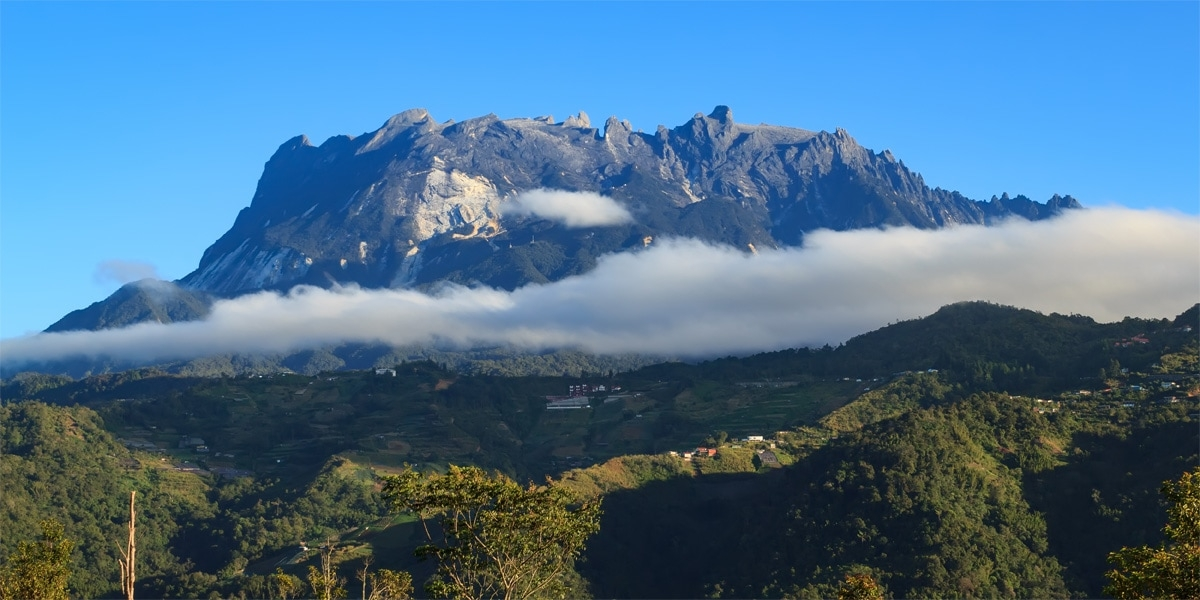
So here’s the real deal lah — Kota Kinabalu isn’t about waiting for “perfect” weather. It’s about embracing the moment, rain or shine. Whether you're catching that golden sunset over the South China Sea or slurping down hot soto during a monsoon drizzle, KK will charm you either way 🌅🌧️
Sure, there are “better” months to go if you’re planning big outdoor adventures like Mount Kinabalu or island hopping. But honestly? Even the rainy days here have their own kind of magic — the sound of rain on a wooden longhouse, the mist over Kundasang, the way the city just slows down a little. It’s romantic, it’s raw, and it’s real.
Plan smart, pack right, and go with an open heart.
KK isn’t just a destination — it’s a vibe. And the weather? That’s just part of the story.
If you’re ready to start planning, check out our other guides too:
● Where to Stay in
Kota Kinabalu 🏨
● Getting from KK
Airport to City 🚖
See you in Sabah, geng. Don’t forget your sunblock and umbrella 😎☔
FAQ about Weather in Kota Kinabalu
-
-
Is Kota Kinabalu hot all year round?
-
When is the rainy season in Kota Kinabalu?
-
Is it safe to travel during the monsoon season?
-
Can I still visit islands during the rainy season?
-
What should I pack for a trip to Kota Kinabalu?
-
Does it ever get cold in Kota Kinabalu?
-
Is there a best time to hike Mount Kinabalu?
-
Are there any weather-related risks I should know about?
-
How accurate are weather forecasts for Kota Kinabalu?
-
Can I enjoy my trip even if it rains a lot?
-
Is Kota Kinabalu’s weather really that different from Peninsular Malaysia?
-
How does the rain in KK usually happen — whole day or just short bursts?
-
Are weather apps reliable in KK?
-
What happens to island tours and diving trips during bad weather?
-
Is humidity a real issue for travellers in KK?
-
Will the weather affect hiking Mount Kinabalu?
-
How cold does it get on Mount Kinabalu?
-
Does the weather affect flight schedules into KK Airport?
-
Can I visit Kundasang during rainy season? Will the views still be worth it?
-
Is it worth visiting KK during December holidays despite the rain?
-
Can I still go scuba diving or snorkeling during the rainy season?
-
What local tips do KK residents follow when dealing with weather?
-
How does the weather affect the Ramadan and Hari Raya experience in KK?