

China Train Stations 2025: Layout, Tickets & Tips
Discover your go-to guide for navigating train stations across China—specially written with Malaysian travellers in mind! 🇲🇾✈️ This article covers everything from the layout and facilities of major train stations to practical tips that’ll make your journey smoother and more enjoyable. Whether you're hopping on a high-speed train or exploring local routes, you'll also find insights into the most frequently used and popular stations. Planning a trip to China soon? Don’t miss out on these essential travel tips! 👀🚄
Facilities & Services at Train Stations in China – A Malaysian Traveller’s Guide
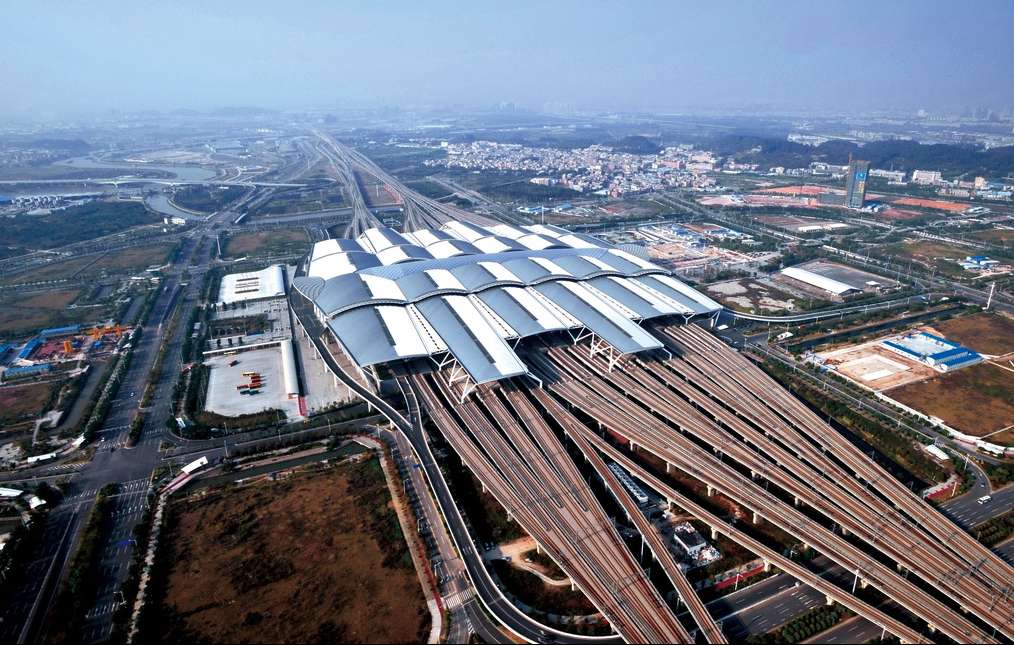
Source: Asia Times
Train stations in China are well-equipped with a range of facilities designed to make your journey smoother and more comfortable. Here’s a quick overview of what you can expect at most major stations 👇
| Facility | Description |
|---|---|
Drinking Water | Boiling water dispensers are available near waiting areas. Tap water is not drinkable, so always use the hot water for bottled drinks or instant noodles. |
Business Class Lounge | Exclusive lounges offer a quiet space with snacks and direct platform access for business class ticket holders. |
Seating Areas | Waiting halls have plenty of seating, with some cushioned seats for added comfort. |
Nursing Rooms | Dedicated spaces for mothers and babies are available in larger stations. |
Toilets | Both squat and Western-style toilets are available. It's best to bring your own toilet paper. |
Charging Stations | USB charging points are provided throughout the station for your mobile devices. |
LED Displays | Train departure times and platform numbers are shown in both Mandarin and English. |
Lifts | Elevators are available for passengers with disabilities or those carrying heavy luggage. |
Top Things to do in Beijing
 4229 ditempah
![Lawatan setengah hari Muzium Istana Beijing [termasuk tiket masuk + hadiah tiket Muzium Khazanah] pelbagai jenis kumpulan/penerangan dalam bahasa Cina, Inggeris, Rusia dan Sepanyol](https://ak-d.tripcdn.com/images/0352012000nxucp0a0693_C_568_320.jpg)

![Beijing fotografi pelancongan Taman Beihai [8 cawangan di Beijing · pakaian Han + dandanan/pelbagai pakej boleh dipilih]](https://ak-d.tripcdn.com/images//0586012000rf58x2mFB8B_C_568_320.jpg)



Services at Train Stations in China – What Malaysian Travellers Should Know
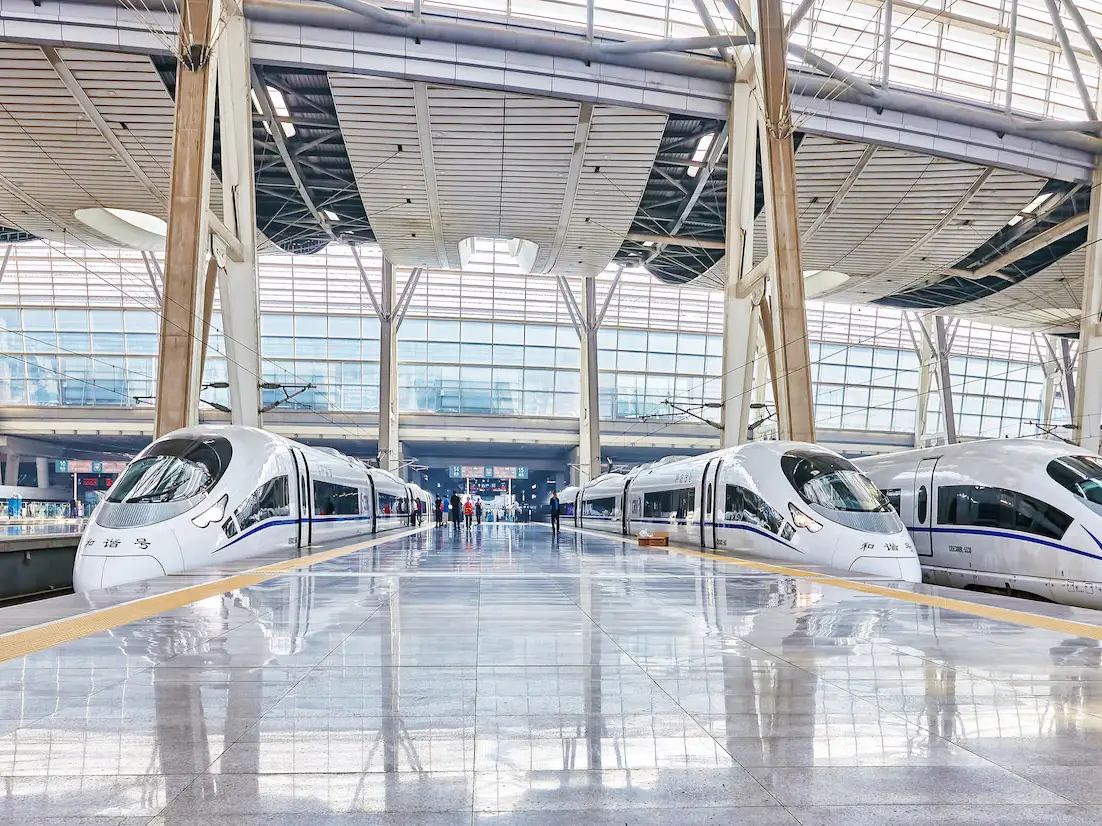
Source: Business Insider
Travelling by train in China? Here’s a breakdown of the key services available at most major train stations—especially helpful for us Malaysians to navigate smoothly and confidently:
| Service | Description |
|---|---|
Ticketing Services | Ticket vending machines and manned counters are located near the station entrance. Malaysian passport holders must use the staffed counters for ticket collection. |
Luggage Services | Facilities are available for storing luggage or checking in large suitcases, with fees depending on size or weight. |
Information Desk | Information counters are available for travellers who need assistance. Some staff may speak basic English. |
Porter Services | 'Red Cap' porters (Topi Merah) can help carry your bags to and from the train platform for a fee. |
Smoking Area | Designated smoking areas are usually located near the toilets in the waiting hall. |
Shops | Convenience stores selling snacks, drinks, and souvenirs are available, although prices tend to be higher than outside. |
Dining Options | Stations offer fast food outlets and Chinese restaurants, though prices are generally more expensive than eateries outside. |
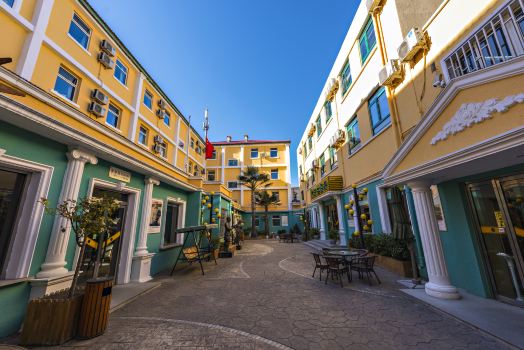
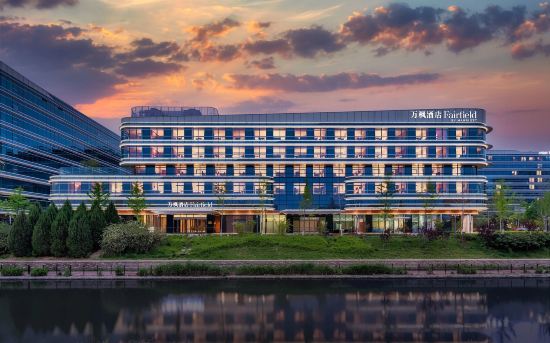
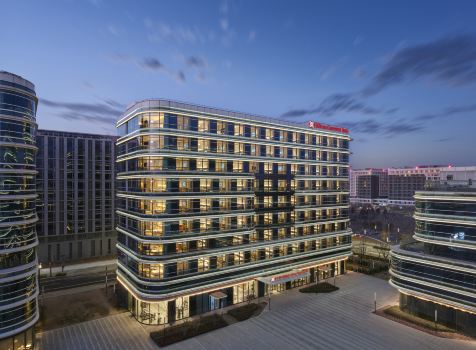
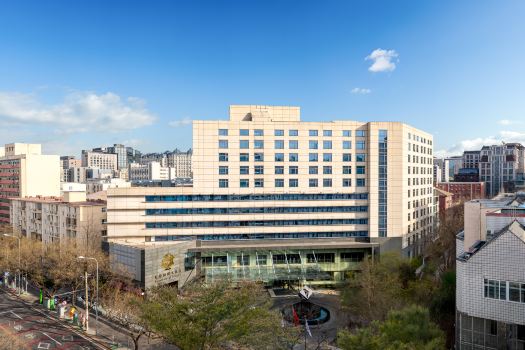
Recommended Hotels in Beijing


Train Station Layout in China – A Practical Guide for Malaysian Travellers 🇲🇾
Train stations in China are large, well-organised, and built to handle high volumes of passengers—especially during peak seasons like Labour Day, China’s National Day, and the Spring Festival. Understanding the general layout will make your journey much smoother.
🏢 Station Square
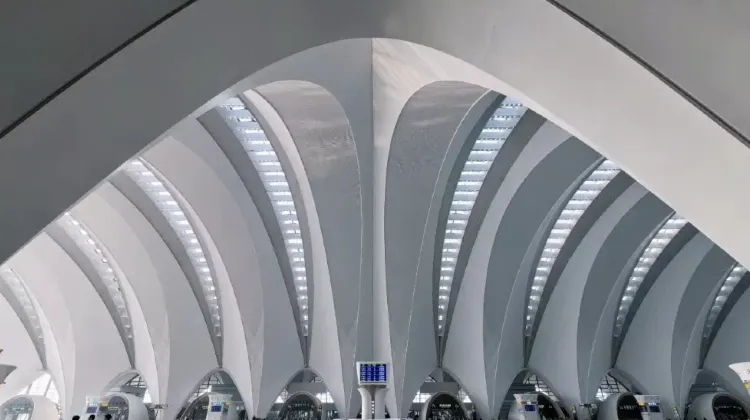
The station square is the main entry point to the train station. This open area is designed to manage large crowds. It’s where passengers gather before entering the main hall. During busy periods, it can be packed with people queuing for security checks to access the station.
🎫 Station Hall & Ticket Office
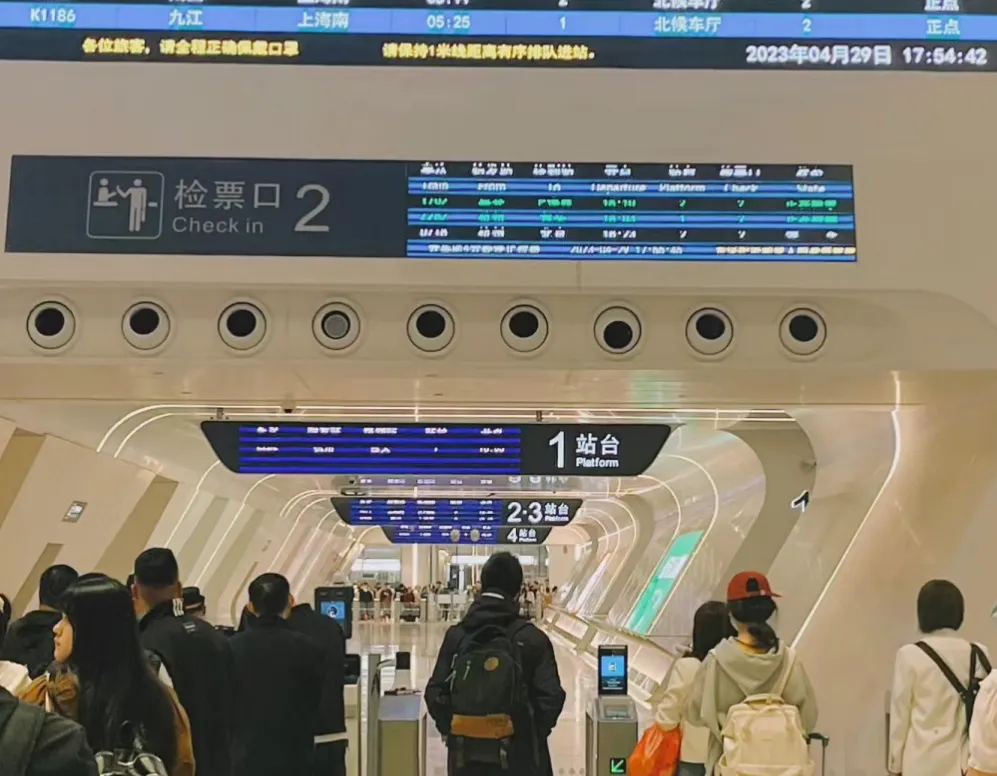
Right near the entrance, you'll find the main hall and ticketing area. Chinese citizens can use self-service machines with their ID cards, but as a Malaysian traveller, you’ll need to go to the staffed ticket counters to buy or collect your ticket. Once done, this is also where you check train schedules and find the waiting room for your departure.
🛋️ Waiting Area

The waiting rooms are usually located on the first or second floor. This is where you’ll stay until boarding begins. Some stations have one large hall, while others have multiple smaller ones based on different destinations. LED screens show train numbers, boarding gates, and timings.
🚉 Platforms
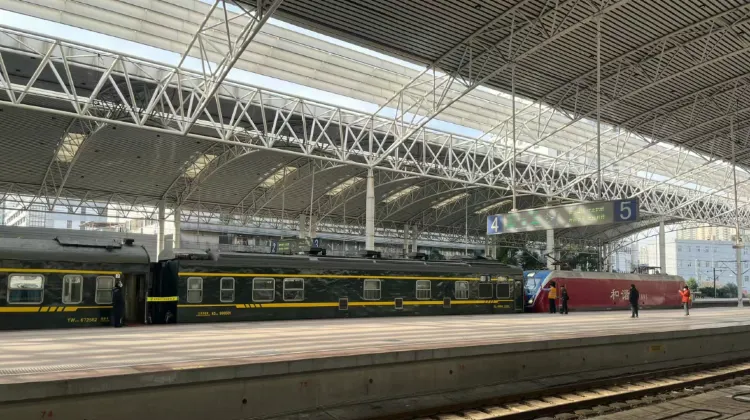
Train platforms are typically on the ground floor and can be accessed from the waiting area via corridors and stairs. Some stations have escalators or lifts, but not all—so be prepared if you have heavy luggage. Each platform is clearly numbered, making it easy to find your train.
🚇 Other Facilities
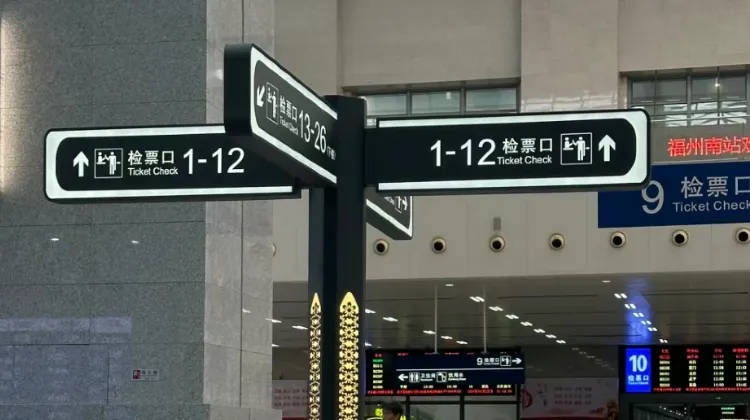
Many stations are directly connected to local metro lines—usually located below the train platforms. Clear signs will guide you to exits, bus stops, parking areas, and taxi pick-up zones. This seamless integration makes it easier to transfer between long-distance trains and public transport.
Example: Shanghai Hongqiao Railway Station Layout
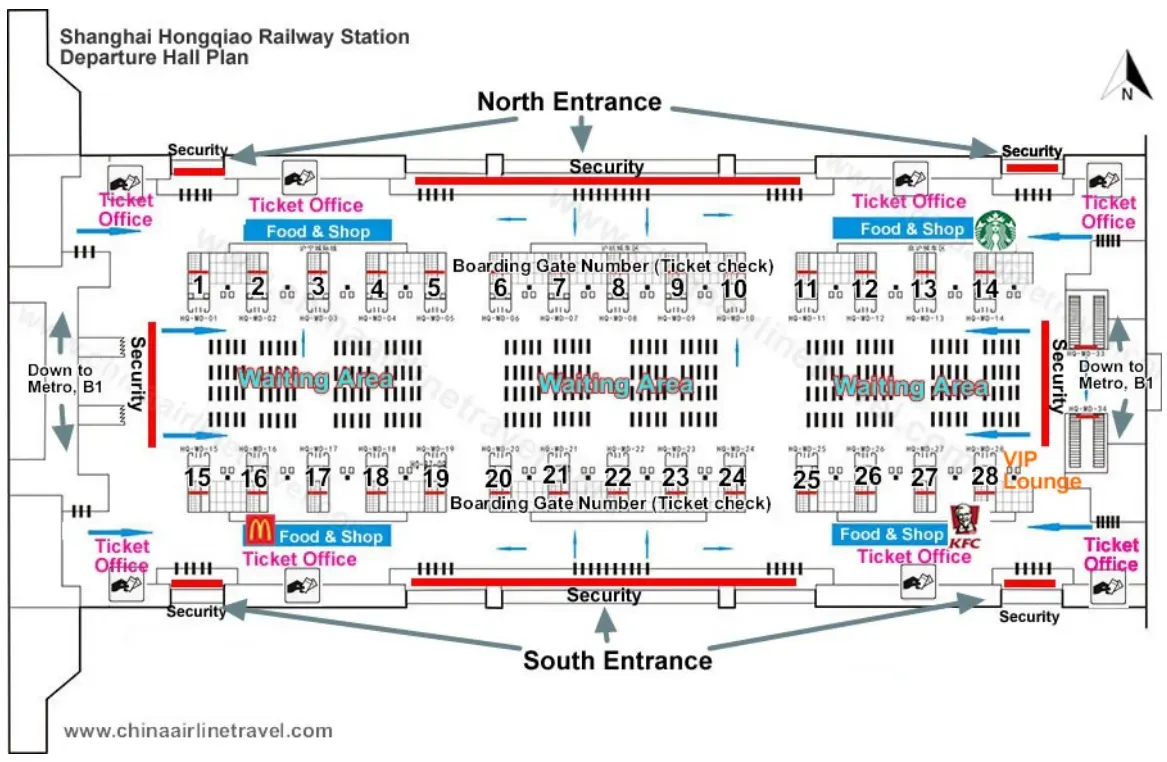
To help you visualise a typical Chinese railway station, let’s take Shanghai Hongqiao as an example. It’s one of the busiest and most modern stations in China, with four main levels:
- Mezzanine (Level 2.5): This floor is packed with shops and restaurants including McDonald’s, KFC, and Starbucks—perfect for a quick meal before your train.
- Level 2: The main entrance and taxi drop-off point are here. You’ll also find ticket counters, the main departure hall, and business lounges.
- Level 1: This is where the train platforms are located. Lifts and escalators connect directly to the departure area.
- B1 (Basement): This underground level is for arrivals and connects to Metro Lines 2, 10, and 17. You’ll also find exits, taxi pick-up zones, parking, and a bus terminal here. There’s even a walkway that links directly to Terminal 2 of Hongqiao Airport.
Flights from Kuala Lumpur to Beijing
- Pergi Balik
- Sehala
 KUL16:5528j 5m1 stopsPKX21:00Kuala Lumpur - Beijing|Sel, 27 Okt|China Southern AirlinesPKX16:0021j 40m1 stopsKUL13:40Beijing - Kuala Lumpur|Sab, 31 Okt|China Southern AirlinesRM864RM1,16826% offCari26% offRM1,168RM864
- KUL16:5518j1 stopsPKX10:55Kuala Lumpur - Beijing|Isn, 26 Okt|China Southern AirlinesPKX20:3018j 10m1 stopsKUL14:40Beijing - Kuala Lumpur|Ahd, 1 Nov|China Southern AirlinesRM864RM1,16826% offCari26% offRM1,168RM864
- KUL16:5530j 5m1 stopsPKX23:00Kuala Lumpur - Beijing|Rab, 28 Okt|China Southern AirlinesPKX20:0017j 40m1 stopsKUL13:40Beijing - Kuala Lumpur|Sel, 3 Nov|China Southern AirlinesRM864RM1,16826% offCari26% offRM1,168RM864
 KUL13:0030j 5mTanpa hentiBJS14:00Kuala Lumpur - Beijing|Mon, Sep 6|Normal Airline
 BJS13:0030j 5mTanpa hentiKUL14:00Beijing - Kuala Lumpur|Mon, Sep 6|Normal AirlineCari Penerbangan LainCari Penerbangan Lain
How to Board a Train in China – A Step-by-Step Guide for Travellers
Source: China Airline Travel
Taking a train in China might seem overwhelming at first, but once you understand the process, it’s actually very manageable. Here’s a simple step-by-step guide tailored for Malaysians:
1. Collecting Your Ticket
Start at the station square (the large open area in front of the station). If you’ve booked online, head to the manned ticket counters to collect your physical ticket using your passport. Most ticket machines only work for Chinese ID holders, so Malaysians must use the counter.
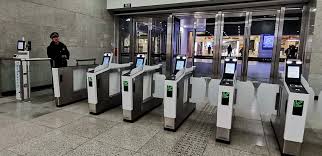
2. Ticket Check at Entrance
Proceed to the main entrance of the station hall. Here, there are several gates where your ticket and passport will be checked. Keep them ready for quick verification.
3. Security Screening
All passengers must go through a security check. Your bags will be scanned, and you might be asked to step through a metal detector. It’s similar to airport security but usually quicker.
4. Find Your Waiting Area
Once inside, use the large LED screens to find your designated waiting room. These screens display train numbers, departure times, and corresponding waiting halls. Make sure you go to the correct one.
5. Final Ticket Check (Before Boarding)
About 15 minutes before your train departs, boarding will begin. Join the queue at your waiting area’s gate. Staff will check your ticket and passport again before allowing you onto the platform.
6. Boarding the Train
Check your ticket for your carriage and seat number. Carriage numbers are clearly marked on the outside of each coach. Follow signs and directions to board the correct coach and settle into your assigned seat.
Tips for Malaysians:
- Arrive at the station at least 1.5 to 2 hours early, especially if it’s your first time.
- Bring your passport—you’ll need it for ticket collection and all checks.
- Pack light and manageable luggage, as there might be stairs involved.
- Most signs include English translations, but having a translation app can help.
How to Buy Train Tickets in China – A Helpful Guide for Travellers
Source: Asia Times
China has one of the most extensive and efficient railway networks in the world, making train travel one of the best ways to explore the country. Here’s a step-by-step guide to help Malaysians purchase train tickets with ease:
1. Research & Plan Your Route
Before buying your ticket, decide on your travel route. Websites like China Railway and apps such as Ctrip or Trip.com are useful for checking train schedules, seat availability, and ticket prices. It’s a good idea to compare travel times and train types based on your destination and budget.
2. Buying Tickets Online
You can purchase tickets in advance through platforms like Trip.com, Ctrip, or the official China Railway 12306.cn website. You’ll need to register an account and verify your identity using your passport.
Online payments are accepted via international credit cards and sometimes through Alipay or WeChat Pay (if you’ve set them up).
3. Buying Tickets at the Train Station
Prefer buying tickets in person? Head to the ticket counters at any train station. Make sure to bring your passport, as it's required for all foreign travellers purchasing tickets.
Some larger stations also offer ticket vending machines with English language options, but many machines only accept Chinese ID cards—so it's safer to use the staffed counters.
4. Collecting Your Ticket
If you booked online, you’ll still need to collect a physical ticket at the station unless the station supports e-ticket QR codes (available on some high-speed routes). To collect your ticket, just show your passport at the designated counter.
E-tickets can be used to enter the station directly by scanning the QR code at the gate—this saves time and is very convenient.
5. Extra Tips for Malaysians
- Book early, especially during peak seasons like Chinese New Year or Golden Week—tickets sell out fast!
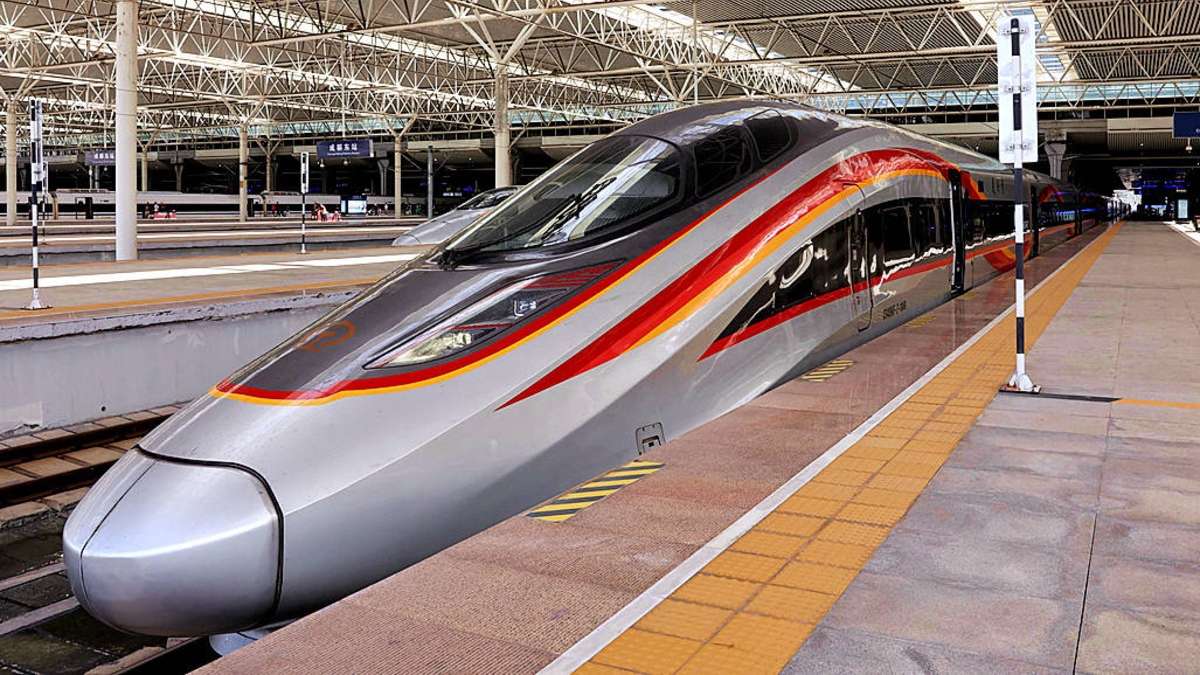
- Learn the train types: High-speed trains (G, D, C types) are faster and more modern, while conventional trains (K, T, Z) are cheaper but slower.
- Always carry your passport, as it's required for both ticket collection and boarding.
Most Frequently Used High-Speed Railway Stations in China
Source: CNN
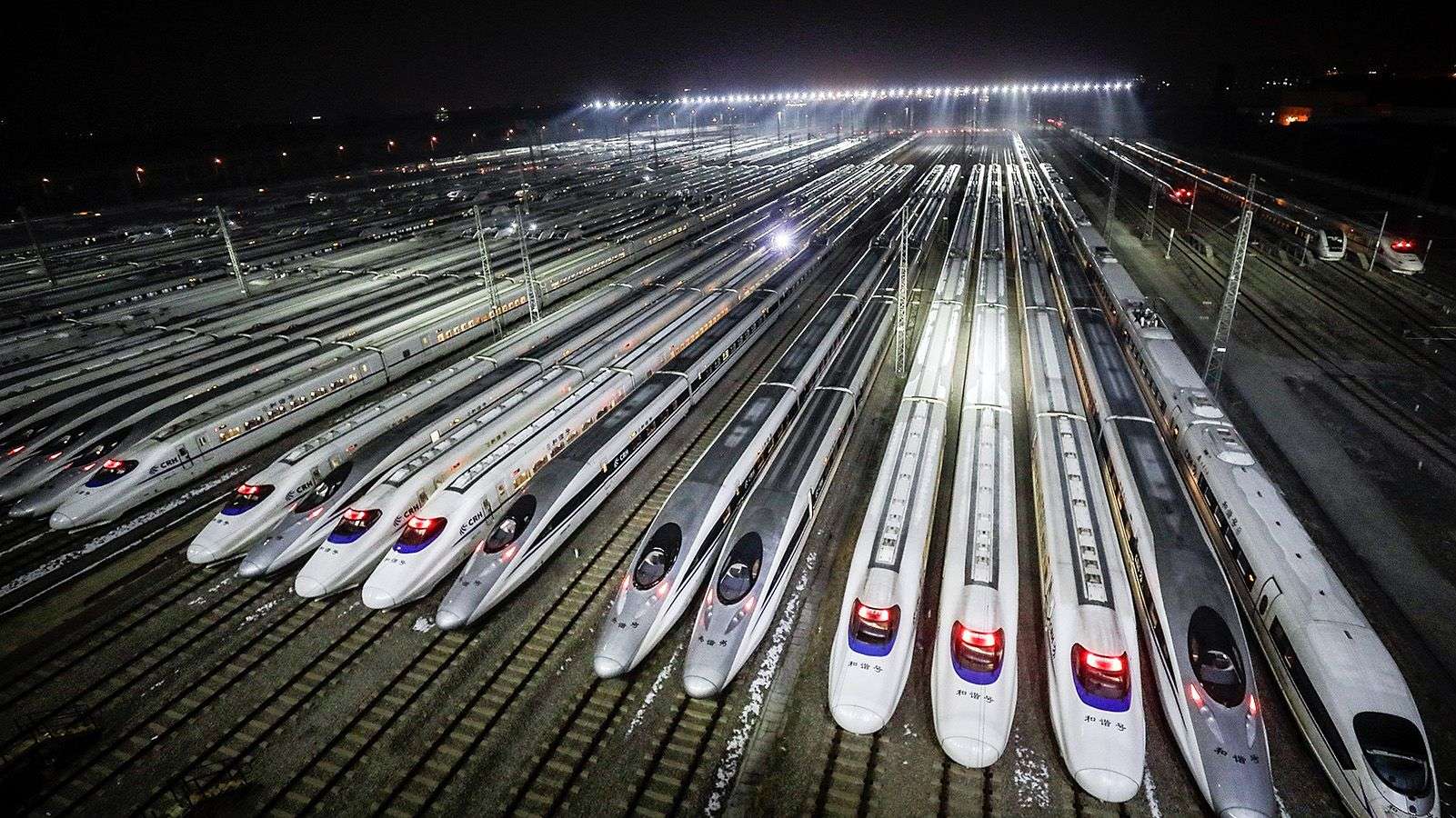
When travelling across China, it’s important to understand how the train stations are structured. Older railway stations are usually located in city centres and serve both conventional and a few high-speed trains. Meanwhile, newer high-speed train stations are often built on the outskirts and are specifically designed for China’s modern high-speed rail network.
Here’s a list of some of the busiest and most important high-speed train stations in China—useful for Malaysians planning to explore major cities and tourist destinations efficiently:
| City | Station(s) | Details |
|---|---|---|
Beijing | Beijing South, Beijing West, Beijing Railway Station | Beijing South is the busiest, handling around 383 high-speed trains daily. |
Shanghai | Shanghai Hongqiao, Shanghai Railway Station | Shanghai Hongqiao, located near the airport, serves over 505 high-speed trains per day. |
Guangzhou | Guangzhou South | The major southern hub, offering connections to many cities across China. |
Xi’an | Xi’an North | The main high-speed rail station in Xi’an, with routes to Beijing, Shanghai, and more. |
Chengdu | Chengdu East, Chengdu, Chengdu South | Chengdu East is the primary station for high-speed services. |
Hangzhou | Hangzhou East, Hangzhou South, Hangzhou, Yuhang | Hangzhou East is the key high-speed station, close to the scenic West Lake. |
Chongqing | Chongqing North, Chongqing West, Shapingba | Chongqing North is the most commonly used for high-speed travel. |
Guilin | Guilin, Guilin North, Guilin West | Guilin and Guilin North serve as central hubs, with frequent high-speed trains. |
Huangshan | Huangshan, Huangshan North | Huangshan North, opened in 2015, is dedicated to high-speed rail passengers. |
Hong Kong | West Kowloon | The only high-speed train station in Hong Kong, located in Tsim Sha Tsui. |
Popular Train Stations in China🚄
When exploring China by high-speed rail, you’ll likely pass through some of the country’s busiest and most important railway stations. These stations are not only architectural landmarks but also major transport hubs connecting travellers to top cities and tourist spots across the country.
Here’s a closer look at five of the most popular high-speed railway stations in China that Malaysians should know about:
🚉 Shanghai Hongqiao Railway Station (上海虹桥站 – Shànghǎi Hóngqiáo Zhàn)
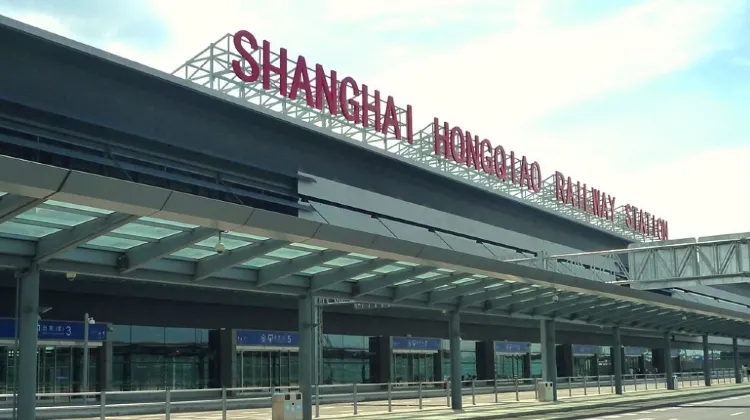
Registered as Shanghaihongqiao on train tickets, this is one of the largest railway stations in Asia. Located at 1500 Shengui Road, Minhang District, it sits just 500 metres west of Terminal 2 at Hongqiao International Airport, making it incredibly convenient for air-rail transfers. With 30 platforms, it’s a key high-speed rail hub in eastern China.
Station Levels:
- B1: Arrivals level, metro lines 2, 10, and 17, taxi pick-up area, bus terminal, parking, and access to Hongqiao Airport Terminal 2.
- 1F: Train platforms, direct access to departure hall.
- 2F: Main entrance, ticket counters, departure lounge, business class waiting area.
- Mezzanine (2F): Food court and retail outlets including McDonald’s, KFC, and Starbucks.
Popular Routes:
- To Beijing South: ~37 G-series trains daily (journey ~5.5 hours, 2nd class ~550 yuan).
- To Suzhou: ~38 G/D-series trains daily (as short as 23 minutes).
- To Hangzhou: ~23 G-series trains daily (~1 hour).
- To Nanjing: ~60 G-series trains daily (~70–90 minutes).
🚉 Beijing South Railway Station (北京南站 – Běijīng Nán Zhàn)
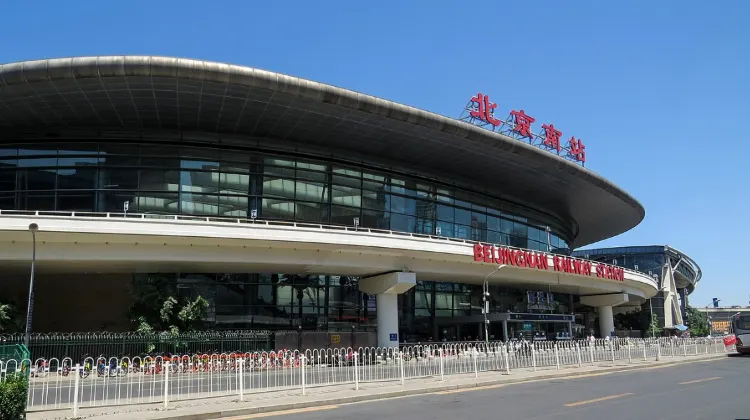
On your ticket, it will appear as Beijingnan. Located at 12 Yongwai Avenue, Fengtai District, this station is just 7 km southwest of the Forbidden City and 35 km from Beijing Capital International Airport. With 13 platforms and 24 tracks, this impressive station is designed in a style inspired by the Temple of Heaven.
Station Levels:
- 2F: Waiting hall, departure gates, ticket offices, restaurants.
- 1F: Train platforms, transfer area.
- B1: Main concourse, additional ticket offices.
- B2: Metro platforms.
Popular Routes:
- To Shanghai Hongqiao: ~37 G-series trains daily (~5 hours).
- To Tianjin: ~80 C/G-series trains daily (~30–37 minutes).
- To Suzhou: Several G/D-series trains (shortest ~23 minutes).
- To Hangzhou: G-series trains (~1 hour).
🚉 Xi’an North Railway Station (西安北站 – Xī’ān Běi Zhàn)
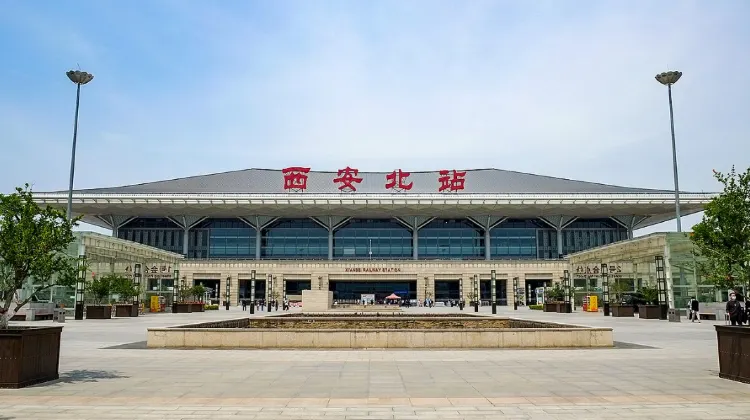
This station serves only high-speed trains and is the main bullet train hub in Xi’an. It’s located on Shangxin Road, Weiyang District, about 14 km north of the city centre near the famous Bell Tower. It has 18 platforms and 34 tracks, and connects Xi’an with cities across the country.
Station Levels:
- B2: Metro Line 2 platforms.
- B1: Arrival hall, metro access, ticket counters.
- 1F: Train platforms, entrances and exits.
- 2F: Waiting halls, ticket offices, commercial areas.
Popular Routes:
- To Beijing West: ~14 G-series trains daily (~6 hours).
- To Pingyao: ~7 D-series trains daily (~2 hours 45 minutes).
- To Mount Hua (Huashan North): ~17 D-series trains daily (~35 minutes).
- To Shanghai: 1 D-series train daily (~11 hours 15 minutes).
🚉 Hangzhou East Railway Station (杭州东站 – Hángzhōu Dōng Zhàn)
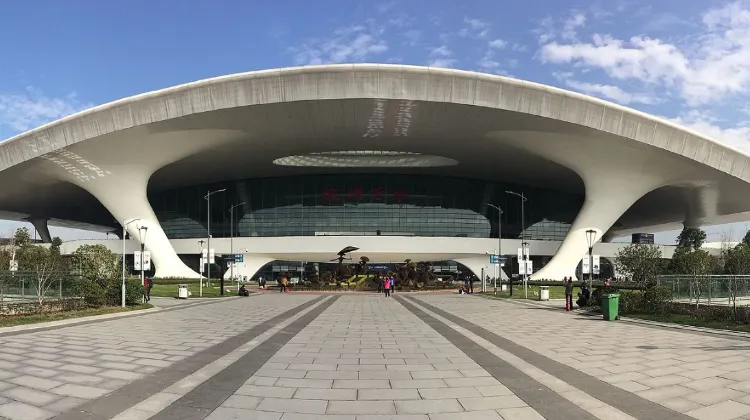
Located about 15 km northeast of West Lake, this is the main high-speed rail station in Hangzhou, with a stunning design inspired by the Qiantang River waves. Covering 400,000 square metres, it handles nearly 100 million passengers annually.
Station Levels:
- Underground Level: Metro platforms, parking, ATMs, information counters.
- B1: Ticket windows, taxi area, metro access, shops, restaurants.
- 1F: Train platforms, ticket counters.
- 2F: Waiting lounges, information desks, luggage storage, restaurants, taxi drop-off.
Popular Routes:
- To Beijing South: ~20 G-series trains daily (~6 hours).
- To Shanghai Hongqiao: ~140 high-speed trains daily (~1 hour).
- To Yiwu: ~64 high-speed trains daily (~35 minutes).
🚉 Guangzhou South Railway Station (广州南站 – Guǎngzhōu Nán Zhàn)
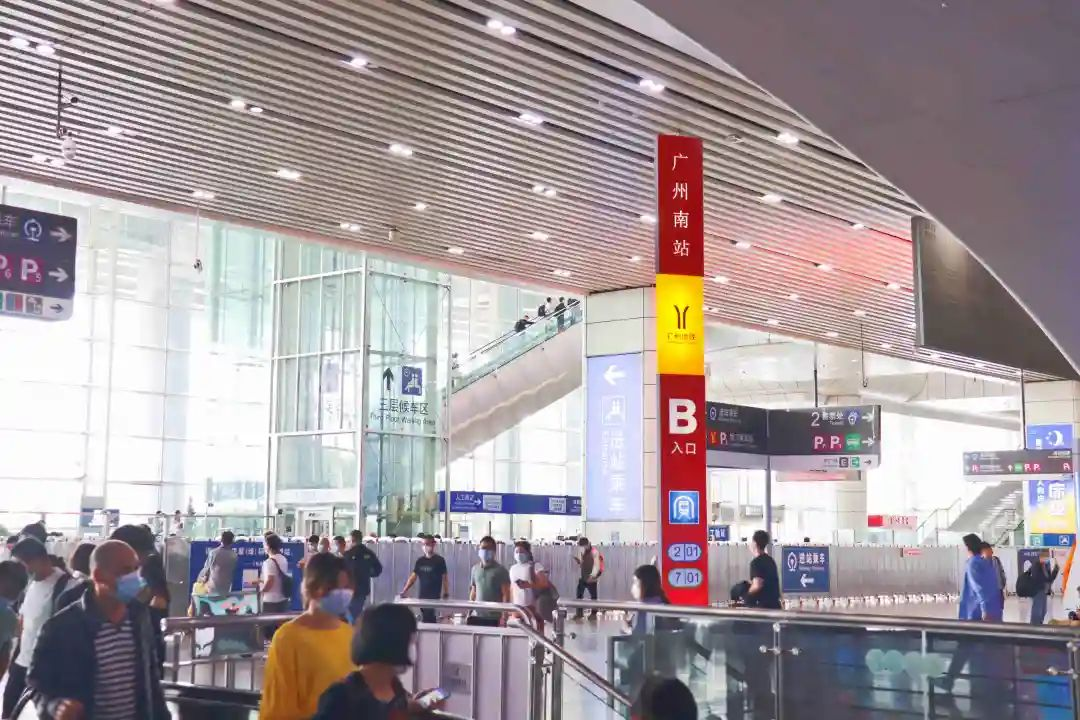
This is one of China’s largest railway stations, located in Panyu District, around 17 km south of Guangzhou’s city centre. It serves as the southern gateway for travellers heading to or from southern China.
Station Levels:
- Underground Level: Metro platforms, parking, ATMs, help desks.
- B1: Ticket counters, taxi area, shops, metro exits.
- 1F: Train platforms, ticket entrances and exits.
- 2F: Departure halls, ticket counters, restaurants, baggage services.
Popular Routes:
- To Beijing West: ~30 G-series trains daily (~8 hours).
- To Shenzhen North: ~80 high-speed trains daily (~30 minutes).
- To Hong Kong West Kowloon: ~34 high-speed trains daily (~1 hour).
List of Railway Stations in China
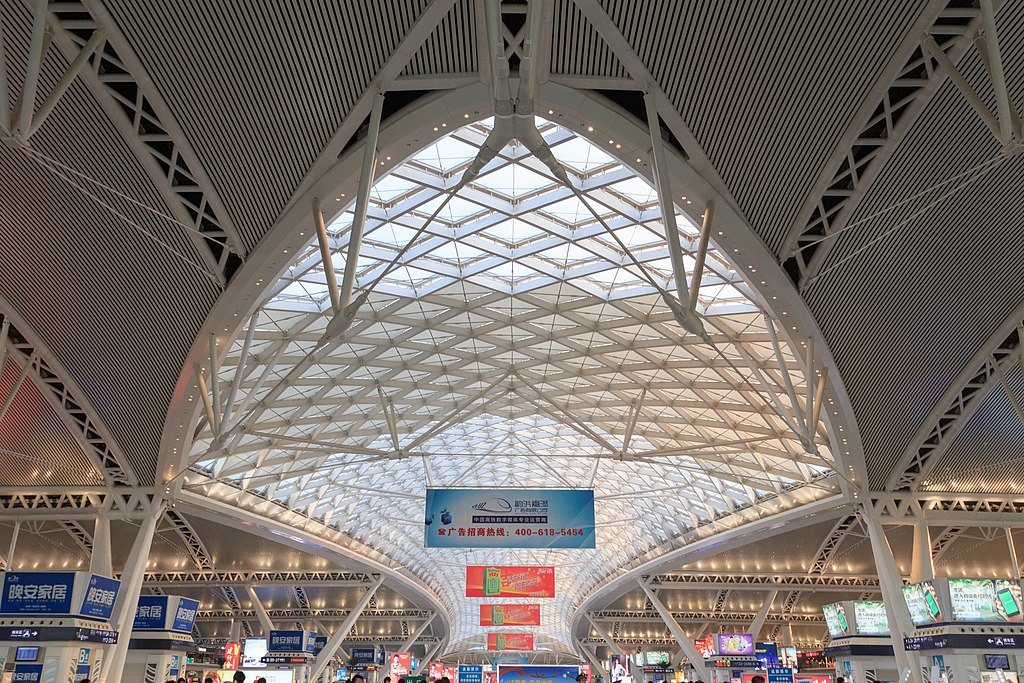
We have compiled a comprehensive list of the main railway stations in China, arranged alphabetically. China has more than 5,500 railway stations across a vast rail network spanning 159,000 kilometres. About 500 stations serve G-series high-speed trains, and 600 stations serve D-series trains. Let’s explore the list!
| Letter | City | Railway Station | Letter | City | Railway Station |
|---|---|---|---|---|---|
A | Anqing | Anqing Railway Station | L | Lianyungang | |
B | Badaling | Badaling Great Wall Railway Station | Lijiang | Lijiang Railway Station | |
Beijing | Beijing Railway Station | Luoyang | Longmen Luoyang Railway Station | ||
Beijing North Railway Station | M | Meilan | |||
Beijing Qinghe Railway Station | N | Nanchang | |||
Beijing West Railway Station | Nanjing | ||||
Beijing Chaoyang Railway Station | Nanning | ||||
Beijing Fengtai Railway Station | Beihai | Beihai Railway Station | |||
C | Changbai | Changbaishan Railway Station | Nantong | ||
Changchun | Changchun Railway Station | N | Ningbo | ||
Changchun West Railway Station | C | Changzhou | |||
Changzhou Railway Station | |||||
Changzhou North Railway Station | |||||
Chaoshan | Chaoshan Railway Station | P | Pingyao | ||
Chengdu | Chengdu South Railway Station | Q | Qingdao | ||
Chongqing | Chongqing North Railway Station | Quanzhou | |||
Chongqing West Railway Station | Quzhou | ||||
D | Dali | Dali Railway Station | S | Sanya | |
Dalian | Dalian Railway Station | Shanghai | |||
Dalian North Railway Station | Shanghai Hongqiao Railway Station | ||||
Datong | Datong South Railway Station | Shangri-La | |||
Dongguan | Dongguan Railway Station | Shantou | |||
Dongguan South Railway Station | Shanwei | ||||
Shenyang | |||||
E | Emeishan | Emeishan Railway Station | Shenzhen | ||
F | Fenghuang | Fenghuang Ancient Town Railway Station | Shijiazhuang | ||
Foshan | Foshan West Railway Station | Shigatse | |||
Fuzhou | Fuzhou Railway Station | G | Guangzhou | ||
Fuzhou South Railway Station | Guangzhou Railway Station | ||||
G | Guangzhou | Guangzhou East Railway Station | Guangzhou North Railway Station | ||
Baiyun Railway Station (Guangzhou) | Guilin | ||||
Guilin | Guilin Railway Station | ||||
T | Tai’an | Tai’an Railway Station | Taiyuan | ||
Taizhou | Taizhou Railway Station |
12306 vs. Trip.com: Which is Better for Booking Train Tickets in China? 🇲🇾🚄
When travelling around China by train, Malaysian travellers have two main options for booking tickets online: 12306, the official platform of China Railway Corporation, and Trip.com, a globally trusted online travel agency. While both platforms allow you to book train tickets, the experience they offer can be quite different—especially for international users.
Here’s a comparison to help you decide which one suits your needs best:
🔍 Comparison Overview
| Feature | 12306 – Official Platform | Trip.com – International Travel Site |
|---|---|---|
Booking Source | Official website of China Railway | Leading international travel agency |
Service Hours | 5:00 AM – 1:00 AM (till 11:30 PM on Thursdays) | 24/7 customer support |
User Experience | Occasional glitches and technical issues | Reliable and user-friendly interface |
Customer Support | Limited to Mandarin, and only available during working hours | 24/7 multilingual support (including English) |
Payment Options | Only local Chinese methods (Alipay, WeChat Pay) | Accepts international credit cards, Alipay, WeChat Pay |
Additional Fees | No service fee | May include a small service fee |
Extra Services | None | Can also book hotels, flights, tours |
FAQs: Train Stations in China
-
How many train stations does China have?
-
What is the newest train station in China?
-
Are train fares in China affordable?