

China’s railway network is one of the most extensive in the world, reaching almost every corner of the country—from bustling cities to remote, mountainous regions. By 2020, it stretched about 146,300 kilometres, ranking second only to the United States. What truly stands out is China’s high-speed rail (HSR) system, recognised as the largest and most advanced globally. By 2020, its high-speed tracks covered around 37,900 kilometres, representing nearly two-thirds of all HSR lines worldwide.
For travellers, this means fast and seamless connections between major destinations such as Beijing, Shanghai, Guangzhou, Shenzhen, and Hong Kong. Looking ahead, China plans to expand its high-speed rail network to 70,000 kilometres by 2035, aiming to link over 90% of the population.
Booking & Tickets
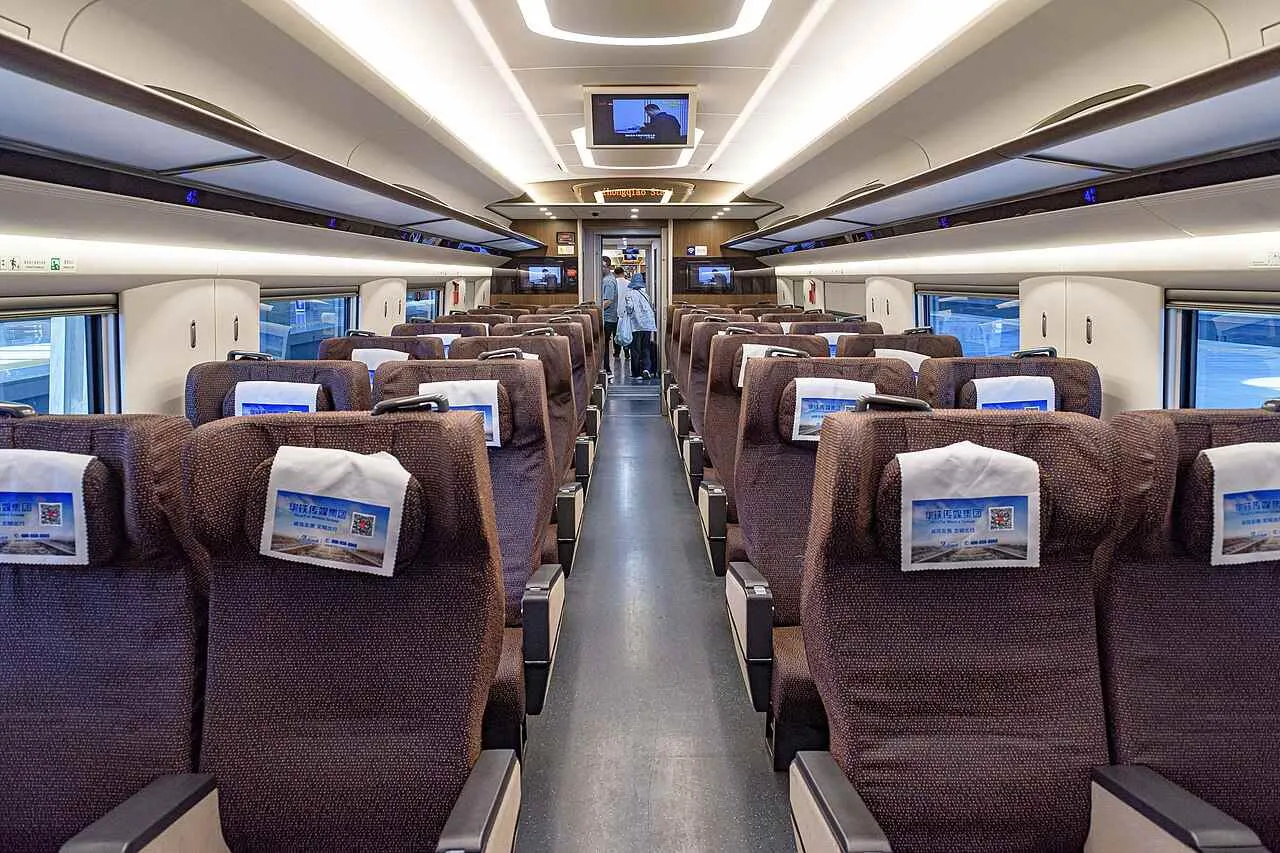
Travellers should book their high-speed rail (HSR) tickets early, as sales usually open 15 days before departure. You can purchase tickets through the official 12306 China Railway website (which has an English version) or trusted platforms like Trip.com, which accept international credit cards. Most stations now accept QR code e-tickets, so you can skip the ticket counter. Simply present the passport you used for booking and scan the code at the gate to board. China’s high-speed trains offer different seating options, from Second Class for budget travellers to First Class and Business Class for more comfort. Always check that your name and passport number on the booking match your travel documents exactly to avoid any issues.
Steps Booking HSR Tickets | Details for Travellers |
|---|---|
Book Early | Tickets open 15 days before departure. Use the 12306 site (English available) or Trip.com. |
E-Ticket Convenience | Most stations accept QR code e-tickets. Present your passport and scan to board. |
Seat Classes | Choose Second Class( budget), First Class (extra space), or Business Class( luxury). |
Check Details | Ensure your name and passport number exactly match your travel documents. |
🔥Fly with UnionPay
Embark on a journey that will enrich your life in ways you never imagined. Enjoy RM80 OFF* on all flights and hotels when you pay with UnionPay cards!

Popular High-Speed Rail Routes in China
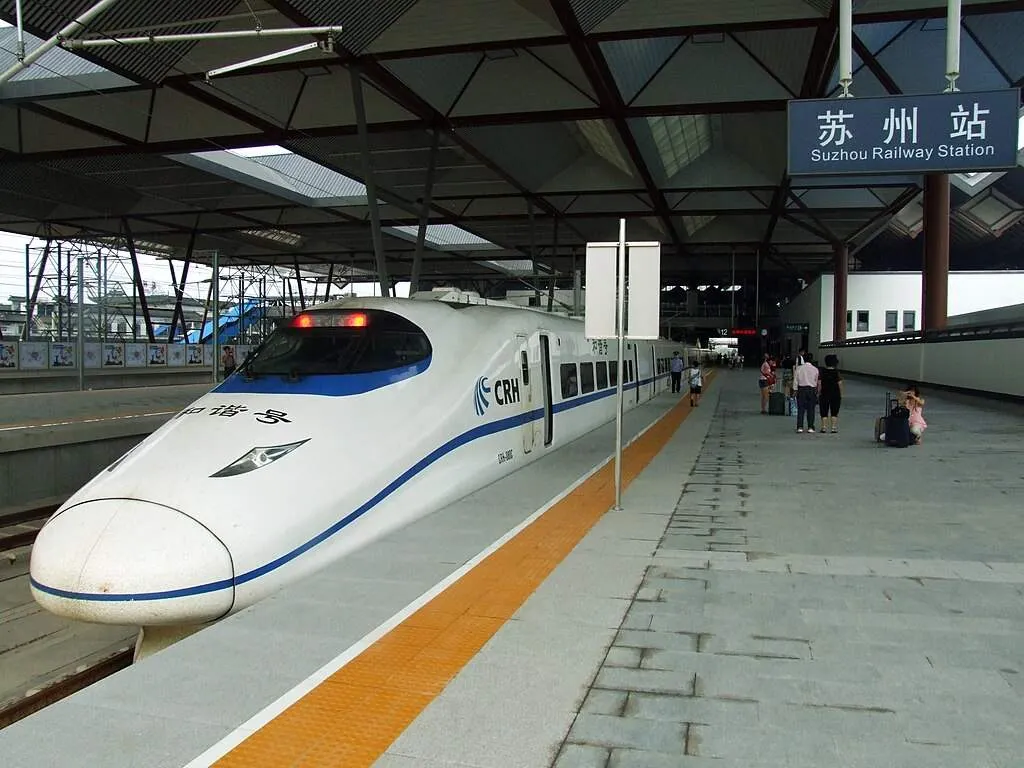
China’s high-speed rail network connects major cities with speed, comfort, and scenic views. Below are some of the most popular routes that Malaysian visitors often choose when exploring the country.
Departure City | Destination City | Average Duration | Distance | Why It’s Popular |
|---|---|---|---|---|
Beijing | Shanghai | 4.5–6 hours | Approx. 1,318 km | Fast link between the capital and China’s financial hub ideal for business or leisure. |
Beijing | Guangzhou | 8–10 hours | Approx. 2,298 km | A north and south journey showcasing diverse landscapes and cultures. |
Shanghai | Kunming | 10–12 hours | Approx. 2,252 km | Connects modern Shanghai with Yunnan’s natural beauty and ethnic charm. |
Guangzhou | Hong Kong | About 1 hour | Approx. 142 km | Quick cross-border trip, perfect for a city break or business meetings. |
Chengdu | Chongqing | 1.5–2 hours | Approx. 308 km | Short ride through Sichuan’s panda country to the vibrant Yangtze River city. |
Ticket prices vary depending on travel date, season, and exchange rates.
1. Beijing – Shanghai Route
This flagship high-speed service links China’s political capital with its commercial powerhouse. Travelling between these two major cities takes just 4.5 to 6 hours, making it perfect for both business travellers and holidaymakers from Malaysia.
2. Beijing – Guangzhou Route
Covering almost 2,300 kilometres, this long route offers a comfortable way to see China from north to south. The 8–10 hour journey passes through multiple provinces, giving passengers changing scenery along the way.
3. Shanghai – Kunming Route
A favourite for nature lovers, this 10–12 hour trip brings you from cosmopolitan Shanghai to Kunming, Yunnan’s capital, known for its cool climate, mountains, lakes, and colourful flower fields.
4. Guangzhou – Hong Kong Route
In just about one hour, you can travel from mainland China’s southern hub to the heart of Hong Kong. It’s an excellent option for Malaysians combining a China holiday with a Hong Kong getaway.
5. Chengdu – Chongqing Route
This quick 1.5–2 hour journey is perfect for exploring southwest China. Visit Chengdu to see giant pandas, then hop over to Chongqing for spicy hotpot and dramatic Yangtze River views.

8 Major High-Speed Rail Lines in China
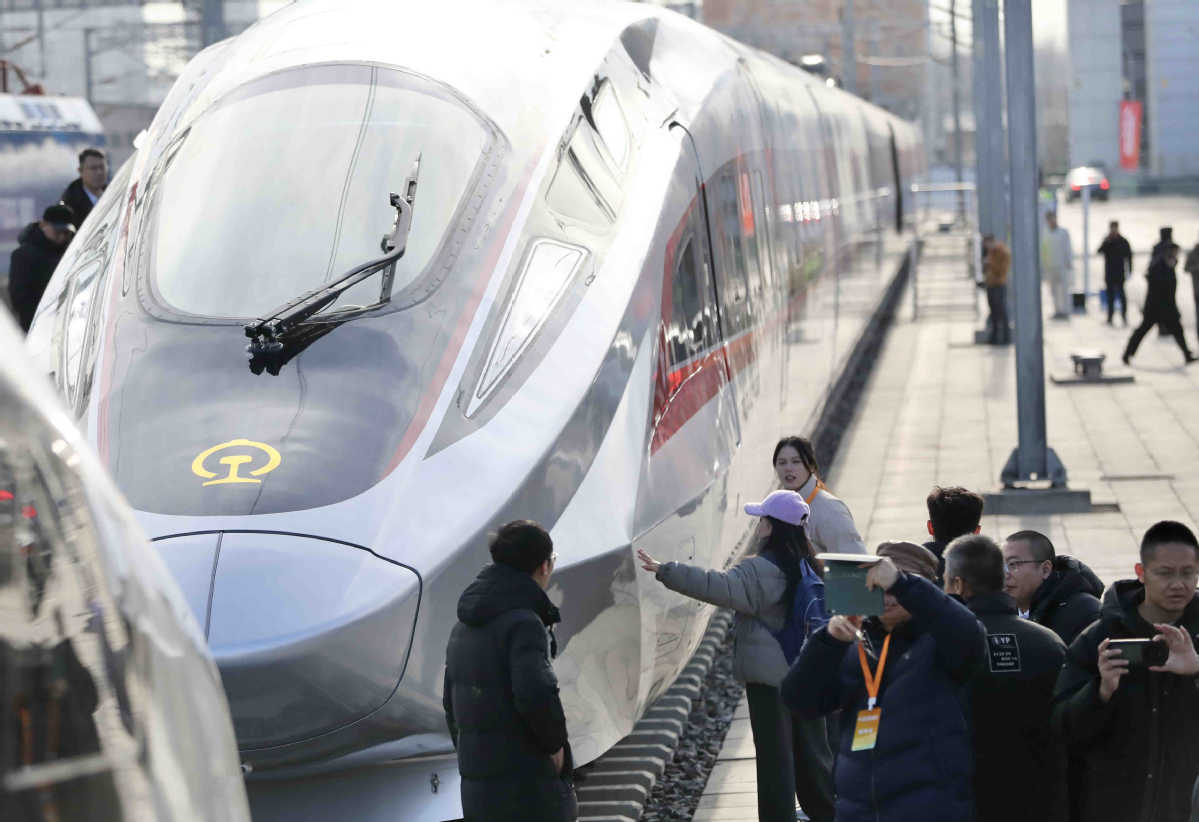
China operates one of the largest and fastest-growing railway networks in the world, combining traditional railways with an extensive high-speed rail (HSR) system and several international connections. Whether you’re heading to big cities, mountain regions, or cross-border destinations, trains offer a comfortable and efficient way to explore the country.
1. Beijing–Shanghai High-Speed Rail
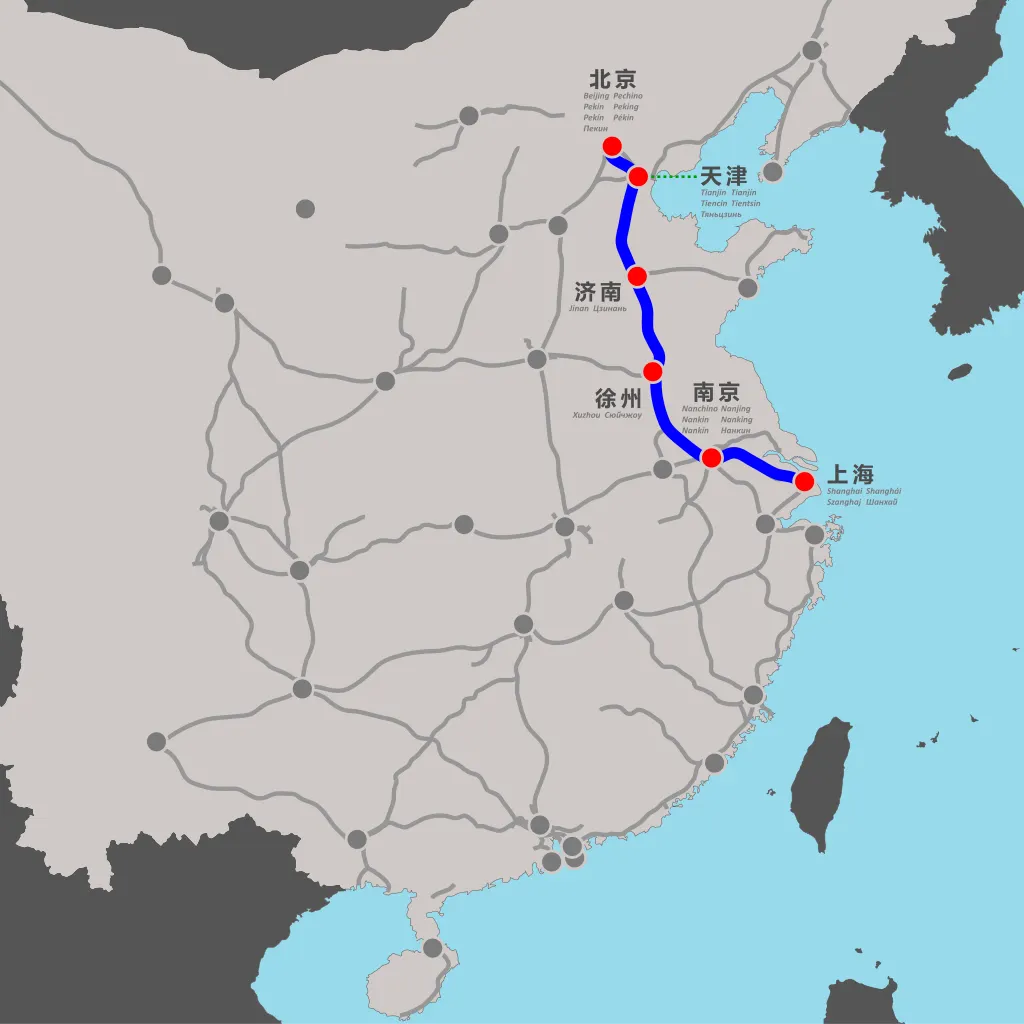
This flagship route connects Beijing, China’s historic capital, with Shanghai, the country’s modern economic hub.
- Distance: About 1,433 km
- Fastest Travel Time: Around 4.5 hours
- Top Speed: Up to 350 km/h
- Key Stops: Tianjin, Jinan, Nanjing
Why it’s ideal for Travellers: This line is perfect for travellers who want to experience both the imperial heritage of Beijing and the vibrant urban energy of Shanghai in a single trip. Convenient connections and frequent departures make planning easy, whether you’re visiting for business or leisure.
2. Beijing–Guangzhou High-Speed Rail (京广高间铁路)
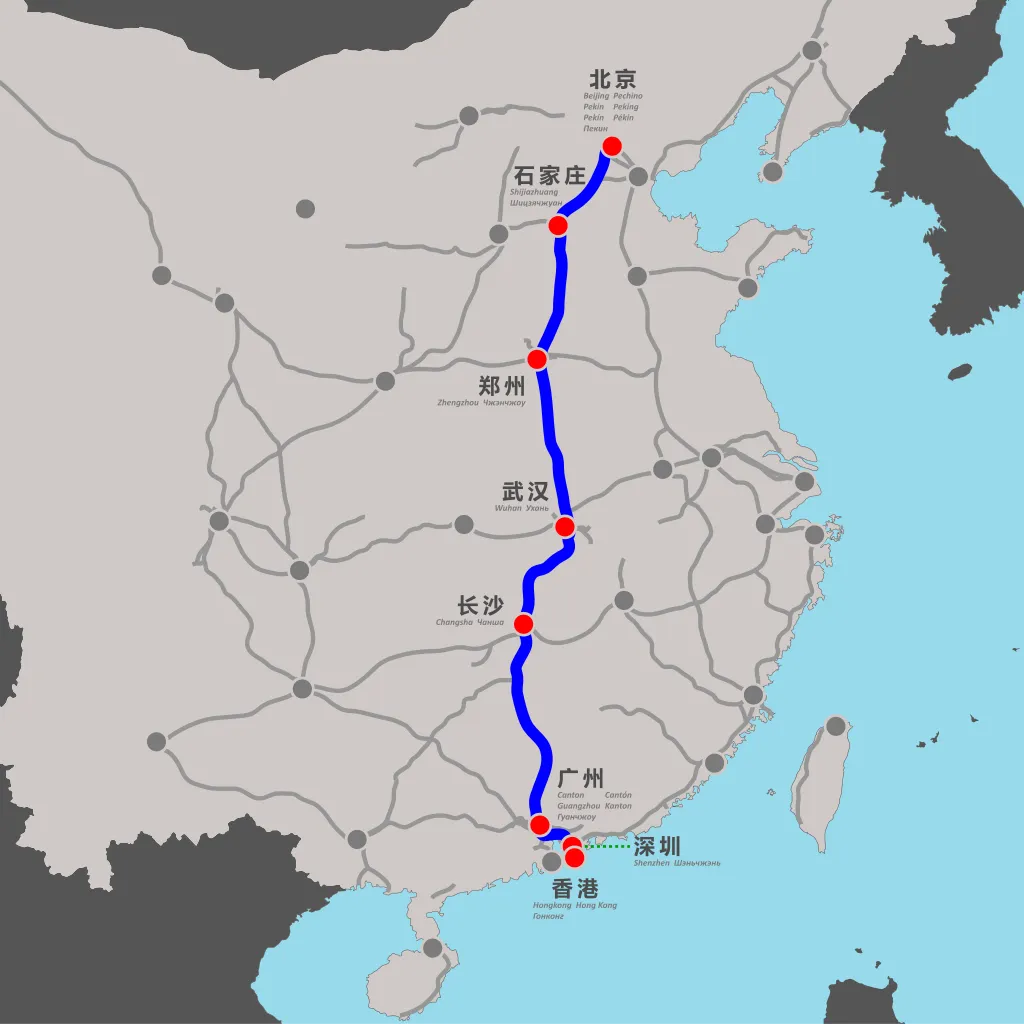
- Distance: About 2,230 km
- Fastest Travel Time: Around 8 hours (vs. 20+ hours by regular train)
- Key Stops: Shijiazhuang, Wuhan, Changsha
Why it’s ideal for Travellers: One of the longest high-speed lines in the world, this route links China’s northern capital with its southern commercial hub. It’s perfect for experiencing a north–south journey through multiple provinces and vibrant cultural cities—all within a single day.
3. Shanghai – Kunming High-Speed Rail (沪昆高铁)
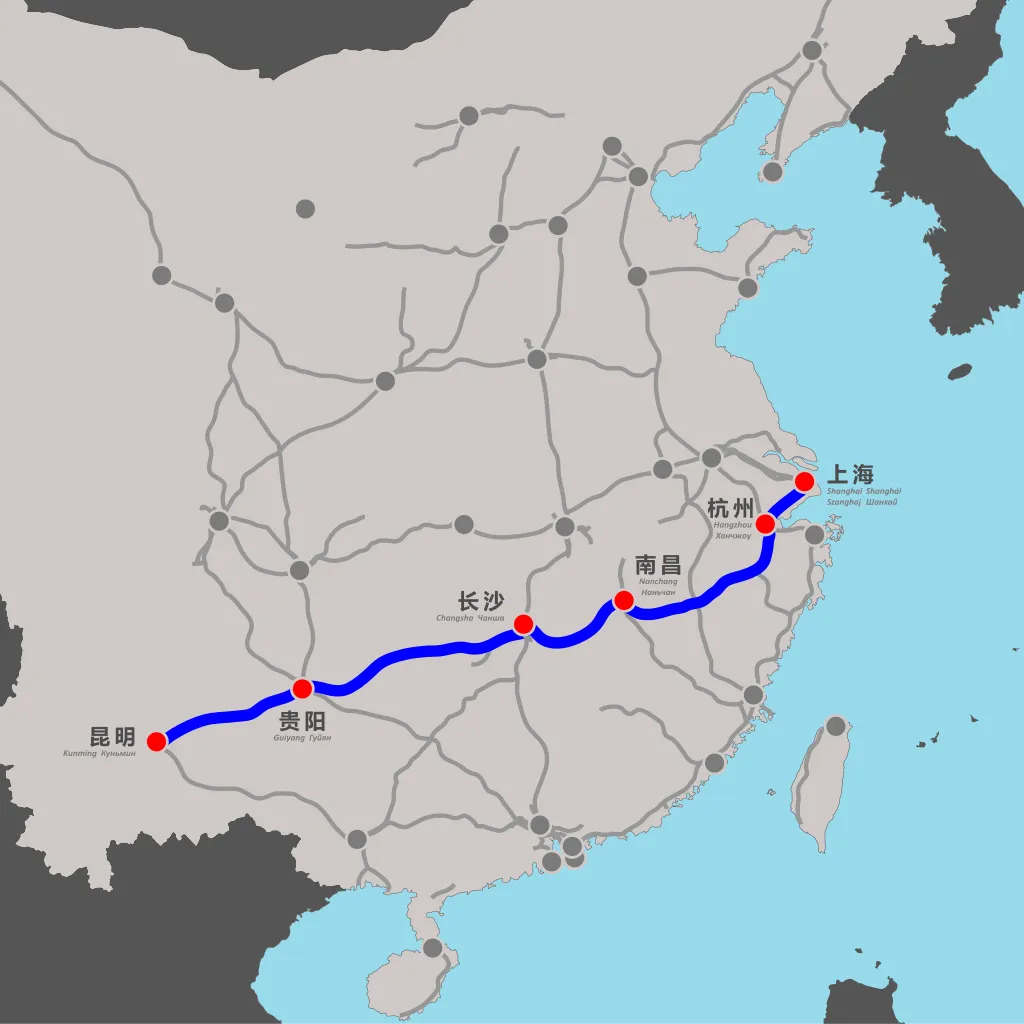
- Distance: Over 2,258 km
- Fastest Travel Time: Around 11 hours
- Key Stops: Hangzhou, Nanchang, Changsha, Guiyang
Why it’s ideal for Travellers: This line combines modern city life with spectacular natural scenery. Travellers can start in dynamic Shanghai and end in Kunming, the gateway to the breathtaking landscapes of Yunnan Province.
4. Beijing – Harbin High-Speed Rail (京哈高铁)
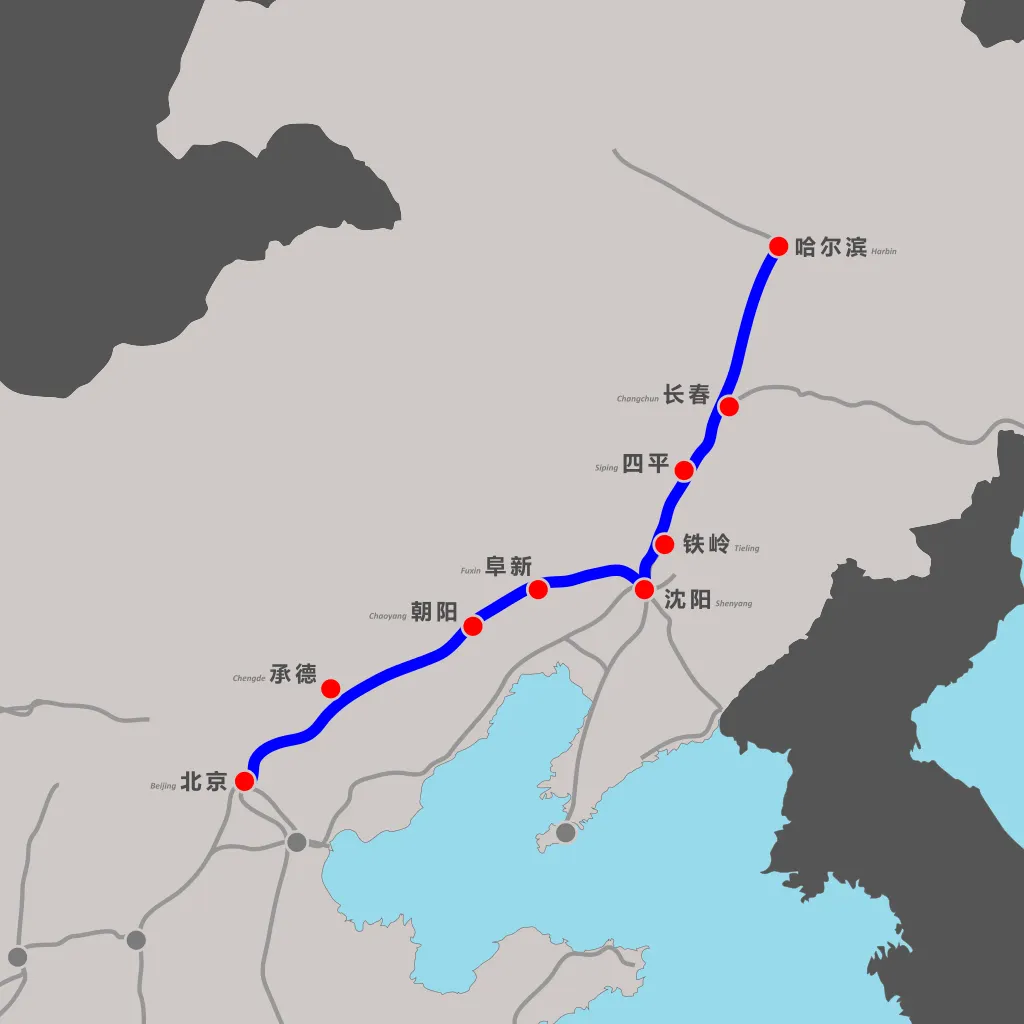
- Distance: About 1,700 km
- Fastest Travel Time: Around 7–8 hours
- Key Stops: Chengde, Shenyang
Why it’s ideal for Travellers: Perfect for those seeking winter adventures, this route leads to Harbin, famous for its International Ice and Snow Sculpture Festival, while offering stops at historic cities like Chengde and Shenyang.
5. Guangzhou – Shenzhen – Hong Kong High-Speed Rail (广深港高铁)
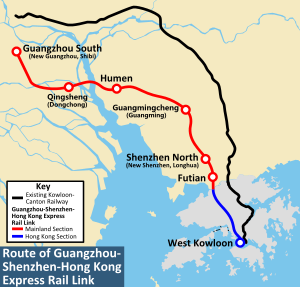
- Distance: About 142 km (Guangzhou to Hong Kong)
- Fastest Travel Time: Under 1 hour
Why it’s ideal for Travellers: This short but important line is excellent for a quick cross-border trip, linking southern China’s major business hubs with the vibrant city of Hong Kong, a favourite for travellers combining both destinations in one journey.
6. Chengdu – Chongqing High-Speed Rail (成渝高铁)
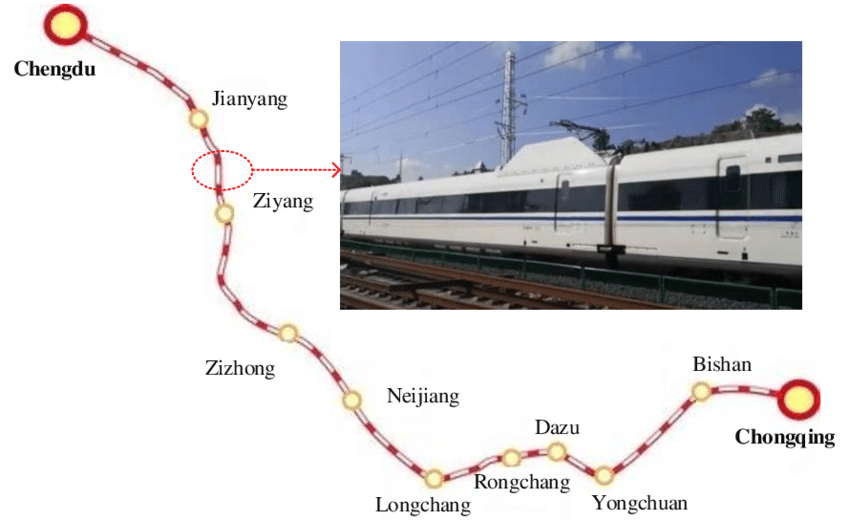
Source: Research Gate
- Distance: About 307 km
- Fastest Travel Time: Just over 1 hour
Why it’s ideal for Travellers: This short but busy route is perfect for exploring southwest China. Start in Chengdu, famous for spicy Sichuan cuisine and giant pandas, then continue to Chongqing, known for dramatic Yangtze River scenery and hotpot delights.
7. Xi’an – Chengdu High-Speed Rail (西成高铁)
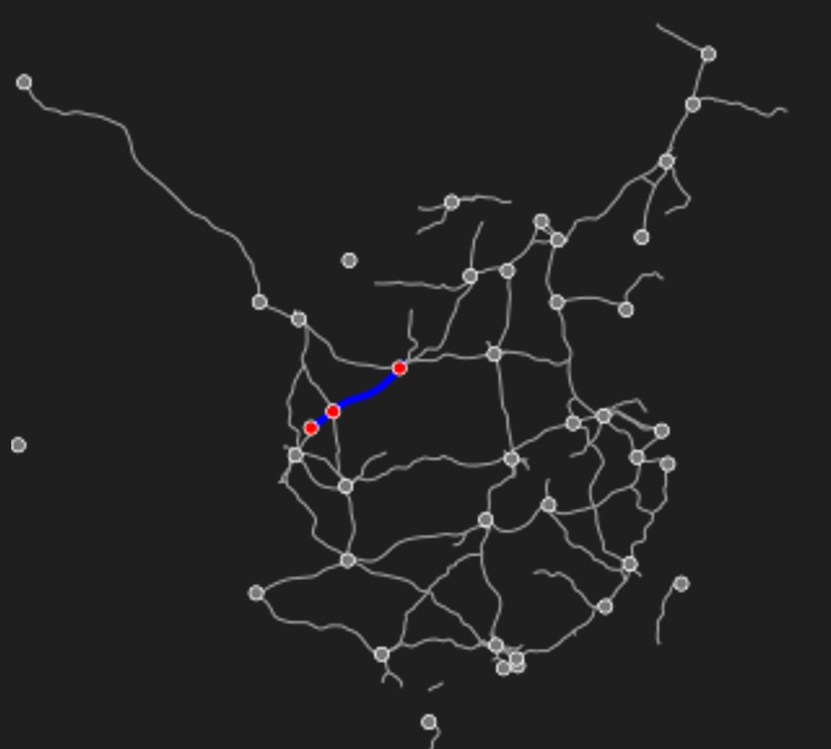
- Distance: Around 510 km
- Fastest Travel Time: 3–4 hours
Why it’s ideal for Travellers: Linking Xi’an, home of the legendary Terracotta Warriors, with Chengdu, this route passes through the beautiful Qinling Mountains. Malaysian visitors can enjoy a comfortable ride while admiring lush mountain landscapes and two culturally rich cities.
8.Hangzhou – Huangshan High-Speed Rail (杭黄高铁)
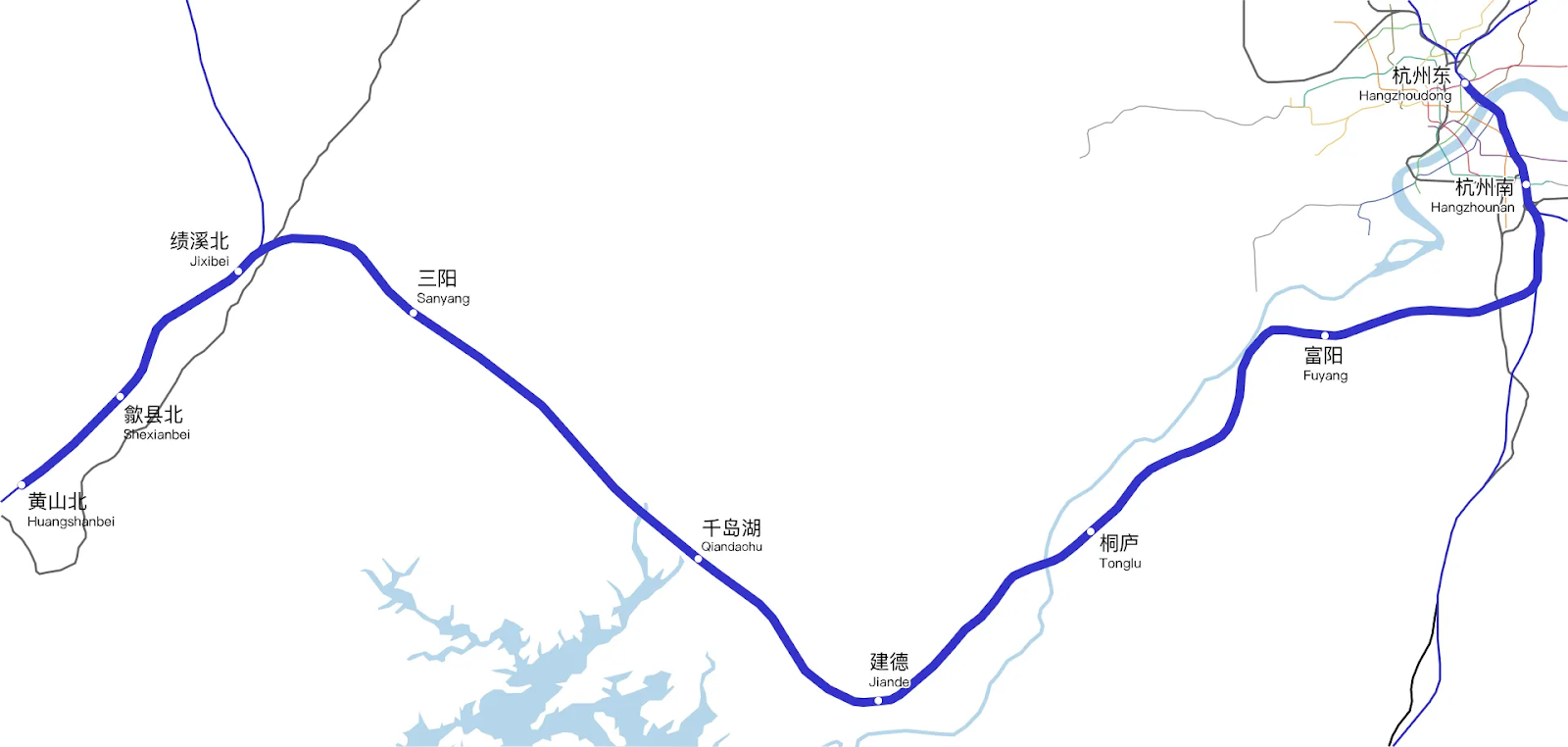
- Distance: About 300 km
- Fastest Travel Time: Around 3 hours
Why it’s ideal for Travellers: Ideal for nature lovers and heritage seekers, this line connects Hangzhou, celebrated for its tranquil West Lake, with Huangshan, home to the iconic Yellow Mountains and UNESCO World Heritage Sites. It’s a convenient way for Malaysians to experience China’s classic scenic beauty.
🔥Book Your Family Holidays Today!
👨👩👦👦 Discover the world with your loved ones and save up to 35% OFF flights, hotels and attractions! Book today and explore more together.

High-Speed Rail Lines in China
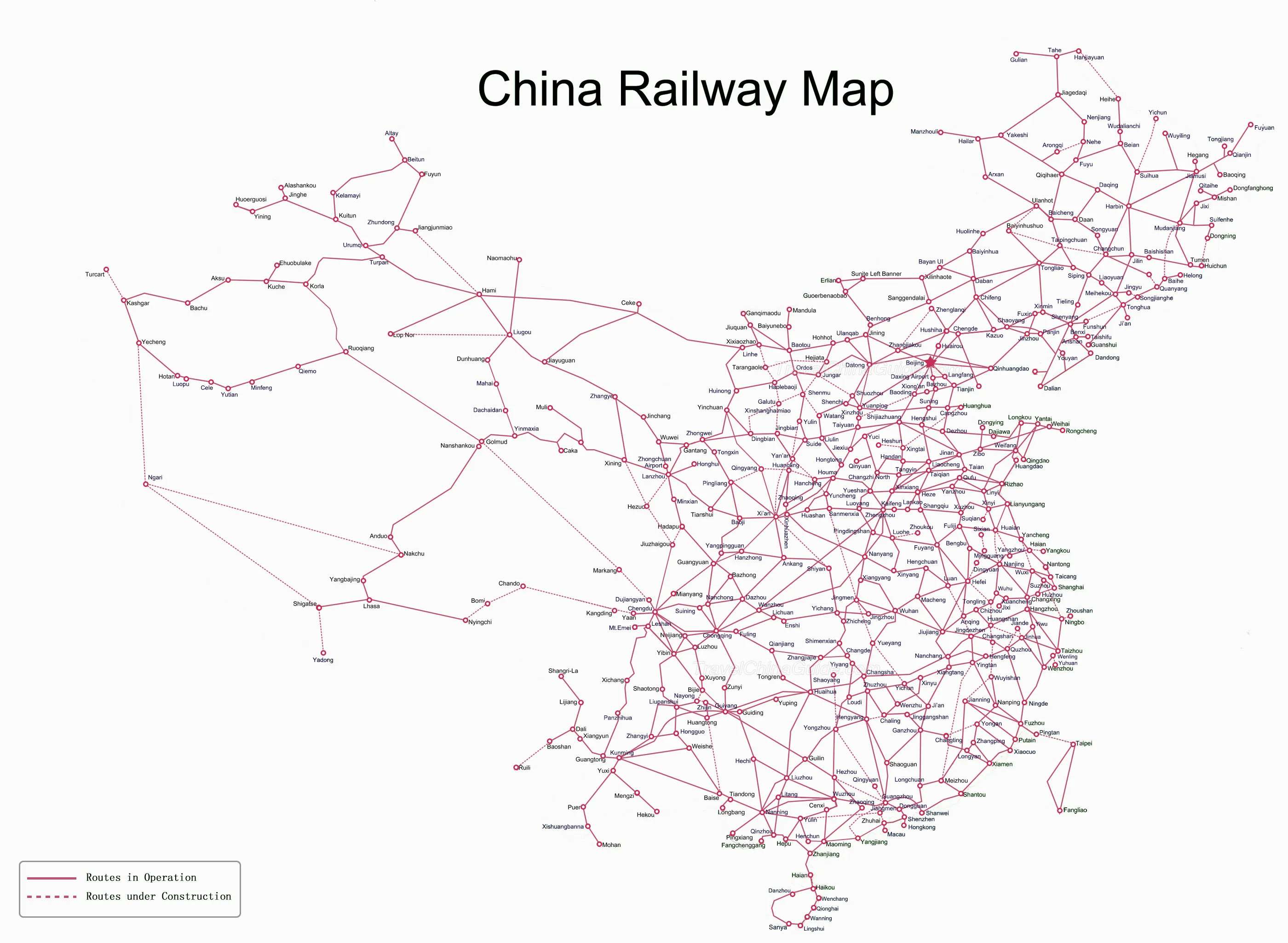
China’s Gāotiě (高铁) network is one of the world’s largest, linking major cities at speeds of up to 350 km/h. Below is an easy reference table highlighting some of the most important routes, perfect for travellers planning fast and comfortable journeys across the country.
High-Speed Line | Key Cities Connected | Why It’s Ideal for Travellers |
|---|---|---|
Beijing – Shanghai (Jinghu) | Beijing, Tianjin, Nanjing, Shanghai | Flagship route linking the capital and financial hub in as little as 4.5 hours. |
Beijing – Guangzhou (Jingguang) | Beijing, Wuhan, Changsha, Guangzhou | One of the longest lines; travel north to south across multiple provinces in about 8 hours. |
Shanghai – Kunming (Hukun) | Shanghai, Hangzhou, Changsha, Guiyang, Kunming | Combines modern cities with the scenic beauty of Yunnan Province. |
Hangzhou – Fuzhou – Shenzhen | Hangzhou, Fuzhou, Shenzhen | Coastal route perfect for exploring eastern seaboard cities and beaches. |
Harbin – Dalian | Harbin, Changchun, Shenyang, Dalian | Ideal for northeast winter trips, including Harbin’s Ice Festival. |
Beijing – Harbin (Jingha) | Beijing, Chengde, Shenyang, Harbin | Fast link from the capital to the far northeast, great for winter travellers. |
Beijing – Hong Kong (Taipei) | Beijing, Shenzhen, Hong Kong | Convenient for a direct capital-to-Hong Kong journey (Taipei extension is a long-term plan). |
Hefei – Fuzhou | Hefei, Wuyuan, Fuzhou | Access to cultural villages and scenic mountain areas. |
Xiamen – Shenzhen | Xiamen, Shantou, Shenzhen | Quick coastal ride between two vibrant port cities. |
Guiyang – Guangzhou | Guiyang, Guilin, Guangzhou | Passes through karst landscapes, including Guilin’s famous mountains. |
Zhengzhou – Xi’an | Zhengzhou, Xi’an | Fast route to Terracotta Warriors and ancient Silk Road heritage. |
Xi’an – Chengdu | Xi’an, Hanzhong, Chengdu | Scenic trip through the Qinling Mountains to panda country. |
Nanjing – Hangzhou | Nanjing, Hangzhou | Quick link between historic Nanjing and West Lake in Hangzhou. |
Shanghai – Nanjing | Shanghai, Suzhou, Nanjing | Frequent service great for day trips to Suzhou’s canals and gardens. |
Tianjin – Qinhuangdao | Tianjin, Qinhuangdao | Ideal for a seaside getaway from Beijing or Tianjin. |
Shijiazhuang – Jinan | Shijiazhuang, Jinan | Convenient connection across Hebei and Shandong provinces. |
Changsha – Kunming | Changsha, Guiyang, Kunming | Brings travellers from central China to Yunnan’s natural wonders. |
Lanzhou – Xinjiang | Lanzhou, Urumqi | Gateway to the Silk Road and stunning northwest deserts. |
Popular Hotels in Beijing
5 star
Business travel
Breakfast
🔥Up to 20% OFF on New Hotels

Money & Payments for China’s High-Speed Rail
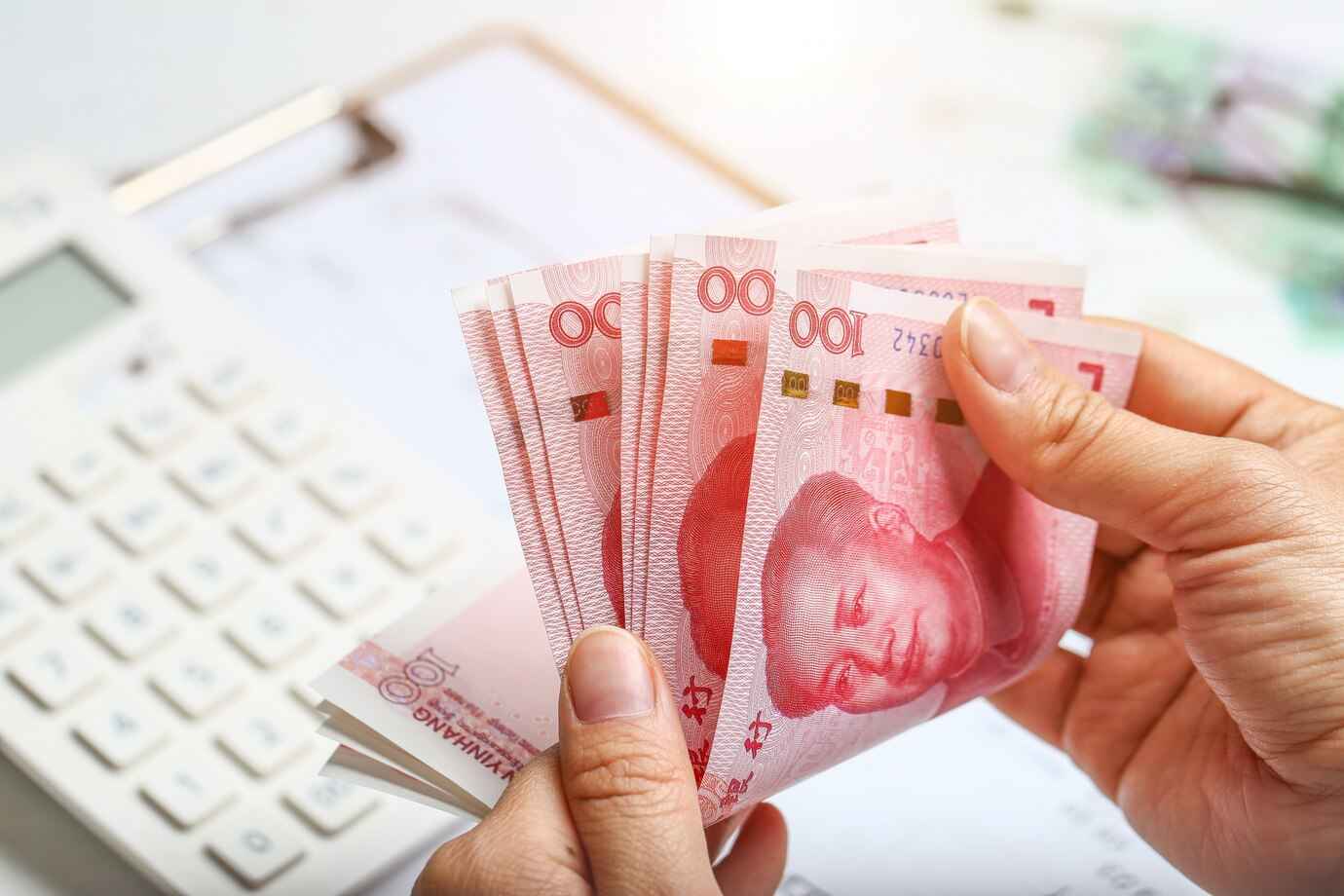
When travelling on China’s high-speed rail (HSR), it’s helpful to plan how you’ll pay for tickets, food, and extras along the way.
Payments | Details |
|---|---|
Mobile Payments | Alipay and WeChat Pay are the most widely used. Both apps now allow foreign card linking, so you can pay with your Malaysian Visa or Mastercard after registering. |
Cash | Always carry some Chinese yuan (RMB) for small purchases at station kiosks or onboard snack trolleys, as not all vendors accept foreign cards. |
Credit & Debit Cards | Overseas cards (Visa/Mastercard) are accepted on Trip.com and some large station ticket counters, but not usually on the train itself. |
Ticket Booking | For smooth payment, buy tickets early through Trip.com or the official 12306 site/app (English version available). Both support international cards and Alipay/WeChat. |
Top-Ups & Exchange | Exchange Malaysian ringgit to RMB in advance, or use ATMs in major stations. Ensure your bank card supports UnionPay or international withdrawals. |
🔥Go China
Exclusive China mainland travel discount! Every Tuesday 50% OFF Promo Code

FAQs China High- Speed Rail
How fast are China’s high-speed trains?
Trains can reach 300–350 km/h, cutting long journeys—like Beijing to Shanghai—to about 4.5–6 hours.Is Wi-Fi available onboard?
Many trains now provide free Wi-Fi, though connections may vary by route. Mobile data is generally strong in urban areas.Are children’s tickets available?
Yes. Children under 1.2 m usually travel free if they share a seat with an adult. Kids between 1.2 m and 1.5 m qualify for discounted fares.Can I bring luggage on the train?
Yes. Most routes allow 20 kg of carry-on luggage, with size limits around 130 cm total dimensions. Overweight items may need to be checked.Do I need to carry cash when travelling on China’s high-speed trains?
It’s wise to carry some Chinese yuan (RMB) for small items like snacks, drinks, or local station kiosks. Many smaller vendors don’t accept foreign cards.