


Flying from Malaysia to China is easier than ever, with direct flights available to major cities like Beijing, Shanghai, Guangzhou, Chengdu, and more. Once you land, the next big question is: how do you get from the airport to the city? This guide will help Malaysian travellers understand the best ways to reach downtown areas quickly and affordably from major airports in China.
🛬Getting from China’s Major Airports to the City
Flying from Malaysia to China is now easier than ever, with direct flights from Kuala Lumpur, Penang, and Kota Kinabalu to Beijing, Shanghai, Guangzhou, and Chengdu. Once you land, the next step is figuring out how to reach the city quickly, comfortably, and within budget. Here’s a practical guide for Malaysians on the best airport transfer options.
Beijing Capital International Airport (PEK) to City
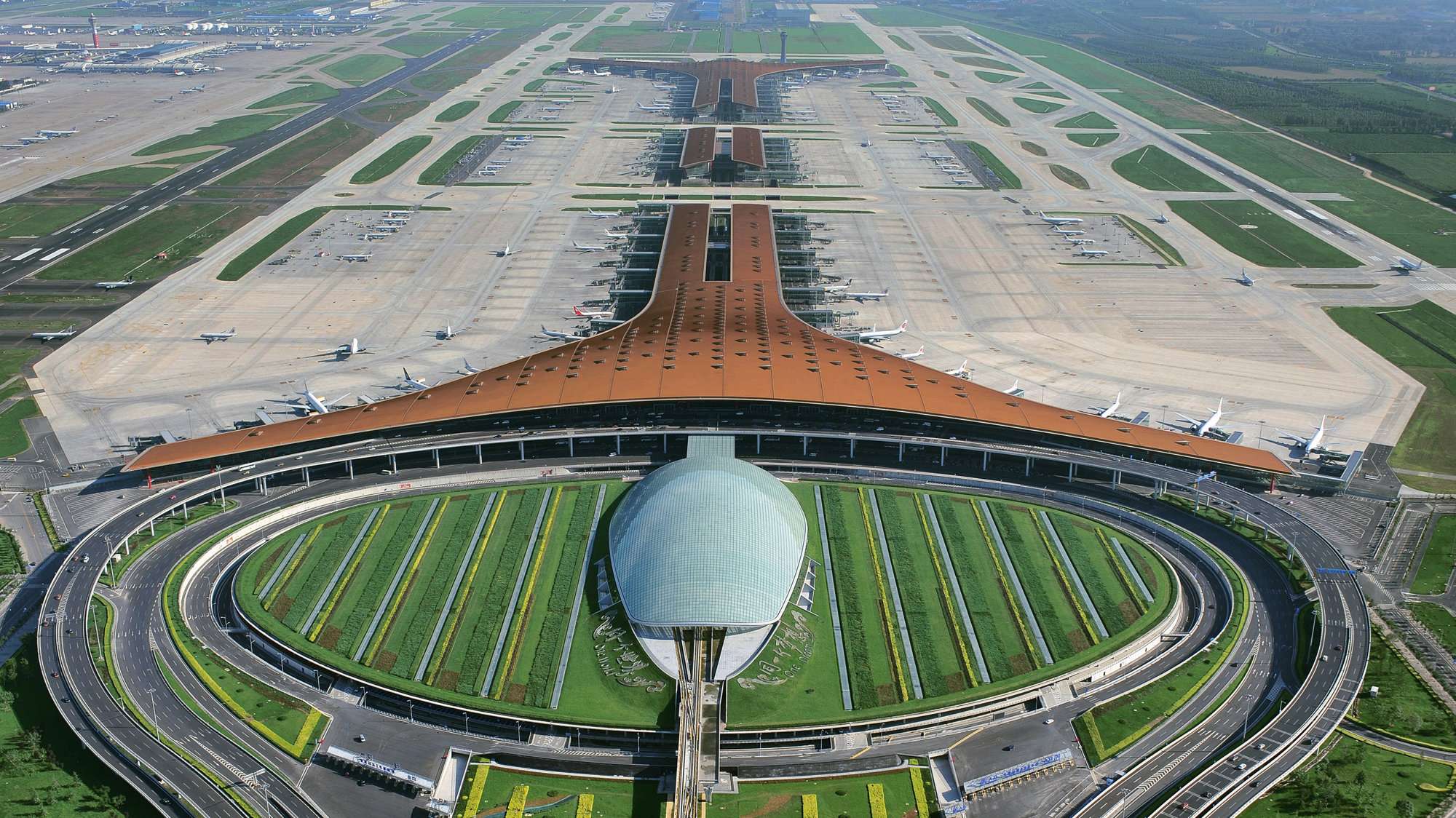
Source: Foster + Partners
Distance to downtown Beijing: 32 km
- Airport Express Train:
The fastest and most reliable option. The train connects Terminal 2 and 3 directly to Dongzhimen Station in 30 minutes. From Dongzhimen, you can easily transfer to Metro Line 2 or Line 13 to reach other parts of the city. - Fare: ¥25 (RM 16)
- Operating hours: 6:00 am – 10:30 pm
- Taxis:
Readily available outside the arrivals area. Official taxis are metered and safe. Expect 45–70 minutes depending on Beijing’s notorious traffic. - Fare: ¥120–200 (RM 80–140)
- Tip: Always join the official taxi queue to avoid touts.
- Airport Shuttle Buses:
Cheaper but slower, with multiple routes heading to different districts like Beijing Railway Station, Zhongguancun, and Fangzhuang. - Fare: ¥20–30 (RM 13–20)
- Duration: 60–90 minutes depending on traffic.
Shanghai Pudong International Airport (PVG) to City
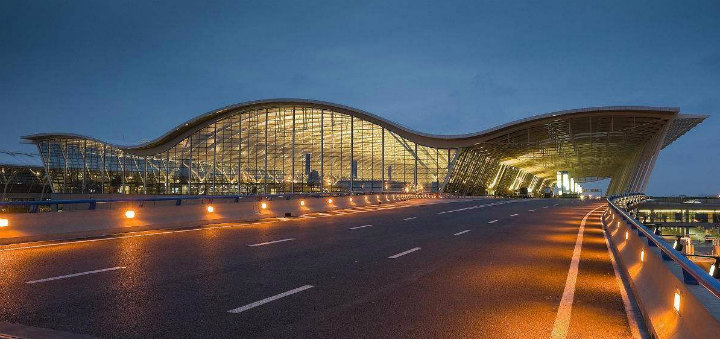
Source: GoShopShanghai
Distance to downtown Shanghai: 45 km
- Shanghai Maglev Train:
A unique experience for first-time visitors! The magnetic levitation train runs from Pudong Airport to Longyang Road Station in just 8 minutes, hitting speeds of up to 430 km/h. From Longyang Road, transfer to Metro Line 2 or Line 7 for city access. - Fare: ¥50 (RM 35) one way / ¥80 (RM 55) return
- Operating hours: 7:00 am – 9:30 pm
- Metro Line 2:
A cheaper option connecting Pudong Airport directly to central stops like Lujiazui, People’s Square, and Hongqiao Airport. The journey takes about 70 minutes. - Fare: ¥7–9 (RM 5–6)
- Taxis:
Convenient but traffic around Lujiazui and The Bund can add delays. - Fare: ¥150–200 (RM 100–140)
- Duration: 45–60 minutes
- Airport Shuttle Buses:
Multiple routes run to key districts like Jing’an Temple, Shanghai Railway Station, and Hongqiao Transport Hub. - Fare: ¥20–30 (RM 13–20)
Guangzhou Baiyun International Airport (CAN) to City
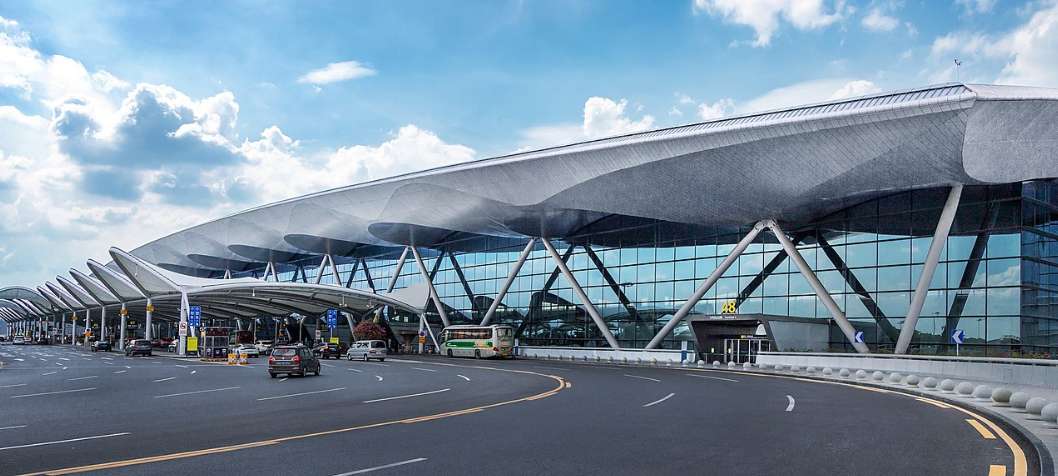
Distance to downtown Guangzhou: 28 km
- Metro Line 3:
The easiest option, running from Baiyun Airport South Station directly into the city. Stops include Tiyu Xilu and Zhujiang New Town. - Fare: ¥7 (RM 5)
- Duration: ~40 minutes
- Taxis:
Readily available with clear signage at the airport taxi stand. - Fare: ¥100–150 (RM 70–100)
- Duration: 40–60 minutes
- Airport Express Buses:
Covering routes to major hotels, Guangzhou East Railway Station, and Haizhu Square. - Fare: ¥16–35 (RM 11–24)
- Duration: 60–90 minutes
- Didi / Private Transfers:
Popular with locals and tourists alike. You can book via the Didi app (available in English). Prices are similar to taxis.
Chengdu Tianfu International Airport (TFU) to City
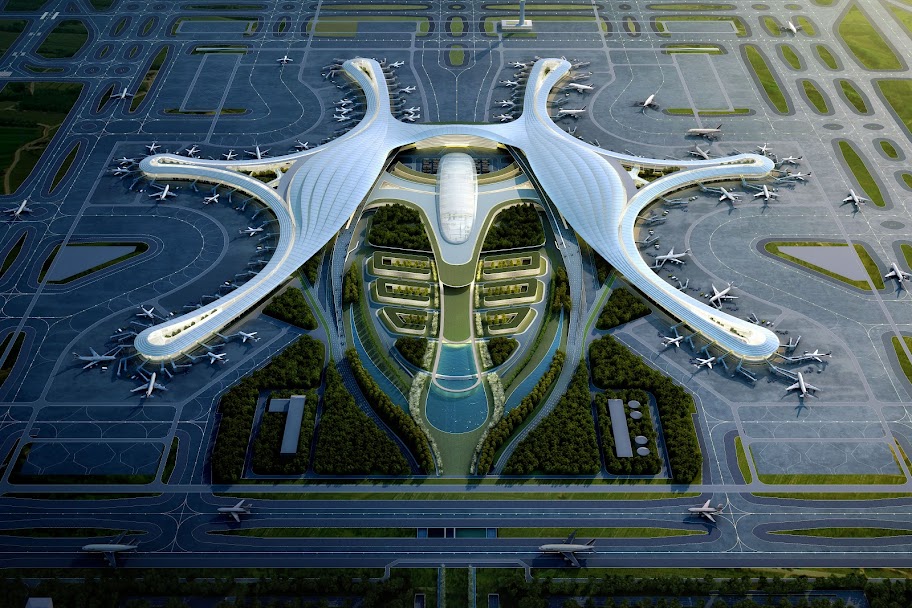
Source: Vietjet Air
Distance to downtown Chengdu: 50 km
- Metro Line 18:
A direct connection from the airport to South Railway Station in about 35 minutes. Perfect for connecting to other metro lines or high-speed trains. - Fare: ¥10 (RM 7)
- Taxis:
Widely available and metered. - Fare: ¥150–200 (RM 100–140)
- Duration: 50–70 minutes depending on traffic
- Airport Buses:
Routes to East Railway Station, Chengdu Shuangliu Airport, and city hotels. - Fare: ¥15–20 (RM 10–14)
- Duration: 70–90 minutes
- Private Transfers:
A good option for families or those with luggage. Book in advance via Trip.com for fixed pricing and English-speaking drivers.
Travel Tips for Malaysians Arriving in China
- Cashless payments: Most transport accepts Alipay/WeChat Pay; keep some cash for tickets and taxis.
- Language: Not all drivers speak English, so prepare your hotel name in Chinese characters.
- Timing: Metro services typically end around 10:30–11:00 pm. If arriving late, consider a taxi or pre-booked transfer.
- Luggage: Airport buses are convenient if you’re carrying large bags, while metro and trains are faster but more crowded.
🚌 Airport Shuttle Buses: Budget-Friendly but Slower
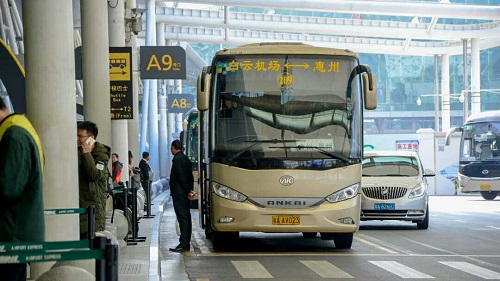
Source: China Bus Guide
City / Airport | Distance Covered | Main Routes & Stops | Fare (CNY / RM) | Travel Time | Operating Hours | Best For |
|---|---|---|---|---|---|---|
Beijing (PEK) | 32 km | Beijing Railway Station, Zhongguancun, Fangzhuang | ¥20–30 (RM 13–20) | 60–90 min | 6:00 am – last flight | Budget travellers with luggage |
Shanghai Pudong (PVG) | 45 km | Jing’an Temple, People’s Square, Hongqiao Hub | ¥20–30 (RM 13–20) | 60–90 min | 7:00 am – 11:00 pm | Cheaper alternative to taxi/maglev |
Guangzhou (CAN) | 28 km | Haizhu Square, Guangzhou East Railway Station | ¥16–35 (RM 11–24) | 60–90 min | 6:30 am – last flight | Direct connection to city hotels |
Chengdu (TFU) | 50 km | East Railway Station, Shuangliu Airport, city hotels | ¥15–20 (RM 10–14) | 70–90 min | 6:00 am – midnight+ | Convenient for large luggage |
🚖Taking a Taxi or Ride-Hailing App (Didi) in China
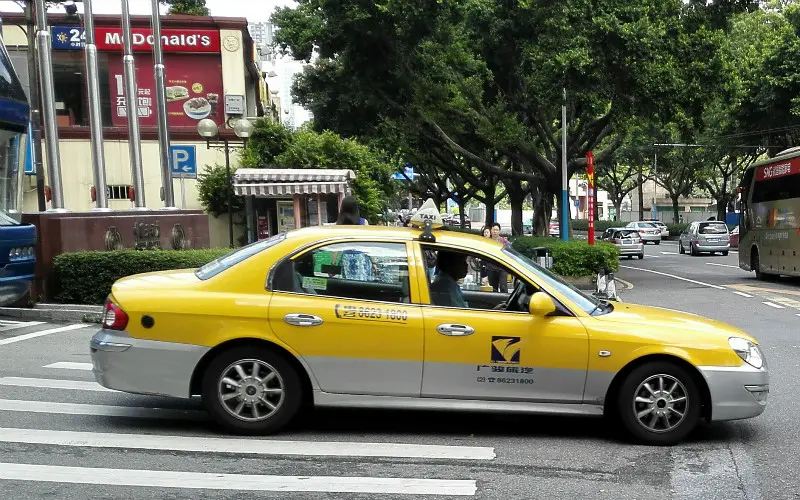
Source: China Highlights
Taxis and ride-hailing apps like Didi are convenient and comfortable ways to get from the airport to your hotel, especially if you’re travelling with family or carrying heavy luggage. While they cost more than metro or shuttle buses, they save time and hassle.
Feature | Details |
|---|---|
Availability | Taxis are available 24/7 at official airport taxi ranks. Didi can be booked via the app (available in English). |
Fares | Varies by city and distance. For airport trips: • Beijing: ¥120–200 (RM 80–140) • Shanghai: ¥150–200 (RM 100–140) • Guangzhou: ¥100–150 (RM 70–100) • Chengdu: ¥150–200 (RM 100–140) |
Payment | Most drivers accept cash (RMB), but many prefer mobile payments (Alipay/WeChat Pay). For Didi, you can link a redit/debit card. |
Travel Time | Typically 40–70 minutes depending on city and traffic. Peak hours (7–9 am, 5–8 pm) may cause longer delays. |
Comfort | Taxis and Didi cars are air-conditioned, with space for luggage. Larger vehicles (Didi Premier, XL) are available for families or groups. |
Tips | • Always join the official taxi queue at airports to avoid touts. • Keep your hotel name/address in Chinese characters to show the driver. • Didi’s English app helps avoid miscommunication but requires mobile data. • Taxis may add small surcharges for airport pickups (¥10–20). |
🌙Late-Night and 24-Hour Transport Options
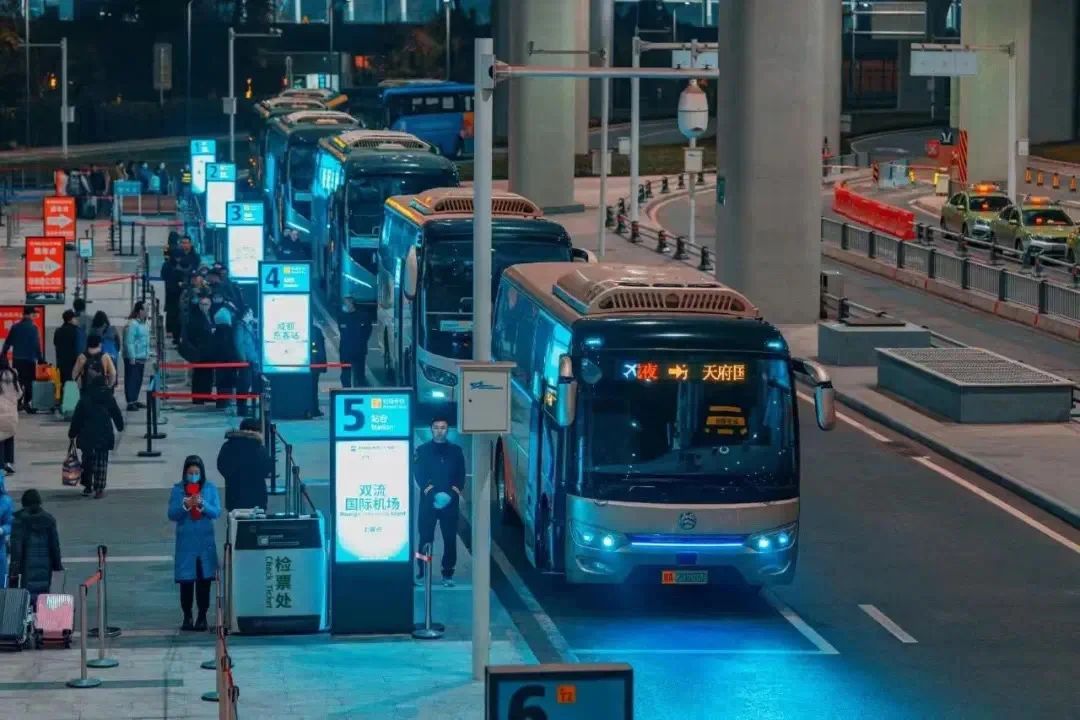
Source: China Job
Many flights from Kuala Lumpur or Penang arrive in China late at night, sometimes after public transport has stopped running. Here’s what you can expect at the major airports:
Airport | Metro/Express Train | Shuttle Bus | Taxi | Ride-Hailing (Didi) |
|---|---|---|---|---|
Beijing (PEK) | Last Airport Express around 10:30 pm | Runs until last flight arrival (~midnight+) | 24 hours | 24 hours |
Shanghai Pudong (PVG) | Maglev & Metro Line 2 close by 10:30–11:00 pm | Some buses run until ~1:00 am | 24 hours | 24 hours |
Guangzhou (CAN) | Metro Line 3 ends around 11:00 pm | Shuttle buses operate until last flight (~midnight+) | 24 hours | 24 hours |
Chengdu (TFU) | Metro Line 18 last train ~11:30 pm | Buses run until after last flight | 24 hours | 24 hours |
Key Points for Malaysians:
- 🚌 Shuttle buses are your cheapest late-night option, as they keep running until the last scheduled flight lands.
- 🚕 Taxis and Didi are always available 24/7, making them the safest bet if you arrive very late.
- 📱 For Didi, ensure you have mobile data or airport Wi-Fi to book your ride.
- 💰 Expect slightly higher fares at night (usually an extra 20% after 11:00 pm).
- 🏨 If your flight lands very late, consider booking a hotel near the airport for the night, then travel into the city the next morning.
📶 Wi-Fi and SIM Card Access at China Airports
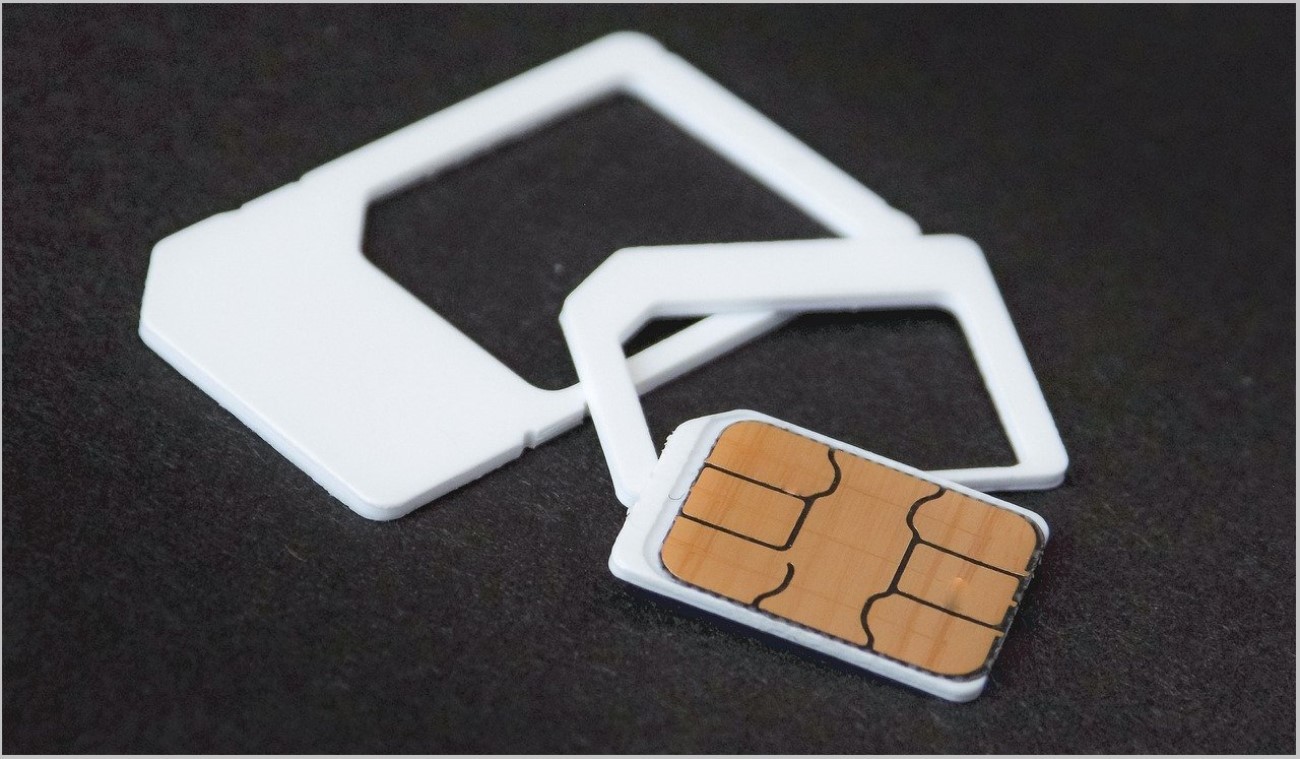
Source: Tribe
Staying connected is essential for navigation, translation, and booking transport in China. Thankfully, all major airports in China provide Wi-Fi and facilities to buy SIM cards or eSIMs upon arrival.
Free Airport Wi-Fi
- Availability: Beijing (PEK), Shanghai Pudong (PVG), Guangzhou (CAN), and Chengdu Tianfu (TFU) all offer free Wi-Fi throughout the terminals.
- Login Process:
- You usually need a mobile number (Chinese or foreign) to receive an SMS code.
- If you don’t have a SIM card yet, look for Wi-Fi kiosks or self-service machines that print a temporary code after you scan your passport.
- Speed & Stability: Reliable enough for messaging apps and browsing, though it may feel slower than Malaysian airports.
Buying a Local SIM Card
- Where to Buy: Telecom counters (China Mobile, China Unicom, China Telecom) are located in the arrival halls.
- Price Range: ¥100–150 (RM 70–105) for 10–20GB data, valid for one month.
- Documents Needed: Passport is required for registration due to Chinese regulations.
- Tip for Malaysians: Staff may have limited English, so prepare a note like “I want a data SIM card” in Chinese (我要流量卡).
eSIM and Prepaid Options
- If your phone supports eSIM, it’s easier to purchase in advance via platforms like Trip.com, Klook, or Airalo.
- eSIM plans often activate instantly upon landing—no queue needed.
- Ideal for travellers who want to skip the hassle of paperwork at the airport.
Using Roaming from Malaysia
- Major Malaysian telcos (Maxis, CelcomDigi, U Mobile) offer international roaming packages in China.
- Convenient but usually pricier compared to local SIM cards.
- Good for short trips (1–3 days) when you don’t want to bother with a new SIM.
✅ Pro Tip for Malaysians: Since many apps like WhatsApp, Facebook, and Google services are restricted in China, install a VPN before your trip if you need access. Alternatively, use local apps like WeChat (for messaging & payments) and Baidu Maps (for navigation).
🗺️Smooth Start to Your China Journey
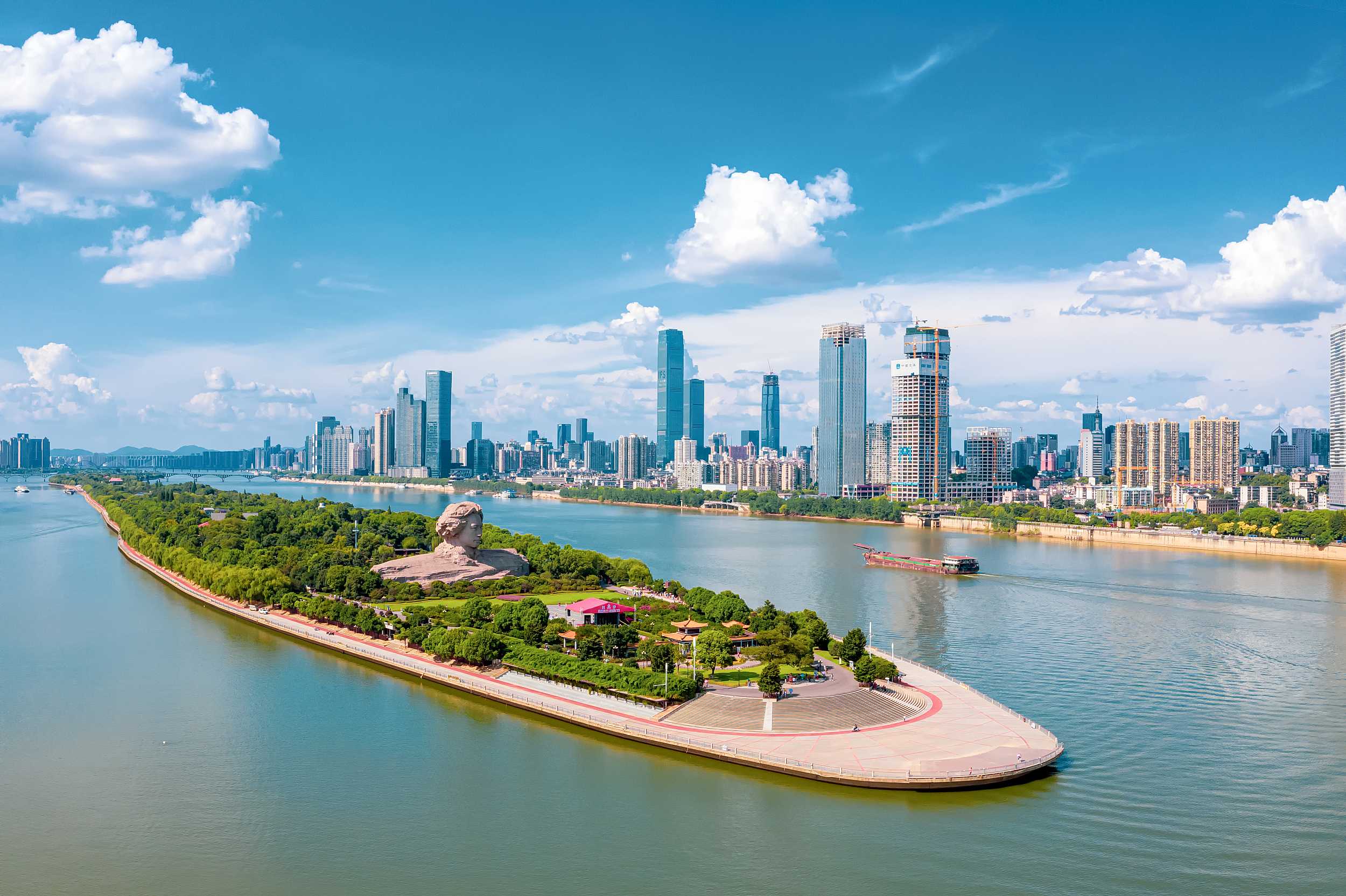
Travelling from China’s airports to the city is simple once you know your options. Whether you prefer the speed of metro and high-speed trains, the convenience of taxis, or the affordability of shuttle buses, there’s always a way to fit your budget and schedule. With a little planning, Malaysian travellers can enjoy a smooth start to their journey in China.
FAQs
What is the cheapest way to get from China’s airports to the city?
The cheapest option is usually the metro or airport shuttle bus, with fares starting as low as ¥5–10 (RM 3–7).How much does a taxi cost from major Chinese airports to downtown?
Taxi fares vary by city, but expect to pay around ¥100–200 (RM 70–140) for a one-way trip to the city centre.Is public transport available late at night from Chinese airports?
Most metro and buses stop around 10:30–11:00 pm. If you arrive late, taking a taxi or booking a Didi (China’s ride-hailing app) is the best choice.Can Malaysian travellers use e-wallets like Alipay or WeChat Pay for airport transport?
Yes, but you’ll need to set up the apps with an international card beforehand. Otherwise, cash is still accepted for metro, buses, and taxis.Do Chinese airports provide English signs for foreign travellers?
Yes, all major airports in China have bilingual signs in Chinese and English, making it easier to navigate.Are there Halal food and prayer facilities in Chinese airports?
Yes, many major airports such as Beijing, Shanghai, and Guangzhou offer Halal-certified food outlets and prayer rooms for Muslim travellers.