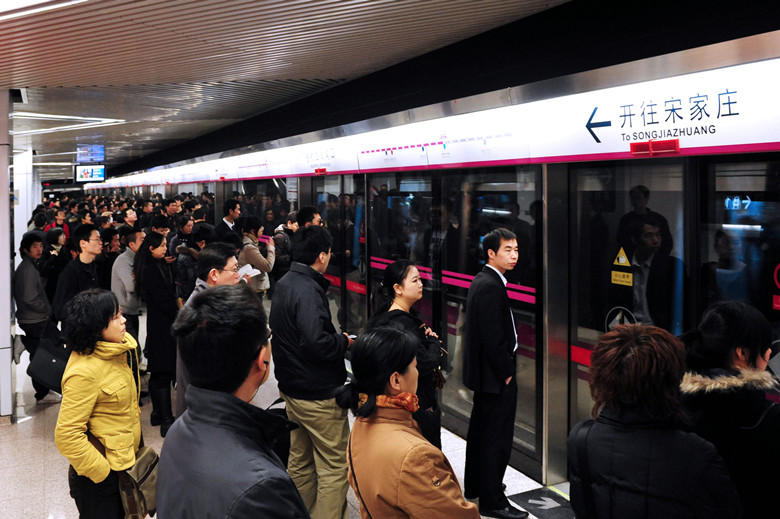

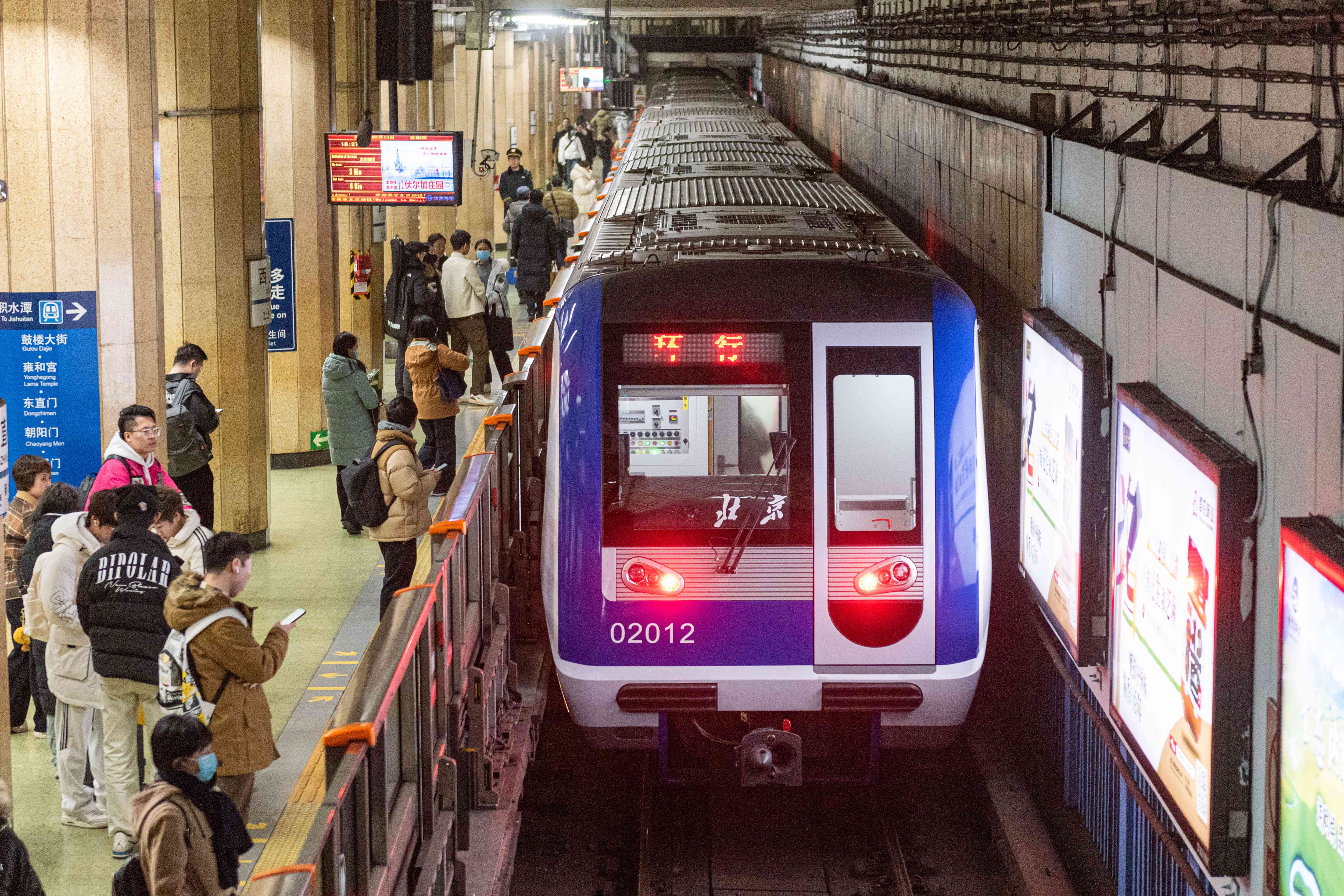
Travelling around China can seem challenging at first, but once you learn how to use the metro, everything becomes easy. China’s metro systems are modern, clean, and connect almost every tourist area — from ancient temples to skyscrapers. Whether you’re exploring Beijing, Shanghai, Guangzhou, or Chengdu, knowing how to read and use the China Metro Map can save you time, money, and effort.
🚉 Understanding the China Metro Map

Source: en.wikipedia.org
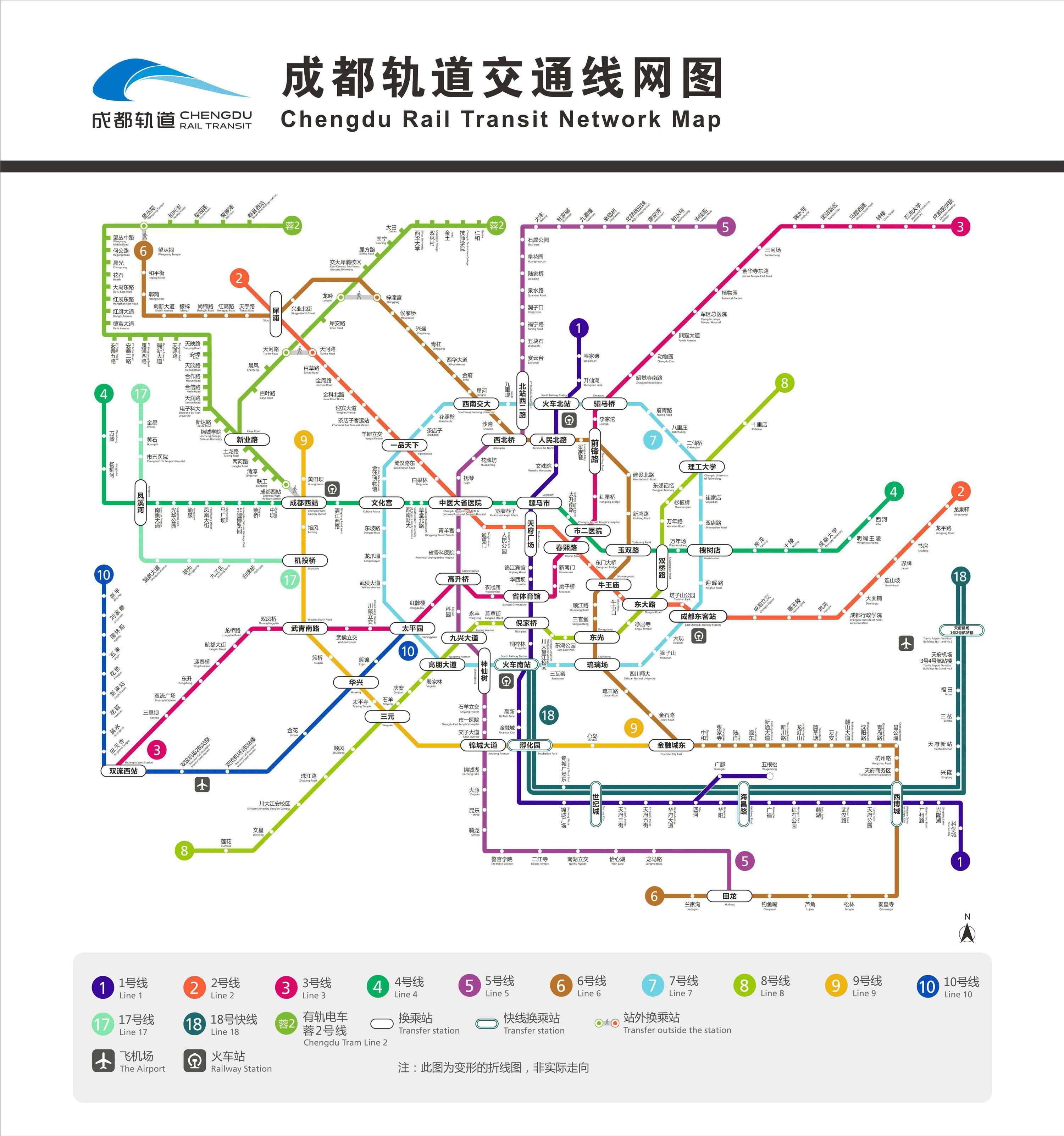
At first glance, the China Metro Map might look complicated, but once you know the basics, it’s actually easy to follow. Each metro line is shown in a different colour and has a line number — for example, Line 1 (Red), Line 2 (Blue), and so on. Every circle on the map represents a station, and interchange stations are usually marked with a special symbol.
When you plan your route, note your starting station, your destination, and where you need to change lines. Most metro systems also display estimated travel time, so you can plan your journey more efficiently. You can download the metro map from Trip.com or use apps like MetroMan and Baidu Maps for real-time updates, especially if you’re moving between multiple cities.
🎫 How to Buy Metro Tickets in China

Source: Into China Travel
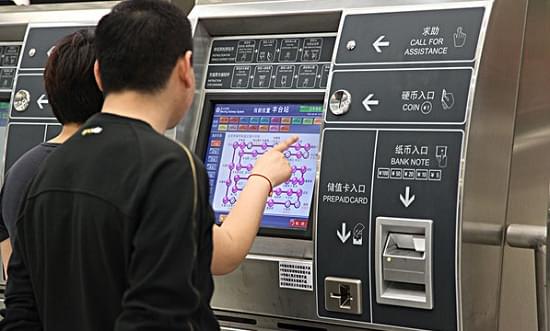
Buying metro tickets in China is very easy, even if it’s your first time there. Every metro station has clear English signs, and most ticket machines are simple to use. There are two main options for travellers:
1. Single-Journey Ticket
If you’re staying for just a few days or plan to use the metro occasionally, the single-journey ticket is perfect.
- You can buy it from ticket vending machines or station counters.
- Most machines have an English language option, so you can easily choose your destination station by name or by touching it on the map displayed on the screen.
- After selecting your stop, the machine will show the fare amount. You can pay using coins, small cash notes, or even a card in some modern stations.
- You’ll receive a small plastic token or paper ticket — keep it safe, because you’ll need it again when you exit the station.
💡 Tip for Malaysians: The system feels a lot like the MRT in Kuala Lumpur. You tap the token at the entrance gate and insert it into the slot when leaving.
2. Metro Card or Transport Card
For longer trips or if you plan to ride the metro often, a transport card is more convenient. These cards can be reloaded and reused, saving you time from lining up at the machines every trip.
Each city has its own version:
- Beijing: Yikatong Card
- Shanghai: Public Transportation Card
- Guangzhou: Yang Cheng Tong Card
- Chengdu: Tianfu Tong Card
You can buy these at metro service counters or convenience stores inside stations. A small deposit (around RMB 20) is required, which you can refund later if you return the card. With this card, you simply tap in and tap out, just like using Touch ‘n Go in Malaysia. It can also be used for buses, trams, and even some taxis in certain cities.
3. Mobile Payment Options
In major cities like Shanghai and Beijing, metro systems also accept digital payments such as Alipay or WeChat Pay. You can scan a QR code directly at the gate to enter — no card or ticket needed. This is ideal for tech-savvy Malaysian travellers who already use e-wallets. Just make sure your app is verified for international use, and you have internet access or a local SIM card.
💡 Extra Tip: If you use Trip.com’s app, you can also view metro ticket prices, compare routes, and check operating hours before you go.
Top Things to do in China
📌 Using Metro Apps for Easy Travel

China’s metro networks are huge, especially in cities like Beijing and Shanghai — but with the right apps, getting around becomes simple. These mobile apps are very helpful for tourists, including Malaysians who prefer English-friendly tools.
1. Trip.com
Trip.com is not just for booking flights and hotels — it also helps you plan your city travel. You can:
- Check metro maps for major cities.
- Find hotels near metro stations, which is great if you want convenience.
- Discover attractions that are directly connected by metro lines.
- See estimated travel times between stations and tourist spots.
For example, if you’re staying in Shanghai and want to visit The Bund or Disneyland, Trip.com can show you which metro lines to take and how long the journey will be.
2. Baidu Maps
Baidu Maps is one of the most used apps in China. It’s detailed and updated regularly, with real-time traffic and train information.
- You can search for any location in English or pinyin (Romanized Chinese).
- The app shows metro routes, walking directions, and even nearby exits at each station.
- It also displays fare estimates and travel duration.
3. MetroMan
MetroMan is a great choice for tourists because it’s easy to use and works offline — perfect if you don’t have Wi-Fi or a local SIM card.
- It covers more than 40 major Chinese cities.
- The interface is simple, and all station names are in both English and Chinese.
- You can plan routes, see interchange stations, and calculate fares without needing internet.
Recommended Hotels in China
🚅Top Metro Cities to Explore in China
China’s metro systems are among the most advanced in the world. For travellers from Malaysia, using the metro is one of the easiest ways to explore popular destinations without worrying about traffic or taxi fares. Here are some of the best cities to explore using the China Metro Map.
1. Beijing

As the capital city of China, Beijing has one of the largest and most connected metro networks in the world — with more than 25 lines and over 400 stations. It’s the best way to get around the city, especially since attractions are spread across wide areas.
Where You Can Go by Metro:
- Tiananmen Square & Forbidden City (Line 1): Get off at Tiananmen East or Tiananmen West Station. From there, you can walk to two of Beijing’s most iconic landmarks.
- Wangfujing Shopping Street (Line 1): Great for shopping, street snacks, and local souvenirs.
- Summer Palace (Line 4): One of the city’s most scenic spots, perfect for a half-day visit.
- Temple of Heaven (Line 5): Visit early in the morning to see locals doing tai chi.
2. Shanghai

Shanghai is China’s most modern and international city, and its metro system is one of the fastest growing in the world. With 20+ lines and connections to both airports (Pudong and Hongqiao), the metro makes it incredibly easy to get anywhere.
Where You Can Go by Metro:
- The Bund (Line 2 or Line 10): Walk out of East Nanjing Road Station and enjoy one of the most famous waterfront skylines in Asia.
- People’s Square (Line 1, 2, or 8): A central hub surrounded by museums, parks, and shopping malls.
- Nanjing Road (Line 2): Perfect for shopping and local food.
- Shanghai Disneyland (Line 11): A direct metro line takes you straight to the park entrance.
3. Guangzhou

Located in southern China, Guangzhou is known for its mix of culture, shopping, and great food. The city’s metro system connects major attractions, airports, and shopping streets efficiently — making it ideal for travellers who want to explore comfortably.
Where You Can Go by Metro:
- Canton Tower (Line 3): One of the tallest towers in the world, offering stunning night views.
- Beijing Road (Line 6): Famous for shopping and local eateries.
- Shamian Island (Line 1): A quiet area with European-style architecture and cafes — perfect for photo lovers.
- Chen Clan Ancestral Hall (Line 1): A must-visit for traditional Chinese art and architecture.
4. Chengdu

If you love pandas, spicy food, and a relaxed pace, Chengdu is a great destination. The metro here is newer compared to Beijing or Shanghai but just as convenient and tourist-friendly.
Where You Can Go by Metro:
- Chengdu Research Base of Giant Panda Breeding (Line 3): Get off at Panda Avenue Station and take a short taxi or bus ride to the panda park.
- Wide and Narrow Alley (Line 4): A charming area filled with old Sichuan-style buildings, cafes, and souvenirs.
- Chunxi Road (Line 2): The city’s main shopping and entertainment area, similar to Bukit Bintang in Kuala Lumpur.
- People’s Park (Line 2): A peaceful green space where you can watch locals play mahjong or drink tea.
🏨 Top Hotels Near Metro Stations in China
If you’re planning to explore China using the metro, staying close to a station makes your trip much easier. You can reach attractions, shopping areas, and restaurants without worrying about traffic or long taxi rides. Here are some of the best hotels near metro stations in major Chinese cities.
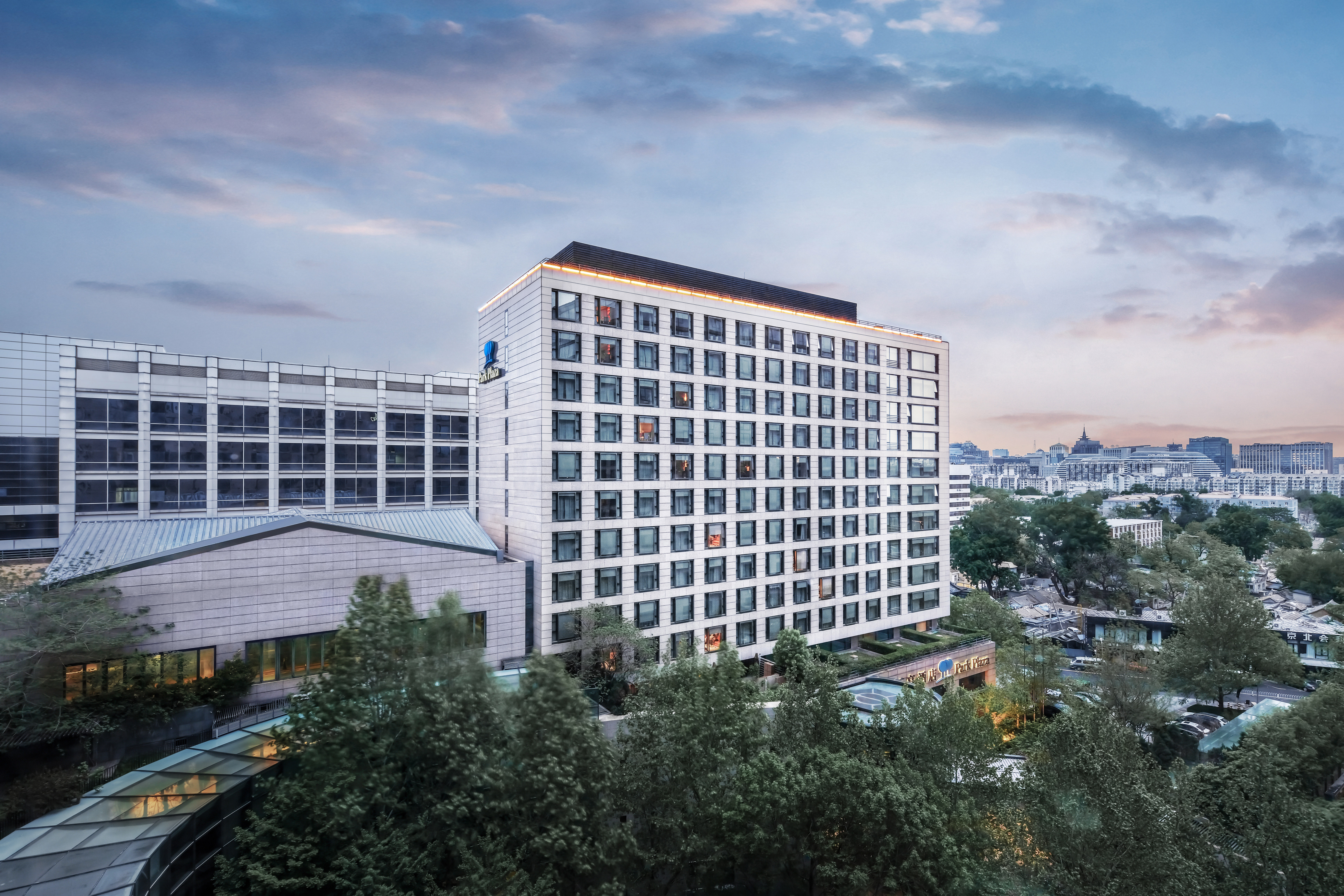
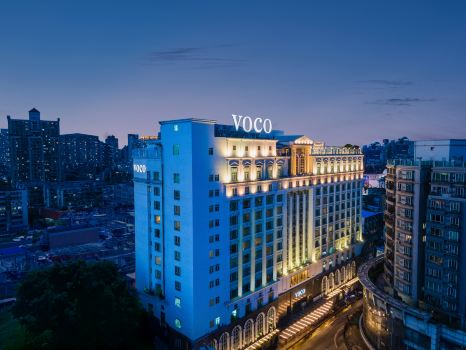
1. Park Plaza Beijing Wangfujing (Beijing)
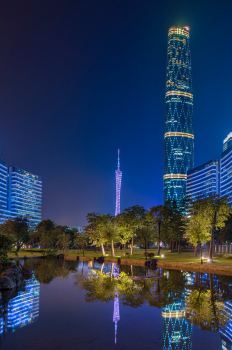
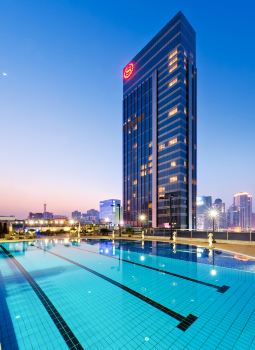
A stylish and comfortable hotel in the heart of Beijing, perfect for sightseeing and shopping. It’s located near Line 5, giving you direct access to popular attractions.
| 📍 Location | 97 Jinbao Street, Dongcheng District, Beijing
| 🚇 Nearest Metro Station | Dengshikou Station (Line 5) – 2-minute walk
| 🏙️ Nearby Attractions | Tiananmen Square, Forbidden City, Wangfujing Street
| 💡 Best For | City explorers, couples, and first-time visitors
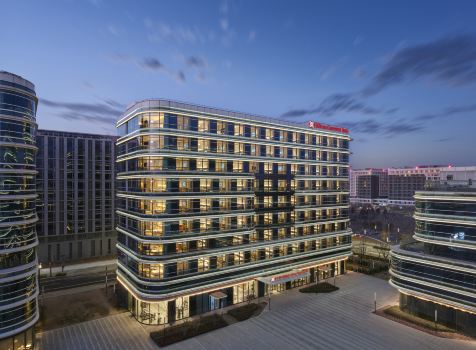
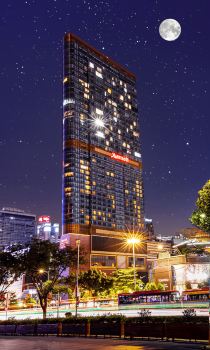
2. Radisson Blu Hotel Shanghai New World (Shanghai)
Set right in the city centre, this hotel offers panoramic views of the skyline and quick access to major metro lines. It’s ideal for travellers who want convenience and comfort.
| 📍 Location | 88 Nanjing Road West, Huangpu District, Shanghai
| 🚇 Nearest Metro Station | People’s Square Station (Lines 1, 2, 8) – Directly connected
| 🏙️ Nearby Attractions | The Bund, Nanjing Road, Shanghai Museum
| 💡 Best For | Shoppers, business travellers, and families
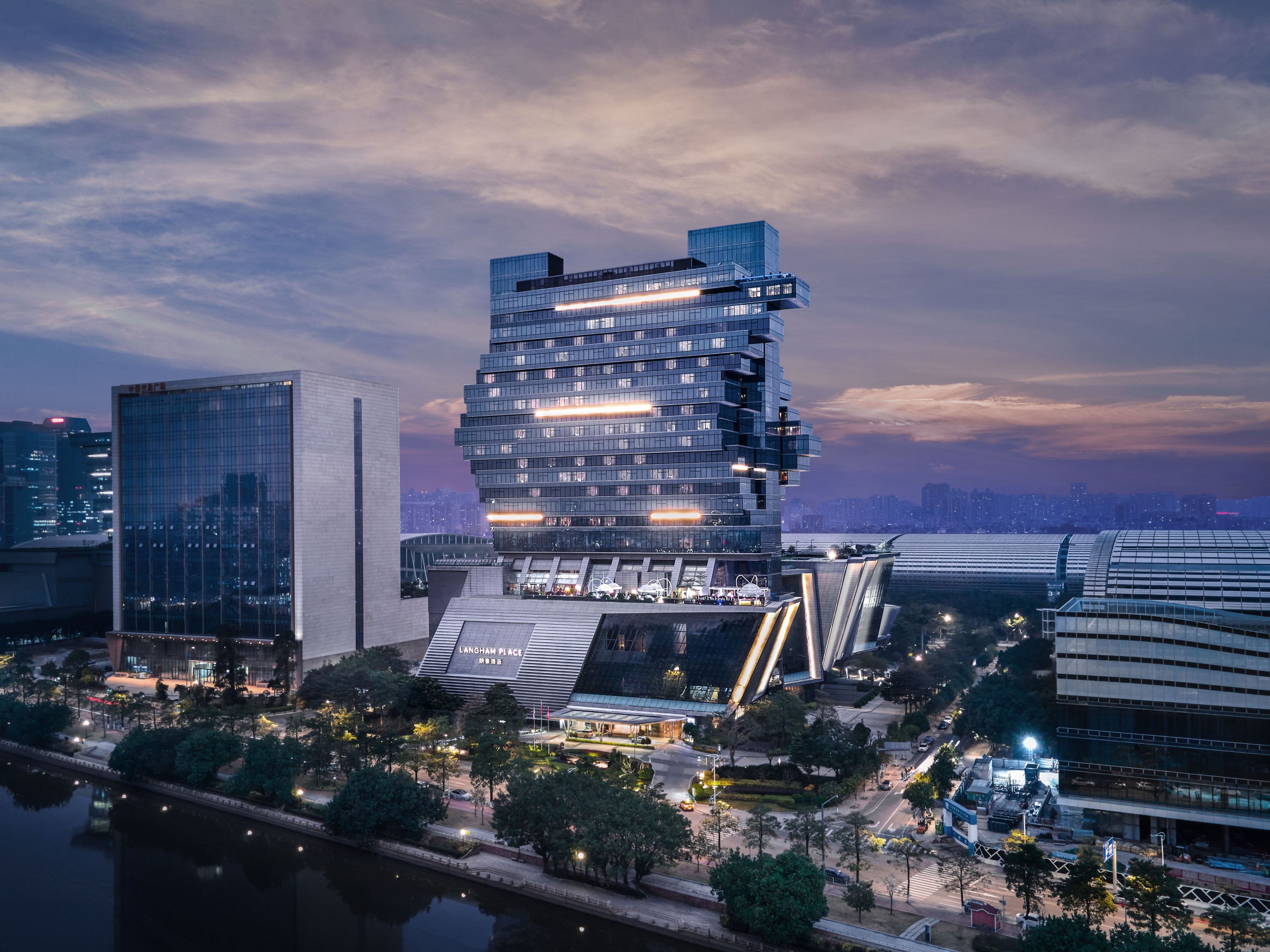
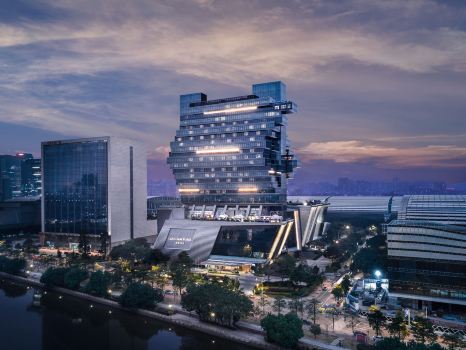
3. Langham Place Guangzhou (Guangzhou)
Connected directly to the Canton Fair Complex, this modern hotel is ideal for both business and leisure travellers. It’s conveniently linked to the metro for easy travel around the city.
| 📍 Location | No. 638 Xingang East Road, Haizhu District, Guangzhou
| 🚇 Nearest Metro Station | Xingang East Station (Line 8) – 3-minute walk
| 🏙️ Nearby Attractions | Canton Tower, Haixinsha Island, Zhujiang New Town
| 💡 Best For | Business trips, exhibition visitors, and families
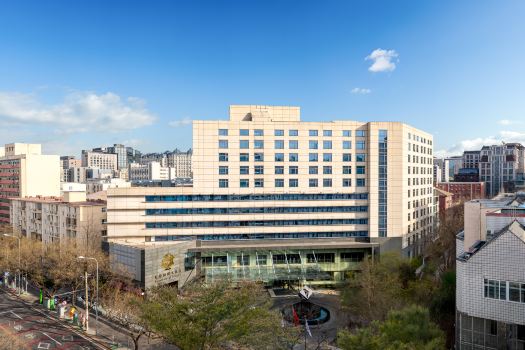
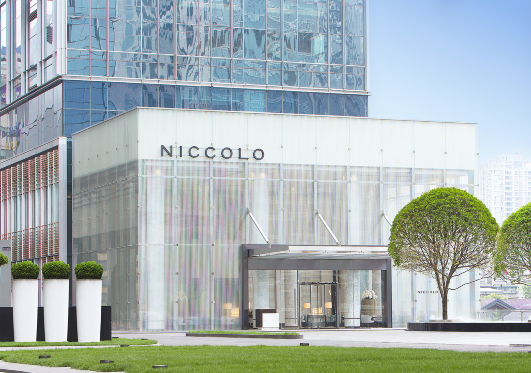
4. Niccolo Chengdu (Chengdu)
A modern luxury hotel located above a shopping mall in the city centre. It’s directly connected to the metro, making travel around Chengdu smooth and easy.
| 📍 Location | No. 1 Section 3, Hongxing Road, Jinjiang District, Chengdu
| 🚇 Nearest Metro Station | Chunxi Road Station (Lines 2, 3) – Direct access
| 🏙️ Nearby Attractions | Wide and Narrow Alley, Taikoo Li, People’s Park
| 💡 Best For | Shoppers, modern travellers, and couples
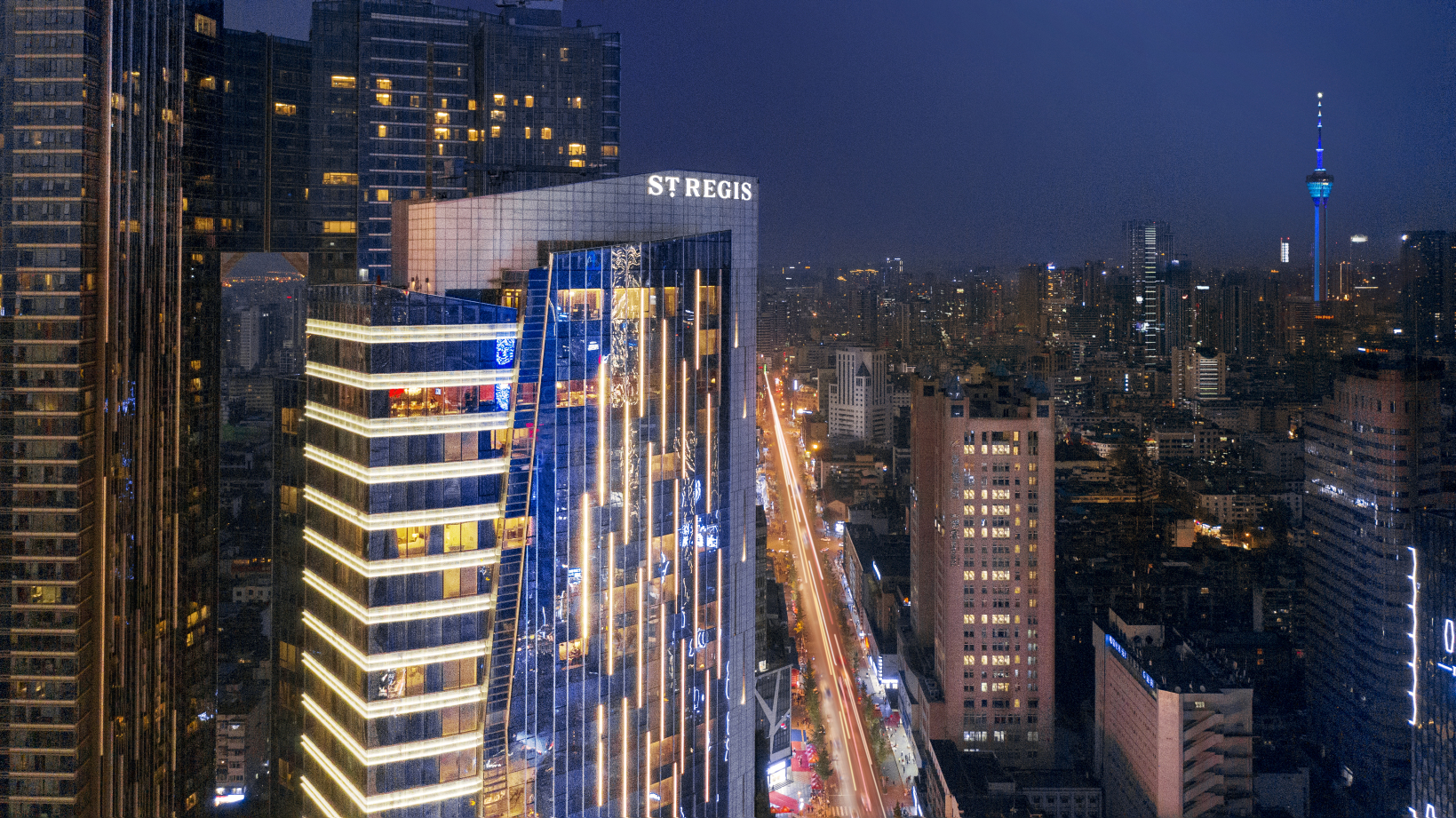
5. The St. Regis Chengdu (Chengdu)
A luxurious hotel with elegant rooms and easy access to Chengdu’s main attractions by metro. The hotel’s central location makes it a favourite among travellers.
| 📍 Location | 88 Taisheng North Road, Qingyang District, Chengdu
| 🚇 Nearest Metro Station | Tianfu Square Station (Lines 1, 2) – 5-minute walk
| 🏙️ Nearby Attractions | People’s Park, Chunxi Road, Sichuan Opera House
| 💡 Best For | Luxury travellers, city explorers, and couples
🚇 Metro Safety and Etiquette

Source: Wild Great Wall Adventures
China’s metro system is modern, clean, and very safe to use — even if you’re travelling alone or with family. Still, a little awareness and good manners can make your journey smoother and more pleasant for everyone.
1. Let Passengers Exit First
When the train doors open, always stand to the side and wait for passengers to exit before you board. This helps the flow of people and avoids unnecessary pushing or confusion, especially during rush hours.
2. Queue and Wait Patiently
Most metro stations have clear floor markings showing where to line up. Join the queue and wait your turn. Locals in China are used to orderly boarding, so following this habit makes you blend in easily.
3. No Eating or Drinking Inside the Metro
Eating and drinking are not allowed on the metro, including water or snacks. The rule keeps the trains clean and free of smells. If you need a quick bite, finish it before entering the gate area.
4. Keep Noise Levels Low
Avoid talking loudly or playing music without earphones. Many passengers use the metro to relax or rest between destinations, so a quiet ride is appreciated. Even group travellers are encouraged to keep conversations soft.
5. Mind Your Belongings
While metros in China are safe and have surveillance cameras, it’s still wise to keep your bag or backpack close to you, especially during peak hours. Keep valuables like phones or wallets in front-facing pockets or crossbody bags.
6. Offer Seats When Needed
Priority seats are clearly marked for the elderly, pregnant women, and people with disabilities. If you see someone in need, it’s polite to offer your seat — a small gesture that goes a long way.
7. Avoid Blocking Doors
When standing near the train doors, always step aside at each stop to let others exit or board. Blocking the doorway can delay the train and inconvenience others.
8. Follow Metro Security Checks
Before entering any metro station, you’ll go through a security screening similar to airport checks. Place your bag on the scanner belt and walk through the detector. It’s quick, safe, and part of standard metro security in China.
9. Keep Your Ticket Handy
You’ll need your metro card or token to both enter and exit the station. Keep it in an easy-to-reach place so you don’t hold up the queue when tapping out.
10. Be Prepared During Rush Hour
Peak times (around 7–9am and 5–7pm) can get very crowded, especially in big cities like Beijing, Shanghai, and Guangzhou. If you’re travelling with children or luggage, it’s best to avoid these hours when possible.
Flights from Kuala Lumpur to Beijing
- Pergi Balik
- Sehala
- direct cheapest
KUL19:006j 15mTanpa hentiPKX01:15Kuala Lumpur - Beijing|Kha, 5 Mac|AirAsia X Berhad (Malaysia)
PKX02:306j 30mTanpa hentiKUL09:00Beijing - Kuala Lumpur|Sel, 10 Mac|AirAsia X Berhad (Malaysia)SAR 866SAR 97611% OFF11% OFFSAR 976SAR 866
KUL19:006j 15mTanpa hentiPKX01:15Kuala Lumpur - Beijing|Kha, 5 Mac|AirAsia X Berhad (Malaysia)
PKX02:306j 30mTanpa hentiKUL09:00Beijing - Kuala Lumpur|Ahd, 8 Mac|AirAsia X Berhad (Malaysia)SAR 898SAR 9768% OFF8% OFFSAR 976SAR 898
KUL16:4018j 30m1 hentianPEK11:10Kuala Lumpur - Beijing|Kha, 5 Mac|Air Macau
PEK19:3520j 5m1 hentianKUL15:40Beijing - Kuala Lumpur|Sel, 10 Mac|Air MacauSAR 799SAR 97618% OFF18% OFFSAR 976SAR 799
KUL1:00 PM3j 5mTanpa hentiBJS2:00 PMKuala Lumpur - Beijing|Fri, Dec 12|AirAsia X Berhad (Malaysia)
BJS1:00 PM3j 5mTanpa hentiKUL2:00 PMBeijing - Kuala Lumpur|Fri, Dec 12|AirAsia X Berhad (Malaysia)Cari Penerbangan LainCari Penerbangan Lain
Harga potongan adalah dikira berdasarkan harga purata laluan sepadan pada Trip.com.
🚆Travel Smarter with China’s Metro System

Travelling around China by metro is one of the easiest and most affordable ways to explore the country’s major cities. The trains are fast, clean, and well-connected to top attractions, shopping areas, and local food spots. Once you understand how to read the metro map and use the ticket machines or apps, you’ll find it incredibly convenient — even if it’s your first time in China.
For Malaysian travellers, the metro offers a safe, reliable, and budget-friendly way to get from one landmark to another without worrying about traffic or expensive taxis. Whether you’re visiting the Great Wall from Beijing, shopping in Shanghai, or exploring Chengdu’s panda base, the metro will take you there with ease.
Start planning your China adventure today with Trip.com — book hotels near metro stations, find the best flight deals, and travel confidently knowing that the metro is ready to take you anywhere you want to go. 🚇✨
👉 Get Trip.com Exclusive Offers
👉Download the Trip.com App Now!
FAQs: China Metro Map
Is the China metro system easy for foreigners to use?
Yes. Most metro signs, maps, and announcements are available in both Chinese and English. Ticket machines also have an English option, making it easy for Malaysian travellers to get around.Can I use cash or card to buy metro tickets in China?
You can buy single-journey tickets using cash or card at ticket machines. In major cities like Beijing or Shanghai, you can also pay using mobile apps such as Alipay or WeChat Pay.Are the metros in China safe for solo or family travellers?
Absolutely. China’s metro systems are safe, clean, and well-monitored with CCTV and station staff. As long as you keep your belongings close and follow the rules, it’s very secure for everyone.How do I plan my metro routes before travelling?
You can use apps like Trip.com, MetroMan, or Baidu Maps to check metro routes, travel times, and nearby attractions. These tools make it easy to plan your day and move between places smoothly.


150 ditempah