

China Transportation Guide | How to Get Around Easily

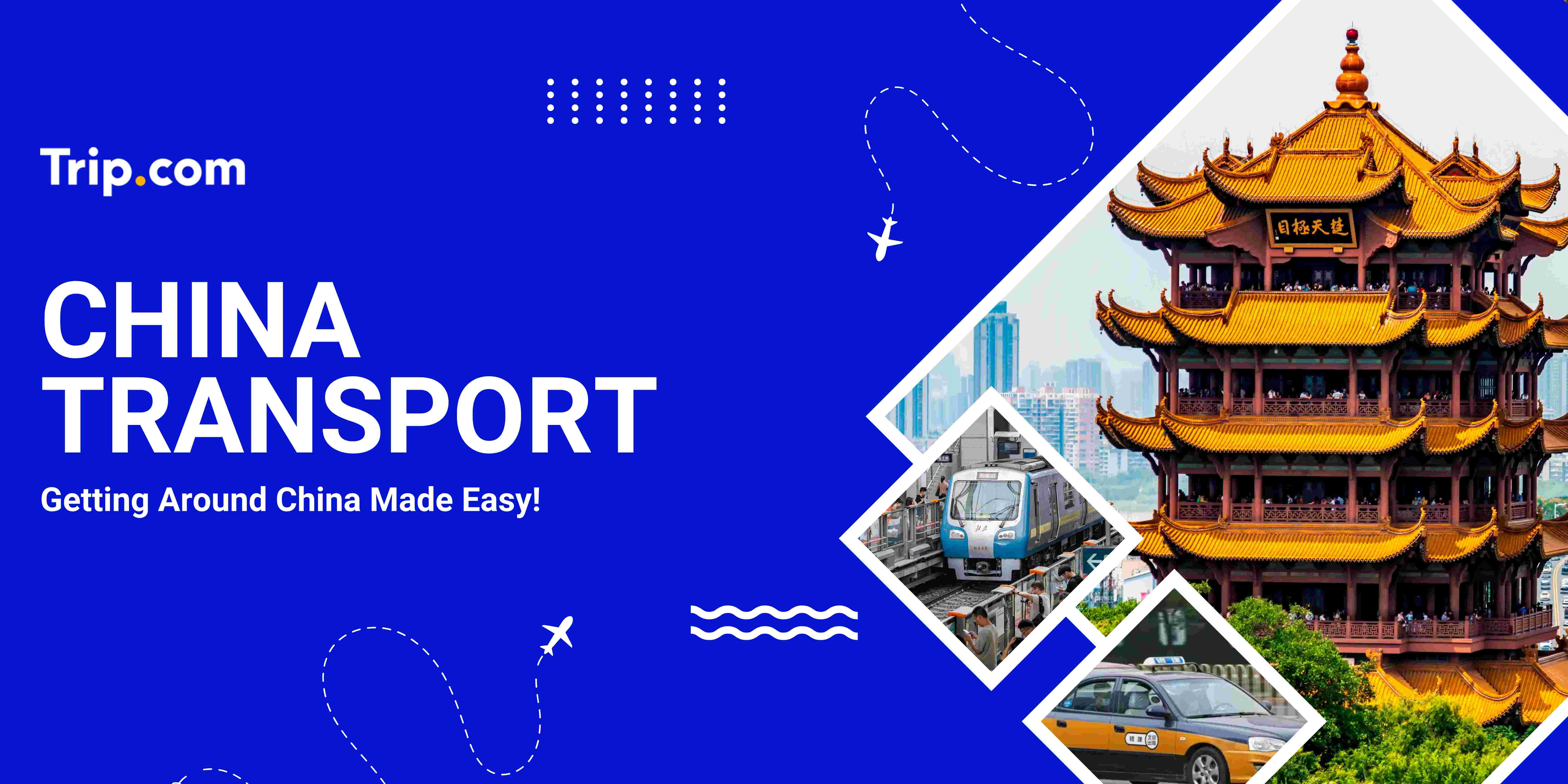
China is a country where tradition meets technology, and that includes its world-class transportation system. Getting around this massive country might look complicated at first, but once you understand the basics, you’ll see how easy and convenient it actually is. Whether you are visiting big cities like Beijing and Shanghai or exploring natural wonders in Zhangjiajie and Guilin, there’s always a way to travel smoothly and comfortably.
For Malaysian travellers, China’s transportation network is surprisingly friendly. Signs in English, online ticket booking, and modern facilities make travelling stress-free. Here’s a full guide to help you get around like a pro.
📝 Getting Around in China: A Malaysian Traveller’s Perspective

As a Malaysian exploring China, I was amazed by how easy and efficient it is to travel across such a vast country. At first, the size of China and its transport network might seem a little intimidating, but once you understand how it works, getting around becomes surprisingly smooth. From modern high-speed trains and convenient metro systems to local buses and reliable ride-hailing services, China’s transportation system is designed for both comfort and convenience. 🚄🚇🚕
🚶♂️ The Experience of Travelling Through China
Travelling in China is a balance between speed and discovery. The cities move fast, yet you’ll always find moments of calm and culture in between. High-speed trains make cross-country trips easy, while city metros connect you directly to famous landmarks, shopping areas, and local markets.
Each region has its own rhythm — in Shanghai, the metro whisks you through modern skyscrapers; in Chengdu, buses glide past teahouses and panda parks; and in Chongqing, monorails twist through the mountains. The system is clean, safe, and well-organized, so whether you’re travelling alone or with family, it’s easy to explore confidently.
🔍 What Are Your Transport Options in China?
🚄 High-Speed Trains – The best way to travel between major cities. Fast, comfortable, and scenic.
✈️ Domestic Flights – Ideal for long distances or cross-province trips.
🚇 Metro Systems – Clean, reliable, and convenient for city travel.
🚌 City Buses – Very affordable, though most routes are in Chinese. Use a map or translation app to navigate.
🚕 Didi & Taxis – Didi (China’s version of Grab) is reliable and available in most cities.
🚶♀️ Walking – Perfect for exploring city centres, old streets, and local food areas.
🚴♂️ Cycling – Bike-sharing apps make it easy to rent a bicycle for short trips.
🚗 Driving – Not recommended for visitors due to strict rules and parking limits in crowded areas.
💬 What You’ll Find Inside This Guide:
🎫 The best transport passes and metro cards to save money and time
📱 Useful apps for booking tickets, navigation, and translation
👨👩👧👦 The most convenient options for families, solo travellers, and seniors
🌦️ How weather and seasons affect travel plans in different regions
📍 Everything you need to know about moving around China — from high-speed rail to city metros and local rides
✈️Domestic Flights – Best for Long-Distance Travel
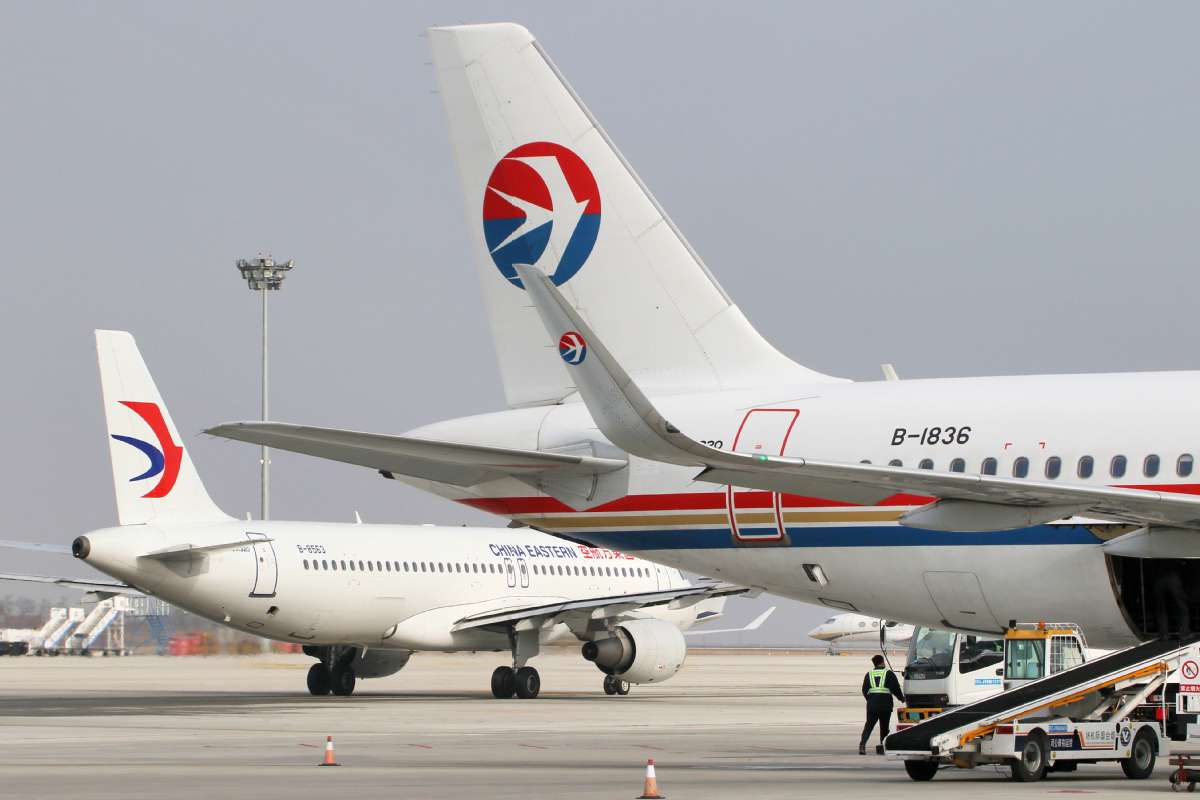
Source: China Daily - Global Edition
China is huge, so sometimes flying is the most practical choice. For instance, travelling from Guangzhou to Harbin (over 2,700 km apart) takes almost 10 hours by train but only 4 hours by flight.
China’s major domestic airlines include:
- Air China (full-service, reliable)
- China Southern Airlines (comfortable, great for long routes)
- China Eastern Airlines (popular for East China routes)
- Spring Airlines (budget-friendly, similar to AirAsia)
Example Flight Routes:
Route | Duration | Airline Options | Fare Range (MYR) |
|---|---|---|---|
Shanghai → Lhasa | 5–6 hours | Air China, Tibet Airlines | RM800–RM1,200 |
Guangzhou → Harbin | 4.5 hours | China Southern, Spring Airlines | RM600–RM900 |
Chengdu → Urumqi | 3.5–4 hours | China Southern, Tianjin Airlines | RM500–RM800 |
Beijing → Kunming | 3 hours | China Eastern, Hainan Airlines | RM400–RM700 |
Tips for Malaysian travellers:
- Book early on Trip.com to lock in lower prices
- Arrive at the airport 2 hours before departure
- Domestic flights often include a free 20kg baggage allowance
- Avoid last-minute bookings during public holidays like Chinese New Year
Recommended Hotels in China
 NO.1
NO.1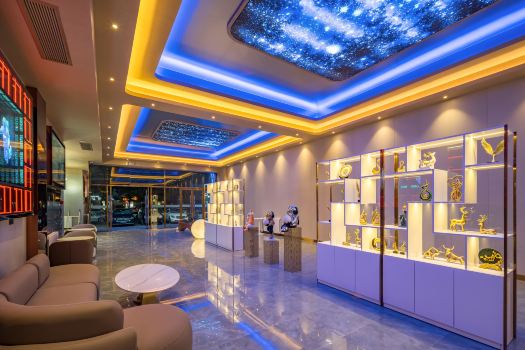





🚊High-Speed Trains – The Heart of China’s Transport System
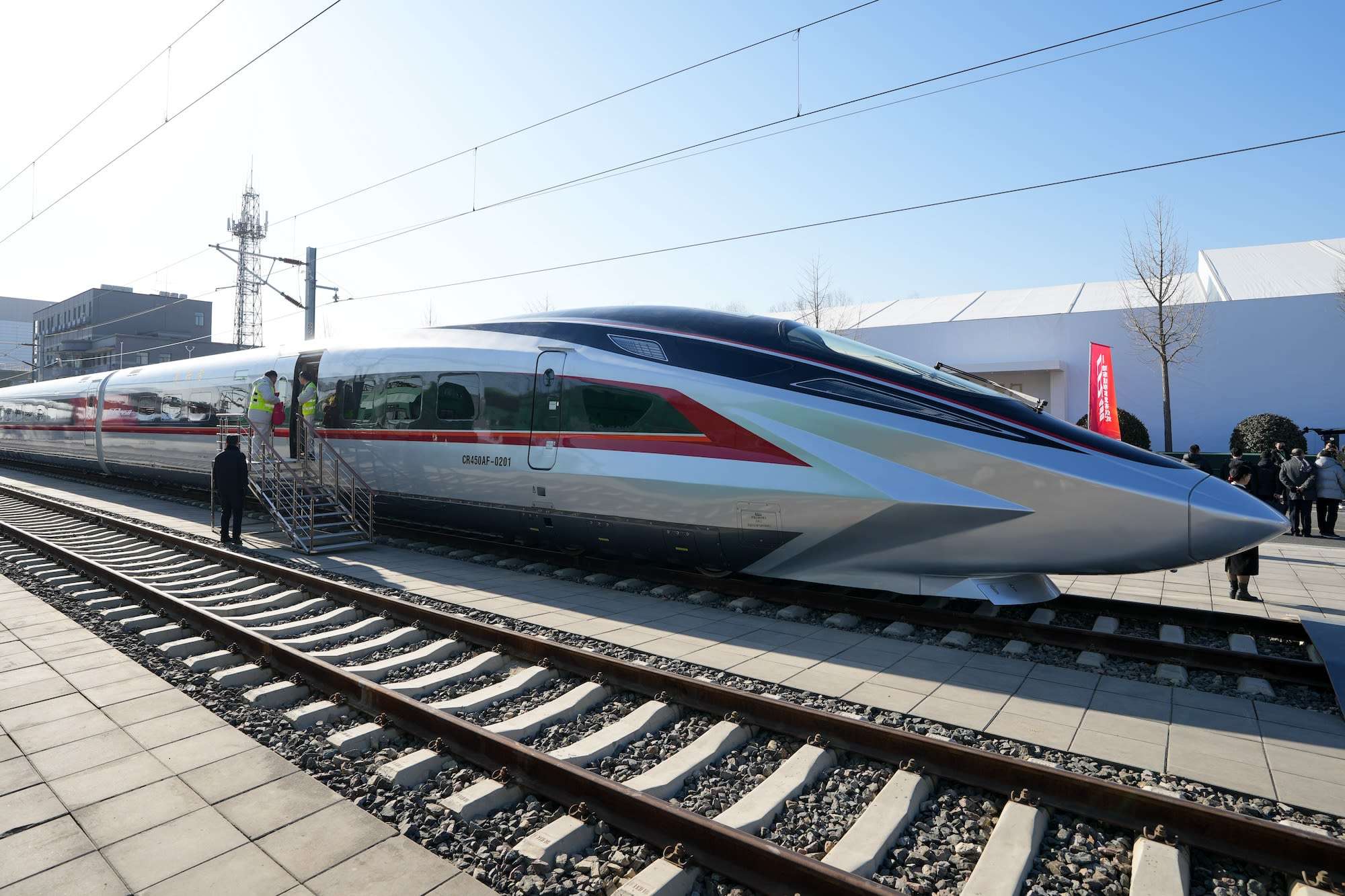
Source: CNN
China’s high-speed train network is one of the largest and fastest in the world. It connects almost every major city and many smaller towns. The trains, known as “Gaotie” (高铁), can reach speeds of up to 350 km/h, offering a quick and comfortable way to travel across long distances.
Why it’s great for Malaysian travellers:
- Signs and announcements are available in English and Mandarin
- You can book tickets on Trip.com using your passport – no need for a Chinese ID
- Clean, comfortable, and always on time
How It Works
There are several classes:
- Second Class: Affordable and comfortable, with 5 seats per row
- First Class: Wider seats, more legroom, quieter environment
- Business Class: Reclining seats like on a plane, ideal for long journeys
Example Train Routes:
Route | Duration | Approx. Fare (MYR) | Notes |
|---|---|---|---|
Beijing → Shanghai | 4.5–6 hours | RM250–RM400 | Smooth, modern, very popular route |
Shanghai → Hangzhou | 45–60 min | RM60–RM120 | Great for a day trip |
Chengdu → Chongqing | 1.5–2 hours | RM90–RM150 | Scenic route through hilly landscapes |
Xi’an → Luoyang | 1.5 hours | RM80–RM120 | Perfect for history lovers visiting ancient sites |
Traveller Tips:
- Arrive at the station 45–60 minutes early for ticket and security checks
- Keep your passport handy for verification
- Bring some snacks and water – food is available onboard but pricier
Many Malaysian travellers prefer high-speed trains because they’re cleaner and more punctual than domestic flights, with amazing countryside views along the way.
Top Things to do in China


![Beijing fotografi pelancongan Taman Beihai [8 cawangan di Beijing · pakaian Han + dandanan/pelbagai pakej boleh dipilih]](https://ak-d.tripcdn.com/images//0586012000rf58x2mFB8B_C_568_320.jpg)



![Pengalaman fotografi pelancongan Beijing [pakaian Hanfu klasik + sewa pakaian + fotografi iringan jurugambar + dandanan/gaya rambut halus]](https://ak-d.tripcdn.com/images/0351212000o6b6s4qDDEE_C_568_320.jpg)
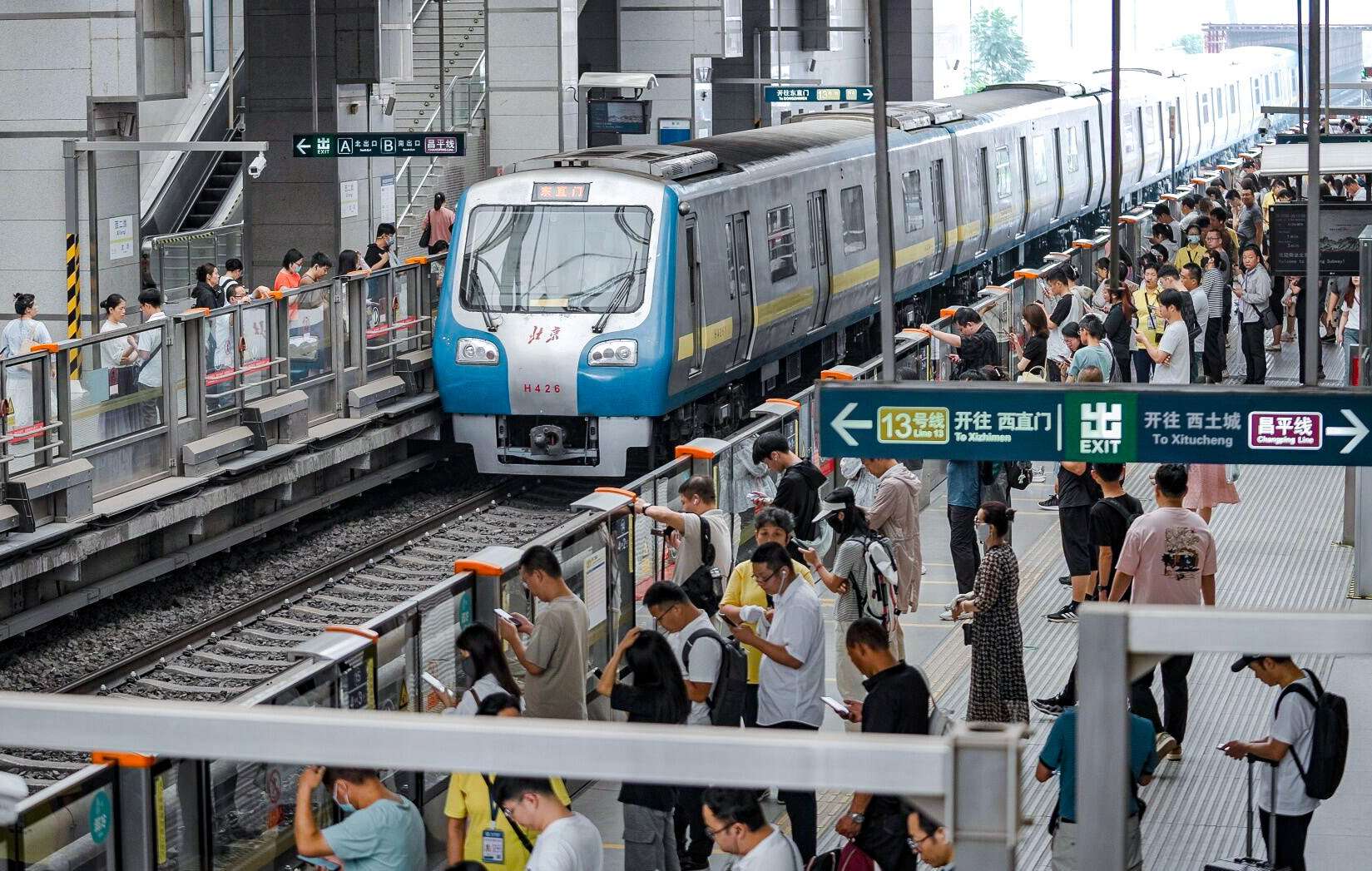
🚄Metro Systems – Easy, Cheap, and Convenient
Source: South China Morning Post
China’s metro systems are some of the best in Asia. They are clean, safe, and easy to navigate. In cities like Beijing, Shanghai, Chengdu, Guangzhou, and Chongqing, the metro is the fastest and cheapest way to get around.
City | Number of Lines | Operating Hours | Fare Range (MYR) | Key Tourist Stops |
|---|---|---|---|---|
Shanghai | 19 | 5:30 AM – 11:00 PM | RM2–RM8 | The Bund, Disneyland, Nanjing Road |
Beijing | 27 | 5:00 AM – 11:30 PM | RM2–RM9 | Forbidden City, Temple of Heaven |
Chengdu | 13 | 6:00 AM – 11:30 PM | RM1.50–RM7 | Panda Research Base, Jinli Street |
Chongqing | 12 | 6:00 AM – 11:00 PM | RM2–RM8 | Hongya Cave, Liziba Monorail |
How to Use It:
- Buy a single-journey ticket at machines (English language available)
- Or purchase a metro card for convenience if you stay several days
- You can also pay with Alipay or WeChat Pay if set up beforehand
Tip: Avoid rush hours (7:30–9:30 AM, 5:00–7:00 PM). Trains can get very crowded in major cities.
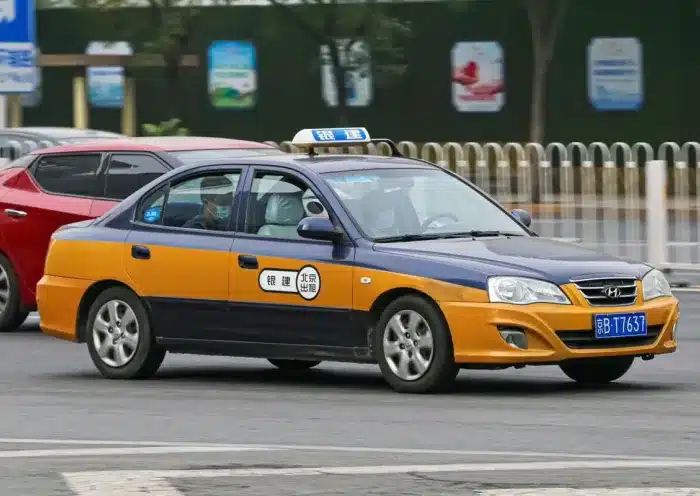
🚕Taxis – Great for Short Trips
Source: China tours
For shorter distances, city buses and taxis are ideal. Buses are extremely cheap (around RM1–RM4 per ride) and reach almost every corner of the city. However, most routes are in Chinese, so it’s best to check Trip.com maps or Google Maps first.
Taxis are metered, comfortable, and easy to find. In cities like Shanghai and Chengdu, they are quite reliable.
Type | Starting Fare (MYR) | Suitable For | Tips |
|---|---|---|---|
City Bus | RM1–RM4 | Short trips within the city | Keep small change ready |
Taxi | RM7–RM10 | City rides or airport transfers | Write your destination in Chinese |
Ride-hailing (DiDi) | Varies | More convenience | App available in English |
Traveller Tip:
If you’re not confident speaking Mandarin, use the DiDi app, which supports English and works like Grab in Malaysia. You can pay by card or cash depending on the driver.
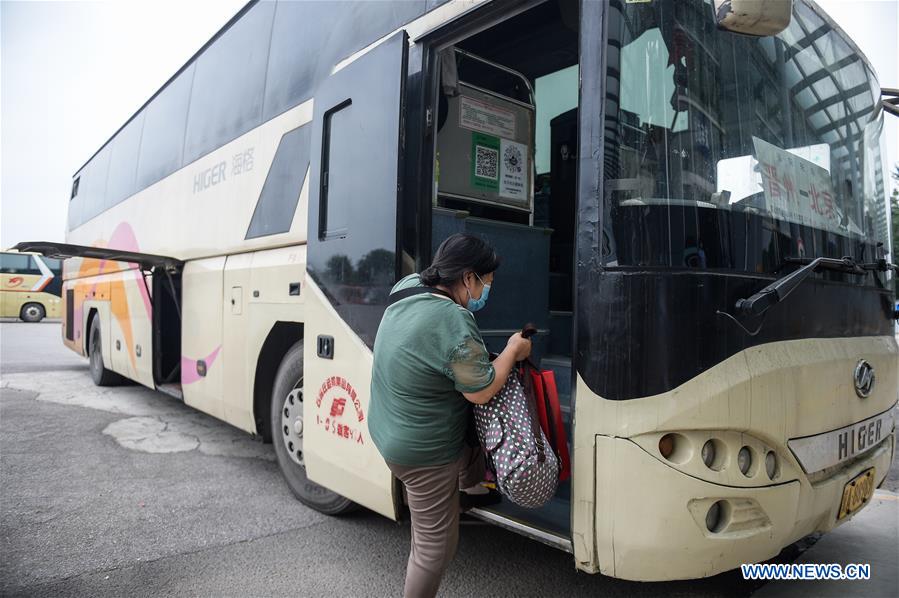
🚌Intercity Buses – Slower but More Scenic
Source: People's Daily
Intercity buses are a good choice if you plan to explore smaller towns or rural attractions that are not connected by trains. The buses are air-conditioned and comfortable, with fixed seats and luggage space.
Route | Duration | Fare (MYR) | Notes |
|---|---|---|---|
Guilin → Yangshuo | 1.5 hours | RM20–RM40 | Great for countryside views |
Zhangjiajie → Fenghuang | 3 hours | RM40–RM70 | Scenic mountain roads |
Hangzhou → Huangshan | 3 hours | RM60–RM90 | Convenient for visiting Yellow Mountain |
Tips:
- Buy tickets at bus terminals or through Trip.com
- Double-check departure time – not all buses run frequently
- Bring snacks, water, and tissues
- Try to avoid travelling late at night
Practical Tips for Travelling to China

Travelling around China is easy once you know the basics. Here are some quick tips to make your journey smoother:
1. Carry Your Passport
You’ll need it to buy or collect train and flight tickets, check into hotels, and pass security checks. Keep it somewhere safe and easy to reach.
2. Use the Trip.com App
The Trip.com app is your best travel buddy. You can book flights, trains, and hotels, check real-time schedules, and pay with Malaysian cards.
3. Download Google Translate or Pleco
Not everyone speaks English, especially outside big cities. These apps help translate signs, menus, and conversations — even offline.
4. Keep Small Notes and Coins
Many places accept Alipay or WeChat Pay, but small shops and buses may only take cash. Keep a few 1, 5, and 10 RMB notes for local use.
5. Avoid Peak Travel Times
During Chinese New Year or Golden Week, trains and flights get full fast. Book at least two weeks ahead and avoid the first and last days of holidays.
6. Stay Connected
Get a local SIM card or rent portable Wi-Fi to use maps and apps easily. It helps when booking rides or finding directions on the go.
7. Learn a Few Mandarin Words
Simple phrases like “Ni hao” (hello) or “Xiexie” (thank you) go a long way. Locals appreciate the effort and are usually happy to help.
Flights from Kuala Lumpur to Beijing
- Pergi Balik
- Sehala
 KUL15:1019j 15m1 stopsPEK10:25Kuala Lumpur - Beijing|Rab, 28 Okt|Sichuan AirlinesPEK20:1517j 55m1 stopsKUL14:10Beijing - Kuala Lumpur|Jum, 30 Okt|Sichuan Airlines€ 208€ 29830% offCari30% off€ 298€ 208
- KUL00:4514j 50m1 stopsPEK15:35Kuala Lumpur - Beijing|Ahd, 25 Okt|Sichuan AirlinesPEK08:3014j 50m1 stopsKUL23:20Beijing - Kuala Lumpur|Sel, 27 Okt|Sichuan Airlines€ 208€ 29830% offCari30% off€ 298€ 208
- KUL00:4514j 50m1 stopsPEK15:35Kuala Lumpur - Beijing|Sab, 31 Okt|Sichuan AirlinesPEK20:1517j 55m1 stopsKUL14:10Beijing - Kuala Lumpur|Isn, 2 Nov|Sichuan Airlines€ 208€ 29830% offCari30% off€ 298€ 208
 KUL13:0014j 50mTanpa hentiBJS14:00Kuala Lumpur - Beijing|Mon, Sep 6|Normal Airline
 BJS13:0014j 50mTanpa hentiKUL14:00Beijing - Kuala Lumpur|Mon, Sep 6|Normal AirlineCari Penerbangan LainCari Penerbangan Lain
Travel Smart and Explore China with Confidence
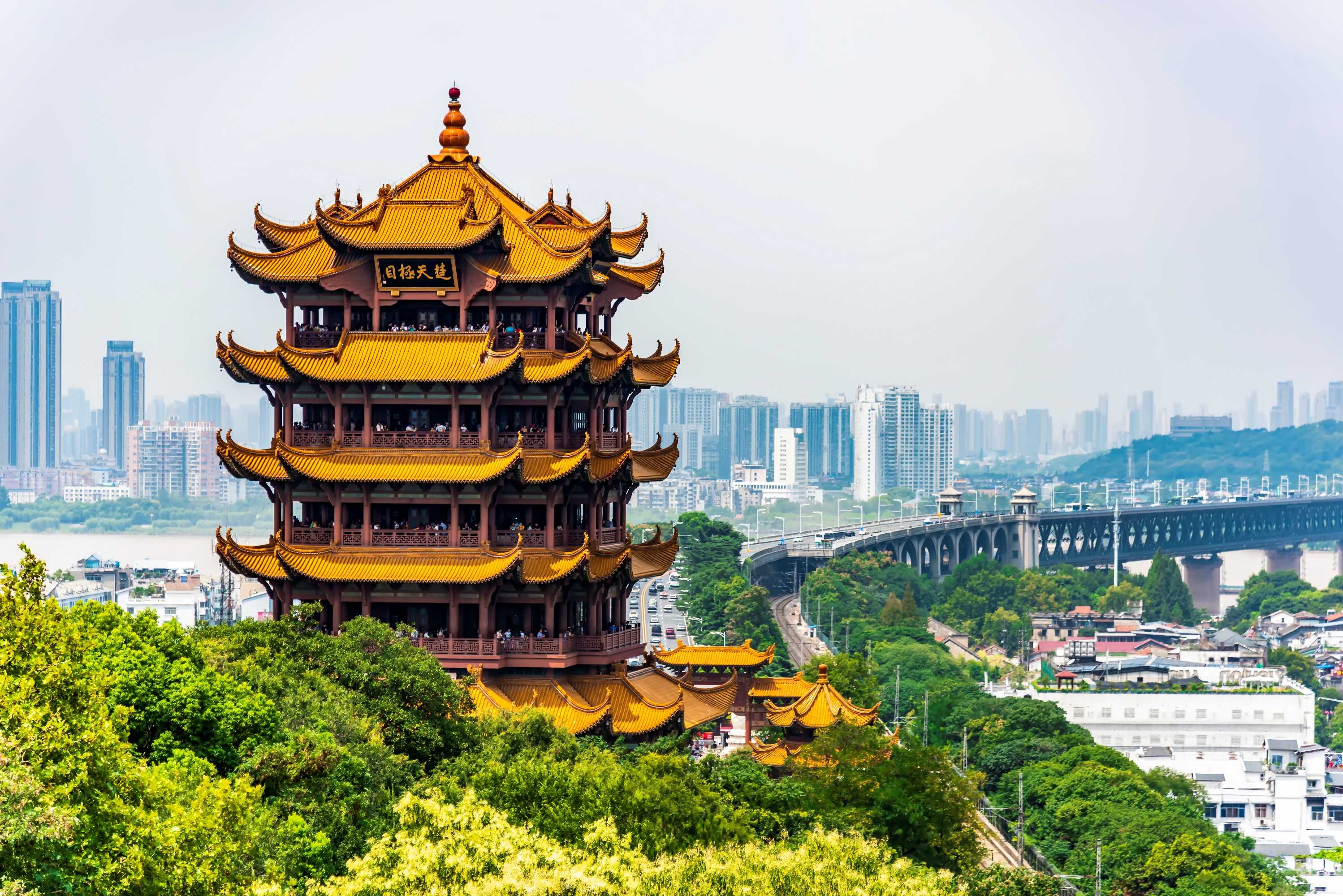
Travelling across China may sound challenging, but it’s actually one of the most rewarding experiences for Malaysian travellers. Whether you’re racing across cities on a high-speed train, gliding through metro tunnels beneath Shanghai, or taking a bus through mountain valleys in Zhangjiajie, every journey shows you a new side of China.
With modern, reliable, and affordable transportation, exploring China has never been easier. From city lights to countryside charm, all you need to do is plan your route and enjoy the ride.
Book your trains, flights, and transfers easily on Trip.com – your trusted partner for smooth, worry-free travel in China.
👉 Get Trip.com Exclusive Offers
👉Download the Trip.com App Now!
FAQs: China Transportation
-
Is it easy for Malaysian travellers to get around in China?
-
Can I use my Malaysian bank card to buy tickets in China?
-
Do I need to know Mandarin to travel in China?
-
What’s the best way to travel between cities in China?