

Hanoi Transportation Guide


Getting around Hanoi is generally convenient and affordable, with plenty of transportation options available for travellers. The city is known for its lively streets, energetic traffic flow, and a transportation system that ranges from modern ride-hailing services to traditional modes like cyclos. Malaysian travellers will immediately notice that Hanoi’s roads are filled with motorbikes, which are the primary mode of transport for locals. This creates a bustling atmosphere, especially during peak hours, but it also reflects how dynamic and accessible the city is.
Despite the busy streets, moving around Hanoi is quite manageable once you understand the available choices. Options such as Grab, taxis, buses, and the Hanoi Metro offer reliable and cost-effective ways to explore the city. Most transportation methods are budget-friendly compared to Malaysia, making it easy for travellers to get from one attraction to another without spending much. With a bit of planning and awareness of local traffic conditions, Malaysian travellers can navigate Hanoi comfortably and enjoyably.
Airport Bus from Noi Bai Airport to Hanoi City
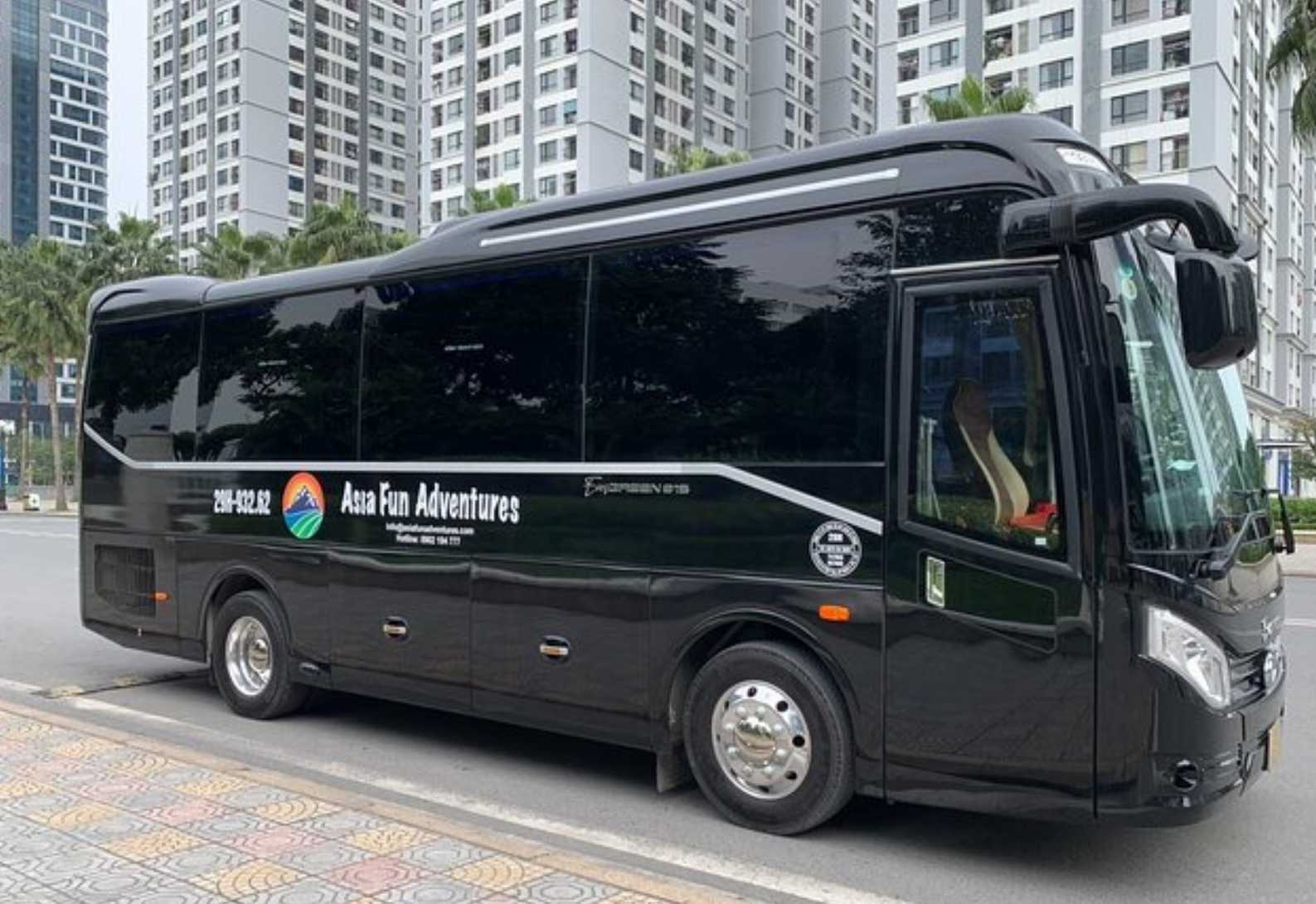
Travelling from Noi Bai International Airport to Hanoi City by airport bus is one of the most affordable and convenient options for Malaysian travellers. The buses are reliable, comfortable, and operate frequently throughout the day. They stop at major areas around Hanoi, making them suitable for travellers heading to the Old Quarter, Hoan Kiem, Ba Dinh, or the city centre.
Airport buses are well-maintained and equipped with air-conditioning, offering a smooth ride even during peak traffic hours. For Malaysians who prefer a budget-friendly transfer, this is an excellent choice. The fares are significantly cheaper compared to taxis or private transfers, and the routes cover many key tourist areas.
Common Airport Bus Routes and Prices
| Bus Number | Route Overview | Final Stop / Key Stops | Operating Hours | Fare (VND) | Approx. Fare (MYR) |
|---|---|---|---|---|---|
Bus 86 (Orange Bus) | Noi Bai Airport → City Centre | Hanoi Railway Station, Hoan Kiem Lake, Old Quarter | 6:00 AM – 10:00 PM | 45,000 VND | RM 8.50 |
Bus 07 | Noi Bai Airport → Cau Giay District | Noi Bai → Thang Long Bridge → Cau Giay | 5:00 AM – 10:00 PM | 8,000 VND | RM 1.50 |
Bus 17 | Noi Bai Airport → Long Bien (near Old Quarter) | Noi Bai → Dong Anh → Long Bien Bus Station | 5:00 AM – 9:30 PM | 9,000 VND | RM 1.70 |
Bus 109 | Noi Bai Airport → My Dinh Bus Station | Airport → Kim Ma → My Dinh | 5:00 AM – 10:00 PM | 30,000 VND | RM 5.50 |
Bus 90 | Noi Bai Airport → Kim Ma Bus Station | Airport → Nhat Tan Bridge → Kim Ma | 6:00 AM – 10:00 PM | 8,000 VND | RM 1.50 |
For Malaysian travellers, Bus 86 is generally the most recommended option, especially for those visiting Hanoi for the first time or staying in the Old Quarter. It offers a direct and convenient route to the city centre, making the journey simple and stress-free.
Travellers should note that payment for airport buses is made directly to the bus staff in cash. It is a good idea to carry small notes to avoid any issues with change. The buses are air-conditioned, comfortable, and equipped to handle luggage, making them a safe and reliable choice for getting from the airport into the city.
🔥Up to 20% OFF on New Hotels

Grab in Hanoi
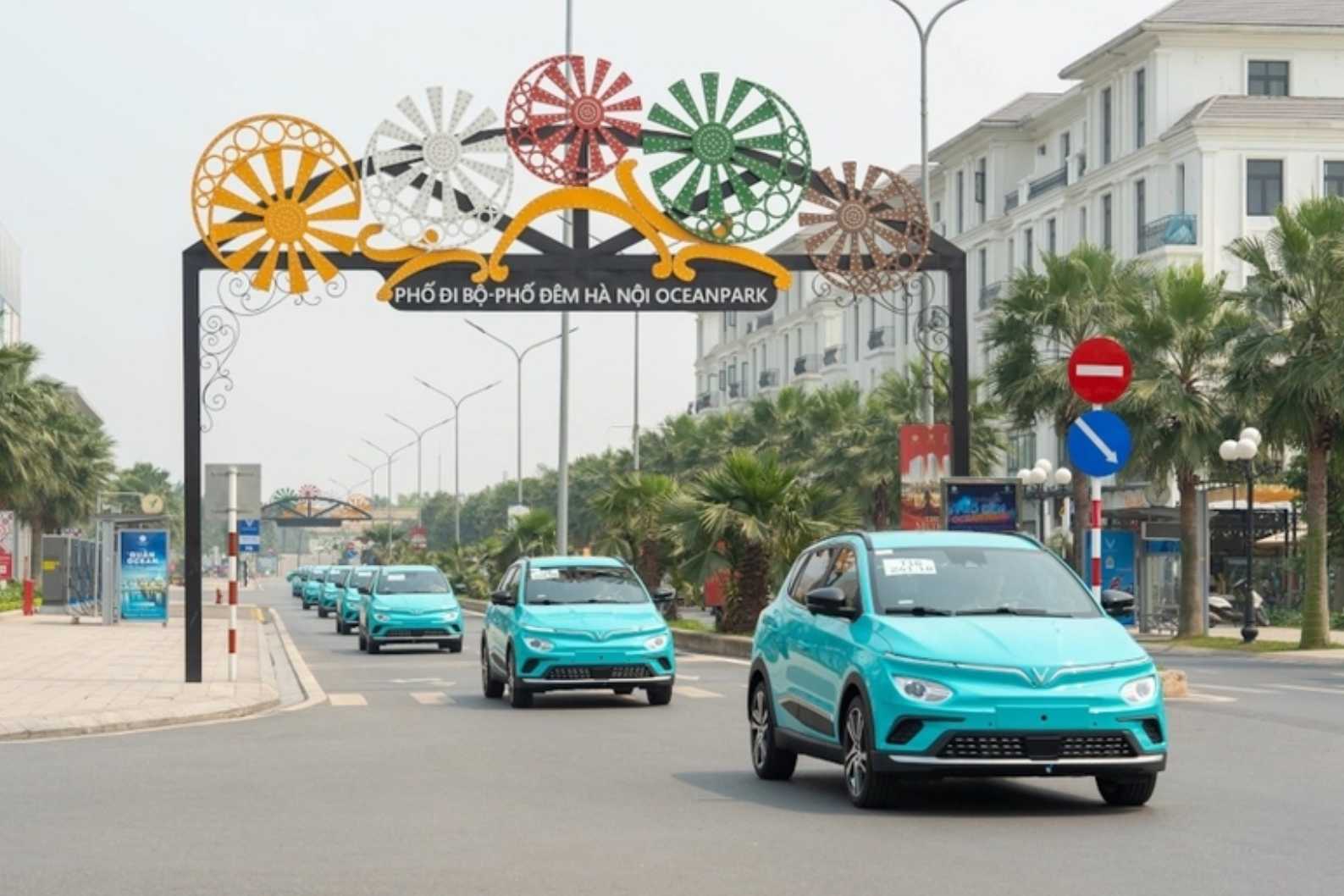
Grab is one of the most convenient and reliable transportation options for Malaysian travellers in Hanoi. The service is widely available across the city, including the Old Quarter, Hoan Kiem, Ba Dinh, and major tourist attractions. Grab’s availability makes it easy for travellers to move around without worrying about language barriers, as all bookings and drop-off locations are handled directly through the app. Compared to taxis, Grab often provides clearer pricing and a more comfortable travel experience.
Travellers can choose between GrabCar and GrabBike depending on their preference. GrabCar is ideal for those who want comfort, privacy, and space for luggage. It is especially suitable for families or travellers carrying shopping bags or larger items. GrabBike, on the other hand, is popular among solo travellers who want a quick and affordable way to navigate through Hanoi’s busy streets. It is faster during peak hours but may not be suitable for those travelling with large bags.
Common Grab Routes and Approximate Prices
| Route | GrabCar Price (VND) | Approx. Price (MYR) | GrabBike Price (VND) | Approx. Price (MYR) |
|---|---|---|---|---|
Noi Bai Airport → Old Quarter | 250,000 – 350,000 | RM 45 – RM 63 | 120,000 – 150,000 | RM 22 – RM 27 |
Old Quarter → Ho Chi Minh Mausoleum | 40,000 – 60,000 | RM 7 – RM 11 | 20,000 – 30,000 | RM 4 – RM 6 |
Old Quarter → West Lake (Tay Ho) | 60,000 – 90,000 | RM 11 – RM 16 | 25,000 – 40,000 | RM 4.50 – RM 7 |
Old Quarter → Hanoi Railway Station | 30,000 – 50,000 | RM 5.50 – RM 9 | 15,000 – 25,000 | RM 3 – RM 4.50 |
Old Quarter → Lotte Observation Deck | 80,000 – 110,000 | RM 14 – RM 20 | 35,000 – 50,000 | RM 6 – RM 9 |
Grab accepts both cash and card payments, offering flexibility to Malaysians. However, card payment availability may vary depending on the driver, and some travellers have reported that cash is preferred. To avoid issues, it is advisable to have enough cash (Vietnamese dong) on hand. For Malaysians new to using Grab in Vietnam, always double-check the vehicle’s number plate before boarding, confirm the driver’s name, and ensure that the pick-up location is accurately pinned on the app to prevent delays.
Recommended Hotels in Hanoi
5 star
Business travel
Breakfast
Taxi in Hanoi
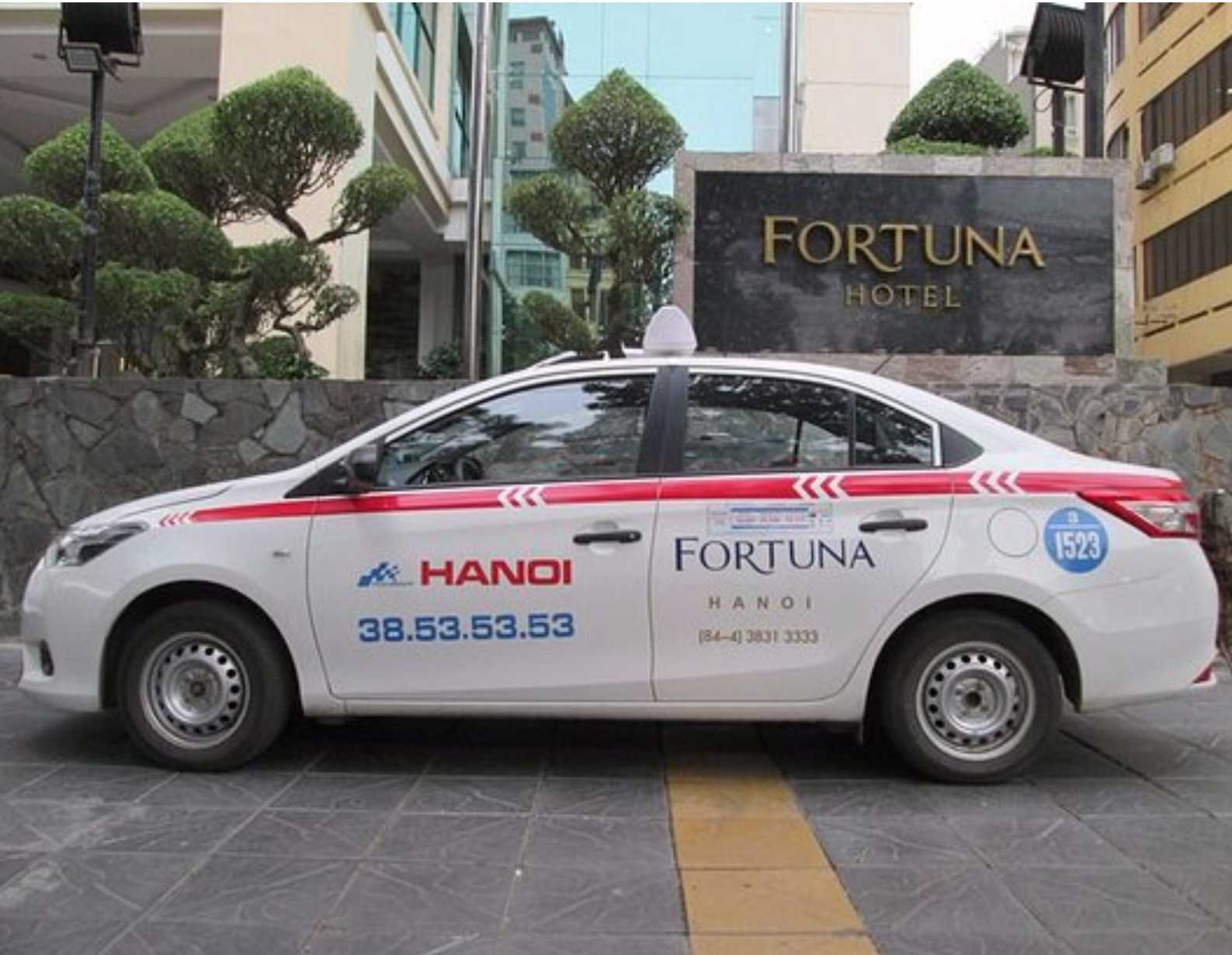
Taxis are a widely used mode of transportation in Hanoi and offer a comfortable and straightforward option for Malaysian travellers. They are especially convenient for those carrying luggage, travelling in groups, or preferring a door-to-door transfer without needing to navigate mobile apps. Reputable taxi companies in Hanoi generally use meters, which helps ensure fair pricing and avoids misunderstandings. However, travellers should still remain cautious, as unlicensed taxis do exist in certain areas, especially near tourist hotspots.
Most Malaysians will find that taxis in Hanoi are more affordable than those in major Malaysian cities. Well-known companies such as Mai Linh and G7 Taxi are recognised for reliability, trained drivers, and proper fare meters. It is recommended that travellers look for taxis with clear branding and official company logos. If possible, choose taxis waiting at designated stands rather than accepting rides from drivers who approach you directly, as this reduces the risk of overcharging.
| Route | Typical Fare (VND) | Approx. Price (MYR) |
|---|---|---|
Noi Bai Airport → Old Quarter | 350,000 – 450,000 | RM 63 – RM 82 |
Noi Bai Airport → West Lake (Tay Ho) | 300,000 – 400,000 | RM 55 – RM 73 |
Old Quarter → Hanoi Railway Station | 40,000 – 70,000 | RM 7 – RM 13 |
Old Quarter → Ho Chi Minh Mausoleum | 50,000 – 80,000 | RM 9 – RM 15 |
Old Quarter → Lotte Observation Deck | 90,000 – 130,000 | RM 16 – RM 23 |
Old Quarter → West Lake (Tay Ho) | 70,000 – 110,000 | RM 13 – RM 20 |
Paying for taxis is simple, as most rides are settled in cash. Some modern taxis may accept card payments, but the feature is not consistently available, so having Vietnamese dong ready is essential. To avoid any issues, Malaysian travellers should confirm that the meter is running before the journey begins. If the driver refuses to use the meter, it is best to politely decline and choose another taxi instead.
🔥Popular Attractions Around the World Deal
Discover the world's popular attractions, theme parks, and activities! Enjoy extra savings up to RM70 OFF for selected products!

Public Buses in Hanoi
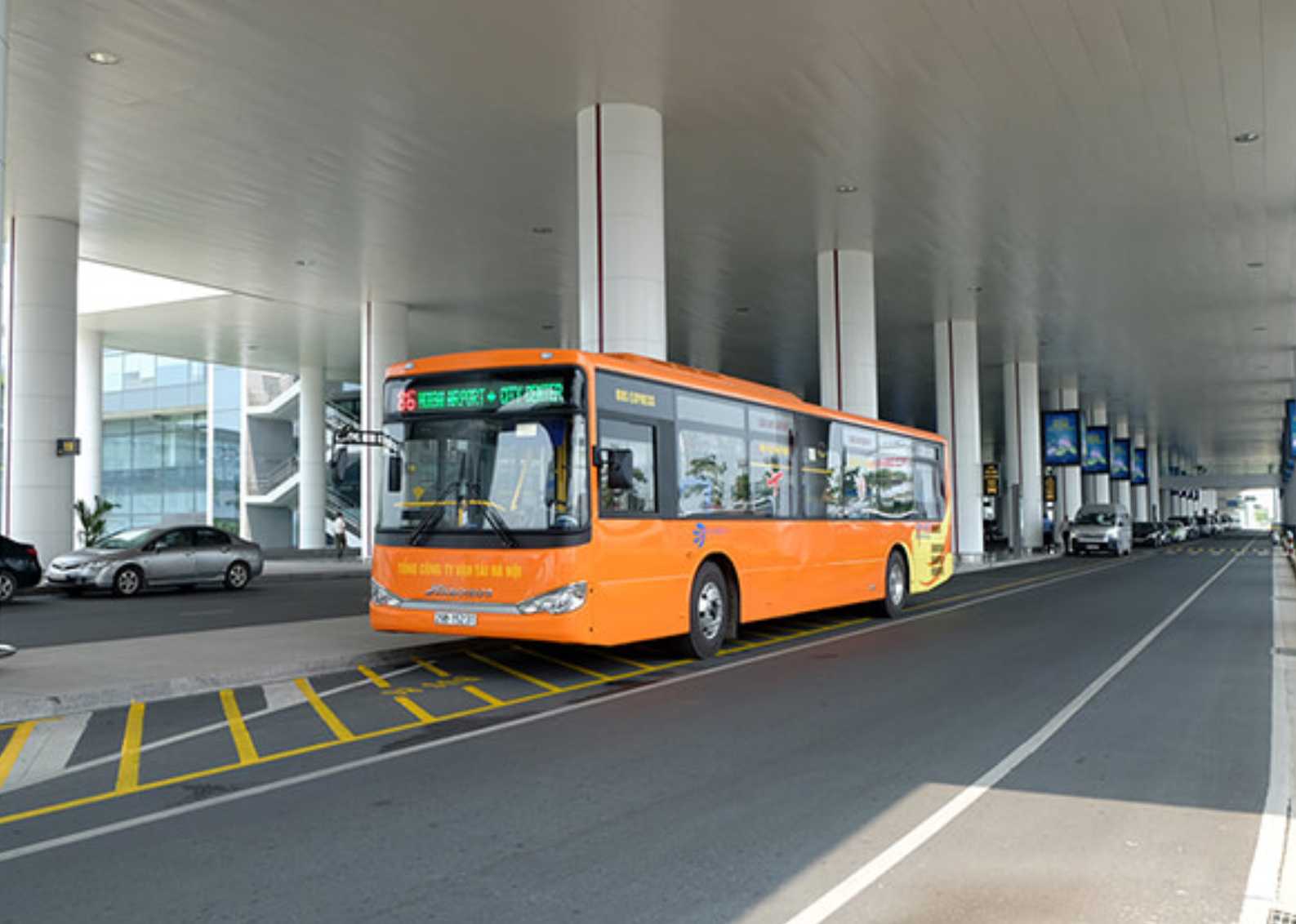
Public buses are one of the most economical ways to travel around Hanoi, making them ideal for Malaysian travellers who want to save on transportation costs. The city’s bus network is extensive, connecting the Old Quarter, Hoan Kiem, Ba Dinh, West Lake, and various suburban districts. Although buses may not be as fast as Grab or taxis due to traffic and multiple stops, they remain a reliable option for travellers who prefer budget-friendly transport.
Buses in Hanoi are generally clean, air-conditioned, and safe for daily travel. However, the main challenge for Malaysians may be the language barrier, as most bus signs and announcements are in Vietnamese. Despite this, Google Maps provides accurate bus routes and stop names, making it easier for travellers to navigate. Buses are also popular among students and locals, so they may be crowded during peak hours. Paying in cash is common, so it is advisable to carry small denominations for convenience.
Common Public Bus Routes and Approximate Prices
| Bus Number | Route Overview | Key Stops / Final Destination | Operating Hours | Fare (VND) | Approx. Fare (MYR) |
|---|---|---|---|---|---|
Bus 01 | Old Quarter → Long Bien → Gia Lam | Hoan Kiem, Long Bien Bridge, Gia Lam | 5:30 AM – 10:00 PM | 7,000 VND | RM 1.30 |
Bus 02 | Noi Bai Airport → Hoan Kiem | Airport → Dong Anh → Old Quarter | 5:00 AM – 10:00 PM | 8,000 VND | RM 1.50 |
Bus 09 | Old Quarter → West Lake (Tay Ho) | Hoan Kiem → Truc Bach → Tay Ho | 5:30 AM – 9:30 PM | 10,000 VND | RM 1.80 |
Bus 17 | Noi Bai Airport → Long Bien | Airport → Dong Anh → Long Bien | 5:00 AM – 9:30 PM | 9,000 VND | RM 1.70 |
Bus 34 | Old Quarter → Hanoi Railway Station | Hoan Kiem → Le Duan → Railway Station | 5:30 AM – 9:00 PM | 8,000 VND | RM 1.50 |
Public buses are ideal for Malaysian travellers who are looking for a very affordable way to explore Hanoi while experiencing the city like a local. Using a route app and keeping small change handy will make the journey smoother and more convenient.
Flights from Kuala Lumpur to Hanoi
Hanoi Metro
Source: Systra
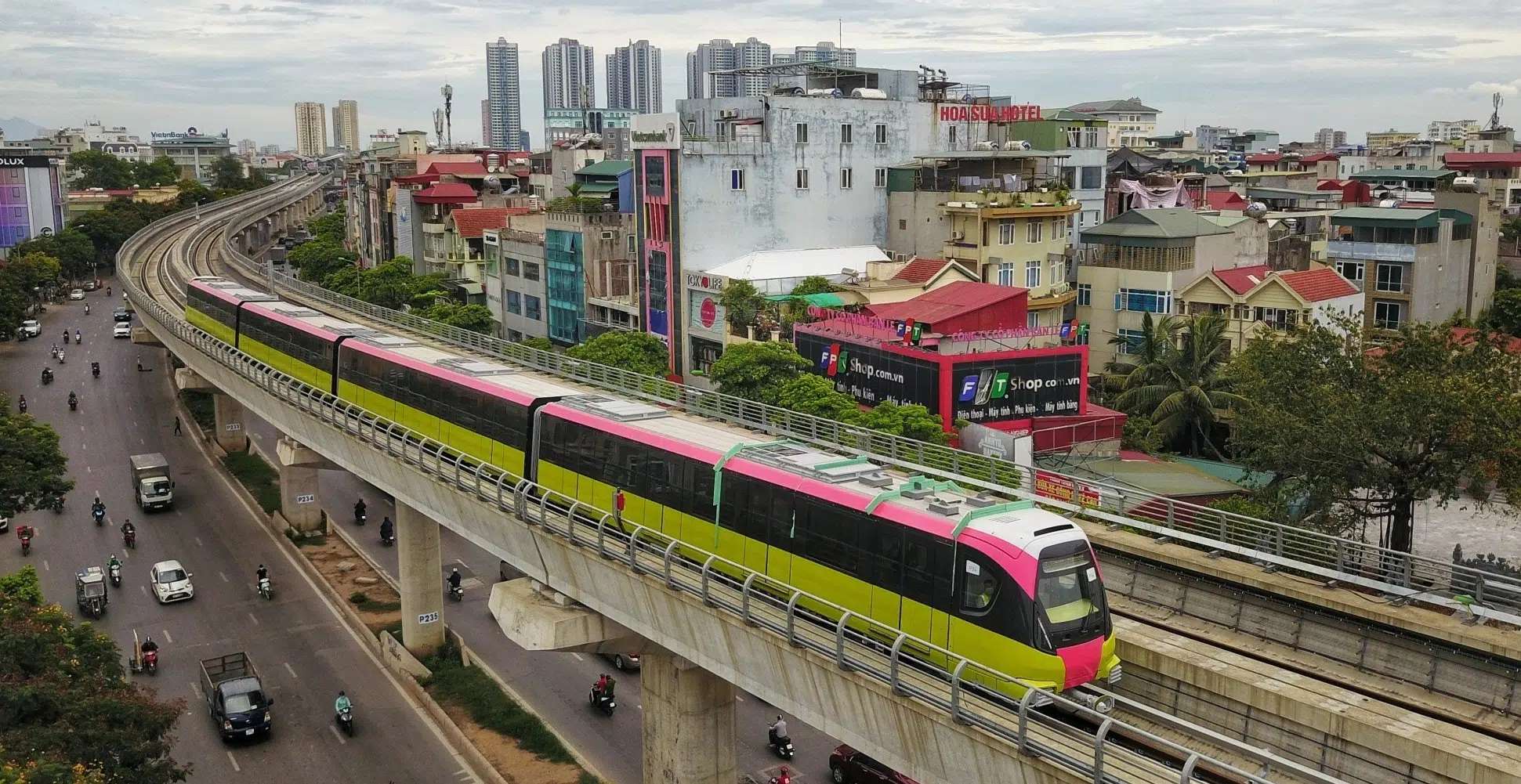
Hanoi Metro is a modern and efficient way to travel around the city, especially for Malaysian travellers looking for a comfortable, air-conditioned alternative to buses or taxis. Although the metro network is still expanding, the currently operational lines connect key areas of the city and provide a reliable option for avoiding traffic congestion. The trains are punctual, safe, and equipped with clear signage in both Vietnamese and English, making navigation straightforward for first-time visitors.
The metro is particularly convenient for travellers staying near major districts such as the Old Quarter, Hoan Kiem, and Cau Giay. Tickets are affordable, and fares are determined based on the distance travelled. For Malaysians who may not be familiar with public transport systems in Vietnam, the metro is a highly recommended option due to its ease of use and predictability.
Hanoi Metro Lines
| Line | Key Stops | Operating Hours | Fare (VND) | Approx. Fare (MYR) |
|---|---|---|---|---|
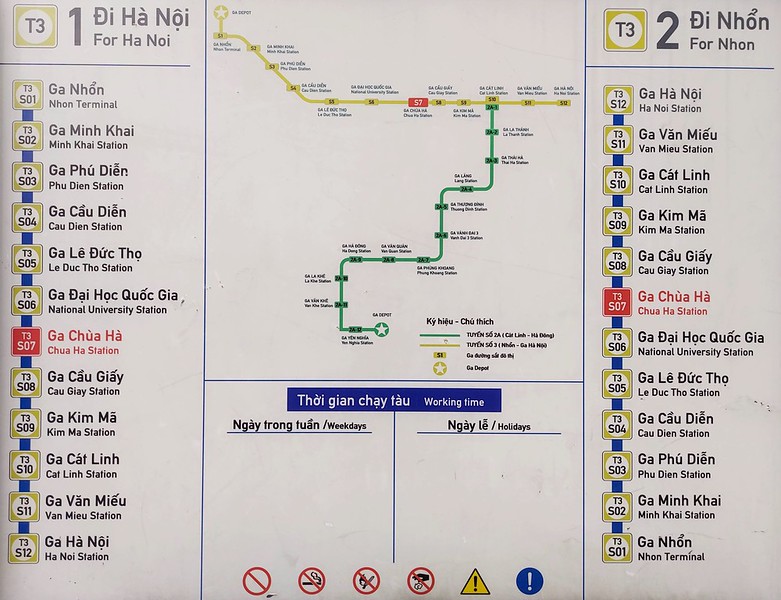
Line 2A (Cat Linh – Ha Dong) | Cat Linh, La Khe, Van Chuong, Ha Dong | 5:00 AM – 10:00 PM | 7,000 – 15,000 VND | RM 1.30 – RM 2.70 |
Line 3 (Nhon – Hanoi Railway Station) | Nhon, Kim Ma, Hanoi Railway Station | 5:00 AM – 10:00 PM | 8,000 – 20,000 VND | RM 1.50 – RM 3.60 |
The metro is easy to navigate even for those who do not speak Vietnamese. Tickets can be purchased at ticket counters or vending machines at stations, and it is advisable to keep small change ready for convenience. Most stations provide English announcements and signage, which helps in identifying stops and exits. The metro is safe, reliable, and a very affordable way to reach major areas quickly, making it an ideal choice for Malaysians who want to avoid traffic and travel comfortably.
🔥Limited Time Only: RHB Mastercard Travel Promo
Travel the world and enjoy 15% OFF (up to RM200) hotel bookings worldwide when you pay with your RHB Mastercard. Pack your bags — your next getaway is calling!

Motorbike and Car Rentals in Hanoi
Renting a motorbike in Hanoi is a popular option for locals and adventurous travellers who are comfortable navigating the city’s busy streets. However, for Malaysian travellers who are not experienced with Vietnam’s traffic conditions, renting a motorbike can be challenging and potentially risky. Hanoi’s streets are often crowded with motorbikes, cars, bicycles, and pedestrians, and traffic rules are not always strictly enforced. For those confident in riding a motorbike, rental shops in the Old Quarter and around major tourist areas offer daily or weekly rentals at affordable rates. Always check that the motorbike is in good condition, carry a valid international driving licence, and wear a helmet at all times.
| Route / Trip | Rental Type | Duration / Distance | Price (VND) | Approx. Price (MYR) |
|---|---|---|---|---|
Hanoi Old Quarter → Hoan Kiem Lake | Daily Rental | 5 km | 120,000 – 150,000 VND | RM 22 – RM 27 |
Old Quarter → West Lake (Tay Ho) | Daily Rental | 8 km | 150,000 – 200,000 VND | RM 27 – RM 36 |
Old Quarter → Hanoi Railway Station | Daily Rental | 4 km | 100,000 – 130,000 VND | RM 18 – RM 24 |
Full Day Hanoi City Tour | Daily Rental | 30–40 km | 200,000 – 250,000 VND | RM 36 – RM 45 |
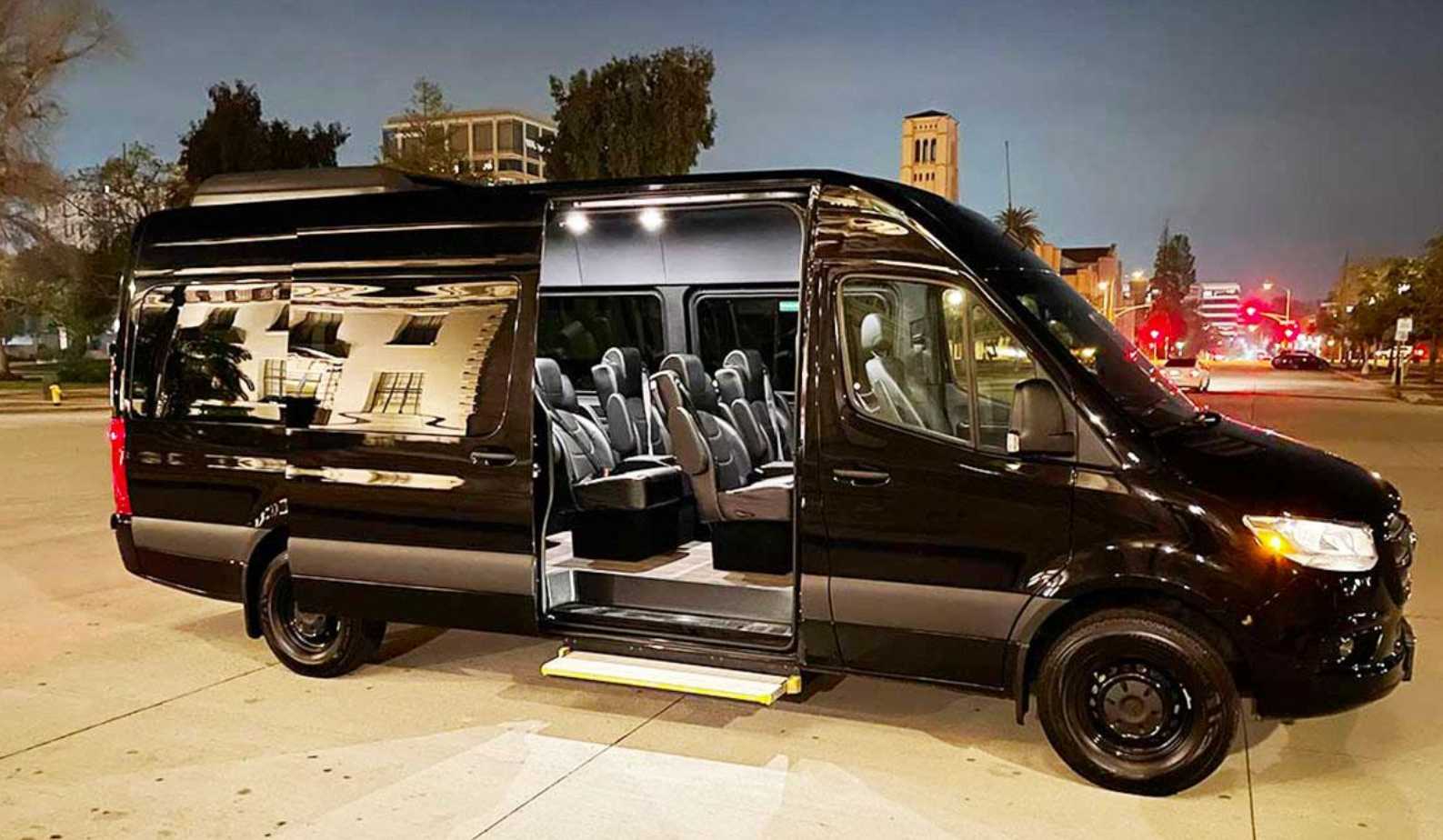
Car rentals, on the other hand, are suitable for families or groups who prefer comfort, privacy, and safety while travelling around Hanoi or taking day trips to nearby destinations such as Ninh Binh, Ha Long Bay, or Sapa. Cars can be rented with or without a driver, and hiring a car with a driver is often recommended for Malaysian travellers unfamiliar with local traffic rules. Renting a car provides flexibility, convenience, and a stress-free experience, especially for longer journeys.
| Route / Trip | Rental Type | Duration / Distance | Price (VND) | Approx. Price (MYR) |
|---|---|---|---|---|
Noi Bai Airport → Old Quarter | Car with Driver | 30 km | 500,000 – 700,000 VND | RM 90 – RM 127 |
Hanoi Old Quarter → West Lake | Self-Drive / With Driver | 8 km | 350,000 – 500,000 VND | RM 63 – RM 90 |
Hanoi Old Quarter → Ha Long Bay (Day Trip) | Car with Driver | 170 km one-way | 1,500,000 – 2,000,000 VND | RM 270 – RM 360 |
Hanoi Old Quarter → Ninh Binh (Day Trip) | Car with Driver | 95 km one-way | 900,000 – 1,200,000 VND | RM 162 – RM 218 |
Motorbike rentals are ideal for short trips within Hanoi for those confident in local traffic conditions, while car rentals provide a safer and more comfortable option for longer journeys or for travellers carrying luggage. Malaysian travellers should carefully assess their comfort level before choosing a motorbike rental and consider hiring a car with a driver for convenience and safety.
🔥Fly to the Philippines
Enjoy SEA Travel with weekly promo codes on WednesdaysSave 12% on flights and RM50 on hotels!

Cyclos & Electric Buggies

Cyclos and electric buggies are unique and leisurely ways to explore Hanoi, offering Malaysian travellers a chance to experience the city at a slower pace while enjoying scenic views. Cyclos are traditional three-wheeled pedal taxis that can navigate narrow streets of the Old Quarter, making them ideal for short trips and sightseeing. Electric buggies, on the other hand, are battery-powered vehicles often used in tourist areas and for hotel transfers, providing a more modern and comfortable ride for visitors.
These modes of transport are perfect for travellers who want to enjoy Hanoi’s vibrant streets without the stress of navigating traffic themselves. While cyclos offer an authentic cultural experience, electric buggies are better suited for families, elderly travellers, or anyone seeking a more comfortable and stable ride. It is important to agree on the fare before starting the journey, as prices can vary depending on distance, duration, and negotiation skills.
Common Cyclo & Electric Buggy Routes
| Route / Trip | Transport Type | Duration / Distance | Price (VND) | Approx. Price (MYR) |
|---|---|---|---|---|
Old Quarter → Hoan Kiem Lake | Cyclo | 5–10 minutes | 100,000 – 150,000 VND | RM 18 – RM 27 |
Old Quarter → Dong Xuan Market | Cyclo | 10–15 minutes | 150,000 – 200,000 VND | RM 27 – RM 36 |
Old Quarter → West Lake (Tay Ho) | Electric Buggy | 15–20 minutes | 200,000 – 300,000 VND | RM 36 – RM 55 |
Hotel Transfers (Old Quarter to Hoan Kiem) | Electric Buggy | 5–10 minutes | 150,000 – 200,000 VND | RM 27 – RM 36 |
Old Quarter Sightseeing Tour | Cyclo / Electric Buggy | 30–45 minutes | 300,000 – 500,000 VND | RM 55 – RM 90 |
Cyclos and electric buggies provide a charming and relaxing way to see Hanoi, especially for Malaysian travellers who want to take in the city’s sights at a slower pace. Always negotiate the price before starting, ensure safety during the ride, and enjoy the cultural experience these traditional and modern vehicles offer.
Money and Payments in Hanoi
Source: Wise
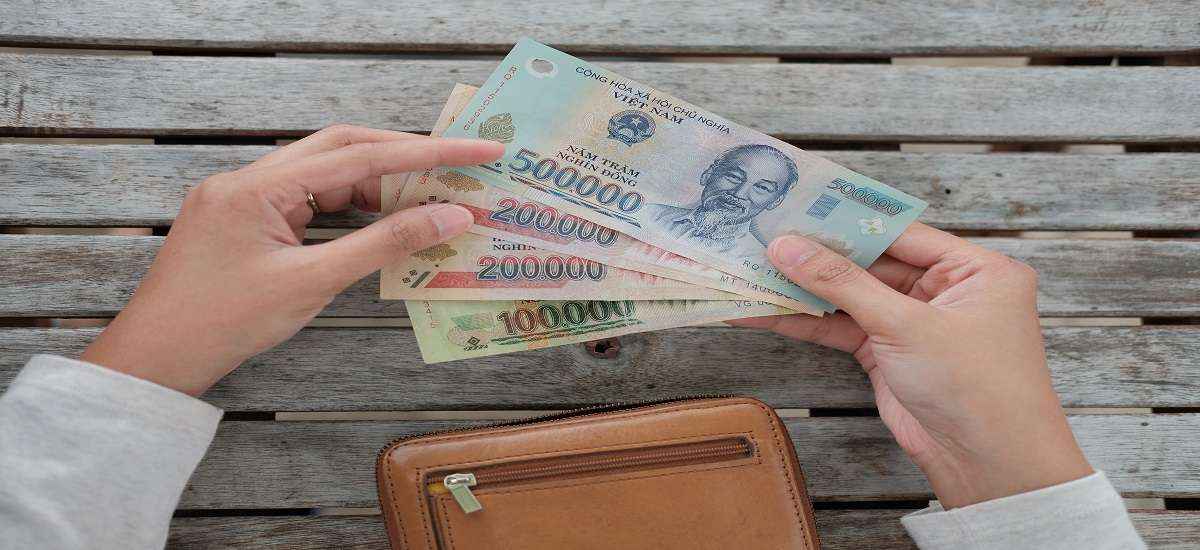
Managing money in Hanoi is relatively straightforward for Malaysian travellers, but it is helpful to understand the local currency and common payment methods to ensure a smooth experience. The official currency in Vietnam is the Vietnamese Dong (VND). Banknotes and coins are available in various denominations, with larger notes commonly used for taxis, hotels, and shopping, while smaller denominations are ideal for street food, buses, and tips.
Cash is still the most widely accepted form of payment in Hanoi. Most taxis, local buses, street vendors, and small shops prefer cash transactions. It is advisable for Malaysian travellers to carry enough small notes for convenience and to avoid difficulties with making exact payments. Currency exchange services are widely available at airports, banks, and reputable money changers throughout the city. Malaysian Ringgit can be exchanged directly at some locations, though exchanging to US Dollars first may offer better rates in certain cases.
Credit and debit cards are accepted in many hotels, restaurants, and larger stores, but they are less common in small businesses and local markets. Payment apps such as MoMo and ZaloPay are growing in popularity among locals, but these are typically less accessible for tourists. For safety, it is recommended to keep cash in a secure wallet or money belt and avoid carrying large amounts at once.
ATMs are plentiful in Hanoi and dispense cash in Vietnamese Dong. Most machines accept international cards, including Visa and Mastercard, but it is important to check fees and daily withdrawal limits with your bank before travelling. Using ATMs located in bank branches or reputable hotels is generally safer than standalone machines on the street.
By understanding the local currency, preparing small notes for everyday transactions, and using ATMs or cards wisely, Malaysian travellers can manage their money efficiently and enjoy a stress-free experience while exploring Hanoi.
Top Things to do in Hanoi
 894 ditempah

![Sehari di Ninh Binh: HOA LU–TRANG AN–HANG MUA [Pemindahan dari Hanoi+Makan Tengah Hari Termasuk]](https://ak-d.tripcdn.com/images/0356112000s07rmfn55EA_C_568_320.jpg)

FAQs for Transportations in Hanoi
-
What is the best way to get from Noi Bai Airport to Hanoi City?
-
Are taxis safe in Hanoi, and how much do they cost?
-
How does the Hanoi Metro work, and is it easy for tourists?
-
What are Cyclos and Electric Buggies, and are they worth using?
-
What is the best way to manage money in Hanoi?